Free things to do in the Cotswolds
Much of the best of the Cotswolds costs nothing: the commons, the hill forts, the wool churches, the villages and the paths between them. Here is where to go, and where you will still pay to park.
· 11 minute read
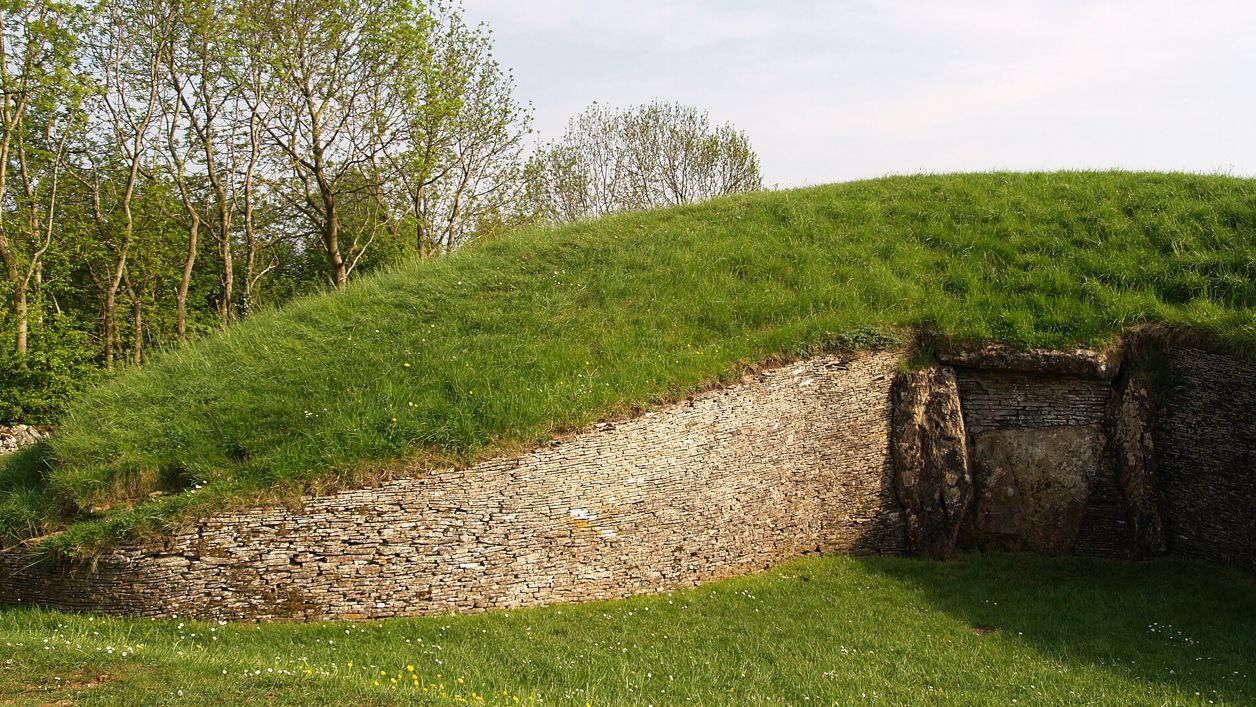
The best free things to do in the Cotswolds are its open commons, such as Minchinhampton, Rodborough and Cleeve; its prehistoric sites, such as Belas Knap; its ruins, such as Minster Lovell Hall and Cirencester's Roman amphitheatre; its great wool churches, which are open daily; a handful of free museums in Malmesbury, Stroud, Woodstock and Burford; and the villages and footpaths that link them, from Arlington Row to the Cotswold Way.
How we chose: every place below is free to enter on foot, according to its owner's own information, and each has a page of ours with the access, opening and parking details. Parking is the one cost to watch: we note where it is charged, with 2026 prices. Our page on what the Cotswolds costs has the rest of a 2026 budget, from rooms to bus fares.
What can you do for free in the Cotswolds?
Walk. Almost every footpath, common and hilltop in the Cotswolds is free, and the Cotswold Way runs 164km along the escarpment (opens in a new tab) from Chipping Campden to Bath without a ticket anywhere. Add the churches, most open every day and free, and a few free museums for a wet afternoon, and you can fill a week without an entry fee.
Free commons and hills
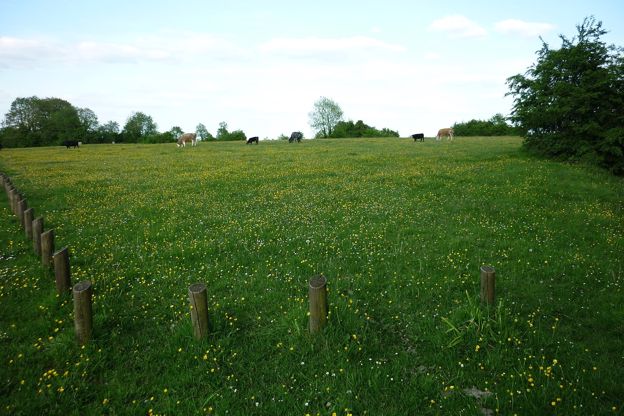
Minchinhampton Common. A wide sweep of limestone grassland above Stroud and Nailsworth, in the National Trust's care since 1913 (opens in a new tab), where commoners' cattle graze in summer. Minchinhampton Common is free and always open, with small car parks beside the roads across it, and in its turf lie an Iron Age bank, the Bulwarks, a Neolithic long barrow, Whitfield's Tump, and Second World War anti-glider trenches. Drive slowly: cattle have right of way on the roads.
Rodborough Common. The National Trust's limestone grassland on the hill between Stroud and the Golden Valley, with wide views over the valleys. It is known for pasqueflowers in spring, and Stroud District Council counts more than 30 kinds of butterfly on it. Rodborough Common is free, with small car parks beside the road, and the easy 3.4km walk round the common passes the battlemented folly of Rodborough Fort.
Cleeve Common. The largest common in Gloucestershire, its trust says, at over 400 hectares above Cheltenham, with the highest ground in the Cotswolds at 330m. Cleeve Common is free on foot; the Quarry and golf club car parks charge £2 for 24 hours (opens in a new tab) (2026; free if you leave within 20 minutes), and the other parking areas are free.
Leckhampton Hill and Crickley Hill. Leckhampton Hill, above Cheltenham, is free common land with car parks off Daisy Bank Road and Hartley Lane, an Iron Age hill fort and the Devil's Chimney. A few kilometres along the scarp, Crickley Hill is free to walk, with a café; its car park is a flat £2.50 (2026), which National Trust and Wildlife Trust members pay too.
Free prehistoric sites and ruins
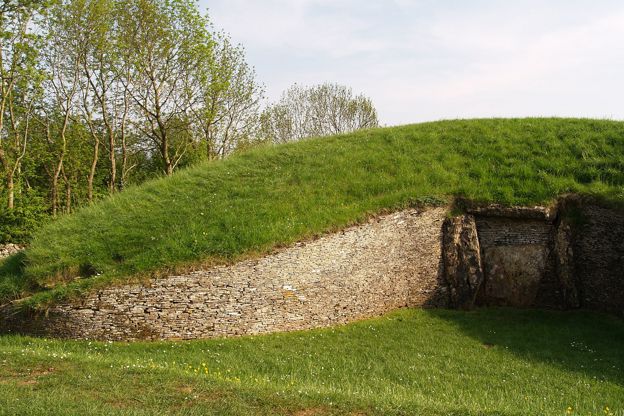
Belas Knap. A Neolithic long barrow on the hill above Winchcombe, with a false entrance and side chambers, free to visit and on the Cotswold Way. The 8.8km walk from Winchcombe to Belas Knap climbs to it through the woods. Belas Knap is open in daylight all year; the only parking is a small lay-by a little over half a mile below, a steep climb through woods and fields, so most people walk up. Keep dogs on leads: sheep may graze the fields.
Hill forts. These Iron Age forts are all free to walk: Painswick Beacon, with triple ramparts on its west and south sides; Beckbury Camp above Hailes; Sodbury Camp above Old Sodbury, where Edward IV camped in 1471; and Salmonsbury Camp on the free Greystones Farm reserve at Bourton-on-the-Water.
Minster Lovell Hall. The ruins of a fifteenth-century manor house by the Windrush between Burford and Witney, with a round dovecote. Minster Lovell Hall is free to visit in daylight, beside St Kenelm's.
Cirencester amphitheatre. The grassy banks of a Roman amphitheatre built early in the second century to hold about 8,000 people. The amphitheatre is free to visit in daylight on the edge of Cirencester.
The Long Stone. A prehistoric standing stone up to 2.1m high near Minchinhampton, pierced by holes; an old local belief held that children passed through them would be cured of rickets. The Long Stone stands in a private field about 1.5km south-east of the town and is seen free from the road beside it; park in Minchinhampton and walk out.
Free museums in the Cotswolds
Four Cotswold museums are free. In Malmesbury, the Athelstan Museum in the Town Hall tells the stories of King Athelstan and Eilmer the flying monk; it has a wheelchair lift to its mezzanine, allows dogs on a lead, and is closed on Mondays. In Stroud, the Museum in the Park is in the mansion in Stratford Park, built or remodelled by Giles Gardner in 1674, with a walled garden and a small café selling drinks and snacks (no hot food), closed on Mondays. In Woodstock, the Oxfordshire Museum has galleries on the county's history, including the town's old glove trade, and a garden; it is closed on Mondays. In Burford, the small Tolsey Museum, in the sixteenth-century market house, is run by volunteers and opens from 2pm to 5pm daily from April to October and at weekends in November and December.
Two more buildings are free to see. In Tetbury, the old police station and court of 1884 keeps its cells and courtroom, with a free police museum open Monday to Saturday until 3pm, with free guided tours on Wednesdays and Fridays. InNorthleach, the Old Prison, a house of correction built in the early 1790s, keeps its old cells and nineteenth-century courtroom, free to see, with a café.
Free churches: the wool churches and their glass
The great wool churches are free to visit and most are open every day; donations keep them so. St Mary's, Fairford, holds 28 windows of glass made about 1500 to 1515, which the parish (opens in a new tab) calls the only complete set of late medieval glass in any parish church in the country. St John the Baptist, Cirencester, has fan vaults and a three-storey porch that served as the town hall. Burford's church has the font where a Leveller carved his name in 1649, and Northleach one of England's finest collections of wool merchants' brasses. Malmesbury Abbey, the great Norman nave, is free and open daily.
Smaller churches repay the detour too: All Saints', Selsley, which the parish calls William Morris's first church commission, and where every window was designed by Morris and his colleagues;St John the Baptist, Inglesham, saved from restoration by William Morris; and St Nicholas's, Lower Oddington, with its huge medieval Doom. In Painswick, the churchyard of clipped yews and carved tombs at St Mary's is open daily. Our guide to the wool churches has more.
Free sights in the villages
The famous village sights are free. In Bibury, Arlington Row is seen from the path. In Bourton-on-the-Water, the low bridges over the Windrush, such as Narrow Bridge of 1756, are crossed free at any time. In Castle Combe, the medieval market cross stands where the street begins. At Naunton, the sixteenth-century dovecote, which still has its nesting boxes inside, stands by the village. At Adlestrop, the railway sign and seat from Edward Thomas's poem stand in the bus shelter. At Lechlade, Halfpenny Bridge is named after the toll walkers paid until 1839, and Father Thames reclines by St John's Lock. In Witney, you can walk under the 13 pillars of the Butter Cross.
Above Wotton-under-Edge, the Tyndale Monument is generally open to climb, free, and if it is locked the notice board says where in North Nibley to find the key; Jubilee Clump on Wotton Hill is open at any time. Our guide to the best viewpoints in the Cotswolds has the rest of the free views.
The Cotswolds Info newsletter
Events, new places and the best of the season, about once a month. Unsubscribe at any time.
Free walks: the Cotswold Way, the parks and the reserves
Every one of our walks is free, and many start from a free car park. The Cotswold Way is a National Trail of 164km from Chipping Campden to Bath. The walk from Lower to Upper Slaughter, 3.1km there and back, is the best short one. At Blenheim, the palace and gardens need a ticket, but the public footpaths across the park are free: from them you can see the Column of Victory and reach Queen Pool on the walk from Combe, though about 570m of that walk beside Queen Pool runs on an estate road that is not a public right of way, so check the signs at the gates. Woodchester Park, the National Trust's wooded valley with its unfinished mansion, is free to walk in, though its car parks charge non-members £4 a day. Witney Lake and Meadows and the Greystones Farm reserve are free too.
Free markets and gardens
Stroud's farmers' market fills Cornhill every Saturday from 9am to 2pm, free to wander. At Batsford Arboretum, near Moreton-in-Marsh, the café, garden centre and gift shop in the visitor centre are free to enter, though the arboretum itself charges adults £12 with Gift Aid or £10.90 without (2026). Most great gardens charge entry; for those, see our guide to the great gardens of the Cotswolds, and for wet days, the Cotswolds on a rainy day. Our page on Stroud Farmers' Market has the trains and parking.
Some of the year's events cost little or nothing. The organisers of Scuttlebrook Wake, Chipping Campden's street fair on the Saturday after the Olimpick Games, list no admission charge and ask for donations. Children 12 and under go free to the Moreton Show in September, with a ticket bought alongside an adult's, and to the Badminton Horse Trials in May, and under-18s go free with a ticket-holding adult to the Royal International Air Tattoo in July.
Mentioned in this story
The places, sights and walks in this story, each with a page of its own: what it is, when to go and how to get there.
-
Belas Knap Long Barrow
Historic houses and heritage · Winchcombe
-
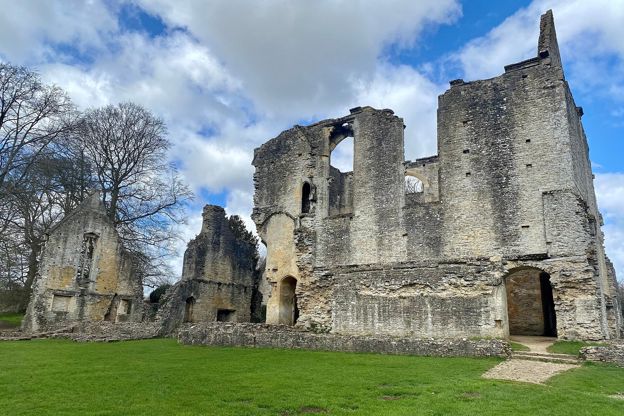
Minster Lovell Hall and Dovecote
Historic houses and heritage · Witney
-
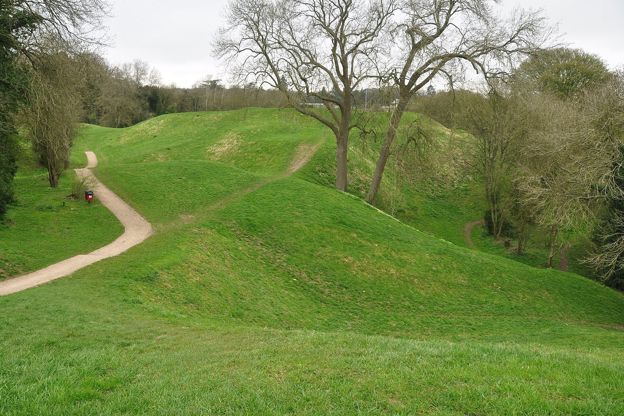
Cirencester Roman Amphitheatre
Historic houses and heritage · Cirencester
-
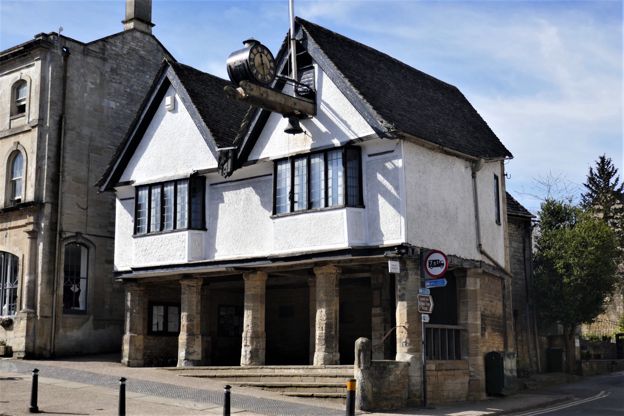
Burford Tolsey Museum
Museums and galleries · Burford
-
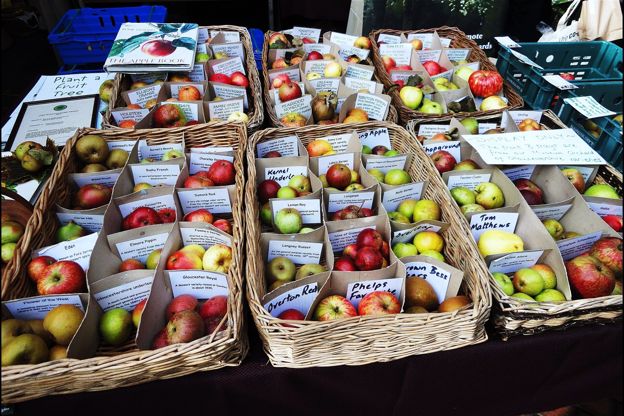
Stroud Farmers' Market
Farm shops and delis · Stroud
-
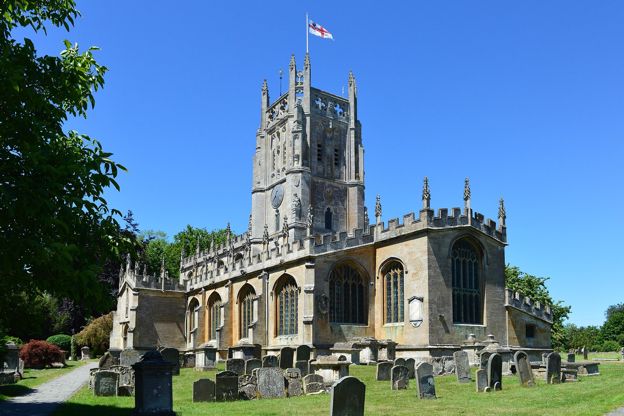
St Mary's Church, Fairford
Sight · Church · Fairford
-
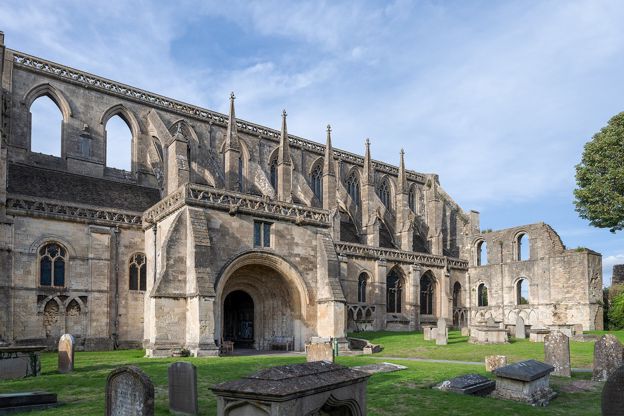
Malmesbury Abbey
Sight · Church · Malmesbury
-
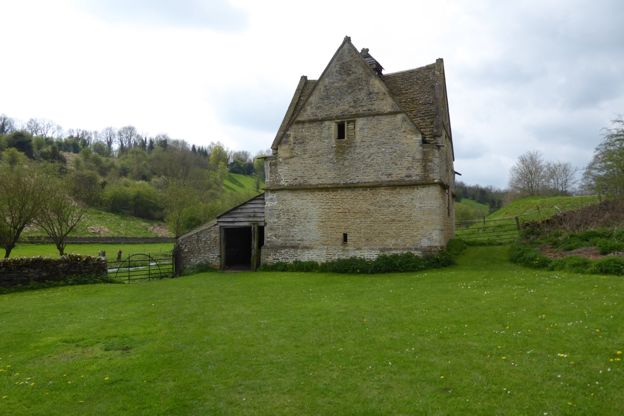
Naunton dovecote
Sight · Historic building · Naunton
-
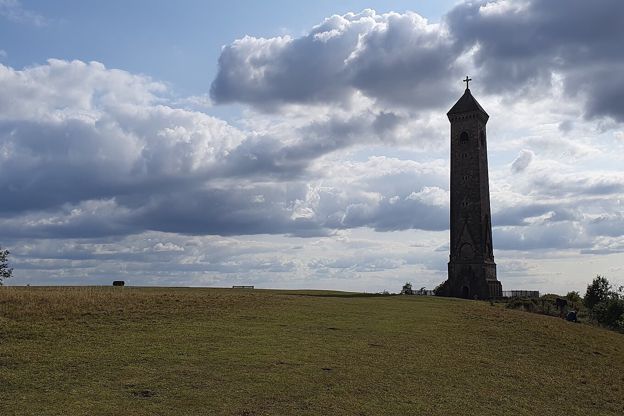
Tyndale Monument, North Nibley
Sight · Monument · Wotton-under-Edge
-
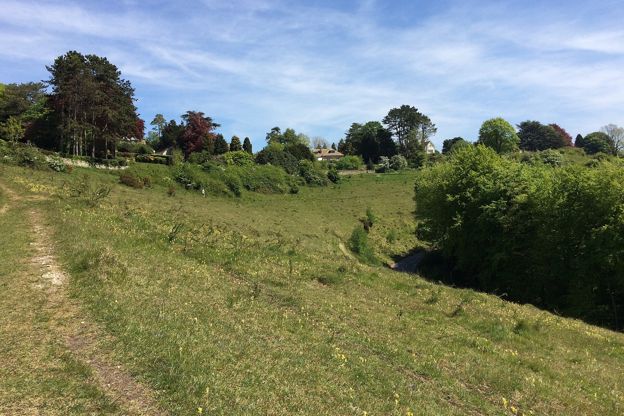
Rodborough Common and the fort
Walk · Starts in Stroud and the Five Valleys · 45 mins · Circular · Dog-friendly
-
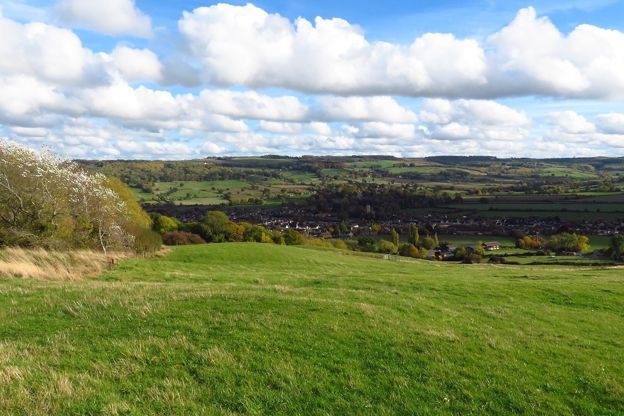
Winchcombe and Belas Knap
Walk · Starts in Winchcombe · 2 hrs, 45 mins · Circular
-
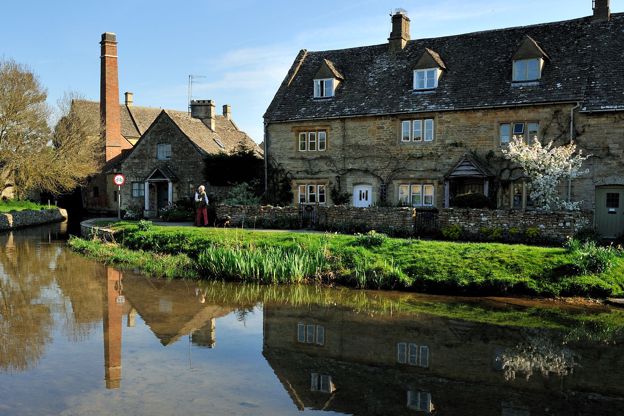
Lower Slaughter to Upper Slaughter
Walk · Starts in Lower Slaughter · 45 mins · Circular · Dog-friendly
Places to stay near Minchinhampton
-
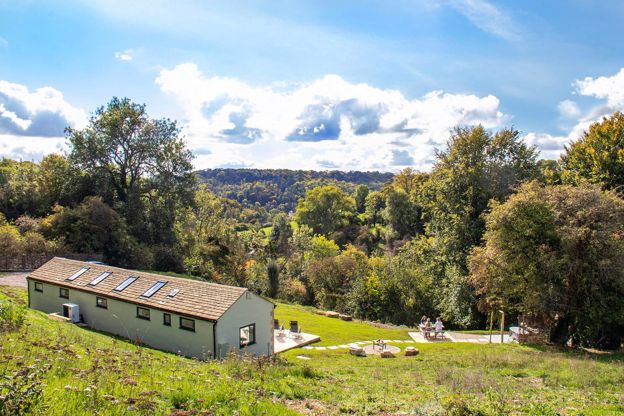
Wild View
Self-catering · Minchinhampton
A two-bedroom lodge for four in three acres of meadow at the end of a lane below Minchinhampton, with an outdoor bath, a fire pit and dogs welcome.
Dog-friendly · Family-friendly · Walker-friendly
Verified Oct 2026
-
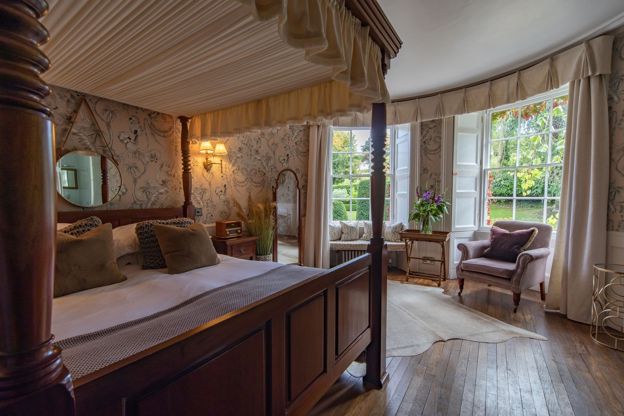
Burleigh Court
Hotel · Minchinhampton
A Grade II listed country house hotel below Minchinhampton Common, above the Golden Valley, with 18 rooms, a two-rosette restaurant and a garden spa with a sauna, hot tub and plunge pool.
Dog-friendly · EV charging · Wedding venues
Verified Oct 2026
-

The Old Lodge
Inn · Nailsworth
An inn with six rooms on Minchinhampton Common, about two miles by road from Nailsworth, breakfast included and food all day.
Walker-friendly
Verified Nov 2026
Read next
-
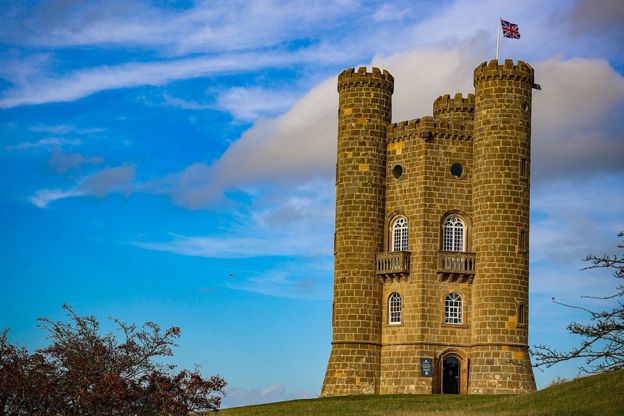
The best viewpoints in the Cotswolds
Story · Guides · 11 minute read
The best viewpoints in the Cotswolds, from Broadway Tower, Dover's Hill and Cleeve Hill to Haresfield Beacon, Crickley Hill and the Tyndale Monument: what you see from each, where to park and the walk that gets you there.
-
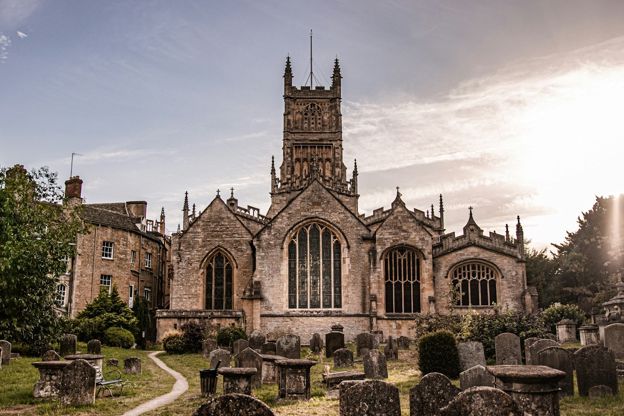
The wool churches of the Cotswolds
Story · Guides · 11 minute read
Northleach, Chipping Campden, Cirencester, Fairford, Burford and the other Cotswold churches rebuilt on medieval wool money: how the trade paid for them, what to look for in each, when they open and a route by car or on foot.
-
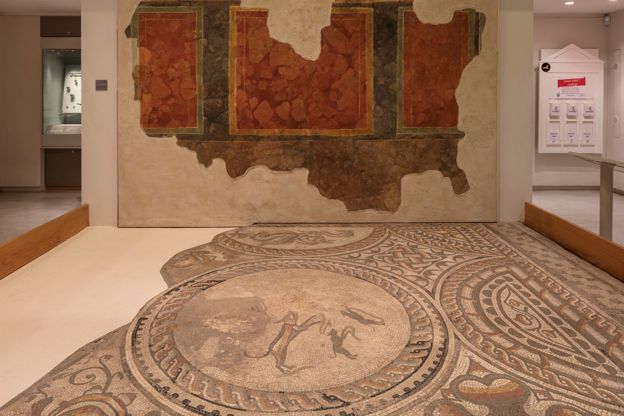
The Cotswolds on a rainy day
Story · Guides · 10 minute read
Museums, houses, a steam railway, spas with day passes, cinemas, theatres and pubs with fires: the Cotswolds when it rains, by region, with the free museums, what suits children and the honest bit about the rivers.