Oswald Bertram, CC BY-SA 2.0, via Wikimedia Commons
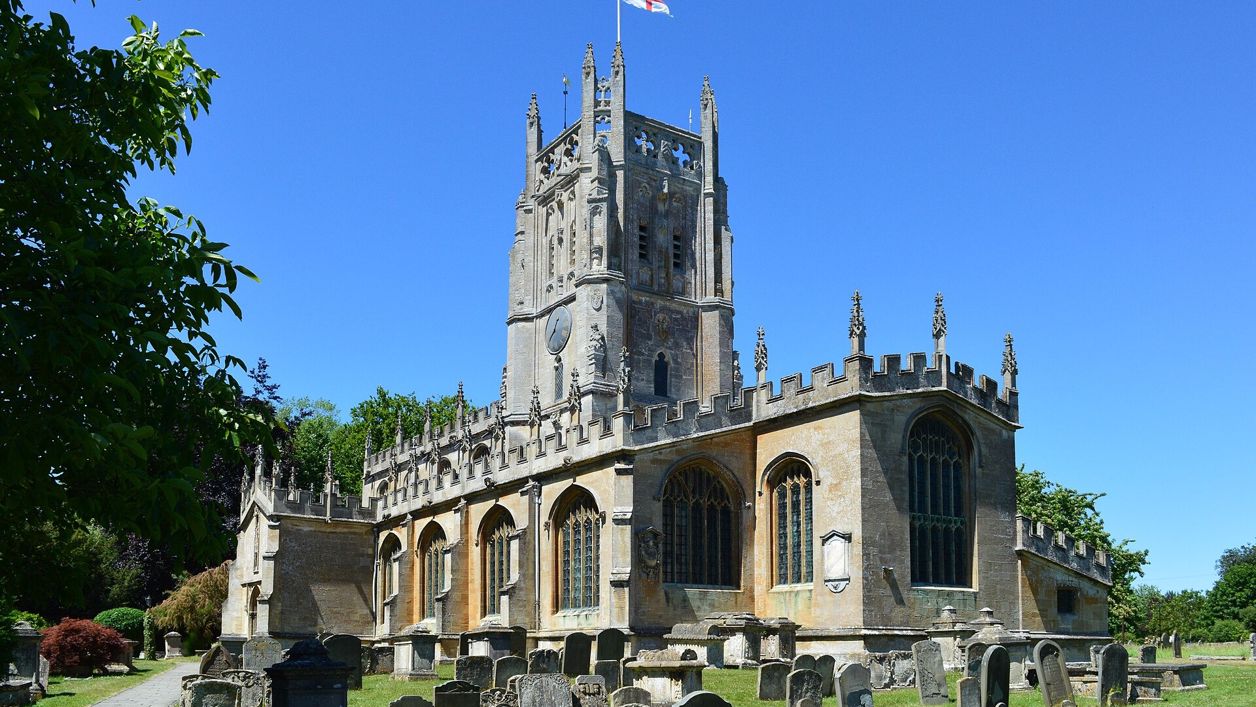
St Mary's Church, Fairford
Fairford's wool church, rebuilt in the 1490s by the merchant John Tame, holds 28 windows of glass made about 1500 to 1515, which the parish calls the only complete set of late medieval glass in any parish church in the country. Grade I; open daily, free.
Church
FairfordSt Mary's Church in Fairford is a wool church, rebuilt in the 1490s by the merchant John Tame around an older central tower, and glazed by about 1515 with a complete scheme of 28 painted windows. The parish calls it the only complete set of late medieval glass left in any English parish church, and the church is listed Grade I as an intact example of the Perpendicular style.
History
The church of St Mary was rebuilt almost entirely by one family, John Tame and his son Edmund, between about 1480 and the early sixteenth century. A priest at Fairford is recorded in Domesday Book, so a late Saxon church probably stood here, and arches with fourteenth-century ballflower ornament survive in the west side of the crossing.
John Tame and the new church
The tower was rebuilt early in the fifteenth century. John Tame, a rich wool merchant and member of the Staple of Calais, then had leave from the diocese of Worcester to pull down the rest and build a much larger church around the tower, which is why it stands in the middle rather than at the west end. The church says the work was finished in 1497. Its slender piers and big windows are Perpendicular; the parish notes its likeness to the University Church of St Mary in Oxford, rebuilt at the same time, and suggests Oxford masons may have built it.
The glass
John Tame died in 1500, and his son Edmund saw the glazing through; it was complete by 1515. No document names the donor or the glaziers, but the glass is thought to have been made in London by the workshop of Barnard Flower, Henry VII's master glazier, and the king may have been a patron. Some figures are believed to be portraits of the royal family. Edmund Tame also put in the chancel screens and built his father's tomb.
Storms, war and conservation
A great storm in November 1703 damaged the three west windows and two of the apostles on the south side. In 1863 the upper half of the Great West Window was replaced with a Victorian copy by Chance Brothers; the outcry that followed set the rule that the old glass is mended, never replaced. The church was restored in 1852 and 1890. In 1940 every window was taken out and stored in the cellars of Fairford Park for the war, and the glass went back, re-leaded, in 1946 and 1947. A full conservation programme led by Keith Barley ran from 1988 to 2010 and added clear protective glazing outside.
What to see
The 28 windows are one planned scheme, symmetrical across the church, and they are numbered, so the guidebook or the audio guide can take you round them in order.
The scheme begins with Old Testament scenes that foreshadow the Gospel, among them Gideon and the fleece in the first window. The chancel and Lady Chapel windows tell the life of Christ and of Mary, to whom the church is dedicated: look for the Nativity in window III and the Ascension in window IX. Along the nave stand 56 figures of apostles, prophets, saints, martyrs and fathers of the Church, set in pairs across the aisles, and the three west windows show judgement and mercy, with the Victorian top half of the Great West Window plain to see above the old glass.
Around the glass, look for these:
- The oak chancel screens, carved with pomegranates, the badge of Katherine of Aragon, and stone angels holding up the roof beams.
- The misericords, carved with scenes of country and household life, probably brought from Cirencester Abbey after the Dissolution.
- John Tame's Purbeck marble tomb between the chancel and the Lady Chapel, with a brass of him in armour and his wife Alice; brasses to Sir Edmund Tame (died 1534) and his two wives; and the tomb of Roger Lygon and his wife Katherine, Edmund's widow.
- The font, with the Yorkist sun in splendour, a consecration cross of 1497 by the vestry door, faint wall paintings in the tower, and a memorial to John Keble.
- Outside, the large carved figures on the tower's buttresses, the fan-vaulted south porch, and in the churchyard the Grade II* bale tomb of Valentine Strong, the mason who designed Fairford Park in 1661 and died in 1662.
Visiting
St Mary's is open every day, from 10am to 5pm in summer (11.30am to 5pm on Sundays) and from 10am to 4pm in winter, and the church lists no admission charge. A steward is usually on duty, and guidebooks, a free audio guide and binoculars for the high windows are on hand. Anyone wanting a guided tour should book through the Parish Office at least two weeks ahead, tour parties should contact the office even without a guide, and services, other groups or building work can limit access. Engraved glass doors by Tracey Sheppard, blessed in December 2025, replaced the old oak door and its small entrance door, which the church says was hard to use with a wheelchair or pushchair; A Church Near You lists a ramp and a hearing loop, and the National Churches Trust level access to the main areas; ask the Parish Office about any step at the doors. Come on a bright day for the glass: the windows glow most when the sun is on them, though they are rewarding in any weather, which is why the church features in our guide to the Cotswolds on a rainy day.
Getting there
Fairford is on the A417 between Cirencester (about 14km west) and Lechlade (7km east), and the church stands just off the Market Place in the middle of the town. There is no church car park; park in the town centre. Stagecoach West bus 77 runs between Cirencester, Fairford, Lechlade and Highworth five times a day each way from Monday to Saturday, with no Sunday service. On foot, the Cotswolds National Landscape's Fairford River Walk, 5.75 miles out and back from Quenington, follows the River Coln between Quenington and Fairford; part of it is a permitted path closed on Tuesdays.
Nearby
The Bull Hotel is on the Market Place beside the church. Up the Coln are the Norman tympana of St Swithin's, Quenington and St John the Baptist at Coln St Aldwyns; east is St Lawrence's, Lechlade, and west the great wool church of St John the Baptist, Cirencester. For the wider story, read the wool churches of the Cotswolds.
Walks past St Mary's Church, Fairford
-
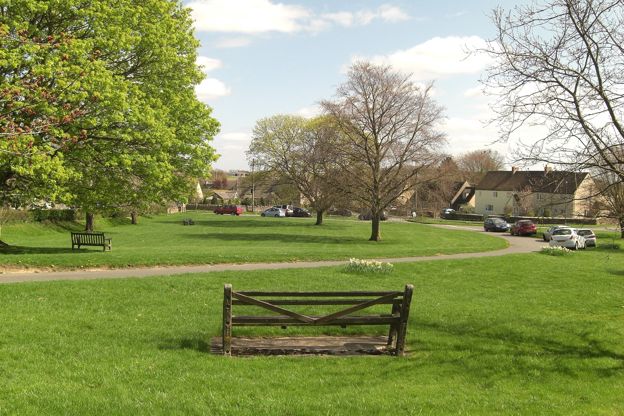
Quenington to Fairford
Walk · Starts in Coln St Aldwyns · 3 hrs · Circular
A 5.75-mile (9.25km) circular walk from the Keepers Arms in Quenington, moderate with several stiles, in two and a half to three hours: down the river valley and through a permitted wood to Fairford's Mill Bridge and church, and back. The permitted path is closed on Tuesdays.
Stay and eat near St Mary's Church, Fairford
-
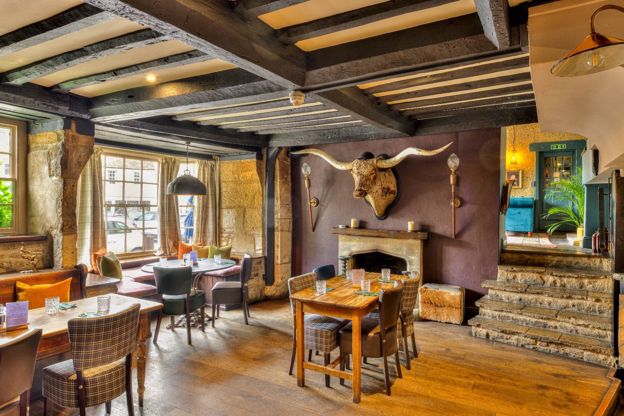
The Bull Hotel
Inn · Fairford
A Grade II listed coaching inn on Fairford's Market Place with 21 bedrooms, an Arkell's house since 1973, and a private stretch of the River Coln for fishing.
Family-friendly · Wedding venues
Verified Nov 2026
-
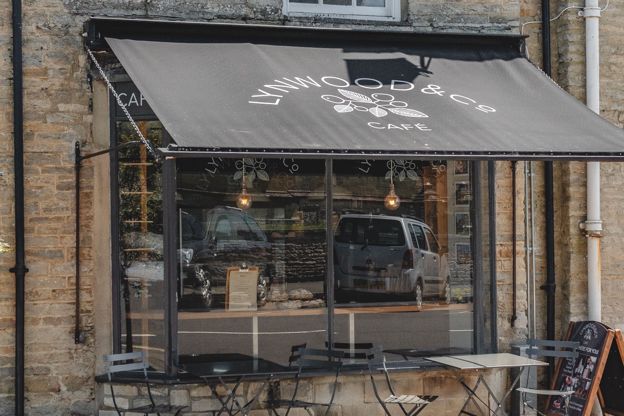
Lynwood & Co, Fairford
Cafes and tearooms · Fairford
An Australian-style café at 2 High Street, Fairford, a few minutes from St Mary's and its medieval glass, open from 8am every day for breakfast, coffee and lunch.
Verified Nov 2026
-
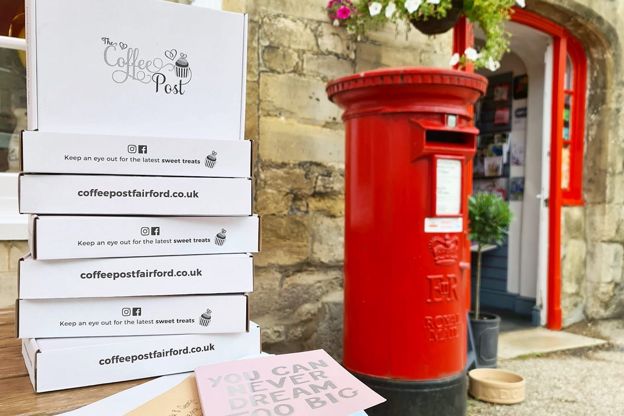
The Coffee Post, Fairford
Cafes and tearooms · Fairford
A small coffee shop and custom cake maker on Fairford's Market Place, open weekday mornings and Saturday mornings, that also sends boxes of its cakes by post.
Verified Oct 2026
Stories about St Mary's Church, Fairford
-
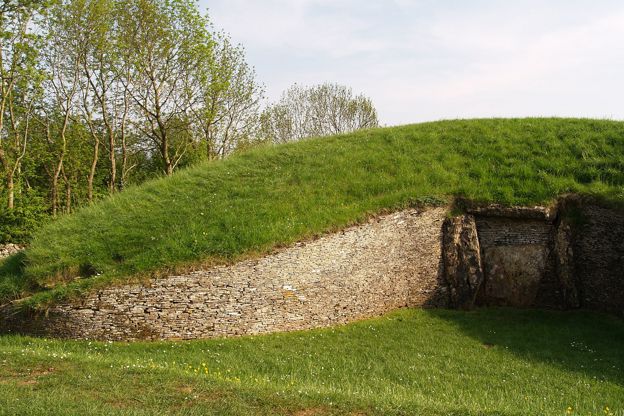
Free things to do in the Cotswolds
Story · Guides · 11 minute read
Free things to do in the Cotswolds: open commons and viewpoints, Neolithic tombs and hill forts, ruins, wool churches, free museums in Malmesbury, Stroud, Woodstock and Burford, the Cotswold Way and Blenheim's public footpaths.
-
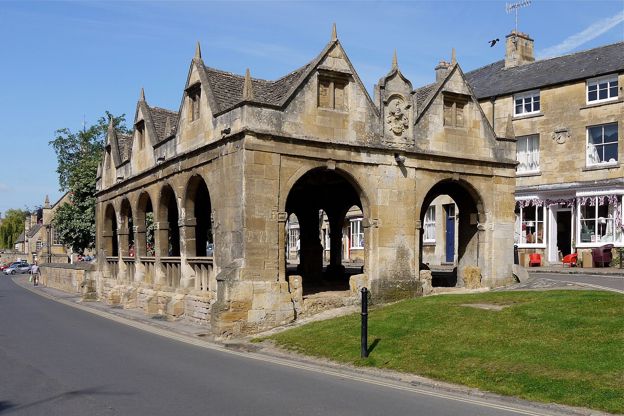
The best towns in the Cotswolds
Story · Guides · 12 minute read
The best market towns in the Cotswolds, from Chipping Campden, Stow and Burford to Cirencester, Tetbury, Winchcombe and Stroud: what each town is like, who it suits, and how to get there.
-
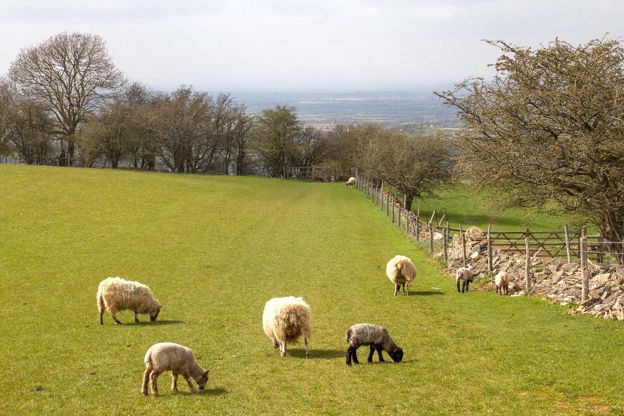
The Cotswold wool trade
Story · History · 9 minute read
How the Cotswold sheep made the hills rich: the medieval export of raw wool through the Staple at Calais, the woolmen of Campden, Northleach and Fairford, the cloth mills of the Stroud valleys, the decline, and where to see it all today.
More sights to see
-
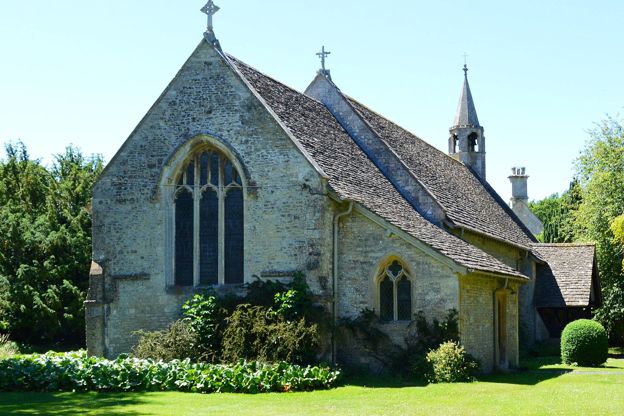
St Swithin's Church, Quenington
Sight · Church · Cirencester and the Coln Valley
Quenington's Norman parish church in the Coln valley, recorded by 1100, with two richly carved Norman doorways: the Harrowing of Hell over the north door and, over the south, what may be the earliest carving of the Coronation of the Virgin. Grade I.
-
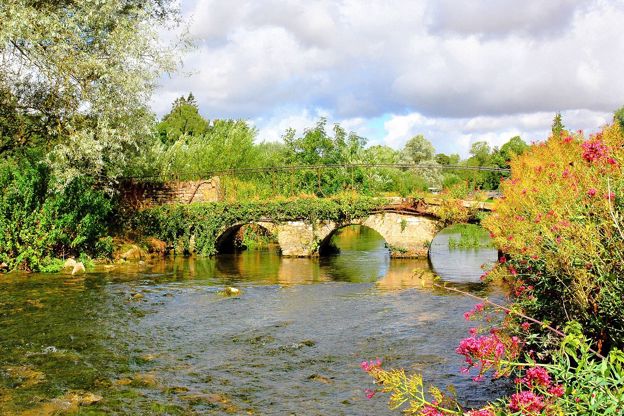
River Coln
Sight · River · Cirencester and the Coln Valley
The limestone river of the south Cotswolds, rising near Sevenhampton and running south-east past Chedworth, Bibury and Arlington Row, Coln St Aldwyns, Quenington and Fairford to join the Thames at Inglesham above Lechlade. Five of our walks follow or cross it.
-
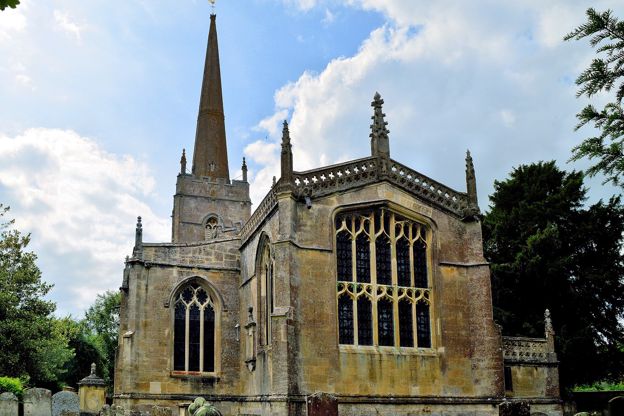
St Lawrence's Church, Lechlade
Sight · Church · Lechlade-on-Thames
Lechlade's wool church on the Market Place, rebuilt in Taynton stone in the 1470s, with a spire seen across the Thames meadows and a churchyard that moved Shelley to verse in 1815. Grade I; closed for restoration through 2026, with reopening expected by Christmas.