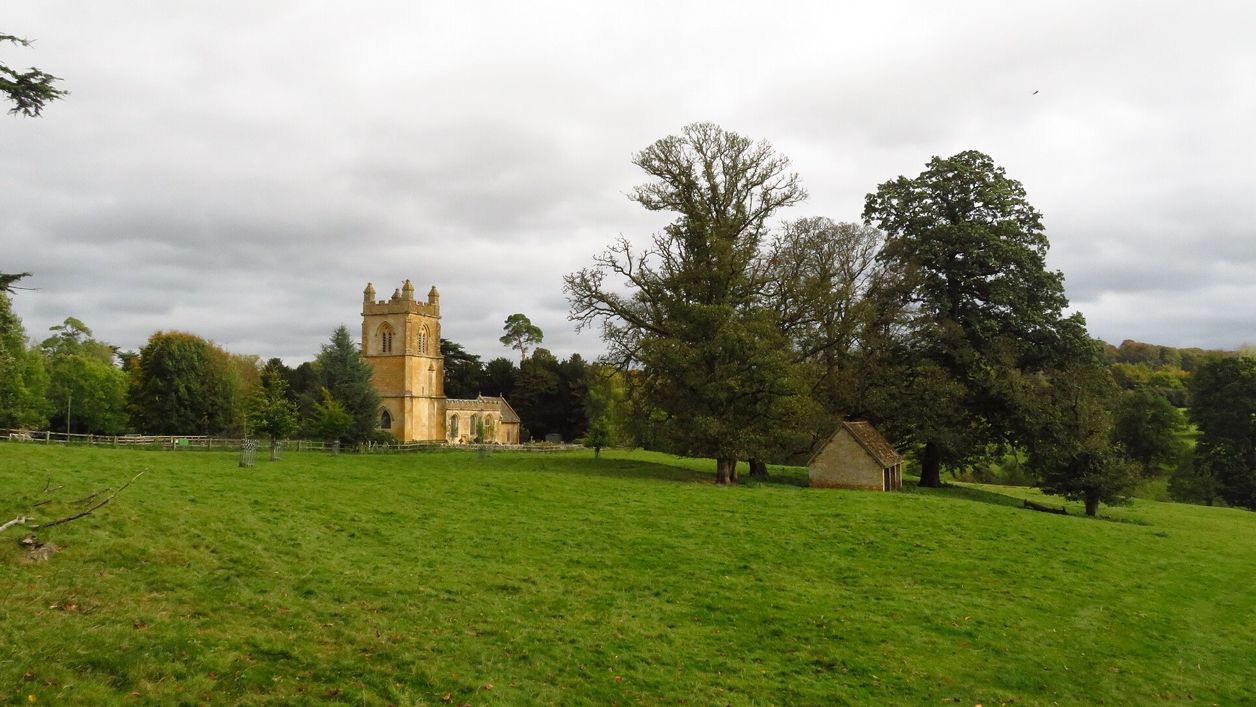
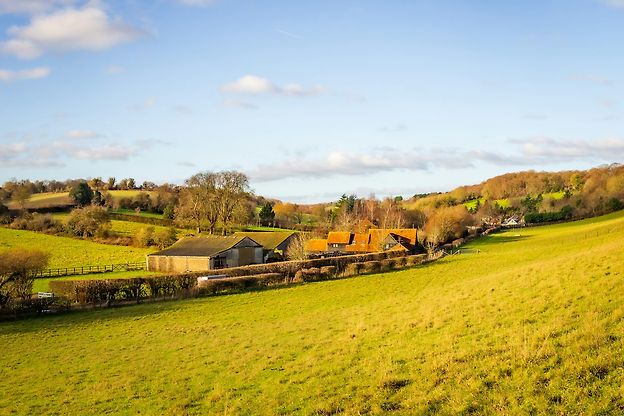
Colin Park, CC BY-SA 2.0, via Wikimedia Commons
Temple Guiting
A small village in the upper Windrush valley that takes its name from the Knights Templar, with a Grade I church open in daylight, the hamlets of Kineton, Ford and Barton around it, and the Cotswold Farm Park on its edge.
- Nearest station
- Moreton-in-Marsh, about 10 miles (16.5km) by road, then a taxi; no timetabled bus comes to the village
- Parking
- No public car park. The church asks visitors to use the village hall car park (GL54 5RW); for limited mobility, the quiet road by the church
- Best time
- Spring and autumn, for the walks out of the upper Windrush valley
- When it's busy
- Rarely busy. Most cars on the lanes are bound for the Cotswold Farm Park
- Toilets
- No public toilets in the village; the nearest we know of is the accessible composting toilet in St Michael's churchyard, Guiting Power, open in daylight
- Dogs
- Keep dogs on leads on field paths. The Cotswold Farm Park does not allow dogs into the farm itself, but welcomes them in the Ox Shed, the events fields and on its Wildlife Walk
About Temple Guiting
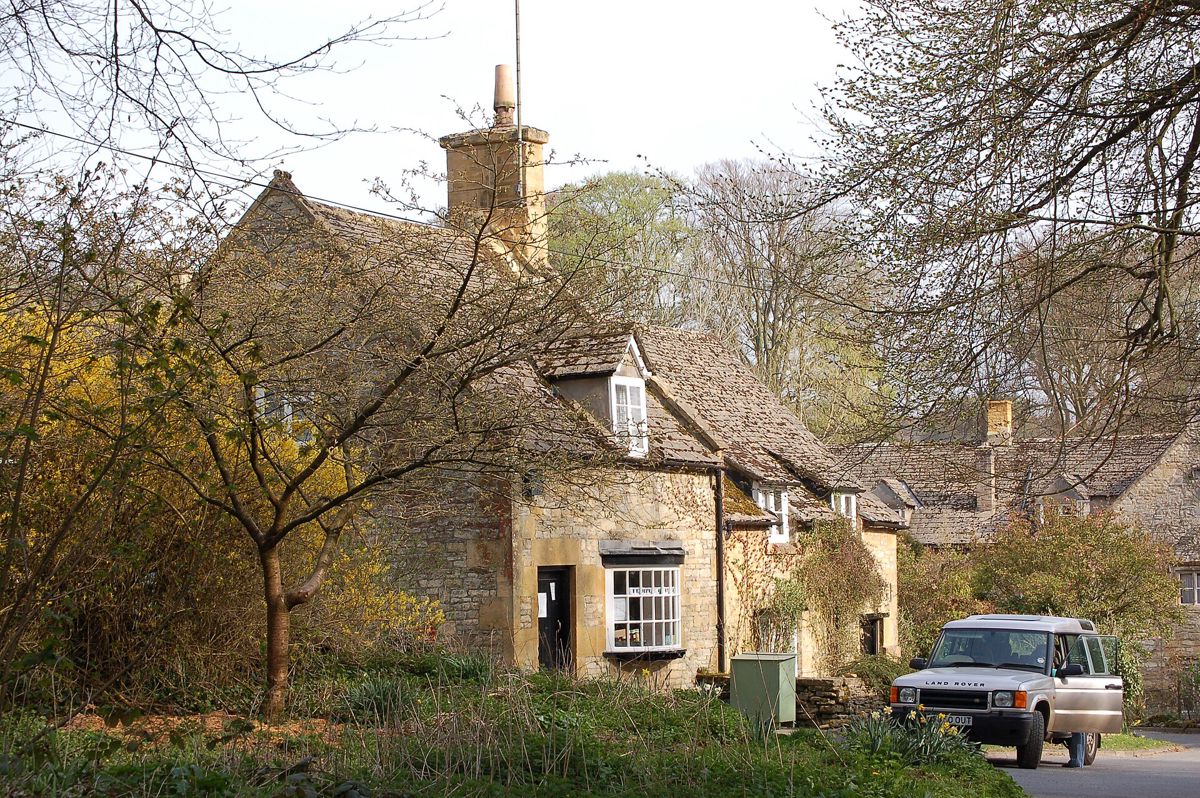
Temple Guiting is a small village in the upper valley of the River Windrush, 3 miles by road north of Guiting Power and about 7 miles west of Stow-on-the-Wold. The parish council counts about 430 people, spread between the village and the hamlets of Kineton, Ford, Barton and Farmcote. There is a church, a Georgian house in its own grounds, a village hall and lanes out to the farms, and no shop or pub that we can vouch for.
What to see
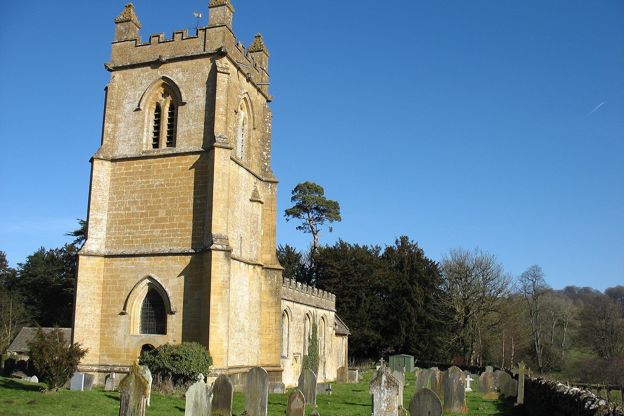
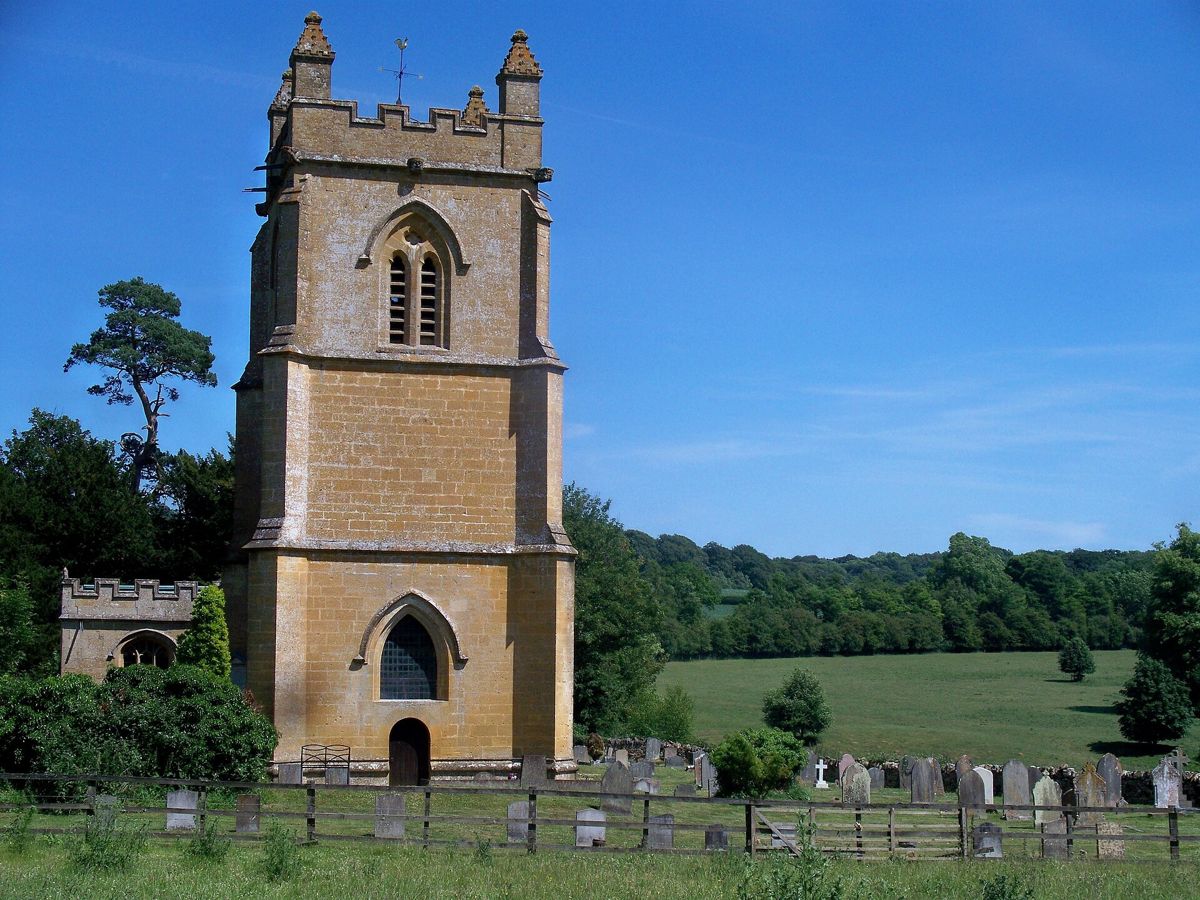
St Mary's church is the one building to go into, and its own page on A Church Near You says it is open every day in daylight, with refreshments left out for visitors. It is listed Grade I. The chancel is twelfth century, the nave was virtually rebuilt in the sixteenth century and the tower in the seventeenth, with pinnacles added in 1834. Inside, the middle window on the south side of the nave holds three panels of fifteenth or early sixteenth-century glass, one of them St James the Less with his fuller's club. There is an early eighteenth-century pulpit, and moulded plaster royal arms of George II, dated 1742 and made by John Switzer, which the listing calls a fine example.
The village takes its name from the Templars, and the church shows one sign of them: on the north side of the chancel, the fifth corbel from the right in the twelfth-century row under the eaves is carved with a Templar cross. The church's page says the order founded the church about 1170. The record is less certain. The county history shows the Templars had a preceptory, a house that ran their estates, at Guiting from the middle of the twelfth century, but no document says they built St Mary's, as our story of the Knights Templar in the Cotswolds explains.
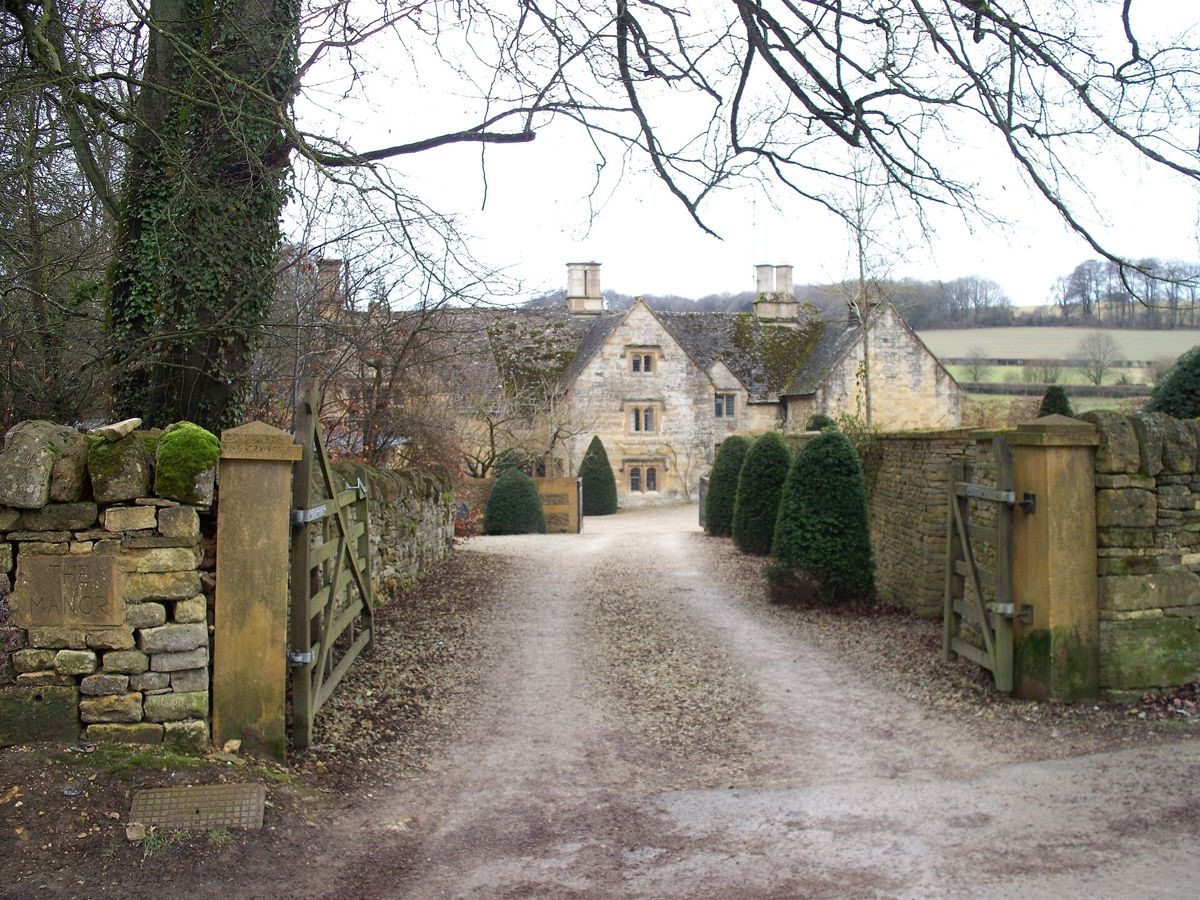
Two houses in the village are listed, and both are private. Manor Farmhouse, early sixteenth century with a dovecote attached, is Grade I; its listing calls it probably associated with the Knights Templar and says it was reputedly a summer residence of the bishops of Oxford. Temple Guiting House, Grade II, was built in the eighteenth century by George Talbot, son of the rector whose memorial is in the church, and its grounds hold listed grottoes, footbridges and an icehouse that are not open to visitors.
A morning in Temple Guiting
An hour sees the village; a morning takes in the parish around it. Start at St Mary's with the corbel and the glass, and on alternate Fridays you may find the church's West End coffee morning under way. Then drive about a mile and a half south to Kineton for lunch at the Halfway, or under 2 miles north to Ford for the Plough, both in the parish. The Cotswold Farm Park, Adam Henson's rare breeds farm, is about 2.5 miles by road, with tickets cheaper booked ahead online, and fills an afternoon with children.
Walks
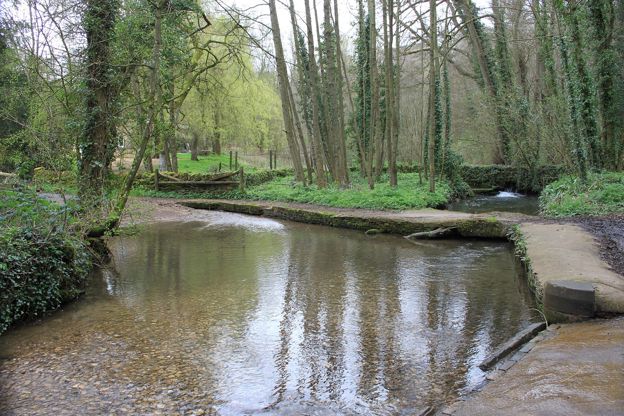
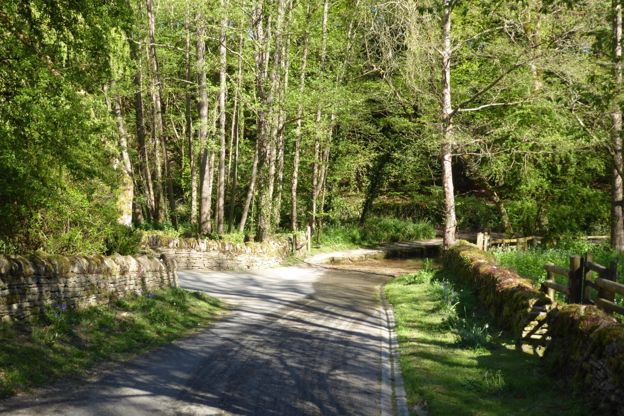
No walk of ours starts here yet, but three waymarked paths pass St Mary's, OpenStreetMap shows: the Diamond Way, the Gloucestershire Way and the Winchcombe Way. The Diamond Way is a 60-mile circuit of the north Cotswolds devised by Elizabeth Bell of the Ramblers, and it runs on south to Guiting Power. There, the Guiting Power and Naunton circuit leaves the green: 6.3 miles (10.1km) with 200m of climbing and two stiles, south on the Windrush Way to Naunton and home on the Wardens' Way. The Cotswold Voluntary Wardens lead the whole Diamond Way in six stages (opens in a new tab) on the fourth Wednesday of each month from April to September; the 2026 places all went, and they keep a waiting list that opens each January.
Food and drink
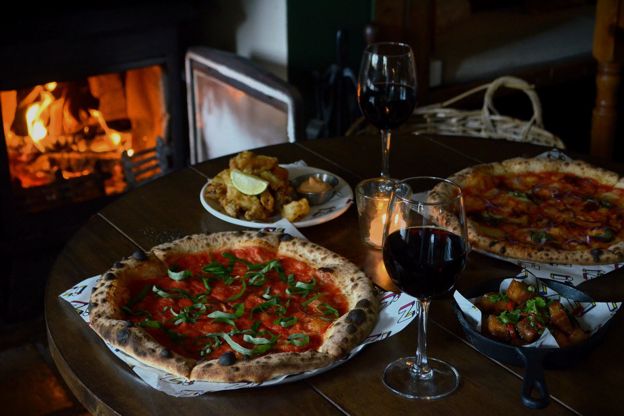
The village itself has no pub, but the parish has two. The Plough Inn at Ford, on the B4077 under 2 miles north, is a Donnington Brewery pub with food from noon to 8.30pm on Wednesdays and Thursdays and to 9pm on Fridays and Saturdays, and Sunday lunch until 4pm. Zonda at the Halfway at Kineton serves pizza and small plates from Wednesday to Saturday, noon to 2.30pm and 5pm to 9pm, and a roast on Sundays from noon to 4.30pm. Both are closed on Mondays and Tuesdays. On a Tuesday, the Farmers Arms in Guiting Power serves food from midday to 2.30pm and from 6pm; on a Monday it serves food only on its quiz nights and the other two are closed, so check or bring a picnic.
The Cotswolds Info newsletter
Events, new places and the best of the season, about once a month. Unsubscribe at any time.
When to come
Spring and autumn suit the walks, and summer is never crowded here, even when Bourton-on-the-Water is full. We have found no village event to send you to, but the Guiting Music Festival brings concerts to Guiting Power at the end of July, from Friday 23 July to Sunday 1 August in 2027. The Cotswold Farm Park gives its winter opening on its own calendar, so check it before a winter visit.
Last verified 28 October 2026 by our editors
Part of
The North Cotswolds
The high wolds between Chipping Campden and Bourton-on-the-Water: the Fosse Way towns, the Windrush villages, the Slaughters and the escarpment at Broadway.
Things to do in Temple Guiting
Historic houses and heritage · Winchcombe
Hailes Abbey
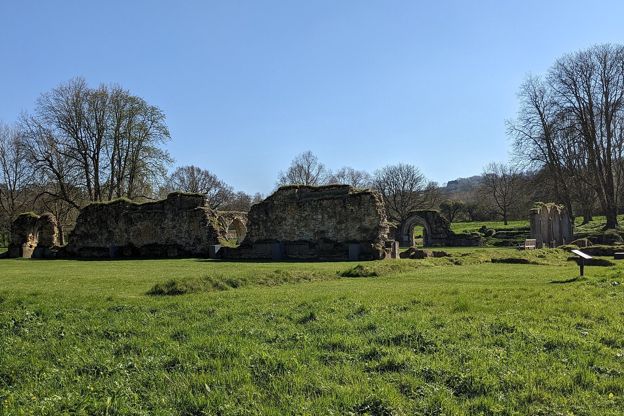
The ruins of a Cistercian abbey near Winchcombe, founded in 1246, once a place of pilgrimage, now open for booked tours on the first weekend of each month.
Where to stay in Temple Guiting
-
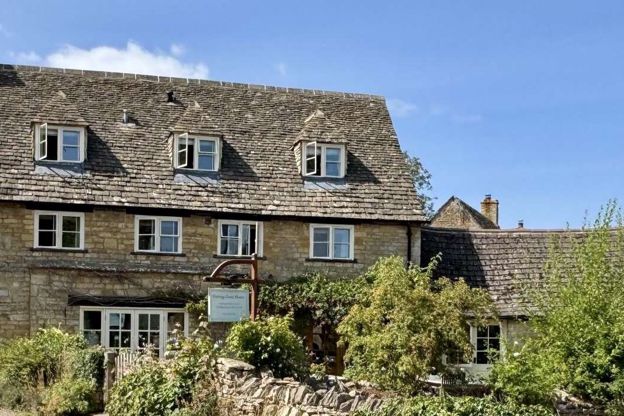
Guiting Guest House
B&B · Guiting Power
An adults-only guest house with six rooms in a seventeenth-century farmhouse in Guiting Power, kept free of pets, with an honesty bar and walking breaks.
Walker-friendly
Verified Nov 2026
-
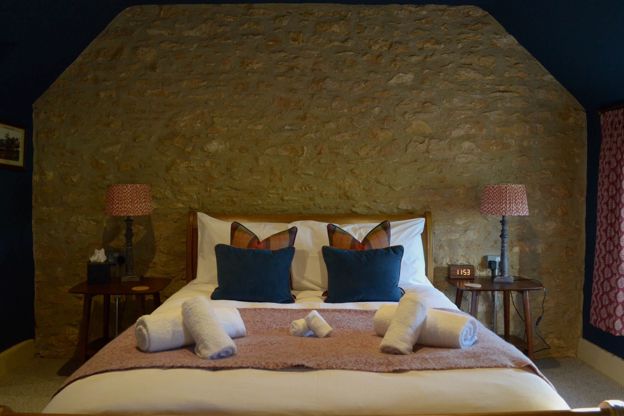
The Hollow Bottom
Inn · Guiting Power
A racing pub with six bedrooms in Guiting Power, once Ye Olde Inn, bought in 1996 by Nigel Twiston-Davies and Raymond Mould, with dogs welcome throughout.
Dog-friendly
Verified Oct 2026
-
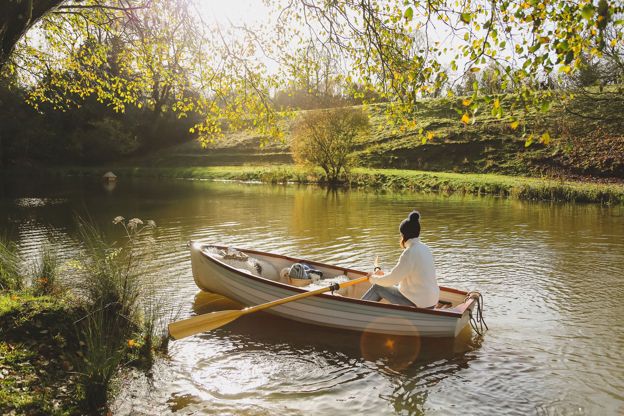
Temple Guiting Manor & Barns
Self-catering · Temple Guiting
A Grade I manor house and four converted farm buildings in 14.5 acres at Temple Guiting, let for exclusive-use holidays, celebrations and weddings for up to 32 guests.
Family-friendly · Hot tubs · Wedding venues
Verified Nov 2026
Where to eat and drink in Temple Guiting
-
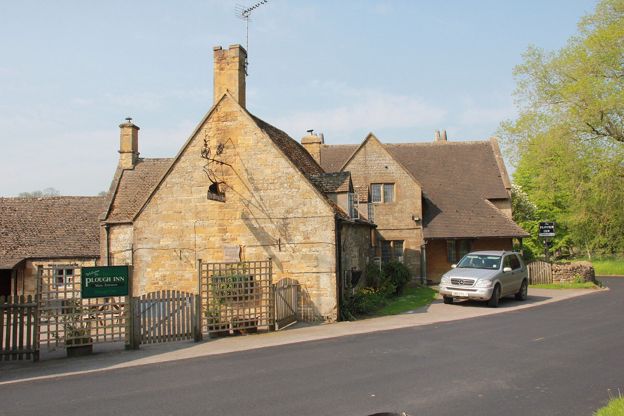
The Plough Inn, Ford
Pubs · Guiting Power
A Donnington Brewery pub on the B4077 at Ford, near Temple Guiting, serving food all afternoon and evening from Wednesday to Saturday and lunch on Sundays. Closed on Mondays and Tuesdays.
Verified Nov 2026
-
Zonda at the Halfway
Pubs · Guiting Power
A pizza pub at the Halfway in Kineton, about a mile from Guiting Power, with small plates, Sunday roasts and a set lunch, open Wednesday to Sunday.
Verified Oct 2026
-
The Farmers Arms
Pubs · Guiting Power
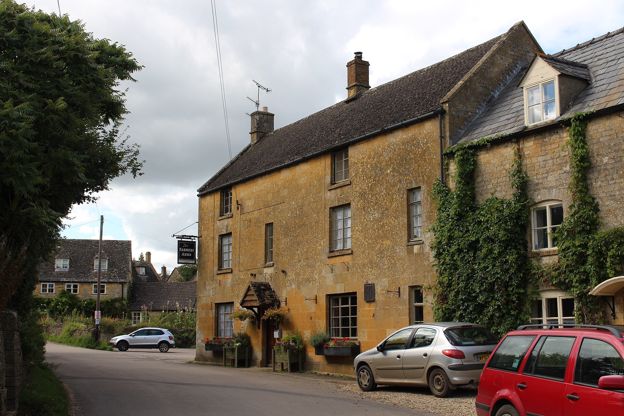
A Donnington Brewery pub in Guiting Power with a log burner, a large beer garden and a skittle alley, serving food from Tuesday to Sunday.
Verified Nov 2026
Walks in and around Temple Guiting
-
Hailes and Beckbury Camp
Walk · Starts in Winchcombe · 2 hrs, 15 mins · Circular
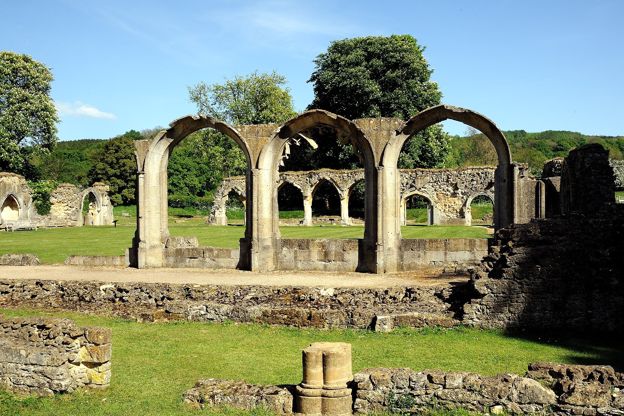
A 3.5-mile (5.6km) circular walk from Hayles Fruit Farm, moderate and about two and a quarter hours: up the monks' track to Beckbury Camp, down the edge of a wood over three stiles towards Wood Stanway, and back past Hailes church and the abbey ruins.
Sights in and around Temple Guiting
-
St Michael's Church, Guiting Power
Sight · Church · Guiting Power
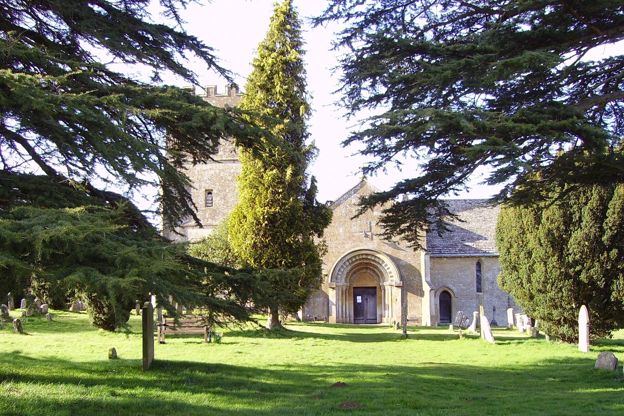
Guiting Power’s Norman church of about 1180, open daily, with two carved twelfth-century doorways (one capital a head with its tongue out), a fifteenth-century tower, transepts of 1820 and 1844 and Green Men in its roof. Grade II*; accessible toilet in the churchyard.
-
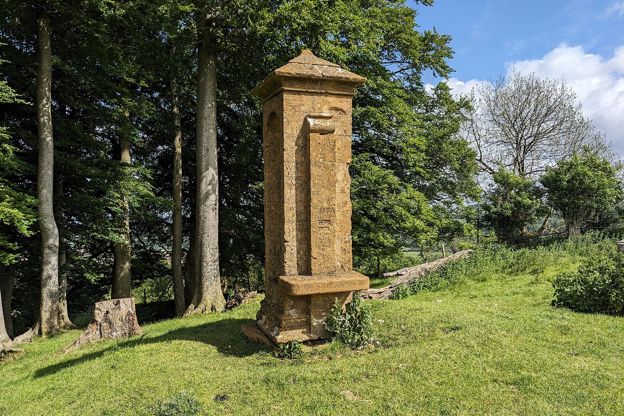
Beckbury Camp, Hailes
Sight · Hill fort or barrow · Winchcombe
An Iron Age hillfort on the Cotswold edge above Hailes, near Winchcombe, its bank still up to 4m high, with the nineteenth-century monument called Cromwell's Seat, where the story goes that Thomas Cromwell watched Hailes Abbey burn. On the Cotswold Way.
-
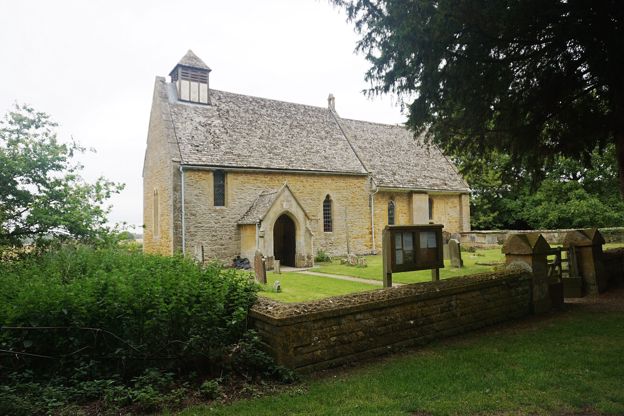
Hailes Church
Sight · Church · Winchcombe
A little twelfth-century church at Hailes, near Winchcombe, older than the abbey across the lane, with fourteenth-century paintings of heraldry and beasts, a giant St Christopher, medieval tiles and screen, and seventeenth-century pews. Grade I.
Getting to Temple Guiting
- By car
- By the B4077 from Stow-on-the-Wold, which passes Ford at the north end of the parish, then the lane south into the village; or by the lanes north from Guiting Power.
- Parking
- The church asks visitors to use the village hall car park (GL54 5RW). There is no other public car park.
- By bus
- No timetabled bus. The Robin, Gloucestershire's bookable minibus, stops at the school and the Sherry; book ahead, £3 a single (2025 fares).
- By train
- Moreton-in-Marsh, on GWR's Cotswold Line from London Paddington, is about 10 miles by road; from there, a taxi or the Robin.
Access
St Mary's has a gravel path from the road and no steps, and the church says it suits mobility scooters and many wheelchair users who can manage gravel. For the shortest way in, park on the quiet road by the church.
| Cotswold Farm Park | 2.5 mi |
|---|---|
| Guiting Power | 3.1 mi |
| Stow-on-the-Wold | 7.5 mi |
| Winchcombe | 8.1 mi |
| Moreton-in-Marsh station | 10.6 mi |
| Cheltenham | 14.9 mi |
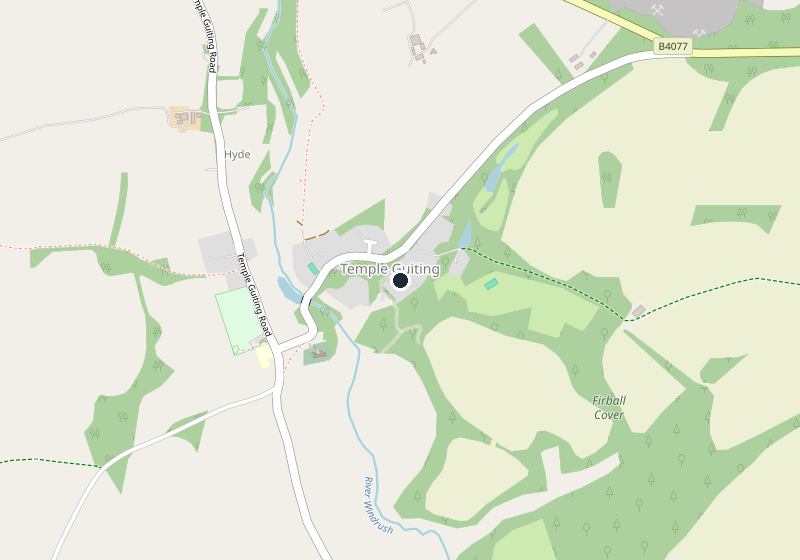
Places near Temple Guiting
-
 Guiting PowerA small stone village round a green on the Wardens' Way and the Windrush Way, a few miles from Adam Henson's Cotswold Farm Park, with a twelfth-century church.
-
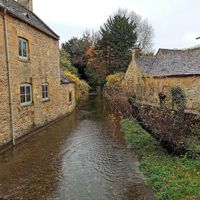 NauntonA long, quiet village on the floor of the upper Windrush valley, with a sixteenth-century dovecote by the river, a Donnington pub and the Windrush Way on the hill above.
-
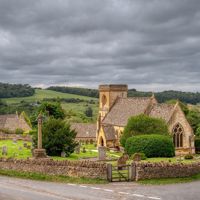 SnowshillA tiny hill village above Broadway with Snowshill Manor, Charles Wade's house of extraordinary collections, and lavender fields that flower in midsummer.
-
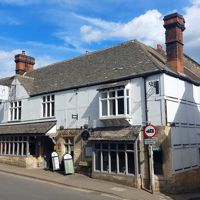 WinchcombeA walkers' town below the escarpment, with Sudeley Castle and Katherine Parr's tomb, the ruins of Hailes Abbey, Belas Knap on the hill and a steam railway.