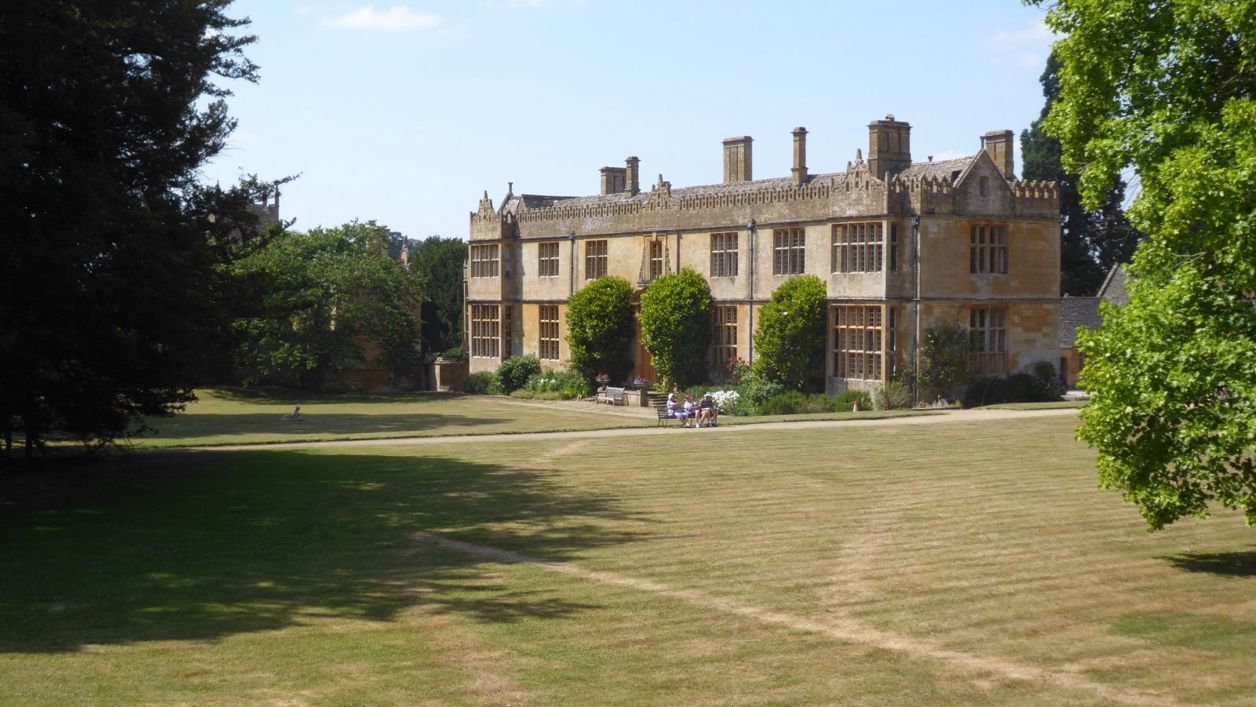
Philip Halling, CC BY-SA 2.0, via Wikimedia Commons
Stanway
An estate village at the foot of the escarpment between Stanton and Winchcombe, with a Jacobean manor that opens two afternoons a week in summer, a fountain about 92m high, a fourteenth-century tithe barn and a thatched cricket pavilion on staddle stones.
- Nearest station
- Cheltenham Spa, about 13 miles; the 606 bus to Toddington or the Stanton turn, then a mile on foot
- Parking
- Stanway House has ample visitor parking when it is open; we found no other public car park, and the nearest is the parish car park by Stanton cricket ground
- Best time
- A Tuesday or Thursday afternoon in June, July or August, when the house opens
- When it's busy
- Quiet nearly all year; the house's open afternoons and the village fete in July (Saturday 11 July in 2026) bring the only crowds
- Dogs
- Welcome on leads at Stanway House and in its grounds; on a lead on the Cotswold Way, where there is livestock
About Stanway
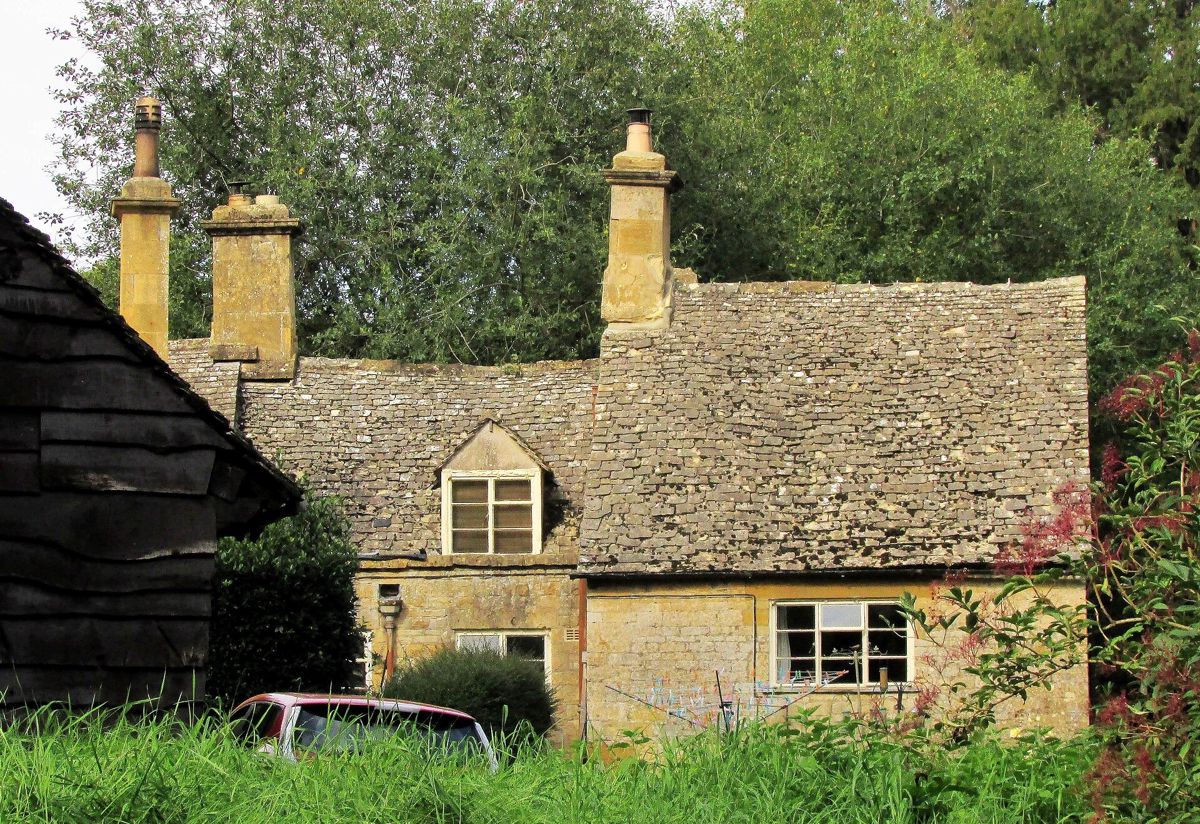
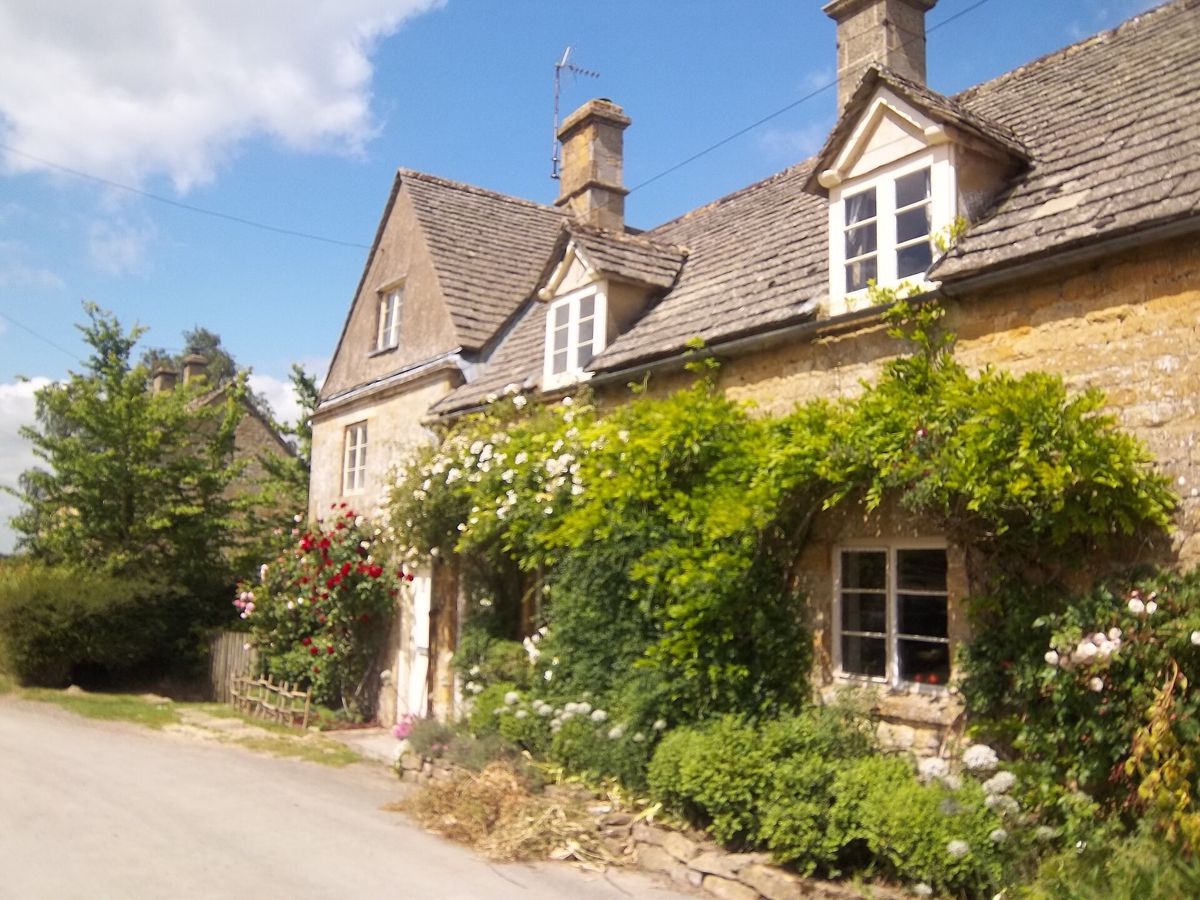
Stanway is a village of a church, a manor house, a tithe barn and a handful of cottages, all in the same golden stone, at the foot of the Cotswold escarpment between Stanton and Winchcombe. It belongs to one estate, and it looks it: no shop, no pub, and a gatehouse that is the most elaborate building for miles. The Cotswold Way runs through the village past the church and the gatehouse.
Stanway House and its fountain
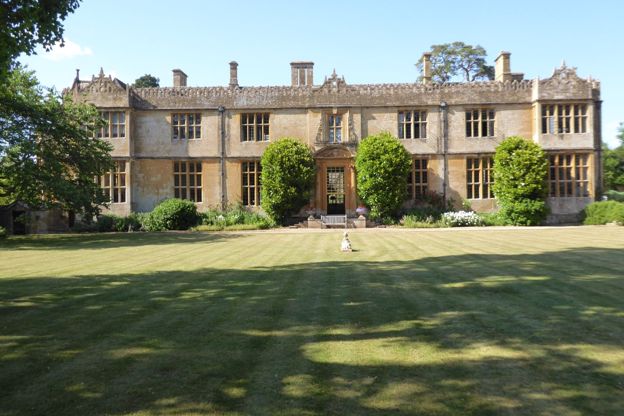
Stanway House is a Jacobean manor that is still a family home, and it opens only on Tuesday and Thursday afternoons in June, July and August, from 2pm to 5pm. That rule is the thing to plan around. The Victoria County History thinks Sir Paul Tracy began the present house in the early seventeenth century and that Sir John Tracy extended it later that century. The south front is late seventeenth century. The Tracys' descendants, the Charteris family, Earls of Wemyss, have owned it since 1835 and live there now.
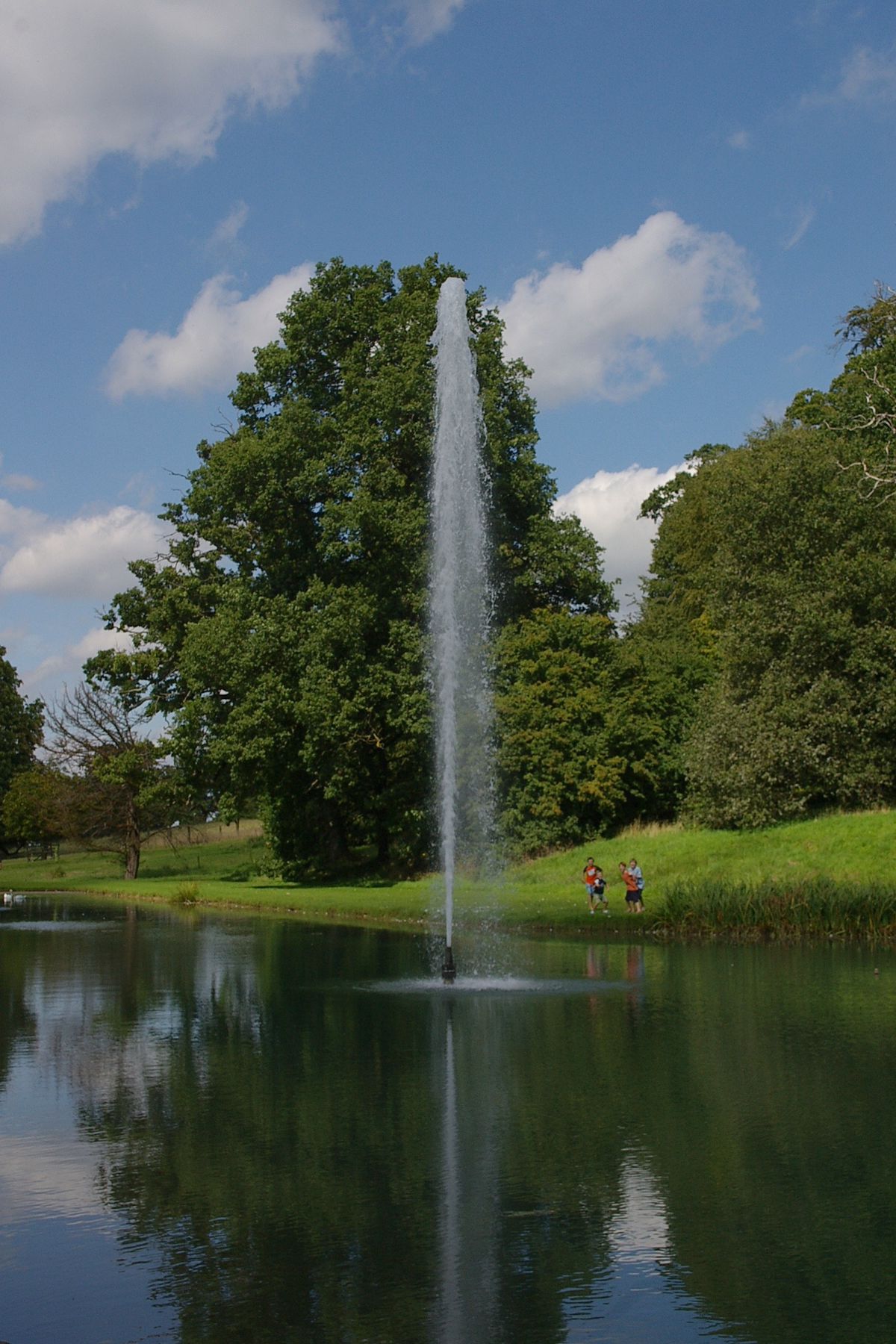
The fountain is the modern surprise. A single jet rises from the canal in the water garden, and the house gives its height as about 92m, the tallest fountain in Britain. It was switched on for the first time on 5 June 2004, and the house calls it the highest gravity fountain in the world: the water falls to it from the hill above, with no pump. The house does not publish the times it plays, so ask when you arrive. The house's own page listed house and fountain at £12 for an adult and £30 for a family, and the fountain alone at £9, but the page carried no date, so take the prices as a guide. Historic Houses members go in free.
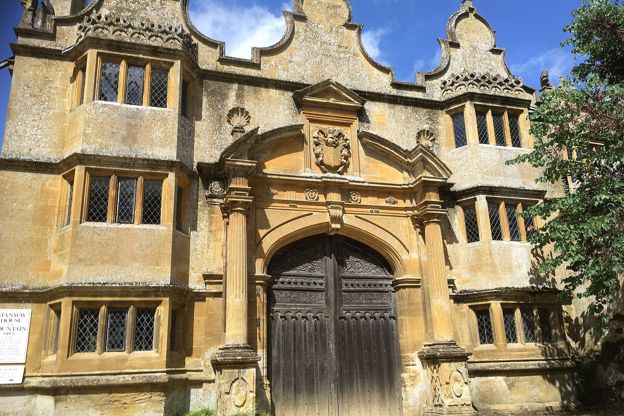
The gatehouse beside the church is what everyone photographs: gabled, arched and far grander than the lane it stands on. Historic England's listing dates it to about 1630 and suggests Timothy Strong of Barrington as the mason. The county history was more cautious and thought it nearer 1700. Either way it is listed Grade I, like the house.
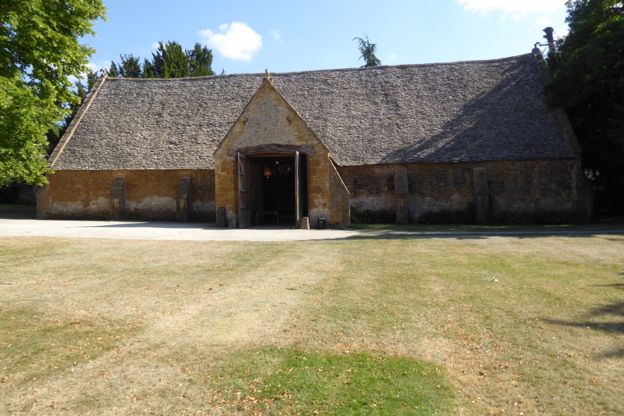
The tithe barn, the church and the cricket pavilion
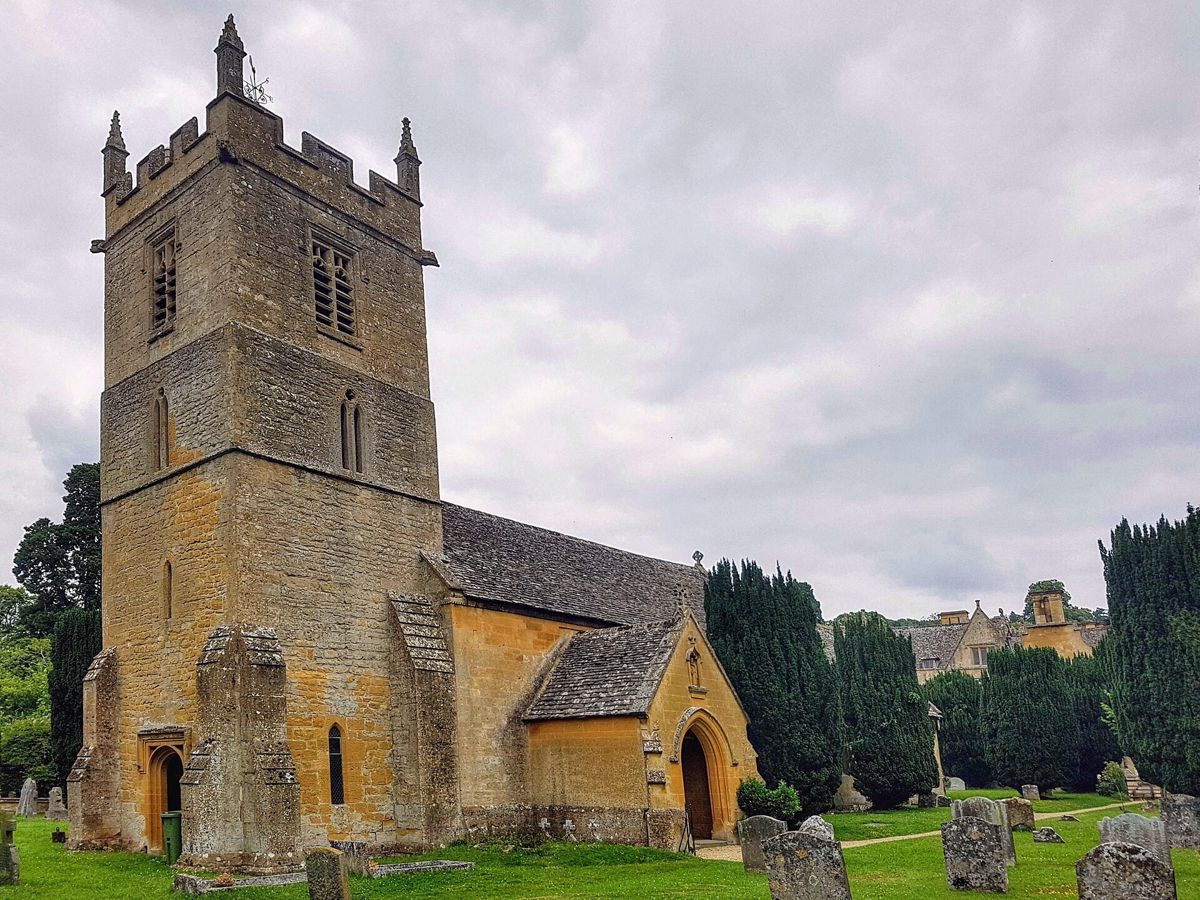
The tithe barn across the lane was built around 1370 for Tewkesbury Abbey, which held Stanway at the Domesday survey and kept it in hand until 1533. Sir Philip Stott, the architect who restored Stanton, restored the barn in 1927 for the Earl of Wemyss, and it is the village hall today, listed Grade I. St Peter's church next to it keeps twelfth-century masonry in its nave and chancel, a tower begun in the thirteenth century and raised in the fifteenth, and a heavy restoration of 1896. It is Grade II*.
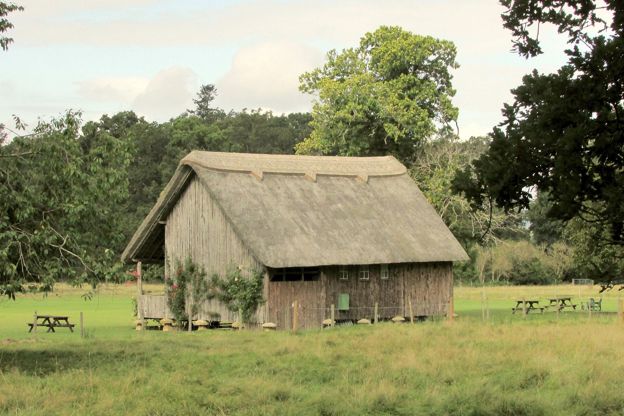
The oddest listed building in the village is the cricket pavilion on the field by the road. J M Barrie, the author of Peter Pan, was a frequent guest at Stanway House in the early twentieth century, and in 1925 he gave the cricket club a pavilion, built by John Oakey of Winchcombe. It is timber framed, clad in larch poles and thatched, and it stands on 25 staddle stones, five rows of five, the mushroom-shaped stones that once kept rats out of granaries. The listing says it appears to be externally unchanged. Stories that Barrie promised the pavilion if he took a hat-trick are told locally. We found no record of it.
An afternoon here
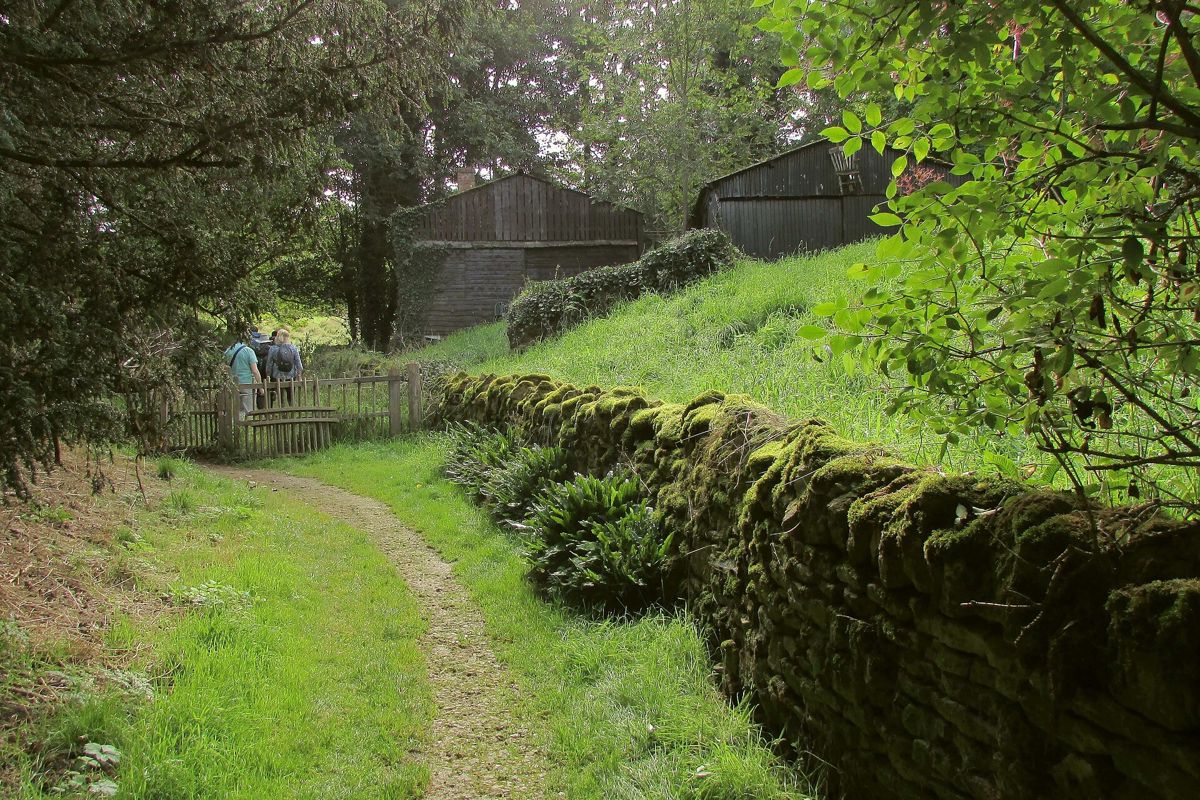
Come on an open Tuesday or Thursday. Walk in from Stanton along the Cotswold Way, about 2 miles (3km) through level fields, and arrive at the gatehouse a little before 2pm. See the house and the water garden, wait for the fountain, and take tea in the tea room. Then cross the lane to the church and the tithe barn, walk down to the cricket pavilion, and walk back to Stanton for a drink at the Mount Inn at the top of the village street. On any other day the gatehouse, church and barn are all visible from the lane.
Walks from Stanway
The Cotswold Way crosses the park on its second section, Broadway to Wood Stanway, 6.5 miles (10.5km), which comes down off the edge into Stanton and then runs level through the fields past the church and the gatehouse to the hamlet of Wood Stanway, a mile south. The next section climbs from Wood Stanway to Beckbury Camp and drops to Hailes Abbey and Winchcombe, 5.4 miles. Our circular walk from Hailes to Beckbury Camp covers the hill above Wood Stanway. Wood Stanway has no timetabled bus, only the bookable Robin, so plan the way back before you set out.
The Cotswolds Info newsletter
Events, new places and the best of the season, about once a month. Unsubscribe at any time.
Food and drink
Stanway has no pub and no shop. The tea room at Stanway House serves cream teas, cakes and ice cream on open afternoons only. The nearest pub is the Mount Inn at Stanton, a Donnington pub about 2 miles away on foot by the Cotswold Way. Our guide to Cotswold pubs and the breweries behind them covers it. Hayles Fruit Farm at Hailes, about 3.5 miles by road, has a farm shop and café, closed on Mondays. For the fuller choice, Winchcombe is 5 miles away.
When to come
The house sets the calendar: summer Tuesdays and Thursdays, and nothing else. Outside the opening, spring and autumn are the best walking months, and the gatehouse looks its best in low afternoon sun. Stanway is never busy. The people you meet will mostly be walking the Cotswold Way.
Last verified 27 October 2026 by our editors
Part of
The Cotswold Edge
The western escarpment, where the wolds end in a wooded edge above the Severn vale: Winchcombe and Sudeley, Belas Knap, Cleeve Hill and the Cotswold Way along the top.
Things to do in Stanway
Historic houses and heritage · Stanway
Stanway House and Fountain
A Jacobean manor below the Cotswold edge near Winchcombe, home of the Earls of Wemyss, with a 1720s water garden and a single-jet fountain about 92m high, open on Tuesday and Thursday afternoons in summer.
-
Hailes Abbey
Historic houses and heritage · Winchcombe
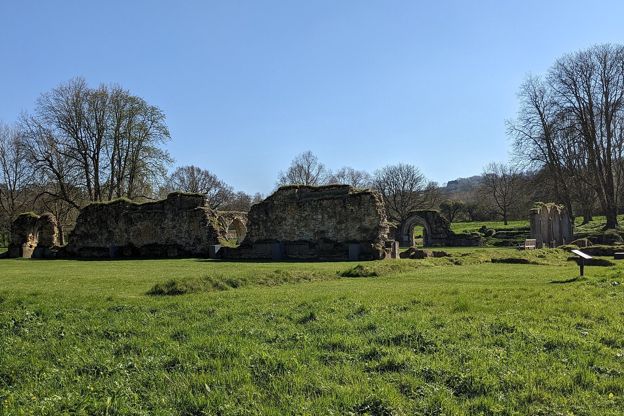
The ruins of a Cistercian abbey near Winchcombe, founded in 1246, once a place of pilgrimage, now open for booked tours on the first weekend of each month.
Walker-friendly
Verified Nov 2026
-
Snowshill Manor and Garden
Historic houses and heritage · Snowshill
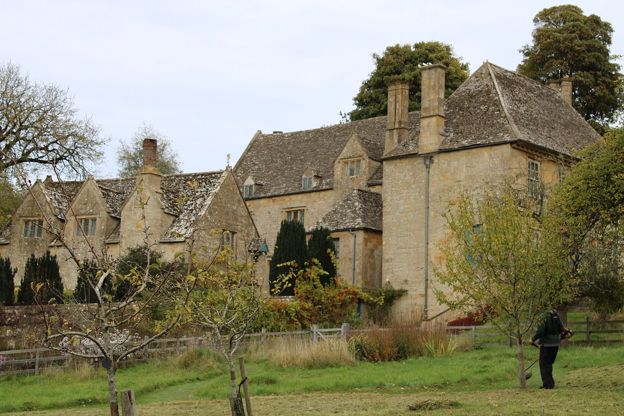
Charles Wade's house of collected craftsmanship, from bicycles to armour, above Broadway, given to the National Trust in 1951, with its garden and model village.
Dog-friendly · EV charging
Verified Oct 2026
-
Winchcombe Pottery
Independent shops · Winchcombe
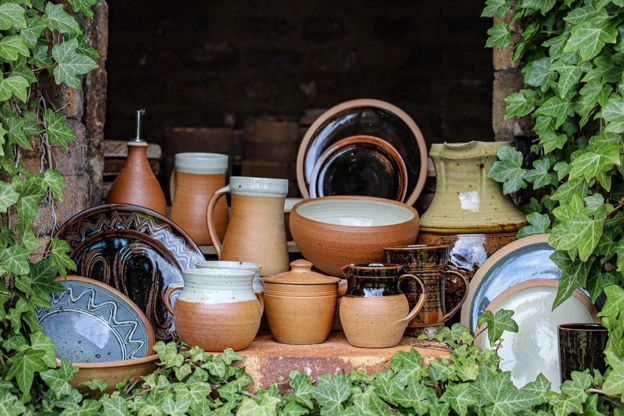
A working pottery at Greet, a mile north of Winchcombe, where Michael Cardew restarted pottery-making in 1926; its shop sells the wood-fired and soda-glazed tableware made on site.
Verified Oct 2026
Where to stay in Stanway
-
North Farmcote
B&B · Winchcombe
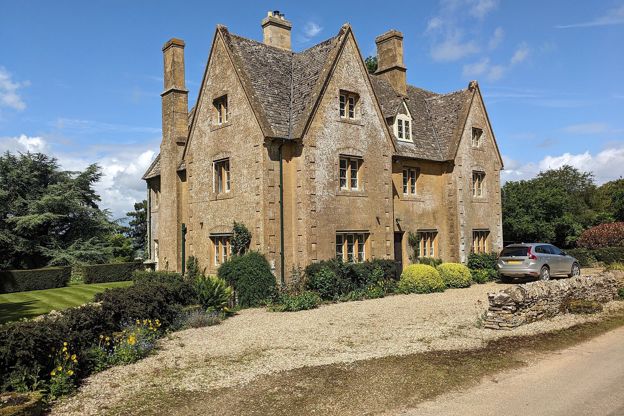
Bed and breakfast in a farmhouse above Winchcombe, built around 1840, its owners say, as a dower house for Lord Sudeley's mother.
Walker-friendly
Verified Oct 2026
Where to eat and drink in Stanway
-
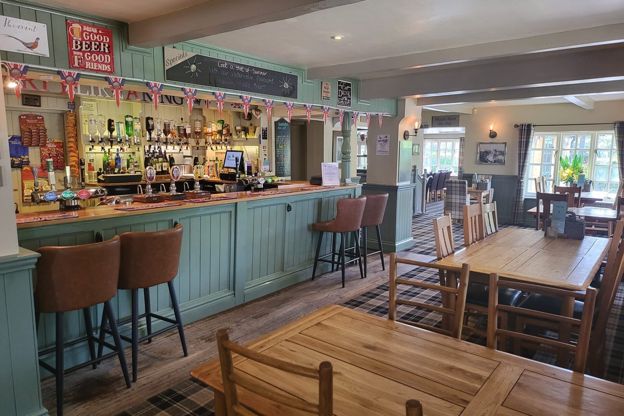
The Pheasant Inn
Pubs · Winchcombe
A traditional Cotswold inn at Toddington, about 3 miles north of Winchcombe, with homemade food, Donnington ales and a beer garden.
Family-friendly
Verified Oct 2026
-
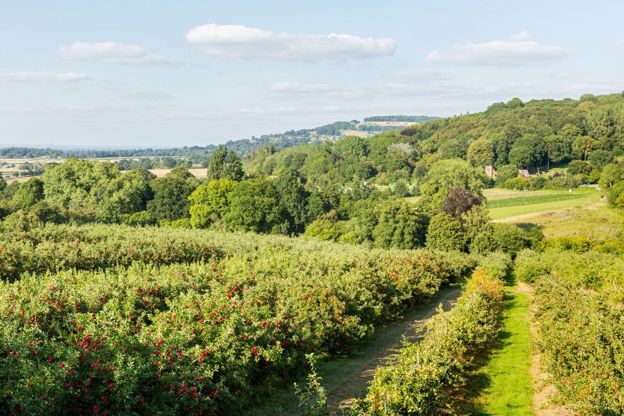
Hayles Fruit Farm
Farm shops and delis · Winchcombe
A fruit farm at Hailes, about 3 miles by road from Winchcombe, with a farm shop, the Orchard Kitchen tearoom, pick your own and its own Hayles cider.
Family-friendly · Walker-friendly
Verified Nov 2026
-
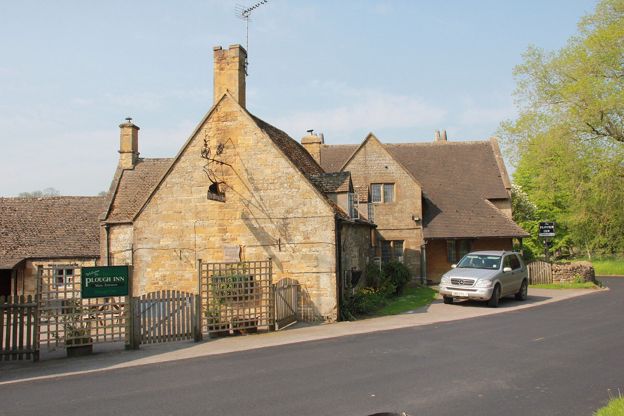
The Plough Inn, Ford
Pubs · Guiting Power
A Donnington Brewery pub on the B4077 at Ford, near Temple Guiting, serving food all afternoon and evening from Wednesday to Saturday and lunch on Sundays. Closed on Mondays and Tuesdays.
Verified Nov 2026
Walks in and around Stanway
-
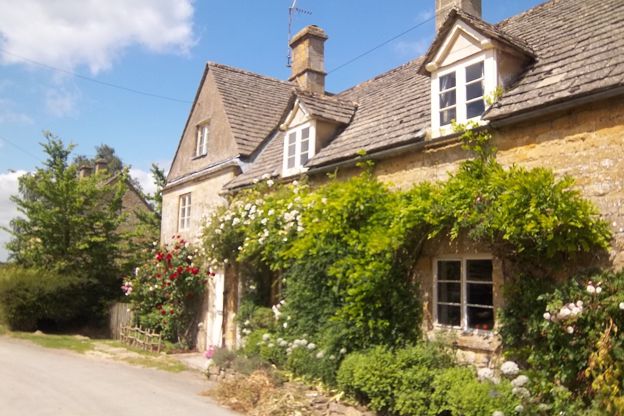
Cotswold Way: Wood Stanway to Winchcombe
Walk · Starts in Stanway · 3 hrs, 15 mins · Dog-friendly
A 5.4-mile (8.8km) one-way walk on the third section of the Cotswold Way, from Wood Stanway to Winchcombe, moderate and about three and a quarter hours: a steep climb to the top, Beckbury Camp, the old track down to Hailes Abbey, then lanes into the town.
-
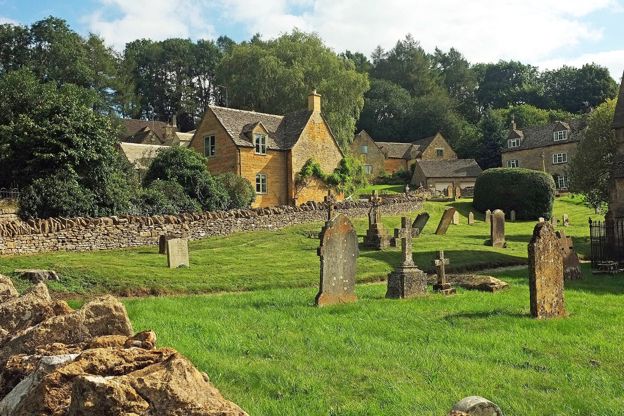
Stanton, Snowshill and the edge
Walk · Starts in Stanton · 4 hrs, 30 mins · Circular
A 6.6-mile (10.6km) moderate loop from Stanton of three and a half to four and a half hours, with steep sections and stiles: up the Cotswold Way, through Littleworth Wood to Snowshill and its manor, then back along the top to the Mount Inn, or 2.5 miles by a short cut.
Sights in and around Stanway
-
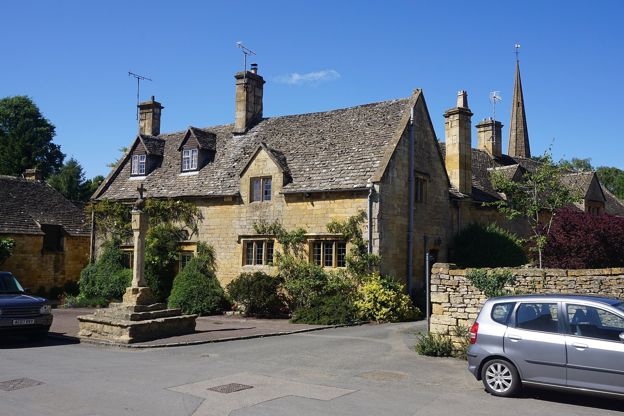
Stanton village cross
Sight · Monument · Stanton
Stanton's village cross stands where the High Street meets Church Lane: medieval steps and socket stone carrying a later shaft topped by a sundial, a ball and a cross. Listed Grade II and a scheduled monument, it is on the Cotswold Way, open at all times.
-
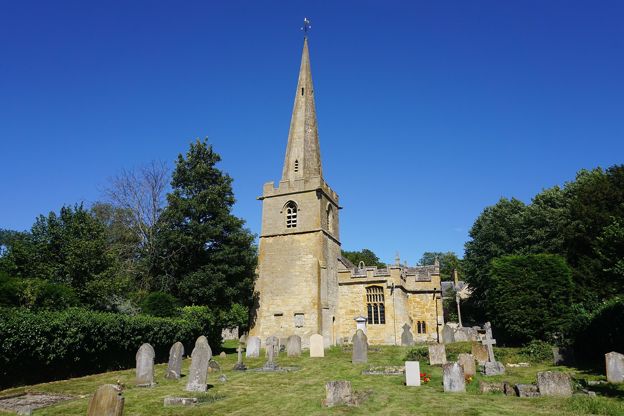
St Michael and All Angels, Stanton
Sight · Church · Stanton
St Michael and All Angels is Stanton's Grade I church, of the twelfth to seventeenth century, with a spired west tower, medieval wall paintings and a rood loft and east window by Sir Ninian Comper. It stands on Church Lane, by the cross and the Cotswold Way.
-
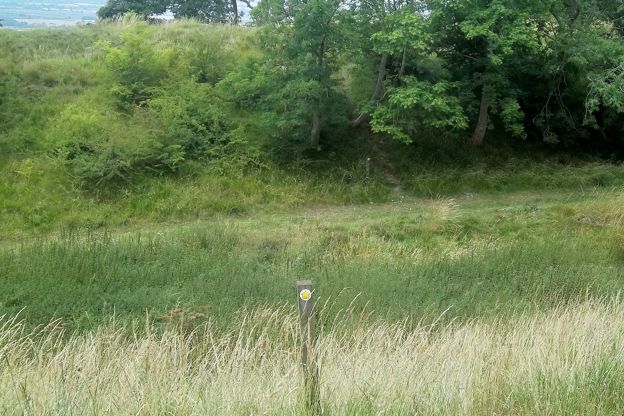
Shenberrow Camp
Sight · Hill fort or barrow · Stanton
Shenberrow Camp is a small Iron Age hill fort on the Cotswold Edge above Stanton, a D-shaped enclosure of about 1.9 hectares inside two banks and ditches, nearly 300m up beside Shenberrow Buildings farm. The Cotswold Way runs through it. A scheduled monument.
Stories about Stanway
-
Why Cotswold stone is golden
Story · History · 9 minute read
The Jurassic limestone that built the Cotswolds, the iron that colours it honey in the north and grey in the south, the quarries at Taynton, Barrington, Guiting and Painswick, the stone slate roofs and the dry-stone walls, and where to see each.
Getting to Stanway
- By car
- On the B4077 Stow to Tewkesbury road, a mile east of its junction with the B4632 Cheltenham to Broadway road. Stanway House has visitor parking on open days (GL54 5PQ).
- By bus
- Pulhams 606 (Cheltenham, Winchcombe, Broadway) stops at Toddington and at the Stanton turn, Monday to Saturday, each about a mile from Stanway. No Sunday service.
- By bus
- The Robin, the county council's bookable minibus, stops at Stanway tithe barn and Wood Stanway, Monday to Saturday, 7am to 7pm; book by app or on 0345 263 8139.
Access
Stanway House advises disabled visitors to telephone first about access; they see only part of the house and pay the fountain-only price. The Cotswold Way through the park is level, on grass and field paths.
| Stanton | 4.5 mi |
|---|---|
| Toddington | 2.9 mi |
| Hailes | 3.6 mi |
| Winchcombe | 5.2 mi |
| Broadway | 6.8 mi |
| Cheltenham | 13.2 mi |
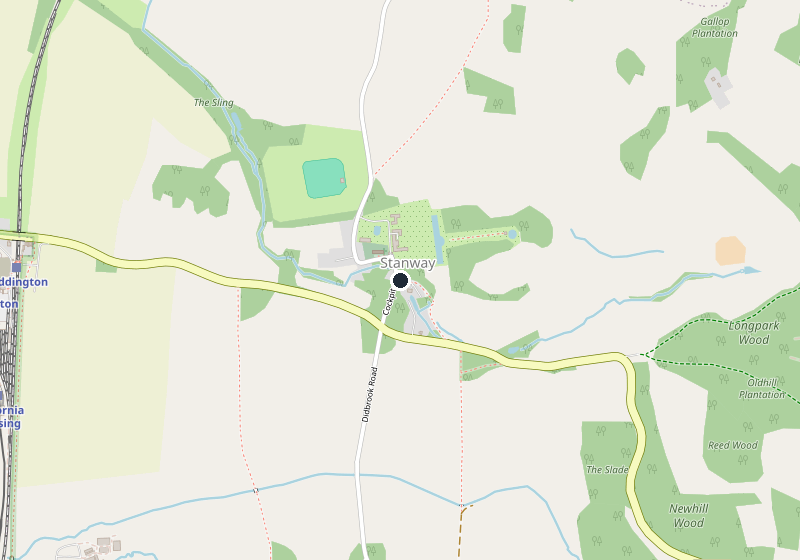
Places near Stanway
-
 StantonA spring-line village on the Cotswold Way below the escarpment, restored by Sir Philip Stott from 1906, with a Grade I church and a pub at the top of the street.
-
 WinchcombeA walkers' town below the escarpment, with Sudeley Castle and Katherine Parr's tomb, the ruins of Hailes Abbey, Belas Knap on the hill and a steam railway.
-
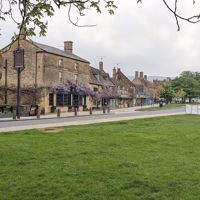 BroadwayA Worcestershire village below the escarpment, an old coaching stop with a long High Street, two museums, an artists' history and Broadway Tower on the hill.
-
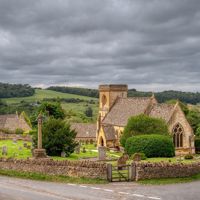 SnowshillA tiny hill village above Broadway with Snowshill Manor, Charles Wade's house of extraordinary collections, and lavender fields that flower in midsummer.