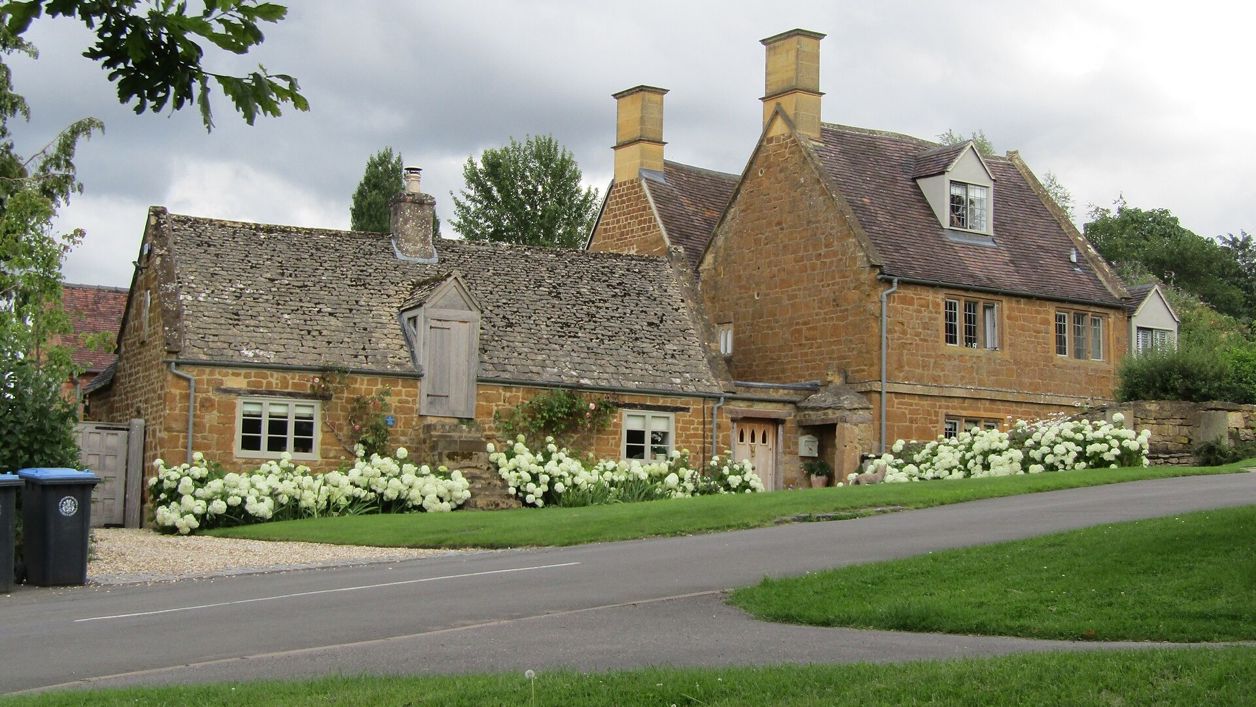
Colin Smith, CC BY-SA 2.0, via Wikimedia Commons
Ilmington
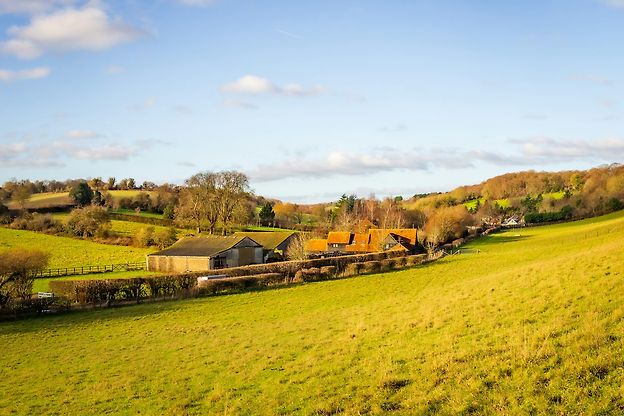
A Warwickshire village of ironstone houses under the Ilmington Downs, at the northern tip of the Cotswolds, with eleven carved mice in its Norman church, a morris tradition going back centuries and two pubs on its greens.
- Nearest station
- Moreton-in-Marsh, 12 miles, then the Stagecoach 51 bus, Monday to Saturday only
- Parking
- Free on the roadside in the village, which walkers rely on; park considerately in the narrow lanes
- Best time
- Late April and May for orchard blossom; a dry September day for Ebrington Hill
- When it's busy
- Rarely busy; weekend lunchtimes at the Howard Arms
- Dogs
- Welcome by the fire at the Red Lion. On leads on the walk, where there is livestock in most fields and stiles a dog must be lifted over
About Ilmington
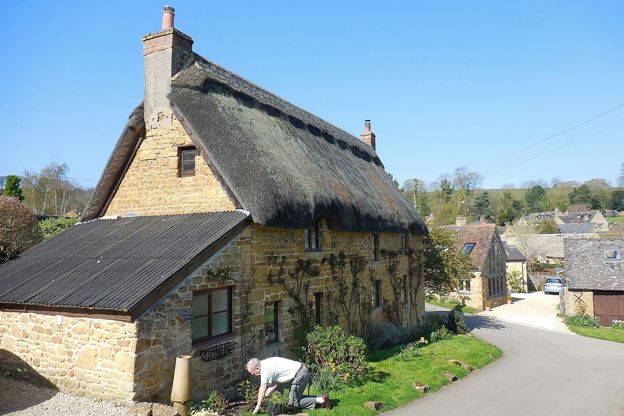
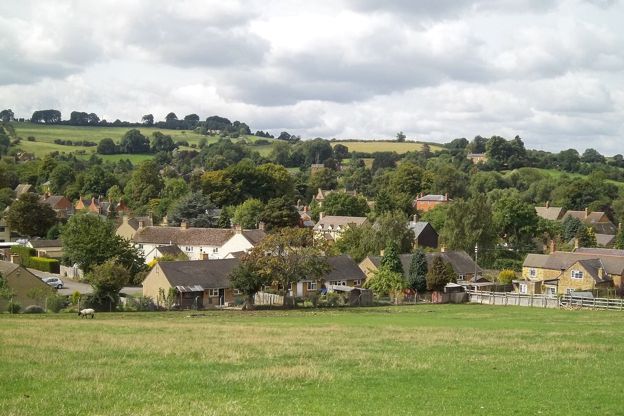
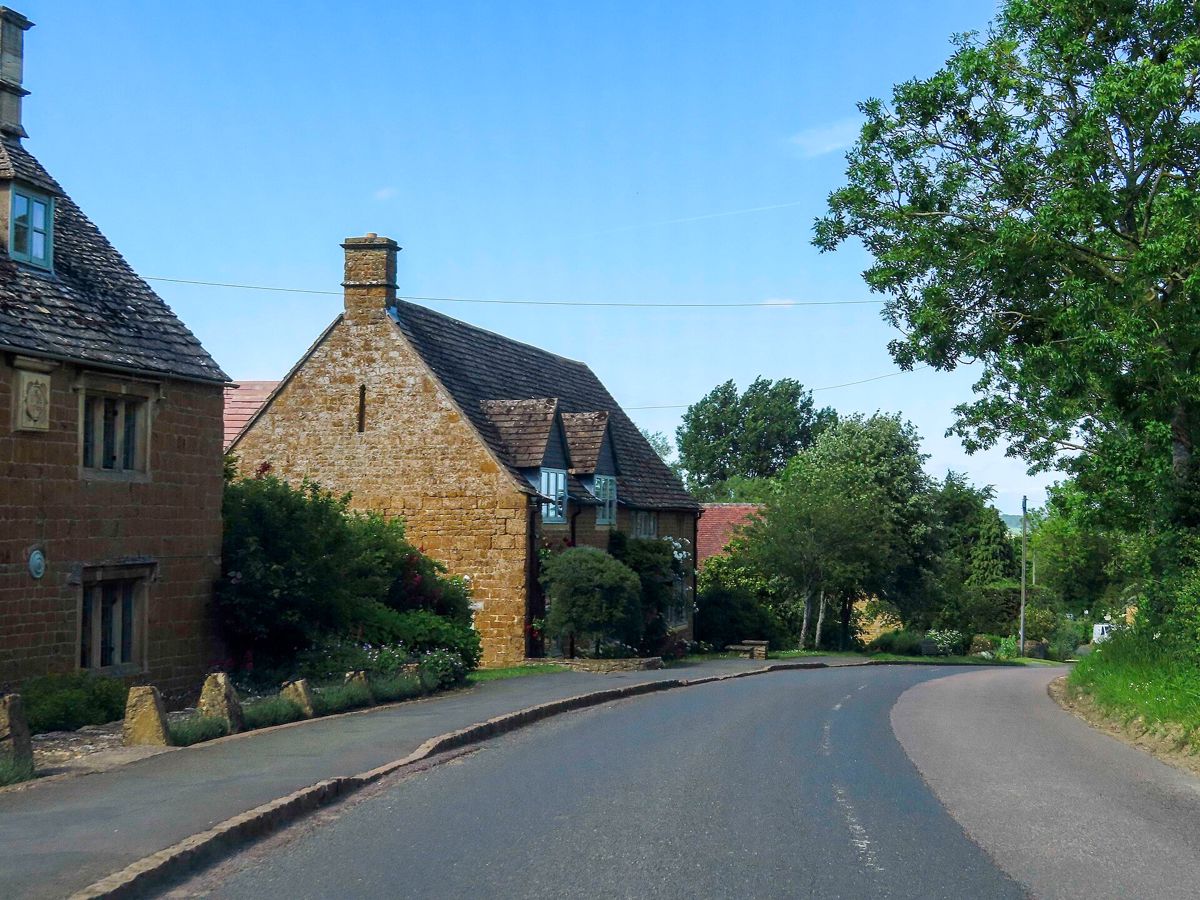
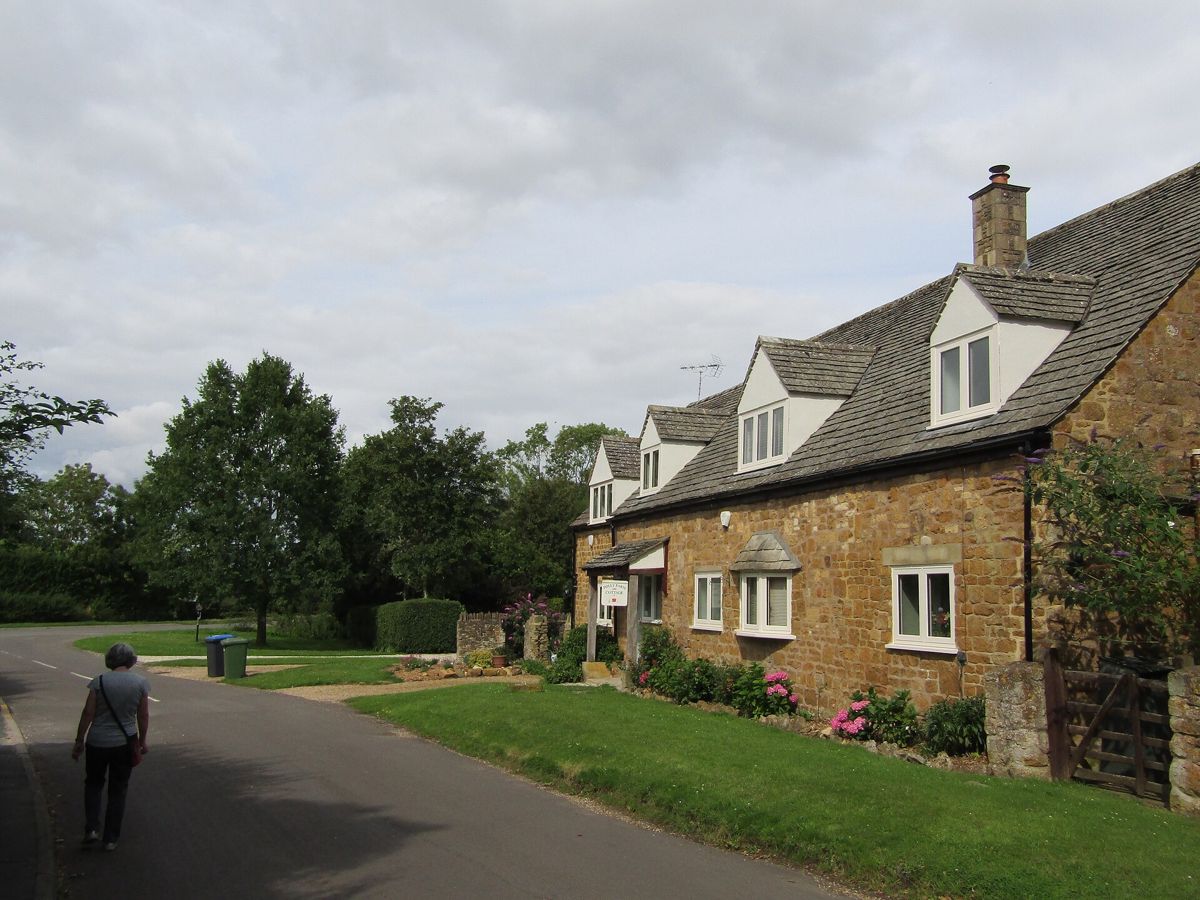
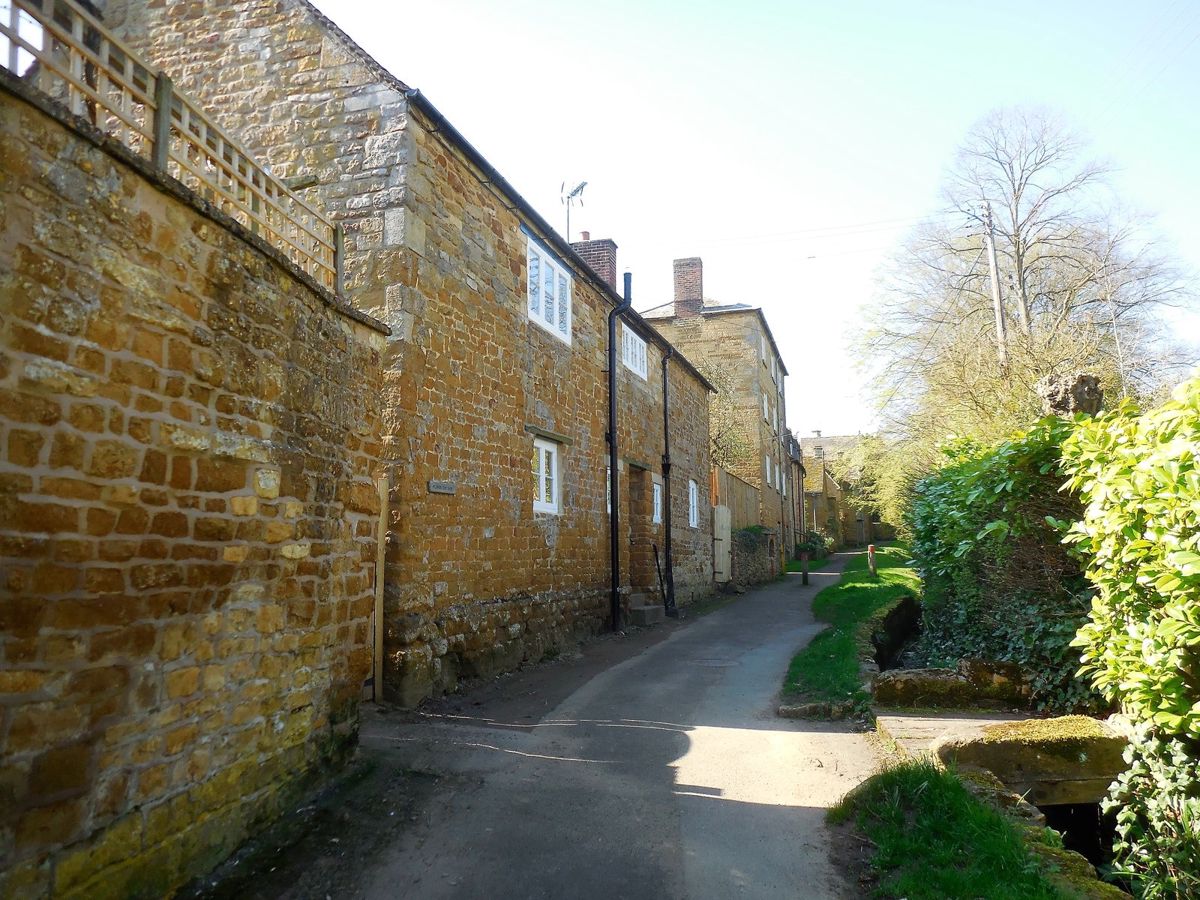
Ilmington lies at the northern tip of the Cotswolds, in Warwickshire rather than Gloucestershire, about 3.5 miles (5.6km) north-west of Shipston-on-Stour. Many of its houses are of the local honey-coloured ironstone rather than the grey and gold limestone further south, which gives the place a different colour from its neighbours, and it sits under the Ilmington Downs, the ridge that rises to about 250m on the parish's south-western edge. About 730 people live here, with two greens, two pubs and a community shop between them.
What to see
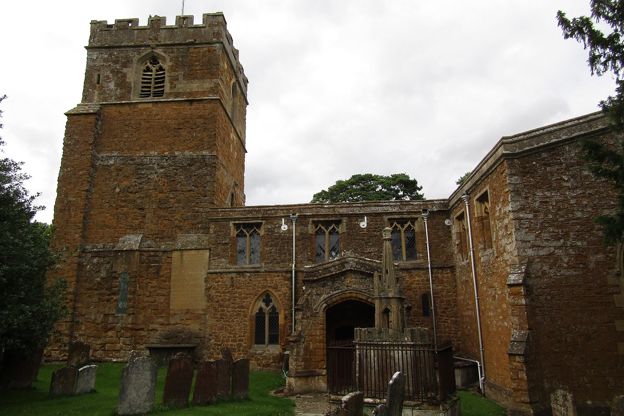
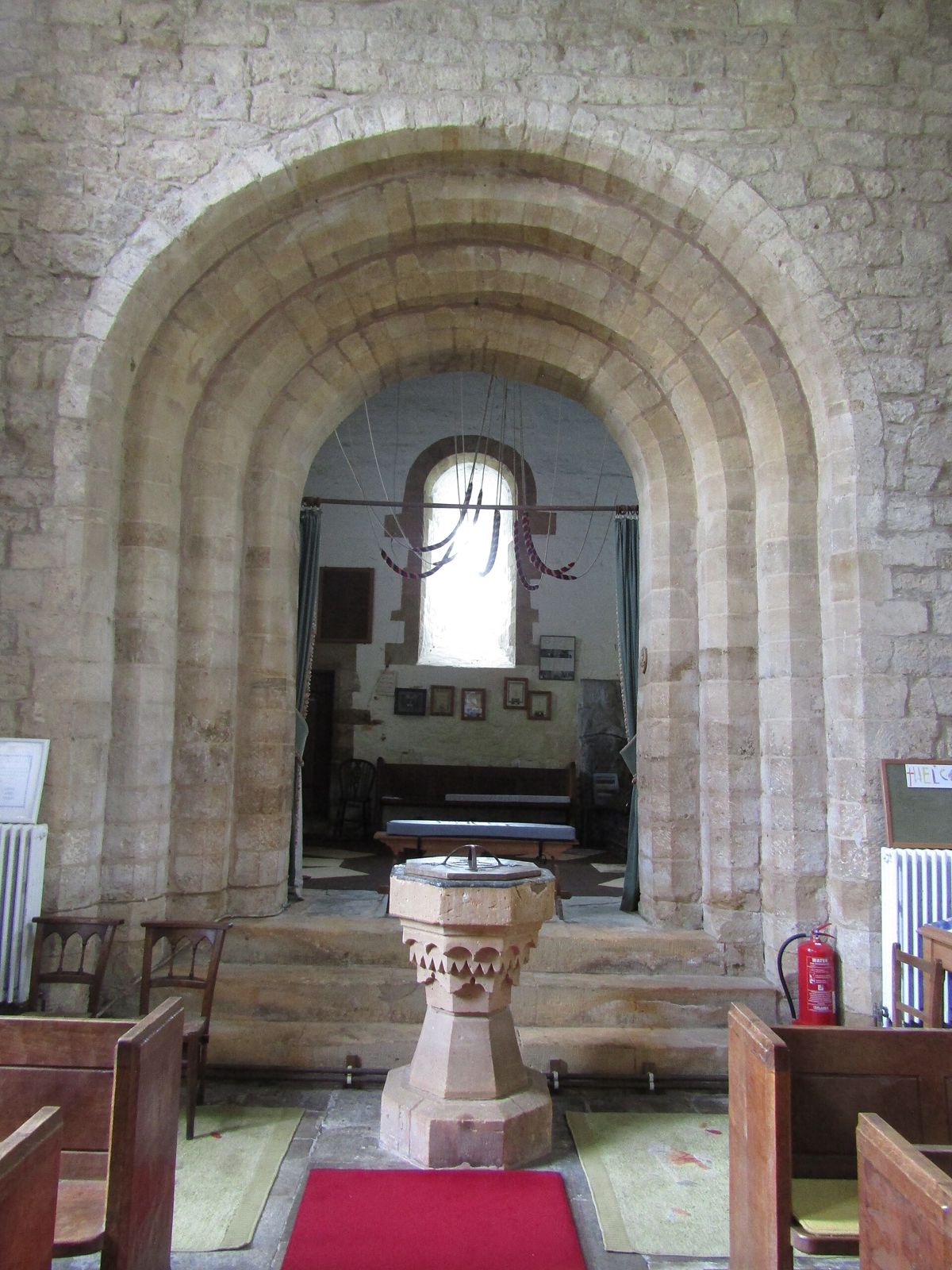
St Mary's Church, Grade I, is Norman in its nave and the lower stages of its tower, with a chancel of the early thirteenth century and a porch of the early sixteenth, and it is open every day from 9am. Its twentieth-century oak pews came from the workshop of Robert Thompson, the Mouseman of Kilburn, and carry eleven of his carved mice, which the parish invites you to find. Look too for the brasses to the Brent family between their carved wyverns, the priest's effigy in the tower, and the Apple Map, an embroidered record of the village's old orchards, which still survive in part. Outside, a medieval cross base stands west of the tower.
The village's morris tradition is said to go back more than 300 years. Cecil Sharp came here in the early 1900s to collect the dances, and the fiddler Sam Bennett, who revived the village revels around 1906 and taught until about 1945, was one of his sources. The current side formed in 1974 and still dances to the hobby horse Bennett had made in 1899. Their best-known dance is Maid of the Mill, and the broom dance, performed by one man with a household broom, probably came from Blackwell next door. They dance at village events, pubs and festivals at certain times of the year, the parish council says.
The community shop on Upper Green occupies the former Catholic church of St Philip, consecrated in 1935, and a chalybeate spring found in 1684 a quarter of a mile from the church was once given to public use by Lord Capel. On the hill above are the two Ilmington masts, the landmarks of the ridge walk.
A morning here
Begin with coffee at the shop's café on Upper Green, then go down Church Path to St Mary's and count the mice. Walk the lanes between the two greens, which climb and dip more than you expect, and finish at the Howard Arms on Lower Green, under the old chestnut, or at the Red Lion on Front Street. If you have the day, make the morning the start of the walk over the hill to Hidcote instead.
Walks
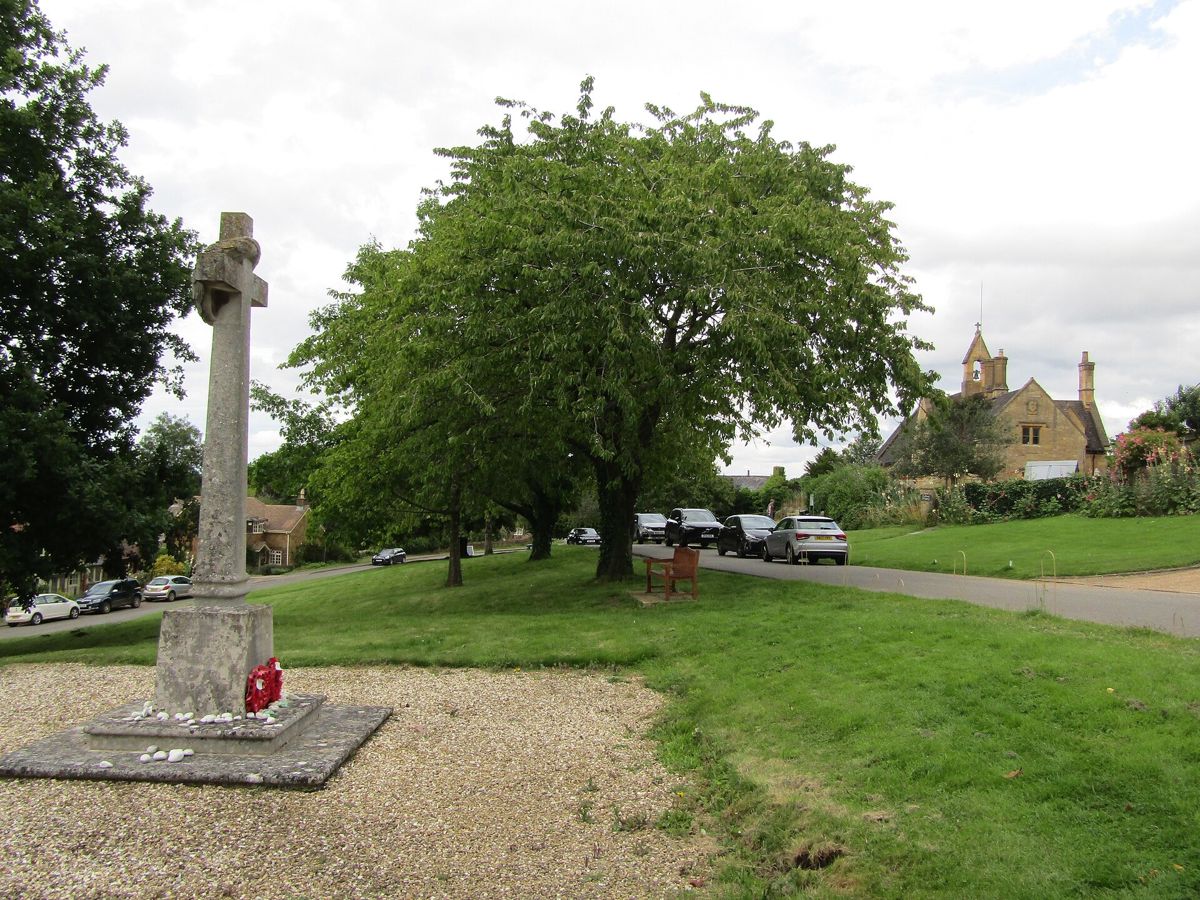
Ilmington, Ebrington Hill and Hidcote starts beside St Mary's: 5.9 miles (9.5km) out by Park Lane and a busy stretch of the Admington road, up across the fields to the edge of Hidcote, then east along the ridge over Ebrington Hill, past the masts and steeply down to Front Street by the war memorial. It climbs about 228m, takes two and three quarter hours, and the start by the row of cottages is hard to find. The National Landscape also publishes a short, easy walk in the village, which our guide to the accessible Cotswolds lists.
The Cotswolds Info newsletter
Events, new places and the best of the season, about once a month. Unsubscribe at any time.
Food and drink
The Howard Arms on Lower Green, built in Shakespeare's time by its own account and listed Grade II, is the village's inn, with eight bedrooms, breakfast from 7.30am on weekdays, lunch and dinner every day and food all afternoon on Sundays. It is in the Michelin Guide for 2026. The Red Lion on Front Street is a Hook Norton Brewery pub, open from noon every day, with food at lunch and in the evening, Sunday lunch to 5pm and dogs welcome by its open fire. The volunteer-run Ilmington Community Shop and Café on Upper Green opens from 7.30am on weekdays and 8.30am on Sundays, with the café from 9.30am to 4.30pm, Tuesday to Friday, and 9.30am to 4pm on Saturday, and a post office counter on Tuesday and Thursday afternoons. The shop warns that café hours can change when volunteers are short, so ring 01608 682838 before a long journey.
When to come
Blossom time in late April and May shows why the village made an Apple Map, and the ridge walk is best in a dry spell from late spring to early autumn: walkers report deep mud in the fields after rain and overgrown stretches with nettles in high summer. The 51 bus does not run on Sundays, so a car-free visit is a Monday to Saturday one. Ilmington is quiet in every season. The one crowd is the morris side's audience on a dancing night.
Last verified 1 November 2026 by our editors
Part of
The North Cotswolds
The high wolds between Chipping Campden and Bourton-on-the-Water: the Fosse Way towns, the Windrush villages, the Slaughters and the escarpment at Broadway.
Things to do in Ilmington
Parks and gardens · Chipping Campden
Kiftsgate Court Gardens
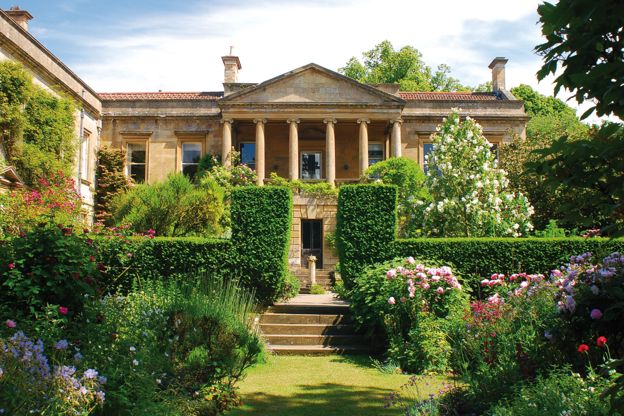
A garden near Chipping Campden made by three generations of women gardeners, close to Hidcote, with a bluebell wood and free parking.
Where to stay in Ilmington
-
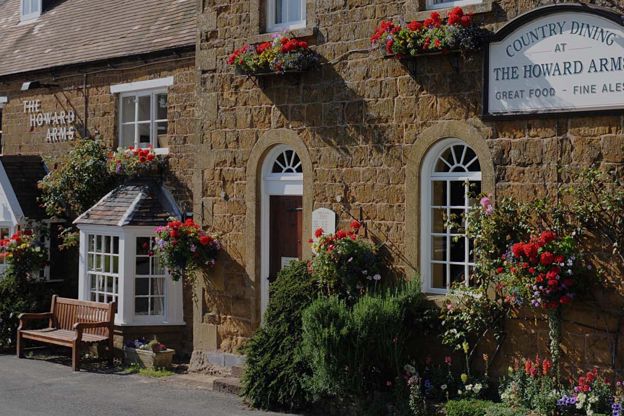
The Howard Arms
Pubs · Ilmington
A 400-year-old stone inn on Lower Green in Ilmington, with a log fire, a restaurant, a snug and a garden, eight bedrooms and food from breakfast to dinner every day.
Dog-friendly
Verified Oct 2026
-
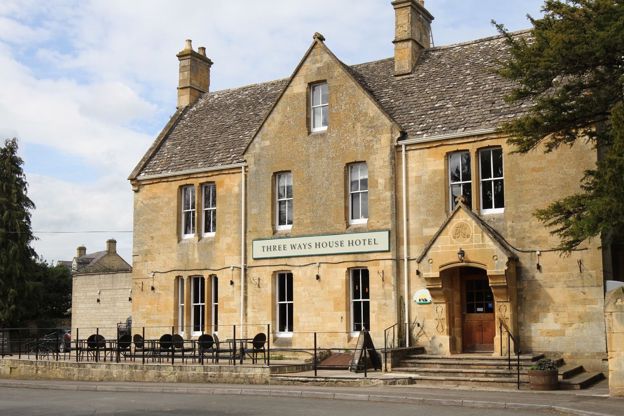
Three Ways House Hotel
Hotel · Chipping Campden
A 48-room hotel at Mickleton, three miles from Chipping Campden, home of the Pudding Club since 1985, with pudding-themed rooms and dogs welcome.
Dog-friendly
Verified Nov 2026
-
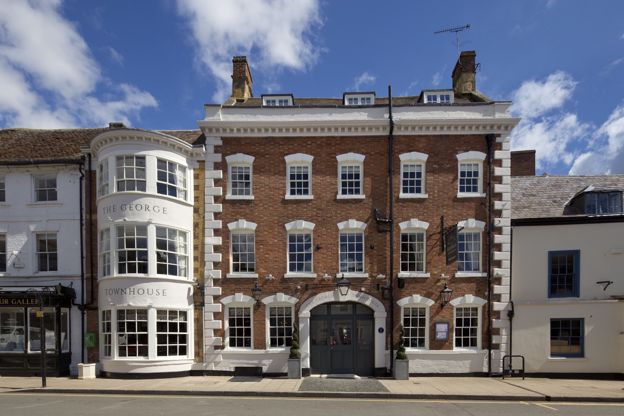
The George Townhouse
Pubs · Shipston-on-Stour
A Grade II listed coaching inn on the High Street in Shipston-on-Stour, now a pub, restaurant and 15-bedroom hotel serving breakfast from 8am and an all-day menu, with Brakspear ales.
Dog-friendly
Verified Nov 2026
Where to eat and drink in Ilmington
-
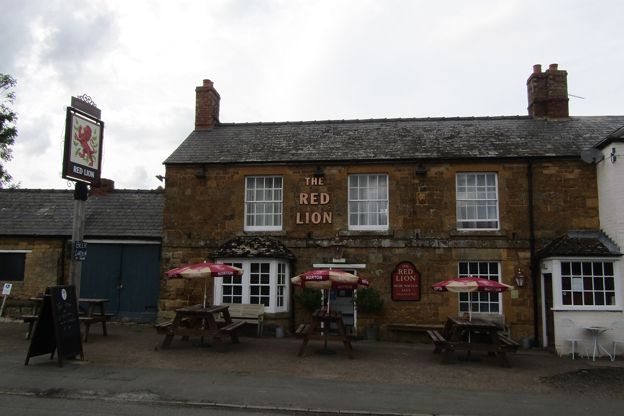
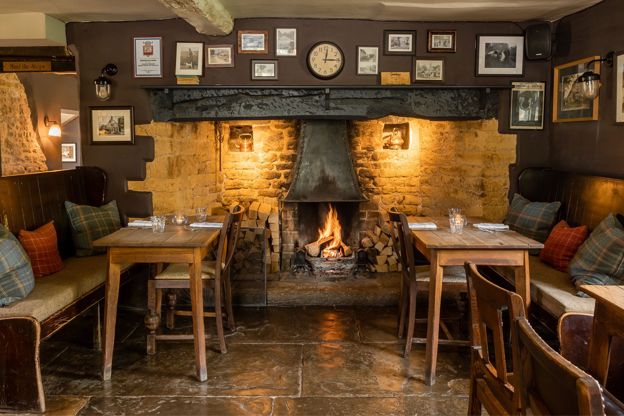
The Red Lion, Ilmington
Pubs · Ilmington
A Hook Norton pub on Front Street in Ilmington, with an open fire, a secluded garden, a modern British menu and dogs welcome, and two cottages to let in its old forge and barn.
Dog-friendly
Verified Oct 2026
-
The Ebrington Arms
Pubs · Chipping Campden
A village pub in Ebrington, about 3 miles by road from Chipping Campden, with a landscaped terrace and garden, food every day and five rooms.
Verified Oct 2026
Walks in and around Ilmington
-
Mickleton, Hidcote and Kiftsgate
Walk · Starts in Chipping Campden · 2 hrs, 15 mins · Circular · Dog-friendly
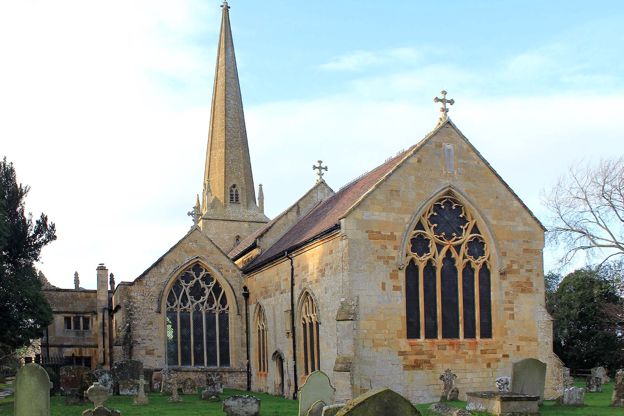
A 5-mile (8km) circular walk from Mickleton, moderate and about two and a quarter hours: up through the woods and fields to Furze Lane, along quiet lanes to Hidcote Boyce, north past Hidcote's garden and manor, then down the edge of Kiftsgate Court's grounds to Mickleton.
Sights in and around Ilmington
-
St Lawrence's Church, Mickleton
Sight · Church · Chipping Campden
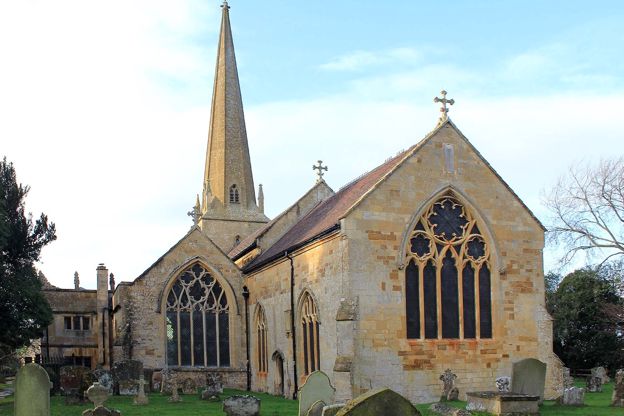
Mickleton's Grade I church at the foot of the Cotswold edge below Hidcote and Kiftsgate: a twelfth-century nave, a fourteenth-century tower and broach spire, a two-storey seventeenth-century porch, and Utrecia Smith's urn, which the poet Shenstone wrote about.
Getting to Ilmington
- By bus
- Stagecoach 51 and 51A, Stratford-upon-Avon to Moreton-in-Marsh station by Shipston, four or five times a day each way, Monday to Saturday; about 30 minutes to Moreton.
- By train
- Moreton-in-Marsh, 12 miles, on the Cotswold Line from London Paddington, then the 51 bus or a taxi. Stratford-upon-Avon station is about 12 miles the other way.
- By car
- Off the A429 (Fosse Way) at the Darlingscott road, or from Chipping Campden by Ebrington and Hidcote Boyce on narrow lanes.
- Parking
- Free on the roadside in the village; no car park. Hidcote's free car park is 4 miles by road if you would rather walk the loop from there.
Access
St Mary's is reached by Church Path and publishes no access details; the village is on a slope, and the walk to Hidcote climbs about 228m
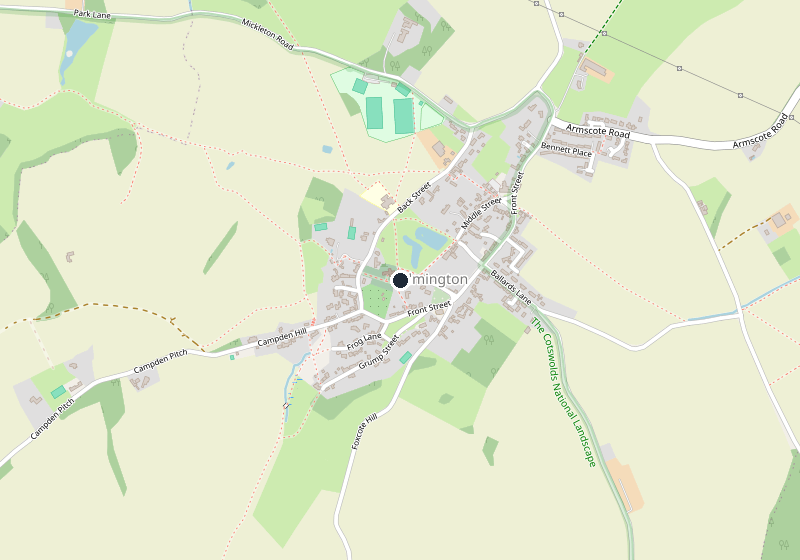
| Shipston-on-Stour | 6.2 mi |
|---|---|
| Hidcote | 4.3 mi |
| Ebrington | 3.7 mi |
| Chipping Campden | 7.8 mi |
| Stratford-upon-Avon | 11.7 mi |
| Moreton-in-Marsh station | 12 mi |
Places near Ilmington
-
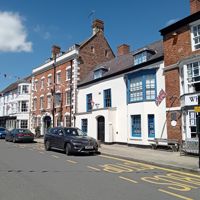 Shipston-on-StourA small Warwickshire market town on the Stour, named after a sheep wash, with Georgian inns round its square, a church rebuilt by G. E. Street, three free car parks, a level walk to Burmington and buses to Stratford and Moreton.
-
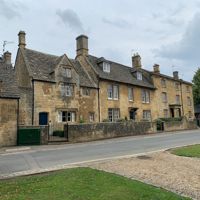 Chipping CampdenA wool town with a High Street of honey stone, a 1627 Market Hall, a great wool church and almshouses, and the start of the Cotswold Way on its doorstep.
-
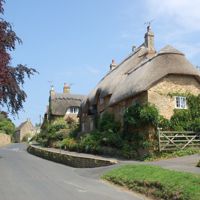 EbringtonA village of thatched and stone-slated cottages on the slope east of Chipping Campden, with a Grade I church full of Fortescue and Keyt monuments, Hidcote inside its parish boundary, and the Ebrington Arms at its centre.
-
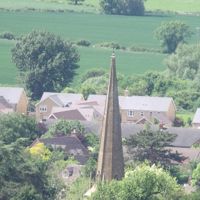 MickletonThe big village at the foot of the Cotswold edge, 3 miles north of Chipping Campden, with Hidcote and Kiftsgate on the hill above it, a Grade I church and the home of the Pudding Club.