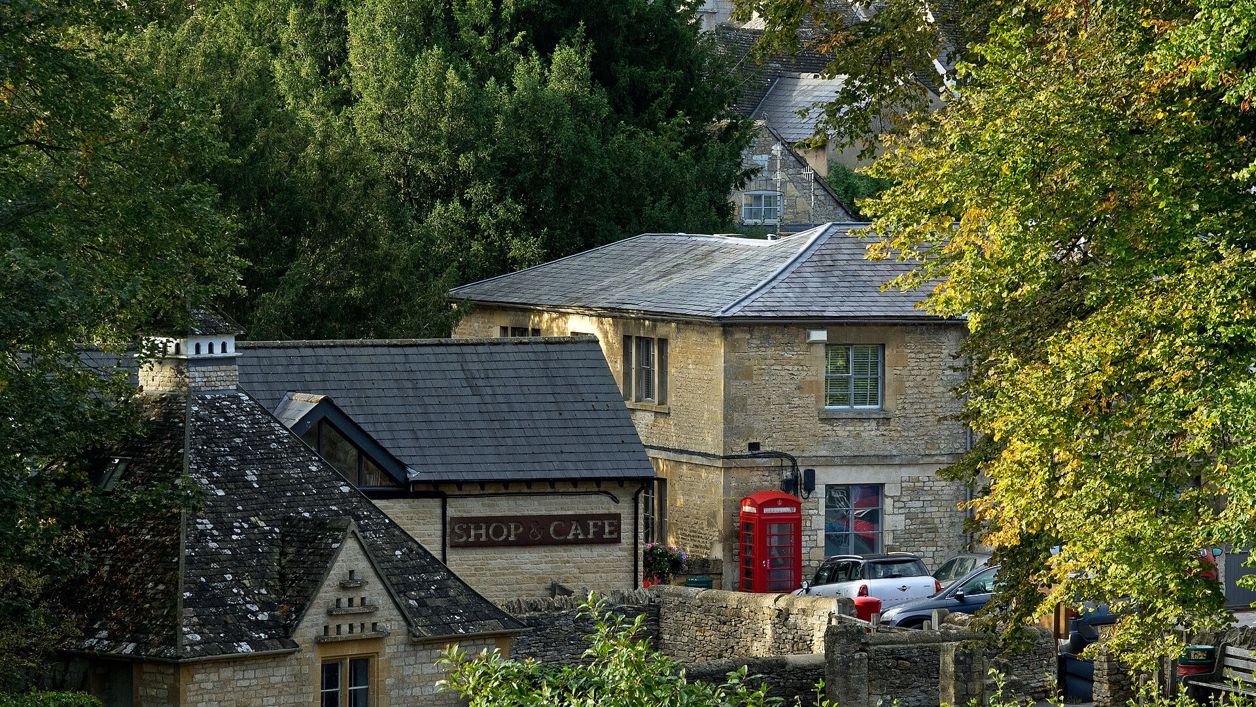
Roger A Smith, CC BY-SA 2.0, via Wikimedia Commons
Blockley
A village of former silk mills along a brook in a steep valley near Moreton-in-Marsh, with a Norman chancel in its church, a spring under a raised pavement, two short walks from its lanes and Father Brown's Kembleford on screen.
- Nearest station
- Moreton-in-Marsh, about 4 miles (7km); buses about four times a day, 13 minutes to the green
- Parking
- No public car park: on-street by the church and within 250m of it, tight at weekends; the Great Western Arms lets walkers leave a car in its car park
- Best time
- Late April for the bluebells in Norcombe Wood; a weekday, for parking
- When it's busy
- Fine weekends, when the street parking is tight
- Toilets
- None listed by Cotswold District Council; the nearest public toilets are in Chipping Campden and Moreton-in-Marsh
- Dogs
- Welcome at the Great Western Arms and in the church; on leads through the livestock on both village walks and in Norcombe Wood, where pheasants are reared
About Blockley
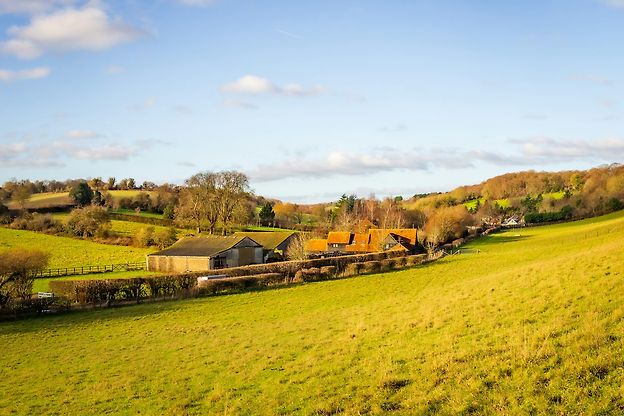
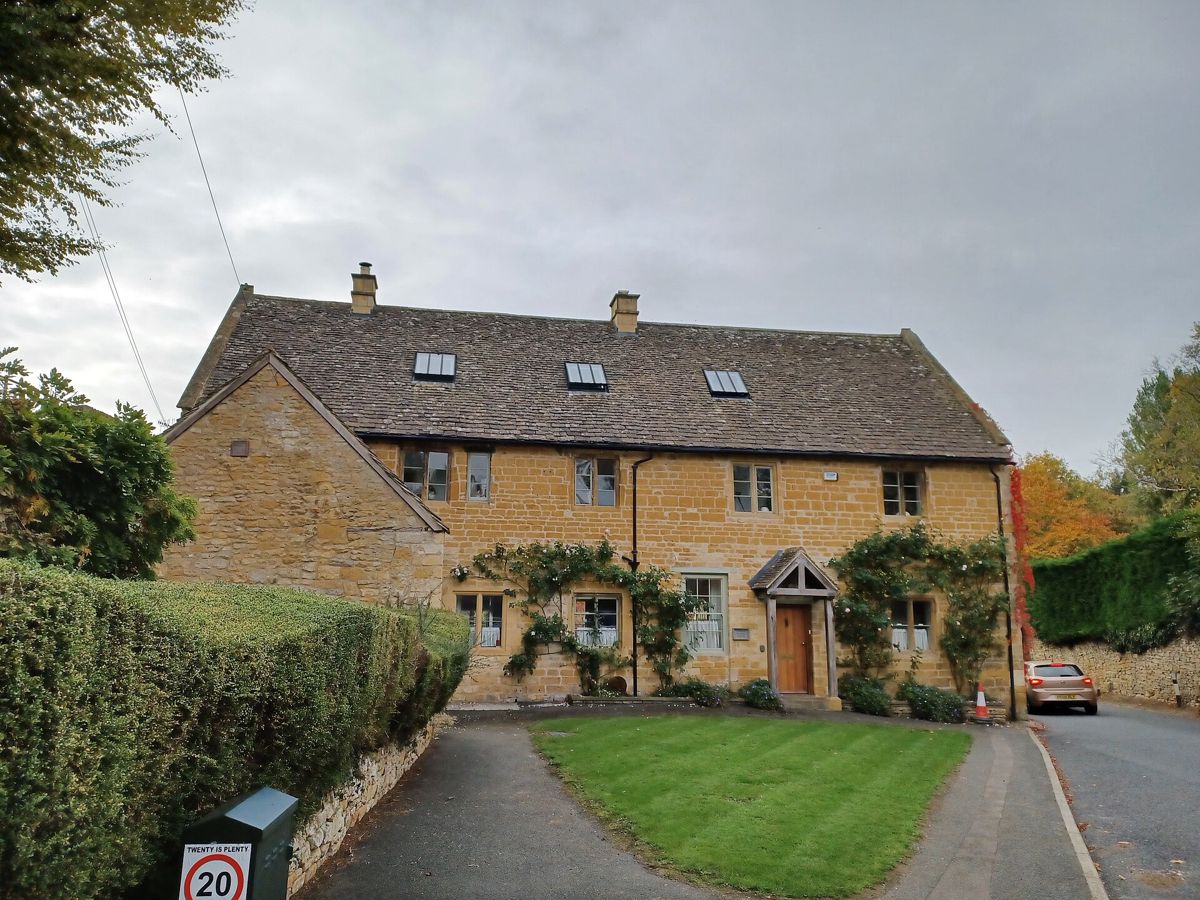
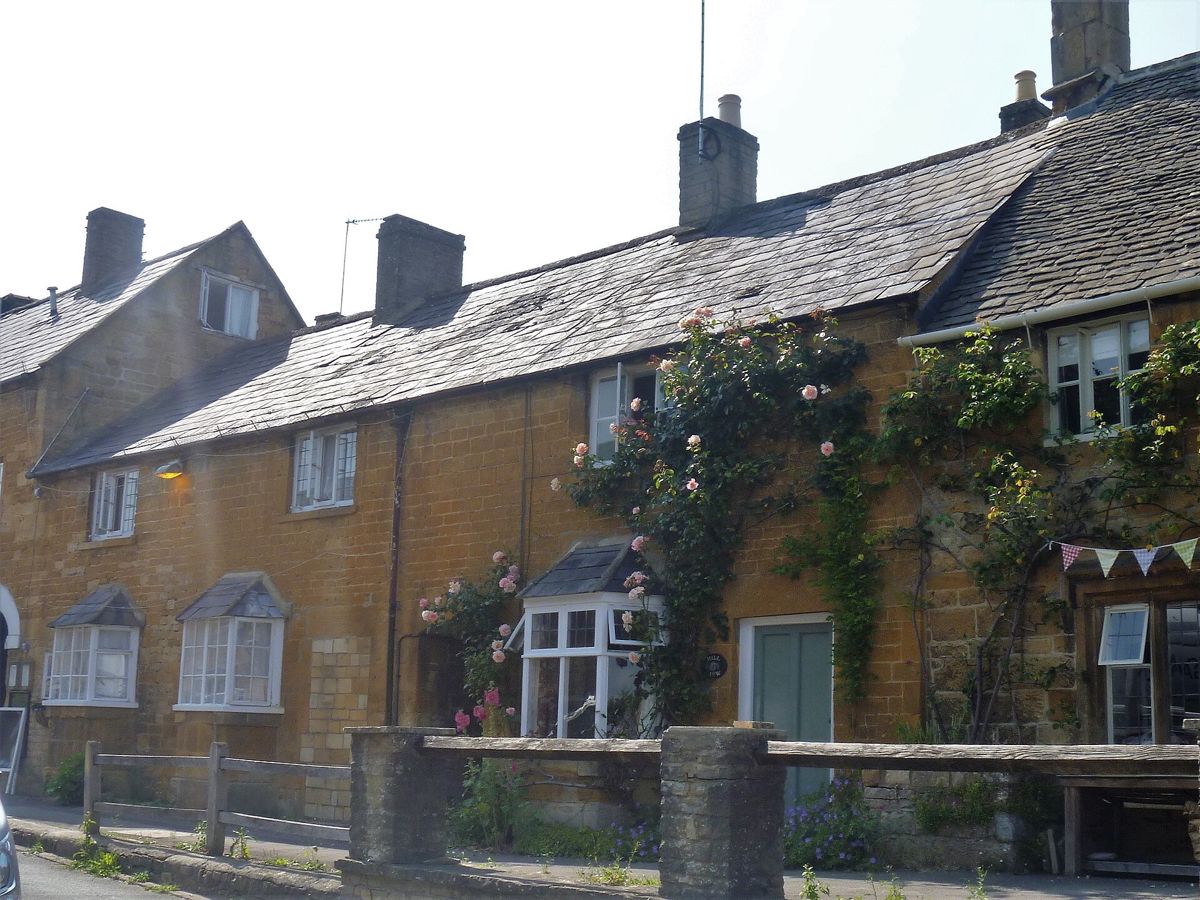
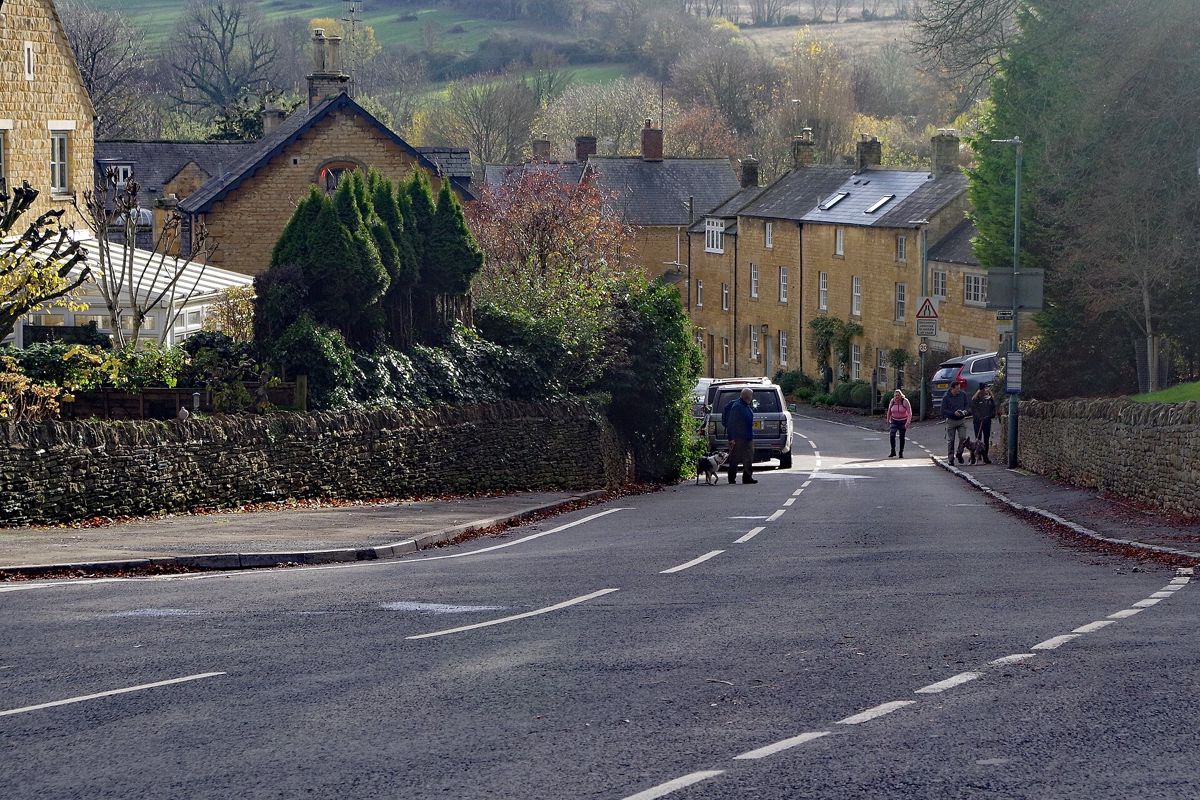
Blockley lies on two slopes of a steep little valley about 4 miles (7km) north-west of Moreton-in-Marsh, along a brook that once turned the wheels of its silk mills. Its houses are stone, its church stands at the top of the lower slope, and the whole parish was a detached piece of Worcestershire, surrounded by Gloucestershire and Warwickshire, until 1931. It is a working village rather than a show one, with no car park.
What to see
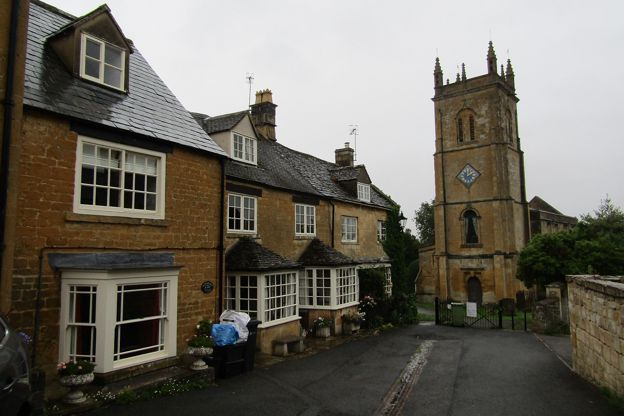
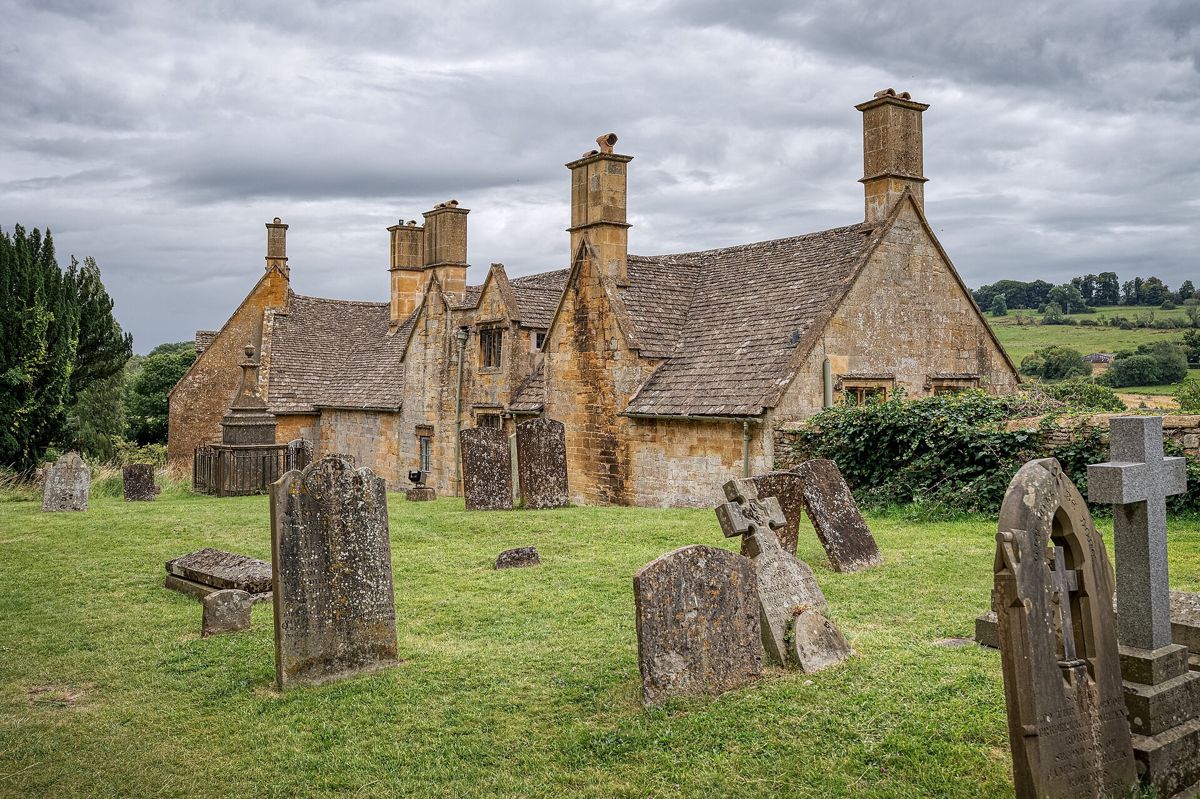
The church and the brook are the two things to see, and the street between them has the rest. St Peter and St Paul, by the square, dates from about 1180: the late twelfth-century chancel keeps its Norman scalloped capitals, the clerestory was added in 1636 and 1637 with a porch of 1630 carrying a sundial, and the west tower went up from 1725, attributed to Edward or Thomas Woodward, the masons of Chipping Campden. Inside are a fifteenth-century chancel screen and memorials to the Childes and the Rushouts of Northwick Park, among them busts by Rysbrack. It is listed Grade II*, open daily from about 8.30am to 5.30pm, and television viewers know it as St Mary's, Kembleford, in the BBC's Father Brown, with the vicarage as the presbytery.
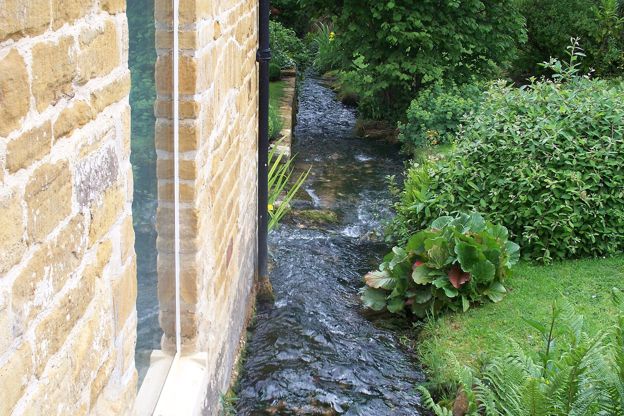
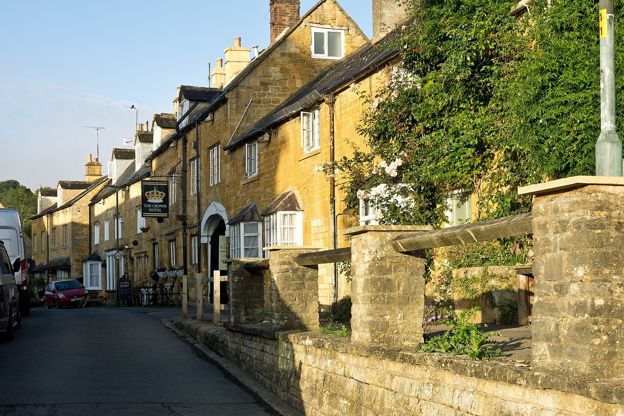
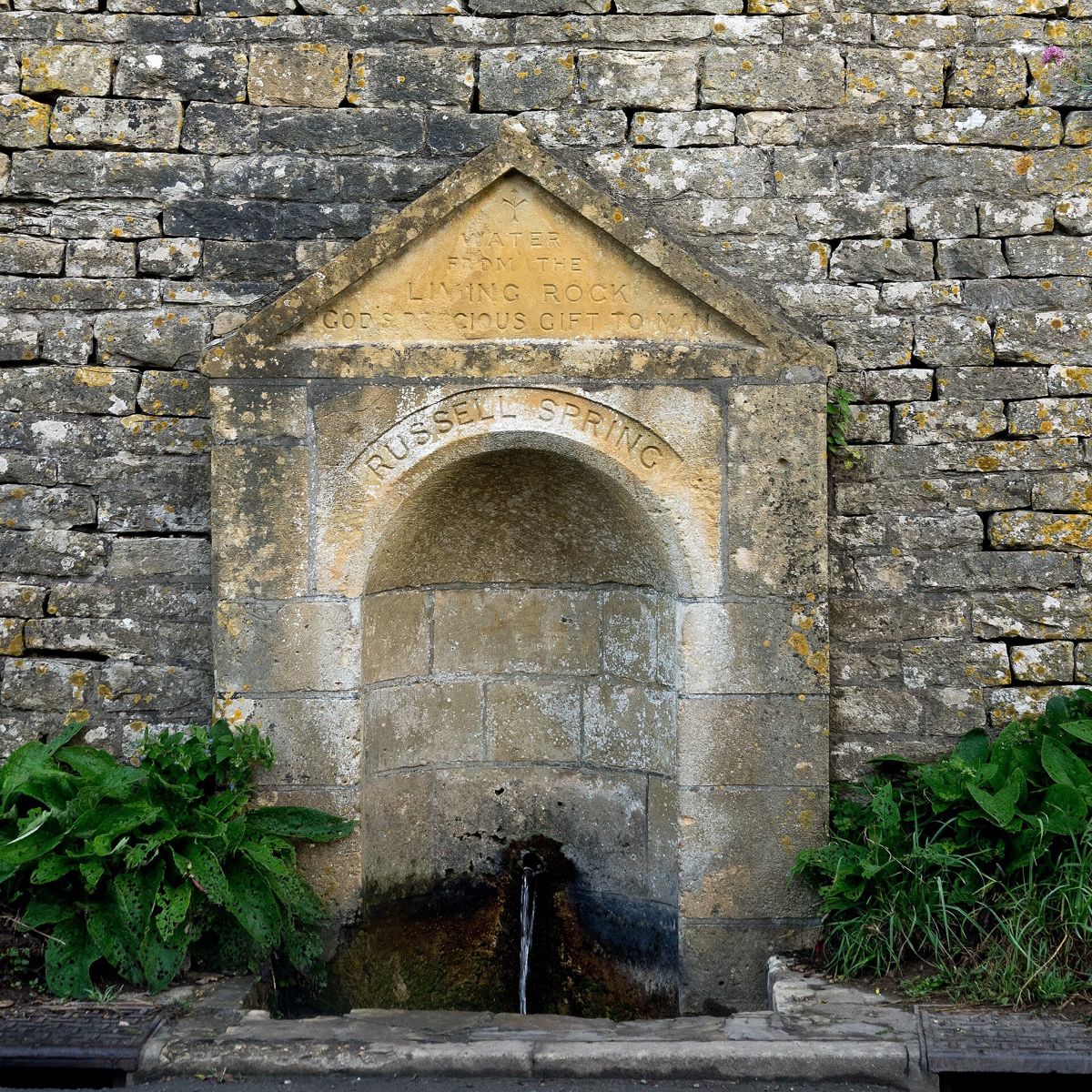
Down the High Street, the Russell Spring is a small gabled niche with a spout under the raised walkway, inscribed with the words Water from the Living Rock, God's Precious Gift to Man. Unemployed men built the wall above it one winter in the middle of the nineteenth century under Richard Belcher, the parish waywarden, and the spring is named for Lucy Russell, who worked the mill nearby from about 1800 to 1820 and died in 1858. The mills are along the brook below the street: Domesday counted twelve in the parish, Henry Whatcot, who died in 1718, built the first silk mill, five were working by 1780, and all but one are now houses. Northwick Park, on the Campden road, is private.
A morning or a day here
A morning is the church, the street and the spring; a day adds a walk. Park by the church if you can, look into St Peter and St Paul, then walk down the High Street on the raised pavement to the Russell Spring and on to the bottom of the village, where the brook runs behind the mills. The Great Western Arms on Station Road, a Hook Norton pub with a patio, is the lunch stop from Friday to Sunday, when it opens at midday; from Monday to Thursday it opens at 5pm, so eat at Blockley Café on Bell Lane or bring lunch.
In the afternoon take one of the two short walks from the village, or drive to Batsford Arboretum, open every day with a café, and Bourton House Garden at Bourton-on-the-Hill, open from Tuesday to Friday between April and mid-October (the 2026 season ended on 16 October). Two days in the North Cotswolds stops here on its second morning, between Batsford and Chipping Campden.
Walks from Blockley
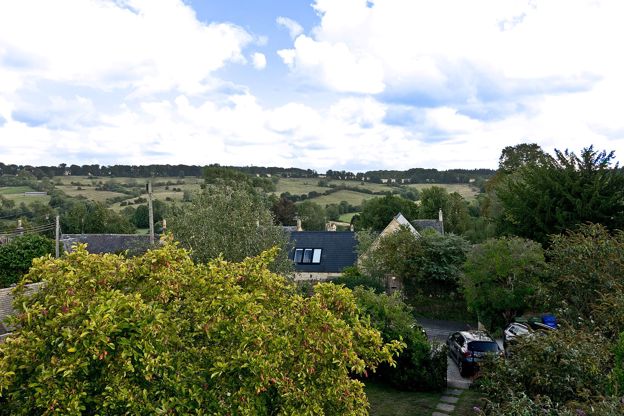
Two walks start in the village and one arrives in it. Blockley and Norcombe Wood is 3 miles (5km) from Park Road at the top of the village, about an hour and a quarter, with one longer climb beside Northwick Park into the wood, bluebells in late April, pheasants and a shooting estate in season, and mud; it comes back down the brook valley through the mills. Blockley and Batsford Park is 4.9 miles (7.9km) from Bell Lane, about two and a quarter hours, up Pasture Lane, down to Batsford's church and through the park past the arboretum, with two climbs and deep mud in winter.
From the north, Chipping Campden to Blockley is the Cotswolds National Landscape's 9-mile (14.5km) circuit from the Noel Arms by Broad Campden, the Monarch's Way and Norcombe Wood, about three and three quarter hours with 306m of climbing, five stiles and 200m of busy road; Blockley is its halfway lunch. It is among our half-day walks; see also the shorter Chipping Campden from Broad Campden.
The Cotswolds Info newsletter
Events, new places and the best of the season, about once a month. Unsubscribe at any time.
Food and drink
Blockley has one pub we can vouch for. The Great Western Arms, on Station Road at the bottom of the village, is a Hook Norton Brewery pub with Hook Norton cask ales, a patio of five tables and its own car park, where walkers are welcome to leave a car; it opens from midday on Friday, Saturday and Sunday and from 5pm on other days. Food is served Wednesday and Thursday from 6pm to 9pm, Friday lunch and dinner, Saturday from noon to 3pm and 5pm to 9.30pm and Sunday from noon to 4pm, with none on Monday or Tuesday, and dogs are welcome. The old Crown Inn on the High Street now trades as the Crown Hotel (opens in a new tab), an inn with rooms, some of them for guests with dogs; its bar and Rafters restaurant are open to non-residents from 8am (8.30am at weekends) to 10pm, with dinner from 5pm to 8.30pm and Sri Lankan dishes beside the British ones. Blockley Café on Bell Lane is open every day for walk-in breakfast and lunch from 9am to 5pm, 363 days a year, with dinner by booking from 6.30pm; dogs are welcome downstairs.
When to come
A weekday, for the parking. Blockley has no car park, and street parking is tight on fine weekends; there is on-street parking by the church and within 250m of it, and the Great Western Arms on Station Road welcomes walkers to leave a car in its car park. Late April is the time for Norcombe Wood, when the bluebells are out and the rape is yellow in the fields; autumn is the time for Batsford's trees and the walk from Campden; in winter both village walks are deep in mud.
Last verified 1 November 2026 by our editors
Part of
The North Cotswolds
The high wolds between Chipping Campden and Bourton-on-the-Water: the Fosse Way towns, the Windrush villages, the Slaughters and the escarpment at Broadway.
Things to do in Blockley
Parks and gardens · Moreton-in-Marsh
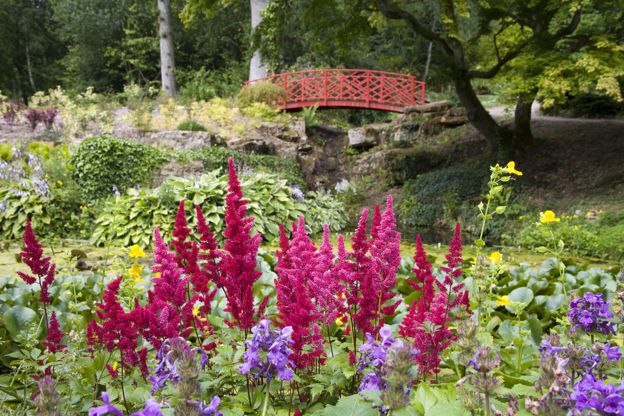
Batsford Arboretum
A 60-acre arboretum on the Batsford estate near Moreton-in-Marsh, with a free visitor centre, café and garden centre, open every day and best in spring and autumn.
-
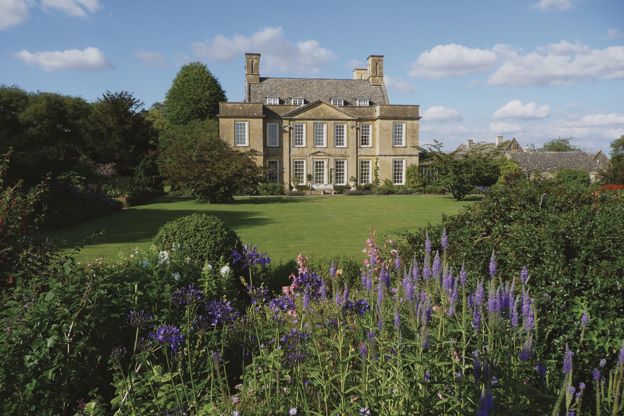
Bourton House Garden
Parks and gardens · Moreton-in-Marsh
A garden at Bourton-on-the-Hill near Moreton-in-Marsh, open Tuesday to Friday from April to October, with under-16s free.
Verified Oct 2026
Where to stay in Blockley
-
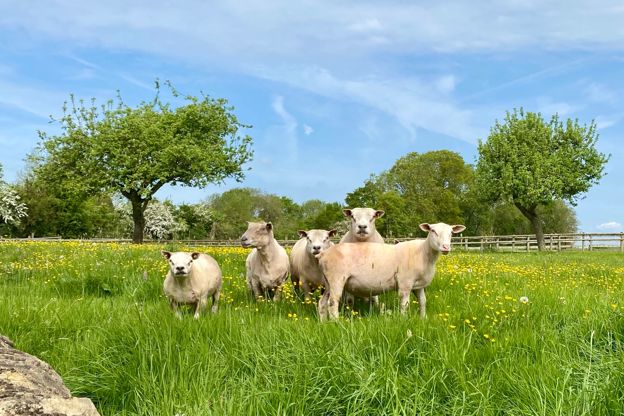
Old Farm, Dorn
Self-catering · Moreton-in-Marsh
A working regenerative farm at Dorn, about a mile from Moreton-in-Marsh, with a holiday let in its shearing shed, a studio and a ten-pitch campsite.
Verified Oct 2026
-
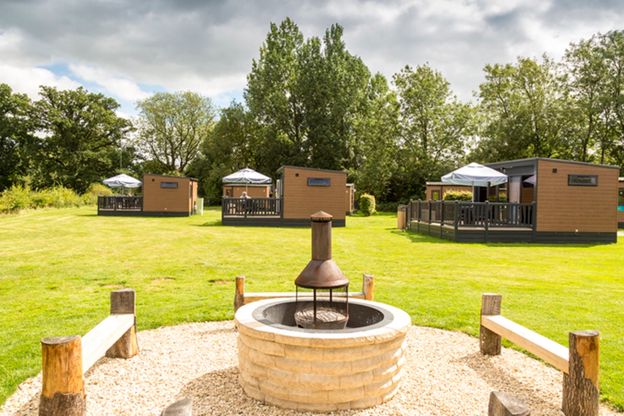
Moreton-in-Marsh Club Campsite
Camping · Moreton-in-Marsh
The Caravan and Motorhome Club's site on Bourton Road, Moreton-in-Marsh, open all year, with 184 touring pitches, ten pods and a dog walk.
Dog-friendly · Family-friendly · Walker-friendly
Verified Nov 2026
-
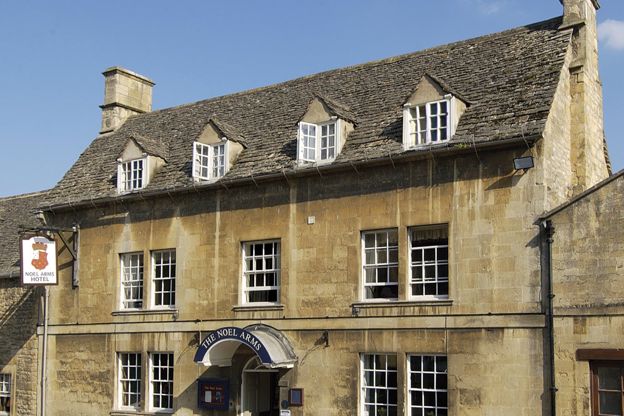
The Noel Arms Hotel
Inn · Chipping Campden
A Grade II listed inn with 27 rooms on Chipping Campden's High Street, with a restaurant, parking, accessible rooms and dogs by arrangement.
Dog-friendly
Verified Oct 2026
Where to eat and drink in Blockley
-
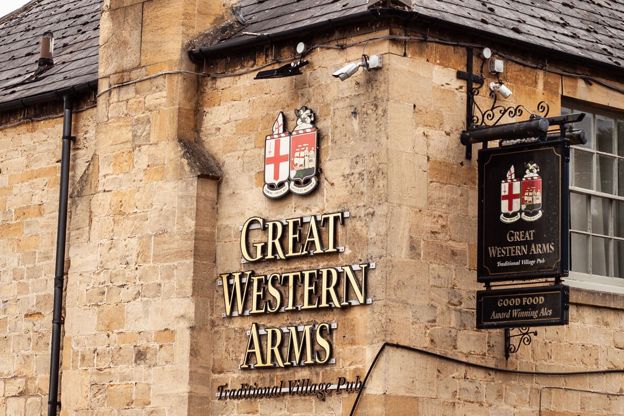
Great Western Arms
Pubs · Blockley
A Hook Norton Brewery pub on Station Road, Blockley, with a large patio, a car park, Hooky ales and dogs welcome.
Dog-friendly · Walker-friendly
Verified Nov 2026
-
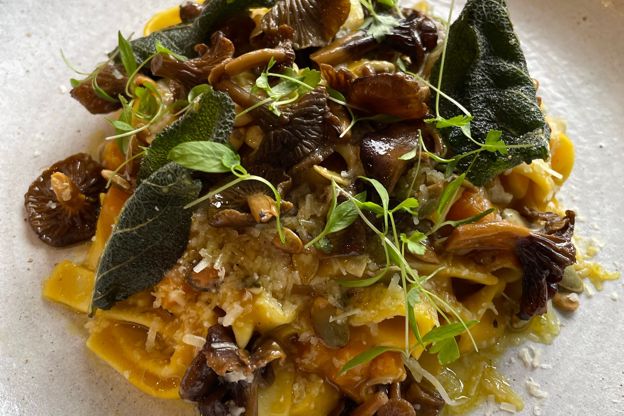
Blockley Café
Cafes and tearooms · Blockley
A licensed, chef-led café on Bell Lane in Blockley, joined to the community-funded village shop, open every day for breakfast, lunch and cream teas, with booked dinners from Wednesday to Saturday and dogs allowed downstairs.
Dog-friendly
Verified Nov 2026
Walks in and around Blockley
-
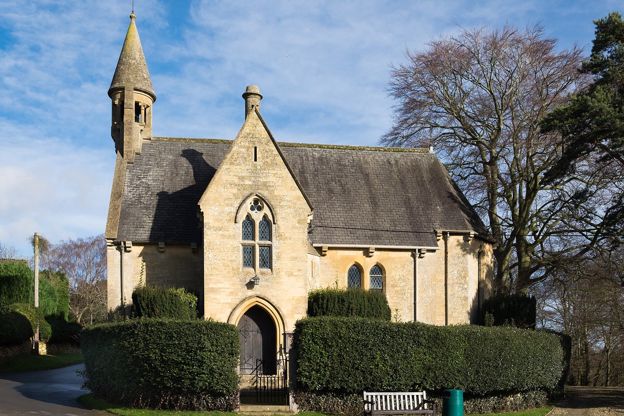
Chipping Campden from Broad Campden
Walk · Starts in Chipping Campden · 1 hr, 15 mins · Circular · Dog-friendly
A 3.3-mile (5.3km) circular walk from St Michael's church in Broad Campden, easy and mostly level, in about an hour and a quarter. It draws a figure of eight over the fields to Lady Juliana's Gateway, along Chipping Campden's High Street, by St James's and back.
-
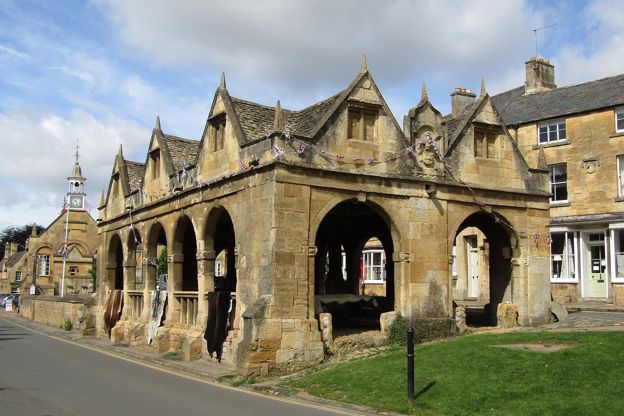
Chipping Campden to Blockley
Walk · Starts in Chipping Campden · 3 hrs, 45 mins · Circular
A 9-mile (14.5km) circular walk from the Noel Arms in Chipping Campden to Blockley and back, about three and three quarter hours of moderate walking with 306m of climbing. It goes by Broad Campden, the Monarch's Way and Norcombe Wood, with five stiles and 200m of busy road.
-
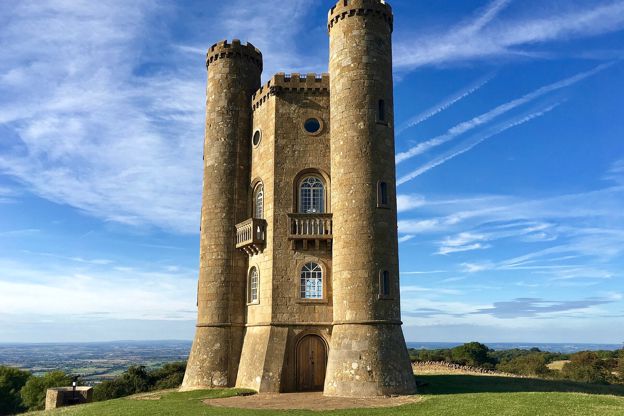
Cotswold Way: Chipping Campden to Broadway
Walk · Starts in Chipping Campden · 3 hrs, 30 mins · Dog-friendly
A 6-mile (9.6km) one-way walk on the first section of the Cotswold Way, from the Market Hall in Chipping Campden to Broadway, moderate and about three and a half hours: up to Dover's Hill, along the edge to Broadway Tower, then steeply down into the village.
Sights in and around Blockley
-
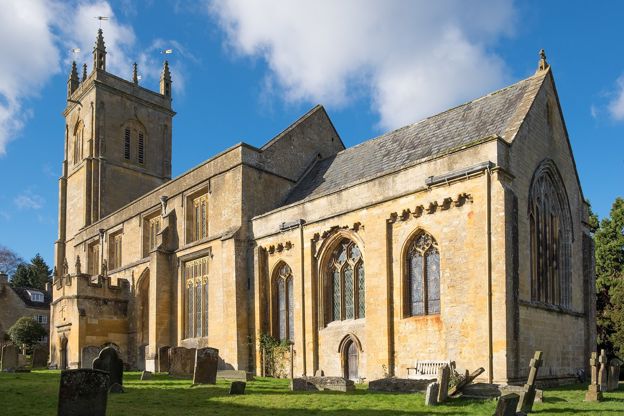
St Peter and St Paul, Blockley
Sight · Church · Blockley
St Peter and St Paul is Blockley's church by the square, founded about 800 by its own account: a late twelfth-century chancel, medieval brasses, Childe and Rushout monuments and a tower of 1725 to 1727 attributed to the Woodwards. Grade II*, open daily and Father Brown's church.
-
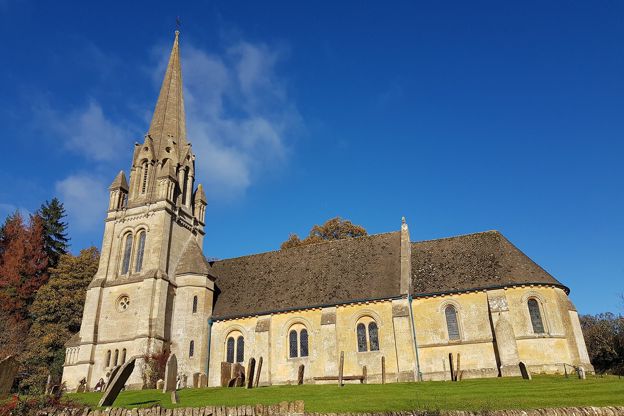
St Mary's Church, Batsford
Sight · Church · Moreton-in-Marsh
St Mary's is the estate church of Batsford, near Moreton-in-Marsh: rebuilt in 1861 and 1862 for the Mitford family in a neo-Norman style, with a spired tower, an apsidal chancel, Kempe glass and monuments to the Freemans and Mitfords. Grade II*.
-
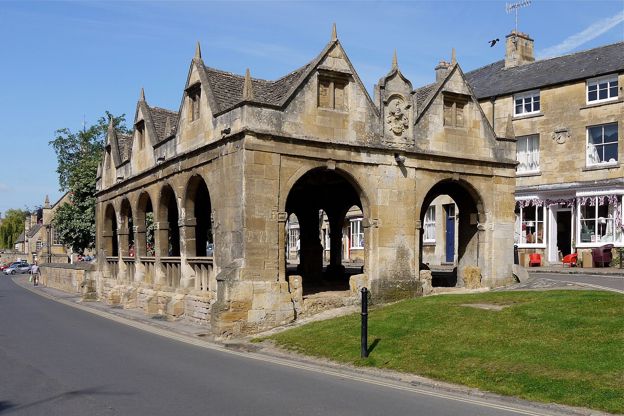
Market Hall, Chipping Campden
Sight · Historic building · Chipping Campden
The open arcade of 1627 in the middle of Chipping Campden's High Street, built by Sir Baptist Hicks as a sheltered market for butter, cheese and poultry, saved from sale to America in the 1940s and now the National Trust's. Grade I; the Cotswold Way starts beside it.
Stories about Blockley
-
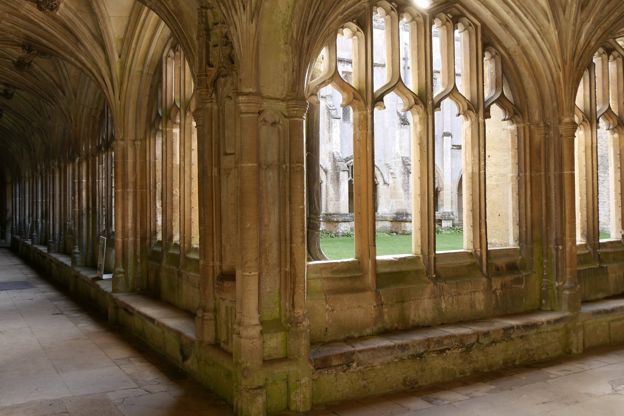
Cotswold film and TV locations
Story · Guides · 11 minute read
Where Clarkson's Farm, Downton Abbey, Harry Potter, Father Brown, Poldark, Bridget Jones and Cider with Rosie were filmed in and around the Cotswolds, what you can see today, and the claims that do not stand up.
-
Father Brown in the Cotswolds: Blockley as Kembleford
Story · Guides · 6 minute read
Where the BBC's Father Brown is filmed in the Cotswolds: Blockley as Kembleford, its church as St Mary's, and the railway station, villages and tower that have appeared since 2013, with how to visit each.
-
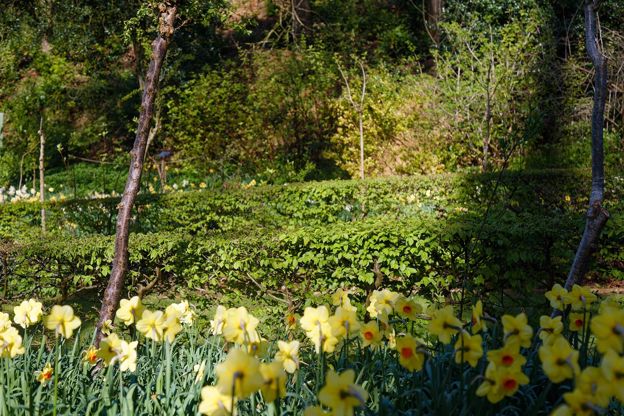
The Cotswolds in April
Story · Guides · 8 minute read
The Cotswolds in April: Easter and its crowds, the bluebell woods from the middle of the month, blossom and the gardens reopening, the jazz festival at the month's end, what opens when, four walks through the bluebells, and a day on the Stroud edge.
Getting to Blockley
- By bus
- Stagecoach's 1, 1A, 2 and 2A link Stratford-upon-Avon, Chipping Campden, Blockley and Moreton-in-Marsh station, about four journeys a day each way in late October 2026; also the 608 and Friday H7.
- By train
- Moreton-in-Marsh station, on the line from London Paddington, is about 4 miles away; the 1 bus takes 13 minutes from the station to the village green.
- By car
- By the lanes off the A44 north of Moreton-in-Marsh, or from Chipping Campden; the village street is narrow, so drive in slowly.
- Parking
- There is no car park. Park on the street by the church or within 250m of it, never across a gateway, or in the Great Western Arms car park, where walkers are welcome to leave a car.
Access
The High Street along the valley is level but narrow, with a raised pavement on one side; the church is open daily, about 8.30am to 5.30pm, with on-street parking beside it; both village walks have climbs and mud
| Chipping Campden | 3.7 mi |
|---|---|
| Moreton-in-Marsh station | 4.3 mi |
| Stow-on-the-Wold | 7.5 mi |
| Broadway | 8.7 mi |
| Honeybourne station | 8.7 mi |
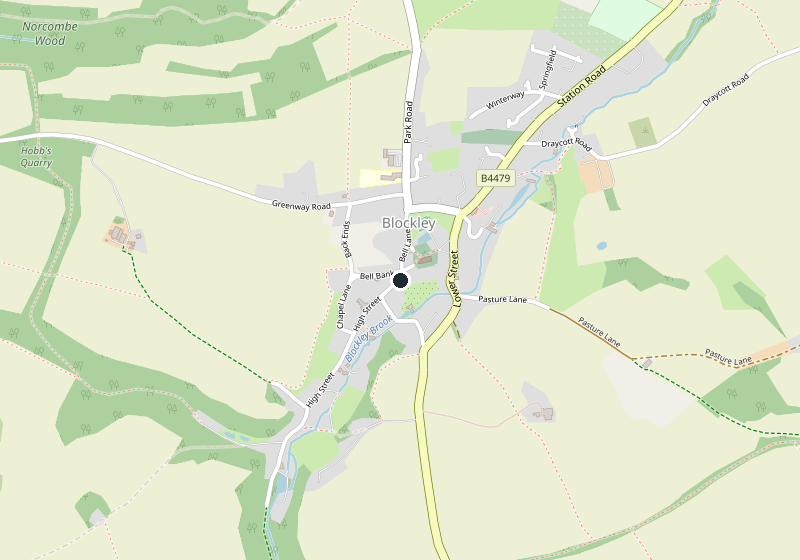
Places near Blockley
-
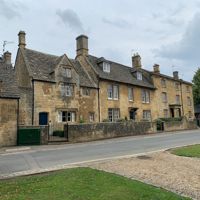 Chipping CampdenA wool town with a High Street of honey stone, a 1627 Market Hall, a great wool church and almshouses, and the start of the Cotswold Way on its doorstep.
-
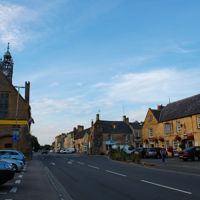 Moreton-in-MarshA market town on the Fosse Way with a station on the line from London, so the easiest place to start a car-free Cotswold trip, with Batsford Arboretum close by.
-
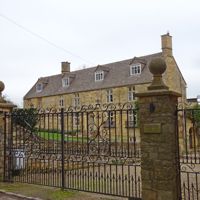 Aston MagnaA hamlet in Blockley parish north of Moreton-in-Marsh, cut in two by the Cotswold Line, with a twelfth-century chapel turned cottage, a church of 1846 now a private house, and a Roman small town in the fields towards Moreton.