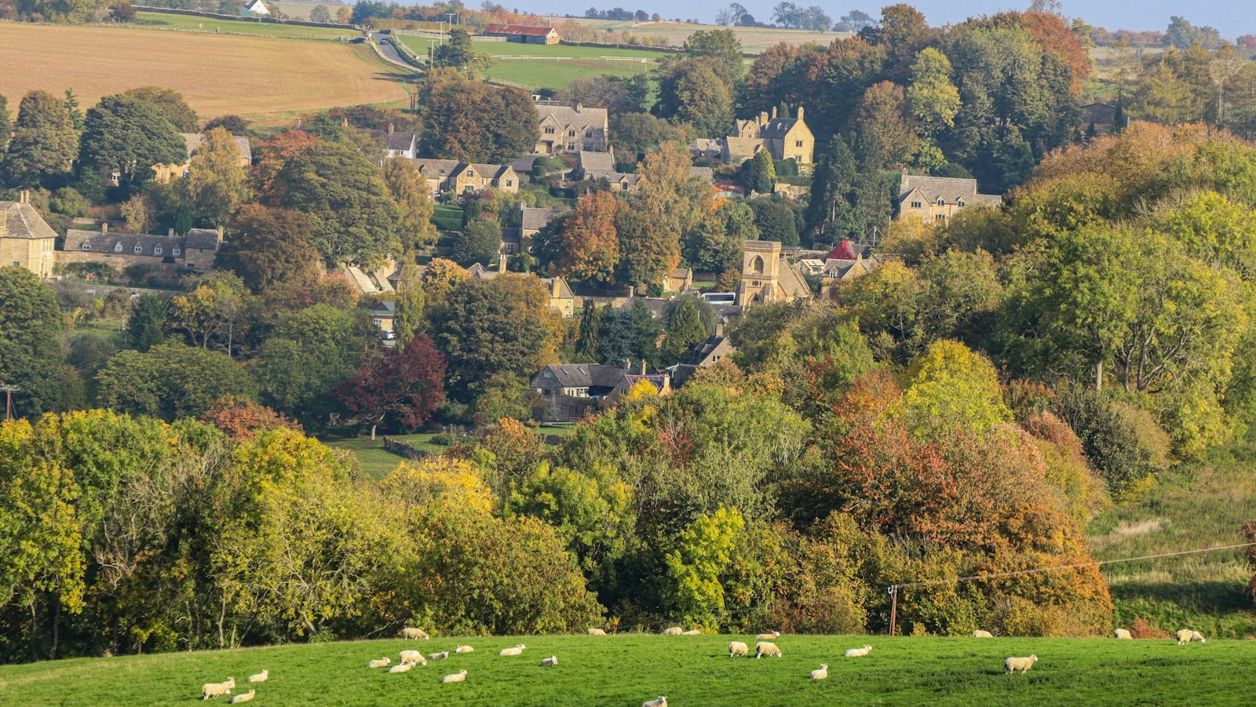
martin fenton on Unsplash
The North Cotswolds
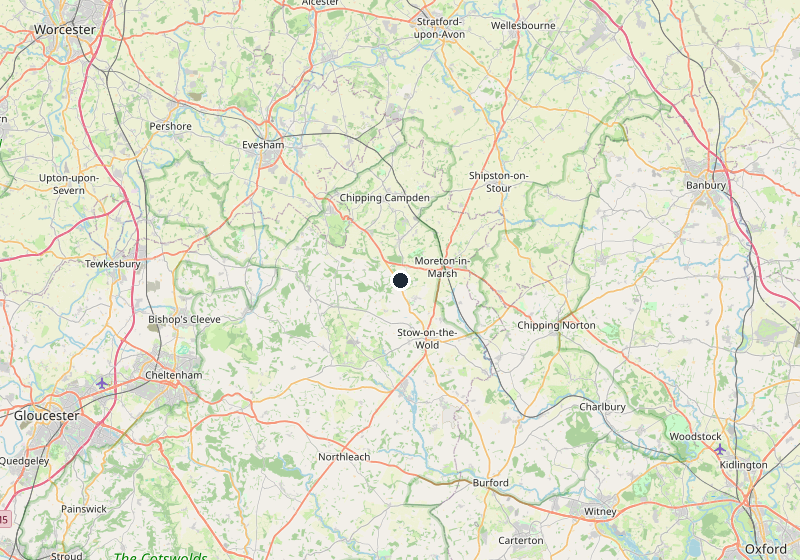
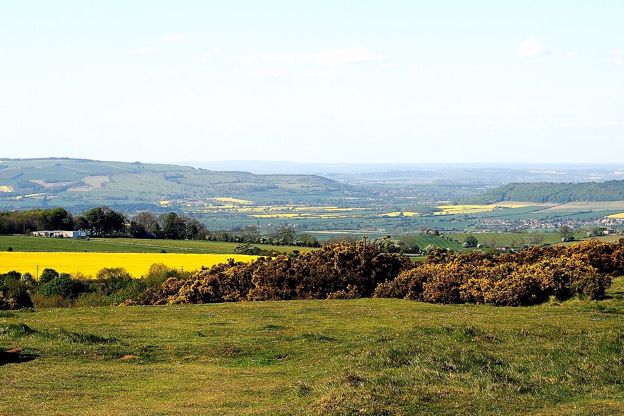
The high wolds between Chipping Campden and Bourton-on-the-Water: the Fosse Way towns, the Windrush villages, the Slaughters and the escarpment at Broadway.
- Nearest station
- Moreton-in-Marsh, on the line from London Paddington, for buses across the region
- Best time
- Spring and autumn, and early mornings in summer
- When it's busy
- Bourton-on-the-Water, Lower Slaughter and Broadway on summer weekends and bank holidays
About the North Cotswolds
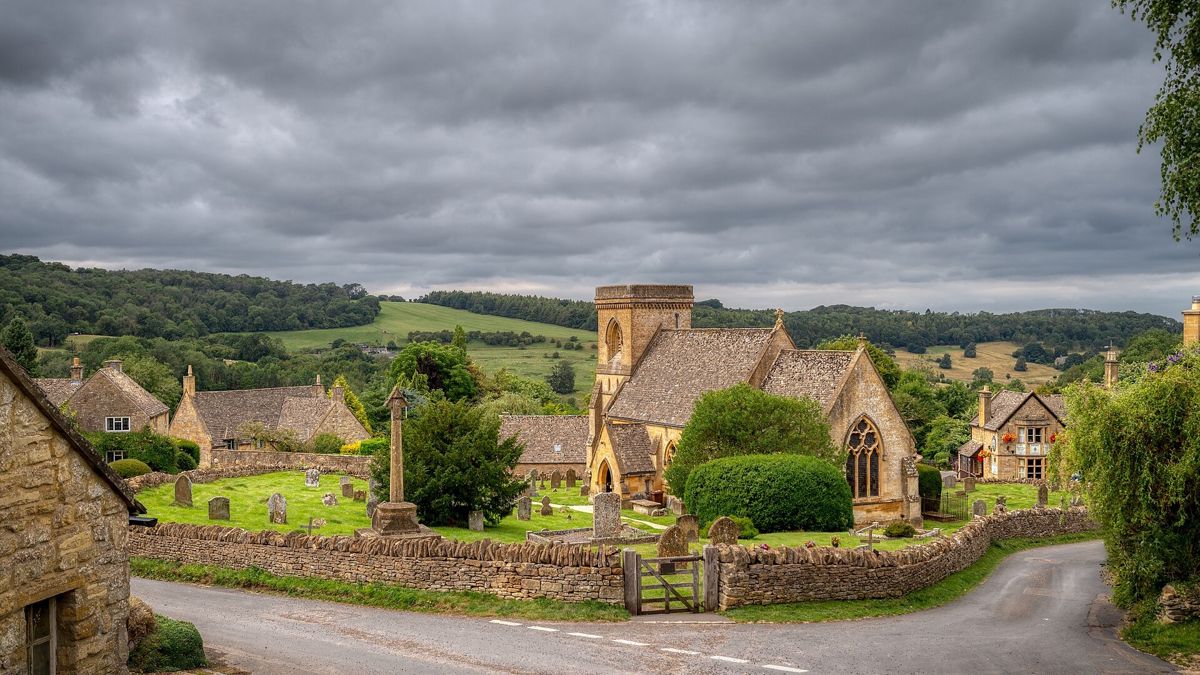
The North Cotswolds are the high, open wolds on either side of the Fosse Way, from the escarpment at Broadway and Chipping Campden in the north to the Windrush valley at Bourton-on-the-Water. This is the part of the Cotswolds most people picture: wool towns of honey-coloured stone, villages on clear shallow rivers, and sheep on the hills. It is also the busiest, so it pays to know when and where to go.
Where the North Cotswolds begin and end
The region runs from the escarpment above the Vale of Evesham south to the Windrush at Bourton, with the Fosse Way, the A429, as its spine through Moreton and Stow. Most of it is Gloucestershire, but Broadway is in Worcestershire and Shipston-on-Stour and Ilmington in Warwickshire. Beyond Kingham the Oxfordshire Cotswolds begin, and south of Stanton the Cotswold Edge. Below the escarpment, the gateway towns are Evesham, the market town of the vale, Stratford-upon-Avon, Shakespeare's town 10 miles north of the edge, and Worcester, the cathedral city on the Cotswold Line.
The towns
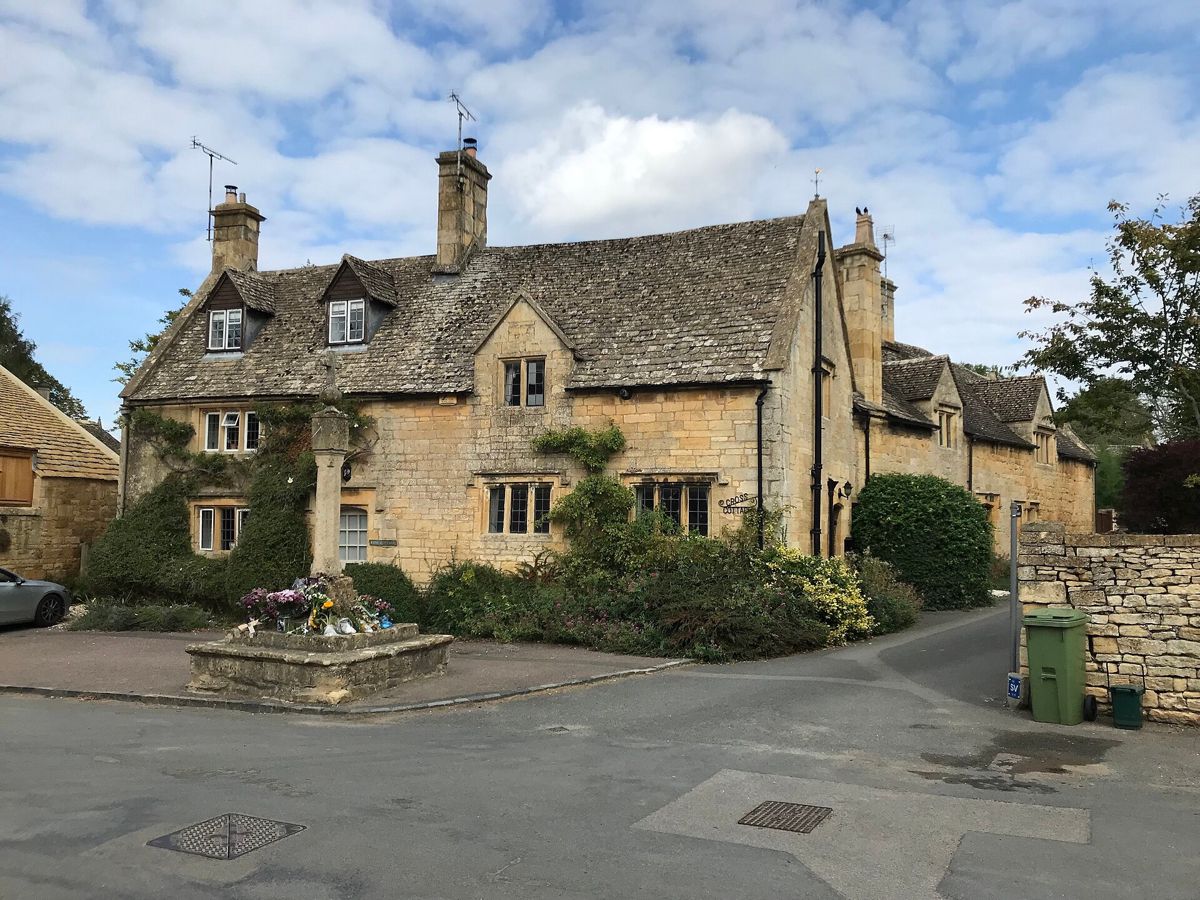
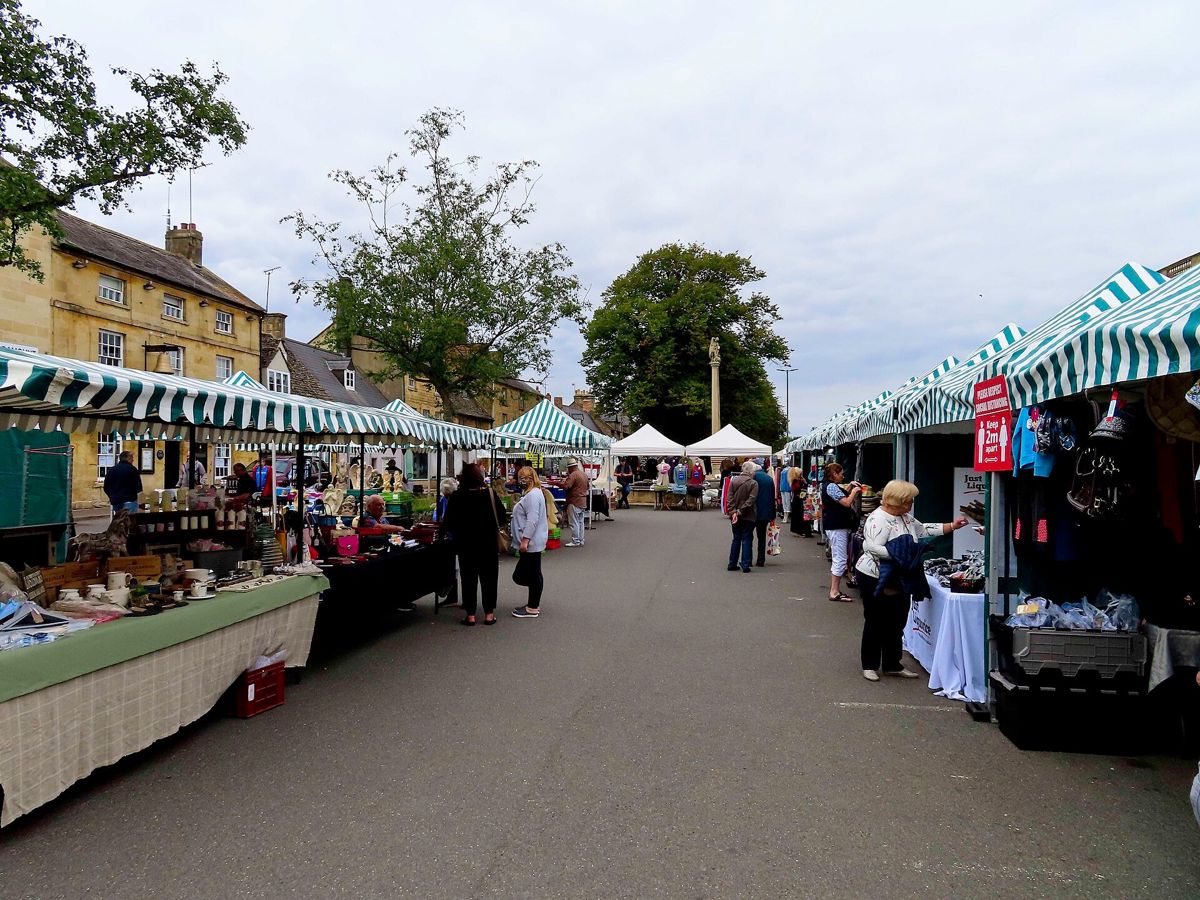
Stow-on-the-Wold stands on its hilltop round a broad market square, and Moreton-in-Marsh, 4 miles north, has the region's railway station and a Tuesday market. Chipping Campden has a High Street of wool merchants' houses, a Market Hall of 1627 and the start of the Cotswold Way. Broadway, over the county line in Worcestershire, sits below its tower on the escarpment, and Northleach, to the south, has a wool church full of merchants' brasses. Our guide to where to stay in the Cotswolds compares them as bases. Our guide to the best towns in the Cotswolds compares them with the towns further south.
Shipston-on-Stour, 7 miles (11km) north-east of Moreton in Warwickshire, is the region's other town: its name comes from a sheep-wash by the ford, it was a sheep market for centuries, and its largely Georgian High Street keeps old coaching inns round the square. It has three free car parks.
The villages
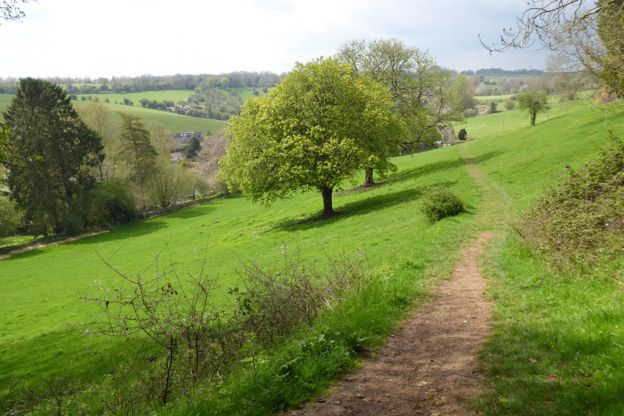
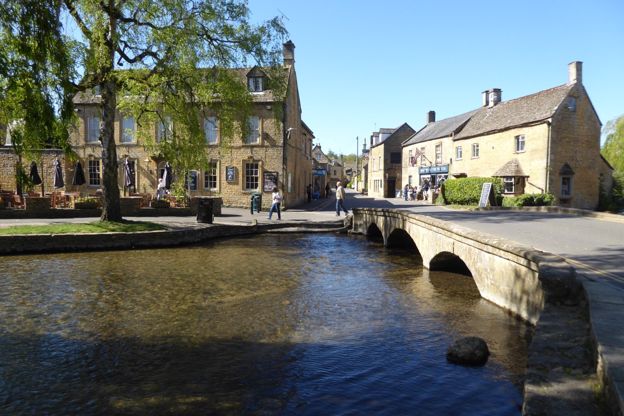
Bourton-on-the-Water, with its river and low bridges, is the region's busiest village, and Lower Slaughter and Upper Slaughter are a short walk away across the fields. Up the Windrush, Naunton and Guiting Power are far quieter walkers' villages. In the north, Blockley has its old silk mills, Snowshill its manor of curiosities and lavender fields, and Stanton a single restored street on the Cotswold Way. For the rest, see things to do in the Cotswolds. With one day and a car, our one-day trip links Bourton, the Slaughters, Stow, Chipping Campden and Broadway Tower; with two, two days in the North Cotswolds adds Daylesford, Batsford and Hidcote from a base in Stow. Our other plans based in the region: a day trip from London by train from Moreton, a gardens weekend from Chipping Campden, a week by car from Stow, a weekend of pub walks from Guiting Power, a winter weekend from Broadway and two days of film locations with a night in Lower Slaughter.
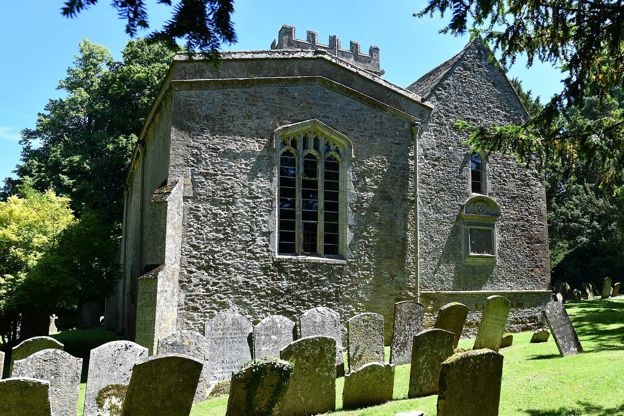
Round Stow, the Swells and the Oddingtons are the villages to walk to. Lower Swell has a Norman Tree of Life doorway at St Mary's and a war memorial by Lutyens, and Upper Swell is a hamlet up the Dikler. At Lower Oddington St Nicholas's stands alone in the woods with a fourteenth-century Doom, and the village also has the Fox, a Daylesford pub with rooms. Adlestrop keeps the sign from its lost station in the bus shelter, Longborough has a Donnington pub, the Coach and Horses, and Bourton-on-the-Hill has Bourton House Garden, open Tuesday to Friday from April to mid-October.
Below Bourton the three Rissingtons climb the valley side, Wyck Rissington first, where Gustav Holst was organist at St Laurence's. The 802 bus serves them from Monday to Saturday. Beyond Naunton, Temple Guiting keeps a Grade I church and the Templars' name. North of Campden, Mickleton has a Grade I church with a broach spire, Ebrington the Ebrington Arms and a part in the Campden Wonder of 1660, and Ilmington eleven carved mice in the pews of St Mary's.
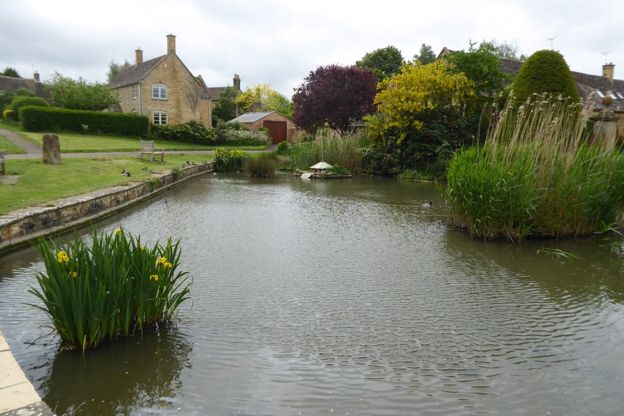
The hamlets are quieter still. North of Moreton, Aston Magna is cut in two by the Cotswold Line, and Stretton-on-Fosse, just off the Fosse Way towards Shipston, has thatched cottages and a seventeenth-century pub. North-west of Stow, Condicote keeps a medieval cross over a spring and a henge in the fields, and Icomb, on its hill above the Evenlode, has Sir John Blaket's armoured effigy in its church. Cold Aston, 3 miles west of Bourton, sits round a green on the high wold with a Grade I Norman church. Under the escarpment near Broadway, Willersey has a long green and a duck pond, and Saintbury a Grade I church under a broach spire, with the Cotswold Way on the hill above.
Sights worth a detour
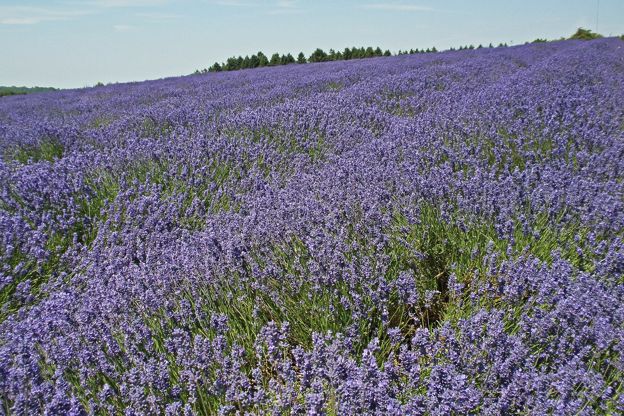
Three gardens and three houses earn a detour. Hidcote and Kiftsgate Court face each other above Mickleton, and Batsford Arboretum by Moreton is best in spring and autumn. Snowshill Manor holds Charles Wade's collections, with Cotswold Lavender in flower a field away from mid-June to early August. Sezincote is a Mughal-style house of 1805 with a water garden, and Chastleton House is where the rules of croquet were written. Seasons and prices are in Cotswold gardens.
Getting around without a car
Moreton-in-Marsh station is about 90 minutes from London Paddington. From outside it, the 801 runs to Stow, Bourton and Cheltenham roughly hourly every day, including Sundays, and Stagecoach's 1, 1A, 2 and 2A go to Blockley, Chipping Campden and Stratford a few times a day, every day. The 606 links Broadway and Campden with Winchcombe and Cheltenham, and the 855 links Bourton and Northleach with Bibury and Cirencester, both Monday to Saturday only. Our three days without a car is planned round these buses, from a base by Moreton station, with the 855 from Bourton for Bibury.
No regular bus reaches the Slaughters, Naunton, Guiting Power or Snowshill (the 803 passes Lower Slaughter once on Tuesdays): walk, or book the Robin minibus, £3 an adult single, Monday to Saturday (2026). On Sundays the 801 and Stagecoach's 1 and 2 run, but not the 606, 802 or 855. Getting here has the trains, the buses page every last bus, and the Cotswolds without a car a plan built round them.
The Cotswolds Info newsletter
Events, new places and the best of the season, about once a month. Unsubscribe at any time.
Walking
The Cotswold Way starts at Chipping Campden and runs by Broadway and Stanton towards Winchcombe. The Wardens' Way and the Windrush Way link Bourton, the Slaughters, Naunton and Guiting Power with Winchcombe, each about 13.5 miles, and together make a loop. The field path from Bourton to Lower Slaughter makes a good short walk. Many walks here start or end at a pub; see our pub walks and the village pubs in our guide to food and drink.
For a half day, Broadway and Broadway Tower is 4 miles without stiles and Guiting Power and Naunton the quiet loop on the Windrush Way.
Eating and staying
Stow and Moreton have the most beds and both work without a car: the Porch House on Stow's Square, with the Old Butchers for dinner, and the White Hart Royal minutes from Moreton's platform. For a quiet village bed, Lords of the Manor is in Upper Slaughter, and the Farmers Arms in Guiting Power is the pub to end a Windrush walk at. See where to stay in Stow and Moreton.
When to come and where to go instead
At peak times Bourton draws around 10,000 visitors a day, the county council says, so on summer weekends and bank holidays come before 10am, or go to Naunton or Upper Slaughter instead. Chipping Campden is at its liveliest just after the late May bank holiday (expected on 4 and 5 June in 2027, still to be confirmed), for the Olimpicks and the Scuttlebrook Wake, and Stow holds its horse fair in May and October. At the end of July the Guiting Music Festival brings ten days of concerts to Guiting Power, and on a Saturday in early September the Moreton Show fills the showground on the Batsford Estate.
The quiet corners are the valleys away from the A429: the upper Windrush at Naunton and the Guitings, the Dikler at the Swells, and the villages east of Stow towards Adlestrop. The Cotswolds without the crowds takes it month by month.
Last verified 28 October 2026 by our editors
Places in the North Cotswolds
-
Adlestrop
Hamlet · The North Cotswolds
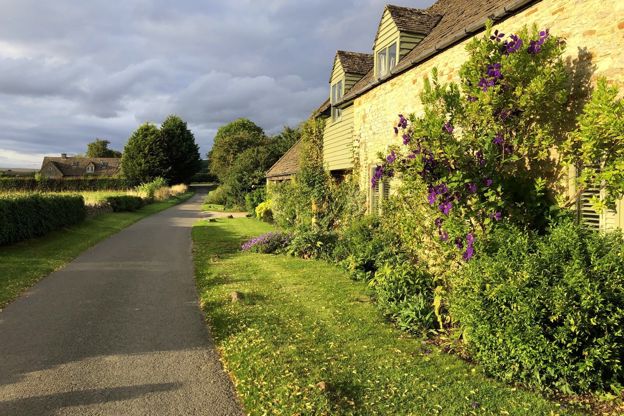
The hamlet where Edward Thomas's train stopped in June 1914. The station has gone, but its sign and bench hang in the bus shelter, the rectory where Jane Austen visited her relations stands by the church, and the Evenlode valley walk starts from the hall.
-
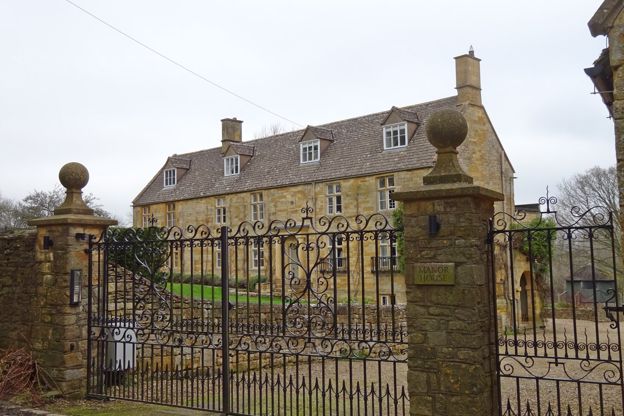
Aston Magna
Hamlet · The North Cotswolds
A hamlet in Blockley parish north of Moreton-in-Marsh, cut in two by the Cotswold Line, with a twelfth-century chapel turned cottage, a church of 1846 now a private house, and a Roman small town in the fields towards Moreton.
-
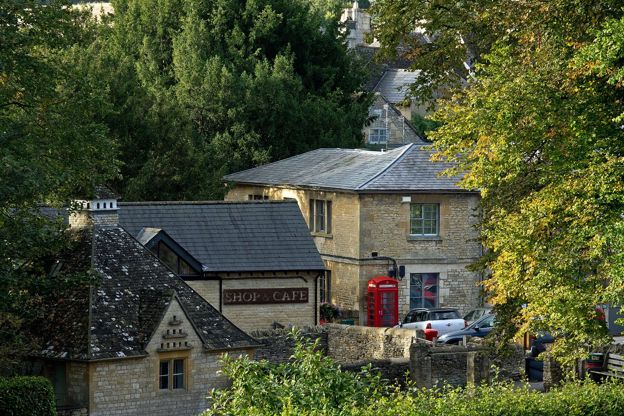
Blockley
Village · The North Cotswolds
A village of former silk mills along a brook in a steep valley near Moreton-in-Marsh, with a Norman chancel in its church, a spring under a raised pavement, two short walks from its lanes and Father Brown's Kembleford on screen.
-
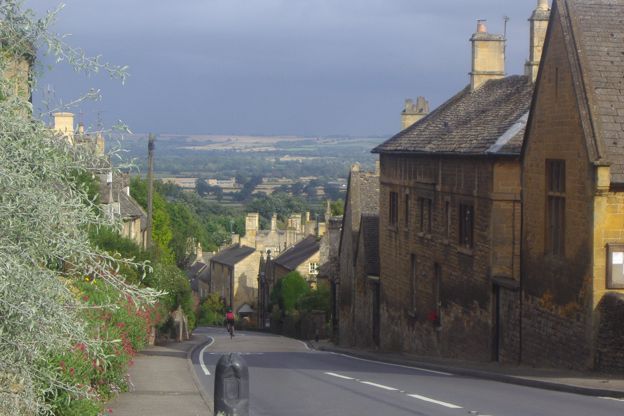
Bourton-on-the-Hill
Village · The North Cotswolds
The village that climbs the A44 west of Moreton-in-Marsh, with a Grade I church open every day, Bourton House Garden and its tithe barn of 1570, the Horse and Groom, and Sezincote and Batsford at the foot of the hill.
-
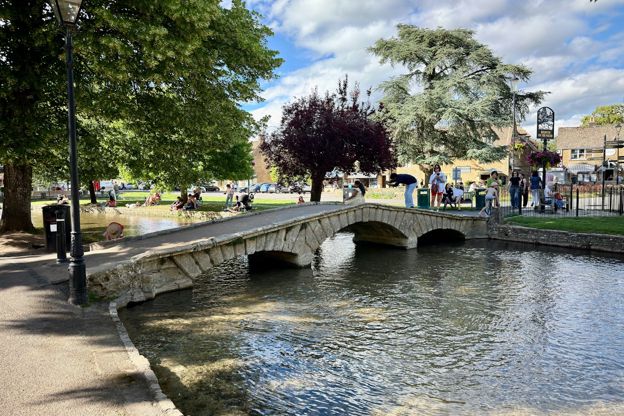
Bourton-on-the-Water
Village · The North Cotswolds
The River Windrush runs shallow through the middle of the village under a run of low stone bridges. The county council puts visitors at around 10,000 a day at peak times, so arrive before ten.
-
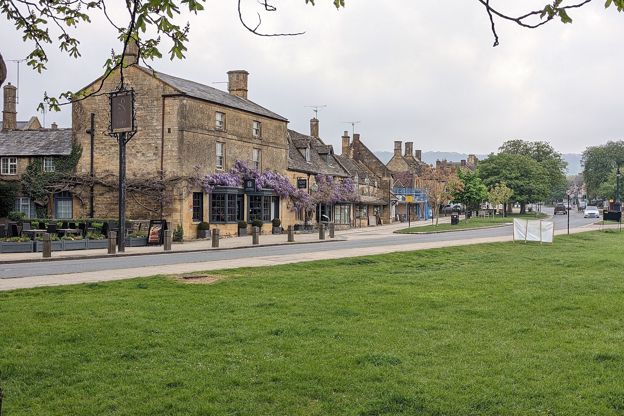
Broadway
Market town · The North Cotswolds
A Worcestershire village below the escarpment, an old coaching stop with a long High Street, two museums, an artists' history and Broadway Tower on the hill.
-
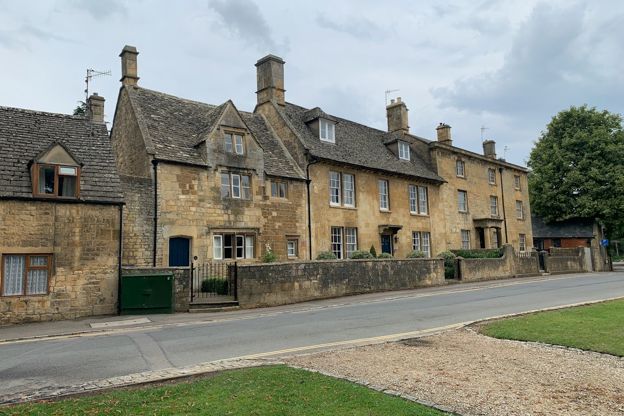
Chipping Campden
Market town · The North Cotswolds
A wool town with a High Street of honey stone, a 1627 Market Hall, a great wool church and almshouses, and the start of the Cotswold Way on its doorstep.
-
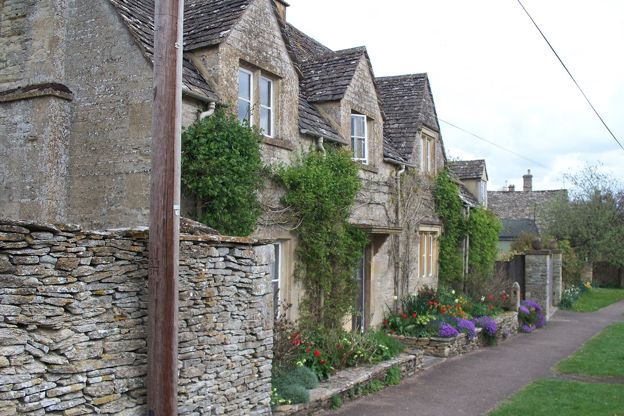
Cold Aston
Village · The North Cotswolds
A village round a green on the high wold 3 miles west of Bourton-on-the-Water, also called Aston Blank, with a Grade I Norman church, a restored seventeenth-century inn with four rooms, and paths west to Notgrove and down to the Windrush.
-
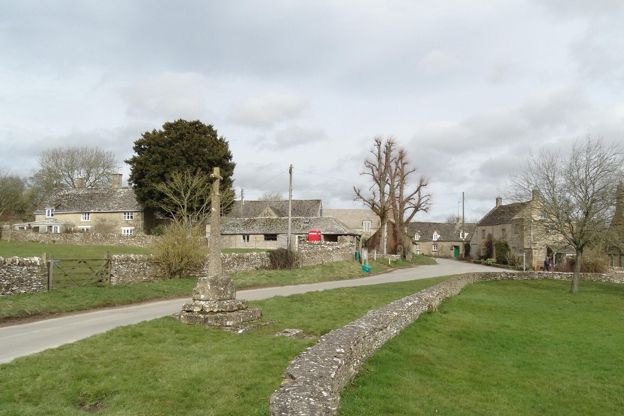
Condicote
Hamlet · The North Cotswolds
A hamlet round a green on the high wold north-west of Stow, with a twelfth-century church, a medieval cross over a spring, a Roman road for its western lane and a henge in the fields.
-
Ebrington
Village · The North Cotswolds
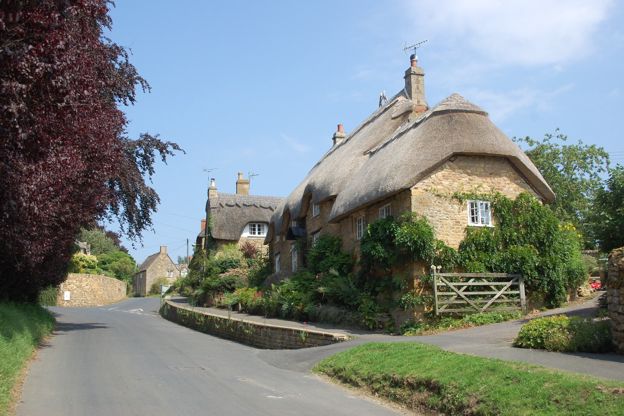
A village of thatched and stone-slated cottages on the slope east of Chipping Campden, with a Grade I church full of Fortescue and Keyt monuments, Hidcote inside its parish boundary, and the Ebrington Arms at its centre.
-
Evesham
Gateway · The North Cotswolds
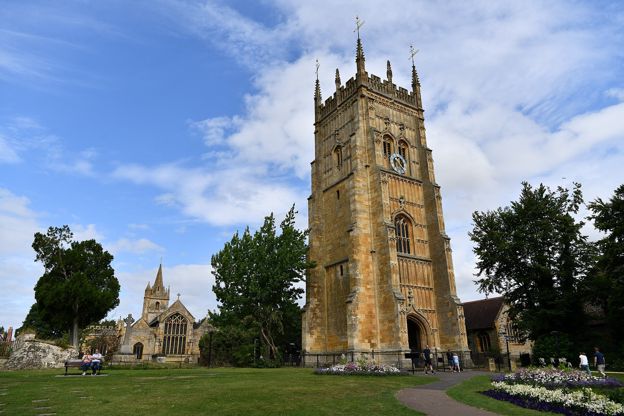
The market town of the vale, 7 miles below Broadway: the Cotswold Line station with free parking, the R4 bus up Fish Hill to Broadway on weekdays, the abbey's bell tower by the Avon, asparagus from St George's Day to Midsummer, and the Cotswold edge at Broadway and Willersey.
-
Great, Little and Wyck Rissington
Village · The North Cotswolds
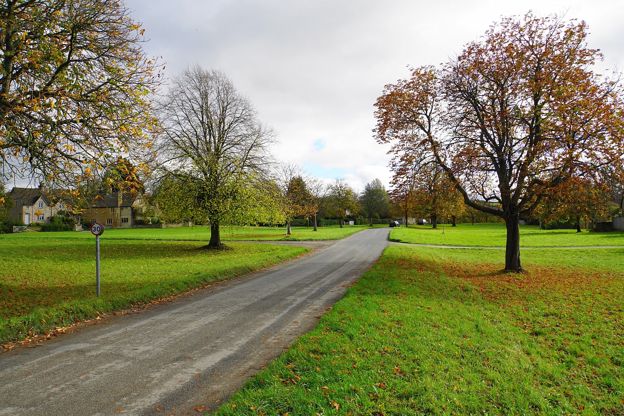
Three villages on the slope east of Bourton-on-the-Water: Wyck with its green, pond and the church where Holst was organist, Little with the RAF graves of a lost airfield, and Great with the Lamb Inn and the Souls brothers' memorial.
-
Guiting Power
Village · The North Cotswolds
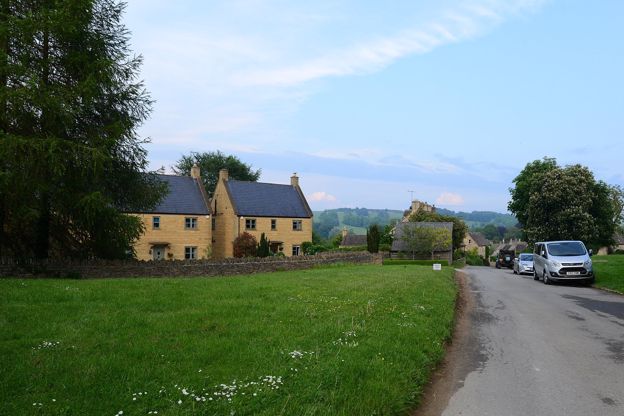
A small stone village round a green on the Wardens' Way and the Windrush Way, a few miles from Adam Henson's Cotswold Farm Park, with a twelfth-century church.
-
Icomb
Hamlet · The North Cotswolds
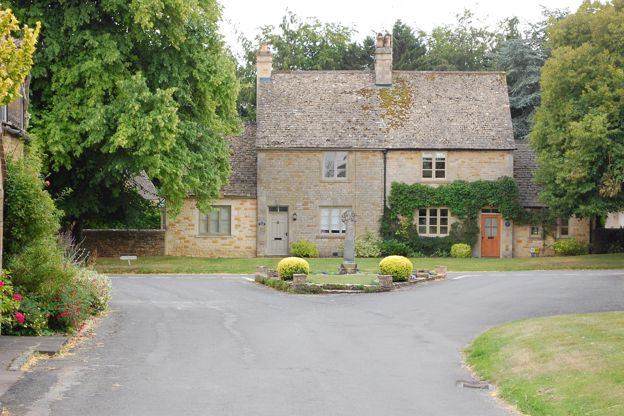
A grey stone hamlet on the slope of Icomb Hill south-east of Stow, above the Evenlode valley, with a thirteenth-century church holding Sir John Blaket's armoured effigy and the fifteenth-century manor house he probably built.
-
Ilmington
Village · The North Cotswolds
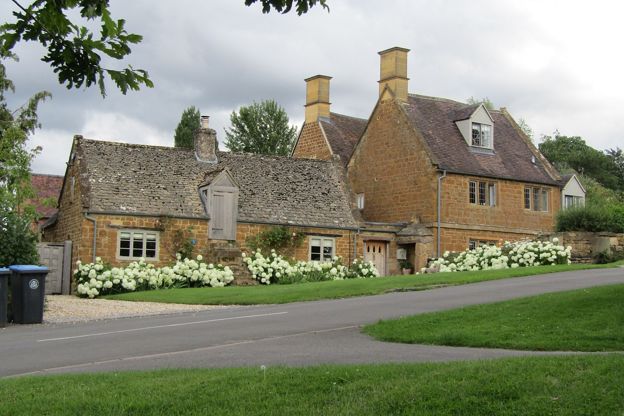
A Warwickshire village of ironstone houses under the Ilmington Downs, at the northern tip of the Cotswolds, with eleven carved mice in its Norman church, a morris tradition going back centuries and two pubs on its greens.
-
Longborough
Village · The North Cotswolds
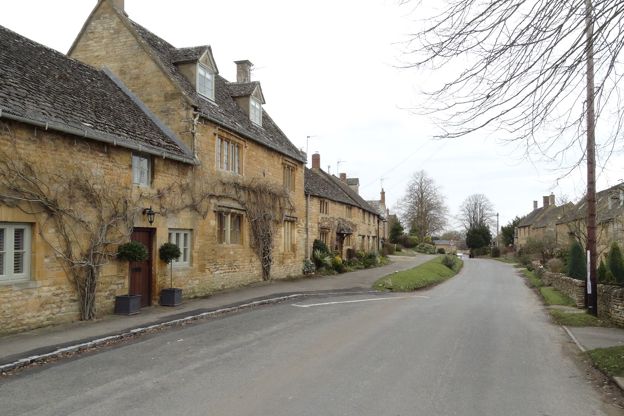
A hillside village above the Evenlode valley between Stow and Moreton, with a 500-seat opera house in a garden, a Grade I church of knights and Cockerells, a Donnington pub on the green and a community shop.
-
Lower Slaughter
Village · The North Cotswolds
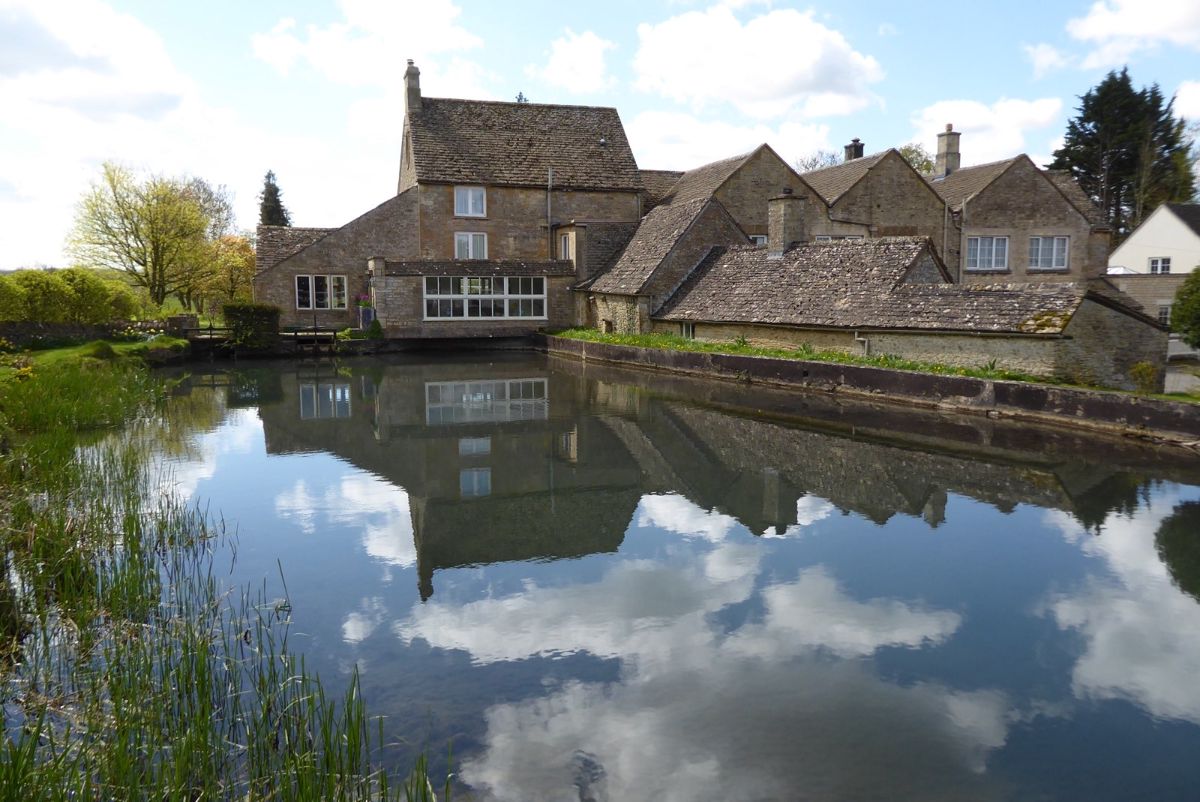
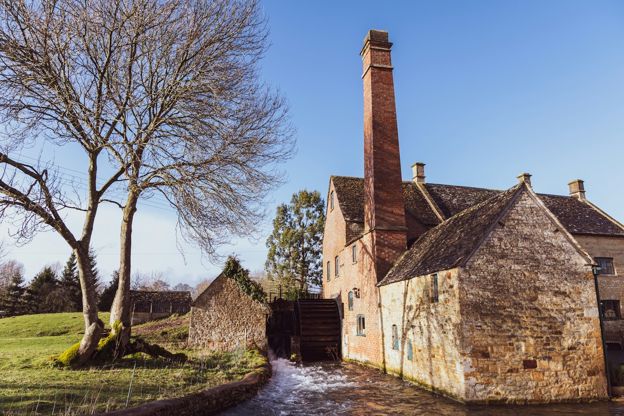
A small village along the River Eye, crossed by low stone footbridges, with a red brick watermill at its western end and a field path to Upper Slaughter.
-
Mickleton
Village · The North Cotswolds
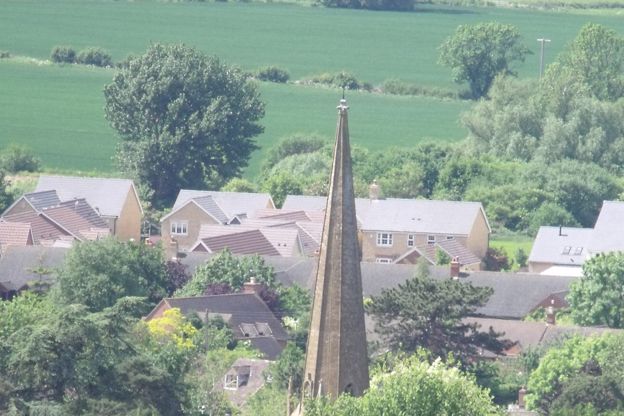
The big village at the foot of the Cotswold edge, 3 miles north of Chipping Campden, with Hidcote and Kiftsgate on the hill above it, a Grade I church and the home of the Pudding Club.
-
Moreton-in-Marsh
Market town · The North Cotswolds
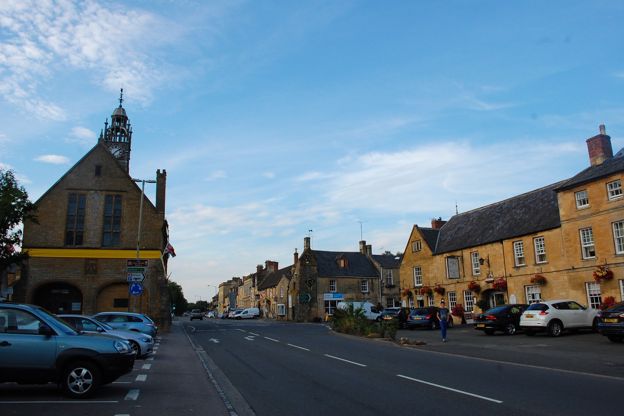
A market town on the Fosse Way with a station on the line from London, so the easiest place to start a car-free Cotswold trip, with Batsford Arboretum close by.
-
Naunton
Village · The North Cotswolds
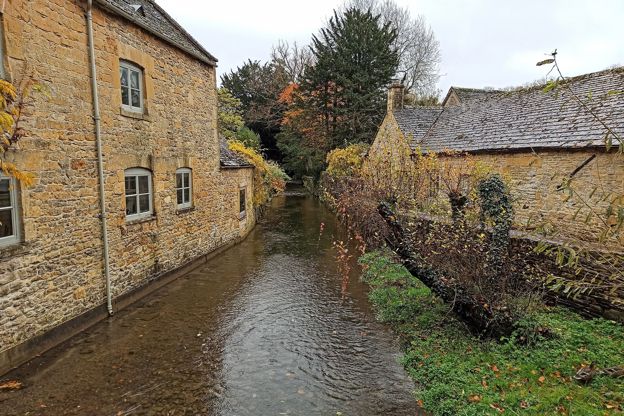
A long, quiet village on the floor of the upper Windrush valley, with a sixteenth-century dovecote by the river, a Donnington pub and the Windrush Way on the hill above.
-
Northleach
Market town · The North Cotswolds
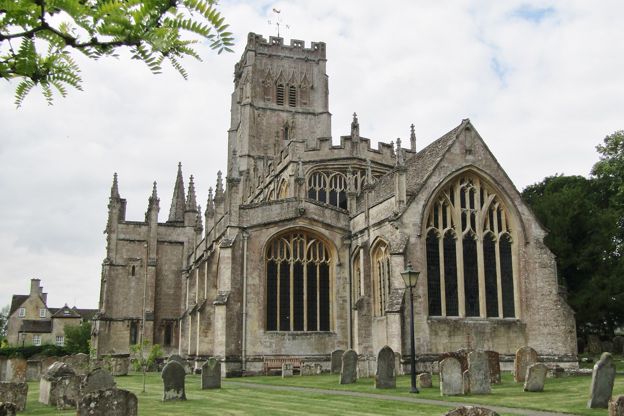
A small wool town in the Leach valley with one of the great Cotswold wool churches, its floor full of brasses to the merchants who paid for it, and a Georgian prison.
-
Saintbury
Hamlet · The North Cotswolds
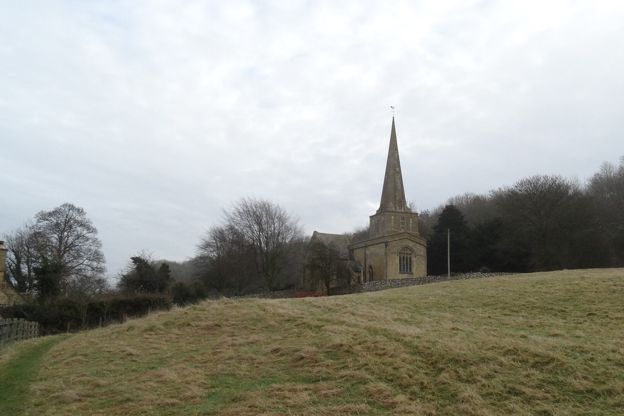
A hamlet on the scarp slope between Broadway and Chipping Campden, with a Grade I church under a broach spire, a medieval cross by the main road and the Cotswold Way on the hill above. Robert Dover of the Olimpicks lived here.
-
Shipston-on-Stour
Market town · The North Cotswolds
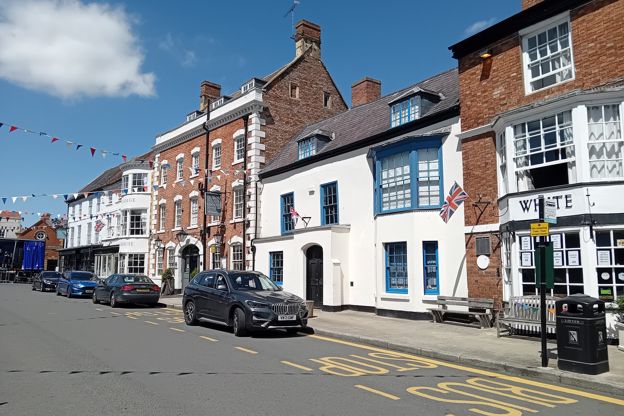
A small Warwickshire market town on the Stour, named after a sheep wash, with Georgian inns round its square, a church rebuilt by G. E. Street, three free car parks, a level walk to Burmington and buses to Stratford and Moreton.
-
Snowshill
Village · The North Cotswolds
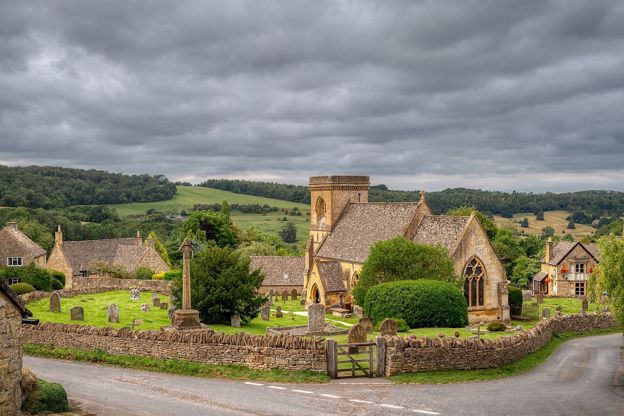
A tiny hill village above Broadway with Snowshill Manor, Charles Wade's house of extraordinary collections, and lavender fields that flower in midsummer.
-
Stanton
Village · The North Cotswolds
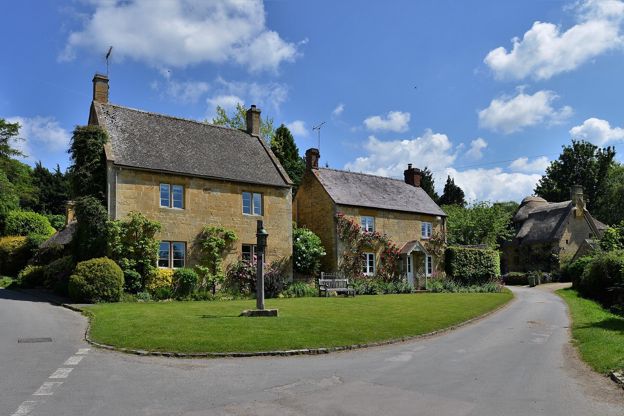
A spring-line village on the Cotswold Way below the escarpment, restored by Sir Philip Stott from 1906, with a Grade I church and a pub at the top of the street.
-
Stow-on-the-Wold
Market town · The North Cotswolds
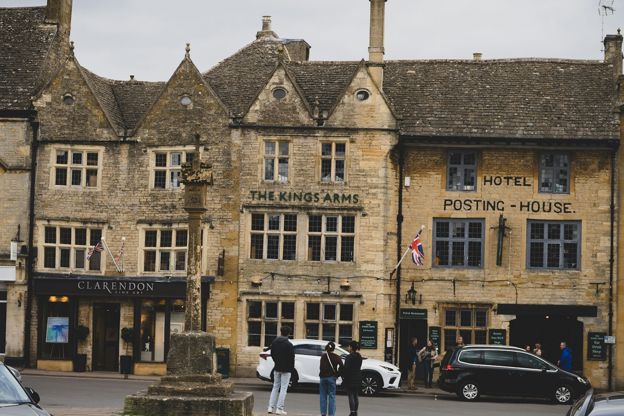
A hilltop market town on the Fosse Way, more than 230m up, with a broad Square, a church that held 1,600 prisoners after the last battle of the Civil War, and a horse fair.
-
Stratford-upon-Avon
Gateway · The North Cotswolds
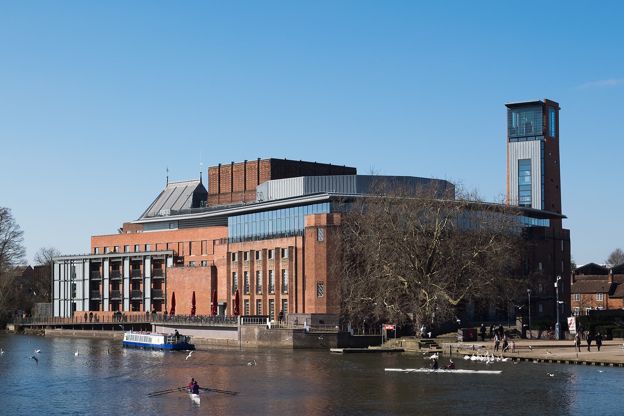
Shakespeare's town on the Avon, 10 miles north of the Cotswold edge: the station from Birmingham and London, the Stagecoach buses over the hills to Chipping Campden, the 50 to Shipston, and the Monarch's Way south towards the hills.
-
Stretton-on-Fosse
Village · The North Cotswolds
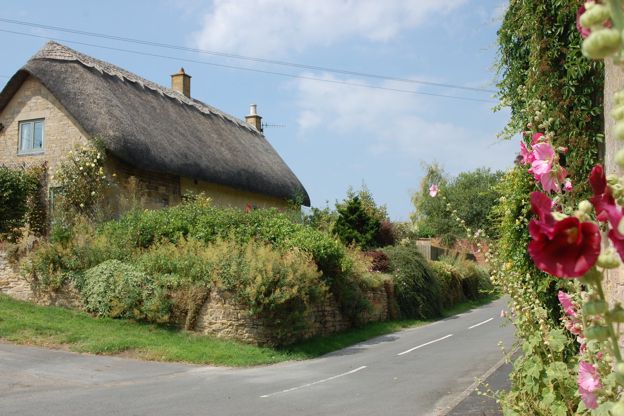
A Warwickshire village just off the Fosse Way between Moreton-in-Marsh and Shipston-on-Stour, with stone and thatched cottages on looping lanes, a church rebuilt in 1841, a seventeenth-century pub and a brewery on a farm nearby.
-
Temple Guiting
Village · The North Cotswolds
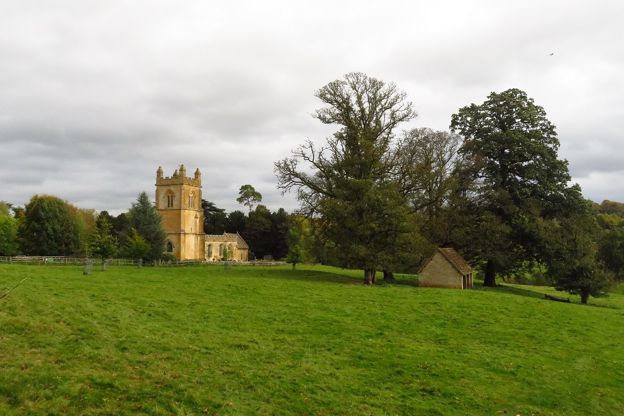
A small village in the upper Windrush valley that takes its name from the Knights Templar, with a Grade I church open in daylight, the hamlets of Kineton, Ford and Barton around it, and the Cotswold Farm Park on its edge.
-
Upper and Lower Oddington
Village · The North Cotswolds
Two villages a quarter of a mile apart on the old Stow road, with a Grade I church in the woods whose Doom painting is among the largest in the country, a Daylesford pub with rooms, and the Evenlode walk to Adlestrop.
-
Upper and Lower Swell
Village · The North Cotswolds
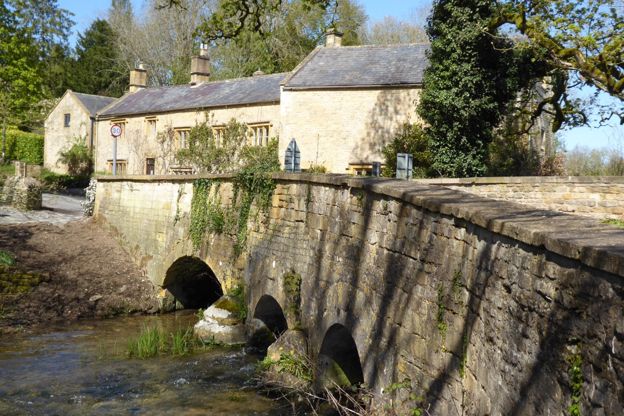
Two villages on the River Dikler a mile west of Stow: Lower Swell with its Norman church, Lutyens war memorial, pineapple-topped spa and Donnington pub, and Upper Swell with a Grade I church and a mill beside the road.
-
Upper Slaughter
Village · The North Cotswolds
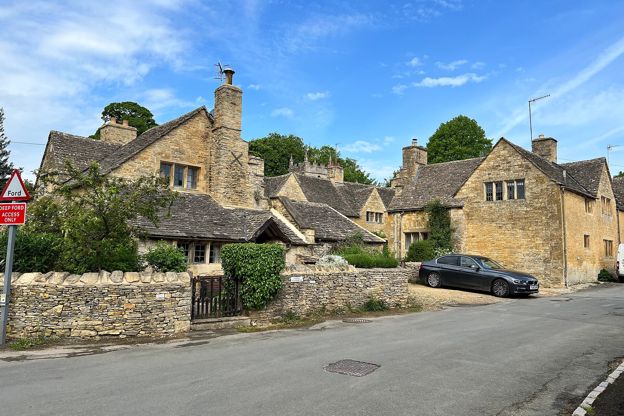
A village of stone houses round a ford on the River Eye, about a mile above Lower Slaughter, with a twelfth-century church, a Grade I manor house and almost nothing to buy.
-
Willersey
Village · The North Cotswolds
A village round a long green and a duck pond at the foot of Willersey Hill, 2 miles from Broadway, with a Grade I church, a Donnington pub and the weekday bus from Evesham. The quieter base for Broadway.
-
Worcester
Gateway · The North Cotswolds
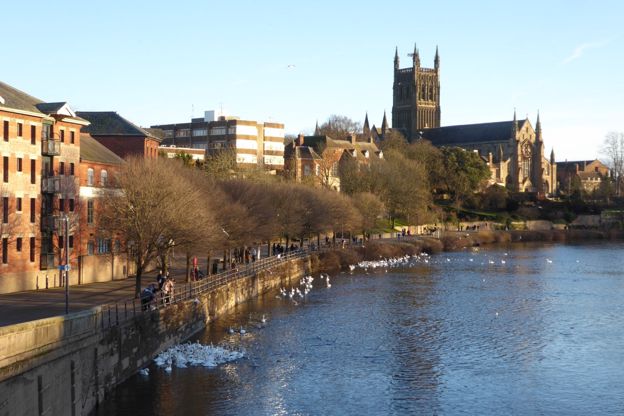
The cathedral city on the Severn on the Cotswold Line: Foregate Street and Shrub Hill stations, the trains through Evesham to Moreton-in-Marsh, King John's tomb and Elgar, the vale road to Broadway, and the Malverns every Cotswold viewpoint looks across to.
Things to do in the North Cotswolds
Historic houses and heritage · Broadway
Broadway Tower
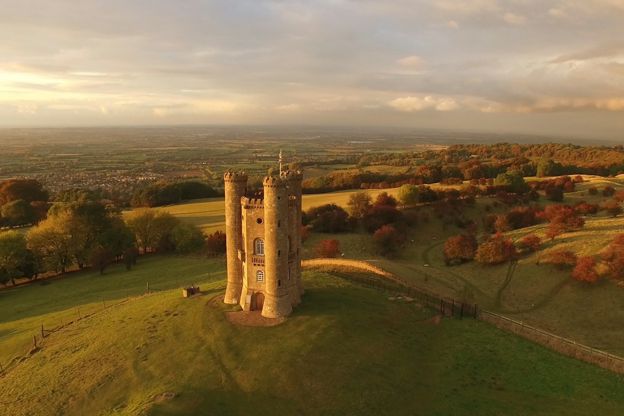
James Wyatt's folly of 1798 on Beacon Hill above Broadway, with a museum in the tower, a red deer park, two cafés and a Cold War nuclear bunker.
-
Chastleton House
Historic houses and heritage · Moreton-in-Marsh
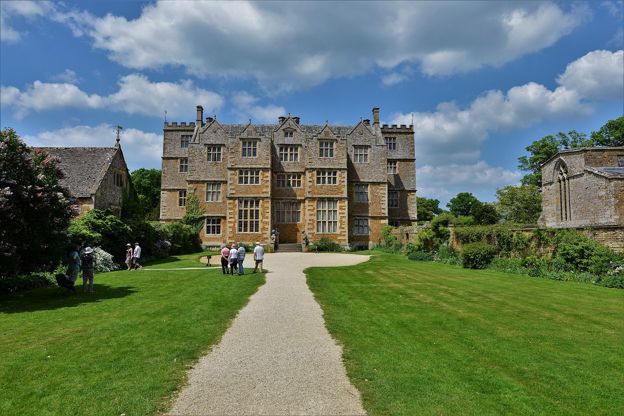
A Jacobean house near Moreton-in-Marsh, built on the estate Robert Catesby sold in 1602, where rules for croquet were written.
Verified Oct 2026
-
Chedworth Roman Villa
Historic houses and heritage · Northleach
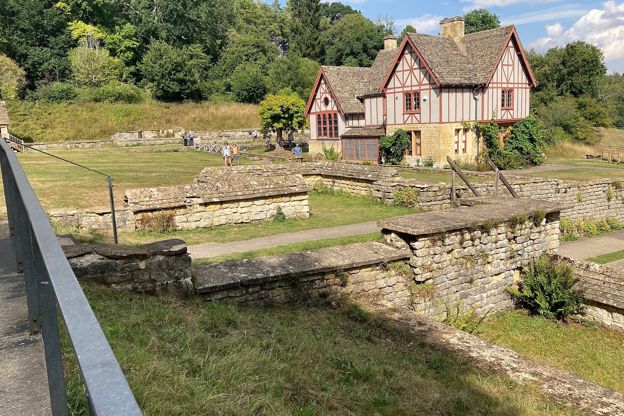
A Roman villa found in woods near Northleach in 1864, with mosaics, two bath suites and a water shrine, owned by the National Trust.
Family-friendly
Verified Nov 2026
-
Cotswold Farm Park
Family days out · Guiting Power
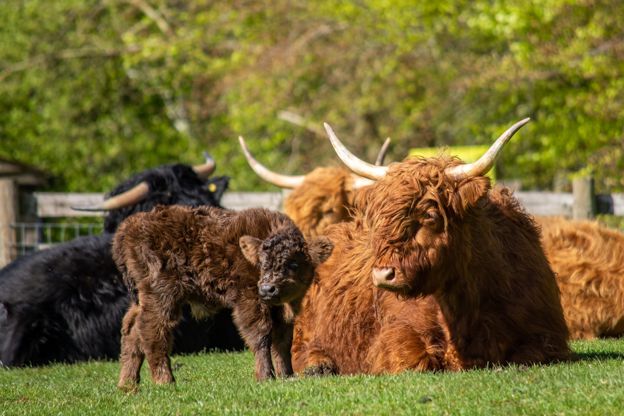
Adam Henson's farm near Guiting Power, opened by his father Joe in 1971 to show rare and native breeds, with play barns, a restaurant and a Changing Places toilet.
Family-friendly
Verified Oct 2026
Where to stay in the North Cotswolds
-
Chester House Hotel
Hotel · Bourton-on-the-Water
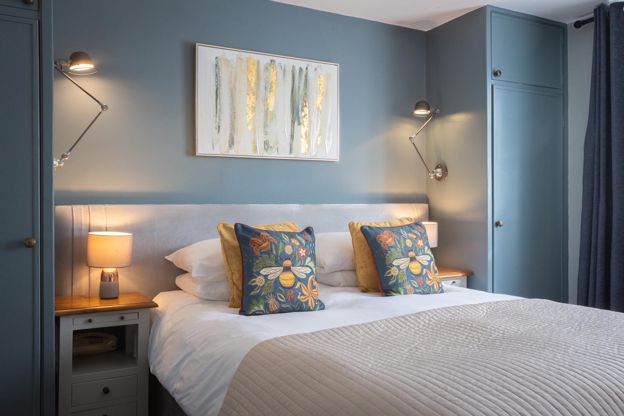
A family-owned hotel with 22 rooms on Victoria Street, Bourton-on-the-Water, with L'Anatra Italian Kitchen, a walled garden, a car park and rooms for small dogs.
Dog-friendly
Verified Nov 2026
-
The Lansdowne Guest House
B&B · Bourton-on-the-Water
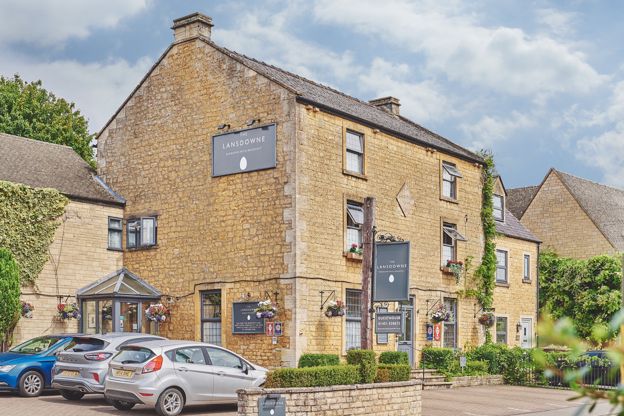
An adults-only guest house in Victorian buildings on Lansdowne Road, Bourton-on-the-Water, with 14 rooms plus cottage rooms and suites, breakfast included and free parking outside.
Verified Oct 2026
-
Moreton-in-Marsh Club Campsite
Camping · Moreton-in-Marsh
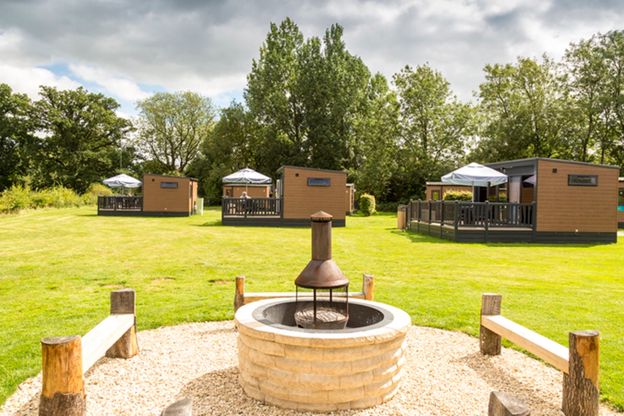
The Caravan and Motorhome Club's site on Bourton Road, Moreton-in-Marsh, open all year, with 184 touring pitches, ten pods and a dog walk.
Dog-friendly · Family-friendly · Walker-friendly
Verified Nov 2026
-
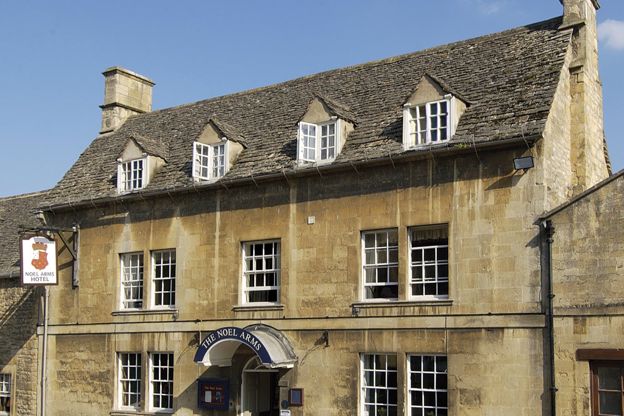
The Noel Arms Hotel
Inn · Chipping Campden
A Grade II listed inn with 27 rooms on Chipping Campden's High Street, with a restaurant, parking, accessible rooms and dogs by arrangement.
Dog-friendly
Verified Oct 2026
-
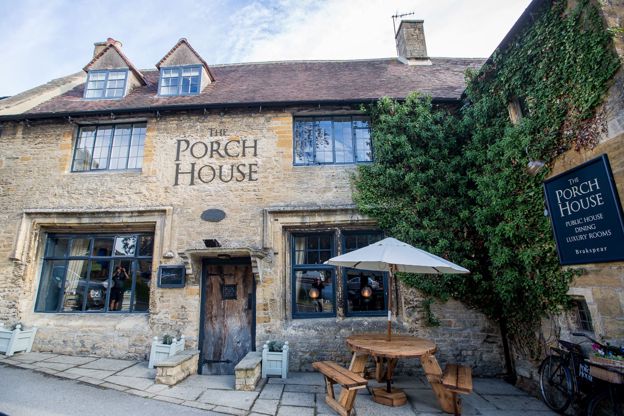
The Porch House
Inn · Stow-on-the-Wold
An inn with 13 rooms on Digbeth Street, Stow-on-the-Wold, serving breakfast, lunch and dinner every day, which calls itself England's oldest inn.
Dog-friendly
Verified Oct 2026
-
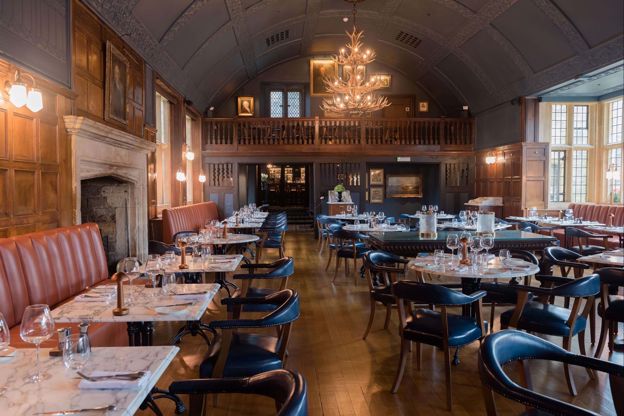
The Lygon Arms
Hotel · Broadway
A historic coaching inn on Broadway's High Street, first recorded in 1377, now a hotel with James Martin's Grill and Tavern, a spa with a pool, and dogs welcome.
Dog-friendly · Wedding venues · EV charging
Verified Nov 2026
Where to eat and drink in the North Cotswolds
-
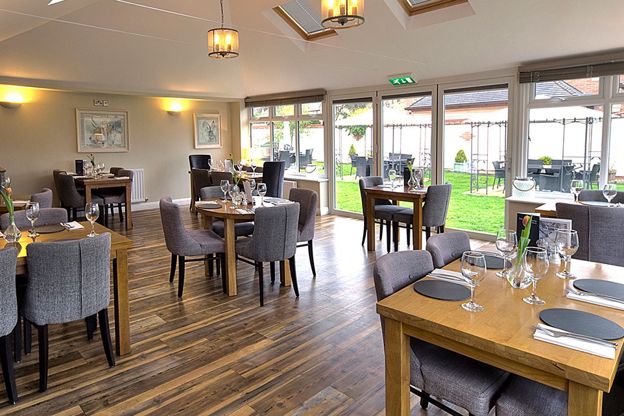
Childswickham Inn and Brasserie
Pubs · Broadway
A village pub and brasserie at Childswickham, about two miles from Broadway, with cask ale and ciders, a daily specials board, a garden and a dog-friendly bar.
Dog-friendly
Verified Oct 2026
-
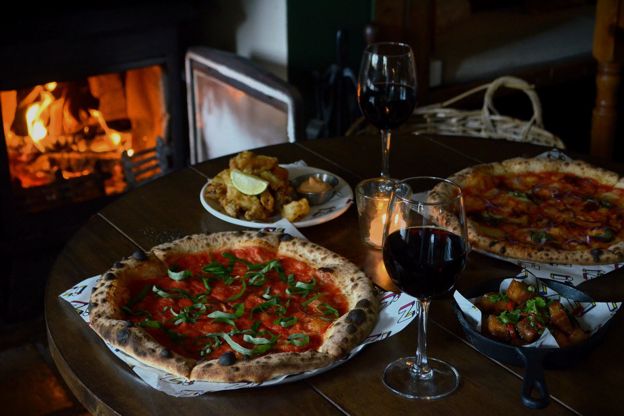
Zonda at the Halfway
Pubs · Guiting Power
A pizza pub at the Halfway in Kineton, about a mile from Guiting Power, with small plates, Sunday roasts and a set lunch, open Wednesday to Sunday.
Verified Oct 2026
-
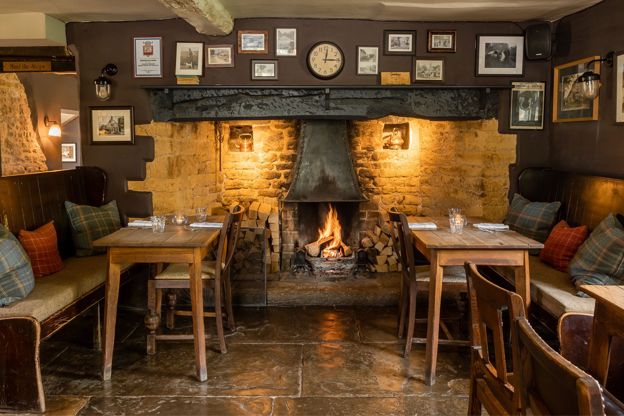
The Ebrington Arms
Pubs · Chipping Campden
A village pub in Ebrington, about 3 miles by road from Chipping Campden, with a landscaped terrace and garden, food every day and five rooms.
Verified Oct 2026
-
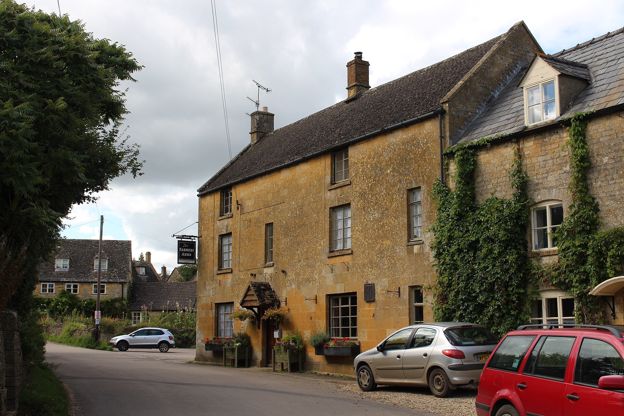
The Farmers Arms
Pubs · Guiting Power
A Donnington Brewery pub in Guiting Power with a log burner, a large beer garden and a skittle alley, serving food from Tuesday to Sunday.
Verified Nov 2026
-
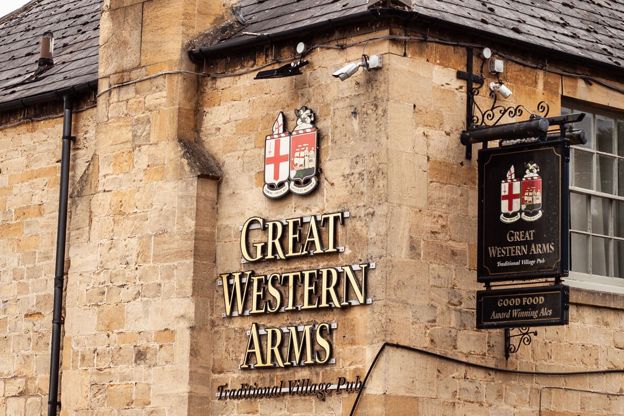
Great Western Arms
Pubs · Blockley
A Hook Norton Brewery pub on Station Road, Blockley, with a large patio, a car park, Hooky ales and dogs welcome.
Dog-friendly · Walker-friendly
Verified Nov 2026
-
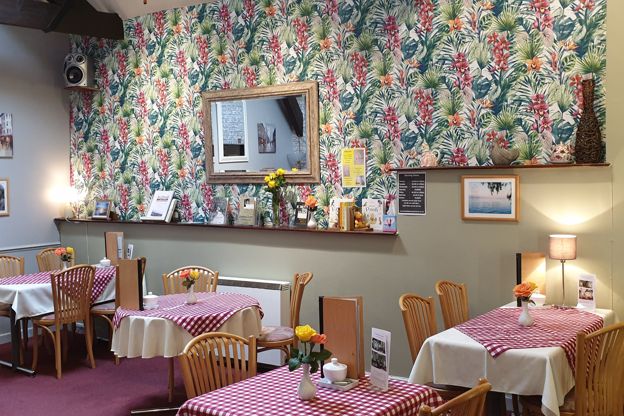
The Old Bakery Tearoom
Cafes and tearooms · Stow-on-the-Wold
A tearoom in Fountain Court off Digbeth Street, Stow-on-the-Wold, run by Jackie and Alan since 2005, where all the food is made on the premises and dogs come in.
Dog-friendly
Verified Oct 2026
Walks in and around the North Cotswolds
-
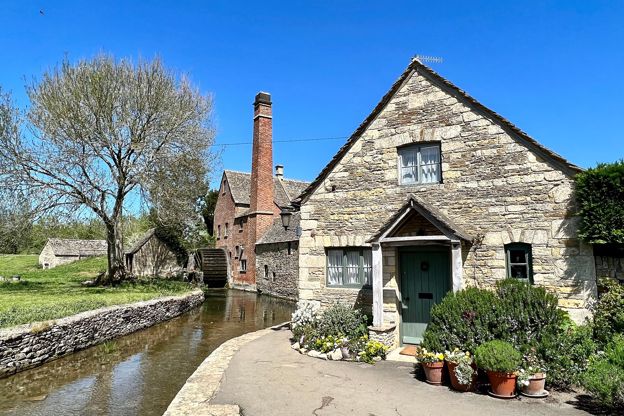
Bourton, Upper Slaughter and Lower Slaughter
Walk · Starts in Bourton-on-the-Water · 2 hrs, 15 mins · Circular
A 6-mile (9.7km) circular walk from Rissington Road in Bourton-on-the-Water, two to two and a half hours of moderate walking with a few stiles. It heads west on bridleways, up a quiet lane to Upper Slaughter, and down the River Eye to Lower Slaughter's mill.
-
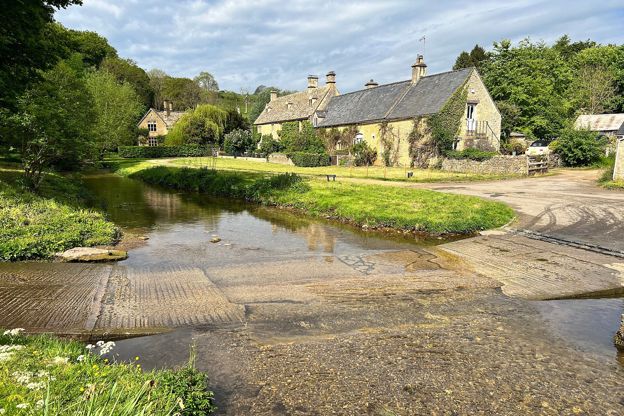
Bourton-on-the-Water, the Slaughters and Naunton
Walk · Starts in Bourton-on-the-Water · 5 hrs · Circular
A 10-mile (16.4km) circular walk from Bourton-on-the-Water, four to five hours of moderate walking with stiles and steep slopes. It follows the Wardens' Way through Lower and Upper Slaughter to Naunton, then comes home down the Windrush valley on the Windrush Way.
-
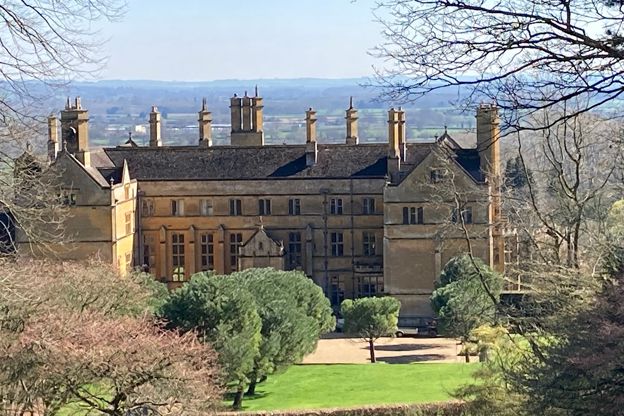
Moreton-in-Marsh and Batsford
Walk · Starts in Moreton-in-Marsh · 2 hrs · Circular
A 4-mile (6.4km) circular walk from Moreton-in-Marsh's war memorial, easy, stile-free and about two hours: west through field gates to Batsford, along the deer park below Batsford House, east on the watershed lane to Dorn and back past the mound of a Roman fort.
Sights in and around the North Cotswolds
-
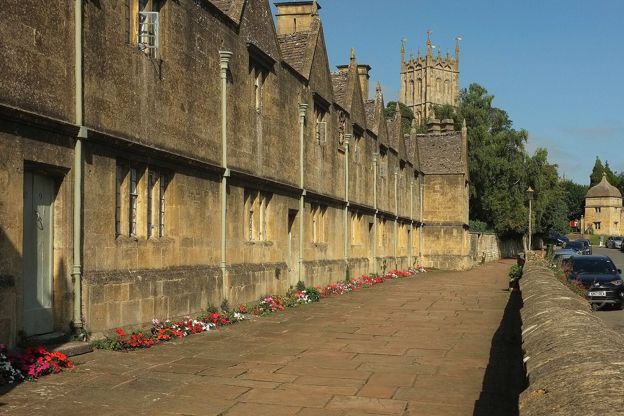
Almshouses, Chipping Campden
Sight · Historic building · Chipping Campden
Twelve almshouses on Church Street in Chipping Campden, built in 1612 for Sir Baptist Hicks at a cost of £1,000 on an I-shaped plan said to honour James I, and still homes for older people. Grade I; seen from the street.
-
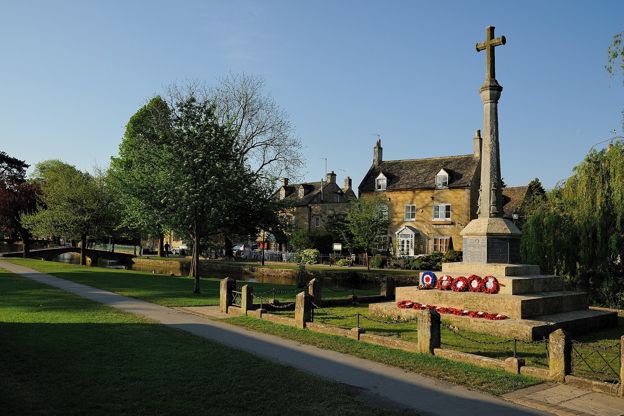
Bourton-on-the-Water war memorial
Sight · Monument · Bourton-on-the-Water
Bourton-on-the-Water's war memorial is a tall stone cross of 1920 on the green beside the Windrush, raised by the village for its 27 men who died in the First World War, with 12 names added after the Second. Listed Grade II; open at all times.
-
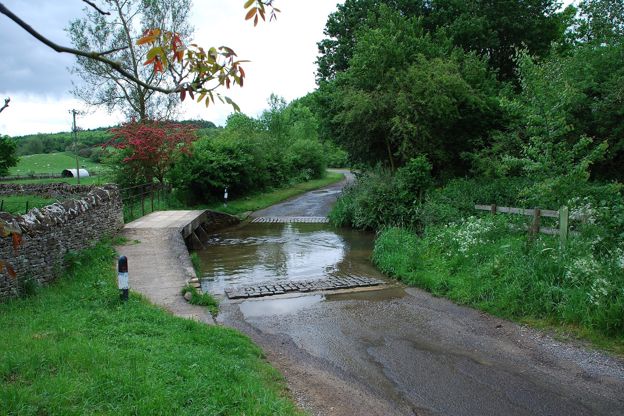
Clapper bridge, Lower Harford
Sight · Bridge · Naunton
The clapper bridge at Lower Harford Farm near Naunton is a low bridge of limestone blocks laid flat on stone piers across the Windrush, of the eighteenth century or earlier: a rare survival here of a kind of bridge more often found in upland country. Grade II.
-
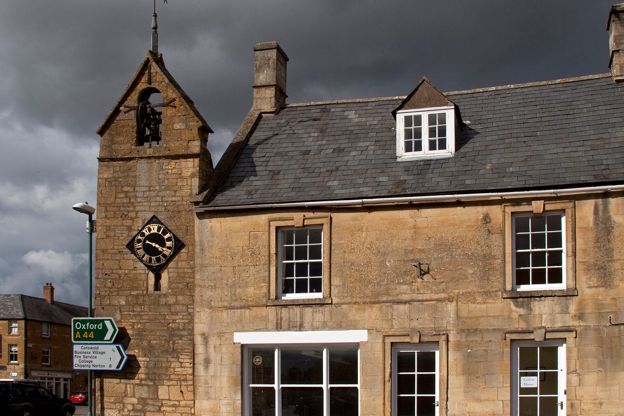
Curfew Tower, Moreton-in-Marsh
Sight · Historic building · Moreton-in-Marsh
The Curfew Tower is a small sixteenth-century stone bell tower on the corner of Moreton-in-Marsh's High Street and Oxford Street, perhaps the town's oldest public building, with a bell of 1633, a clock of 1648 and a past as the town lock-up.
-
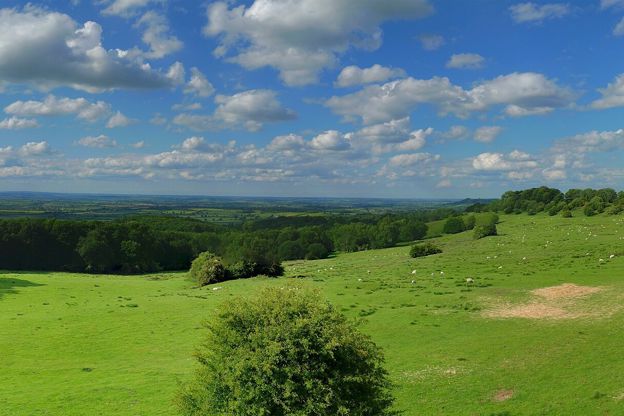
Dover's Hill
Sight · Viewpoint · Chipping Campden
A National Trust hill on the Cotswold edge above Chipping Campden, about 230m up, with a topograph naming the view over the Vale of Evesham and a level path to it. Robert Dover's Cotswold Olimpicks have been held here, on and off, since 1612.
-
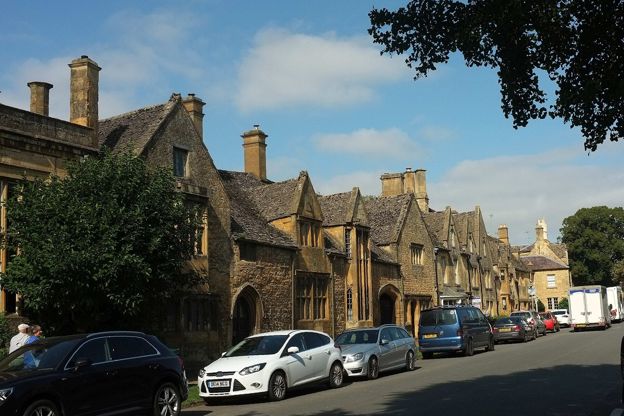
Grevel's House, Chipping Campden
Sight · Historic building · Chipping Campden
A medieval house on Chipping Campden's High Street with a two-storey Perpendicular bay window under gargoyles, named after William Grevel, perhaps the richest Cotswold wool merchant of his day, who died in 1401. Grade I; a private house seen from the street.
Stories about the North Cotswolds
-
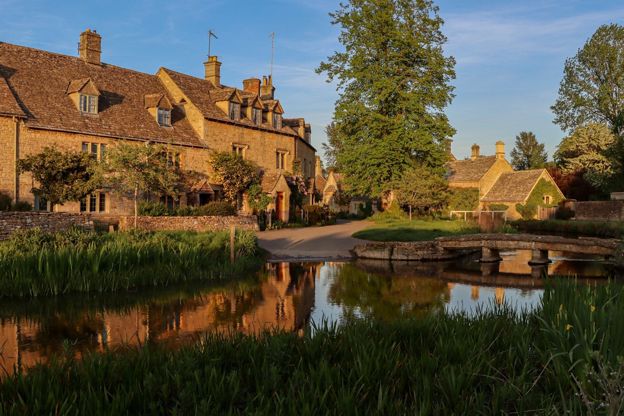
Cotswolds itineraries: one day to a week
Story · Guides · 12 minute read
Cotswolds itineraries from one day to a week: how many days you need, a day by car or by train, two days in the north, three days north to south, five days across two regions, a week with two bases or on the Cotswold Way, and themed weekends for gardens, walks, dogs and winter.
-
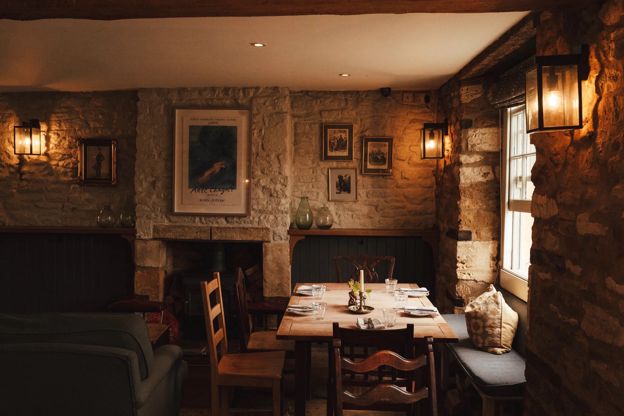
The best pubs with rooms in the Cotswolds
Story · Guides · 13 minute read
The best pubs with rooms in the Cotswolds, region by region: the Kingham Plough and the King’s Head at Bledington, the Lion at Winchcombe, the Falcon at Painswick and the Red Lion at Lacock, with the rooms, the food, the dog rules and the walk from the door.
-
Where are the Cotswolds?
Story · Guides · 11 minute read
The Cotswolds are a range of limestone hills in south-central England, a National Landscape of 787 square miles across six counties, most of it in Gloucestershire. Here is where they are, what the boundary includes, and what makes the stone golden.
Getting to the North Cotswolds