The Campden Wonder
A missing man, a confession, three hangings on Broadway Hill and a return from the dead: the Campden Wonder is one of the strangest cases in English law.
· 4 minute read
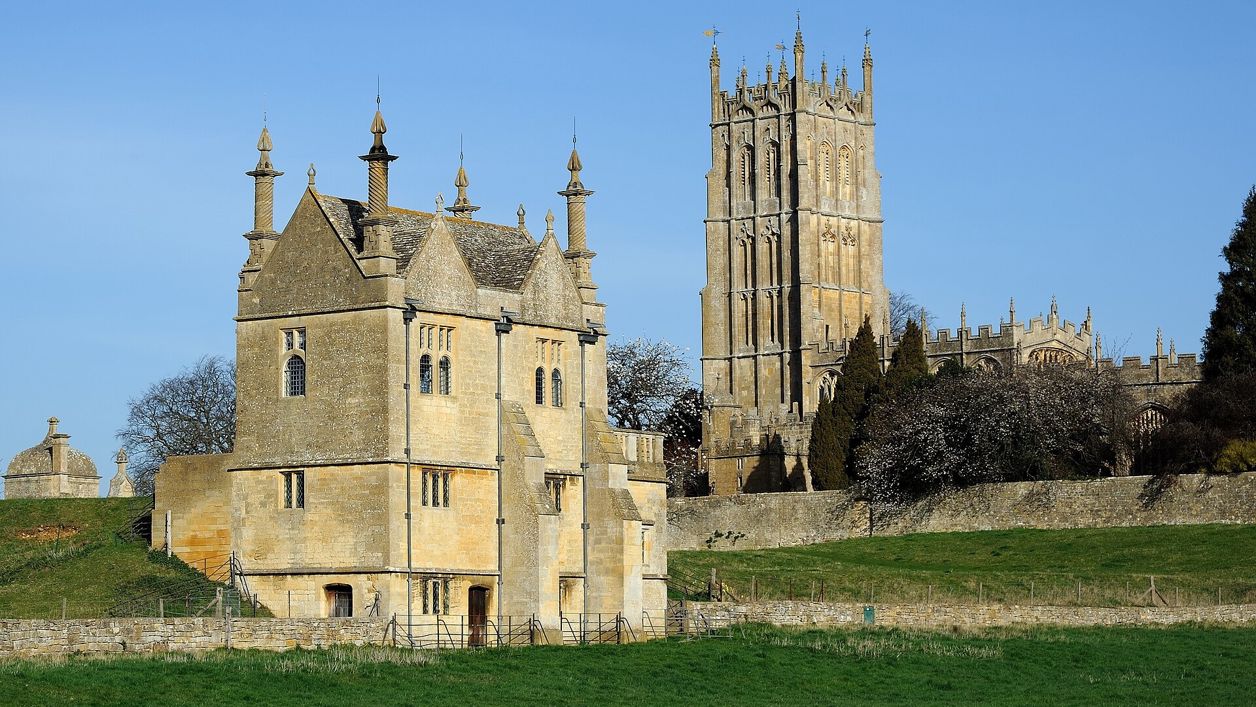
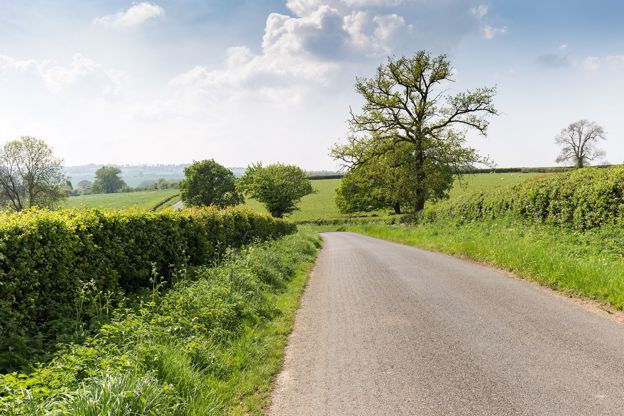
On 16 August 1660 William Harrison, aged 70, walked from Chipping Campden to Charingworth to collect rents, and did not come back. On the road between Campden and Ebrington a woman gleaning found his hat and comb, hacked and cut, and his bloodied neckband. There was no body.
The confession
Harrison's servant, John Perry, said that his mother, Joan, and his brother, Richard, had killed Harrison for his money. He said the body had been thrown into the great sink by Wallington’s Mill; the sink was searched and Campden’s fish-pools drained, but nothing was found. The three were first tried for robbery and pardoned, but at the spring assizes of 1661 they were convicted of murder, though John had retracted his story. All three were hanged on Broadway Hill, Joan first, because she was suspected of witchcraft.
The return
In 1662 William Harrison came home. He said he had been attacked, wounded, abducted and sold into slavery in the Ottoman lands, and had escaped by way of Lisbon. Historians have doubted his story. Overbury himself thought Harrison had been carried off by force, and recorded that some had hard thoughts of Harrison’s eldest son, who took over the stewardship after him. What happened to him is still unknown.
The Cotswolds Info newsletter
Events, new places and the best of the season, about once a month. Unsubscribe at any time.
Why it matters
The case was told in a pamphlet by Sir Thomas Overbury in 1676 and inspired plays by John Masefield. At the first assizes the judge, Sir Christopher Turner, refused to try the Perrys for murder because the body had not been found. The case is remembered as a warning against convicting anyone of murder without a body.
Places to stay near Chipping Campden
-
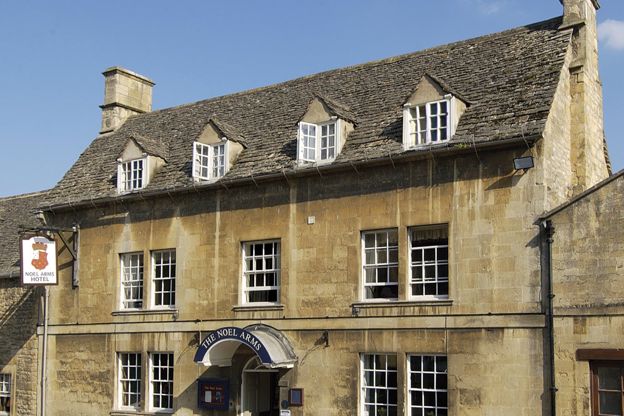
The Noel Arms Hotel
Inn · Chipping Campden
A Grade II listed inn with 27 rooms on Chipping Campden's High Street, with a restaurant, parking, accessible rooms and dogs by arrangement.
Dog-friendly
Verified Oct 2026
-
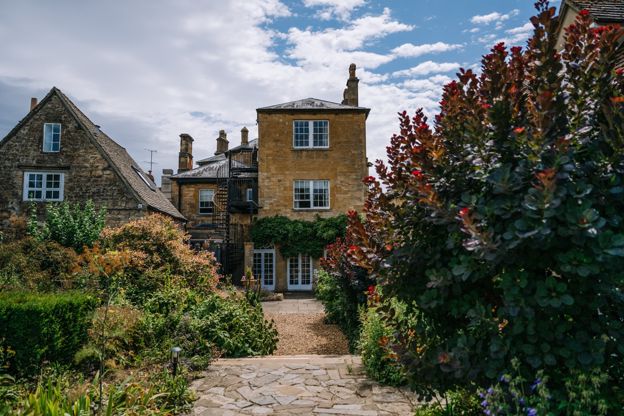
Cotswold House Hotel and Spa
Hotel · Chipping Campden
A Grade II listed Regency town house on Chipping Campden's Upper High Street, now a hotel and spa with the Hidcote restaurant.
Hot tubs · Wedding venues
Verified Nov 2026
-
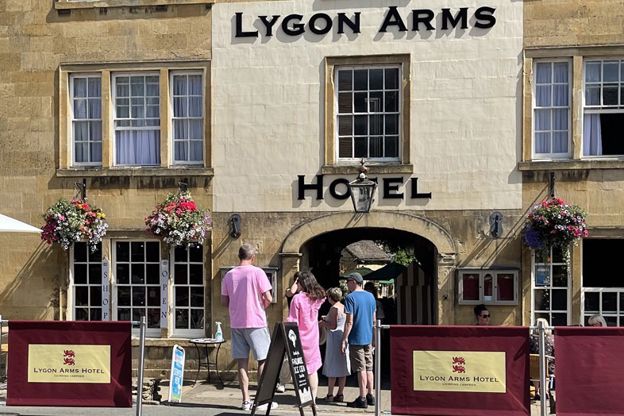
The Lygon Arms, Chipping Campden
Inn · Chipping Campden
A coaching inn with ten rooms on Chipping Campden's High Street, with family rooms, bike storage, free parking at the rear and dogs welcome.
Dog-friendly
Verified Oct 2026
Read next
-
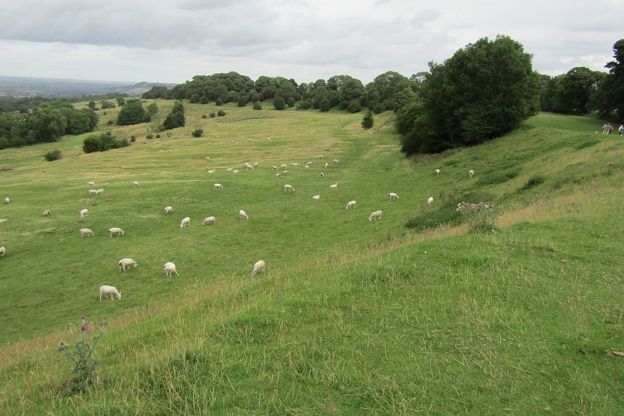
Burnt Norton: a fire and a poem
Story · Strange Things · 3 minute read
In 1741 Sir William Keyt set fire to his mansion near Chipping Campden and died in the flames. Nearly two centuries later the ruin gave T. S. Eliot a poem.
-
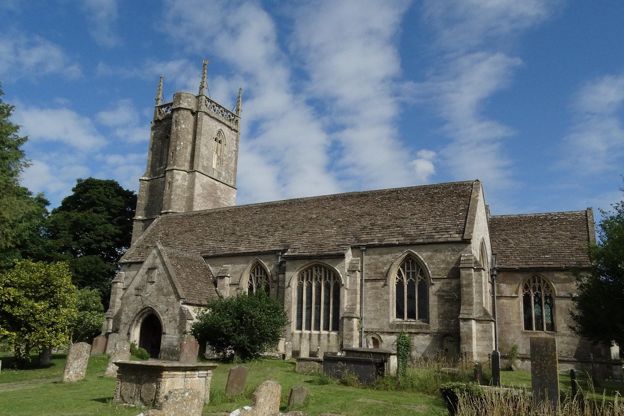
Mummers' plays in the Cotswolds
Story · Strange Things · 4 minute read
The Christmas mummers' plays of the Cotswolds: Marshfield's Paper Boys on Boxing Day, the Chipping Campden mummers, and the Gloucester play revived in 1969.
-
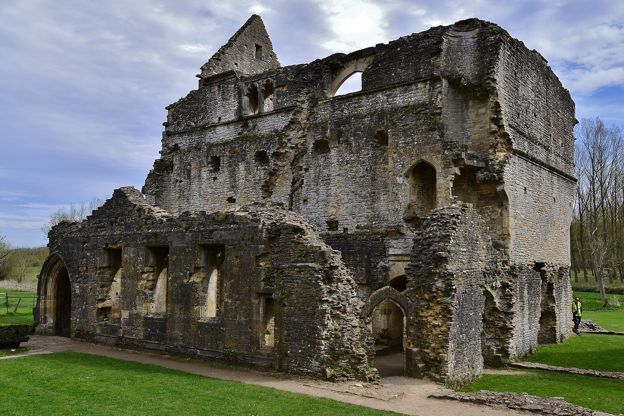
Three dooms at Minster Lovell Hall
Story · Strange Things · 5 minute read
The ruined hall on the Windrush at Minster Lovell, the lord who vanished after the battle of Stoke, a skeleton said to sit at a table, and a bride in a chest.