Colin Park, CC BY-SA 2.0, via Wikimedia Commons
Sapperton and Frampton Mansell
Two villages on the lip of the Frome valley where the Thames and Severn Canal went underground: the Gothic tunnel portal at Daneway, the Daneway Inn beside the old canal, the church where Gimson and the Barnsleys are buried, and the Crown at Frampton Mansell.
- Nearest station
- Kemble, about 8 miles, or Stroud, 8 miles, then the 54 bus to Sapperton, 22 minutes, two journeys a day on weekdays
- Parking
- Customer car parks at the Daneway Inn and the Crown; for the reserves, the layby over the bridge from the Daneway; in the village there is no public car park
- Best time
- June and July for the large blue; May for lily of the valley and bluebells
- Toilets
- None public; the pubs have them for customers
- Dogs
- Welcome at the Daneway Inn, the Bell and the Crown; on a lead on Daneway Banks, and on a lead in Siccaridge Wood except where the trust says dogs may run free
About Sapperton and Frampton Mansell
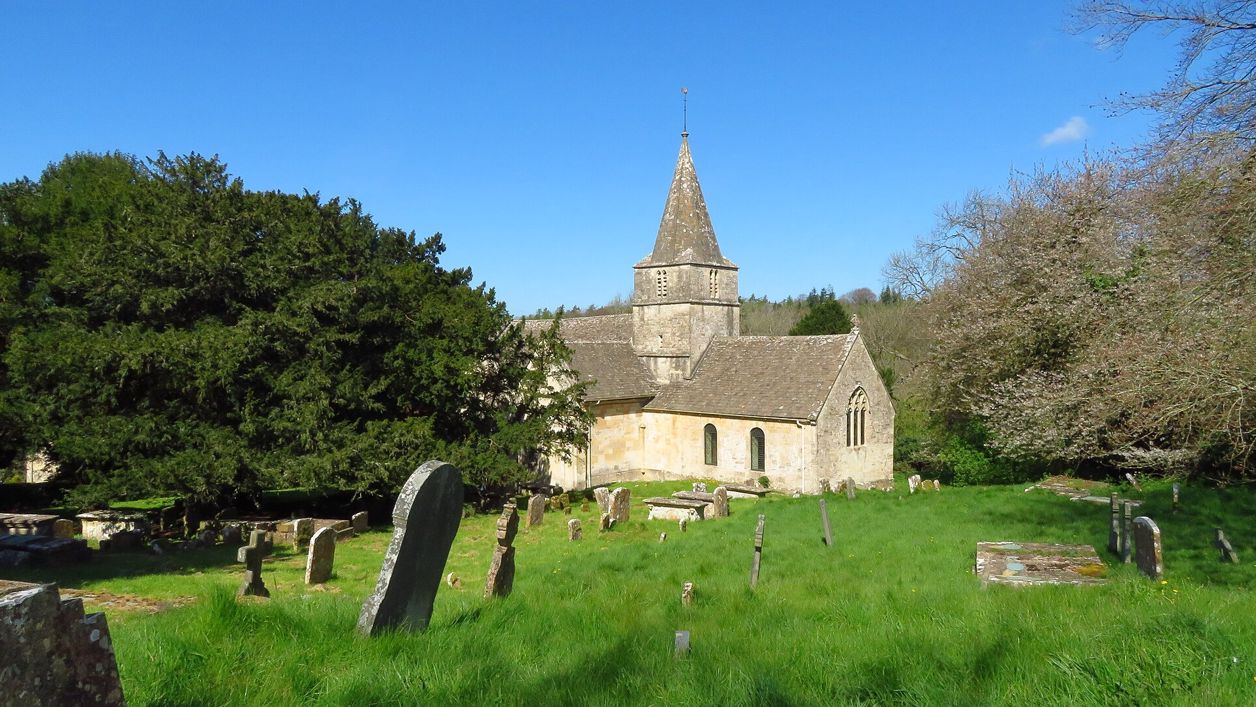
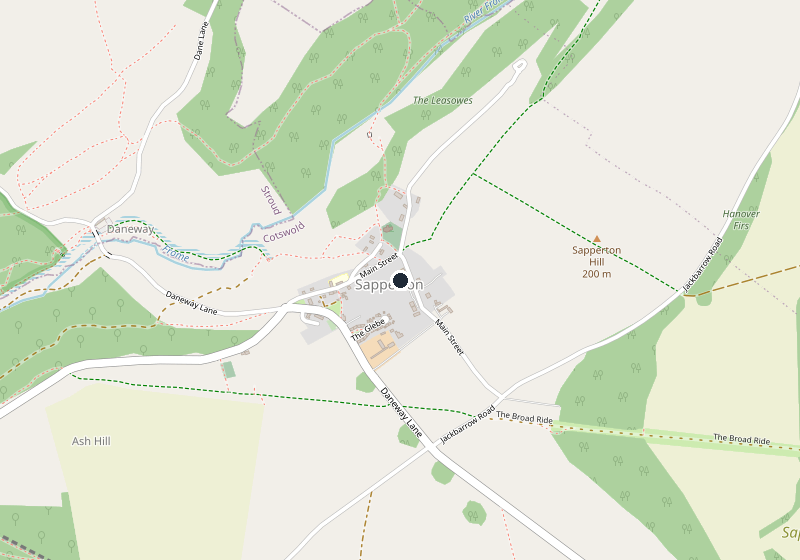
Sapperton sits on the lip of the Frome valley 5 miles (8km) west of Cirencester, where the Thames and Severn Canal disappeared into a tunnel more than 2 miles long. It is the village where Ernest Gimson and the Barnsley brothers made their furniture, and they are buried beside its church. Frampton Mansell, a mile west along the valley side, has the Crown and, down on the Stroud road, the Jolly Nice farm shop.
What to see
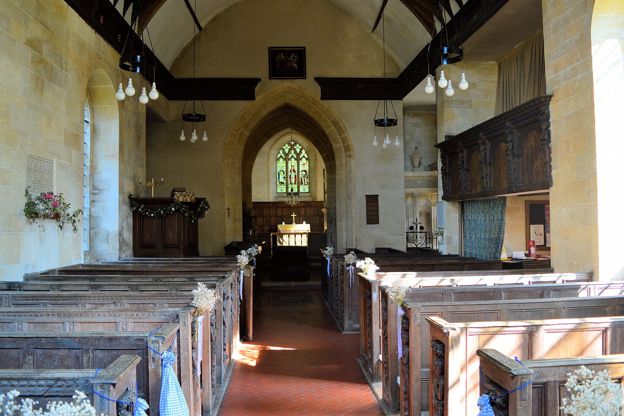
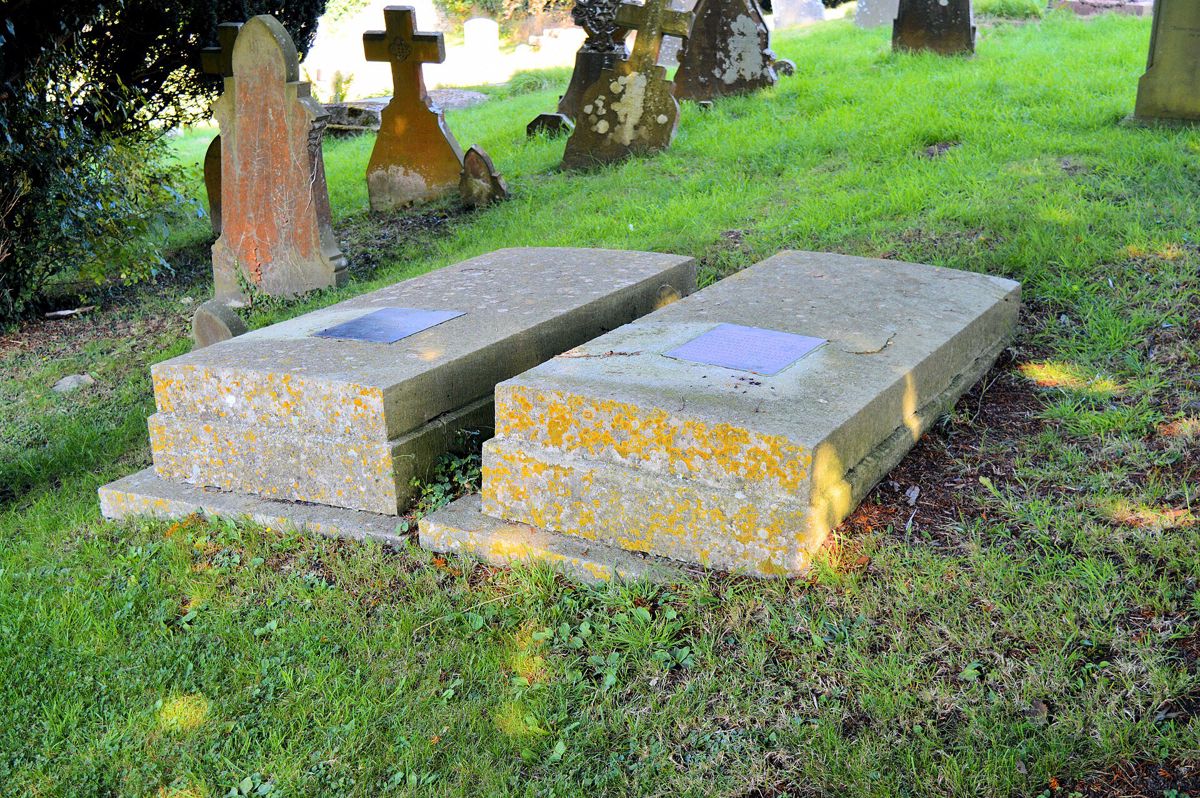
St Kenelm's is listed Grade I, a cruciform church founded in the early twelfth century, with a fourteenth-century tower and broach spire, largely rebuilt in classical style by the Atkyns family at the start of the eighteenth century. Its pew ends, panelling and gallery front came from Sapperton Park, the manor house demolished in the eighteenth century. The monuments are the thing: a Poole knight of 1574, Sir Henry Poole of 1616 kneeling with his family, and Sir Robert Atkyns, the historian, who lived at Pinbury Park and died in 1711, reclining under an Ionic canopy. Gimson and both Barnsley brothers lie in the churchyard under plain ledger stones. Our story on the Arts and Crafts movement has the wider picture.
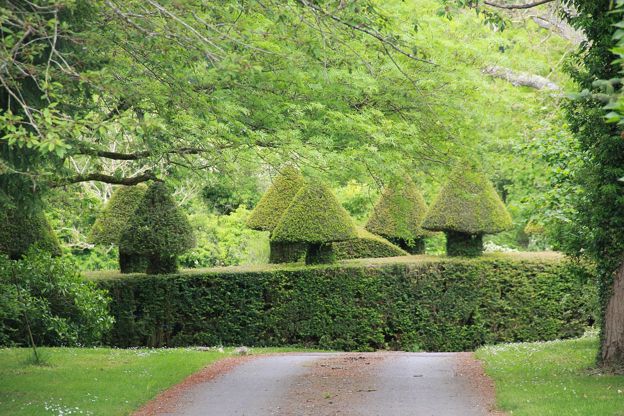
The craftsmen's own houses stand in the village: Upper Dorvel House, Beechanger and the Leasowes were built for them at the start of the twentieth century and are all listed, as is the village hall of 1912, the gift of Lilias, Countess Bathurst. Down the hill at Daneway is Daneway House, a Grade I manor of the mid-fourteenth century with a four-storey tower of about 1620, which Lord Bathurst lent to Gimson and the Barnsleys around 1900 as a showroom for their work. It is private.
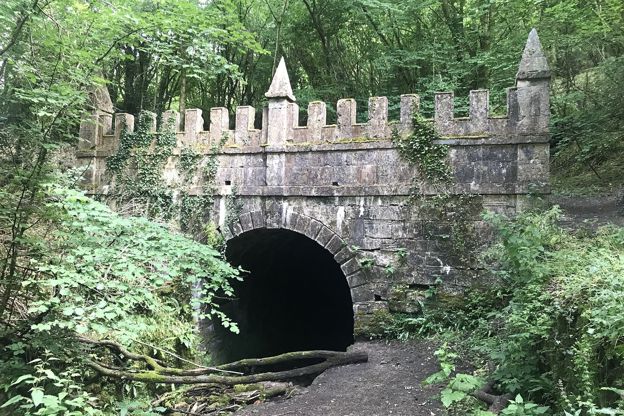
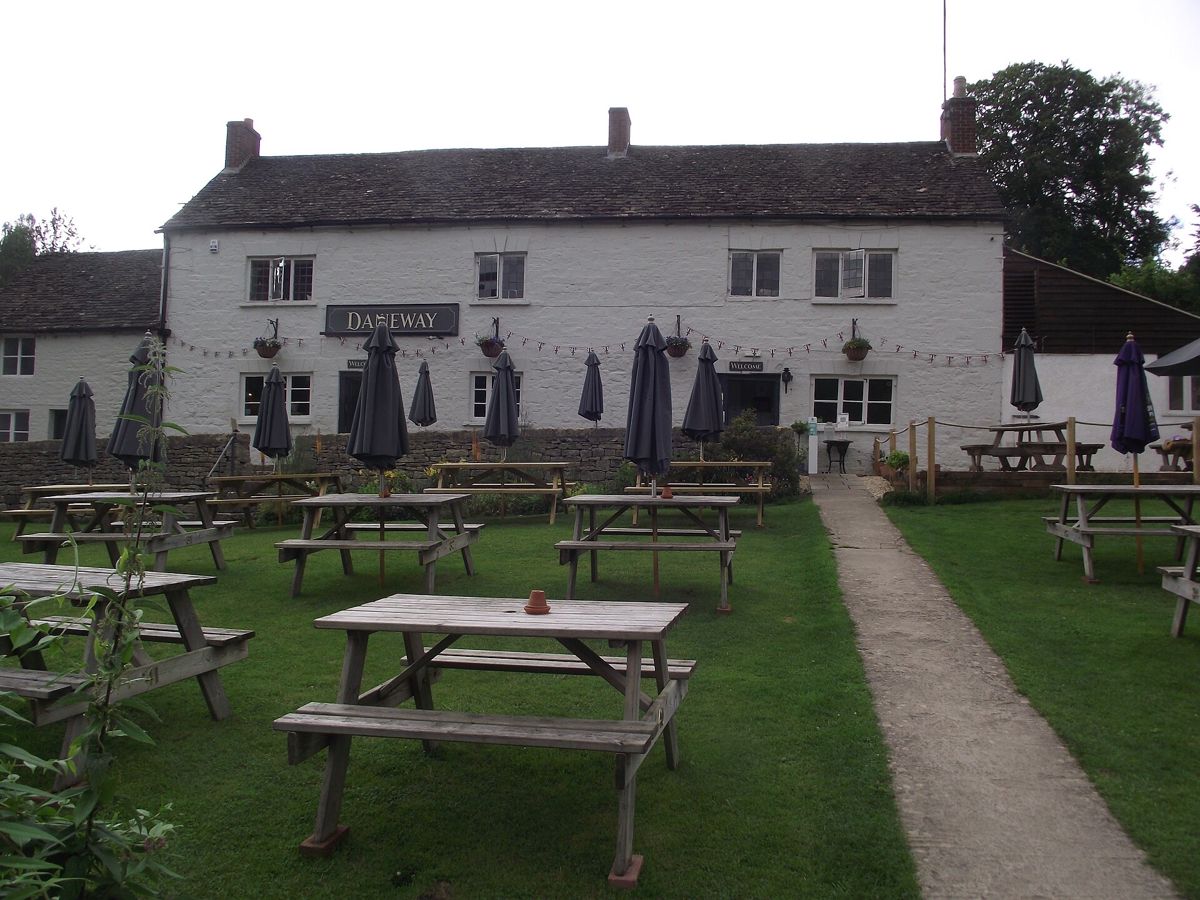
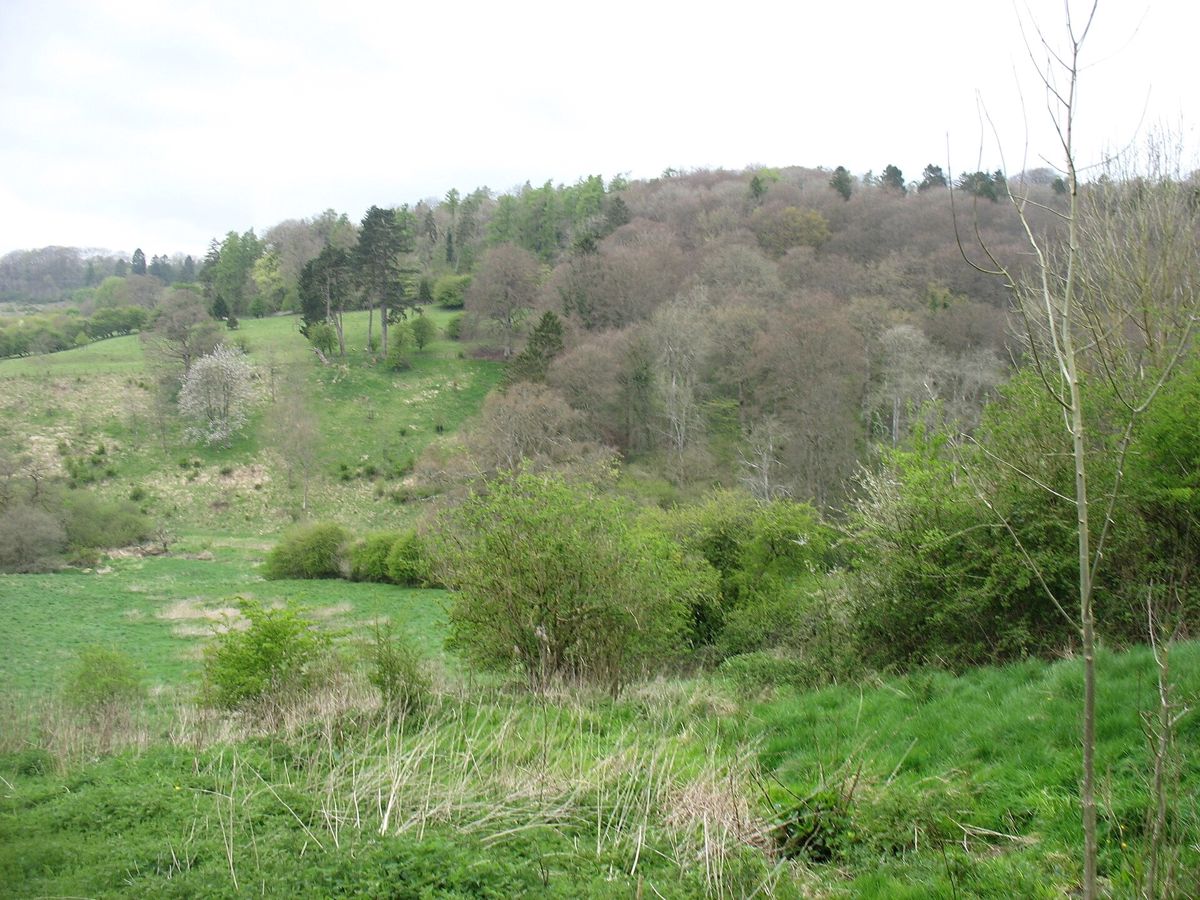
The canal tunnel's western portal is at Daneway, a Gothic archway listed Grade II and restored by the Cotswold Canals Trust in 1996. The tunnel is blocked by a roof fall not far inside and has no towpath; nobody may enter it. Beside the portal is the Daneway Inn, built in 1784 to house the navvies who dug the tunnel, and across the bridge are two Gloucestershire Wildlife Trust reserves: Daneway Banks, 18 hectares of limestone grassland famous for the large blue butterfly, and Siccaridge Wood, 27 hectares of coppiced ancient woodland with lily of the valley.
A day here
Give the morning to Sapperton: the church and its monuments, the craftsmen's houses on the village street, and the lane down to Daneway, strengthened in the 1780s to carry coal up from the wharf. At the bottom, the portal is a few minutes along the old canal from the inn. Daneway Banks is on the far side of the bridge, steep in places with gates and stiles; in June and July the large blues fly on its slopes.
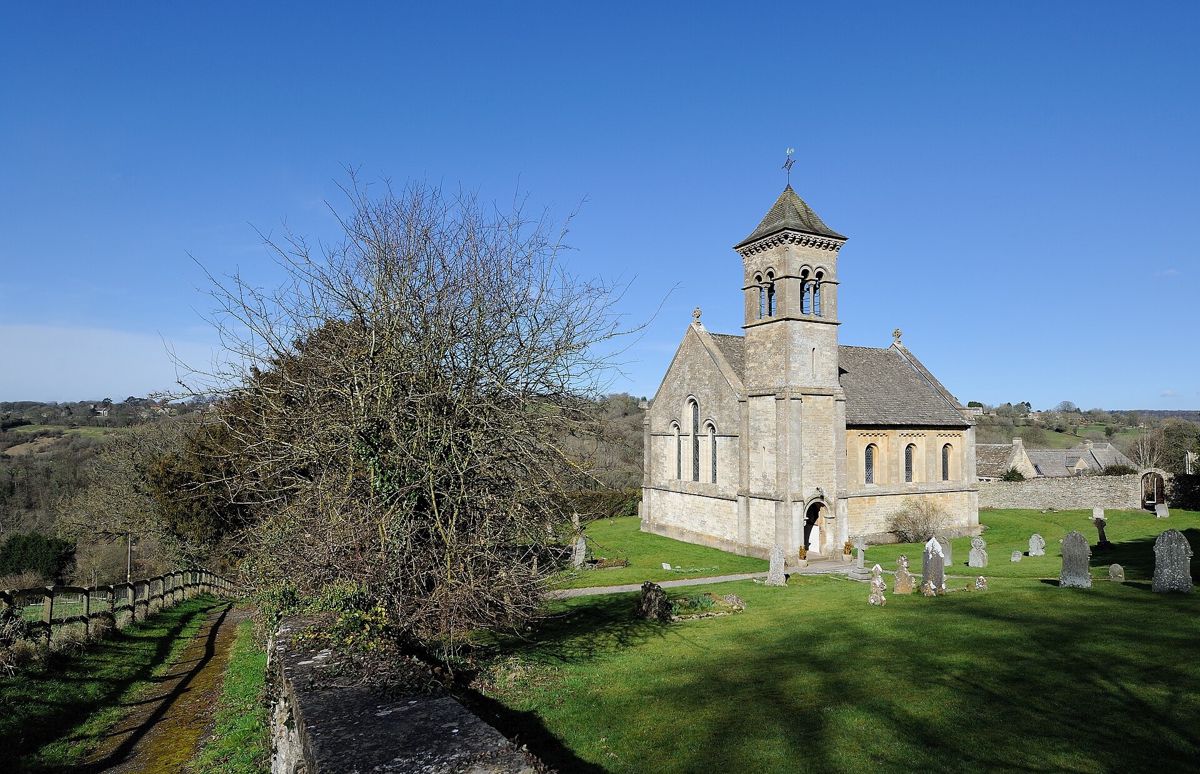
After lunch at the Daneway, climb the ridgetop path through Siccaridge Wood, where the paths are muddy and steep lower down and flatter and stonier higher up, keeping to them for the flowers. Frampton Mansell is a further mile west: St Luke's, the chapel of ease Lord Bathurst built in 1841 in the Norman style, the Crown, and the valley view from its front garden.
Walks
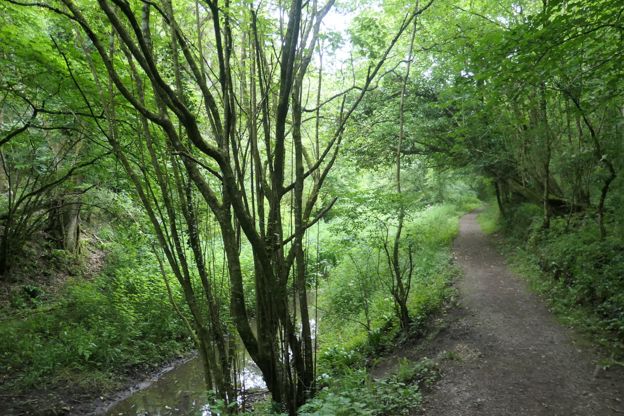
The Thames and Severn Way and the Wysis Way link the two ends of the tunnel over the top: 2.7 miles (4.3km) from the Daneway portal up through Sapperton village, across the A419 and through Hailey Wood to the classical Coates portal, which the Cotswold Canals Trust restored in 1976 and 1977. Westwards, the towpath follows the dry canal down the valley towards Chalford.
Our Eastcombe and Toadsmoor valley walk, 6.5 miles through beech woods and past an old cloth mill, starts 4 miles west. Cirencester Park's Broad Avenue runs about six miles from the town to Sapperton, as the Bathurst Estate gives it.
The Cotswolds Info newsletter
Events, new places and the best of the season, about once a month. Unsubscribe at any time.
Food and drink
The Daneway Inn is a Wadworth house with 6X and Henry's IPA on cask, a garden and car park overlooking the old canal, a real fire and a family room, and it is dog friendly. In October 2026 CAMRA recorded it open from midday to 9.30pm from Monday to Saturday and until 7.30pm on Sunday, with food until 8pm and 6pm. The Bell in Sapperton village, recorded as a pub from 1781, is the other pub. When we checked in October 2026 its website said it was open seven days a week, with food at lunchtime and in the evening, and advised booking to eat; it also has rooms.
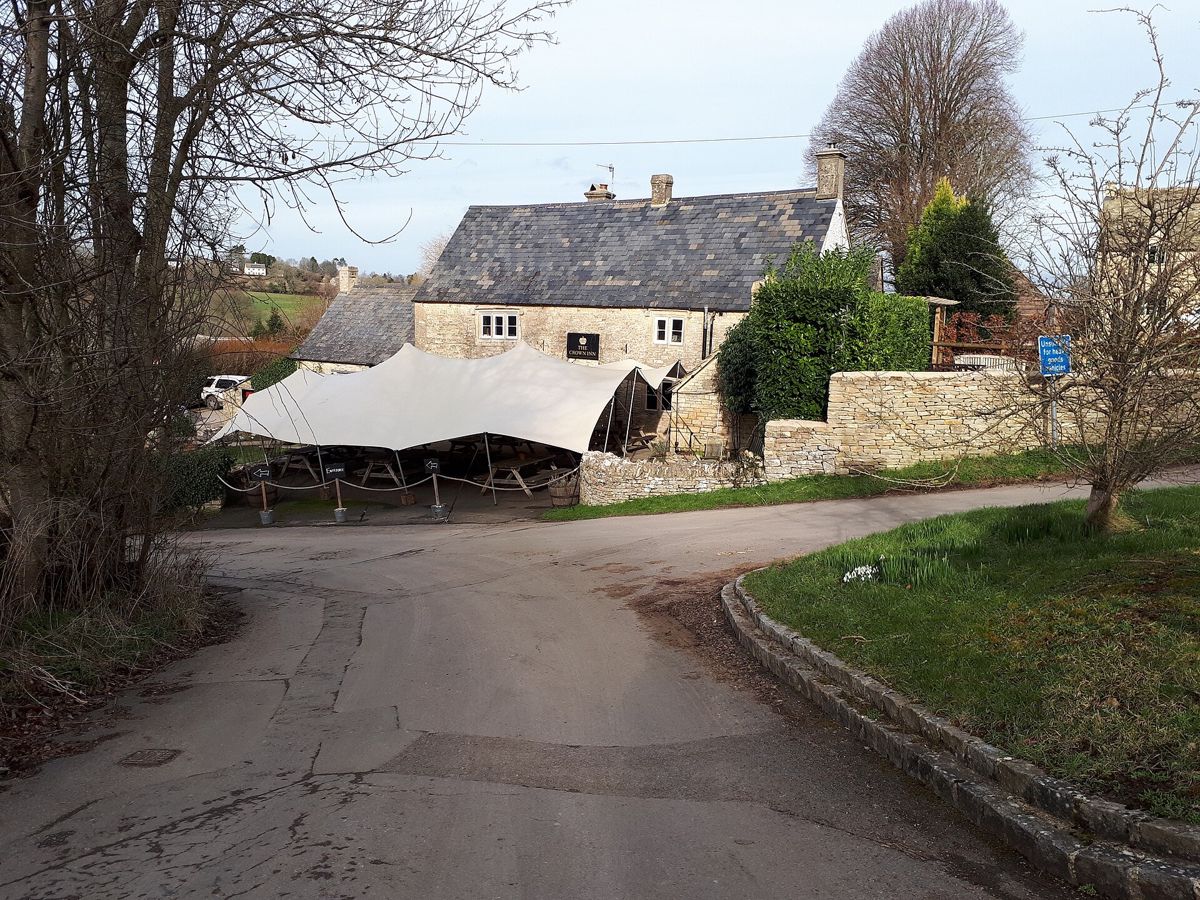
At Frampton Mansell, the Crown is listed Grade II as a late seventeenth- or early eighteenth-century inn and says of itself that it began as a cider house in 1633. Its own website names the local ales it regularly keeps (OPA, Tom Long, Uley Bitter, Laurie Lee's, Wicked Lady and Coachman) and a changing guest beer, and gives a bar open from midday to 11pm every day, food from midday to 2.30pm and 6pm to 9pm from Monday to Saturday and midday to 8.30pm on Sundays and bank holidays, dogs and children welcome, and 12 bedrooms in a hotel annexe. Jolly Nice, on the A419 at the old White Horse filling station, is a farm shop, café and drive-through, open every day from 8am to 7pm, and to 8pm on Thursdays and Fridays.
When to come
June and July for the large blue. May for lily of the valley, bluebells and wild garlic in Siccaridge Wood, and October for the beech. The Daneway's garden is the place on a summer evening, and the Crown's fires on a winter one. The 54 bus runs only on weekdays, two journeys a day, so a car-free visit needs planning.
Last verified 1 November 2026 by our editors
Part of
Stroud and the Five Valleys
The steep valleys that meet at Stroud: old cloth-mill country, with Painswick's churchyard of yews, Nailsworth's mills and the commons above Minchinhampton.
Things to do in Sapperton and Frampton Mansell
Sport and activity · Minchinhampton
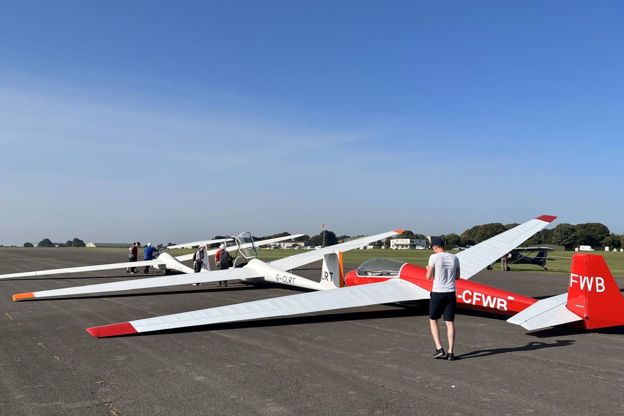
Cotswold Gliding Club
One of the UK's larger gliding clubs, at Aston Down airfield between Stroud and Cirencester, offering air experience flights, motorglider flights and courses.
-
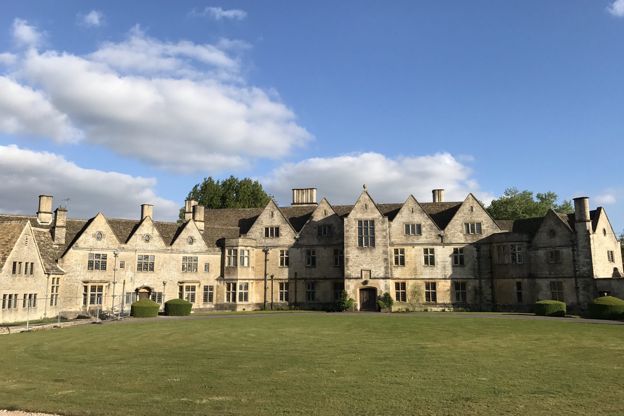
Rodmarton Manor
Historic houses and heritage · Tetbury
An Arts and Crafts house built from 1909 to 1929 by Ernest Barnsley and local craftsmen, with an eight-acre garden of outdoor rooms, open in summer.
Verified Nov 2026
-
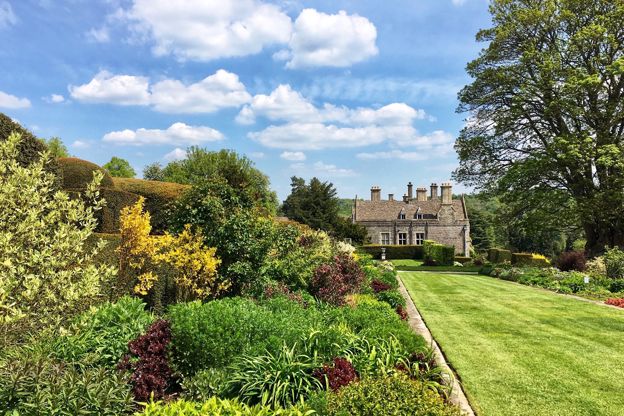
Miserden Garden
Parks and gardens · Bisley
The seventeenth-century garden of Miserden Park, between Stroud and Cirencester, with some of the longest mixed borders in private hands, a yew walk and a loggia by Lutyens. Closed for winter until April 2027.
Verified Oct 2026
-
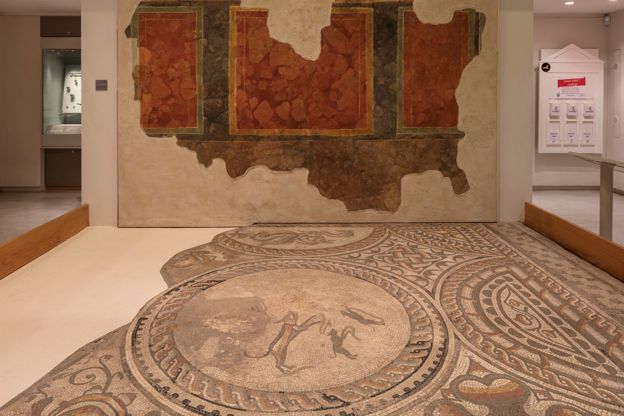
Corinium Museum
Museums and galleries · Cirencester
Cirencester's museum of Roman Corinium, with the Hare, Four Seasons and Orpheus mosaics, Anglo-Saxon grave goods and medieval sculpture.
Family-friendly · Rainy days · Car-free
Verified Oct 2026
Where to stay in Sapperton and Frampton Mansell
-
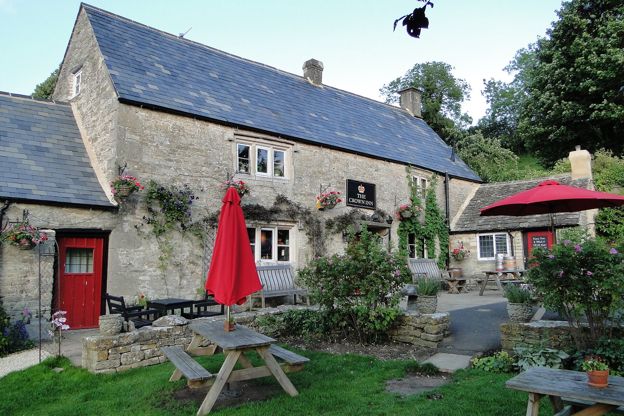
The Crown Inn, Frampton Mansell
Pubs · Sapperton and Frampton Mansell
An old village inn at Frampton Mansell, by its own account a seventeenth-century cider house, with log fires, local ales, a big garden and views over the Golden Valley, open every day.
Dog-friendly · Family-friendly
Verified Nov 2026
-
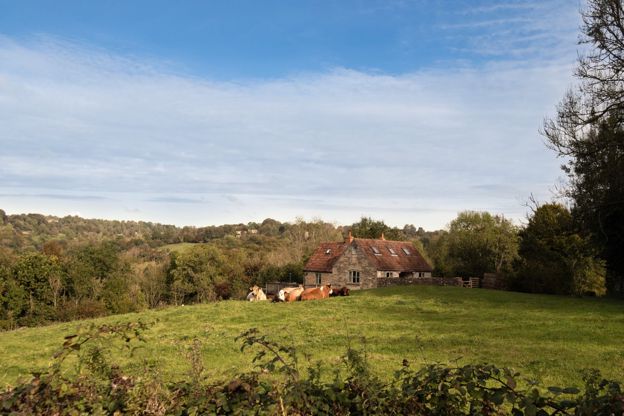
Westley Farm
Glamping · Chalford
A 70-acre hill farm at the head of the Golden Valley above Chalford, with six off-grid yurts and cabins in its ancient woodland and three stone cottages, all dog-friendly.
Dog-friendly · Family-friendly · Walker-friendly
Verified Oct 2026
-
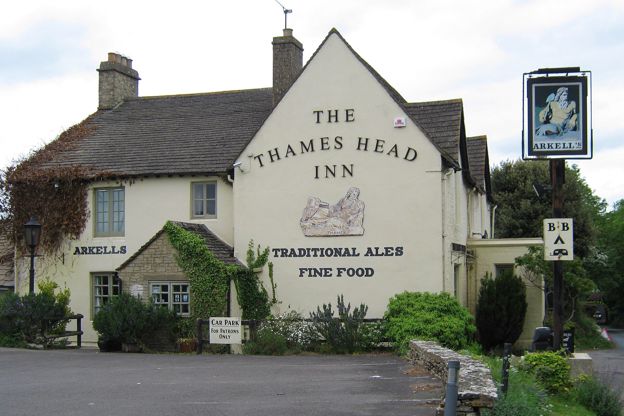
The Thames Head Inn
Pubs · Kemble
A pub serving Arkell's beers on the A433 between Cirencester and Tetbury, a short walk from the source of the Thames, open all day with food from 11am, four rooms and a campsite.
Dog-friendly · Walker-friendly
Verified Oct 2026
Where to eat and drink in Sapperton and Frampton Mansell
-
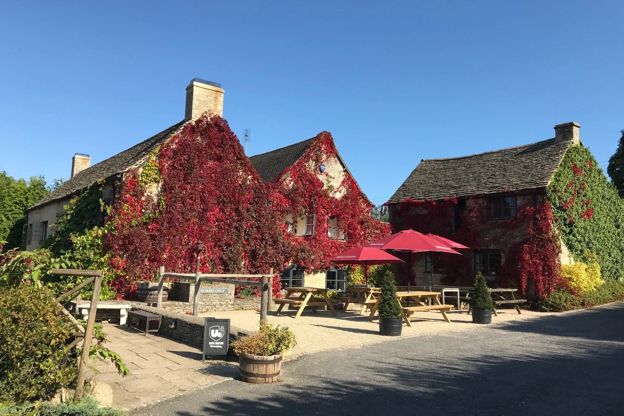
The Bell at Sapperton
Pubs · Sapperton and Frampton Mansell
A village inn at Sapperton, above the Golden Valley, known for its food and its Wine Wall of bottles at shop prices, with rooms, horse parking and dogs welcome.
Dog-friendly · Family-friendly · EV charging
Verified Oct 2026
-
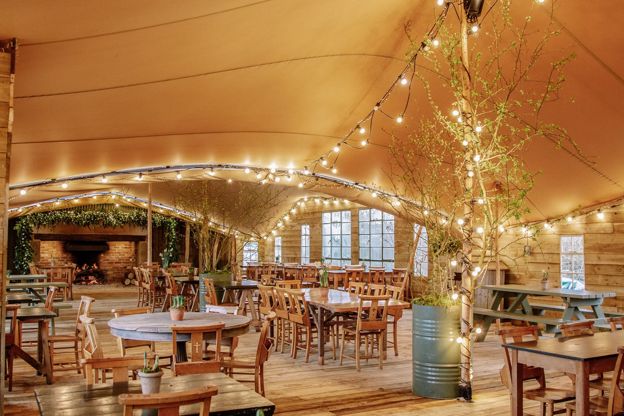
Jolly Nice
Farm shops and delis · Sapperton and Frampton Mansell
A family-run farm shop, café, bar and drive-through in an old filling station on the A419 at Frampton Mansell, open every day but Christmas Day, with produce from more than 70 small local suppliers.
Dog-friendly · Family-friendly
Verified Nov 2026
Walks in and around Sapperton and Frampton Mansell
-
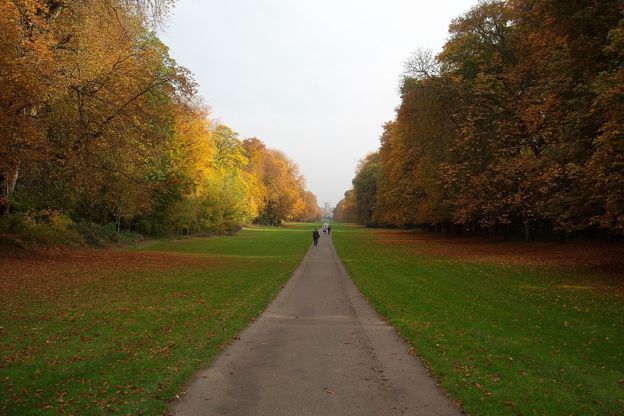
Cirencester Park, Pope's Seat and Stratton
Walk · Starts in Cirencester · 2 hrs · Circular
A 5-mile (8km) circular walk from Cirencester's parish church, easy and taking one and a half to two hours: up Cecily Hill and a mile along the Broad Ride to Pope's Seat, past the polo grounds to Stratton, and back by the streams past the open-air pool.
Getting to Sapperton and Frampton Mansell
- By car
- Sapperton is signed off the A419 Stroud to Cirencester road, 5 miles west of Cirencester; Frampton Mansell is the next turning west. The lane down to Daneway is steep.
- By bus
- The 54 (Cotswold Green) runs from Stroud Merrywalks through Chalford and Frampton Mansell to Sapperton and Cirencester, two journeys a day on weekdays, about 22 minutes. None at weekends.
- By train
- Kemble, about 8 miles, is about 70 minutes from London Paddington; take a taxi from there. Stroud is 8 miles the other way, and the weekday 54 leaves from Merrywalks in the town.
- Parking
- The Daneway and the Crown have car parks for customers. For the reserves, use the layby on the far side of the bridge from the Daneway Inn (GL7 6LN).
Access
The lane from Sapperton down to Daneway is steep. Daneway Banks is sloping and steep in places, with gates and stiles, and Siccaridge Wood's lower paths are muddy, uneven and steep
| Chalford | 4.3 mi |
|---|---|
| Cirencester | 6.2 mi |
| Stroud station | 8.1 mi |
| Kemble station | 8.1 mi |
| Tetbury | 10.6 mi |
Places near Sapperton and Frampton Mansell
-
 CirencesterThe Roman town of Corinium and the market town of the southern Cotswolds, with a museum of its mosaics, a great wool church, an amphitheatre and Earl Bathurst's park.
-
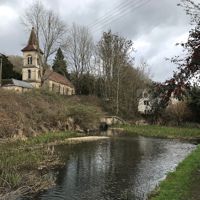 ChalfordThe hillside village of the Golden Valley east of Stroud, its cottages stacked above the Thames and Severn Canal, with the Lavender Bakehouse on the valley road, a round canal house of 1790 and a web of steep paths that donkeys once carried the shopping up.
-
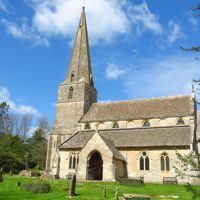 BisleyA high stone village east of Stroud with a row of wells dressed with flowers every Ascension Day, a two-cell lock-up of 1824, and a pub in the old courthouse with a colonnade along its front.
-
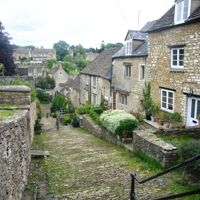 TetburyA wool market town with a Market House on stone pillars, a Georgian Gothic church, Highgrove's gardens nearby and Westonbirt Arboretum 3 miles away.