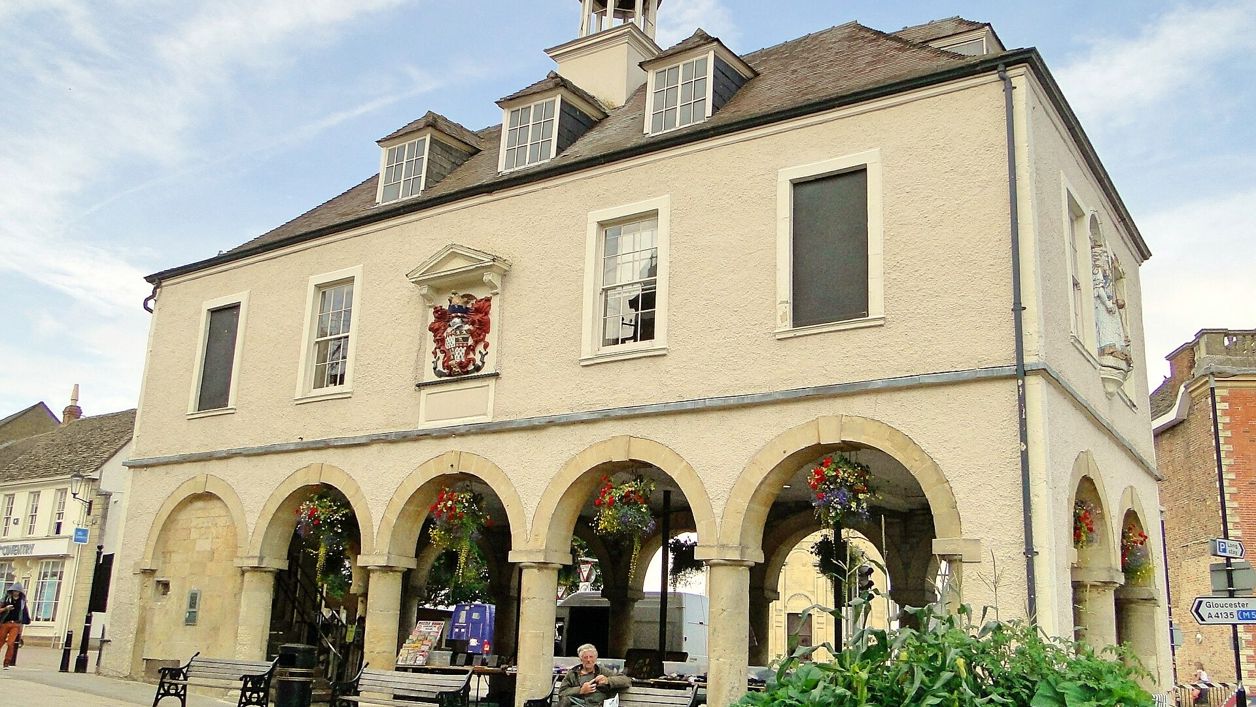
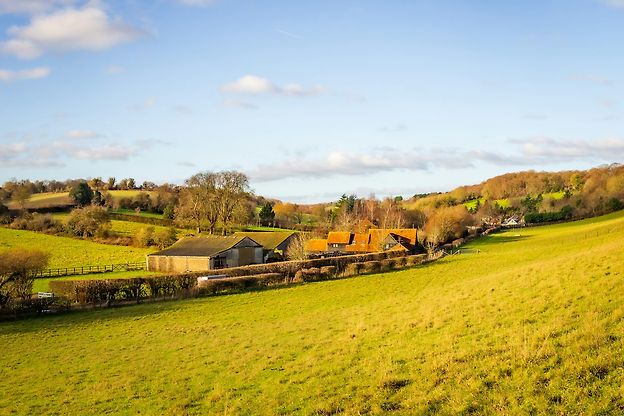
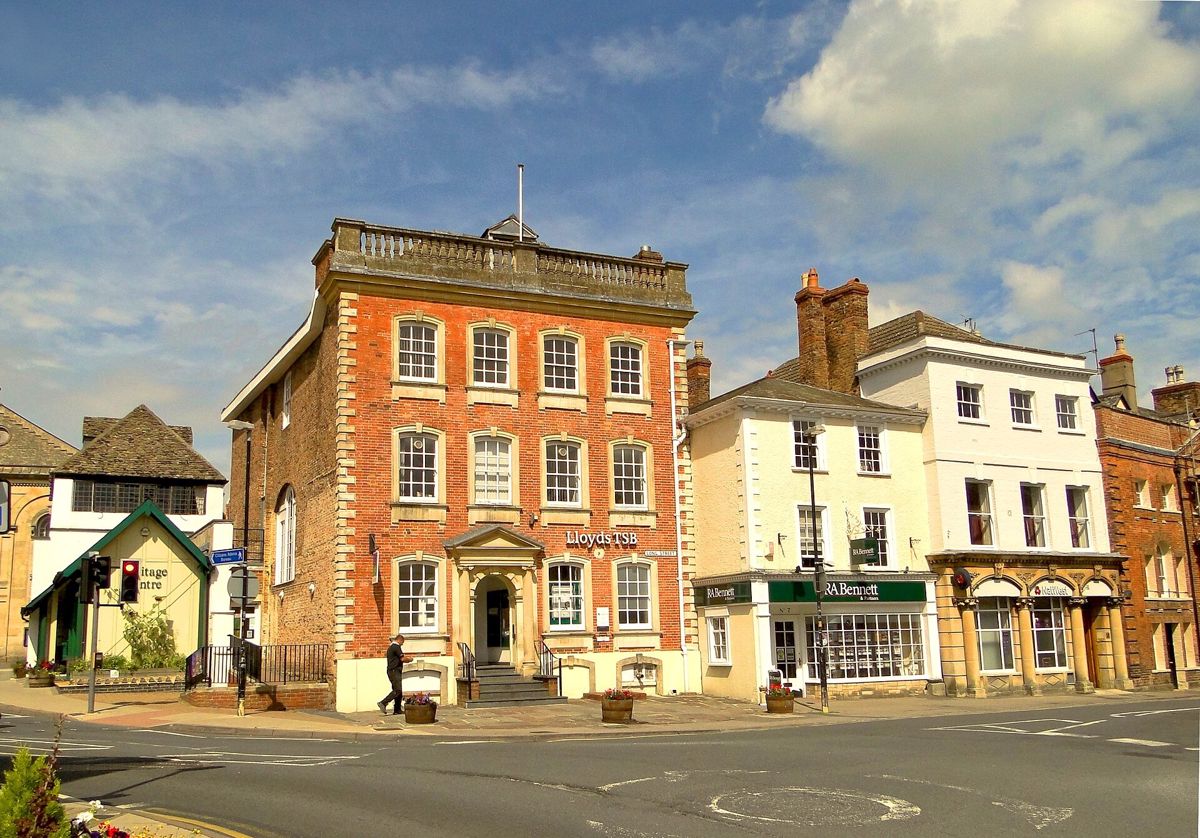
Philip Pankhurst, CC BY-SA 2.0, via Wikimedia Commons
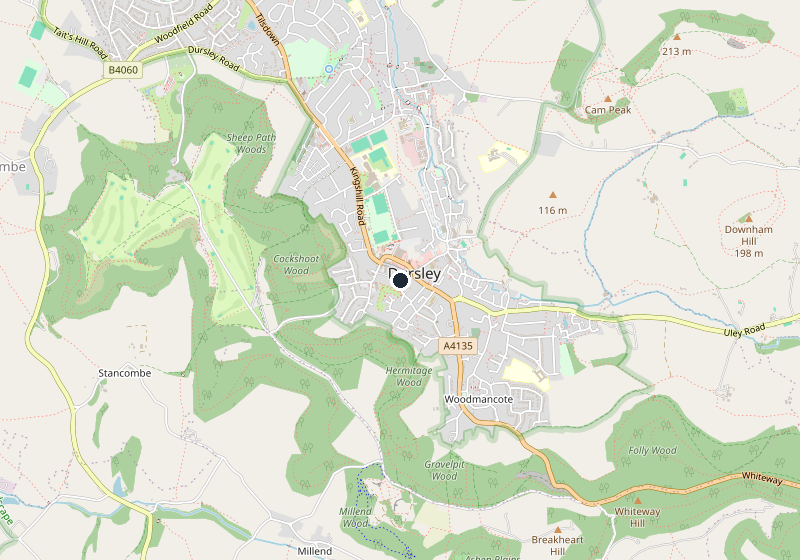
Dursley
A small working town in a wooded valley below the escarpment, halfway between Gloucester and Bristol, where the Cotswold Way passes a market house of 1738. Free car parks, a heritage centre, Stinchcombe Hill above, and a railway station 2 miles out.
- Nearest station
- Cam and Dursley, about 2 miles, on the Bristol to Gloucester line; one 65X bus each way, Monday to Saturday
- Parking
- Six free car parks: May Lane (GL11 4JQ) long stay with EV charging, Long Street long stay, Castle Street and Water Street 3 hours, Parsonage Street 1 hour
- Best time
- The second Saturday of the month for the farmers' market under the Market House
- When it's busy
- Market Saturdays; the walking festival. Quiet enough on a weekday that you will park first time
- Toilets
- Free, by May Lane car park, 7am to 7pm, accessible cubicle (RADAR key); Changing Places toilet at the recreation ground pavilion, 8am to 4pm
- Dogs
- Fine on Stinchcombe Hill and the Cotswold Way; keep them close on the golf course and near livestock. We have not checked the pubs.
About Dursley
Dursley is a working town, not a showpiece, and that is its appeal. It sits in a wooded valley under the escarpment about halfway between Gloucester and Bristol, built on cloth and then on engines, and the Cotswold Way comes down off Cam Long Down, passes through the middle of the town and climbs straight out again onto Stinchcombe Hill. Parking is free, the heritage centre is run by volunteers, and the pub opposite the car park is named after a pig.
The Market House
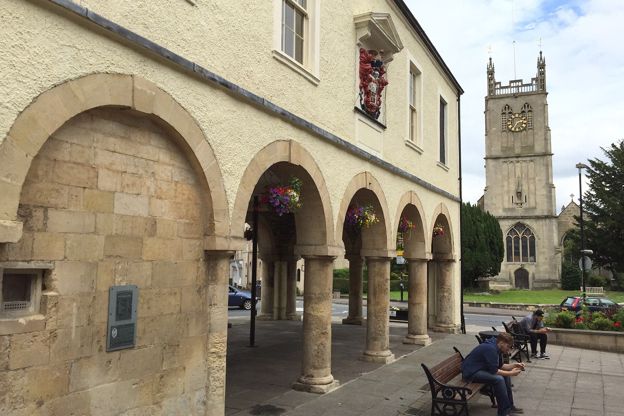
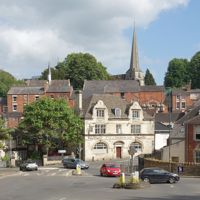
The Market House, which the listing calls the Town Hall, closes the view down Parsonage Street. It was built in 1738 as a combined market and town hall: an open arcade at street level for the market, a hall above, and an octagonal cupola on the hipped roof. Lewis's Topographical Dictionary of 1831 says the lord of the manor paid for it, and the arms of the Estcourt family, who held the manor, are on the south side, and a painted statue of Queen Anne stands in a niche at the east end. It is listed Grade II*. The market still happens under the arches: a farmers' market on the second Saturday of each month and an artisan market on the first.
The heritage centre and Listers
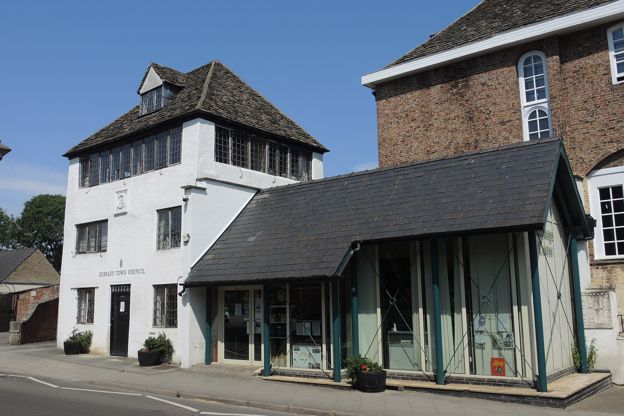
Dursley Heritage Centre is opposite the Market House and St James's church, next to the restored Jacob's House, where the town council has its office. Volunteers have run it since 2005, and it opens from 10am to midday on Tuesdays, Thursdays, Fridays and Saturdays from February to the third Saturday of December, and on Saturdays only in January. Hours depend on who is free, so email ahead for a special trip. It shows machinery and objects made in Dursley, among them a restored early Pedersen bicycle, the odd triangulated machine Mikael Pedersen designed while working for Listers.
Listers is the reason the town is the size it is. R A Lister and Company was formed in 1867 and made agricultural machinery and then engines here for more than a century, employed about 5,000 people at its peak, and became Lister Petter. The firm went into administration in 2014, the new owners closed the Dursley works, and the Gloucestershire Society for Industrial Archaeology rescued the archive, which is now at Gloucestershire Archives. The Lister D stationary engine, of which the firm counts more than 250,000 made up to 1964, is still the one you hear chugging at steam fairs.
Stinchcombe Hill
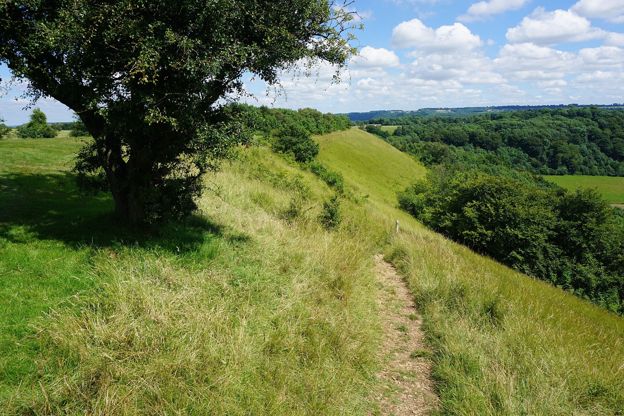
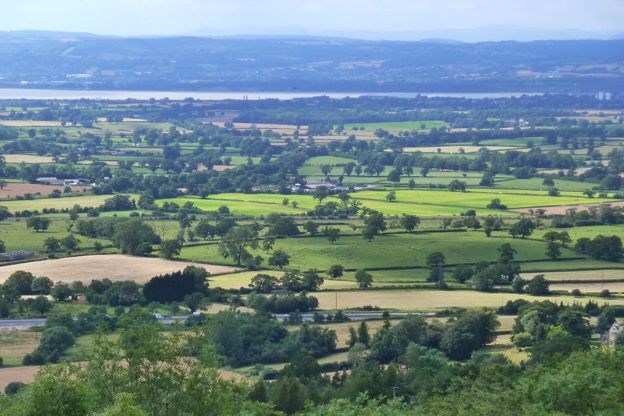
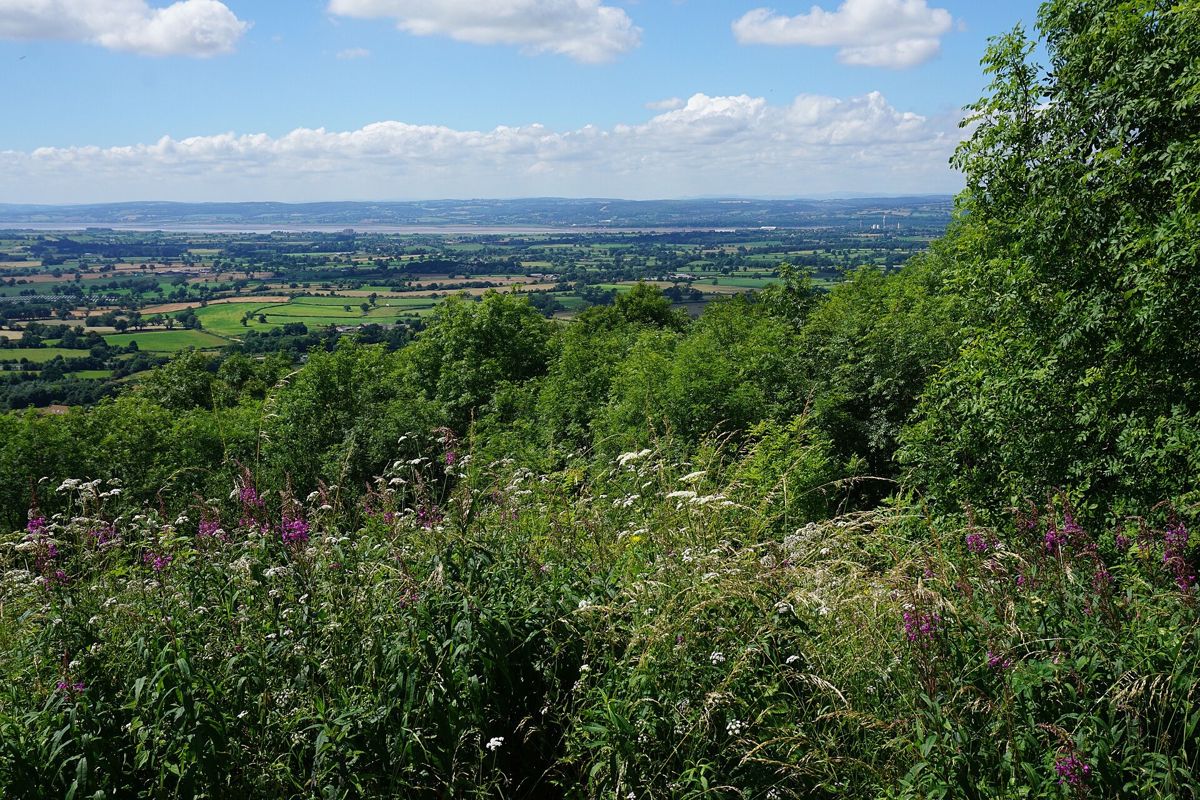
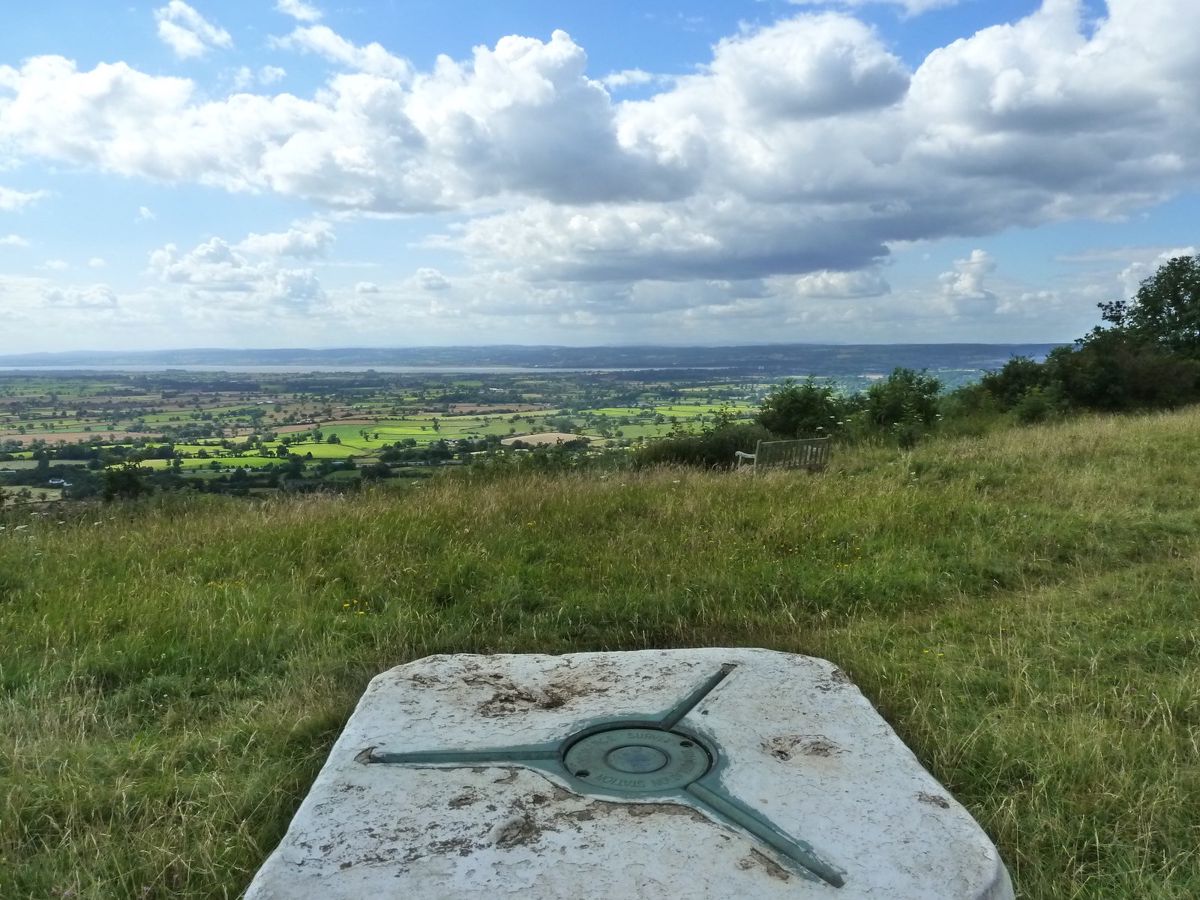
Stinchcombe Hill is the flat-topped promontory above the town to the west, and the Cotswold Way takes the long way round its rim for the views. Sir Stanley Tubbs, a local benefactor, gave the hill in trust to the people of the district for recreation, and a stone seat on its spine remembers him. Much of the top is leased to the golf club, so keep to the paths. The Cotswolds National Landscape's Sir Stanley Tubbs walk is a stile-free 3.25-mile (5.2km) circuit of about an hour and a half from the public car park on the hill, not the golf club's, out to Drakestone Point, where a wooden seat looks along the escarpment to the Tyndale Monument and across to the Severn bridges. Trees now hide Berkeley Castle below.
A day here
Park at May Lane, which is free and has the toilets. Walk up Parsonage Street to the Market House, and if it is a Tuesday, Thursday, Friday or Saturday morning, into the heritage centre opposite. Have coffee in the town, then either drive up to the Stinchcombe Hill car park for the stile-free loop or, if you want the climb, follow the Cotswold Way signs up out of the town onto the hill and round the rim. Come back down for a late lunch at the Old Spot, which our guide to the best pubs in the Cotswolds covers. If there is time, Uley is 2.5 miles up the valley, with Hetty Pegler's Tump on the hill beyond. With children, Cattle Country Farm Park is down in the Severn Vale at Berkeley Heath, with two indoor play barns, outdoor play and farm animals.
Walks from Dursley
Dursley is a Walkers are Welcome town, the base of an annual walking festival and the end of the Cotswold Way's tenth section, 7.2 miles (11.6km) from King's Stanley over Coaley Peak and Cam Long Down. The eleventh section climbs Stinchcombe Hill and goes on by North Nibley and the Tyndale Monument to Wotton-under-Edge, 7.3 miles, or 4.8 miles by the shortcut across the neck of the hill from the golf club, which misses the best of the views. Our Wotton, Tyndale Monument and Coombe Hill loop climbs to the edge below Stinchcombe Hill from the other side. The Dursley Dozen, an all-terrain race, runs over these hills each year.
The Cotswolds Info newsletter
Events, new places and the best of the season, about once a month. Unsubscribe at any time.
Food and drink
The Old Spot, opposite the May Lane car park, is the pub people come to Dursley for, named after the Gloucester Old Spot pig. The town council calls it award-winning, and the pub says it was in the Good Beer Guide from 1994 to 2023. It opens from noon every day and serves lunch from noon to 3pm, to 4pm on Sundays; its site lists no evening food. We have not drunk there yet. The town has cafés, pubs and restaurants along Parsonage Street and Long Street, from coffee to curry. We have not eaten our way round them yet. Uley Brewery, 2.5 miles away, opens its taproom, the Forge, on Fridays from 4pm to 8pm, and the Old Crown at Uley is the nearest village pub of note.
For an evening meal in the middle of the town, India Zones at 18 to 20 Long Street is an Indian restaurant with a licensed bar and a separate vegan menu, open from 5pm every day. Out on Dursley Road, Leaf & Ground is a café, deli and ice cream hut in about 20 acres of woods and fields, open every day, with dinner from 5pm on Friday and Saturday evenings, free parking, a playground and room for dogs.
When to come
A market Saturday puts life under the arches. The walking festival, run by Dursley Welcomes Walkers, is the town's event for visitors. It is held in early October (7 to 11 October in 2026); the 2027 dates have not been announced, so check them with the organisers. The town council also lists a summer town festival, the Tyndale arts trail and the Christmas lights switch-on. Winter is fine here: the hill walk is short, and the heritage centre keeps going until mid-December. Spring and autumn are best on the escarpment, which is muddy after rain.
Last verified 1 November 2026 by our editors
Part of
The Cotswold Edge
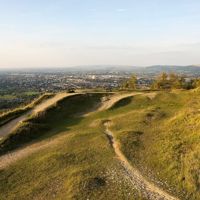
The western escarpment, where the wolds end in a wooded edge above the Severn vale: Winchcombe and Sudeley, Belas Knap, Cleeve Hill and the Cotswold Way along the top.
Things to do in Dursley
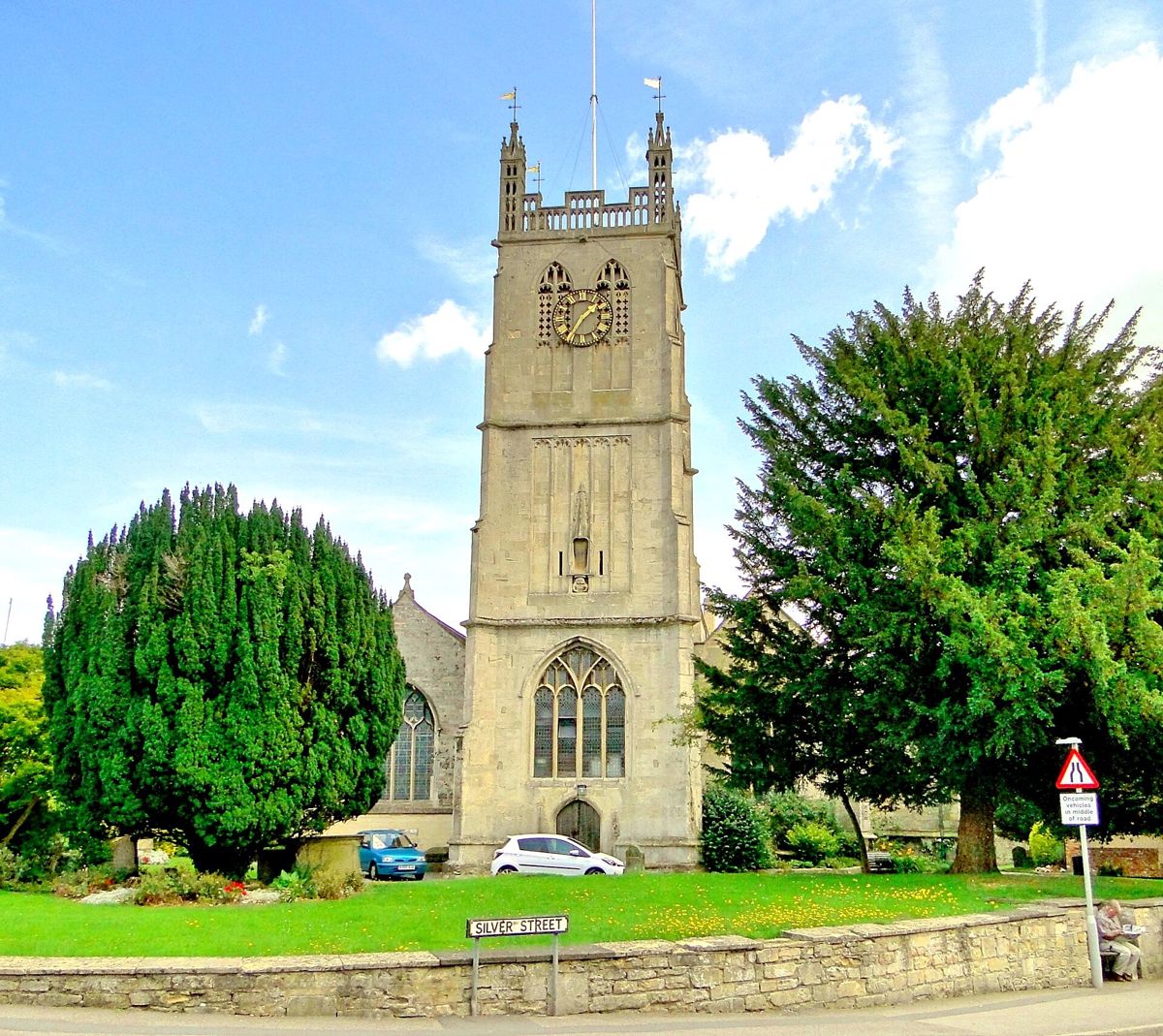
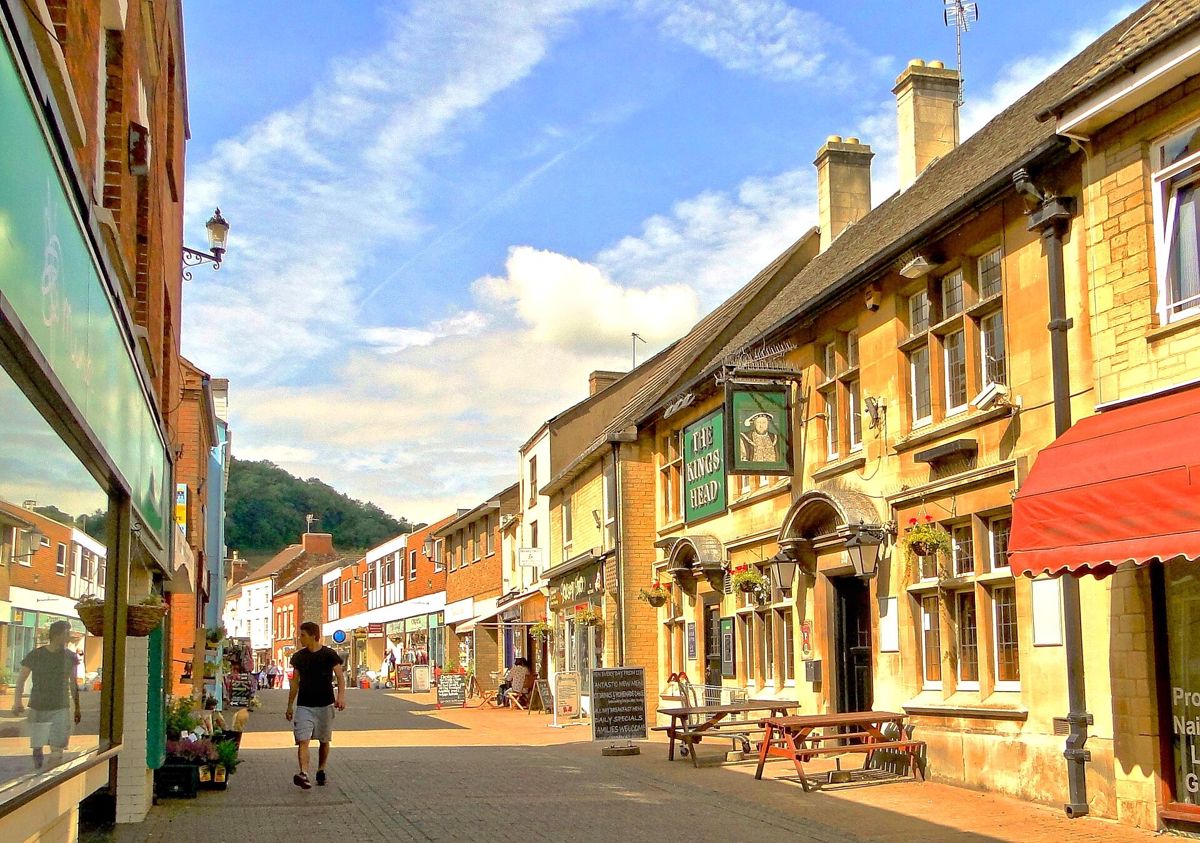
Historic houses and heritage · Dursley
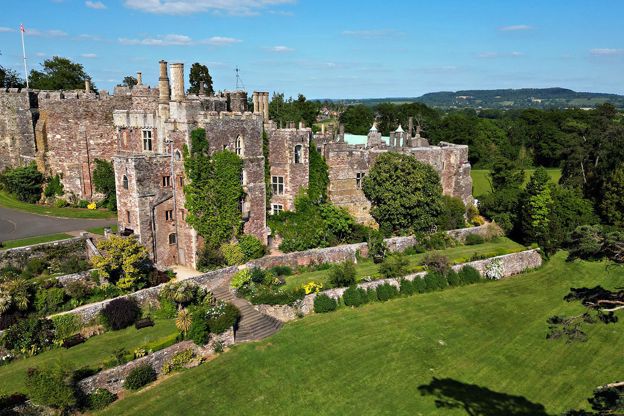
Berkeley Castle
The castle in the Severn vale where Edward II is said to have been murdered in 1327, home of the Berkeley family since the late twelfth century, open Sunday to Wednesday in season with guided tours, gardens and a restaurant in the walled garden.
-
Cattle Country Farm Park
Family days out · Dursley
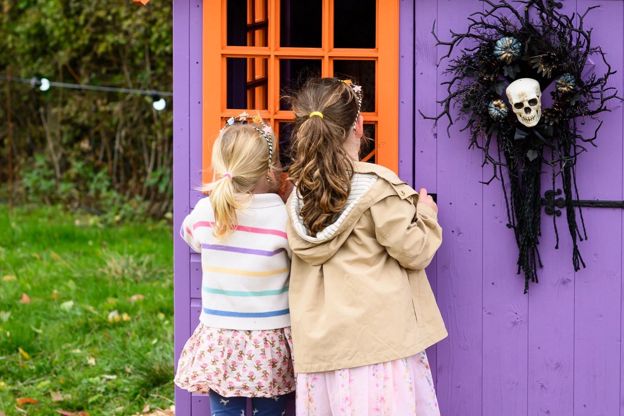
A family farm park at Berkeley Heath Farm in the Severn Vale below Dursley, with two indoor play barns, outdoor play, a summer boating lake and farm animals, opened by the Cullimore family in 1992.
Family-friendly · Rainy days
Verified Nov 2026
-
Dursley Heritage Centre
Museums and galleries · Dursley
A volunteer-run museum opposite Dursley's Market House, telling the town's story from cloth to Lister engines, with an early Pedersen bicycle, open four mornings a week.
Rainy days · Walker-friendly
Verified Oct 2026
Where to stay in Dursley
-
Downhouse Farm Holidays
Self-catering · Dursley
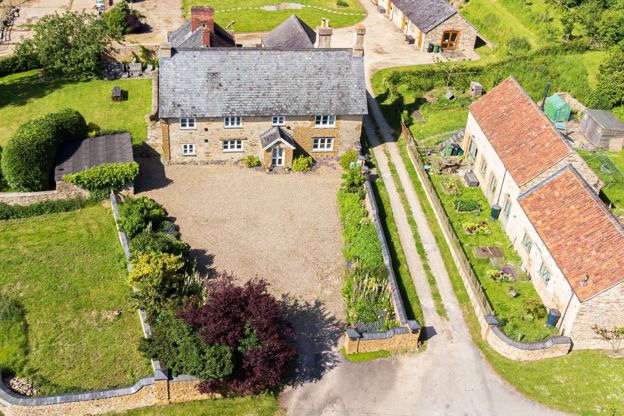
A Grade II listed farmhouse for ten and a converted granary barn for four on a working family farm at Springhill, about a mile from Dursley; dogs welcome.
Dog-friendly · Family-friendly · Walker-friendly
Verified Nov 2026
-
Woodland House
B&B · Dursley
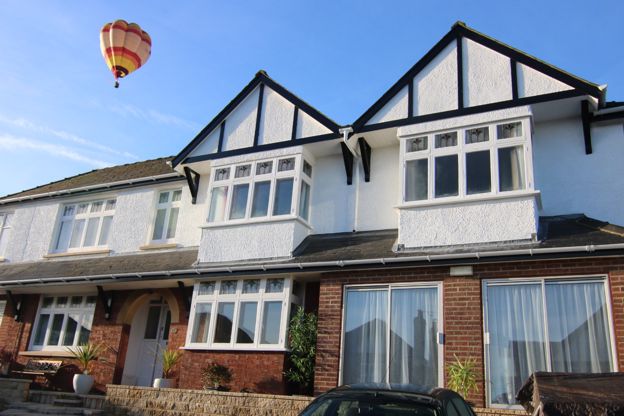
A seven-room B&B in a quiet cul-de-sac six minutes' walk from Dursley, with a hot tub, a sauna, a guest kitchen and parking for seven cars.
Walker-friendly · Hot tubs · Family-friendly
Verified Nov 2026
Where to eat and drink in Dursley
-
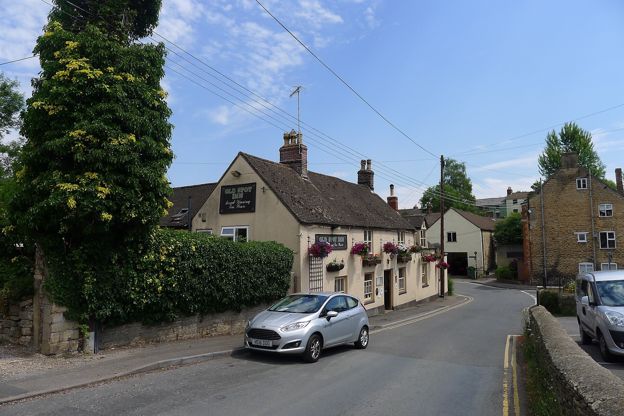
The Old Spot Inn, Dursley
Pubs · Dursley
A traditional pub at the foot of Stinchcombe Hill in Dursley, on the Cotswold Way, a CAMRA National Pub of the Year, with cask ales, a garden and lunch every day.
Walker-friendly
Verified Nov 2026
-
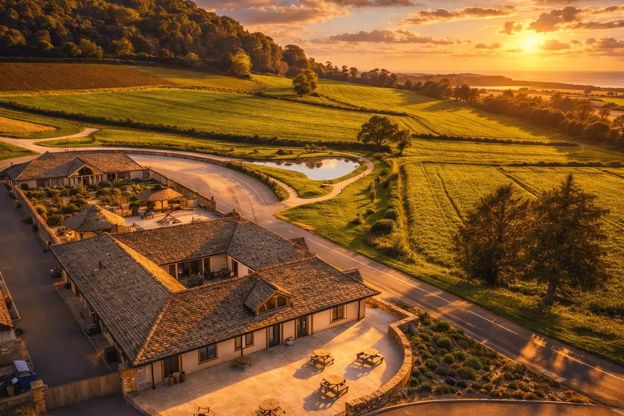
Leaf & Ground, Dursley
Cafes and tearooms · Dursley
A café, deli, garden shop and ice cream hut in 20 acres of grounds on Dursley Road, open every day, with dinner on Friday and Saturday evenings.
Dog-friendly · Family-friendly
Verified Oct 2026
-

India Zones, Dursley
Restaurants · Dursley
An Indian restaurant with a licensed bar on Long Street, Dursley, open from 5pm Tuesday to Sunday, with a vegan menu and collection orders.
Verified Nov 2026
Walks in and around Dursley
-
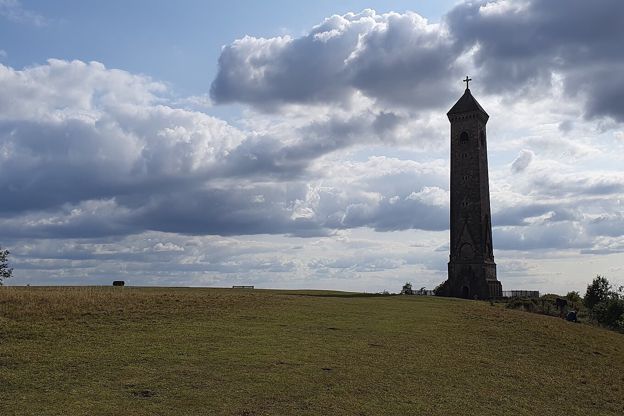
Cotswold Way: Dursley to Wotton-under-Edge
Walk · Starts in Dursley · 4 hrs, 30 mins · Dog-friendly
A 7.5-mile (12km) one-way walk on the eleventh section of the Cotswold Way, moderate and about four and a half hours: from Dursley round the rim of Stinchcombe Hill, down to North Nibley, up to the Tyndale Monument and along the ridge to Wotton-under-Edge.
-
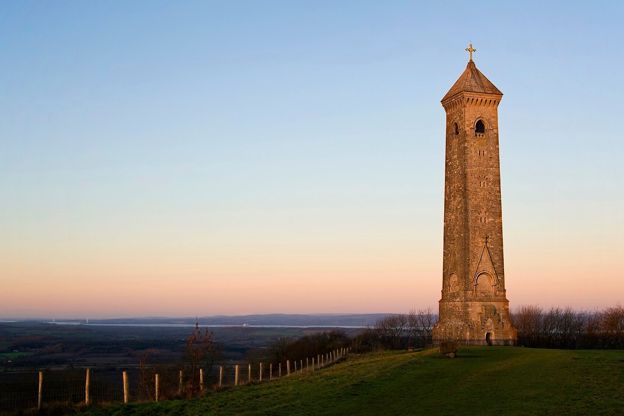
Wotton Hill and the Tyndale Monument
Walk · Starts in Wotton-under-Edge · 1 hr, 15 mins · Circular · Dog-friendly
A 3.5-mile (5.8km) easy ridge walk of an hour to an hour and a half from Old London Road above Wotton-under-Edge: out to the walled Jubilee Clump on Wotton Hill, through Westridge Wood past Brackenbury Ditches to the Tyndale Monument on Nibley Knoll, and back through the woods.
-
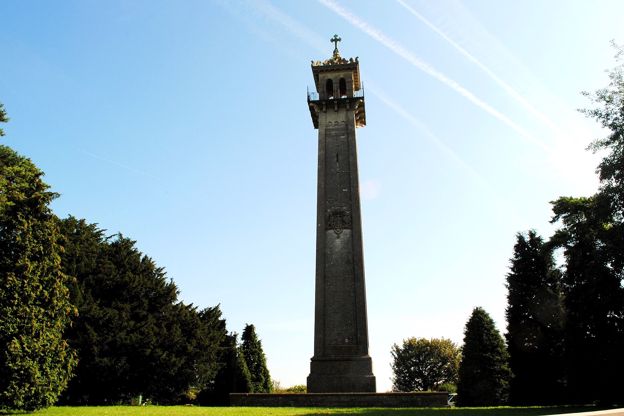
Cotswold Way: Wotton-under-Edge to Hawkesbury Upton
Walk · Starts in Wotton-under-Edge · 4 hrs, 45 mins · Dog-friendly
A 7.8-mile (12.6km) one-way walk on the twelfth section of the Cotswold Way, moderate and about four and three quarter hours: from Wotton-under-Edge up past Newark Park, along Wortley Hill, through Alderley and Lower Kilcott to the Somerset Monument and Hawkesbury Upton.
Sights in and around Dursley
-
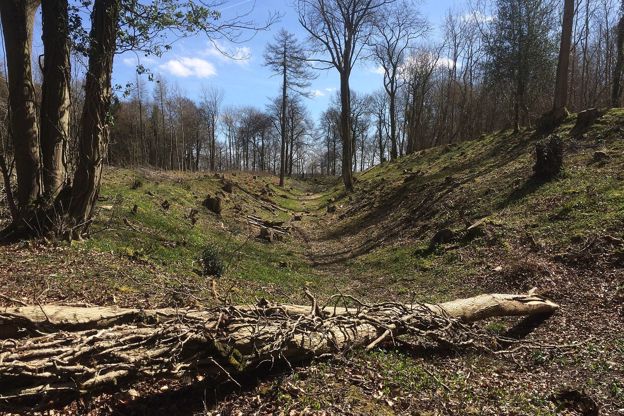
Brackenbury Ditches hill fort
Sight · Hill fort or barrow · Wotton-under-Edge
Brackenbury Ditches is an Iron Age hill fort in Westridge Wood on a spur of the Cotswold Edge above North Nibley, with a great inner rampart 3m high and a ditch 14m wide, unexcavated when surveyed in 1976 and now among the trees. Beside public footpaths through the wood.
-
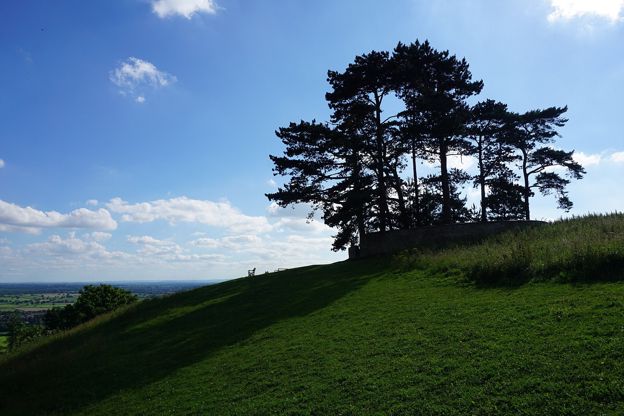
Jubilee Clump, Wotton Hill
Sight · Viewpoint · Wotton-under-Edge
Jubilee Clump is the walled ring of trees on Wotton Hill above Wotton-under-Edge, replanted in 1888 for Queen Victoria's Golden Jubilee on a spot said to have been first planted after Waterloo: a landmark and viewpoint on the Cotswold Way. Free.
-
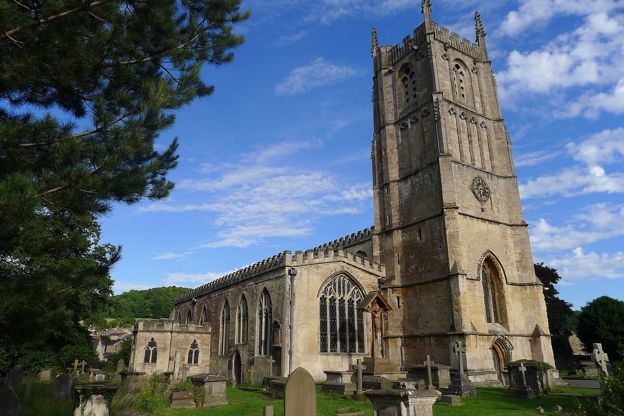
St Mary's Church, Wotton-under-Edge
Sight · Church · Wotton-under-Edge
St Mary's is Wotton-under-Edge's Grade I parish church, with late thirteenth-century arcades, a six-stage fourteenth-century tower, the brasses of Thomas, Lord Berkeley and his wife, and an organ bought in 1800. Open daily.
Getting to Dursley
- By train
- Cam and Dursley (GWR), on the Bristol to Gloucester line at Box Road, about 2 miles out, has 90 parking spaces and step-free platforms. One 65X a day each way calls, Monday to Saturday.
- By bus
- Stagecoach West 65 (Stroud, Uley, Dursley, Gloucester) about hourly and 60 (Wotton-under-Edge, Thornbury) about two-hourly, both Monday to Saturday, no Sunday 60.
- By car
- Off the A4135 between the M5 (junction 13 or 14) and Tetbury. Six free council car parks; May Lane (GL11 4JQ) is the long-stay one with toilets and EV charging.
Access
The town centre is level and the Market House arcade is at street level. The Sir Stanley Tubbs walk on Stinchcombe Hill is stile free, 3.25 miles on unsurfaced paths from the public car park on the hill. The May Lane toilets have an accessible cubicle (RADAR key), and the pavilion on the War Memorial Recreation Ground has a Changing Places toilet, open 8am to 4pm.
| Cam and Dursley station | 2.2 mi |
|---|---|
| Uley | 2.5 mi |
| Wotton-under-Edge | 6.5 mi |
| Stroud | 9.9 mi |
| Gloucester | 17.3 mi |
| Bristol | 24.9 mi |
Places near Dursley
-
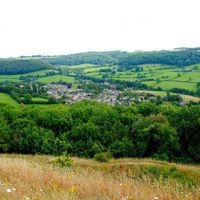 UleyA former cloth village in a wooded valley below the escarpment between Dursley and Stroud, with an Iron Age hillfort on the hill above, a Neolithic long barrow you can crawl into, a brewery founded in 1833 and an old coaching inn on the green.
-
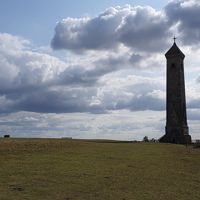 North NibleyThe village under the Tyndale Monument, between Wotton-under-Edge and Dursley on the Cotswold Way: a tower you can climb for free, a church on a hill with a tower of 1632, a Grade II inn and the field where the last private battle in England was fought in 1470.
-
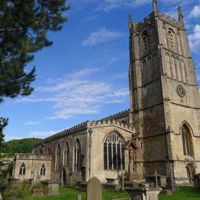 Wotton-under-EdgeA small cloth town tucked under the escarpment on the Cotswold Way, with almshouses, a Grade I church, council car parks with no published charge and the Tyndale Monument on the hill.
-
 StroudThe cloth town where five valleys meet, with a Saturday farmers' market, a free museum in Stratford Park, a canal coming back to life and Laurie Lee's Slad next door.