George Ciobra on Unsplash
The South Cotswolds
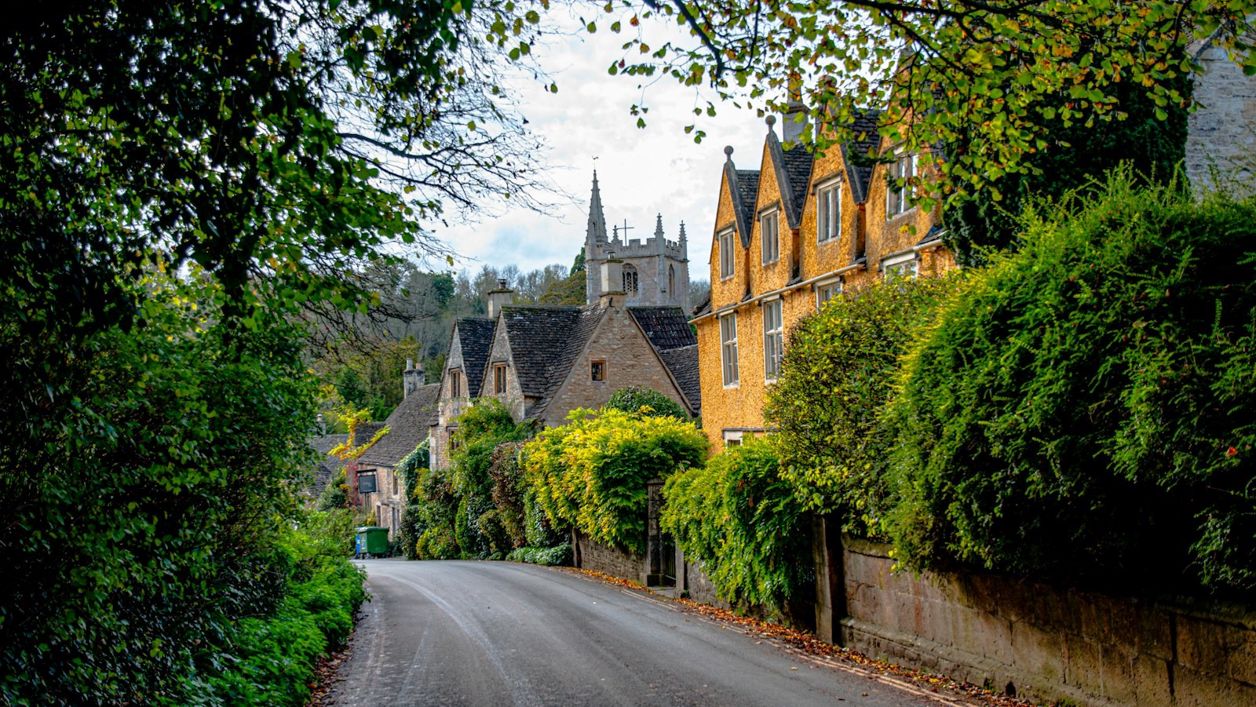
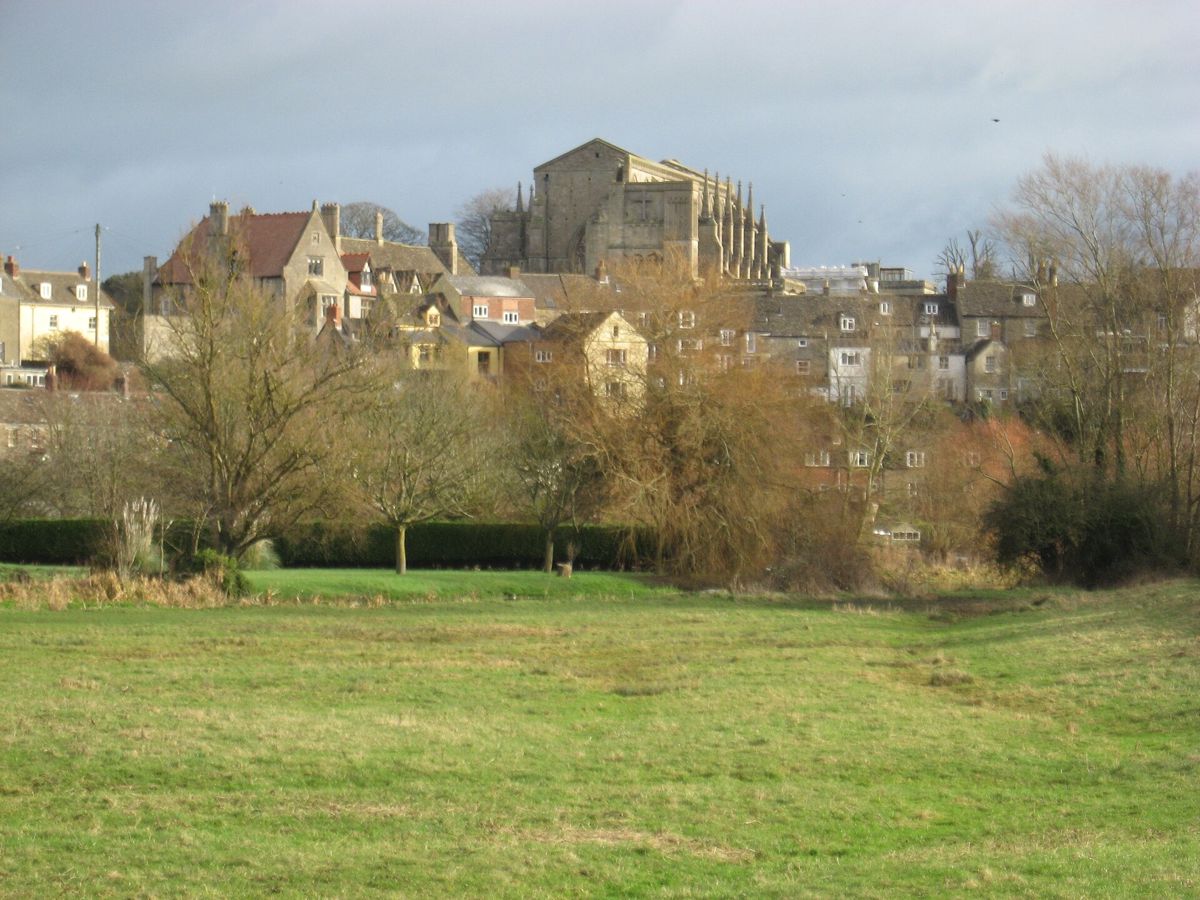
The southern wolds as they fall towards Bath and Wiltshire: Tetbury's Market House, Castle Combe's street by the By Brook, Malmesbury's abbey and Lacock beyond the edge.
- Nearest station
- Chippenham or Kemble, on the lines from London Paddington
- Best time
- Weekdays at Castle Combe and Lacock; autumn for Westonbirt
- When it's busy
- Castle Combe in summer and on bank holidays, when its car park can fill
About the South Cotswolds
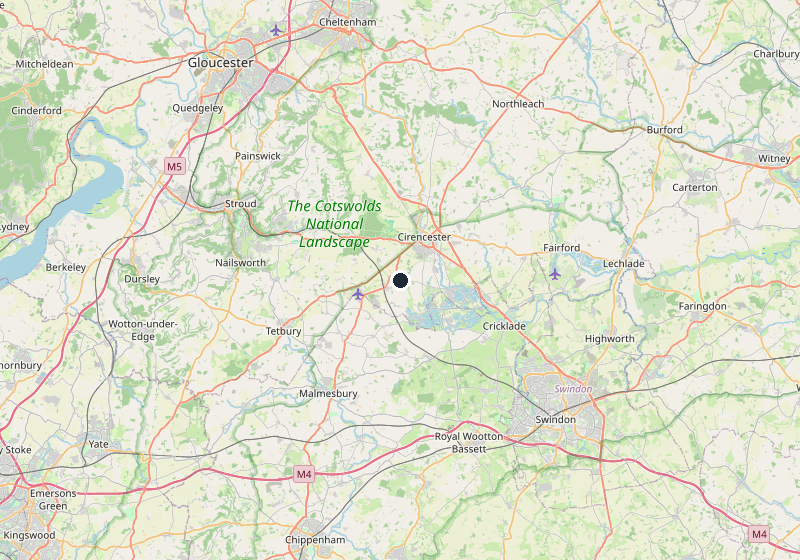
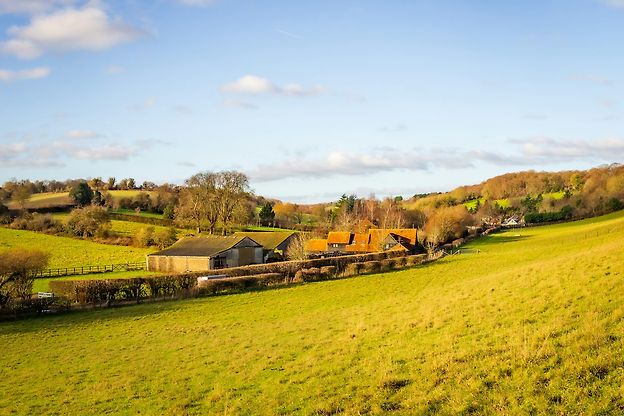
The South Cotswolds are where the hills lower and soften towards Bath and the Wiltshire vale. The region runs from Tetbury, close to Highgrove and Westonbirt, through the wooded valley of the By Brook at Castle Combe, to Malmesbury and Lacock just beyond the edge of the National Landscape. It is within easy reach of Bath and the M4.
Where the South Cotswolds begin and end
The region starts where the Five Valleys and the Coln Valley end, at Tetbury, and runs south over the M4 to the By Brook valley at Castle Combe and Box and along the last of the escarpment above Bath at Dyrham and Marshfield, where the Cotswold Way comes down into the city. Gloucestershire has Tetbury, South Gloucestershire has Chipping Sodbury, Badminton, Marshfield and Dyrham, and Wiltshire has Malmesbury, Sherston, Castle Combe, Biddestone, Box and, beyond the National Landscape's edge, Lacock.
The towns
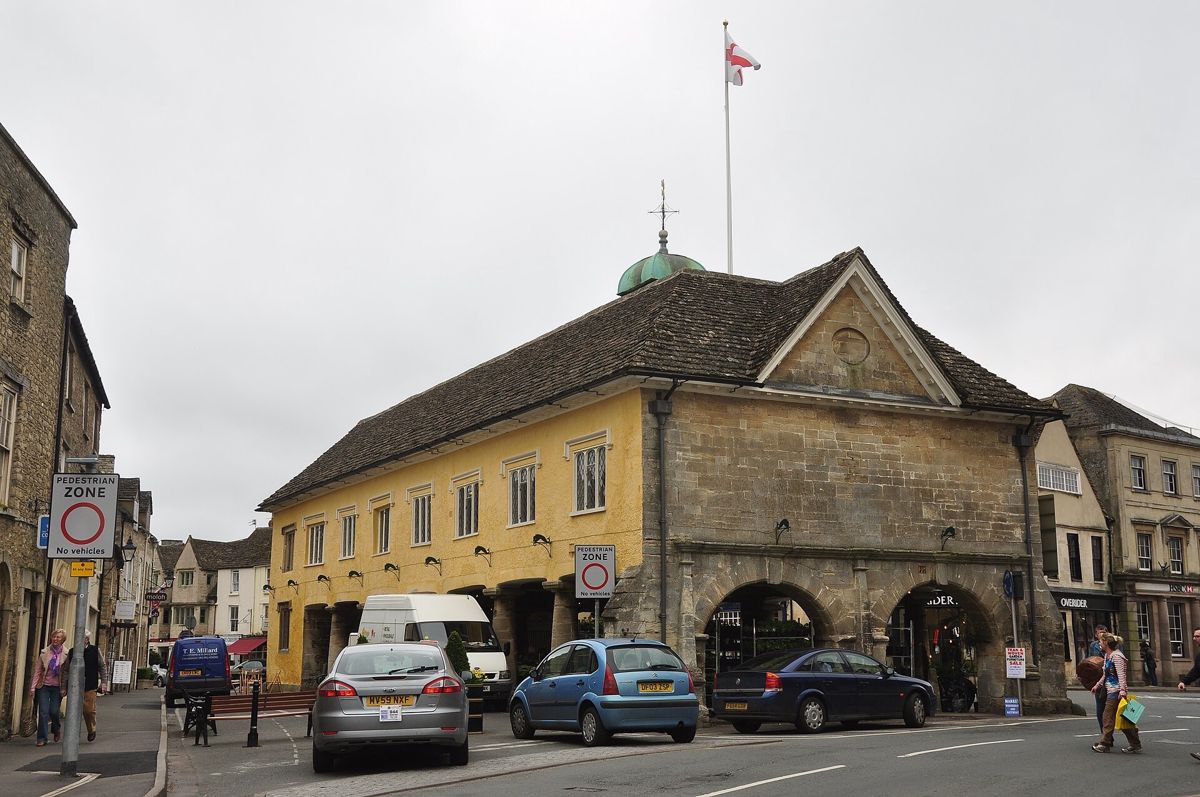
Tetbury has its Market House of 1655 on stone columns, a Georgian Gothic church and the Woolsack Races up Gumstool Hill each May. Malmesbury, on a hill ringed by the Avon, has the great Norman nave of its abbey, King Athelstan's empty tomb and the story of Eilmer, the monk said to have flown. For a bed, see where to stay in Tetbury and Malmesbury. Country-house hotels round Malmesbury, such as Whatley Manor, host weddings; see getting married in the Cotswolds.
Chipping Sodbury, under the Edge near Bristol, is a planned medieval market town with one long wide street, a Grade I church and a mop fair in March and September. Sherston, on its own branch of the Avon west of Malmesbury, has a Grade I church with a tower of 1730, and Marshfield, on the hills above Bath, keeps its Paper Boys, the mummers who play in the Market Place at 11am on Boxing Day in costumes of torn paper.
The villages
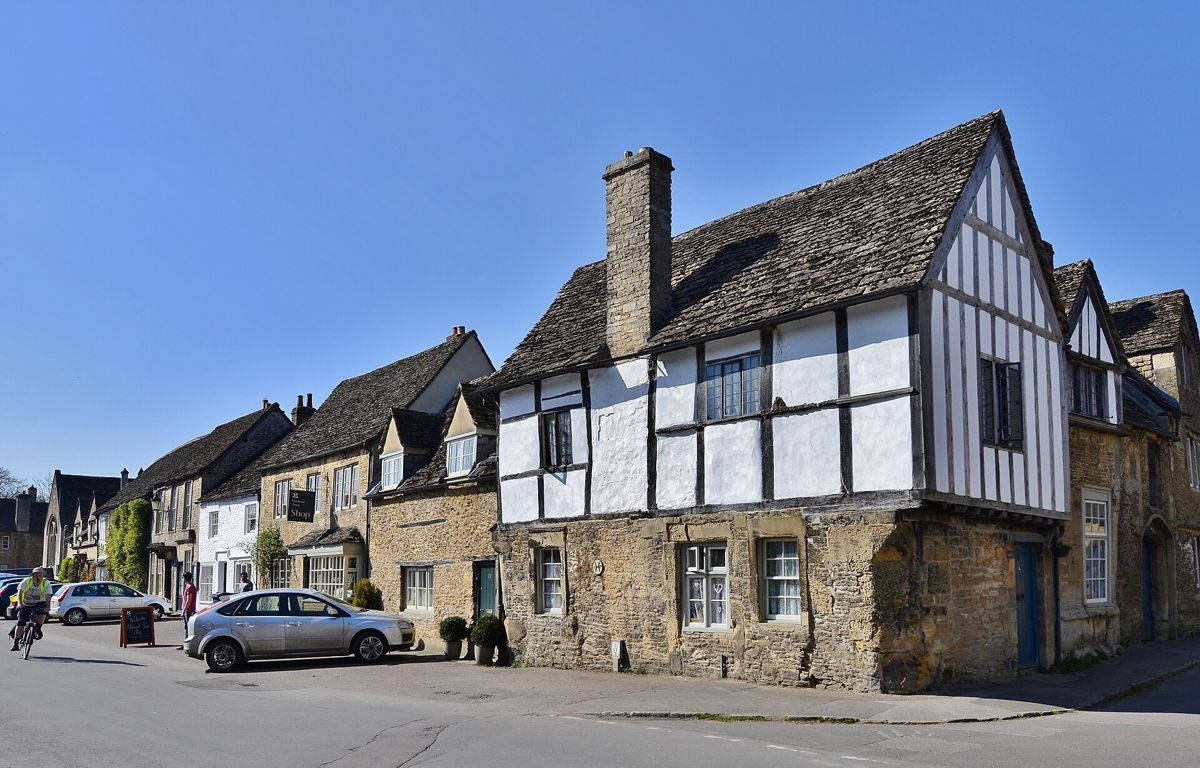
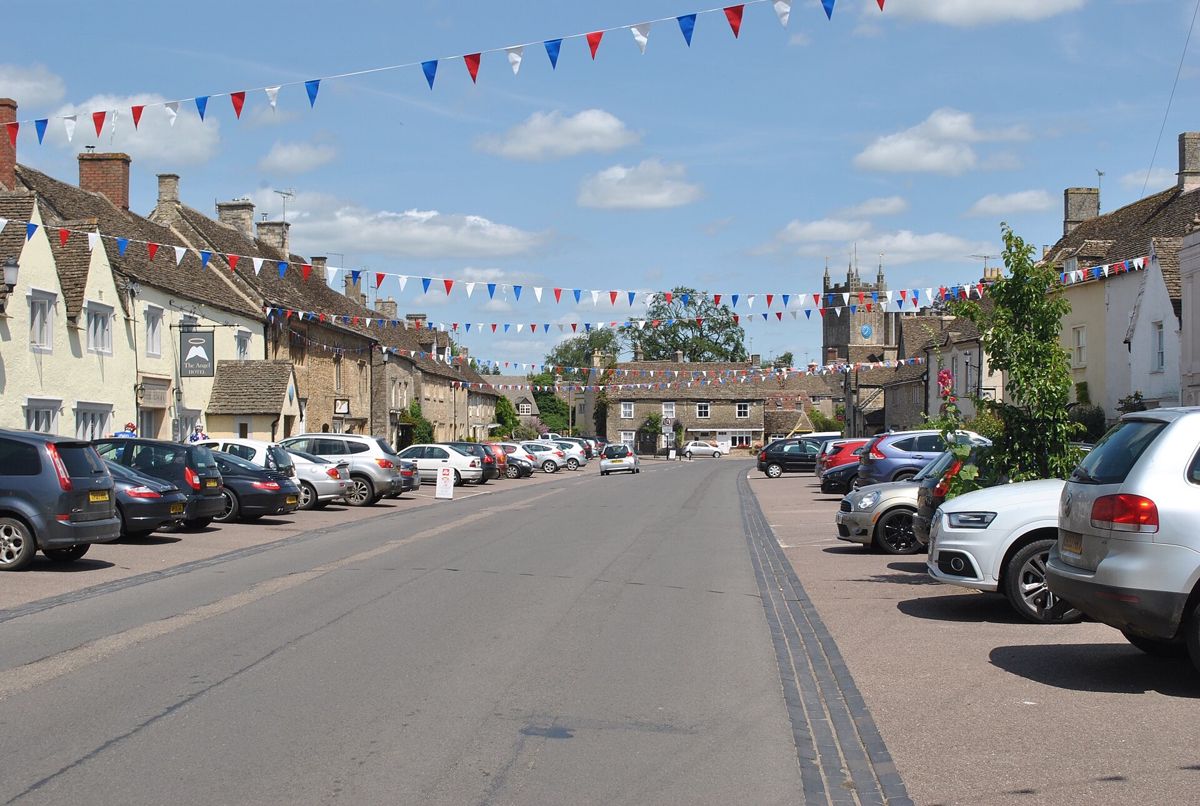
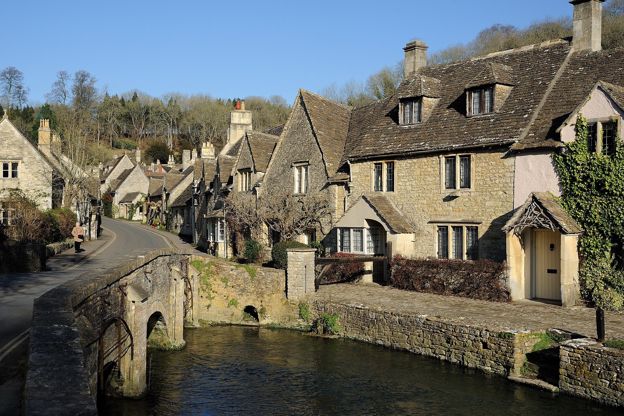
Castle Combe is the region's best-known village, one street running down from a market cross to a bridge over the By Brook. Biddestone, a few miles away, has a large green and a duck pond and far fewer visitors. Lacock, most of it owned by the National Trust, lies a few miles south of the National Landscape, with the abbey where Fox Talbot made the earliest surviving photographic negative.
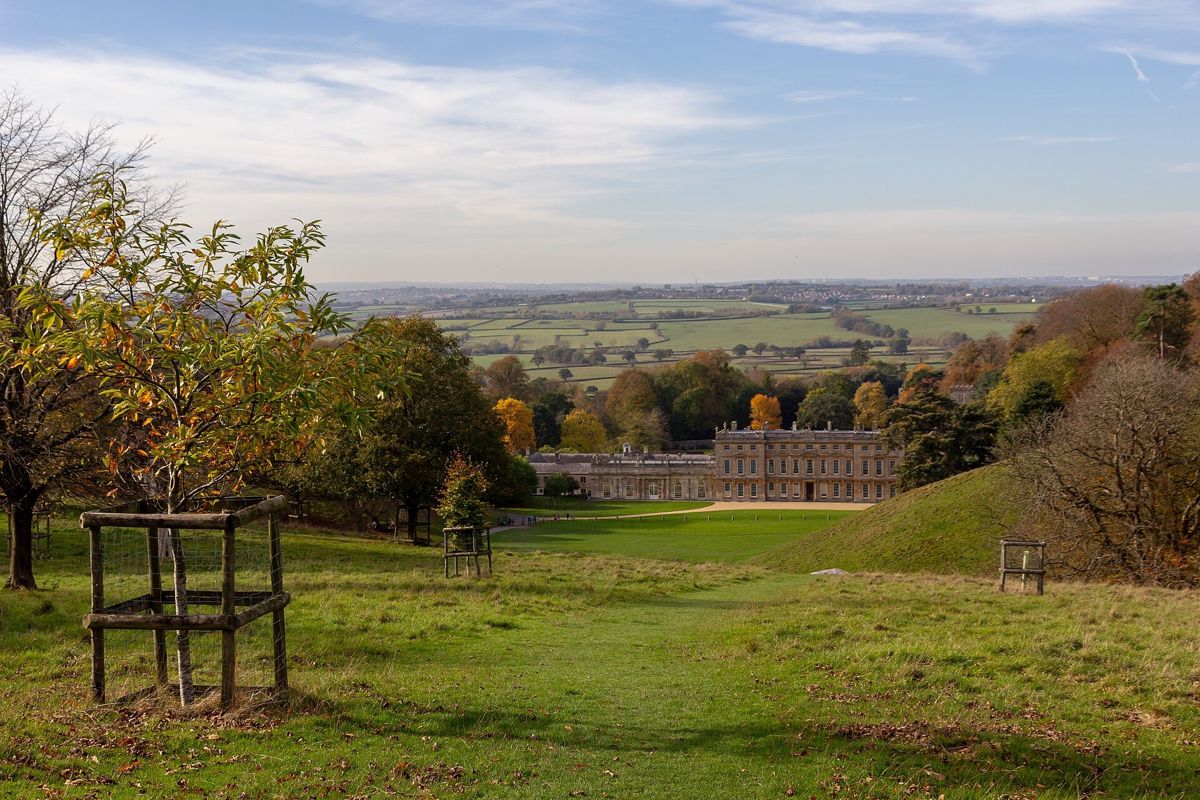
Badminton is the village of the Dukes of Beaufort, whose house opens its gardens by timed ticket three times a year and its park for the horse trials in early May. Dyrham, south of the M4, has the National Trust's Dyrham Park, the house rebuilt for William Blathwayt with a west front completed by 1694 and William Talman's east front by 1703, on the Cotswold Way. Box, in the By Brook valley on the road into Bath, is where Brunel's Box Tunnel opened on the Great Western Railway in 1841, its classical west portal (opens in a new tab) listed Grade II*. Near Tetbury, Ozleworth's church has a rare six-sided Norman tower. Between Nailsworth and Tetbury, Avening lies in a steep valley under Gatcombe Park and keeps its Pig Face Day every other September, with a procession from the church to the Memorial Hall, and Cherington, on the plateau north-east of Tetbury, has a green, a Grade I Norman church and snowdrops in the woods by its lake in late January and February.
Sights worth a detour
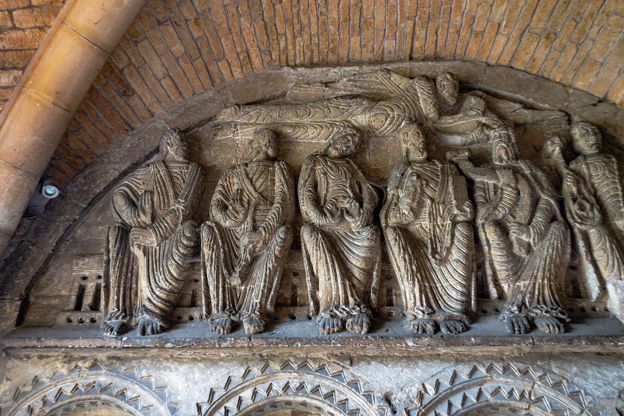
Malmesbury Abbey, the Norman nave with its carved south porch and King Athelstan's empty tomb, is free, and the Athelstan Museum tells Eilmer's story. Lacock Abbey has the Fox Talbot Museum, and Rodmarton Manor near Tetbury is the Arts and Crafts house Ernest Barnsley built from 1909 to 1929. Tetbury's Market House of 1655 still has markets under its pillars, with a free police museum on Long Street.
Gardens and arboretums
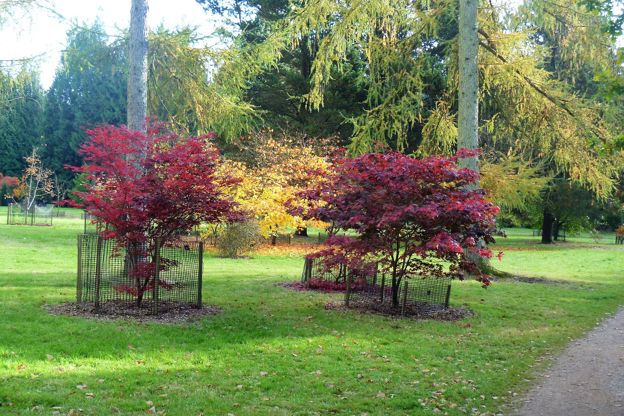
Westonbirt, the National Arboretum, is about 3 miles from Tetbury, and its peak season is autumn. Highgrove's gardens open only for booked guided tours, on selected dates from April to September with walks in spring and autumn, and each season's tours go on sale in March. For more, see things to do in the Cotswolds. On selected evenings from 27 November to 31 December 2026, Christmas at Westonbirt lights a trail through the arboretum after dark.
In early May the Badminton Horse Trials bring five days of eventing to the park of Badminton House, the home of the Dukes of Beaufort, on the southern edge of the hills. Saturday, the cross-country day, is the busiest, and every ticket, car passes included, is bought in advance.
Walks
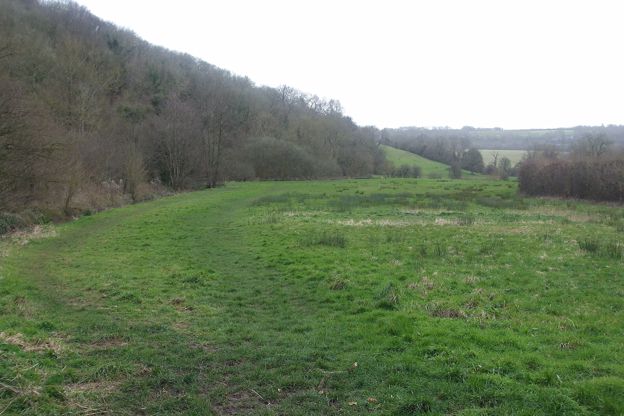
The towns have short loops and the valleys long ones. Tetbury town walk is 1.7 miles (2.7km) on paved paths, Tetbury and Ashley 6.5 miles on the old railway, and Malmesbury and the River Avon rings the town in an hour. Ford, Long Dean and Castle Combe comes into the village through the By Brook woods, the Biddestone heritage trail reaches Slaughterford, and Lacock, Naish Hill and Bowden Park follows the Wilts & Berks Canal. Old Sodbury, the hill fort and the church is stile-free on the Cotswold Way.
Eating and staying
Tetbury has the country-house hotels, Calcot Manor on its estate and the Close on Long Street, with the Gilbertine Kitchen for breakfast and the Trouble House on the London road. Near Malmesbury, Whatley Manor has the Michelin star. In Castle Combe the Manor House and the Castle Inn are the beds and the White Hart the pub. The White Horse on Biddestone's green and the George in Lacock are the village pubs. The full lists are on where to stay in Tetbury and Malmesbury.
The Cotswolds Info newsletter
Events, new places and the best of the season, about once a month. Unsubscribe at any time.
Getting around
Chippenham and Kemble stations are on lines from London Paddington. The X34 runs from Chippenham to Lacock every day, the 95 and 95A to Castle Combe from Monday to Saturday, and the 99 to Malmesbury. The 882 links Kemble station with Tetbury on some journeys, and the 620 runs from Tetbury to Westonbirt and Bath. By car, our South Cotswolds weekend links Tetbury, Westonbirt, Malmesbury, Castle Combe, Biddestone and Lacock in about 45 miles of driving.
Bath Spa is about 1 hour 18 minutes from Paddington, with a train every half hour, and the 620 runs from Monday to Saturday, reaching Westonbirt about four times a day each way on weekdays and Tetbury more often. From Chippenham the X34 to Lacock runs every 30 minutes on weekdays and nine times on Sundays, but the 95 and 95A reach Castle Combe about five times a day from Monday to Saturday and not at all on Sundays, and Biddestone has only the 635 and 636 on weekdays and the X79 on Thursdays. Yate station, 2 miles from Chipping Sodbury, has the Y6. Getting here, the buses page and the Cotswolds without a car have the times.
When to come and where it is busiest
Castle Combe is busiest in summer and on bank holidays, when its car park can fill, and quiet on a winter weekday. Westonbirt's peak season runs from late September to mid-November, when it charges £19 on weekdays and £22 at weekends by car but £13 and £15.50 to anyone arriving by bus, train or bike (2026). Badminton runs in early May (5 to 9 May in 2027, dates the organisers call provisional). The quiet corners are Sherston, Biddestone and the valleys round Ozleworth, on any day.
Last verified 28 October 2026 by our editors
Places in the South Cotswolds
-
Avening
Village · The South Cotswolds
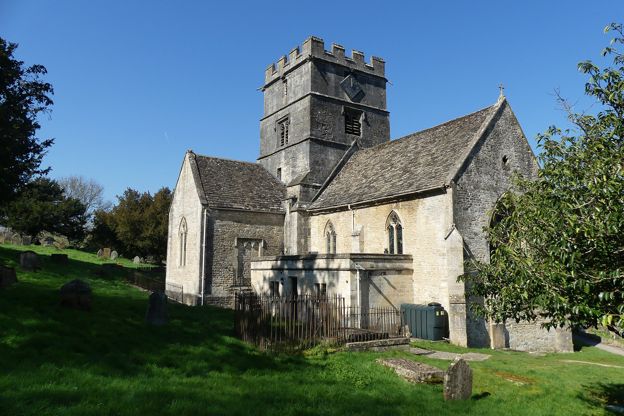
A village in a steep valley between Nailsworth and Tetbury, with a Grade I church its legend says a queen built in penance, a pig's head carried in procession every other September, and Gatcombe Park on the hill above.
-
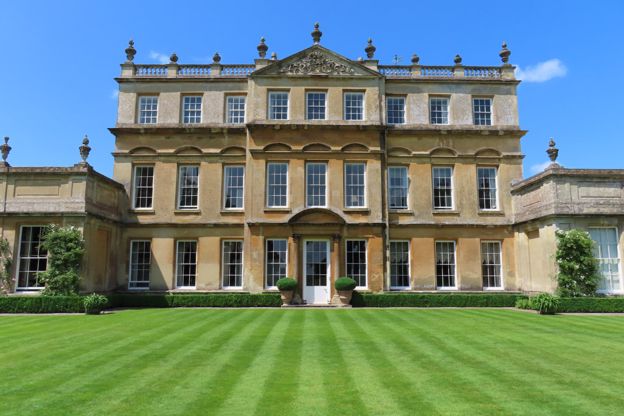
Badminton
Village · The South Cotswolds
The estate village of the Dukes of Beaufort on the southern edge of the Cotswolds: a private house you glimpse from the park, a Grade I church of ducal monuments, a three-mile avenue to a Kent lodge, three garden days a year and the horse trials each May.
-
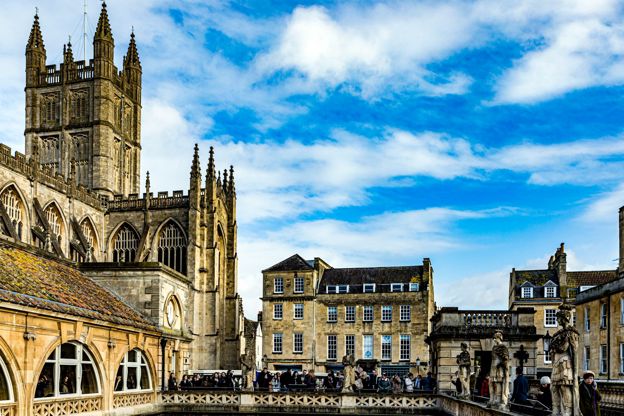
Bath
Gateway · The South Cotswolds
The city where the Cotswold Way ends, at a stone disc outside the abbey door: Bath Spa station, the park and ride on Lansdown, the buses on to Tetbury, and the trains to Chippenham for Castle Combe and Lacock.
-
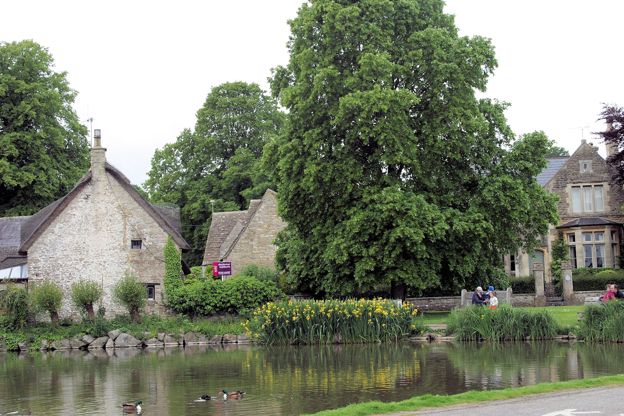
Biddestone
Village · The South Cotswolds
A Wiltshire village round a large green and a duck pond of 1661, with a Norman church, an eighteenth-century pub, a manor garden that opens for charity and far fewer visitors than Castle Combe, 3 miles away.
-
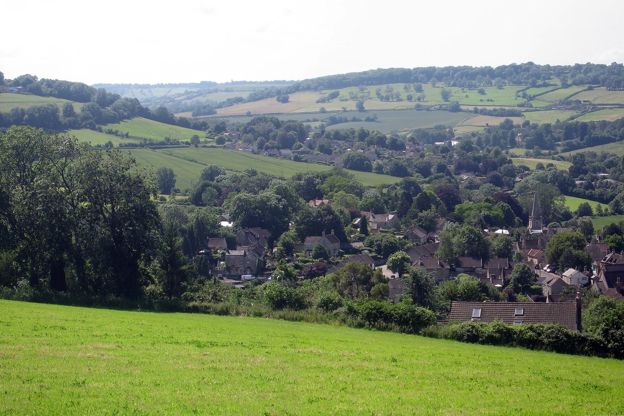
Box
Village · The South Cotswolds
A Wiltshire stone village in the By Brook valley on the road from Bath to Chippenham, where Brunel's Box Tunnel opened in 1841, the hill above is hollow with old stone mines and the church stands on a Roman villa.
-
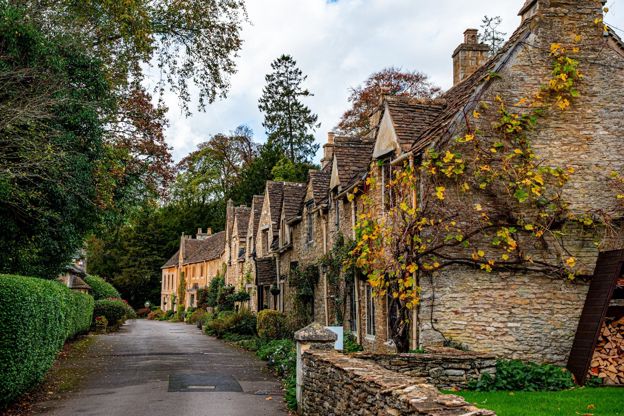
Castle Combe
Village · The South Cotswolds
A small Wiltshire village running down a single street from a medieval market cross to a bridge over the By Brook. Park at the top, walk down, and come early.
-
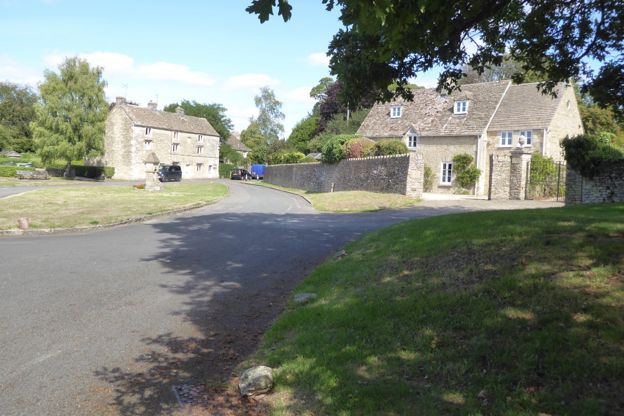
Cherington
Hamlet · The South Cotswolds
A small village on the plateau north-east of Tetbury, round a green where three roads meet, with a Grade I Norman church, a Georgian manor seen from the lane and a lake in the valley below where snowdrops fill the woods in February.
-
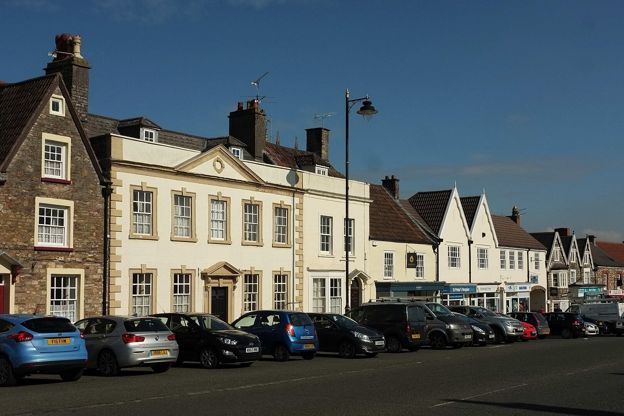
Chipping Sodbury
Market town · The South Cotswolds
A planned medieval market town below the southern Cotswold edge, with a long, wide market street, a Grade I church and a mop fair twice a year, near Bristol.
-
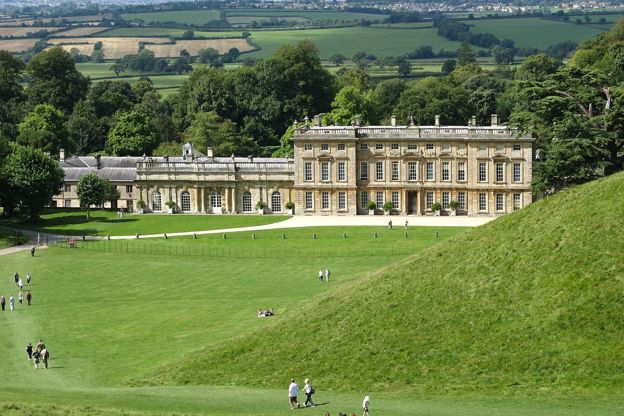
Dyrham
Hamlet · The South Cotswolds
A hamlet under the Cotswold edge north of Bath, at the gates of Dyrham Park, with a Grade I church beside the house, the Cotswold Way through its lane and the battle of 577 somewhere in the fields.
-
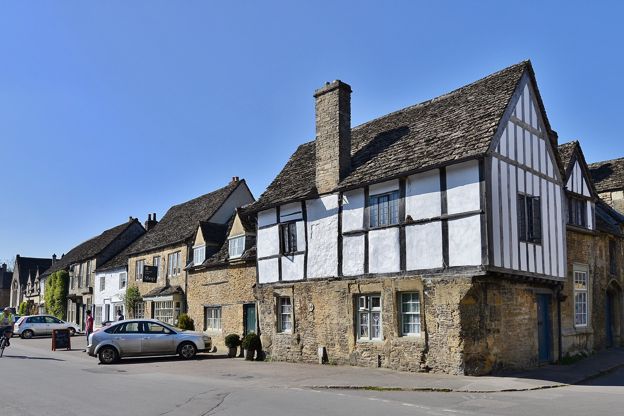
Lacock
Village · The South Cotswolds
A Wiltshire village mostly owned by the National Trust, with an abbey made from a medieval nunnery, where Fox Talbot made the earliest surviving negative in 1835.
-
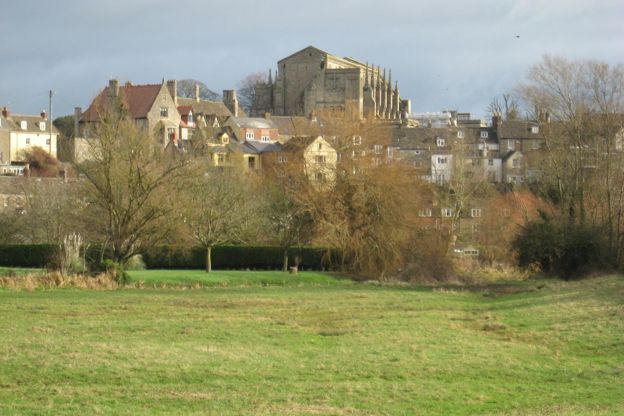
Malmesbury
Market town · The South Cotswolds
A hilltop town almost ringed by the Avon, with the great Norman nave of its abbey, King Athelstan's empty tomb, a flying monk and a market cross built for shelter.
-
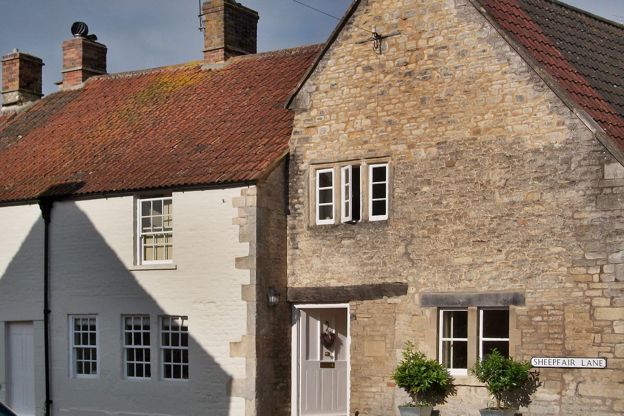
Marshfield
Village · The South Cotswolds
A former malting town at the Cotswolds' southern tip, 9 miles from Bath, one long street of seventeenth- and eighteenth-century fronts, with a Grade I church, almshouses of 1612, a coaching inn of 1680 and the Paper Boys' mummers' play on Boxing Day. Dyrham Park is 6 miles off.
-
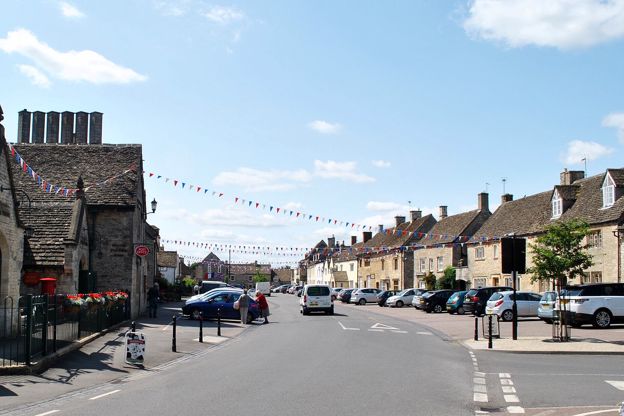
Sherston
Village · The South Cotswolds
A former borough on a spur above the Sherston branch of the Avon, about 5½ miles west of Malmesbury, with a High Street wide enough to have held a market, a Grade I church, the Rattlebone Inn and its legend, and a boules festival on the street each July.
-
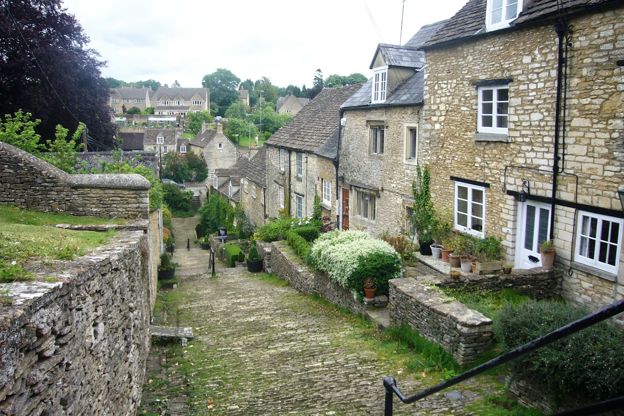
Tetbury
Market town · The South Cotswolds
A wool market town with a Market House on stone pillars, a Georgian Gothic church, Highgrove's gardens nearby and Westonbirt Arboretum 3 miles away.
Things to do in the South Cotswolds
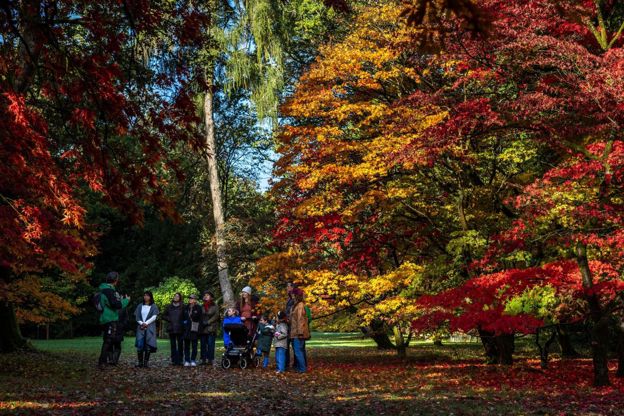
Parks and gardens · Tetbury
Westonbirt, The National Arboretum
The National Arboretum near Tetbury: 15,000 trees, a 300m treetop walkway, dog-friendly Silk Wood and a peak season of autumn colour.
-
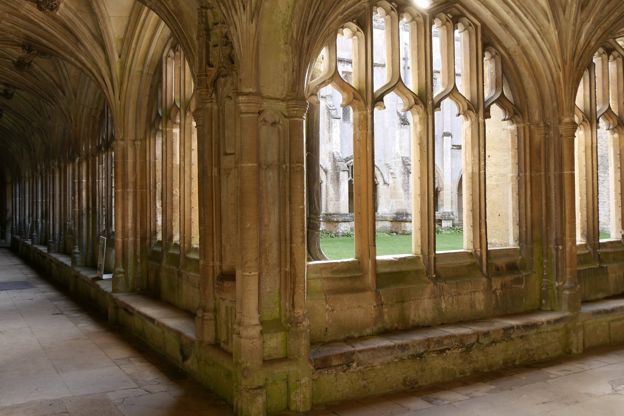
Lacock Abbey, Fox Talbot Museum and Village
Historic houses and heritage · Lacock
The National Trust's abbey made from a medieval nunnery, where Fox Talbot made the earliest surviving photographic negative in 1835, with its museum and village.
Car-free · Dog-friendly · EV charging
Verified Oct 2026
-
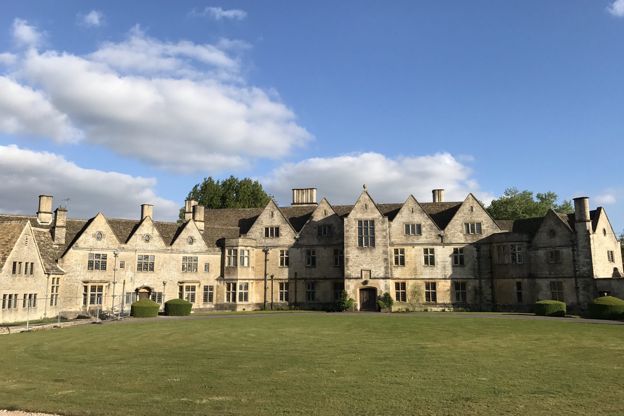
Rodmarton Manor
Historic houses and heritage · Tetbury
An Arts and Crafts house built from 1909 to 1929 by Ernest Barnsley and local craftsmen, with an eight-acre garden of outdoor rooms, open in summer.
Verified Nov 2026
-
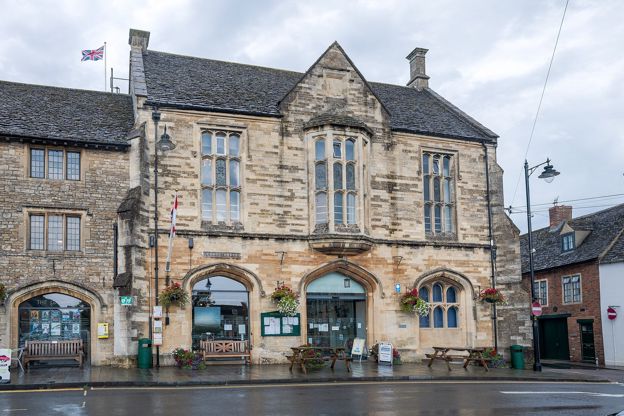
Athelstan Museum
Museums and galleries · Malmesbury
Malmesbury's free museum in the Town Hall, with the stories of King Athelstan and Eilmer the flying monk, a wheelchair lift and dogs welcome.
Dog-friendly · Rainy days · Family-friendly
Verified Oct 2026
Where to stay in the South Cotswolds
-
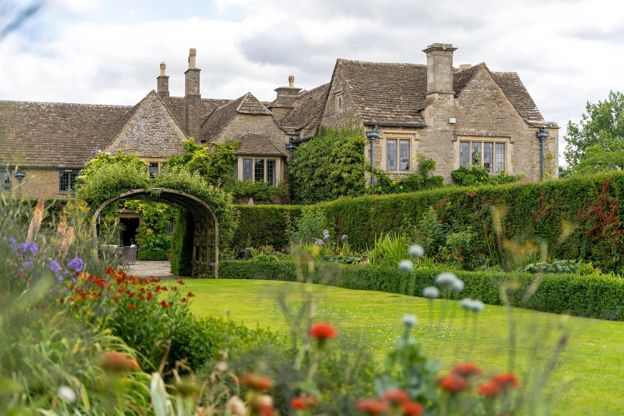
Whatley Manor
Hotel · Malmesbury
A country house hotel and spa with 23 rooms in 12 acres with 22 gardens at Easton Grey, near Malmesbury, with a Michelin-starred restaurant and seven dog-friendly rooms.
Dog-friendly · Wedding venues · EV charging
Verified Nov 2026
-
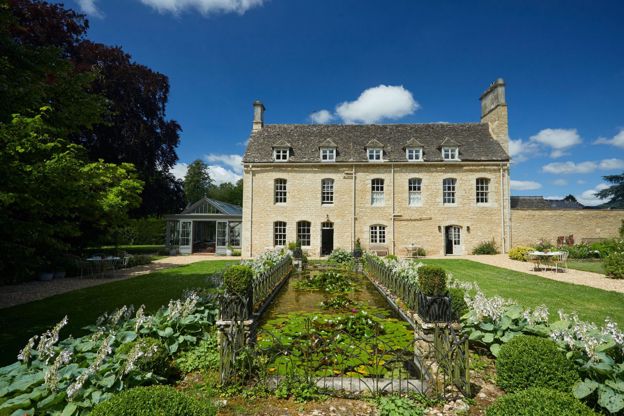
The Rectory Hotel
Hotel · Malmesbury
A hotel in an early 18th-century rectory at Crudwell, near Malmesbury, with 15 rooms in the house, a three-bedroom garden cottage and a heated outdoor pool in summer.
Verified Oct 2026
-
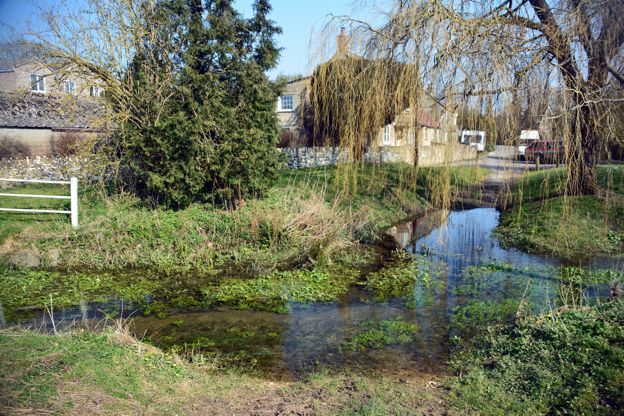
Pettifers
Hotel · Malmesbury
A dog-friendly bed and breakfast hotel at Crudwell, near Malmesbury, with 18 rooms in the main building and a courtyard, walled gardens and a two-bedroom cottage next door.
Dog-friendly · Wedding venues
Verified Nov 2026
-
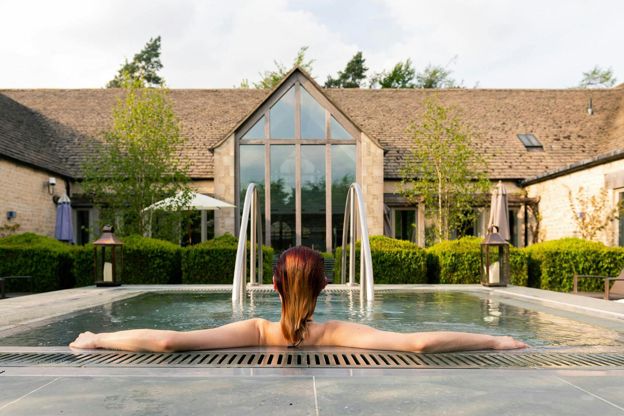
Calcot Manor and Spa
Hotel · Tetbury
A hotel and spa on a 220-acre estate near Tetbury, with family suites, a cottage and treehouses among its rooms.
Family-friendly
Verified Nov 2026
-
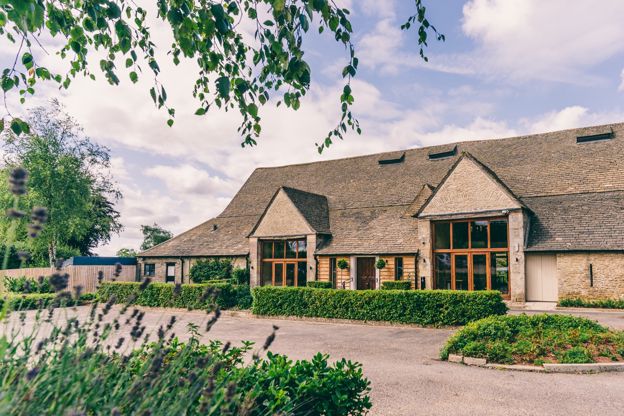
Great Tythe Barn
Self-catering · Tetbury
Lodge rooms, a house and ten cottages at Great Tythe Barn, an event estate on the edge of Tetbury, open for stays outside weddings too.
Wedding venues
Verified Oct 2026
-
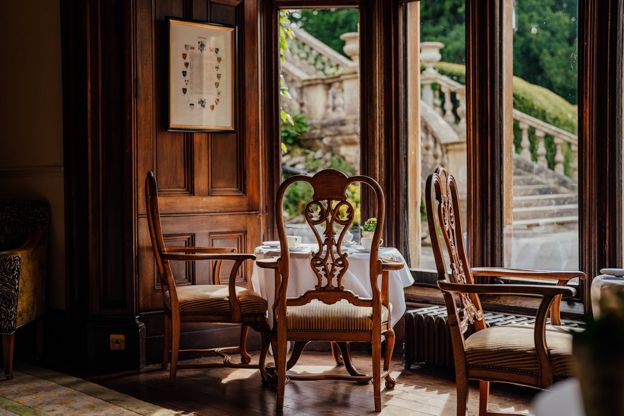
The Manor House
Hotel · Castle Combe
A hotel in a manor house of seventeenth-century origins at Castle Combe, part of the Exclusive Collection, with the Bybrook restaurant.
Dog-friendly · Wedding venues · EV charging
Verified Oct 2026
Where to eat and drink in the South Cotswolds
-
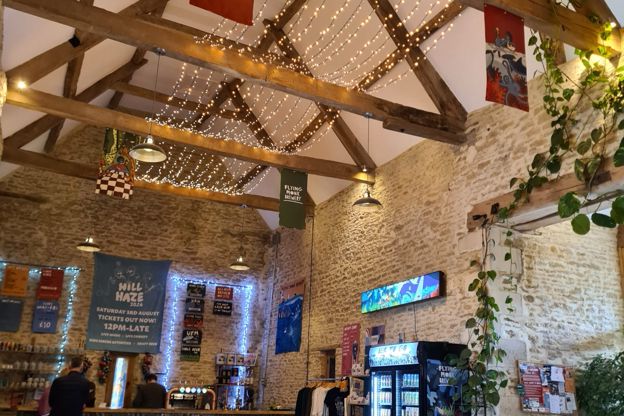
The Flying Monk Café and Restaurant
Cafes and tearooms · Malmesbury
A café, kitchen and bar at Bradfield Manor Farm, Hullavington, about 5.5 miles by road south of Malmesbury, open Wednesday to Sunday since August 2026.
Verified Nov 2026
-
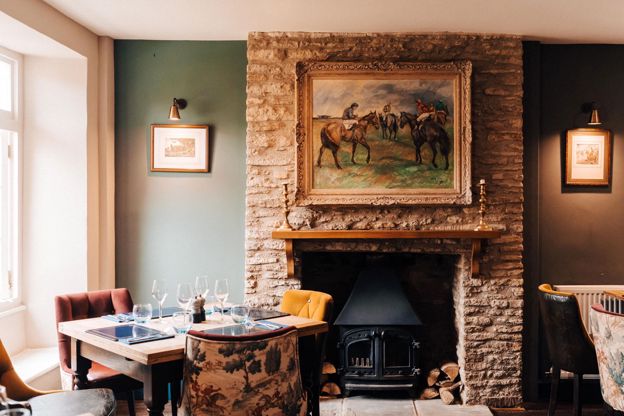
The Cat & Custard Pot Inn
Pubs · Tetbury
A village pub with eight en suite bedrooms at Shipton Moyne, about 2.5 miles from Tetbury, with well-behaved dogs welcome throughout.
Dog-friendly
Verified Nov 2026
-
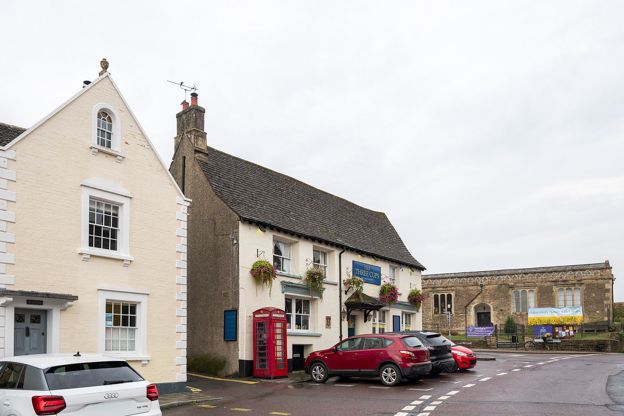
The Three Cups Inn
Pubs · Malmesbury
A dog-friendly pub on the Triangle in Westport, Malmesbury, with a meat-free kitchen named best vegan pub in Wiltshire by Vegan Food and Living, and music and events.
Dog-friendly · Family-friendly
Verified Nov 2026
-
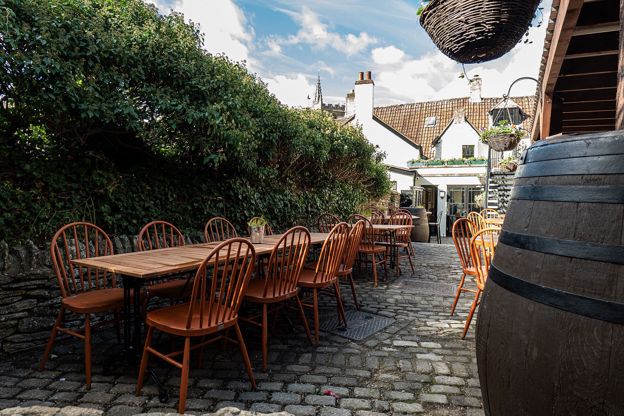
The White Hart, Castle Combe
Pubs · Castle Combe
A Grade II listed Wadworth pub on The Street in Castle Combe, open from 9am with pastries, with a courtyard garden, and dog friendly.
Dog-friendly
Verified Nov 2026
-
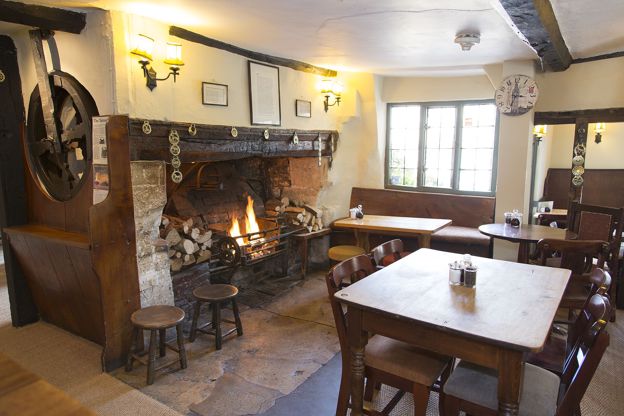
The George Inn
Pubs · Lacock
A Wadworth pub on West Street, Lacock, which says it dates to around 1361, serving food from midday to 8pm, with dogs welcome.
Dog-friendly · Family-friendly
Verified Oct 2026
-
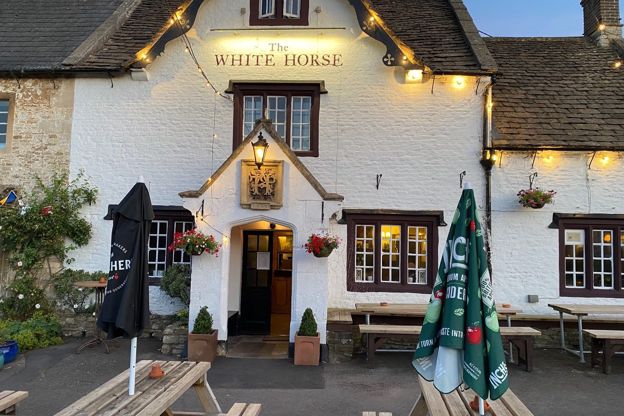
The White Horse, Biddestone
Pubs · Biddestone
A dog-friendly pub on the green at Biddestone serving pub classics, with a garden at the back, curry night on Thursdays and a quiz on the first Tuesday of the month.
Dog-friendly · Walker-friendly
Verified Oct 2026
Walks in and around the South Cotswolds
-
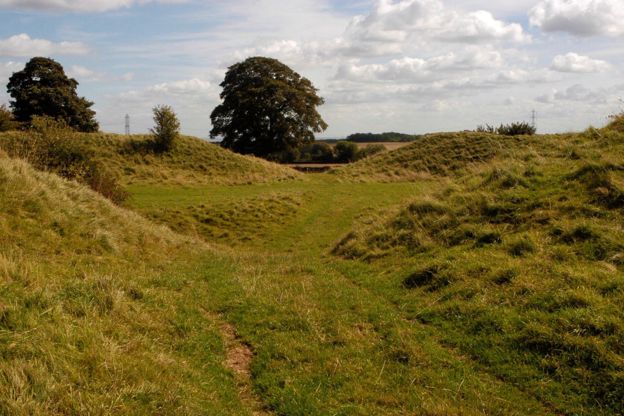
Old Sodbury, the hill fort and the church
Walk · Starts in Chipping Sodbury · 2 hrs · Circular
A 2.5-mile (4km) circular walk from Old Sodbury, easy and stile-free with moderate slopes, in one and a half to two hours: up the Cotswold Way to the Norman church on the hill, over the double ramparts of Sodbury Camp, and back across the fields past medieval fish ponds.
-
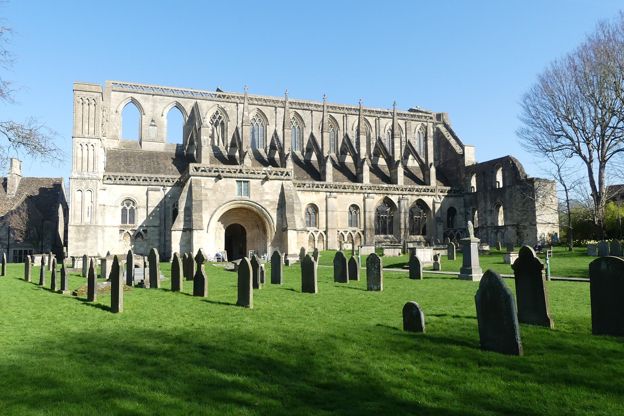
Malmesbury and the River Avon
Walk · Starts in Malmesbury · 1 hr · Circular · Dog-friendly
A 2.5-mile (3.9km) circular walk from Cross Hayes in Malmesbury, easy and about an hour, mostly level with some stiles: down from the Market Cross past Daniel's Well, along the Avon by the meads and the silk mills, and back round under the abbey.
-
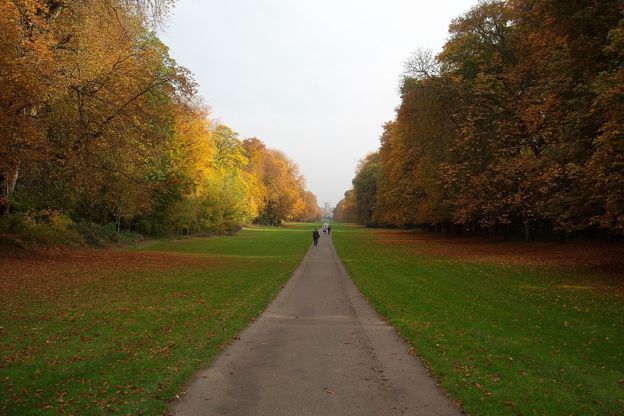
Cirencester Park, Pope's Seat and Stratton
Walk · Starts in Cirencester · 2 hrs · Circular
A 5-mile (8km) circular walk from Cirencester's parish church, easy and taking one and a half to two hours: up Cecily Hill and a mile along the Broad Ride to Pope's Seat, past the polo grounds to Stratton, and back by the streams past the open-air pool.
Sights in and around the South Cotswolds
-
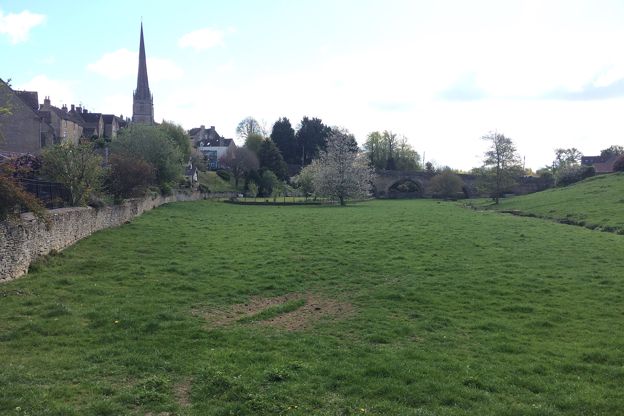
Bath Bridge, Tetbury
Sight · Bridge · Tetbury
Bath Bridge carries the Bath road, now the A433, over the valley south of Tetbury and up into the town: four arches of rubble stone, each a different size, built by Thomas Webb in 1774 to 1776 as part of the town's Georgian improvements. Grade II.
-
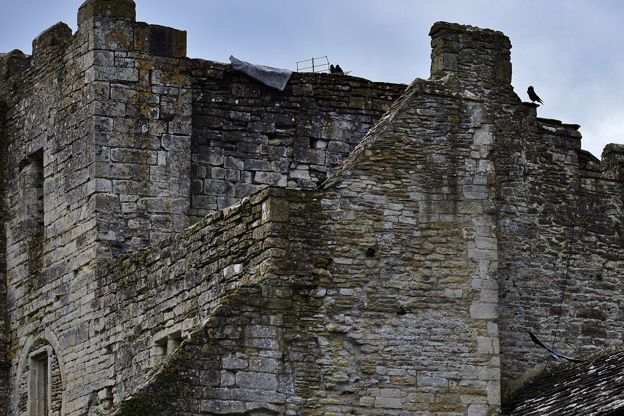
Beverston Castle
Sight · Castle or ruin · Tetbury
The ruin of a thirteenth-century castle at Beverston, west of Tetbury, built by Maurice de Gaunt and enlarged by the Berkeleys, twice besieged in 1644 and now part of a private house, its gatehouse, towers and moat seen from the lane and churchyard.
-
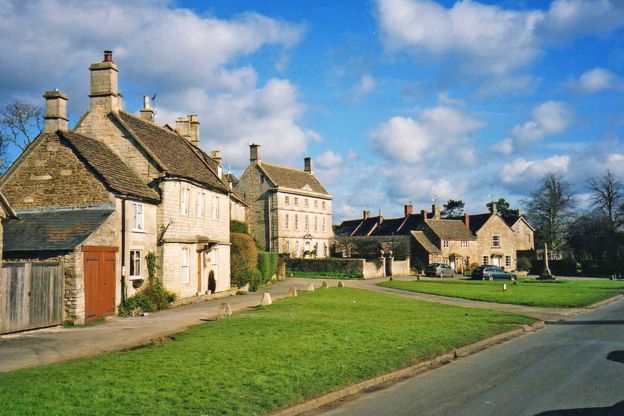
Biddestone green and pond
Sight · Common or park · Biddestone
Biddestone's green is the large open heart of a Wiltshire stone village near Castle Combe, with a duck pond made in 1661, a pub of the eighteenth century, a war memorial and houses from the seventeenth century on. Free and open at any time.
-
Bowden Park, Lacock
Sight · Historic building · Lacock
James Wyatt's neoclassical house of 1796 on Bowden Hill above Lacock, with a full-height bow behind massive Ionic columns, later bought by the brother of W. E. Gladstone. Private; Grade I, seen from the public path across the park.
-
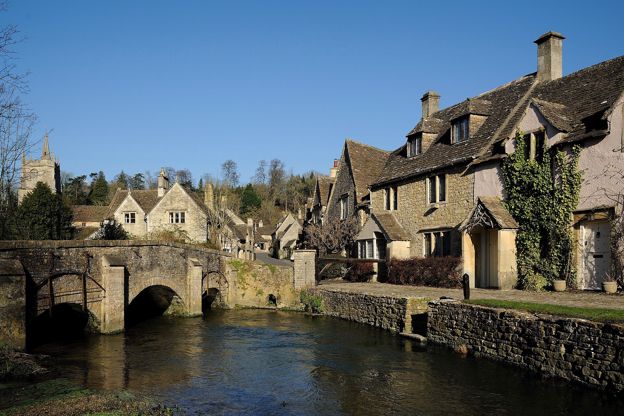
By Brook
Sight · River · Castle Combe
The By Brook is the wooded valley stream that runs through Castle Combe and south by Long Dean, Ford and Slaughterford, in north-west Wiltshire. It once had some twenty watermill sites, for corn, cloth and paper, and public footpaths follow much of it.
-
Castle Combe bridge
Sight · Bridge · Castle Combe
Castle Combe bridge carries the village street over the By Brook at the bottom of the hill: three low skew arches rebuilt for the Scropes in the early nineteenth century, with grooves in its buttresses for the iron screens that kept livestock in. Grade II.
Stories about the South Cotswolds
-
Cotswolds itineraries: one day to a week
Story · Guides · 12 minute read
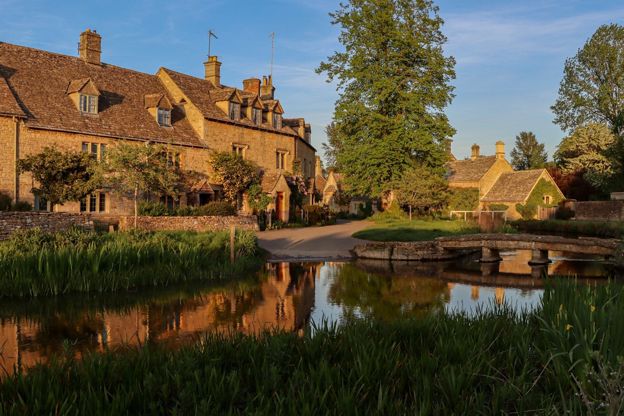
Cotswolds itineraries from one day to a week: how many days you need, a day by car or by train, two days in the north, three days north to south, five days across two regions, a week with two bases or on the Cotswold Way, and themed weekends for gardens, walks, dogs and winter.
-
Poldark at Chavenage House: visiting Trenwith
Story · Guides · 5 minute read
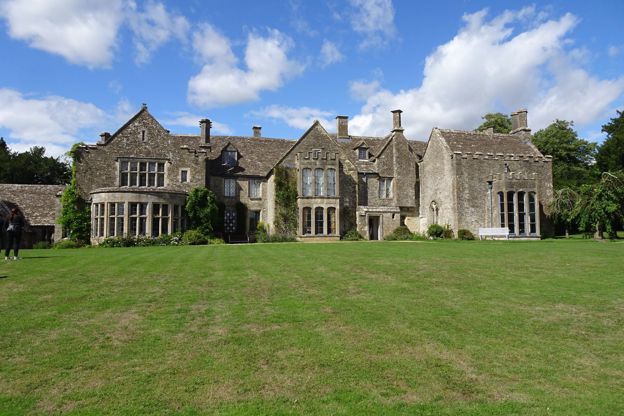
Chavenage House near Tetbury played Trenwith in the BBC's Poldark: which rooms you see on screen, the other dramas the house names, its Civil War ghost, and how to book a tour while filming limits the dates.
-
The best pubs with rooms in the Cotswolds
Story · Guides · 13 minute read
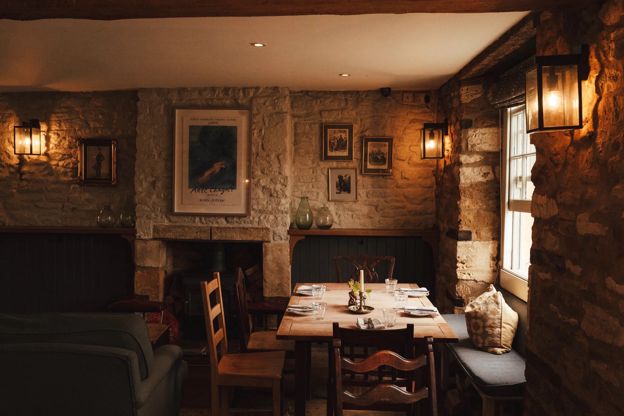
The best pubs with rooms in the Cotswolds, region by region: the Kingham Plough and the King’s Head at Bledington, the Lion at Winchcombe, the Falcon at Painswick and the Red Lion at Lacock, with the rooms, the food, the dog rules and the walk from the door.
Getting to the South Cotswolds