Things to do · Lacock
Lacock Abbey, Fox Talbot Museum and Village
The National Trust's abbey made from a medieval nunnery, where Fox Talbot made the earliest surviving photographic negative in 1835, with its museum and village.
Car-free · Dog-friendly · EV charging
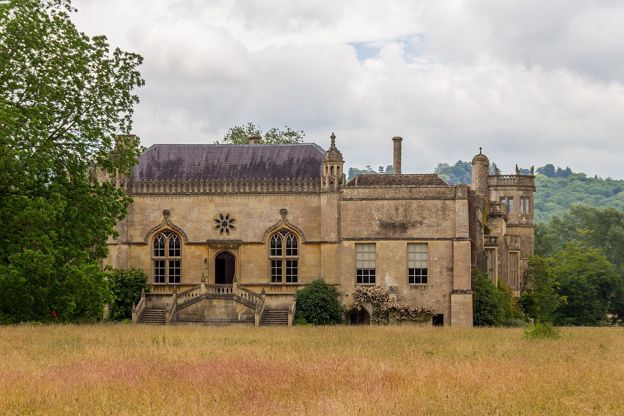
Come by the X34 from Chippenham and give it a morning: the abbey, the museum and the village's four streets. Visit before November if you want to see the abbey rooms, which close for the winter.
- Good: The Faresaver X34 bus from Chippenham; show your ticket for a free hot drink at the Stables Café
- Good: No need to book: tickets at visitor reception
- Good: Dogs on short leads in the garden all year
- Good: National Trust members free, including parking
- Worth knowing: Abbey rooms closed 1 November to 1 March, apart from the Great Hall at Christmas
- Worth knowing: Car park £5 for non-members; no parking on the village streets
About
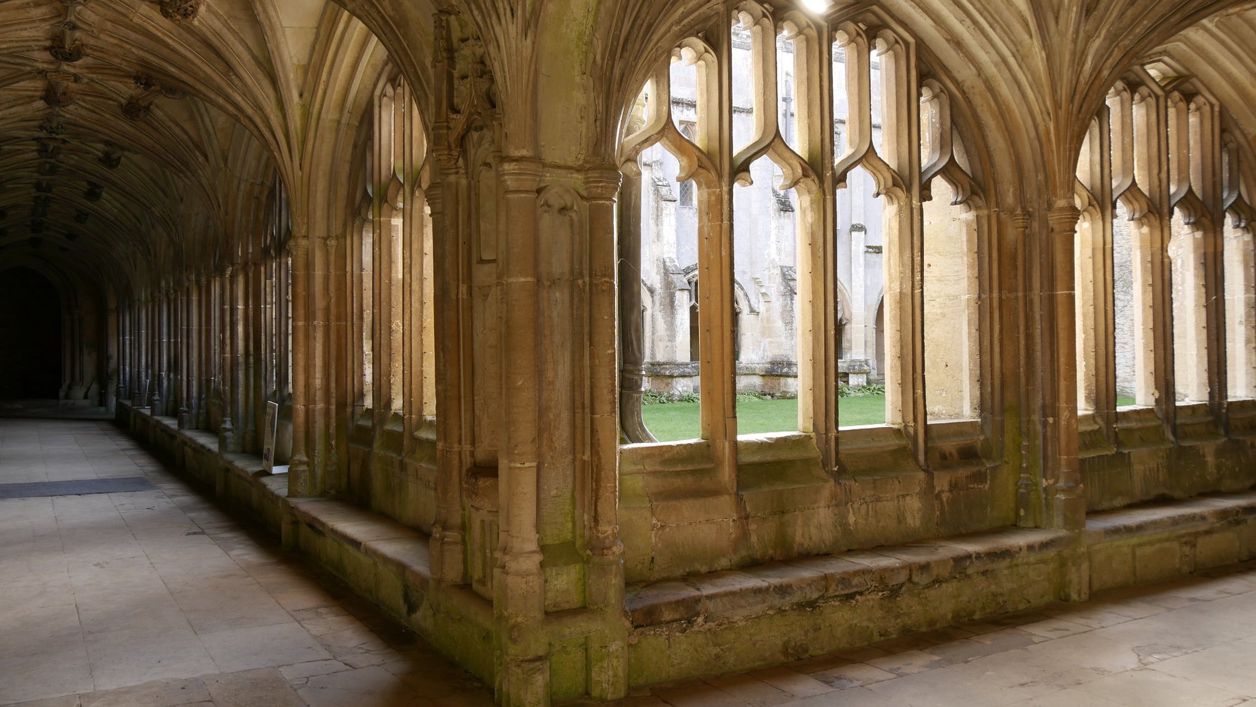
Lacock Abbey, 3 miles south of Chippenham, began as an Augustinian nunnery founded by Ela, Countess of Salisbury, in 1232, and became a country house after the Dissolution. William Henry Fox Talbot lived here from 1827, and in August 1835 photographed a latticed window in the South Gallery: the earliest surviving photographic negative. The National Trust's site takes in the abbey rooms, the cloisters, the grounds and the Fox Talbot Museum at the abbey gates. See our guide to Lacock village.
The grounds and museum open from 10am to 5pm. The abbey rooms open from 10.30am, with last entry at 3.45pm, and close for the winter clean from 1 November to 1 March; the Great Hall reopens for Christmas from 28 November. Prices drop while the rooms are closed. Tickets are sold at visitor reception, with no need to book. Dogs on short leads are welcome in the garden all year.
The Stables Café in the village serves light lunches and cakes, and the tea-room is in the abbey courtyard. The Hither Way car park charges non-members £5 a day; there is no parking on the village streets. The Faresaver X34 bus from Chippenham stops in the village, and footpaths lead out beside the Wilts & Berks Canal.
Opening hours and season
In late October 2026: grounds, museum, shop and Stables Café 10am to 5pm; abbey rooms from 10.30am, last entry 3.45pm, closed 1 Nov to 1 Mar (Great Hall open 28 Nov to 31 Dec). Check the calendar.
Facilities
- Hither Way car parkUnder 400m from reception; £5 a day for non-members, members free; EV charging
- Stables Café and courtyard tea-roomLight lunches, snacks and cakes in the village; tea-room in the courtyard
- ShopsGift shop on the High Street, plant shop at reception, second-hand bookshop
- ToiletsIn the courtyard (accessible) and by the Stables Café; RADAR toilet in the village
- Dogs on short leadsIn the garden all year
- Accessibility mapThe abbey has steps and uneven floors; level access to the shop
The details
- Features
- Café · Shop · Parking · Bike storage
- History
- Abbey founded in 1232; home of William Henry Fox Talbot from 1827
- Parking
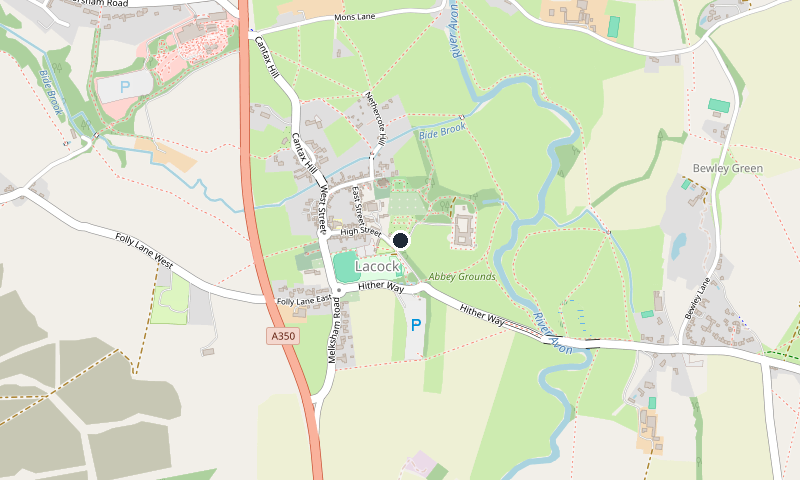
- Hither Way car park, under 400m from reception (satnav SN15 2RQ): £5 a day for non-members by JustPark (code 896468) or machine, free for members; EV charging. No parking on the village streets.
- Without a car
- Faresaver X34 bus, Chippenham to Frome; your ticket earns a free hot drink at the Stables Café. Melksham station about 3.5 miles by road, Chippenham 4.5. NCN route 403 runs from Chippenham.
Photos
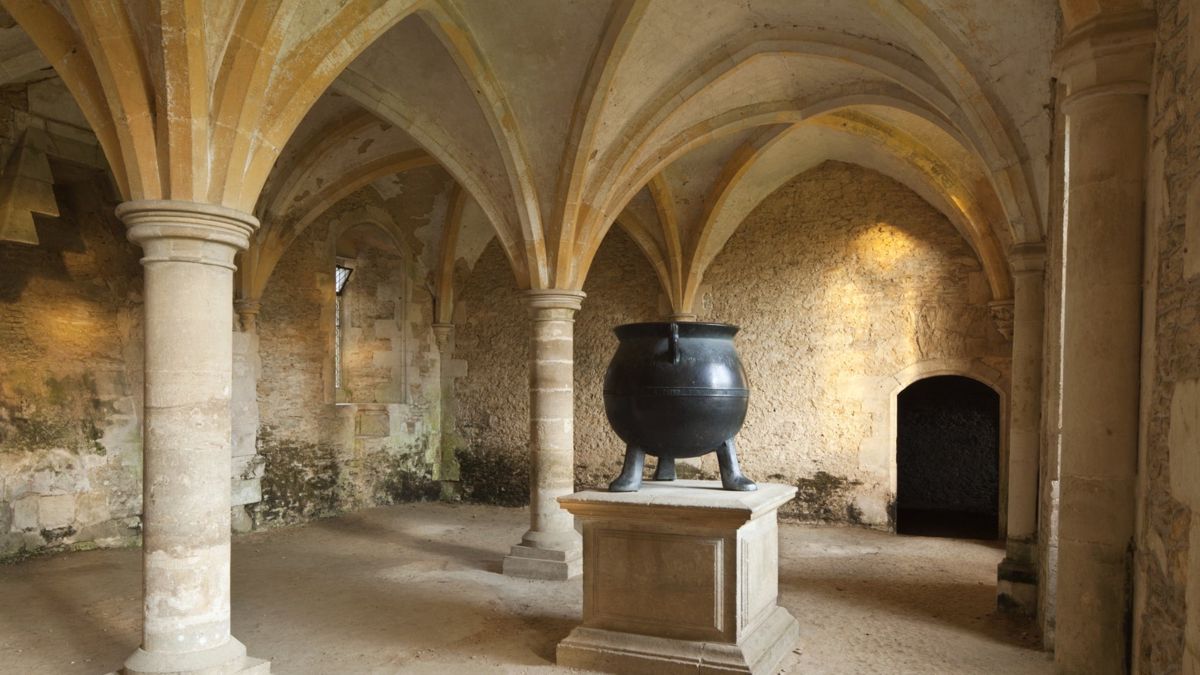
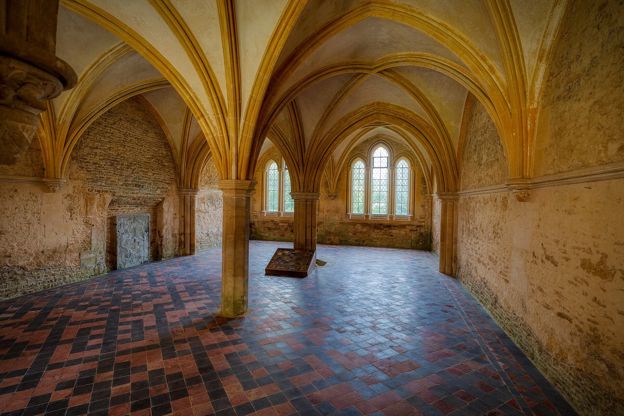
The warming room 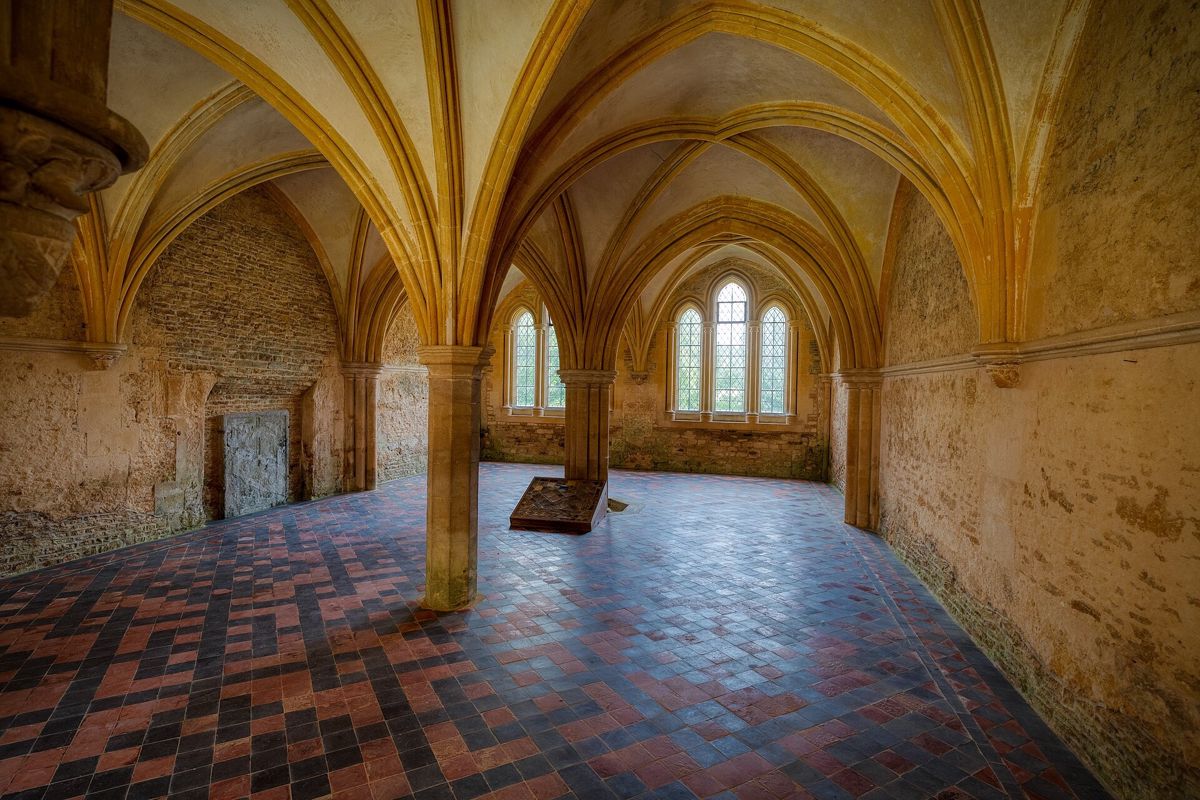
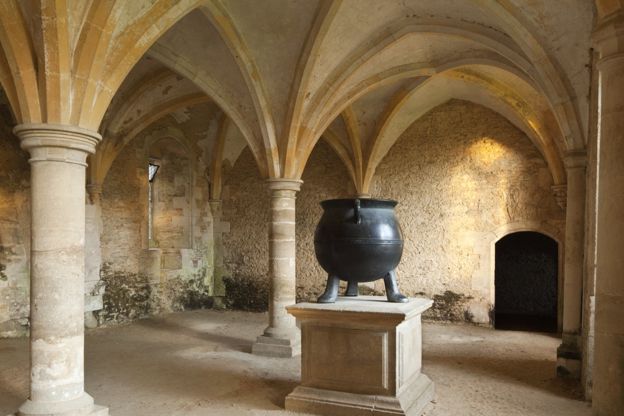
The chapter house Photo: GZagatta, CC BY-SA 4.0, via Wikimedia Commons 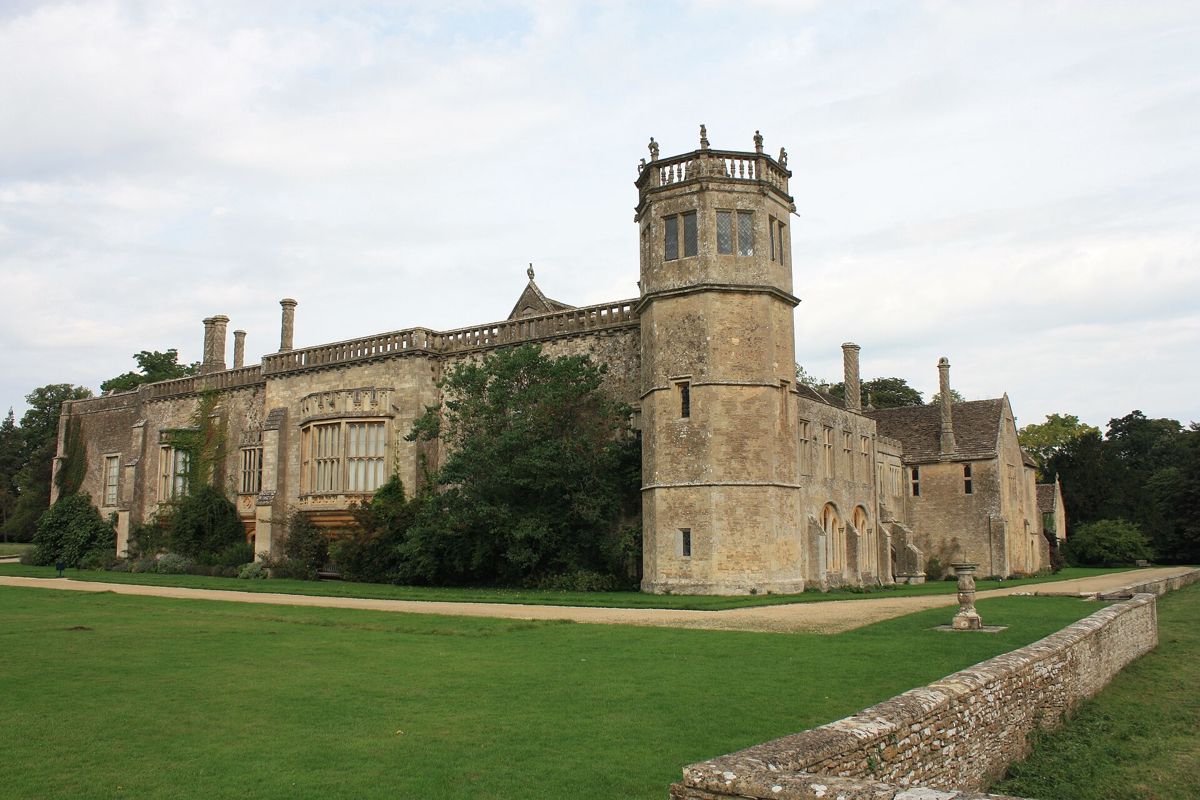
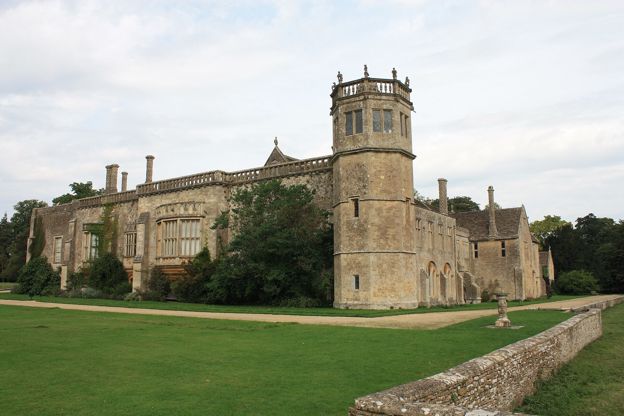
The abbey and Sharington's tower Photo: Ol Kuzh, CC BY-SA 3.0, via Wikimedia Commons 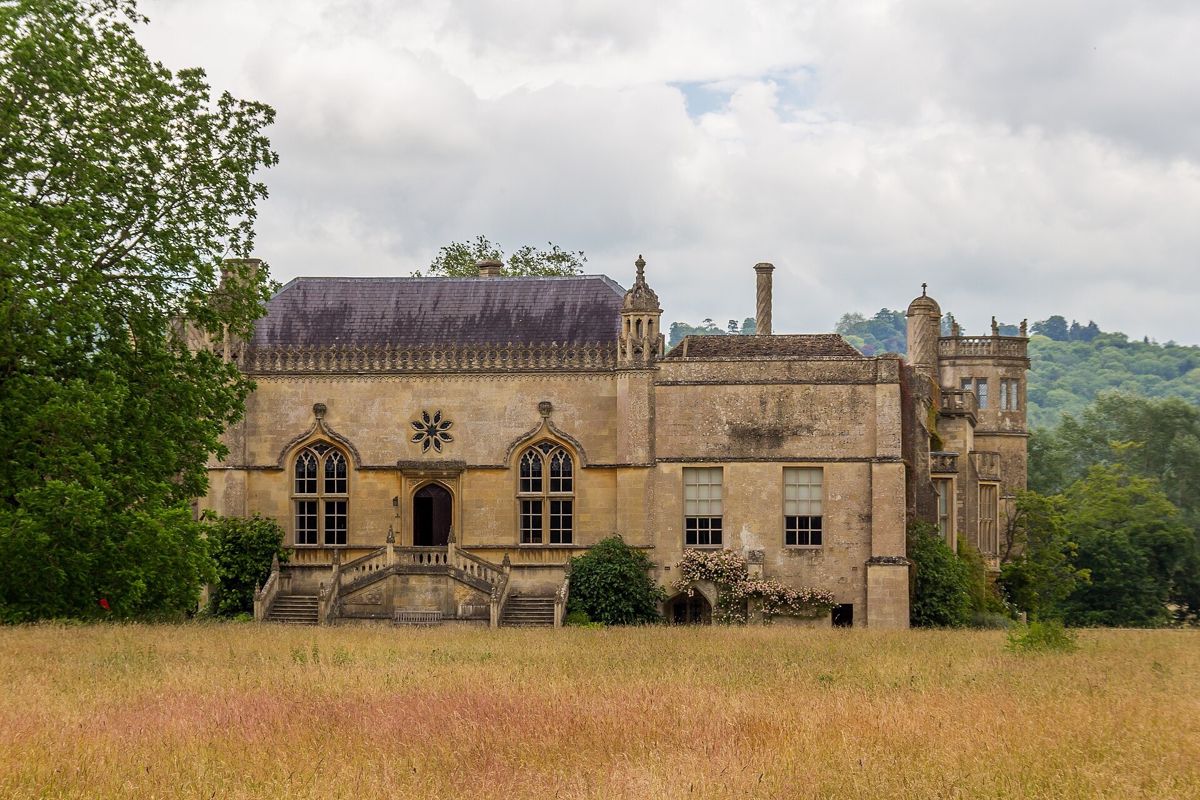
The south front Photo: Mike Peel, CC BY-SA 4.0, via Wikimedia Commons
Location
Accessibility
- Accessible toilet
Blue Badge parking in the Hither Way car park, under 400m from reception. The abbey has steps and uneven floors. Level access to the shop. An accessible toilet in the courtyard and a RADAR toilet in the village. A site accessibility map and an AccessAble guide are available.
Places to stay nearby
-
The Red Lion, Lacock
Inn · Lacock
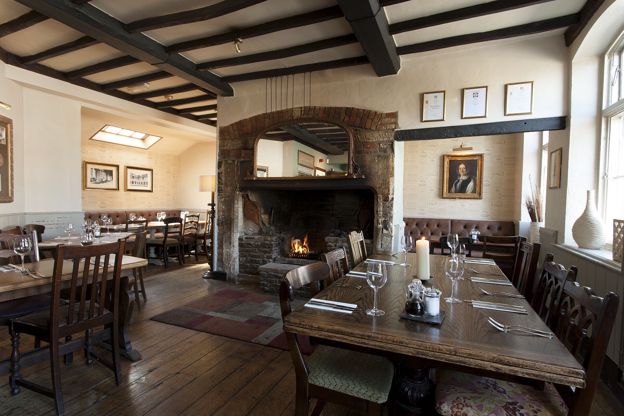
A Wadworth pub in a Georgian building on Lacock's High Street, with five double rooms upstairs and dogs welcome in the bar and the bedrooms.
Dog-friendly
Verified Oct 2026
-
Sign of the Angel, Lacock
Restaurants · Lacock
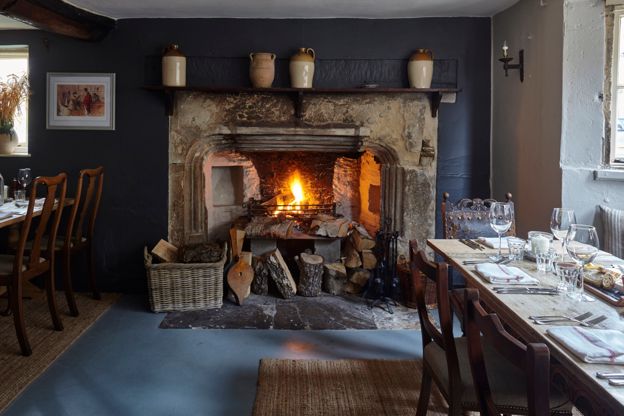
A fifteenth-century coaching inn on Church Street, Lacock, with a two AA Rosette restaurant, log burners, a garden by the stream and five bedrooms; brunch, lunch and dinner.
Verified Nov 2026
-
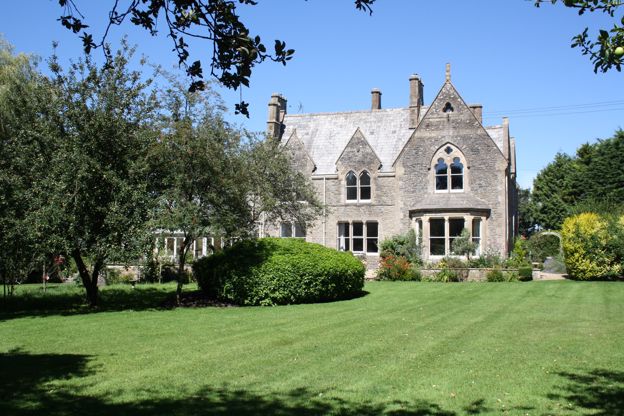
The Rectory Lacock
B&B · Lacock
An adults-only bed and breakfast in Lacock's Victorian rectory, in six acres a two-minute walk from the village, with two self-catering cottages for families in the old stables.
Family-friendly
Verified Oct 2026
Nearby walks, places and things to do
- The Stables Café, Lacock
- The Red Lion, Lacock 0.2 km away
- Sign of the Angel, Lacock 0.2 km away
- The George Inn 0.2 km away
Sights nearby
-
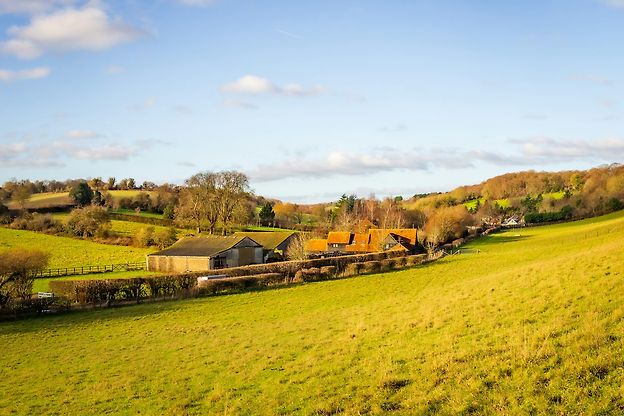
Bowden Park, Lacock
Sight · Historic building · Lacock
James Wyatt's neoclassical house of 1796 on Bowden Hill above Lacock, with a full-height bow behind massive Ionic columns, later bought by the brother of W. E. Gladstone. Private; Grade I, seen from the public path across the park.
-
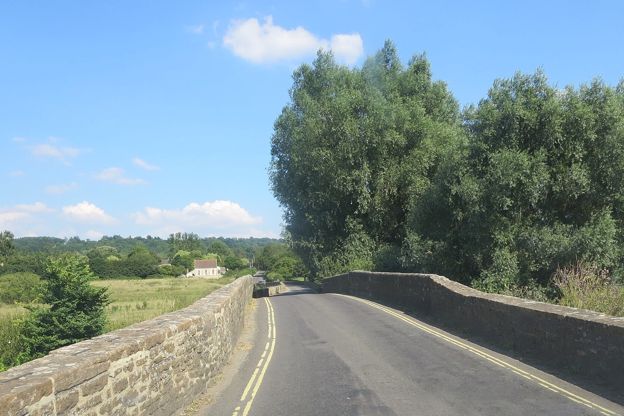
Lacock Bridge
Sight · Bridge · Lacock
Two stone bridges and a causeway carrying the road east out of Lacock over the Avon and its water meadows, medieval to seventeenth century in origin and repaired in 1809, when G. Banks cut his name in the parapet. Grade II*.
-
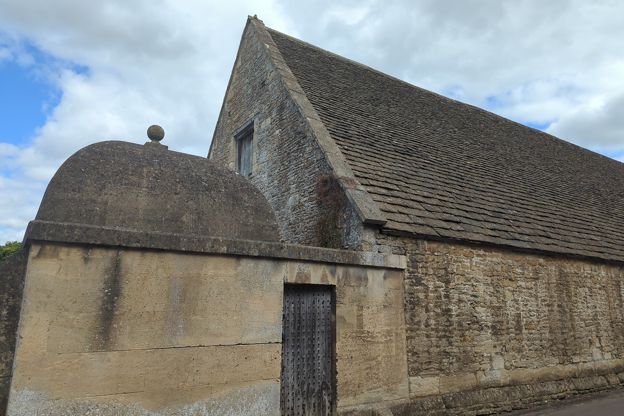
Lock-up, Lacock
Sight · Historic building · Lacock
Lacock's village lock-up on East Street: a late eighteenth-century stone cell with a domed roof and ball finial, no windows and a studded door, where drunks and offenders were held overnight. Joined to the tithe barn. Grade II.
-
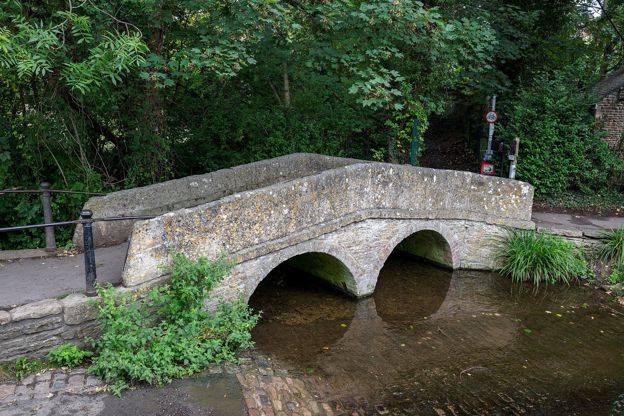
Packhorse bridge, Lacock
Sight · Bridge · Lacock
A small humpbacked eighteenth-century bridge of two arches over the Bide Brook below St Cyriac's Church in Lacock, by the lane called Nethercote Hill, marked on the tithe map as Dummer's Bridge. Grade II; free on a footpath.