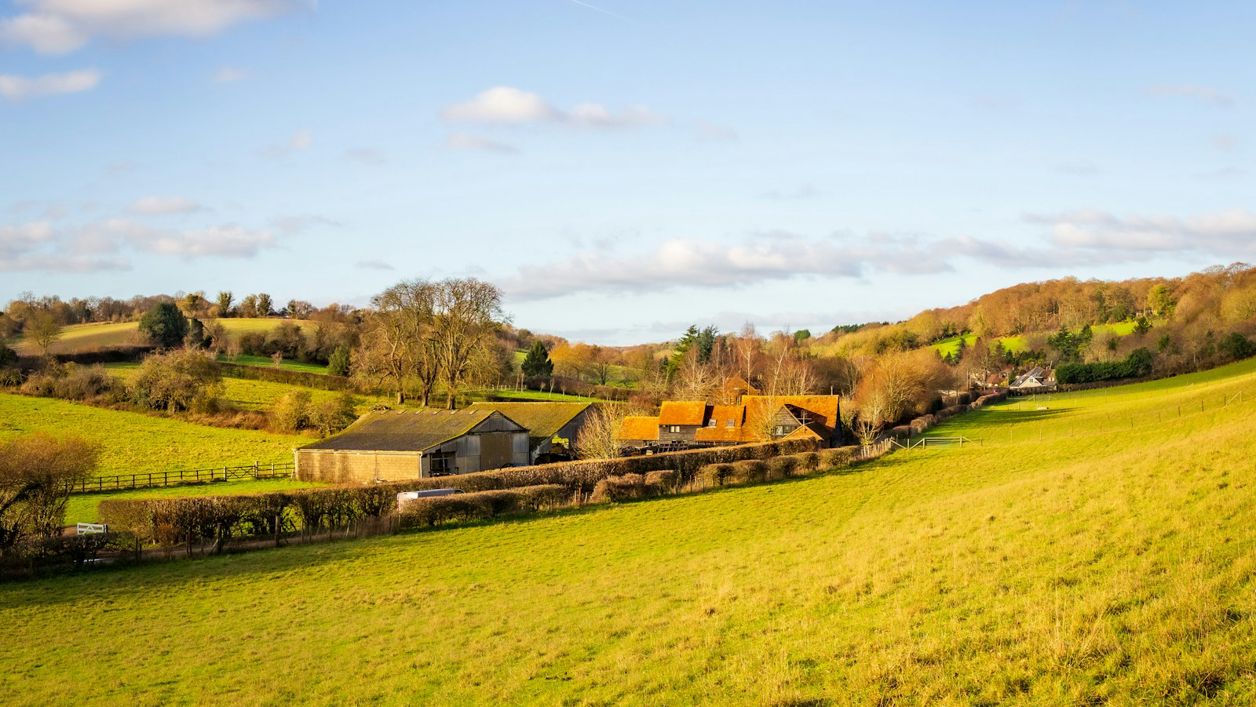
Bowden Park, Lacock
James Wyatt's neoclassical house of 1796 on Bowden Hill above Lacock, with a full-height bow behind massive Ionic columns, later bought by the brother of W. E. Gladstone. Private; Grade I, seen from the public path across the park.
Historic building
LacockBowden Park is a neoclassical country house on Bowden Hill, east of Lacock, built in 1796 by James Wyatt for Barnard Dickinson. It is listed Grade I, and the listing calls Wyatt's interiors outstanding. It is a private home, seen from the public footpath across its parkland.
History
The house on this site before Wyatt's was a late seventeenth-century one built for G. Johnson. In 1751 the estate was sold to E. Dickinson of Monks Park, near Corsham, and the house was rebuilt in 1796 for his son Barnard, who died in 1814.
The architect
James Wyatt was one of the leading architects of the late eighteenth century, and the house appeared in the New Vitruvius Britannicus of 1819, a survey of fine British houses. Historic England's listing singles out his interiors as outstanding, with the original plasterwork complete, marble fireplaces and mahogany doors.
The Gladstones
The estate passed to the Dickinson Harmer family and in 1849 was sold to Captain J. N. Gladstone (1807 to 1863), the brother of the prime minister W. E. Gladstone. The Lacock walk leaflet says he was the elder brother. The house was extended for him in about 1850, with a wing on the south side that included an orangery. In about 1955 the Victorian additions were cut back and remodelled by K. Peacock, and a matching rear wing on the north side seems to date from the same years.
What to see
The front is what you see from the path: two storeys of smooth ashlar, five windows wide, under low-pitched slate roofs. The middle three bays swell out into a semicircular bow that rises the full height of the house, fronted by massive free-standing Ionic columns carrying a continuous entablature and a low parapet. The bow stands on five stone steps, with three French windows on the ground floor and three sash windows above. The corners of the house are marked by broad piers. To the south, the Victorian extension has its own two-storey bow.
The interiors, which the listing praises most, cannot be seen.
Visiting
Bowden Park is private. There is no public access to the house or gardens, but a public footpath crosses the parkland and gives a view of the front. Keep to the path, close gates, and keep dogs on a lead where there is livestock. The path is grass and field, on the slopes of Bowden Hill, so expect mud after rain.
Getting there
The house is on Bowden Hill, about 2km east of the middle of Lacock. On foot, the road east from the village crosses the Avon on Lacock Bridge towards Bowden Hill; check an Ordnance Survey map for the footpath across the park. Park in the National Trust car park on Hither Way in Lacock (satnav SN15 2RQ), free to members. The nearest railway stations are Melksham, about 5km away, and Chippenham, about 6km.
Nearby
North of the park, the rewatered stretch of the Wilts & Berks Canal runs below Naish Hill. Back in the village, St Cyriac's Church and Lacock Abbey are the obvious next stops, and The Red Lion and The George Inn serve food.
Stay and eat near Bowden Park, Lacock
-
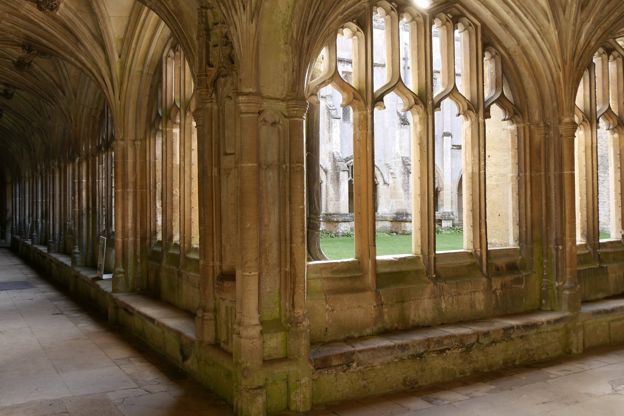
Lacock Abbey, Fox Talbot Museum and Village
Historic houses and heritage · Lacock
The National Trust's abbey made from a medieval nunnery, where Fox Talbot made the earliest surviving photographic negative in 1835, with its museum and village.
Car-free · Dog-friendly · EV charging
Verified Oct 2026
-
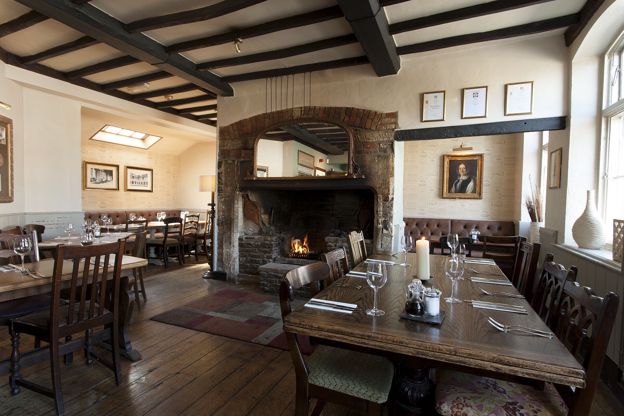
The Red Lion, Lacock
Inn · Lacock
A Wadworth pub in a Georgian building on Lacock's High Street, with five double rooms upstairs and dogs welcome in the bar and the bedrooms.
Dog-friendly
Verified Oct 2026
-
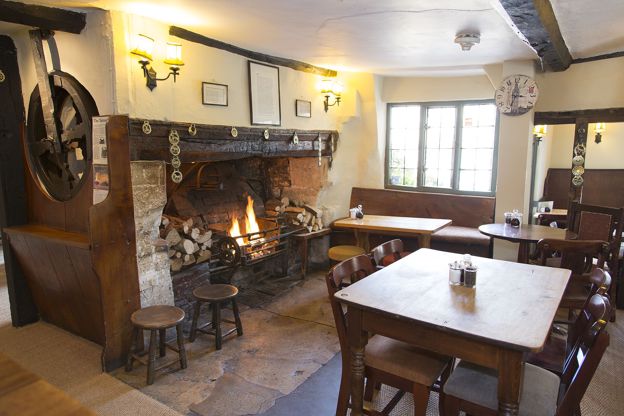
The George Inn
Pubs · Lacock
A Wadworth pub on West Street, Lacock, which says it dates to around 1361, serving food from midday to 8pm, with dogs welcome.
Dog-friendly · Family-friendly
Verified Oct 2026
More sights to see
-
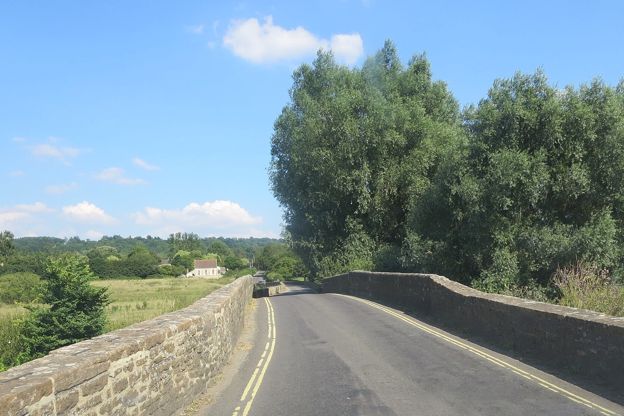
Lacock Bridge
Sight · Bridge · Lacock
Two stone bridges and a causeway carrying the road east out of Lacock over the Avon and its water meadows, medieval to seventeenth century in origin and repaired in 1809, when G. Banks cut his name in the parapet. Grade II*.
-
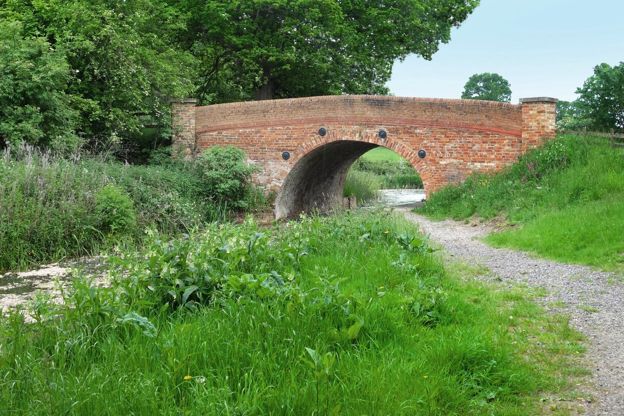
Wilts & Berks Canal at Lacock
Sight · River · Lacock
A restored, watered stretch of the Wilts & Berks Canal north-east of Lacock, from Pewsham Locks to Double Bridge below Naish Hill, on a narrow canal of 1795 to 1810 that carried Somerset coal. Free on the towpath.
-
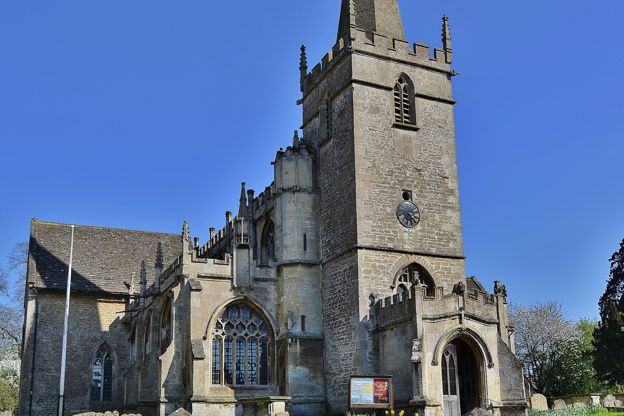
St Cyriac's Church, Lacock
Sight · Church · Lacock
Lacock's Grade I parish church, mostly fifteenth century, with a spire rebuilt in 1604, a vaulted chapel of about 1430 holding William Sharington's Renaissance tomb, and links to Fox Talbot. Open daily in daylight hours.