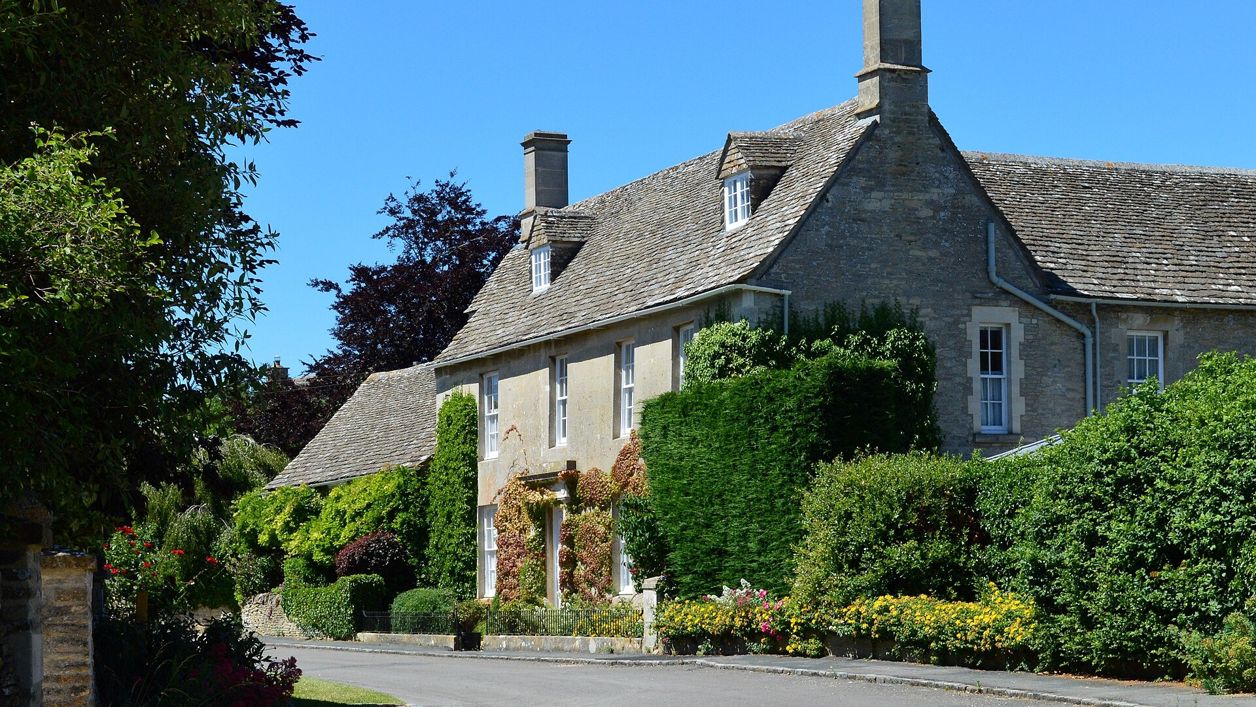
Oswald Bertram, CC BY-SA 2.0, via Wikimedia Commons
Quenington
A village of about 600 people on the River Coln between Bibury and Fairford, with two of the finest Norman doorways in the Cotswolds, the gatehouse of a Knights Hospitallers' preceptory, a green, a free house with rooms and a river walk to Fairford.
- Nearest station
- Kemble, 16 miles, then a taxi; or the 882 to Cirencester and the 76 bus
- Parking
- No public car park; roadside on Church Road and by the green, with care
- Best time
- Spring, for the meadows and a dry walk to Fairford; when Bibury is full
- When it's busy
- Seldom
- Toilets
- None in the village; the nearest public toilets are in Fairford, High Street (50p)
- Dogs
- Welcome at the Keepers Arms; on leads on the Fairford walk, which crosses farmland
About Quenington
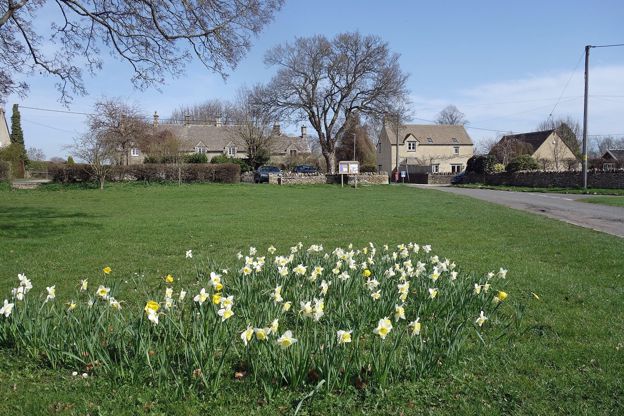
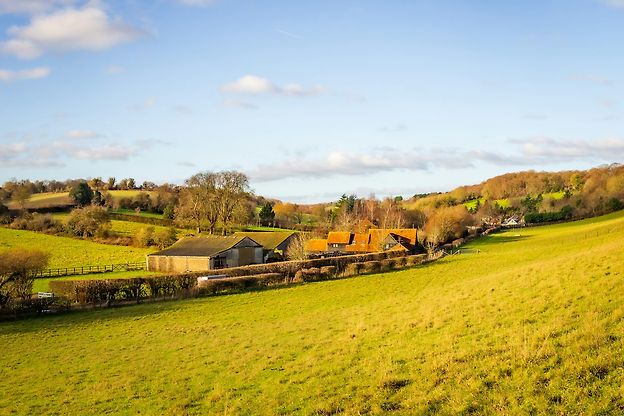
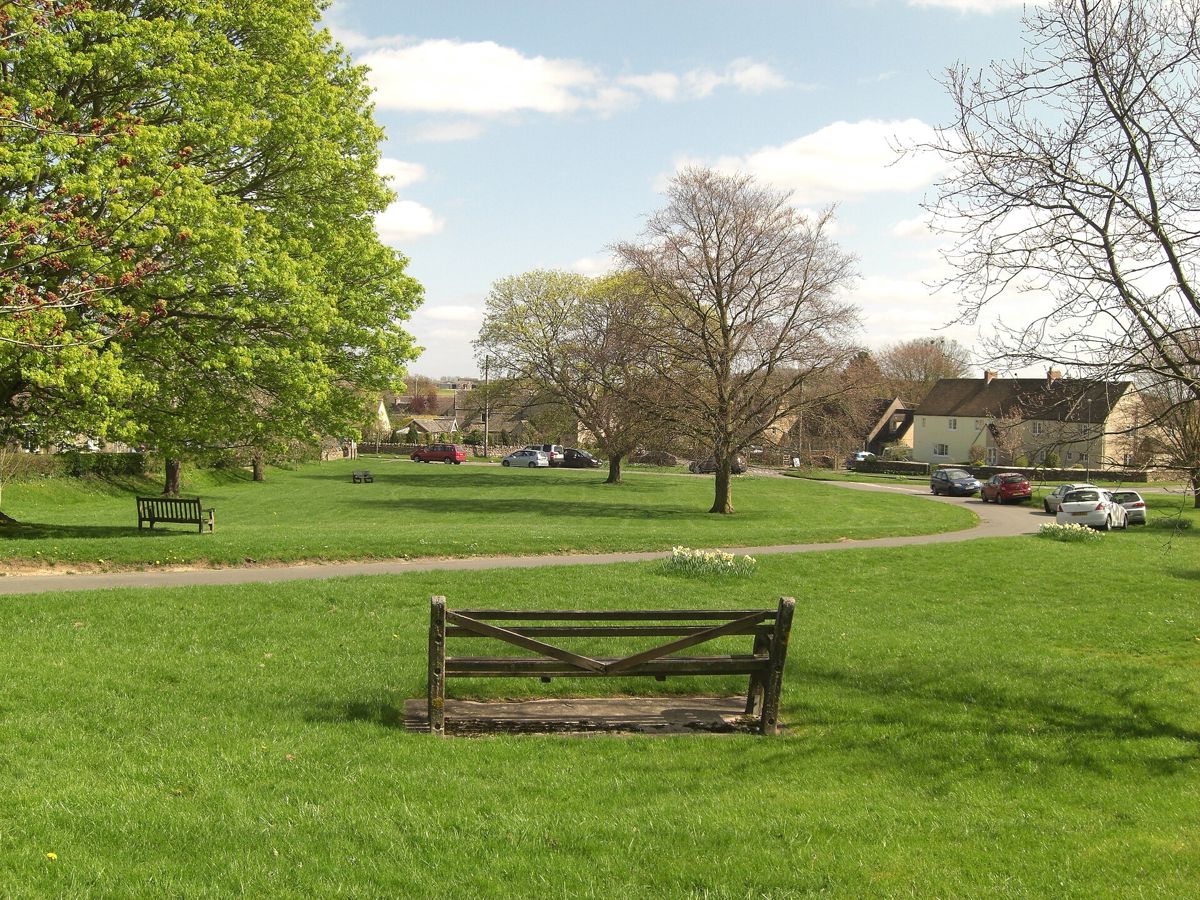
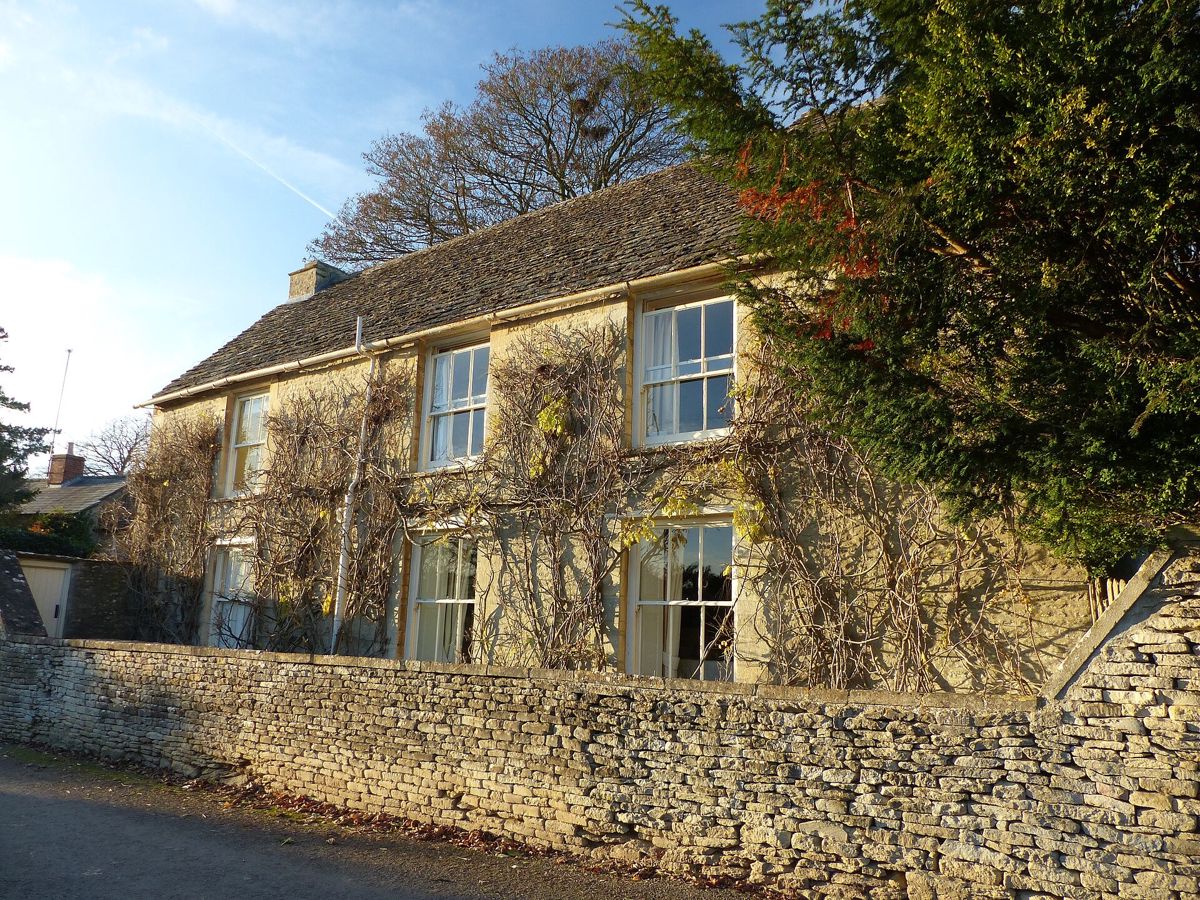
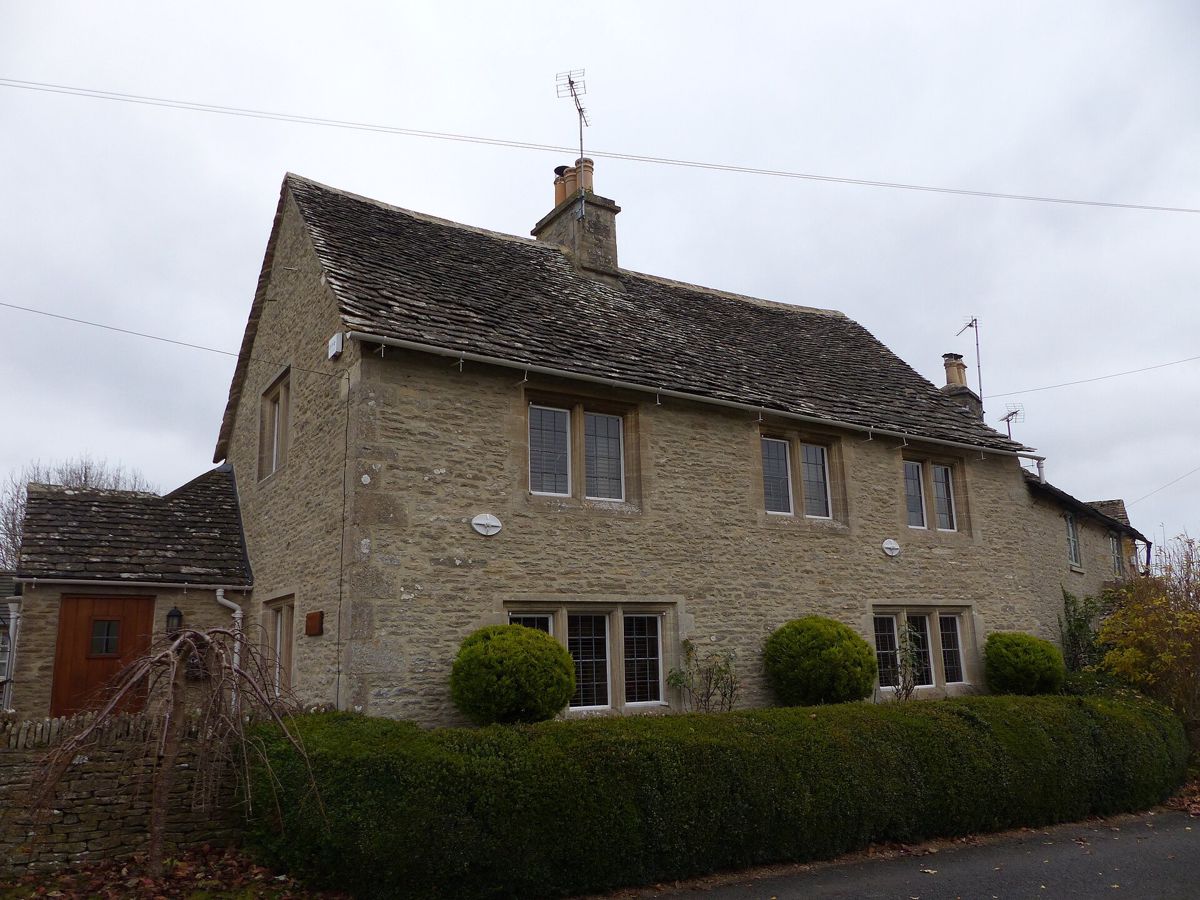
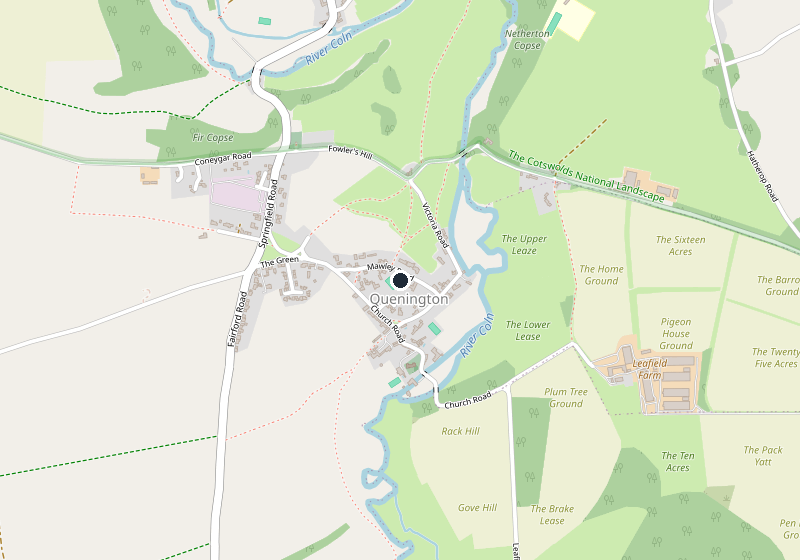
Quenington stands on the east bank of the River Coln 3 miles (5km) below Bibury, facing Coln St Aldwyns across a bridge that the two villages have shared since at least 1559. It has a green with a telephone box full of books, a church at the bottom of Church Road with two carved Norman doorways, and a pub with four rooms. About 600 people live here, and over half the village is a conservation area.
What to see
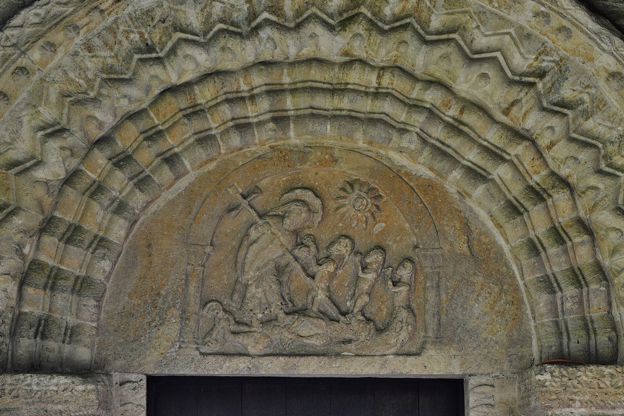
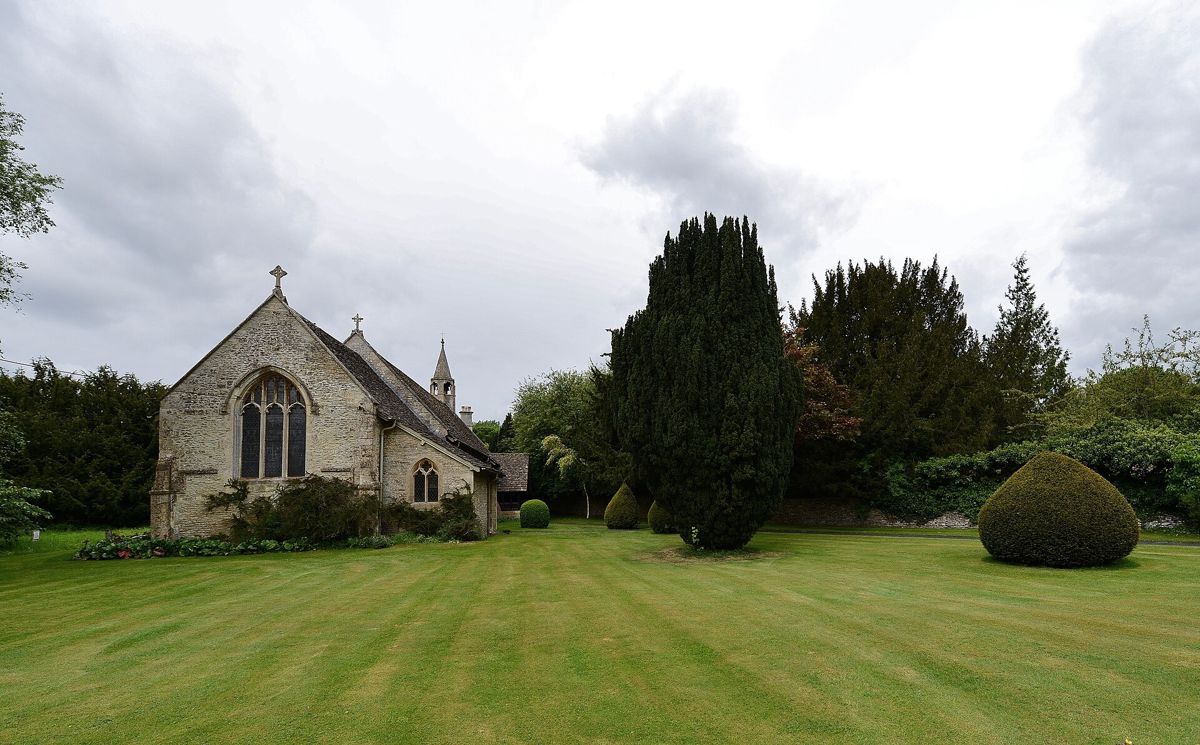
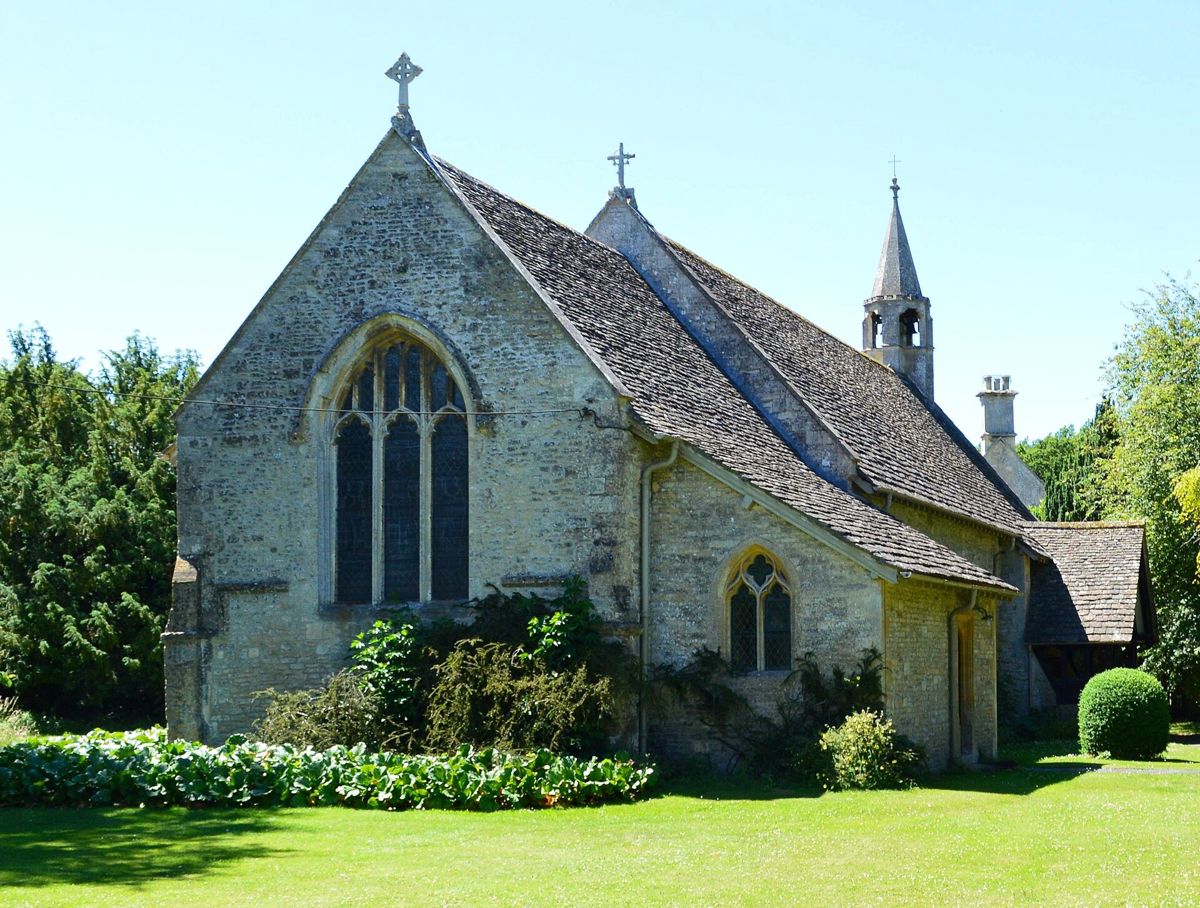
St Swithin's was recorded in 1100, and its two Norman doorways were carved in the twelfth century. Over the north door Christ stands over the fallen Satan, freeing the dead; over the south is a crowning scene framed by the symbols of the Evangelists, read as the Coronation of the Virgin and, by Historic England's listing, possibly the earliest representation of it. The rest of the church was heavily restored in 1882, when the west tower came down and a bellcote went up, so the doorways are the thing. It is listed Grade I.
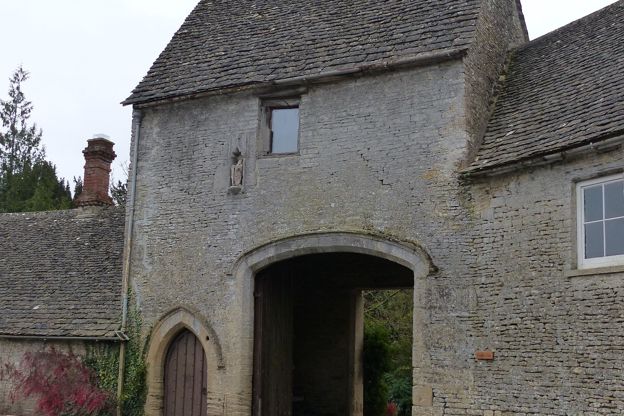
At the end of Church Road, beside the church, is the Knights Hospitallers' Gateway, the fourteenth-century gatehouse of the preceptory the order founded here in about 1193 and kept until the order was suppressed in England in 1540. Edward I stayed often between 1276 and 1290. The gatehouse is Grade I, on private land and seen from the road; our story of the Templars and Hospitallers in the Cotswolds explains what a preceptory was.
Quenington was also, for 34 years, the home of Fresh Air (opens in a new tab), the sculpture show that Lucy Abel Smith and her late husband David launched in 1992 in the garden of the Old Rectory and held every other summer. The trustees decided in 2024 that the seventeenth show, in 2026, would be the last, and it was; the Quenington Sculpture Trust now funds bursaries instead. If you came for Fresh Air in the past, come for the river now.
A morning in Quenington
Start on the green, pick a book from the telephone box by the Keepers Arms, and walk down Church Road to the church, 300m or so. Give the two doorways ten minutes each, look at the gatehouse from the road, then take the lane down to the river and over the bridge into Coln St Aldwyns, five minutes away, for coffee at Coln Stores and a look at St John the Baptist's, where the Kebles, father and son, were vicar and curate. Back over the bridge for lunch at the Keepers Arms, if it is serving that day: when we checked, lunch was at weekends, and on Thursdays and Fridays in summer.
Walks
Quenington to Fairford starts at the Keepers Arms: 5.75 miles (9.25km) down the valley through a permitted wood to Mill Bridge and the painted glass of Fairford church, and back, in two and a half to three hours with several stiles. The permitted path is closed on Tuesdays. Upstream, Coln St Aldwyns and Bibury starts over the bridge and follows the river to Arlington Row and back over the wold, 6.5 miles (10.6km). The parish council's own River Walks leaflet, three short routes from the village, is in the telephone box and at Coln Stores.
The Cotswolds Info newsletter
Events, new places and the best of the season, about once a month. Unsubscribe at any time.
Food and drink
The Keepers Arms on Church Road is a family-run free house with independent ales, four adults-only bed and breakfast rooms upstairs and dogs welcome; it was one of two beerhouses here by 1891, and the other, the Earl Grey, has gone. It is closed on Mondays and Tuesdays, and its site lists Wednesdays as closed too outside summer, so ring 01285 750349 before you plan a meal. Across the river, the New Inn at Coln St Aldwyns serves food every day, and Coln Stores, owned by local shareholders, is the shop, café and post office for both villages. Quenington has no shop of its own; a fish and chip van calls on alternate Tuesday evenings.
When to come
Spring for the meadows and a dry path to Fairford; Thursday to Sunday if you want the pub. In summer there are car boot sales on the green on a Sunday morning once a month. Quenington is never crowded, and with Coln St Aldwyns it is the first place we send anyone who has seen Bibury at midday on a Saturday: see our guide to the Cotswolds without the crowds. Park with care; the lanes are narrow and the verges are people's.
Last verified 27 October 2026 by our editors
Part of
Cirencester and the Coln Valley
Cirencester, the Roman town of Corinium, and the River Coln running past Bibury, Coln St Aldwyns and Fairford to meet the Thames by Lechlade.
Things to do in Quenington
Family days out · Bibury
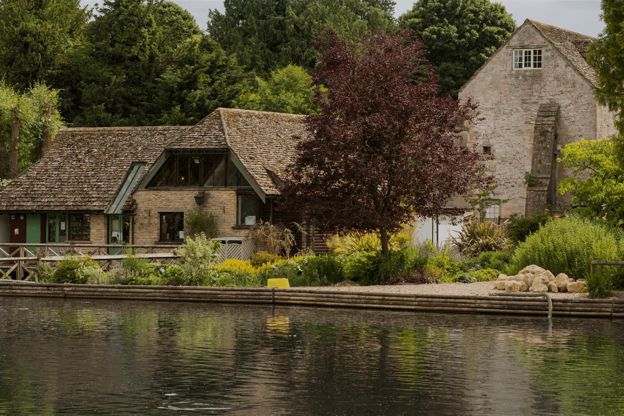
Bibury Trout Farm
A working trout farm on the River Coln at Bibury, founded in 1902, with a café, a shop, catch-your-own fishing and its own pay car park.
-
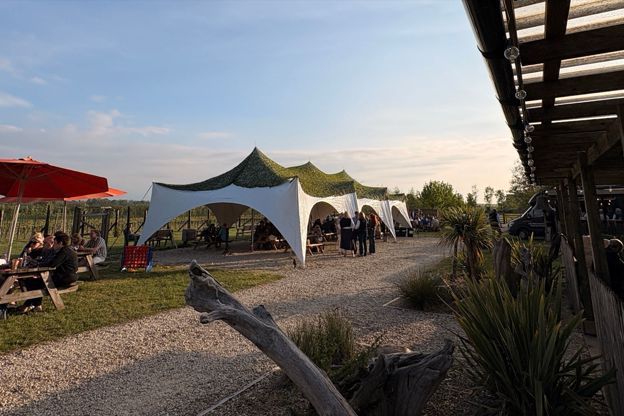
Poulton Hill Estate
Tours and experiences · Ampney Crucis
A small family vineyard at Poulton, between Cirencester and Fairford, planted in 2010, with summer vineyard tours, winter tastings and a cellar door shop.
Verified Nov 2026
-
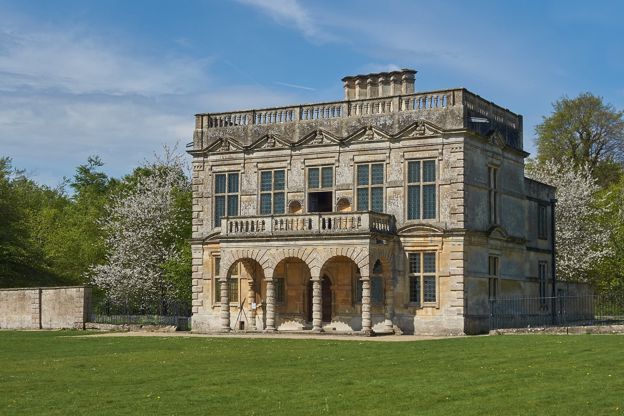
Lodge Park and Sherborne Estate
Historic houses and heritage · Northleach
John 'Crump' Dutton's seventeenth-century grandstand for deer coursing near Northleach, which the National Trust calls the only one left in England, open on a few days a year, with the Sherborne estate's walks and water meadows open daily.
Dog-friendly · Walker-friendly
Verified Oct 2026
-
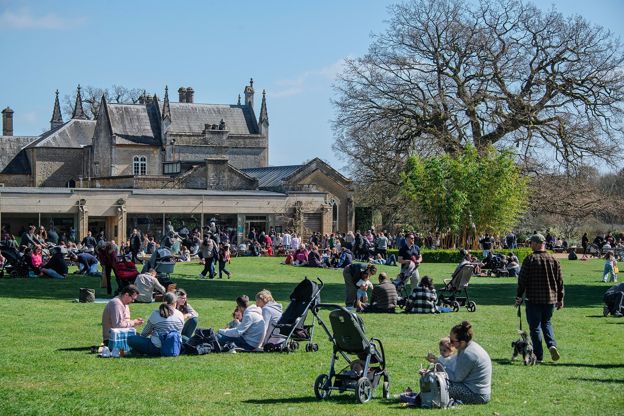
Cotswold Wildlife Park and Gardens
Wildlife and nature · Burford
A wildlife park and gardens near Burford with animals from around the world, a narrow-gauge railway, free parking and room for dogs on leads in most of it.
Family-friendly · Dog-friendly
Verified Oct 2026
Where to stay in Quenington
-
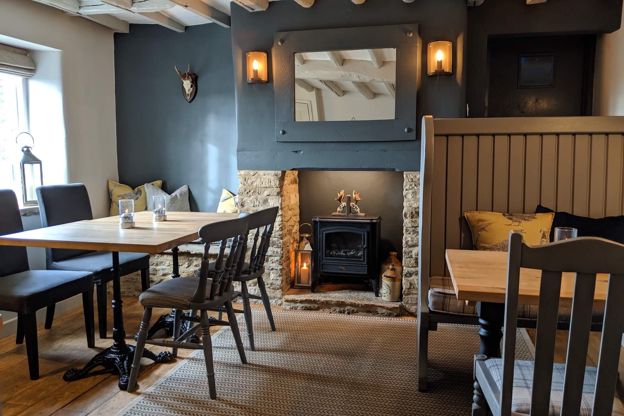
The Keepers Arms
Inn · Coln St Aldwyns
A family-run free house in Quenington with four adults-only bed and breakfast rooms above the pub, independent real ales and dogs welcome.
Dog-friendly
Verified Nov 2026
Where to eat and drink in Quenington
-
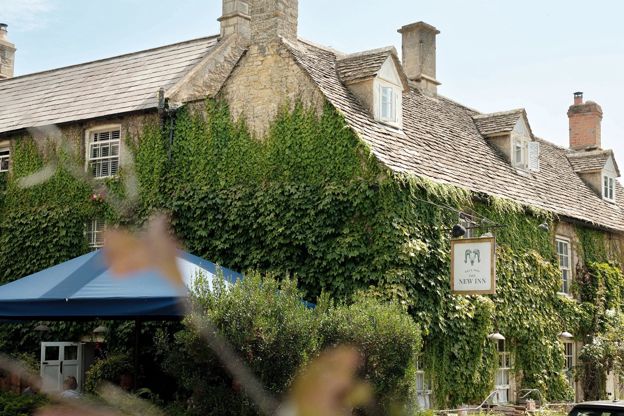
The New Inn
Inn · Coln St Aldwyns
A 16th-century coaching inn with rooms in Coln St Aldwyns, reopened in 2020 by Baz and Fred, with a Garden Suite and food every day.
Verified Nov 2026
-
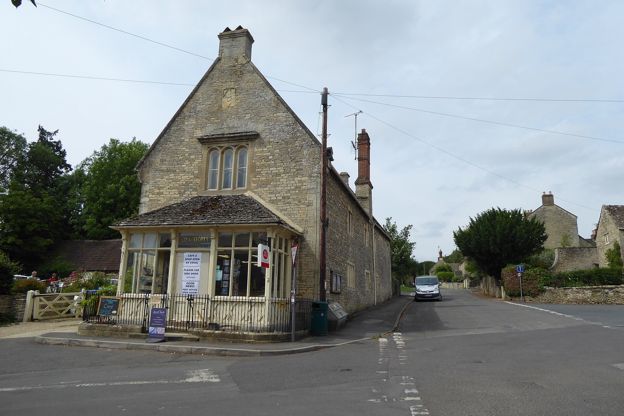
Coln Community Stores
Cafes and tearooms · Coln St Aldwyns
The village shop, café and post office on Main Street, Coln St Aldwyns, owned by local residents and the Countryside Alliance's best shop in the south west for 2026.
Walker-friendly
Verified Oct 2026
-
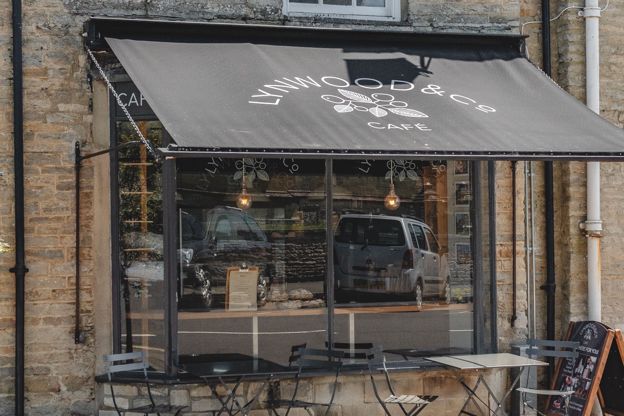
Lynwood & Co, Fairford
Cafes and tearooms · Fairford
An Australian-style café at 2 High Street, Fairford, a few minutes from St Mary's and its medieval glass, open from 8am every day for breakfast, coffee and lunch.
Verified Nov 2026
Walks in and around Quenington
-
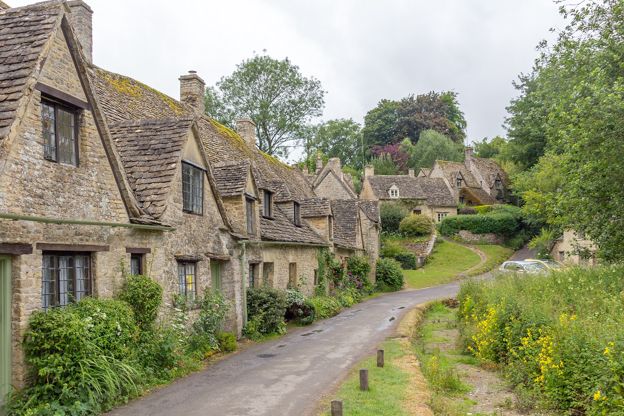
Bibury and Ablington
Walk · Starts in Bibury · 1 hr, 45 mins · Circular
A 5-mile (8.2km) circular walk from Arlington Row in Bibury, an hour and a half to two hours of moderate walking with a few stiles. It goes up Packhorse Lane and the Salt Way over open wold, down to Ablington and its Elizabethan manor, and back beside the River Coln.
-
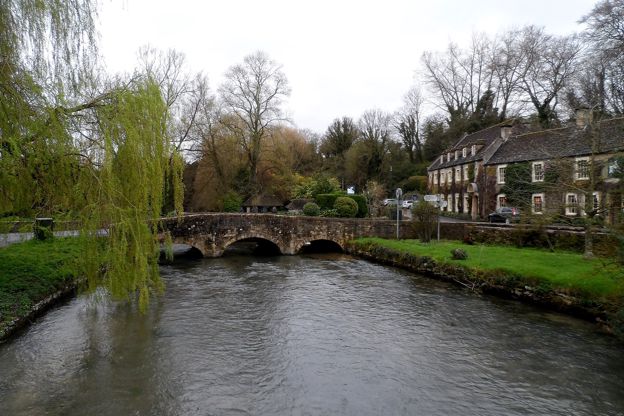
Bibury and the River Coln
Walk · Starts in Bibury · 2 hrs · Circular
A 4-mile (6.5km) circular walk from the bridge by the Swan in Bibury, about two hours with one climb and a muddy stretch. It crosses the Coln below Bibury Court, climbs through Oxhill Wood to the line of Akeman Street, passes a dewpond and returns by Arlington Row.
Sights in and around Quenington
-
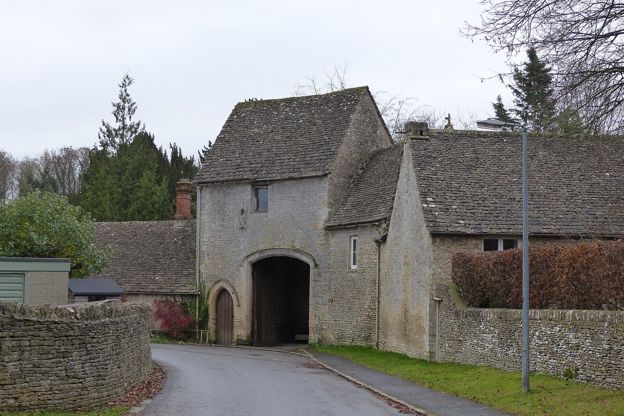
Knights Hospitallers' Gateway, Quenington
Sight · Historic building · Cirencester and the Coln Valley
The fourteenth-century gatehouse of the preceptory the Knights Hospitallers founded at Quenington in about 1193, partly rebuilt in the early sixteenth century, beside St Swithin's church. Grade I; on private land, seen from Church Road.
-
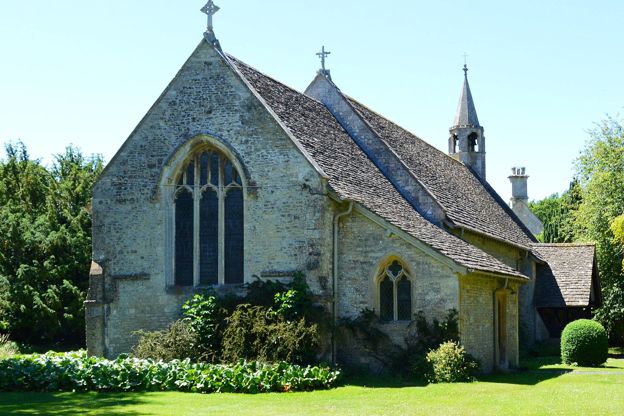
St Swithin's Church, Quenington
Sight · Church · Cirencester and the Coln Valley
Quenington's Norman parish church in the Coln valley, recorded by 1100, with two richly carved Norman doorways: the Harrowing of Hell over the north door and, over the south, what may be the earliest carving of the Coronation of the Virgin. Grade I.
-
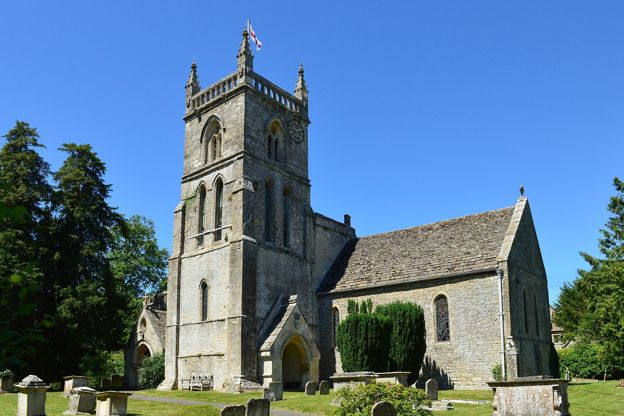
St John the Baptist, Coln St Aldwyns
Sight · Church · Coln St Aldwyns
Coln St Aldwyns' parish church: a late Norman doorway of chevrons, a demon carved over a blocked window, a two-tier chandelier of about 1767, and windows remembering the two John Kebles, father and son, who served here. Grade II*.
Getting to Quenington
- By bus
- Stagecoach West's 76 (Cirencester to Highworth, by Fairford) stops at the Green and Coneygar Road a few times a day, Monday to Saturday only. The 855 does not serve the village.
- By train
- Kemble is the nearest station, 16 miles; take the 882 bus (Monday to Saturday) or a taxi to Cirencester for the 76, or a taxi all the way.
- By car
- Off the A417 at Fairford or the B4425 at Bibury, by lanes. There is no car park; park on Church Road or by the green without blocking gateways.
Access
Church Road is level from the green to the church; the churchyard path is gravel
| Coln St Aldwyns | 1.6 mi |
|---|---|
| Fairford | 2.8 mi |
| Bibury | 3.4 mi |
| Lechlade | 6.8 mi |
| Cirencester | 11.2 mi |
| Kemble station | 16.2 mi |
Places near Quenington
-
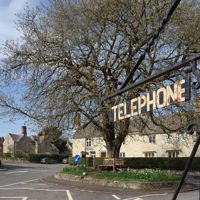 Coln St AldwynsTwo villages facing each other across the River Coln a few miles below Bibury, with a Norman church, a Knights Hospitaller gateway and a pub, and few visitors.
-
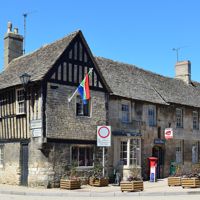 FairfordA small town on the River Coln with the only complete set of late medieval glass in an English parish church, and the home of the Royal International Air Tattoo.
-
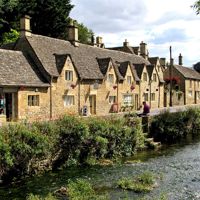 BiburyA village on the River Coln with a row of medieval cottages that draws up to 20,000 visitors on a peak weekend, by press estimates. Come early or late, and walk on down the river.
-
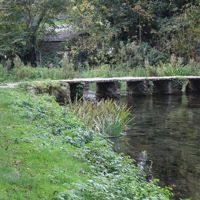 Eastleach and SouthropTwo villages on the River Leach east of the Coln: Eastleach, where two Norman churches face each other across a clapper bridge, and Southrop, a mile and a half downstream, with the Swan and Thyme. Daffodils in spring, hardly a visitor in any season.