Matt Seymour on Unsplash
Cirencester
The Roman town of Corinium and the market town of the southern Cotswolds, with a museum of its mosaics, a great wool church, an amphitheatre and Earl Bathurst's park.
- Nearest station
- Kemble, about 4 miles, on the line from London Paddington; then the 882 bus, Monday to Saturday
- Parking
- Council car parks take card, phone or app only, no cash: 1 hour £2, 10 hours £10 at most; Queen Street and Trinity Road are free
- Best time
- A Monday or Friday morning for the Charter Market
- Toilets
- Forum car park, 50p, 8am to 7pm in summer and 8am to 6pm in winter, with an accessible toilet (RADAR key) and baby change
- Dogs
- On leads at the amphitheatre; in Cirencester Park some areas allow dogs off the lead and some do not
About Cirencester
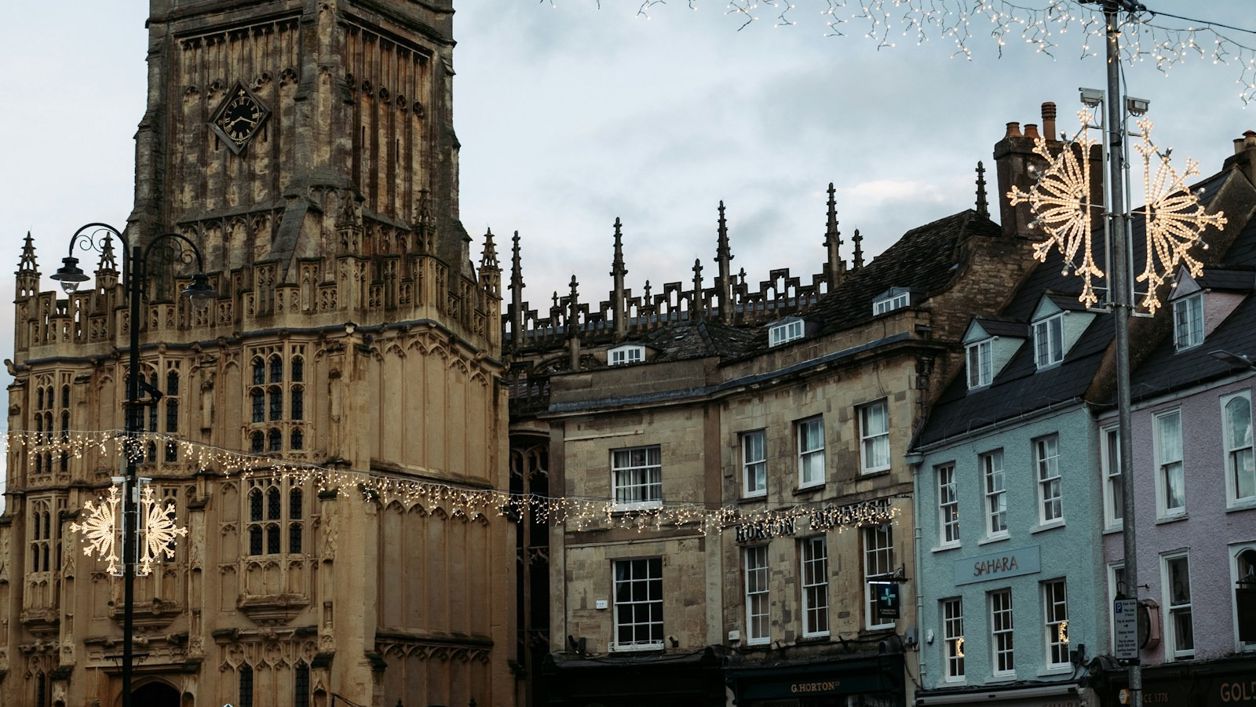
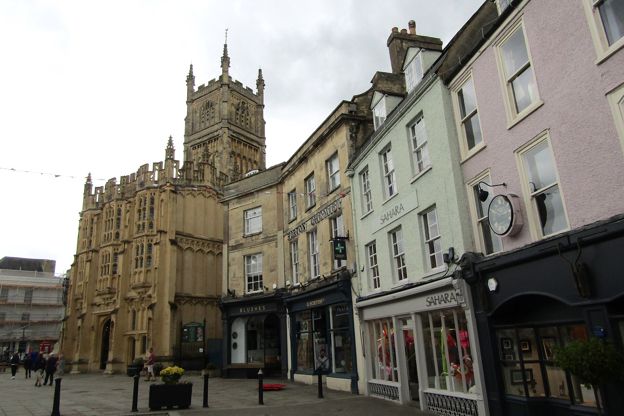
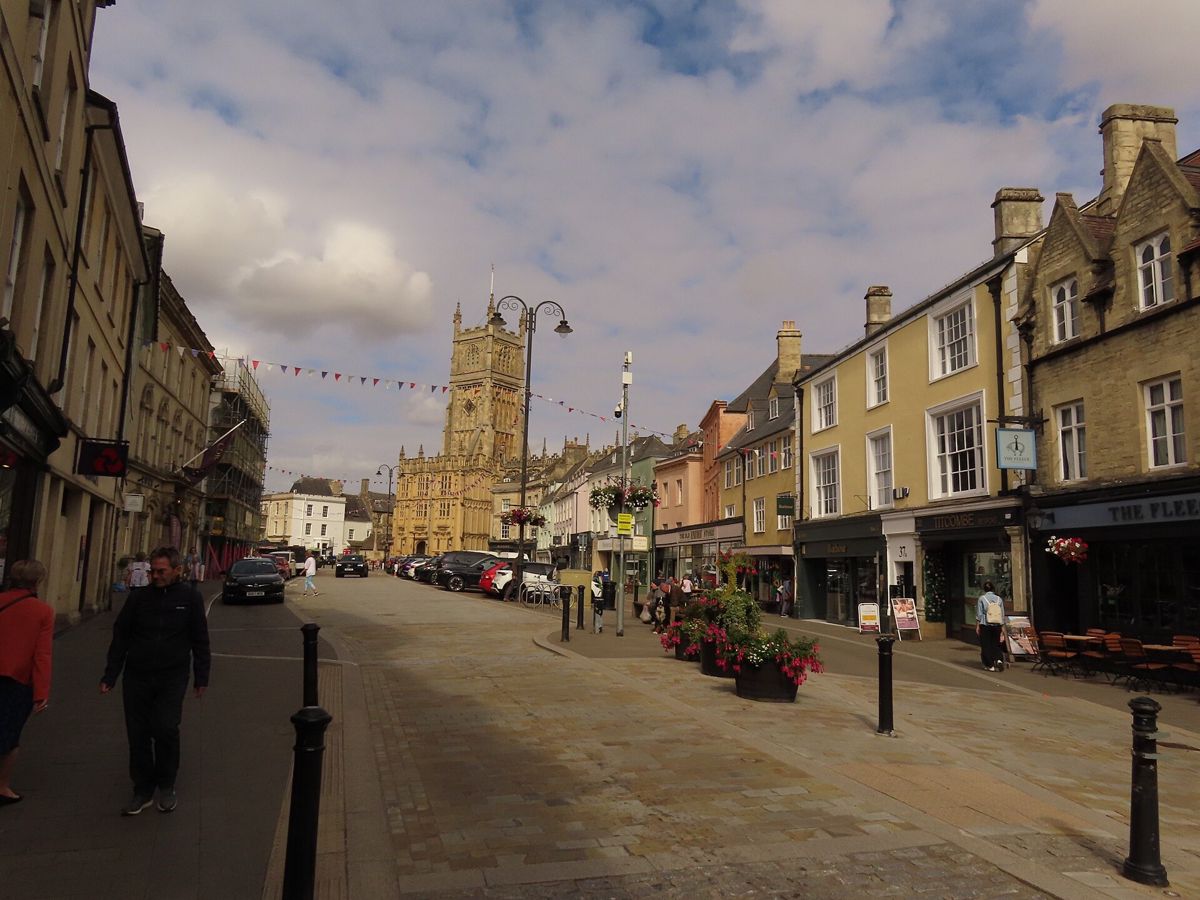
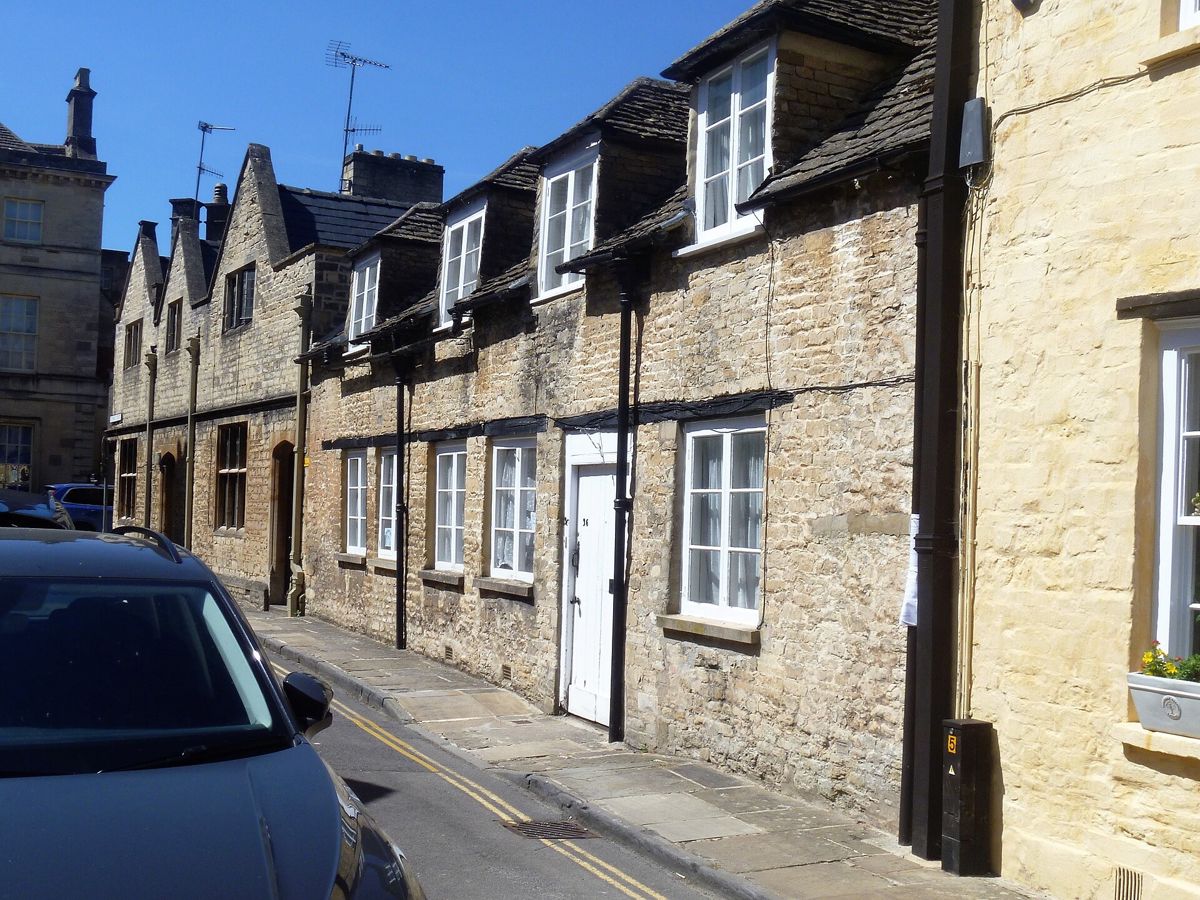
Cirencester is a market town of about 20,000 people, and it has been a town for almost two thousand years. As Corinium it was one of the great towns of Roman Britain. In the Middle Ages its abbey and its wool merchants made it rich, and their church still dominates the Market Place. It is a working market town, with markets twice a week, a Roman museum and a Grade I landscaped park.
Corinium and the museum
The Romans built a fort here around AD 43 or 44, where their roads met, and the town of Corinium grew up beside it. Its walls ran for more than two miles and enclosed 240 acres, the second largest walled area in Roman Britain after London; a stretch survives in the Abbey Grounds. Our guide to the Roman Cotswolds goes on to Chedworth and the Fosse Way.
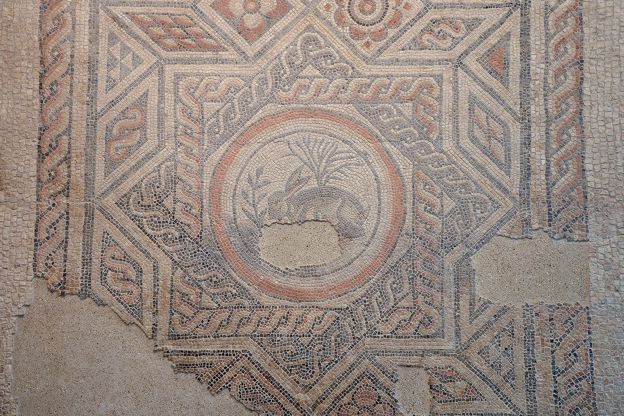
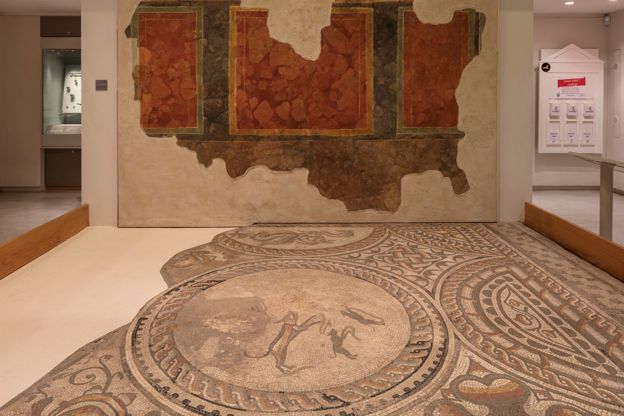
The Corinium Museum holds what the town left behind, including its Roman mosaics: more than 90 are known from the town and the country round it, the largest concentration outside London. It also covers the Anglo-Saxons and the Middle Ages. It opens every day from 10am to 4pm; in 2026 an adult ticket was £8.70 and a family ticket £23.10. Allow at least an hour. The town's visitor information centre is at the museum. It is the morning stop on the last day of three days in the Cotswolds, after Bibury.
The amphitheatre
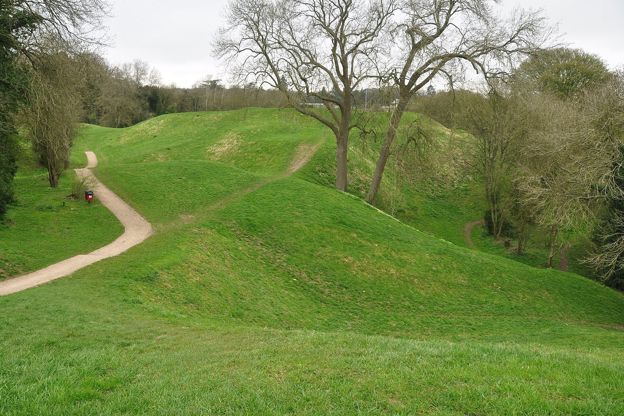
On the edge of the town, off Cotswold Avenue, are the grassy banks of the Roman amphitheatre, built early in the second century AD to hold about 8,000 people. English Heritage looks after it with the town council. It is free and open in daylight, with a free car park at the end of Cotswold Avenue. The ground is uneven and there are steps at the entrance, so it is not suitable for wheelchairs. Dogs on leads are welcome.
St John the Baptist
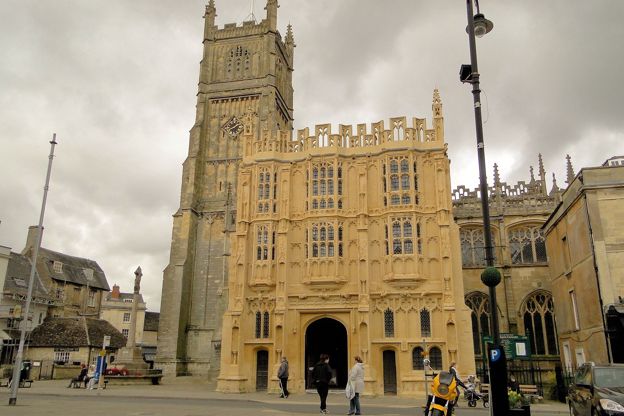
The parish church is listed Grade I. Its chancel dates from about 1115, its west tower from the early fifteenth century, and its nave was rebuilt between 1515 and 1530; St Catherine's Chapel has a fan vault dated 1508. The great porch facing the Market Place was enlarged around 1490 to 1500 with money left by the townspeople, and after the abbey was dissolved it served as the town hall.
The Cotswolds Info newsletter
Events, new places and the best of the season, about once a month. Unsubscribe at any time.
The abbey and Cirencester Park
St Mary's Abbey was founded in 1117 and covered much of the north-east of the town until it was dissolved in 1539. Only a gatehouse, the Spyringate, survives, and a stretch of the Roman wall can be seen in the Abbey Grounds.
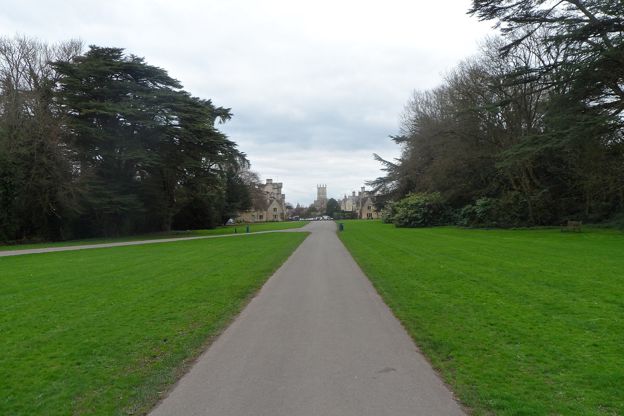
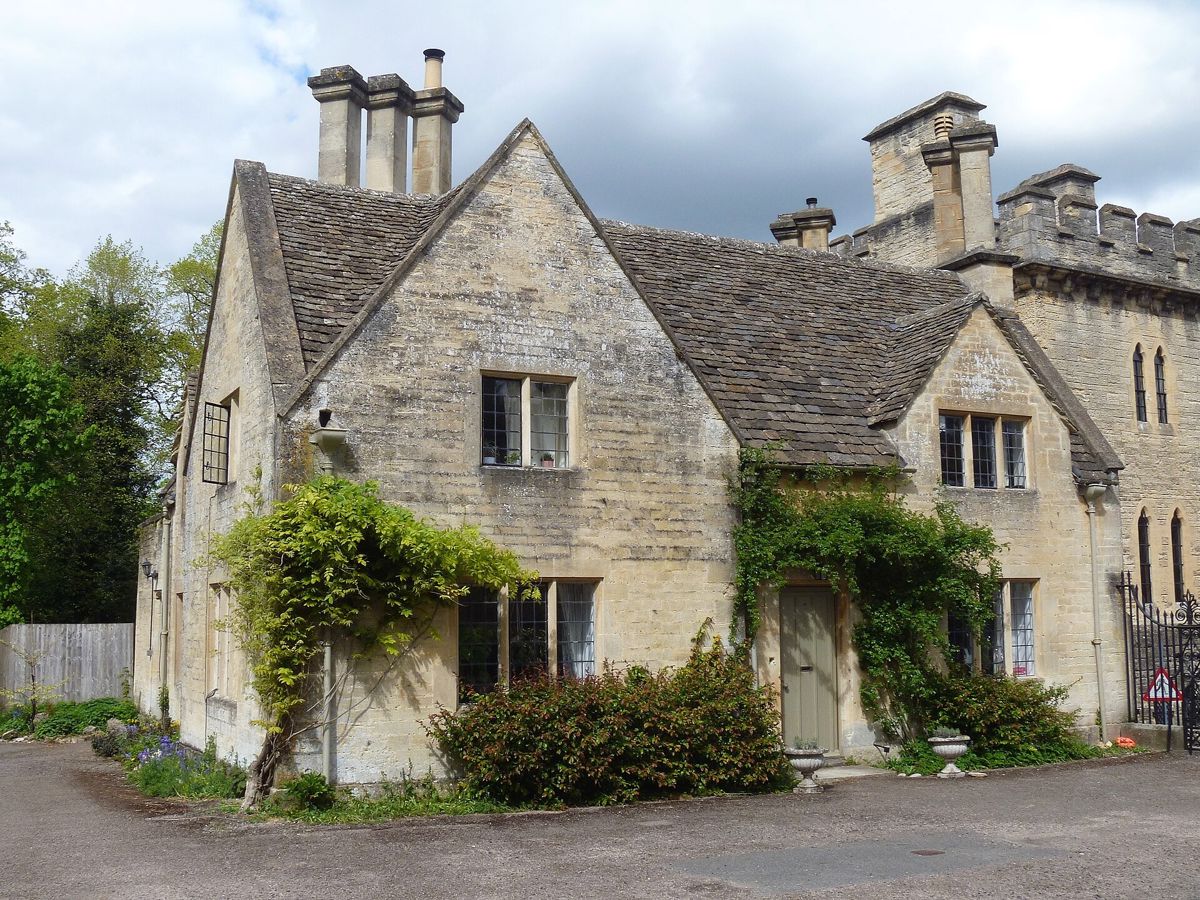
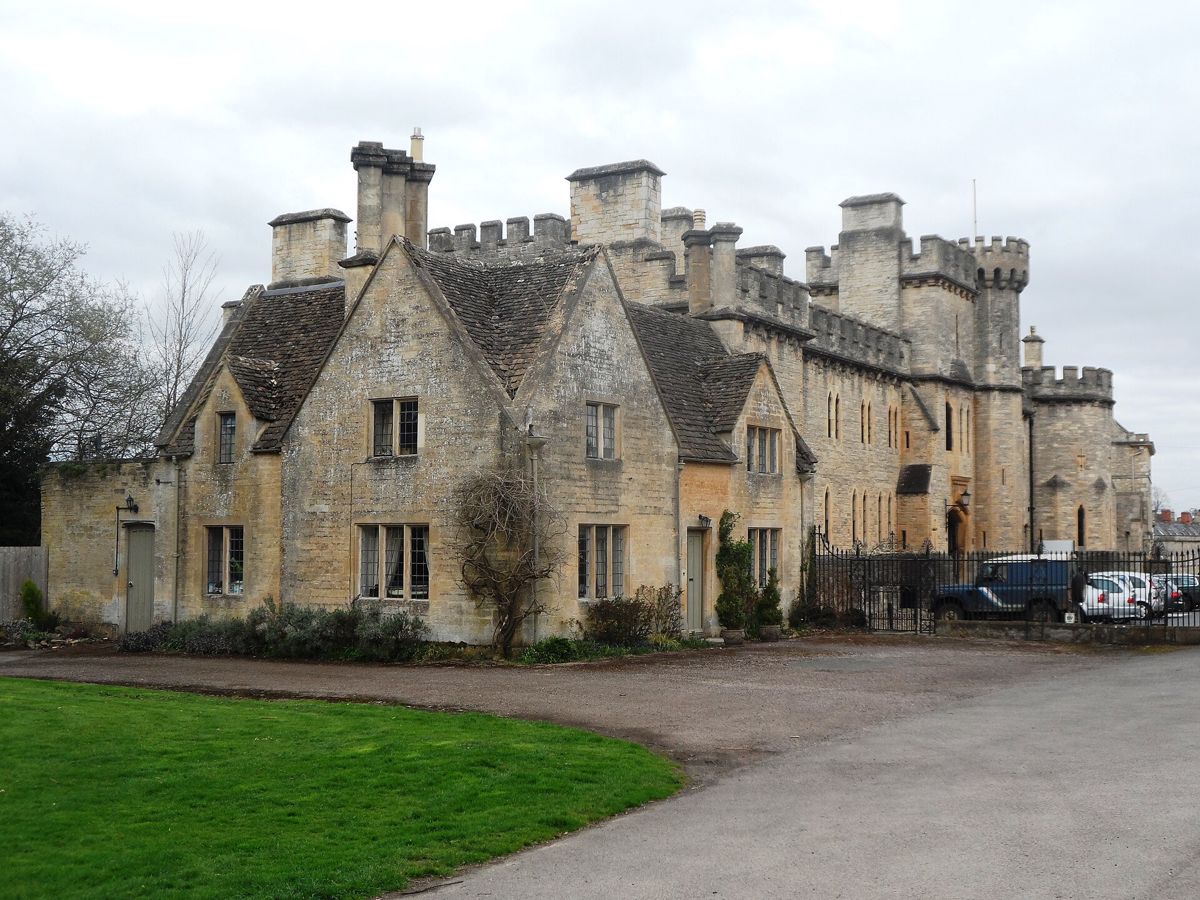
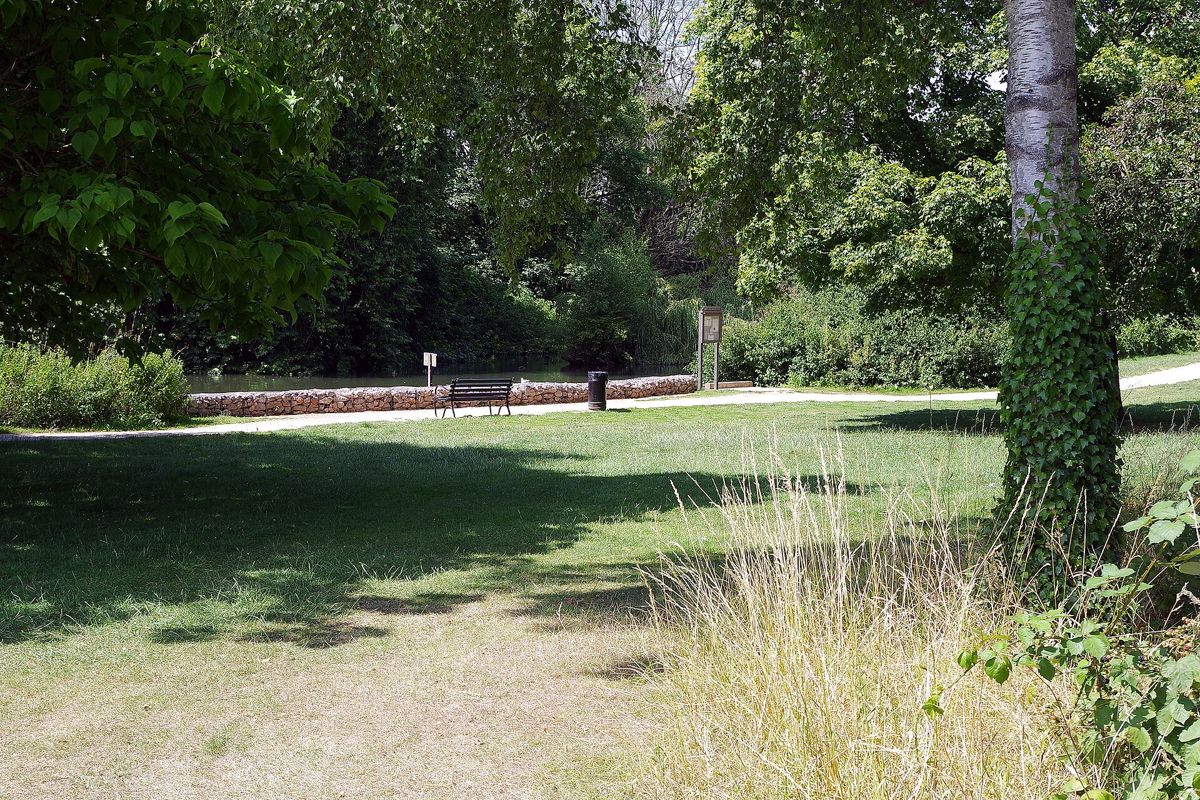
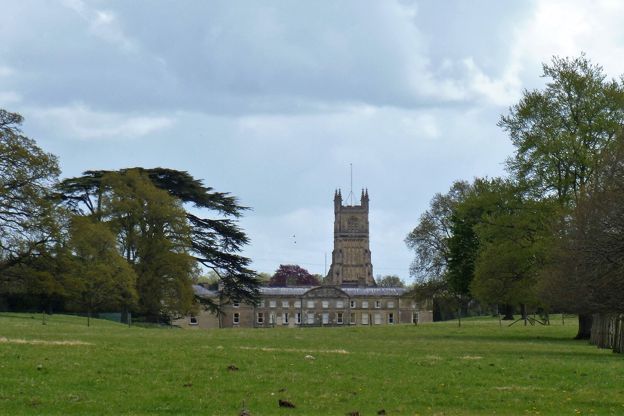
West of the church is Cirencester Park, laid out from the 1710s by the first Earl Bathurst with guidance from the poet Alexander Pope. Its Broad Avenue runs about six miles to Sapperton, and in the woods is Alfred's Hall of 1721, a sham Gothic ruin the estate believes the earliest of its style in England; it is closed to visitors while it is stabilised. The house is private. To walk in the park you need a pass: in 2026 a day pass was £4 for an adult, £2 for a child and £10 for a family, with entry from 10am (last entry 4.30pm) to 5pm. Polo is played here at summer weekends, with finals on Sunday afternoons.
Markets and shopping
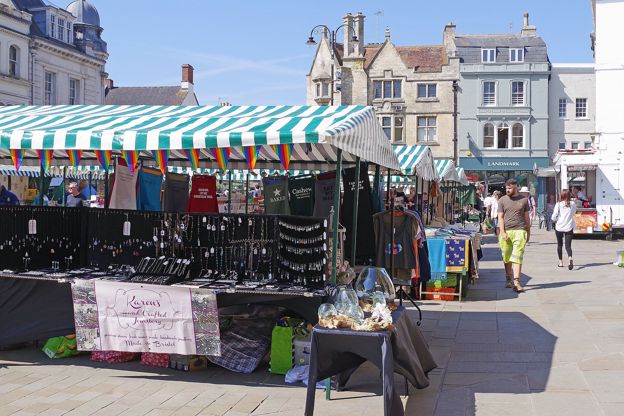
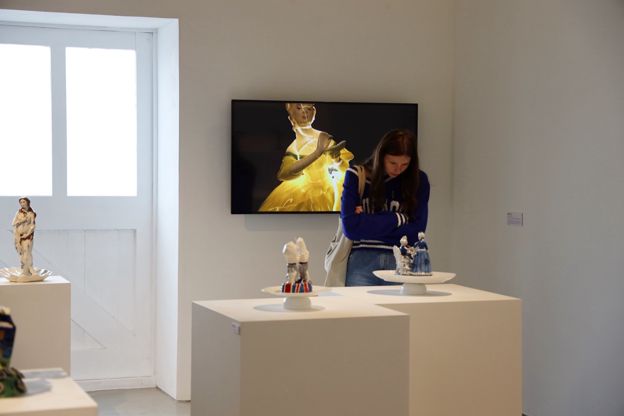
The Charter Market fills the Market Place every Monday and Friday from 9am to 3pm, and a farmers' market is held on the second and fourth Saturdays of the month. Our guide to food and drink in the Cotswolds covers the markets and farm shops round about. In the old brewery buildings, New Brewery Arts has free exhibitions of contemporary craft, a shop of British makers' work and a café.
When to come
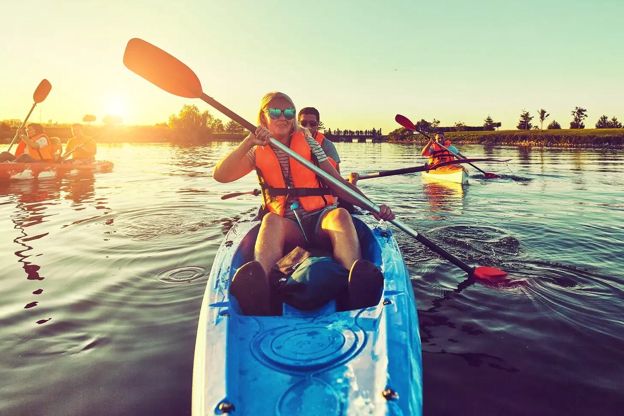
Any time of year: most of what Cirencester offers is indoors or open all year. Come on a Monday or Friday for the market, and on a summer weekend for polo in the park. For a bed, see where to stay in Cirencester. On the first weekend of July the Cotswold Show fills Cirencester Park with arena displays, animals and a food festival (3 and 4 July in 2027). For a summer day on the water, ROX has paddleboarding, kayaking, sailing and open-water swimming on a lake in the Cotswold Lakes. The Cotswolds in January covers the quietest month of the year.
Last verified 1 November 2026 by our editors
Part of
Cirencester and the Coln Valley
Cirencester, the Roman town of Corinium, and the River Coln running past Bibury, Coln St Aldwyns and Fairford to meet the Thames by Lechlade.
Things to do in Cirencester
Museums and galleries · Cirencester
Corinium Museum
Cirencester's museum of Roman Corinium, with the Hare, Four Seasons and Orpheus mosaics, Anglo-Saxon grave goods and medieval sculpture.
-
Cirencester Roman Amphitheatre
Historic houses and heritage · Cirencester
The grassy banks of a Roman amphitheatre built early in the second century to hold about 8,000 people, free to visit in daylight on the edge of Cirencester.
Dog-friendly · Car-free
Verified Oct 2026
-
New Brewery Arts
Museums and galleries · Cirencester
A craft centre in Cirencester's old brewery buildings, with free exhibitions of contemporary craft, a shop of British makers' work, makers' studios, the Blend café and over 100 weekly courses and workshops.
Rainy days · Dog-friendly · Car-free
Verified Oct 2026
-
ROX, South Cerney Outdoor
Sport and activity · Cirencester
The Real Outdoor Xperience, formerly South Cerney Outdoor: a 47-acre lake in the Cotswold Lakes with paddleboarding, kayaking, sailing, open-water swimming and high ropes.
Family-friendly
Verified Nov 2026
Where to stay in Cirencester
-
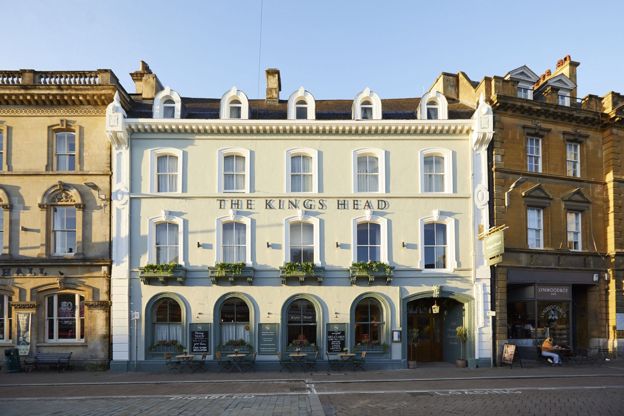
The King's Head
Hotel · Cirencester
A former coaching inn on Cirencester's Market Place with 63 bedrooms, one of Brakspear's Honeycomb Houses, open from 7am daily, with dog-friendly dining.
Dog-friendly
Verified Nov 2026
-
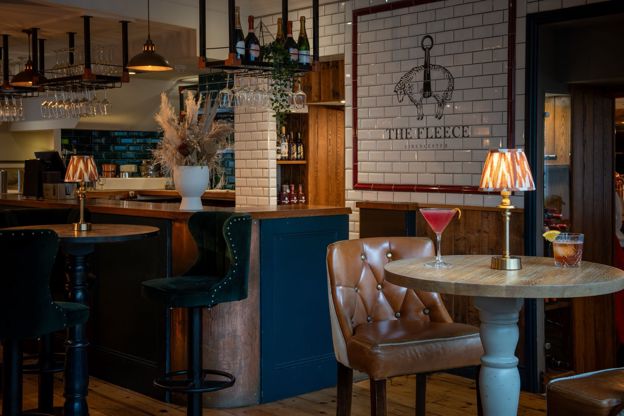
The Fleece
Inn · Cirencester
An inn with rooms on Cirencester's Market Place, run by Thwaites, with stays from £125 a room and dogs welcome in the bar.
Verified Oct 2026
-
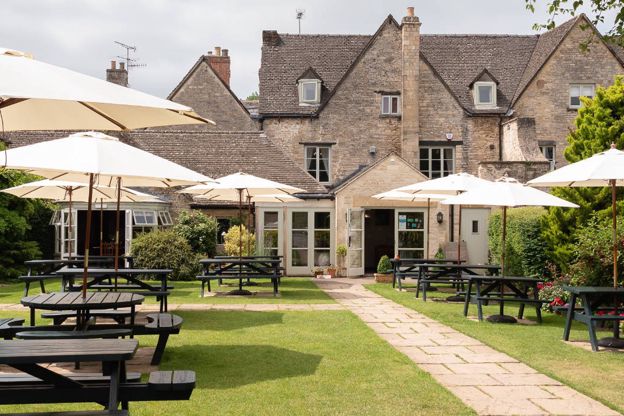
The Corinium Hotel
Hotel · Cirencester
A family-run hotel in a listed old house on Gloucester Street, Cirencester, with 15 rooms, a walled garden, free parking and dogs in every room.
Dog-friendly · Wedding venues
Verified Oct 2026
-
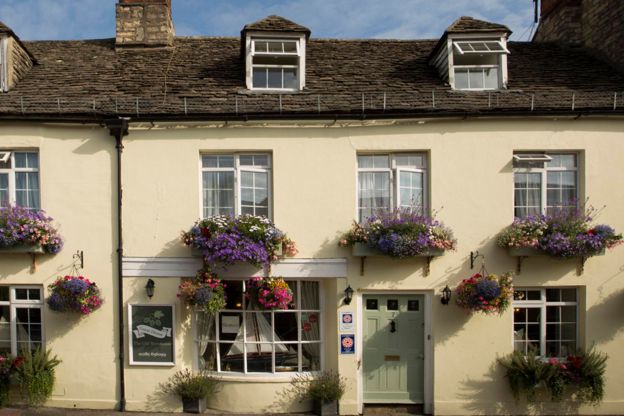
The Old Brewhouse
B&B · Cirencester
A bed and breakfast in a 17th-century town house on London Road, Cirencester, with ten rooms in the house and round a courtyard, free parking and a VisitEngland four-star rating.
Verified Oct 2026
-
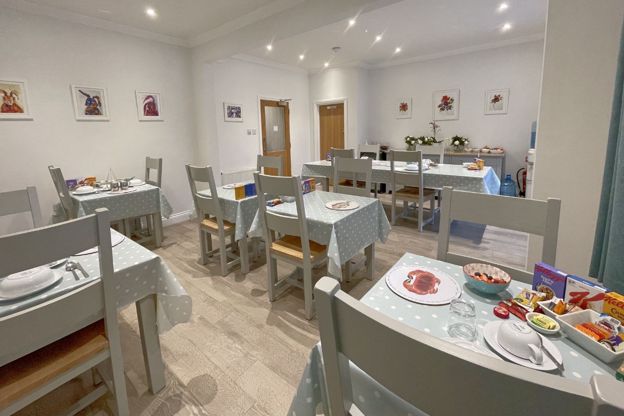
Cotswold Hare
B&B · Cirencester
A bed and breakfast with seven en suite rooms on Victoria Road, Cirencester, with a parking space for every room, for adults and children over ten.
Verified Nov 2026
-
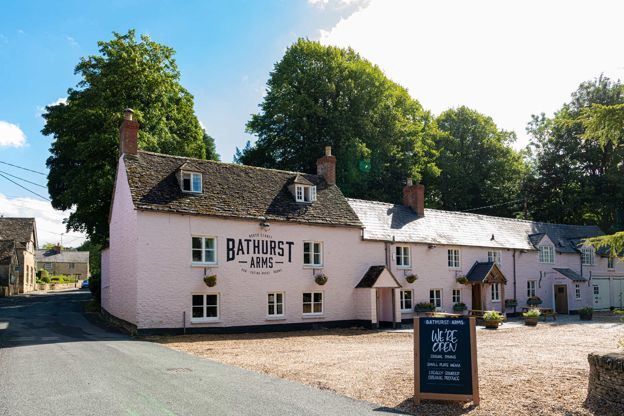
The Bathurst Arms
Inn · Cirencester
A pub with five rooms on the River Churn at North Cerney, about five miles north of Cirencester, with a beer garden, food every day and roasts on Sundays.
Verified Nov 2026
Where to eat and drink in Cirencester
-
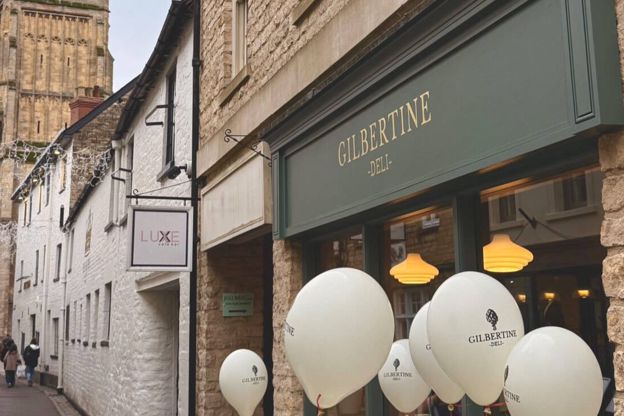
Gilbertine Deli
Farm shops and delis · Cirencester
A sandwich deli on Black Jack Street, Cirencester, from the team behind the Gilbertine Kitchen in Tetbury.
Verified Nov 2026
-
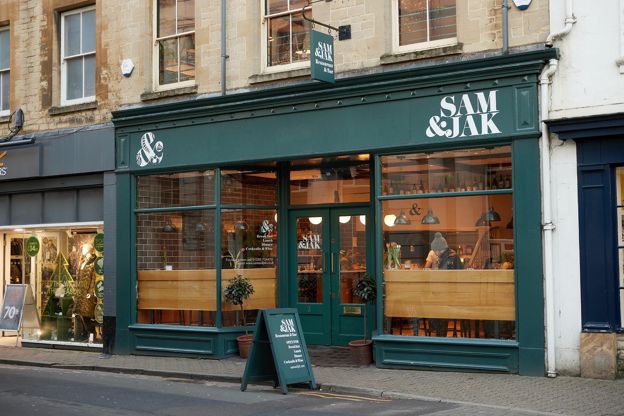
Sam & Jak
Restaurants · Cirencester
An owner-run restaurant, café and wine bar on Cricklade Street, Cirencester, open from breakfast, with dinner Wednesday to Saturday and supper clubs.
Dog-friendly · Family-friendly
Verified Oct 2026
-
Igloo
Restaurants · Cirencester
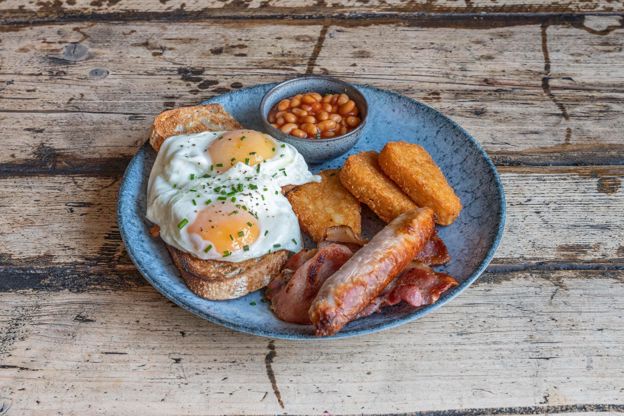
A family-run restaurant on Castle Street, Cirencester, serving breakfast, lunch and dinner, with coffee, wine and cocktails, and dogs welcome downstairs.
Dog-friendly
Verified Nov 2026
Sights in and around Cirencester
-
Cirencester Park
Sight · Common or park · Cirencester
The Bathurst family's landscape park on the western edge of Cirencester, planted from 1714 by the first Earl Bathurst with Alexander Pope: 8km of rides and woods along the Broad Ride, with Pope's Seat and Alfred's Hall. Grade I registered; a day pass is needed.
-
St John the Baptist, Cirencester
Sight · Church · Cirencester
Cirencester's great wool church on the Market Place, free to visit: a fifteenth-century tower you can climb on set Saturdays, a three-storey porch of about 1490 that served as the town hall, fan vaults, medieval glass and the Boleyn Cup. Grade I.
Stories about Cirencester
-
Cotswold food and drink: farm shops, breweries, distilleries and markets
Story · Guides · 10 minute read
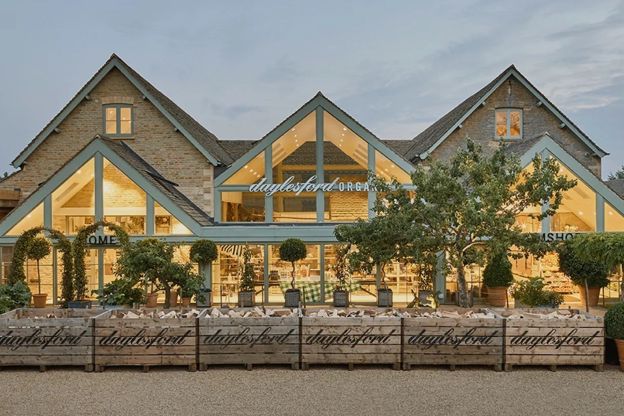
What the Cotswolds make and where to buy it: Cotswold lamb, the Gloucester cheeses, Donnington and Uley beer, whisky from Stourton, wine from Woodchester Valley, the farm shops, the markets at Stroud, Moreton and Cirencester, and the tastings worth booking.
-
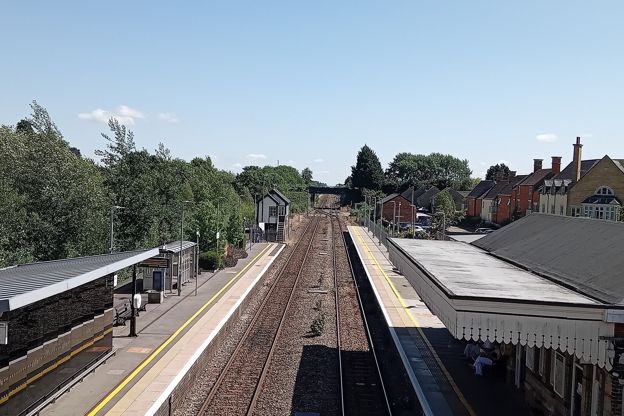
Day trips from London to the Cotswolds
Story · Guides · 10 minute read
How to do the Cotswolds as a day trip from London: by train from Paddington to Moreton-in-Marsh for Stow and Bourton, to Kingham for the Evenlode villages, to Kemble for Cirencester and Bibury or to Bath for Lacock, with worked plans, the car and parking, and tours compared.
-
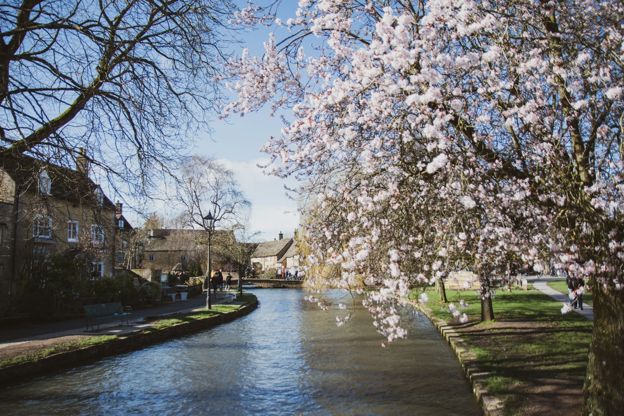
Getting to the Cotswolds without a car
Story · Guides · 12 minute read
You can see the Cotswolds without a car: trains from London Paddington reach Moreton-in-Marsh, Kingham, Charlbury, Kemble and Stroud in 70 to 90 minutes, and buses go on to Stow, Bourton, Bibury and Chipping Campden. Every station, its bus, the fares and the limits.
Getting to Cirencester
- By bus
- The 51 runs from Swindon station and Cheltenham about hourly, and every two hours on Sundays. The 882 links Kemble station and Tetbury, and the 855 Bibury and Bourton, both Monday to Saturday.
- By train
- Kemble, about 4 miles away, has direct GWR trains from London Paddington; take the 882 (Monday to Saturday, about 20 minutes) or a taxi into town.
- Parking
- Council car parks take card, phone or app only, no cash. Blue Badge holders park free for up to 10 hours in most of them (3 hours at the Brewery and Leisure Centre).
Access
The Cotswolds National Landscape's 2.5-mile Walks on Wheels route is on tarmac from Waterloo car park through the Abbey Grounds and into the park (a park pass is needed). The amphitheatre has steps at its entrance and uneven ground, and is not suitable for wheelchairs.
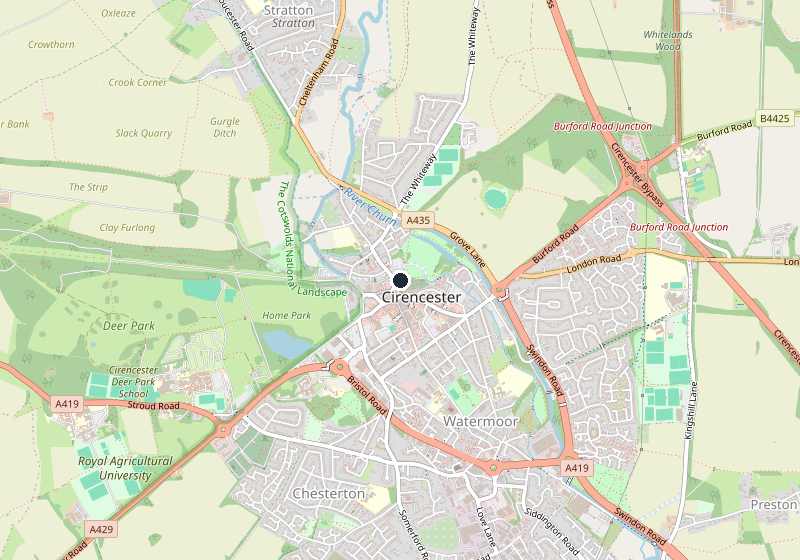
| Kemble station | 4.3 mi |
|---|---|
| Bibury | 7.5 mi |
| Cheltenham | 14.9 mi |
| Swindon station | 16.2 mi |
Places near Cirencester
-
 BiburyA village on the River Coln with a row of medieval cottages that draws up to 20,000 visitors on a peak weekend, by press estimates. Come early or late, and walk on down the river.
-
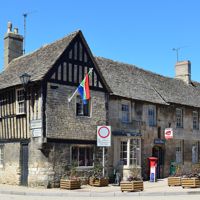 FairfordA small town on the River Coln with the only complete set of late medieval glass in an English parish church, and the home of the Royal International Air Tattoo.
-
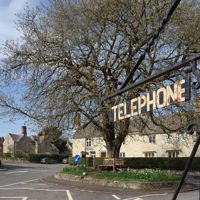 Coln St AldwynsTwo villages facing each other across the River Coln a few miles below Bibury, with a Norman church, a Knights Hospitaller gateway and a pub, and few visitors.
-
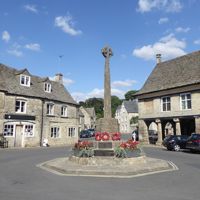 MinchinhamptonA small hilltop town above Stroud with a Market House of 1698, a church with a crown instead of a spire, and a great open common owned by the National Trust, where grazing cattle wander across the roads.