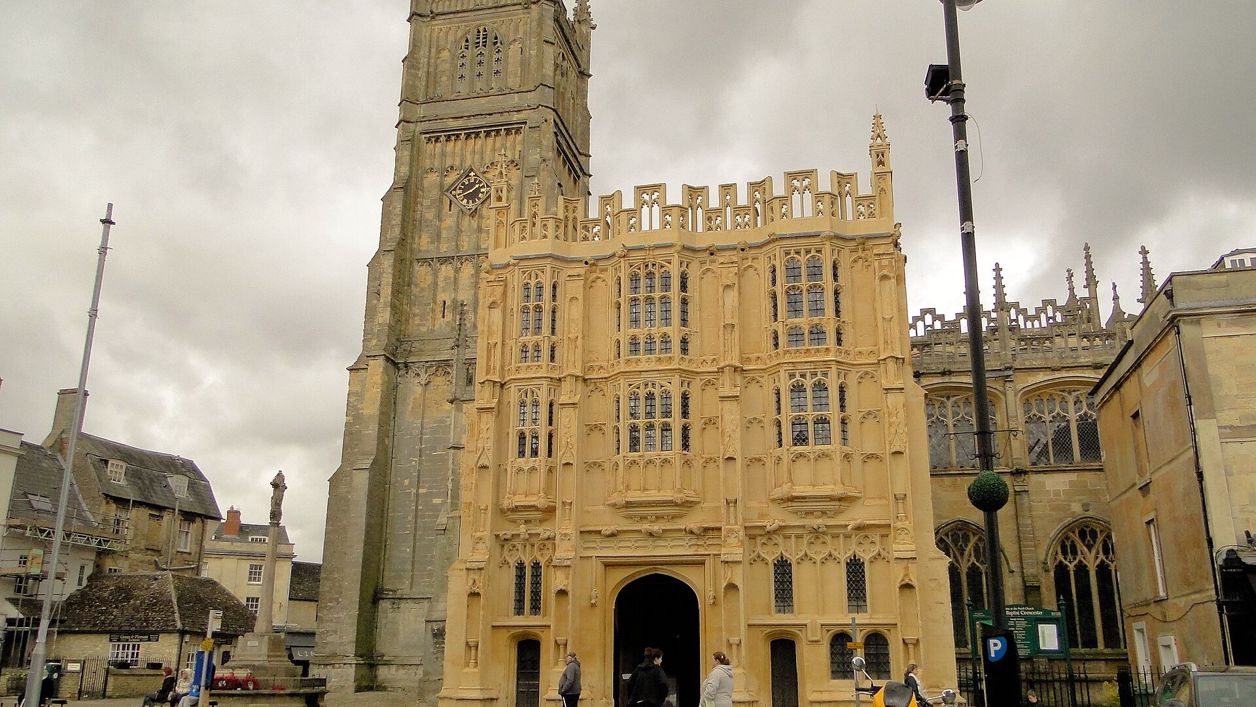
Philip Pankhurst, CC BY-SA 2.0, via Wikimedia Commons
St John the Baptist, Cirencester
Cirencester's great wool church on the Market Place, free to visit: a fifteenth-century tower you can climb on set Saturdays, a three-storey porch of about 1490 that served as the town hall, fan vaults, medieval glass and the Boleyn Cup. Grade I.
Church
CirencesterSt John the Baptist fills the north side of the Market Place in Cirencester, its three-storey porch facing the square and its tower rising behind. It is one of the greatest of the Cotswold wool churches, begun in the early twelfth century and largely rebuilt in the fifteenth and early sixteenth, and it is free to visit. It is listed Grade I.
History
St John the Baptist grew over four centuries beside a great abbey. The chancel was begun in about 1115, and the abbey of St Mary was founded beside the church two years later, covering much of the north-east of the town until it was dissolved in 1539. Cirencester traded in wool from the thirteenth century, with the abbey itself a major dealer, and the town's wool money paid for most of what you see.
Building the church
The listing traces the chancel to about 1115, enlarged in about 1180 and 1240. The west tower followed in the early fifteenth century, and a run of chapels grew around the chancel: the Trinity Chapel from 1430, and St Catherine's Chapel, whose fan vault is dated 1508. The nave was rebuilt from 1515 to 1530, tall and light, with large clerestory windows.
The porch and the town hall
The great south porch was enlarged in about 1490 to 1500 from a smaller one, and townspeople left money for it in their wills from 1453 to 1501. Tradition says the abbey built it to do its business with the town. After the abbey was dissolved, the porch became the town hall, and the parish describes it as having been an office building for the abbey before it became the church's entrance.
Restoration
Sir George Gilbert Scott restored the church from 1865 to 1867, taking out the eighteenth-century galleries and box pews.
What to look for
Outside, stand back on the Market Place to see the porch: three storeys of traceried panels, with canted oriel windows on the upper floors, and a fan vault inside. Then look up at the tower, of the early fifteenth century. Inside, look for:
- The Boleyn Cup, a gilt silver cup in a recess at the east end of the south aisle. The parish says Anne Boleyn gave it to Dr Richard Masters, who had cared for her daughter, the future Elizabeth I, and that he gave it to the church in 1561
- The tulip-shaped pulpit of the fifteenth century
- The fourteenth-century octagonal font, found in the abbey grounds and brought back into the church in the nineteenth century
- The fan vault of St Catherine's Chapel, dated 1508
- The Trinity Chapel of 1430, the Lady Chapel and the Chapel of St John the Baptist round the chancel
- Medieval and Victorian stained glass, and a fifteenth-century cope
- The nave's six four-light clerestory windows on each side, under openwork parapets with crocketed finials
The tower is open to climb on selected Saturdays, with stewards on hand; you can visit the bell chamber and see the town from the top.
Visiting
St John the Baptist is open throughout the year, Monday to Saturday from 10am to 5pm and on Sundays from 11.30am to 4pm, and free to enter, with donations welcome; allow for services, especially on Sunday mornings. Free guided tours, about six a week, run at 10.30am or 2.30pm from mid-March to the end of October, with no booking needed, though a service can cancel them; groups can book a tour through the parish office. The tower opens for climbs on selected Saturdays outside the winter, never in the wet, for a fee; it closed for the winter in October 2026 and the parish will publish the 2027 dates later. Under-12s are not allowed, the top holds eight people at a time, and the climb takes about 30 minutes up and back.
There is level access through the North Door, where the shop sells guides and souvenirs, and assistance dogs are welcome. The Charter Market fills the square outside on Mondays and Fridays.
Getting there
The church is on the Market Place (GL7 2NH). Several council car parks are a few minutes' walk away, all paid by card or phone, among them Abbey Grounds (GL7 2DA), close to the church, and Sheep Street (GL7 1QW). Stagecoach 51 runs about hourly from Swindon station and Cheltenham, Monday to Saturday, and Stagecoach's 882 links Gloucester with Cirencester and Kemble station, the nearest railway station, five times a day each way from Monday to Saturday, with no Sunday service.
On foot, Cirencester Park, Pope's Seat and Stratton, a 5-mile (8km) circular walk, starts at the west door, follows the Broad Ride into Cirencester Park to Pope's Seat and comes back down Dollar Street to the church.
Nearby
The Corinium Museum, with the town's Roman finds, is a few minutes' walk away. Around the Market Place are the King's Head, the Fleece, the Gilbertine and Sam and Jak, with the Black Horse close by. The Broad Ride of Cirencester Park begins at the church. Our story on the wool churches of the Cotswolds sets St John the Baptist beside St James's, Chipping Campden and St Mary's, Fairford, and our guide to Cirencester covers the town.
Walks past St John the Baptist, Cirencester
-
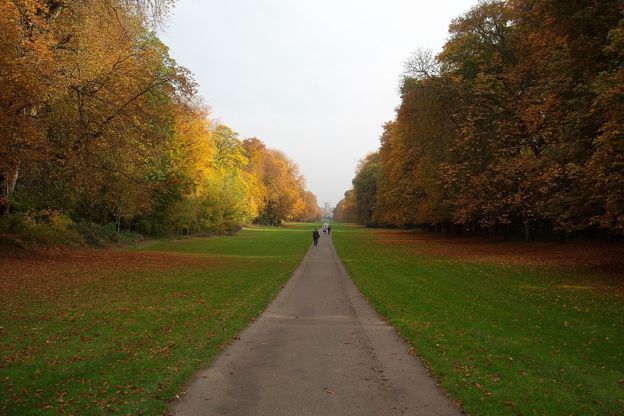
Cirencester Park, Pope's Seat and Stratton
Walk · Starts in Cirencester · 2 hrs · Circular
A 5-mile (8km) circular walk from Cirencester's parish church, easy and taking one and a half to two hours: up Cecily Hill and a mile along the Broad Ride to Pope's Seat, past the polo grounds to Stratton, and back by the streams past the open-air pool.
Stay and eat near St John the Baptist, Cirencester
-
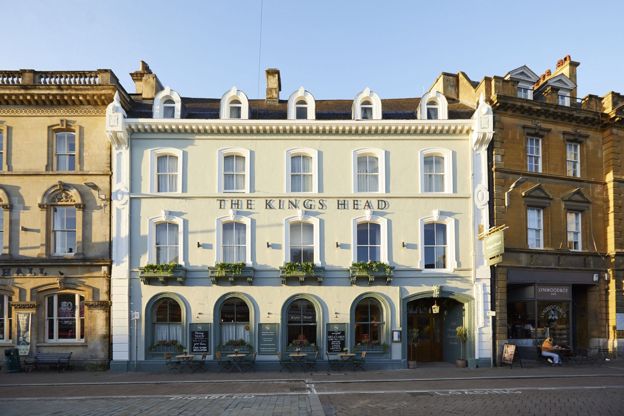
The King's Head
Hotel · Cirencester
A former coaching inn on Cirencester's Market Place with 63 bedrooms, one of Brakspear's Honeycomb Houses, open from 7am daily, with dog-friendly dining.
Dog-friendly
Verified Nov 2026
-
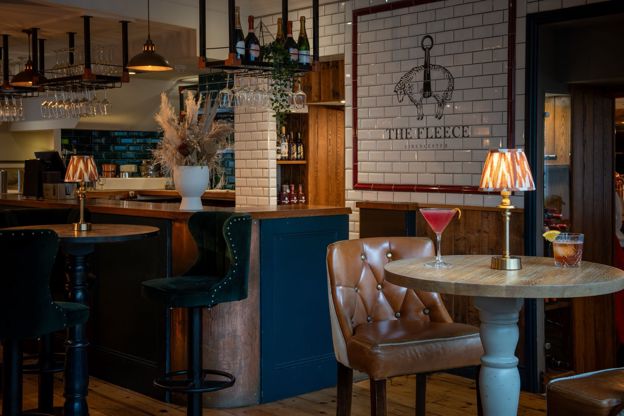
The Fleece
Inn · Cirencester
An inn with rooms on Cirencester's Market Place, run by Thwaites, with stays from £125 a room and dogs welcome in the bar.
Verified Oct 2026
-
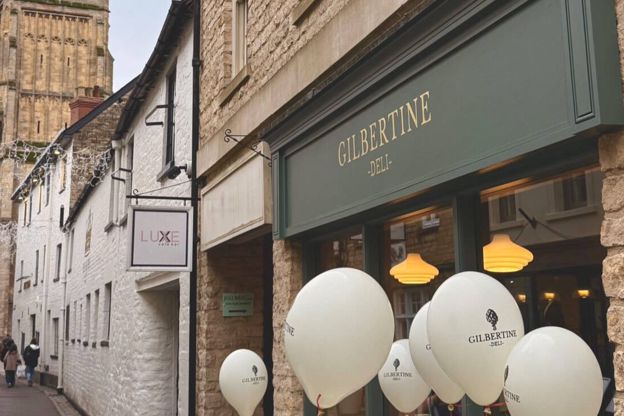
Gilbertine Deli
Farm shops and delis · Cirencester
A sandwich deli on Black Jack Street, Cirencester, from the team behind the Gilbertine Kitchen in Tetbury.
Verified Nov 2026
Stories about St John the Baptist, Cirencester
-
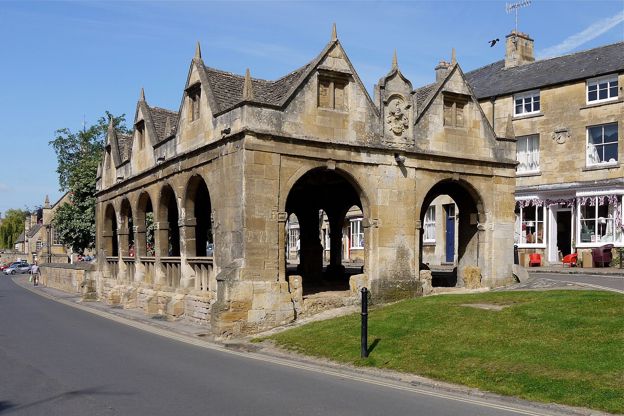
The best towns in the Cotswolds
Story · Guides · 12 minute read
The best market towns in the Cotswolds, from Chipping Campden, Stow and Burford to Cirencester, Tetbury, Winchcombe and Stroud: what each town is like, who it suits, and how to get there.
-
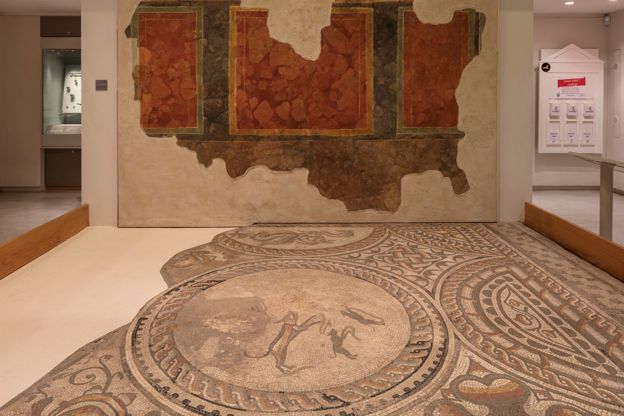
The Cotswolds on a rainy day
Story · Guides · 10 minute read
Museums, houses, a steam railway, spas with day passes, cinemas, theatres and pubs with fires: the Cotswolds when it rains, by region, with the free museums, what suits children and the honest bit about the rivers.
-
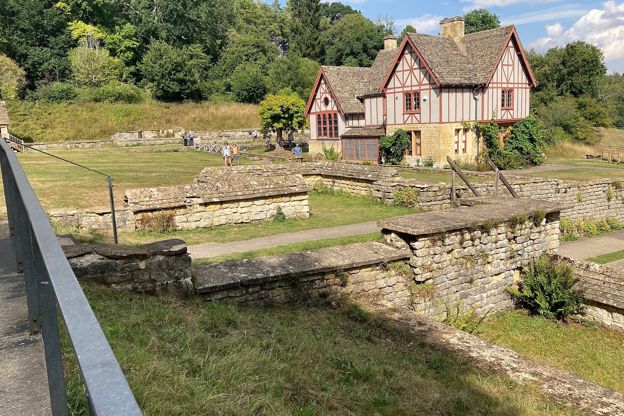
The Roman Cotswolds
Story · Guides · 10 minute read
Corinium at Cirencester, Chedworth Roman Villa, the amphitheatre, the Fosse Way and the villas you can and cannot see: where to find Roman Britain in the Cotswolds, by car and by train.
More sights to see
-
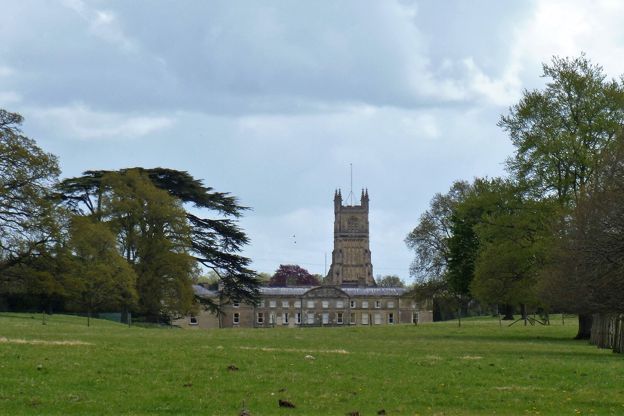
Cirencester Park
Sight · Common or park · Cirencester
The Bathurst family's landscape park on the western edge of Cirencester, planted from 1714 by the first Earl Bathurst with Alexander Pope: 8km of rides and woods along the Broad Ride, with Pope's Seat and Alfred's Hall. Grade I registered; a day pass is needed.
-
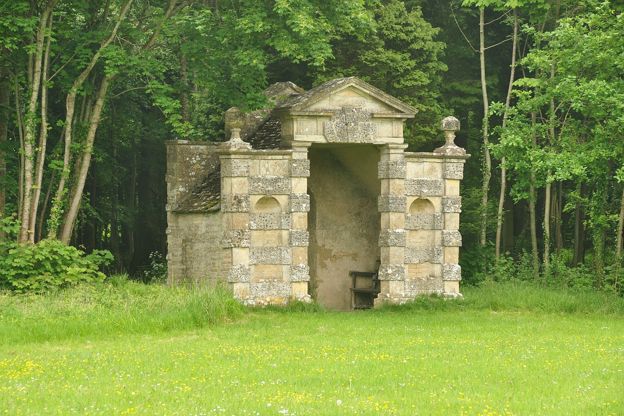
Pope's Seat, Cirencester Park
Sight · Historic building · Cirencester
A small stone pavilion of the early eighteenth century at Seven Rides in Cirencester Park, with a Doric portico and POPE'S SEAT cut in its pediment, named after the poet who helped Lord Bathurst lay out the park. Grade II*; a park day pass is needed.
-
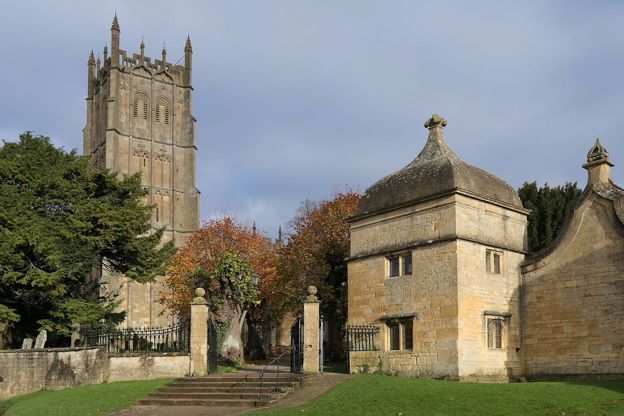
St James's Church, Chipping Campden
Sight · Church · Chipping Campden
Chipping Campden's wool church at the end of Church Street: a soaring fifteenth-century tower, William Grevel's brass of 1401, Sir Baptist Hicks's marble tomb and a medieval cope and altar hangings. Grade I, open to visitors most days.