Roger Davies, CC BY-SA 2.0, via Wikimedia Commons
Withington
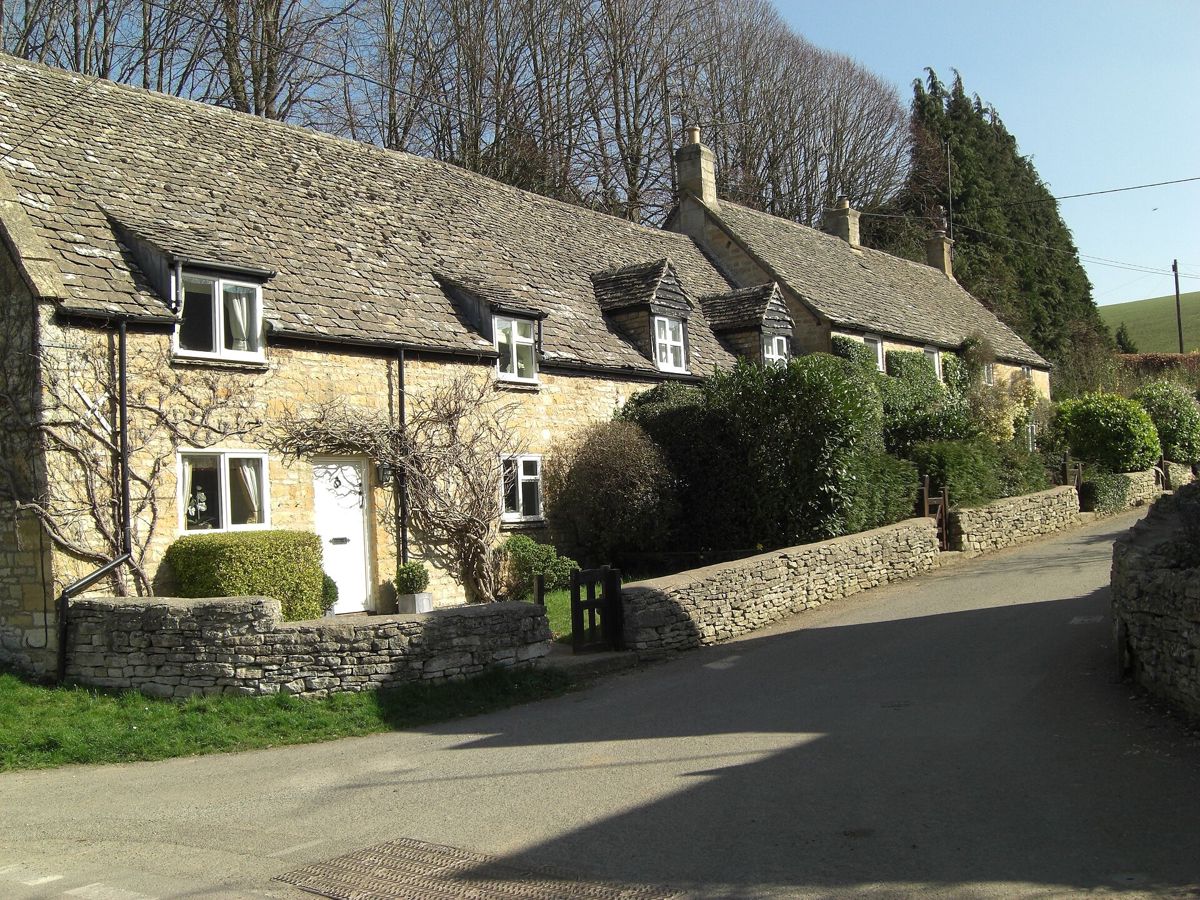
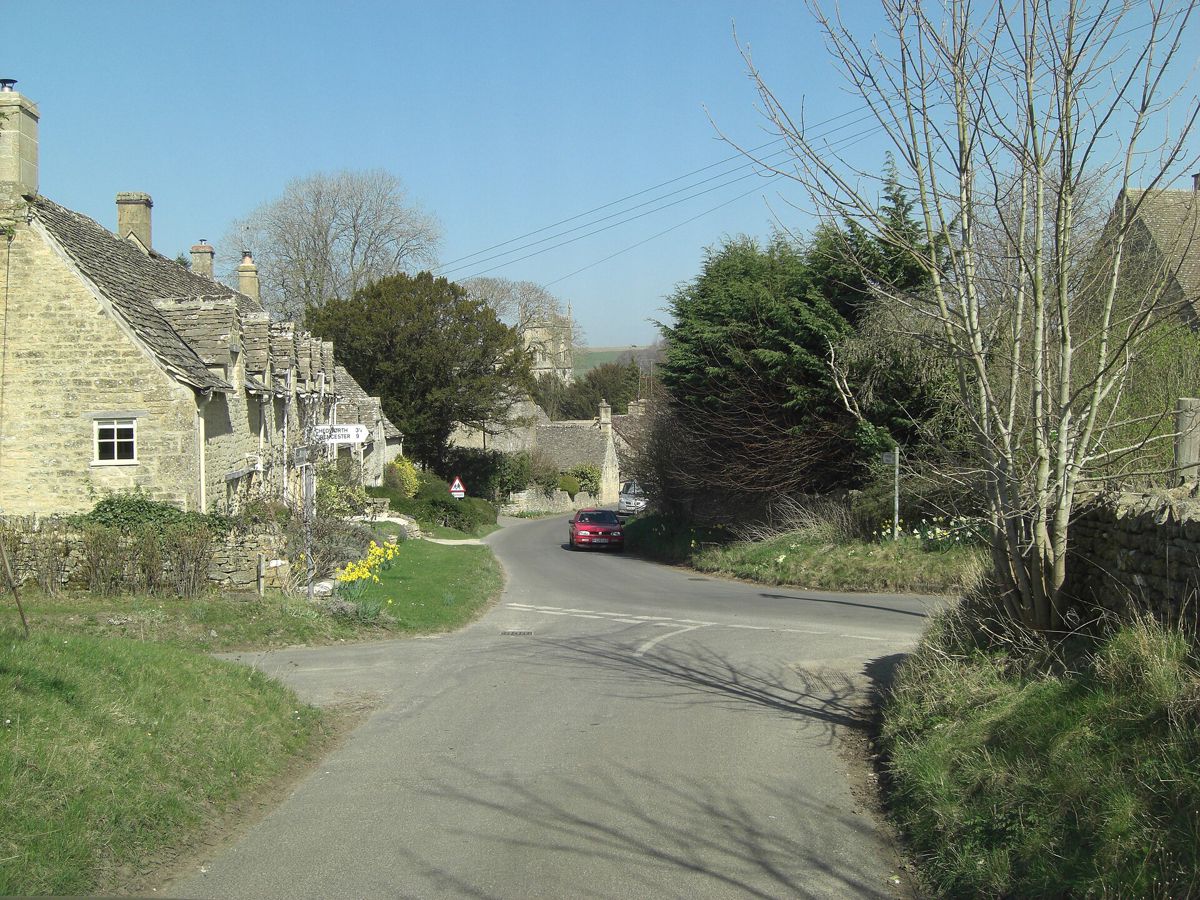
A village in two halves either side of the upper Coln, about 6.5 miles from Cheltenham, with a Grade I church, the Mill Inn by the bridge, Withington Woods above and a Roman villa under a field on the road to Chedworth.
- Nearest station
- Cheltenham Spa, about 9 miles by road, then a taxi; the 78 and 832 buses stop at the Mill Inn on set days
- Parking
- The Mill Inn has parking for its customers; there is no public car park, so park with care in the village
- Best time
- Spring for the valley and the woods; autumn for the colour on the valley sides
- Toilets
- None public
About Withington
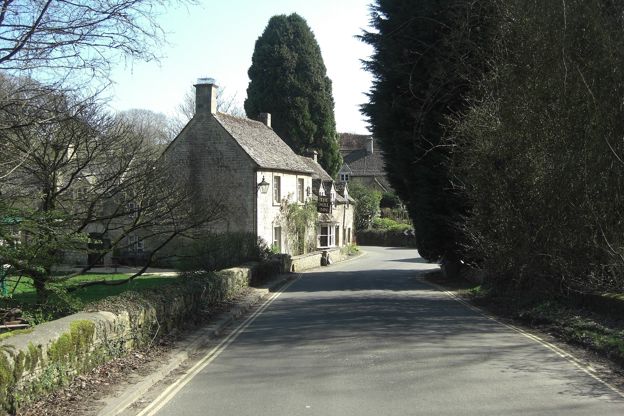
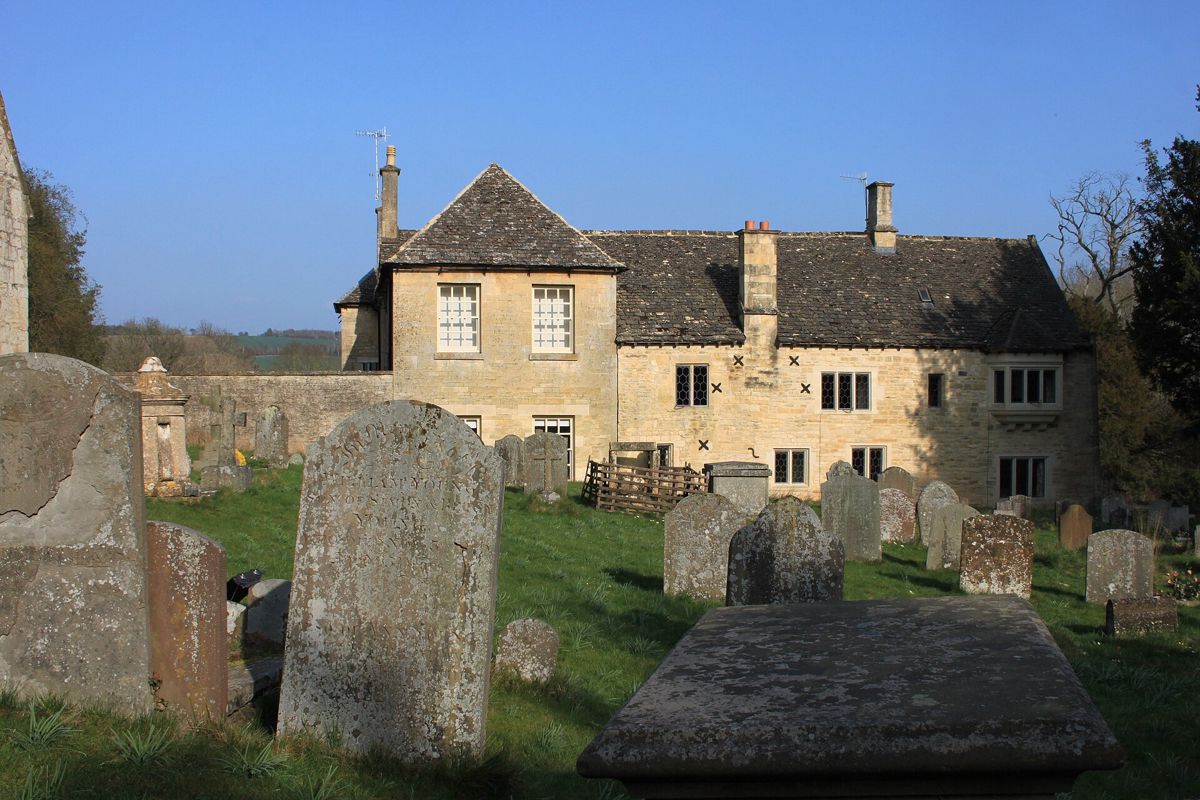
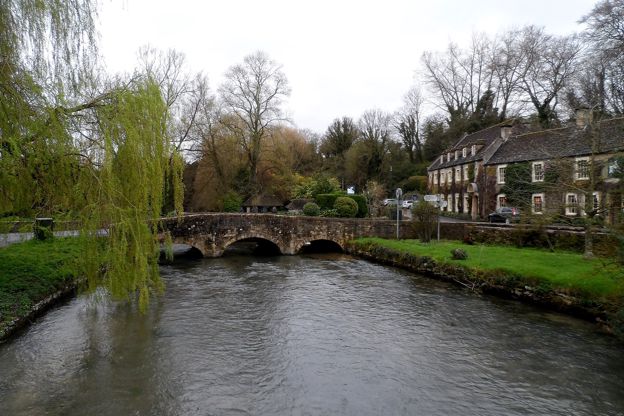
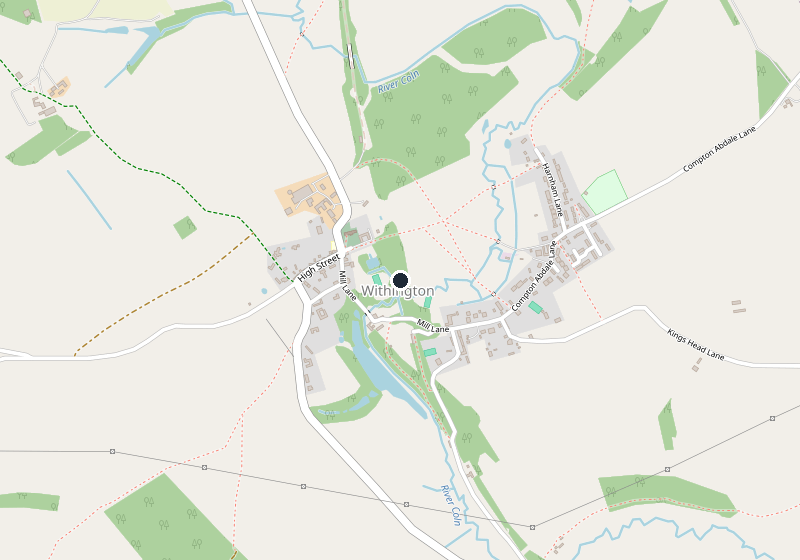
Withington lies in the upper Coln valley about 6.5 miles (10.5km) south-east of Cheltenham, and the river splits it in two: the upper end round the church and the manor house on the west bank, and Brockwell End across the bridge on the road to Compton Abdale. The Mill Inn stands by the bridge between them, Withington Woods cover the south of the parish, and a Roman villa lies under a field on the lane to Chedworth.
What to see
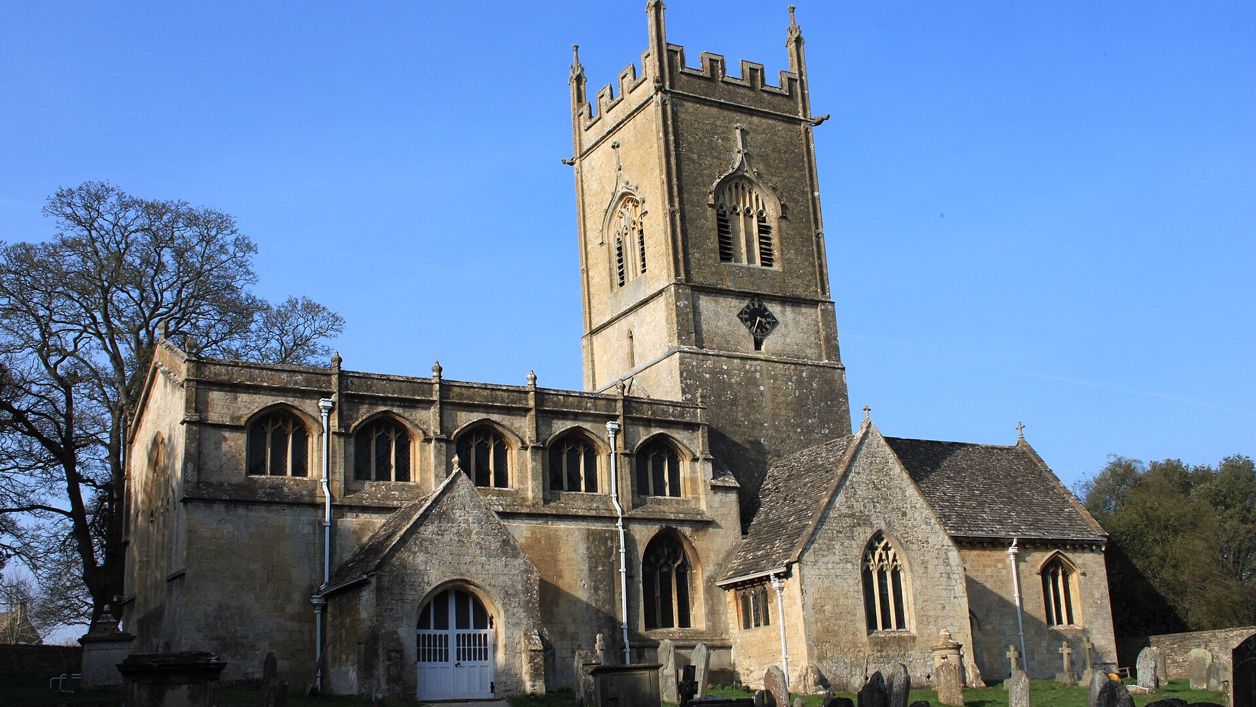
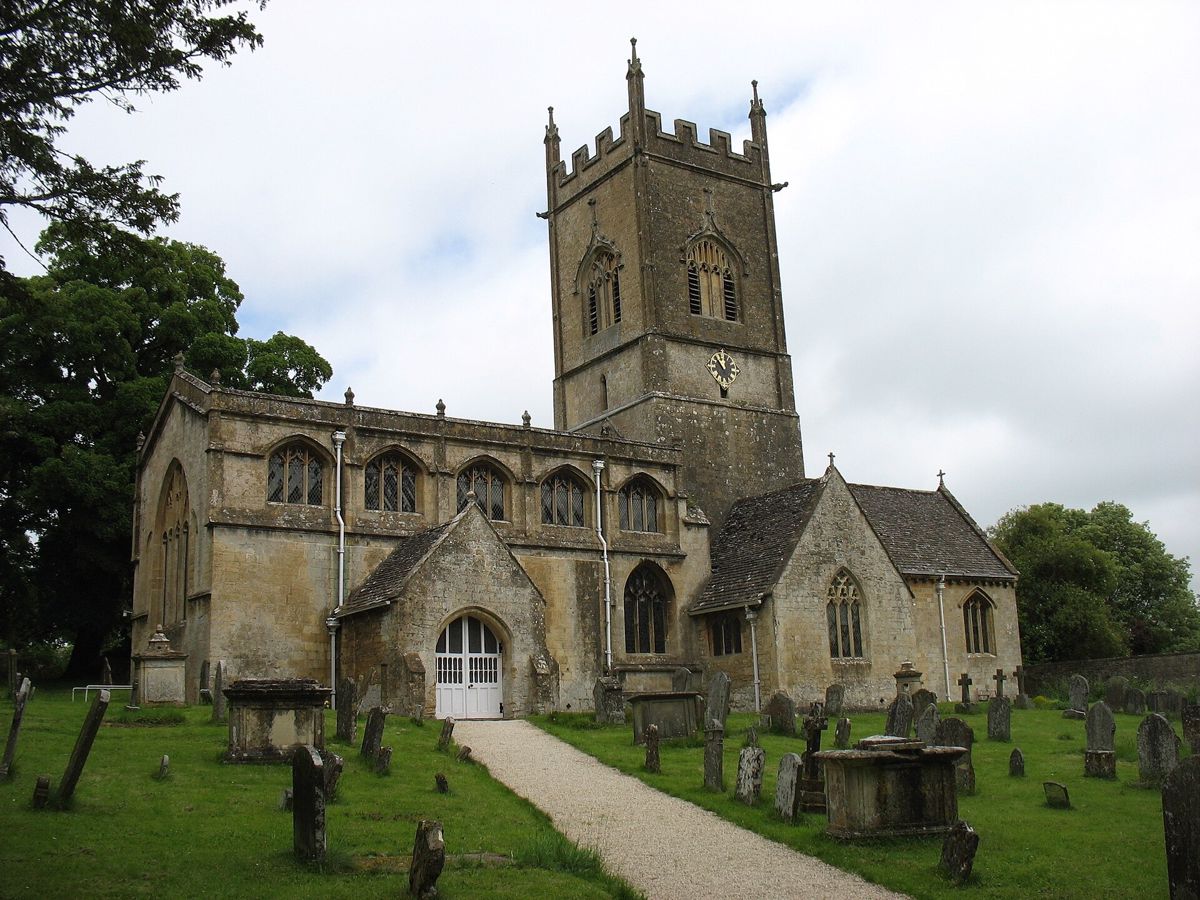
St Michael's is listed Grade I and keeps its twelfth-century plan: the lower stage of the central tower, the north and south doorways with their chevron mouldings and the corbel table of the chancel are all of that century, the tower was heightened in the thirteenth and finished in the fifteenth, when the tall clerestory went on the nave. Inside is the monument John Howe of Cassey Compton put up in 1651 to his wife Bridget, carved by Edward Marshall; David Brandon restored the church in 1872 and 1873. The six bells were cast by Abel Rudhall of Gloucester in 1738 and 1739.
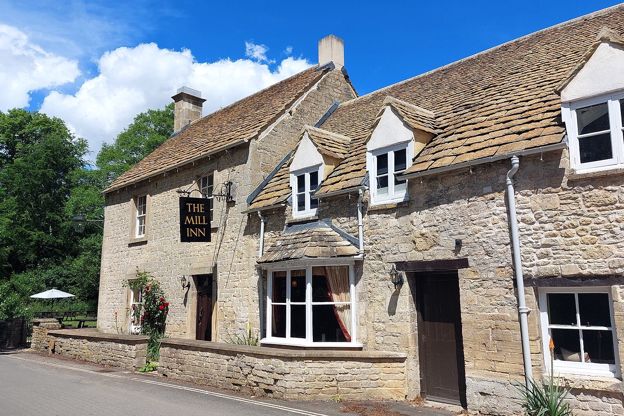
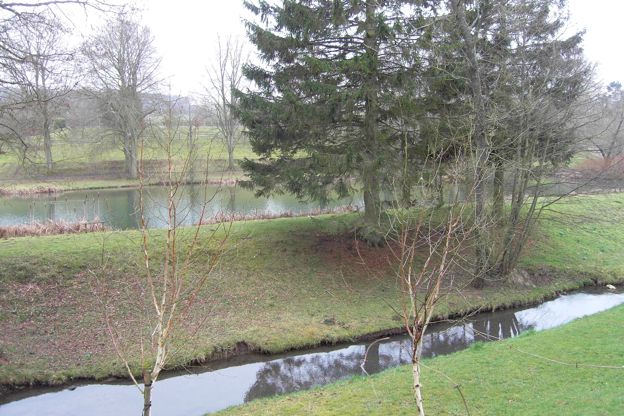
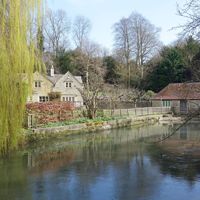
The Mill Inn by the bridge is listed Grade II, early and late eighteenth century with a big extension of about 1960, and inside are firebacks dated 1588 and 1699. The mill across the road, a seventeenth-century building on a site that may have had a mill by the end of the twelfth, ground until the early 1930s, and in the late nineteenth and early twentieth centuries one man was both miller and publican. The River Coln runs past on its way down to Chedworth, Bibury and the Thames, and the inn's garden lies along the mill stream.
The Roman villa was discovered in 1811 and excavated by Samuel Lysons, south of the village near Wall well by the Chedworth road; it is a scheduled monument, and nothing of it is open to visitors. Mosaics were lifted after the excavation and placed in the British Museum's care, and in 2026 fragments of its Orpheus mosaic were reunited, on long-term loan, at the Corinium Museum in Cirencester. Withington Woods, in the south of the parish, covered 473 acres in 1819, were felled in the First World War and replanted in the Second by prisoners of war.
An afternoon here
Start at the church on the west bank and walk down past the manor house to the bridge and the Mill Inn, whose garden runs along the mill stream. Cross to Brockwell End for the other half of the village, then take the lane south along the river towards Cassey Compton, the house Sir Richard Howe remodelled about 1700 and Kip drew a few years later, seen from the road; the house is listed Grade II, and so are its stable block, barns and ice house. From there the Coln runs on to Chedworth and the woods below the Roman villa.
Walks
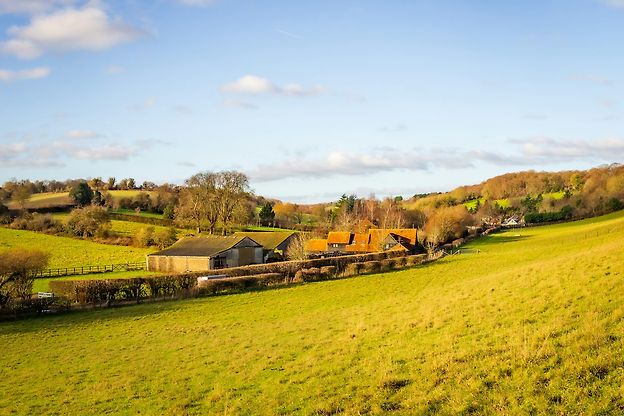
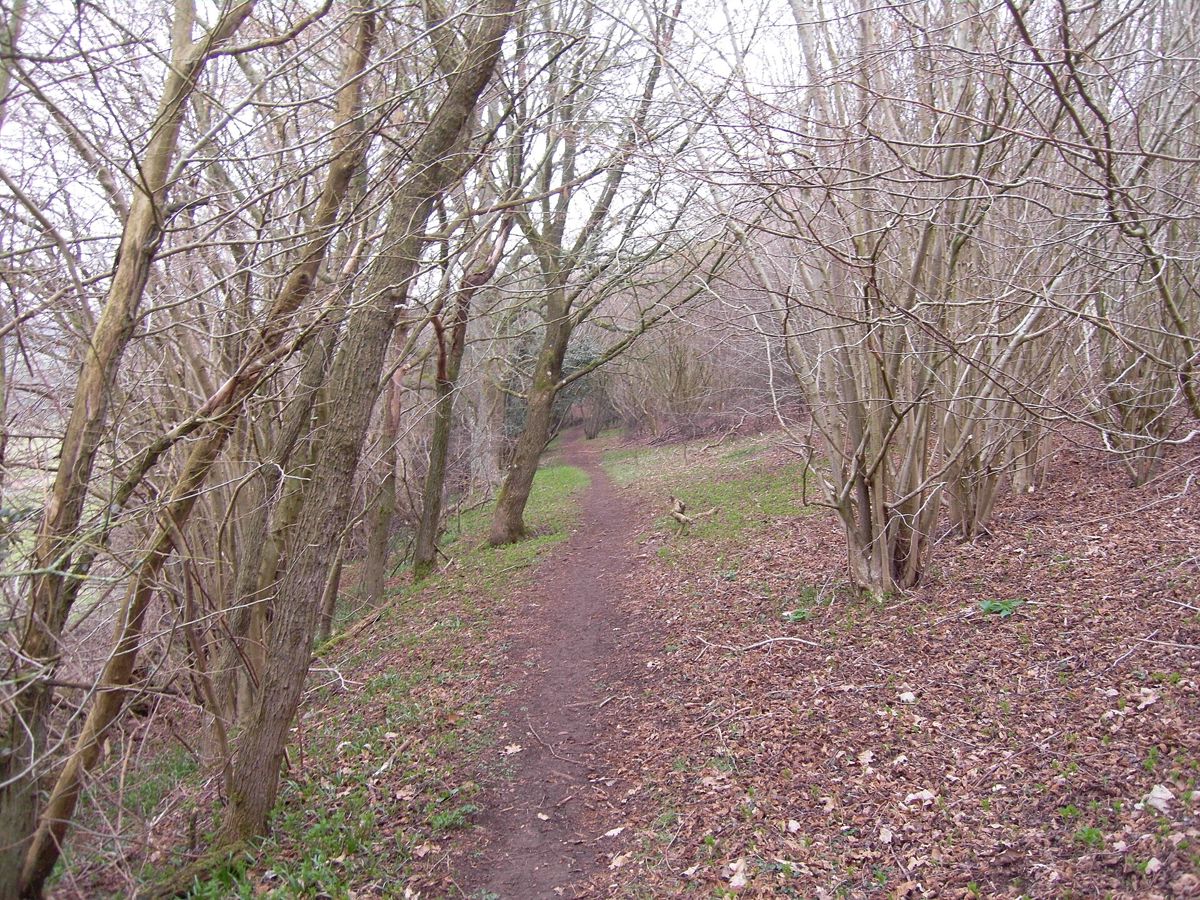
The walk is up or down the valley. Downstream, footpaths and the quiet Compton road follow the Coln past Cassey Compton to the woods beneath Chedworth Roman Villa, about 2 miles by road. The Cotswold Voluntary Wardens have led a 6-mile guided circuit from the village along the Coln, up through Chedworth Woods and back through Withington Woods to the Mill Inn, with steep slopes in places; in June 2026 they led the 6.5-mile Withington to Chedworth leg of the Coln River Trail from the Mill Inn's car park, out by the river and quiet lanes to the Roman villa and back through the woods and over the old wartime airfield. Their guided walks take no dogs except assistance dogs. Further down,our Bibury and the River Coln walk follows the same river through Bibury. The woodland paths are steep in places.
The Cotswolds Info newsletter
Events, new places and the best of the season, about once a month. Unsubscribe at any time.
Food and drink
The Mill Inn is a Samuel Smith house, which means the Tadcaster brewery's own beers and nothing else, with Old Brewery Bitter on cask, a large garden by the mill stream, open fires and a function room. It is closed on Mondays and opens from noon to 3pm and 5.30pm to 9pm from Tuesday to Thursday (9.30pm on Fridays), noon to 10pm on Saturdays and noon to 4pm on Sundays. Food times are not published, so ring 01242 890204 before a long drive for a meal. Andoversford, about 3 miles north by road on the A40, has the nearest shop, Dales Stores, and a post office, both on Station Road.
When to come
Spring, when the Coln runs full and the woods come into leaf, or autumn for the colour on the valley sides. The village is quiet in any season; it has no events we have confirmed, and the maypole that stood here by the 1840s came down in the 1970s. The buses are few: the 78 from Cirencester on Wednesdays and Fridays, one each way, and the 832 from Andoversford on Wednesdays, one each way, so check bustimes.org or come by car.
Last verified 1 November 2026 by our editors
Part of
Cirencester and the Coln Valley
Cirencester, the Roman town of Corinium, and the River Coln running past Bibury, Coln St Aldwyns and Fairford to meet the Thames by Lechlade.
Things to do in Withington
Parks and gardens · Withington
Colesbourne Park
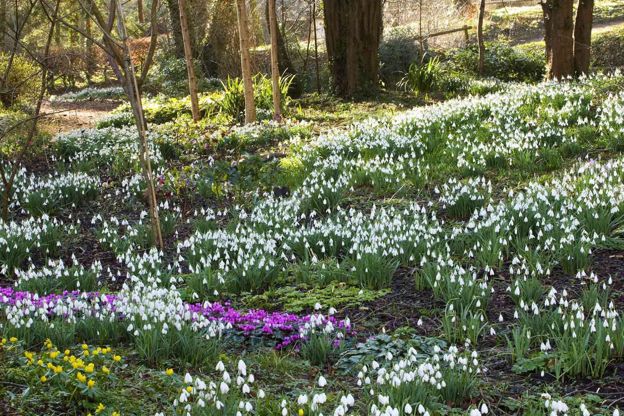
The Elwes family's snowdrop garden on the A435 between Cheltenham and Cirencester, with over 300 varieties round the house and lake, open on eight weekend days in late January and February by advance ticket only.
-
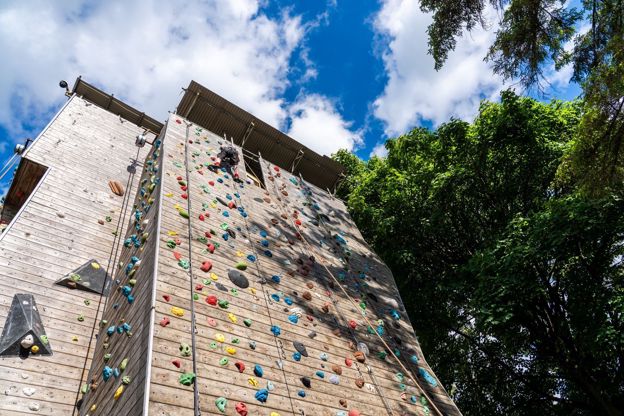
Far Peak Climbing, near Northleach
Sport and activity · Northleach
An outdoor climbing centre off the Fosse Way south of Northleach, with a 15m tower, indoor and outdoor bouldering, a low ropes course and taster sessions from age 3.
Family-friendly
Verified Oct 2026
-
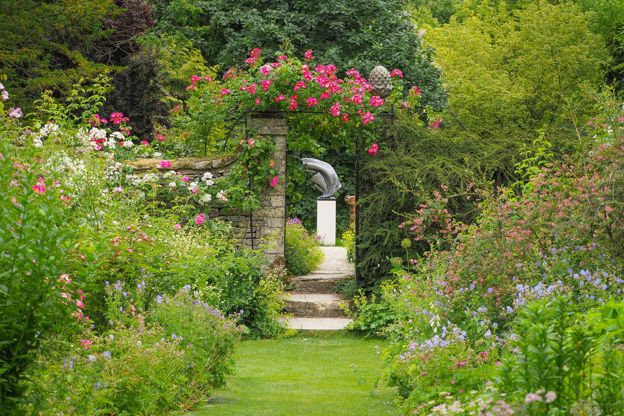
Cerney House Gardens
Parks and gardens · Cirencester
A family garden at North Cerney, near Cirencester: a Victorian walled garden with borders and an organic kitchen garden, 40 acres of woodland walks and a self-service tea room, open almost every day of the year.
Dog-friendly
Verified Nov 2026
Where to stay in Withington
-
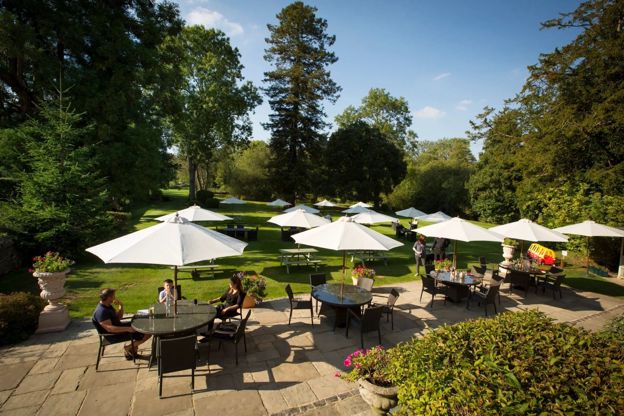
The Inn at Fossebridge
Pubs · Chedworth
An inn, a hostelry since the early seventeenth century by its own account, where the Fosse Way crosses the River Coln, between Cirencester and Northleach, with 4 acres of riverside gardens, log fires and seven rooms.
Dog-friendly · Walker-friendly
Verified Nov 2026
-
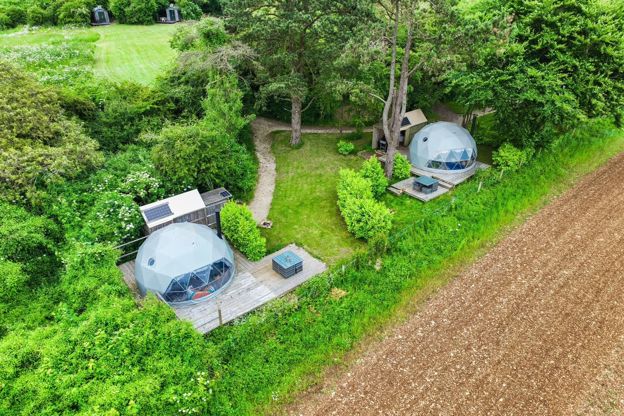
Far Peak Camping
Camping · Northleach
A seasonal campsite with tent and hook-up pitches, tipis, bell tents, shepherd huts and glamping domes beside the Far Peak climbing centre, about a mile from Northleach.
Dog-friendly · Family-friendly
Verified Oct 2026
-
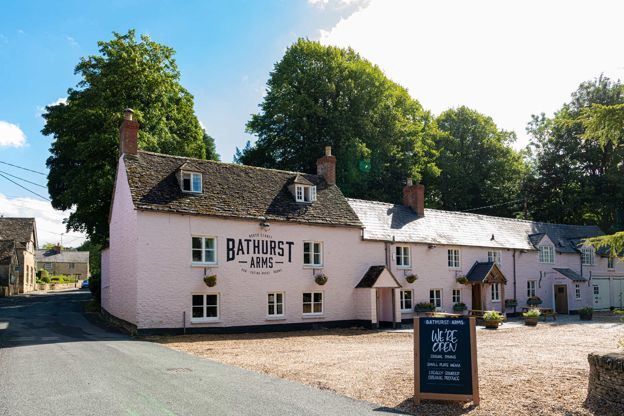
The Bathurst Arms
Inn · Cirencester
A pub with five rooms on the River Churn at North Cerney, about five miles north of Cirencester, with a beer garden, food every day and roasts on Sundays.
Verified Nov 2026
Where to eat and drink in Withington
-
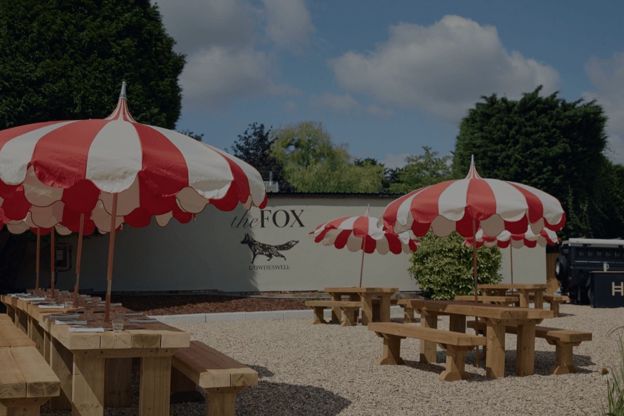
The Fox, Dowdeswell
Pubs · The Cotswold Edge
A country pub and restaurant on the A40 at Lower Dowdeswell, opened in July 2026 near the reservoir where the Cotswold Way crosses the road, with food at lunch and in the evening every day.
Walker-friendly
Verified Oct 2026
-
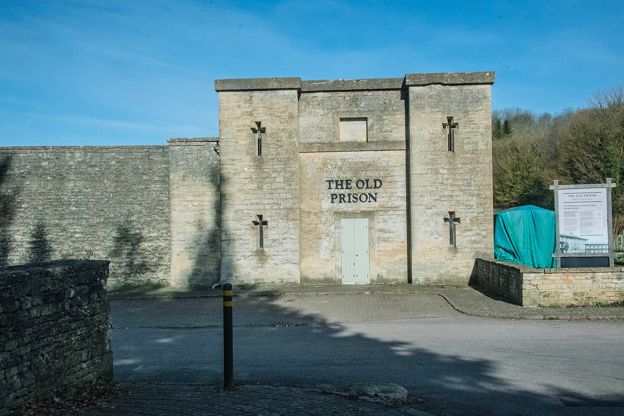
The Old Prison Café, Northleach
Cafes and tearooms · Northleach
A daytime café run by Relish in Northleach's Georgian house of correction on the Fosse Way, with free parking and free entry to the cells and courtroom.
Dog-friendly · Family-friendly
Verified Oct 2026
-
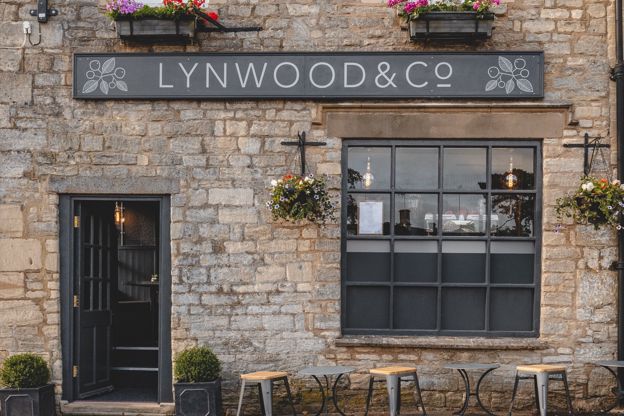
Lynwood & Co, Northleach
Cafes and tearooms · Northleach
An Australian-style café in the Island House on Northleach's Market Place, one of a small Cotswold group, open from 8am every day for breakfast, coffee and lunch.
Verified Oct 2026
Walks in and around Withington
-
Bibury and the River Coln
Walk · Starts in Bibury · 2 hrs · Circular
A 4-mile (6.5km) circular walk from the bridge by the Swan in Bibury, about two hours with one climb and a muddy stretch. It crosses the Coln below Bibury Court, climbs through Oxhill Wood to the line of Akeman Street, passes a dewpond and returns by Arlington Row.
Getting to Withington
- By car
- From the A40 at Andoversford, about 3 miles north by road, or from the A429 Fosse Way by Chedworth or Compton Abdale. Park with care in the village; the Mill Inn has parking for its customers.
- By bus
- The 78 (Stagecoach West) from Cirencester stops at the Mill Inn on Wednesdays and Fridays only, about 50 minutes; the 832 (Pulhams) from Andoversford on Wednesdays only. One journey each way on each.
- By train
- Cheltenham Spa, about 9 miles by road, is the nearest station; take a taxi, since no bus links it to the village.
Access
The village is on two levels: the church and the manor house on the west bank above the river, Brockwell End across the bridge on the Compton Abdale road
| Chedworth Roman Villa | 1.9 mi |
|---|---|
| Cheltenham | 8.1 mi |
| Northleach | 9.9 mi |
| Cirencester | 11.8 mi |
| Bourton-on-the-Water | 13.7 mi |
| Bibury | 16.2 mi |
Places near Withington
-
 ChedworthA long village down both sides of a steep valley between Cirencester and Northleach, with a Grade I church, a seventeenth-century inn below it, 800 acres of woods with a disused railway through them, and the Roman villa a mile away through the trees.
-
 NorthleachA small wool town in the Leach valley with one of the great Cotswold wool churches, its floor full of brasses to the merchants who paid for it, and a Georgian prison.
-
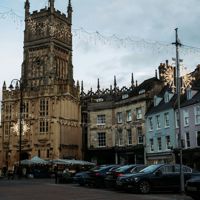 CirencesterThe Roman town of Corinium and the market town of the southern Cotswolds, with a museum of its mosaics, a great wool church, an amphitheatre and Earl Bathurst's park.
-
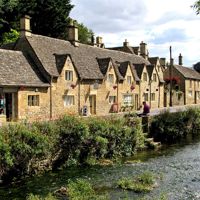 BiburyA village on the River Coln with a row of medieval cottages that draws up to 20,000 visitors on a peak weekend, by press estimates. Come early or late, and walk on down the river.