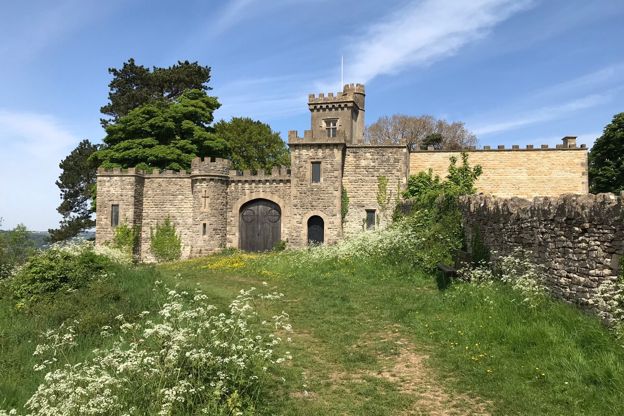
Philip Pankhurst, CC BY-SA 2.0, via Wikimedia Commons
Stroud and the Five Valleys
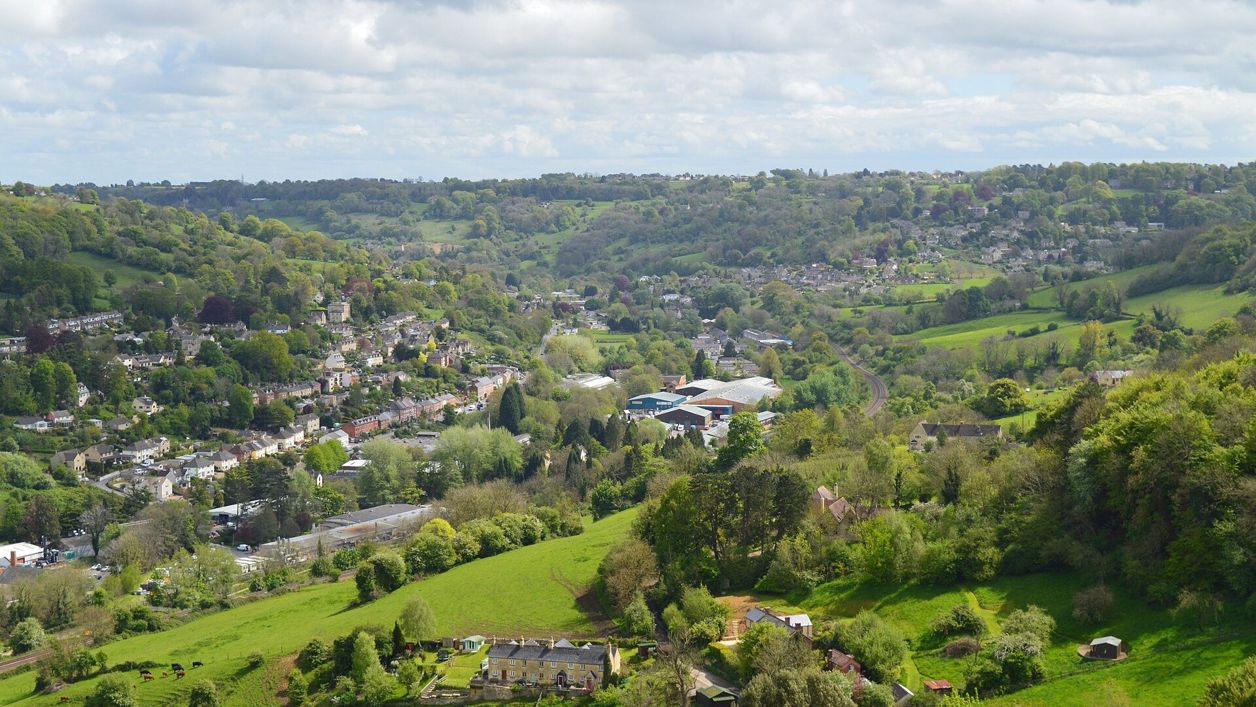
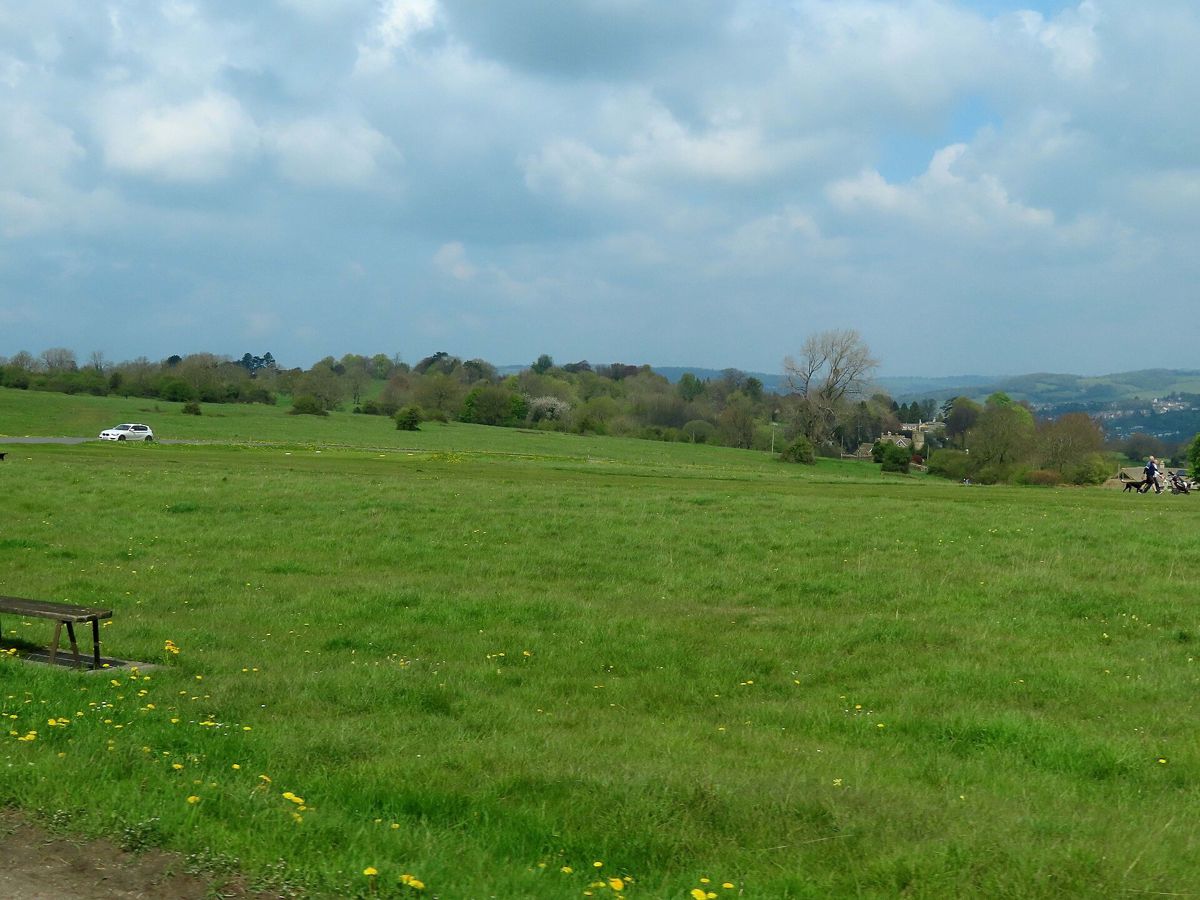
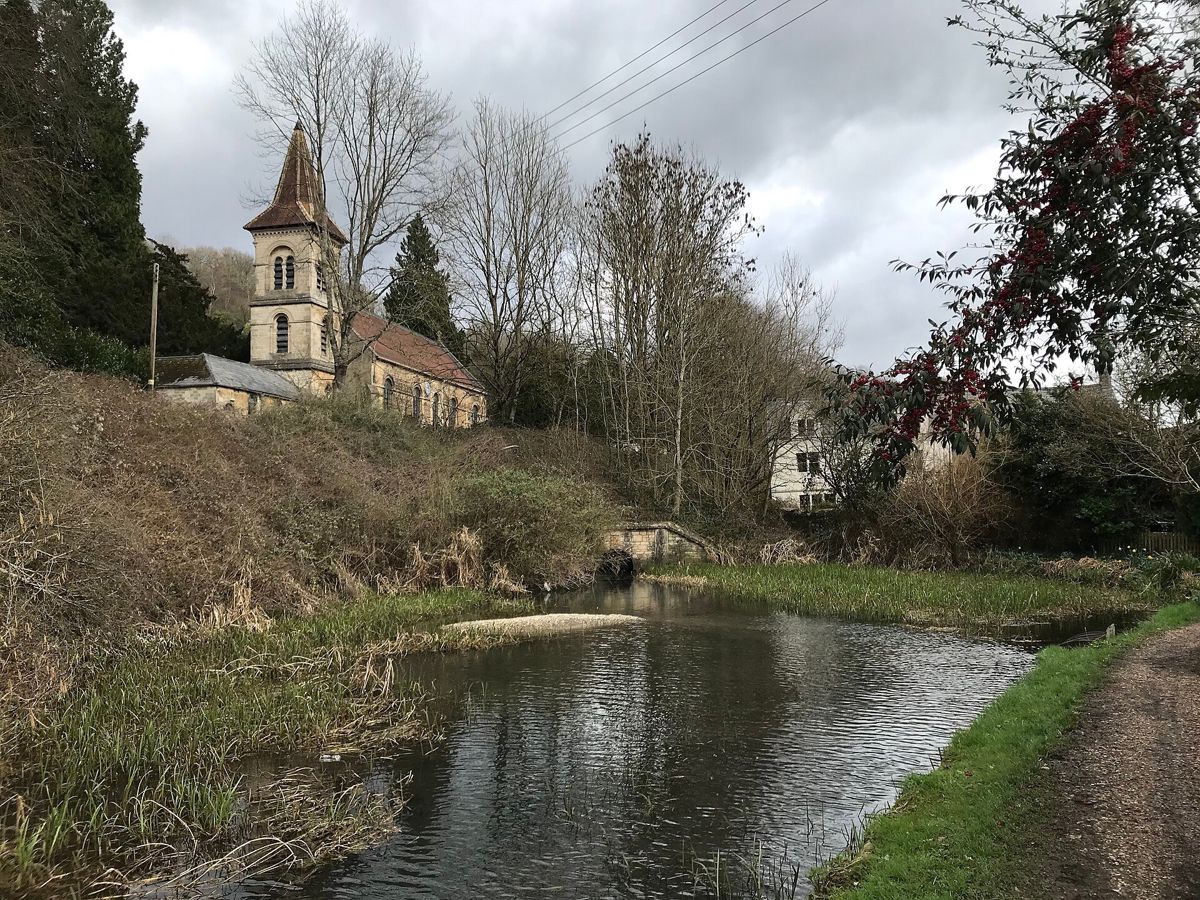
The steep valleys that meet at Stroud: old cloth-mill country, with Painswick's churchyard of yews, Nailsworth's mills and the commons above Minchinhampton.
- Nearest station
- Stroud, with direct trains from London Paddington
- Best time
- Saturday for Stroud's market; September for the Painswick clipping
- When it's busy
- Stroud on Saturday mornings, when the farmers' market fills Cornhill; Painswick on clipping Sunday in September
About Stroud and the Five Valleys
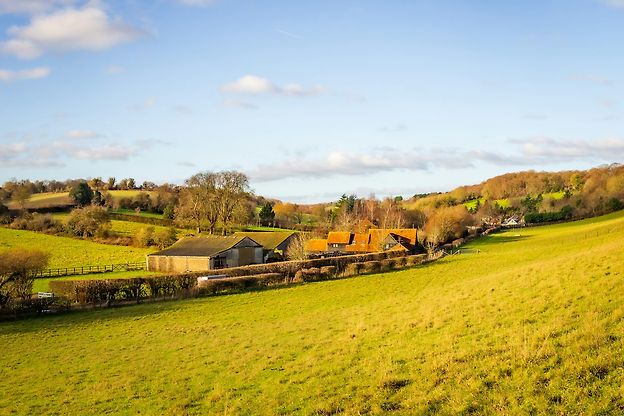
Stroud and the Five Valleys are the western Cotswolds at their steepest and greenest: valleys cut deep by the River Frome and its streams, with woods on their sides and mills in their bottoms. This was cloth country, and by the early eighteenth century Stroud was being called the chief town of the clothing trade, its name tied to richly dyed broadcloth. Its towns still have the feel of working places.
Where the Five Valleys begin and end
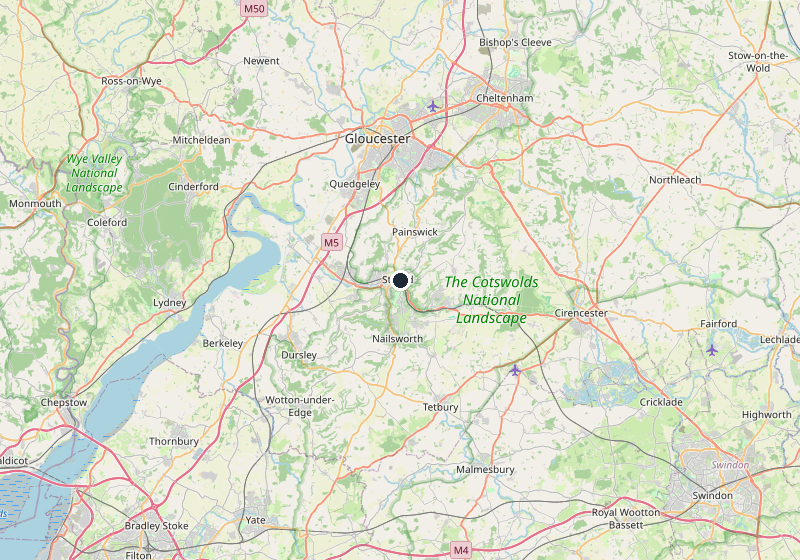
The valleys are the Frome's: the river runs along the bottom of Stroud, and four streams join it there to make the five, with the Slad brook and the Painswick Stream coming down from the north and the Nailsworth and Toadsmoor streams from the south and east. The escarpment and the Cotswold Way close the region to the west at Painswick Beacon and Haresfield Beacon. To the east the Golden Valley climbs past Chalford to Sapperton, where the Thames and Severn Canal went into its tunnel, and to the south the commons above Minchinhampton and Nailsworth give way to the South Cotswolds at Tetbury. All of it is Gloucestershire, in Stroud district, and past Dursley the Cotswold Edge takes over.
Stroud
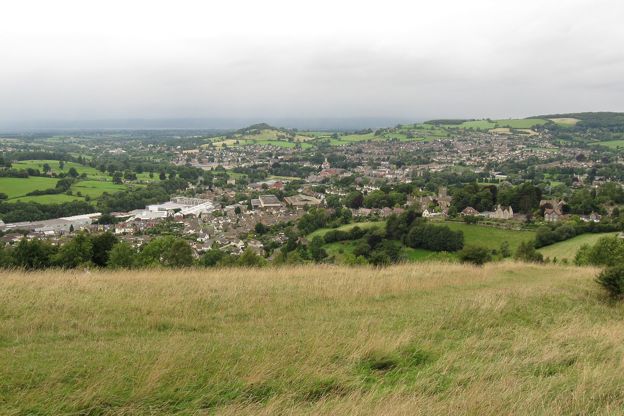
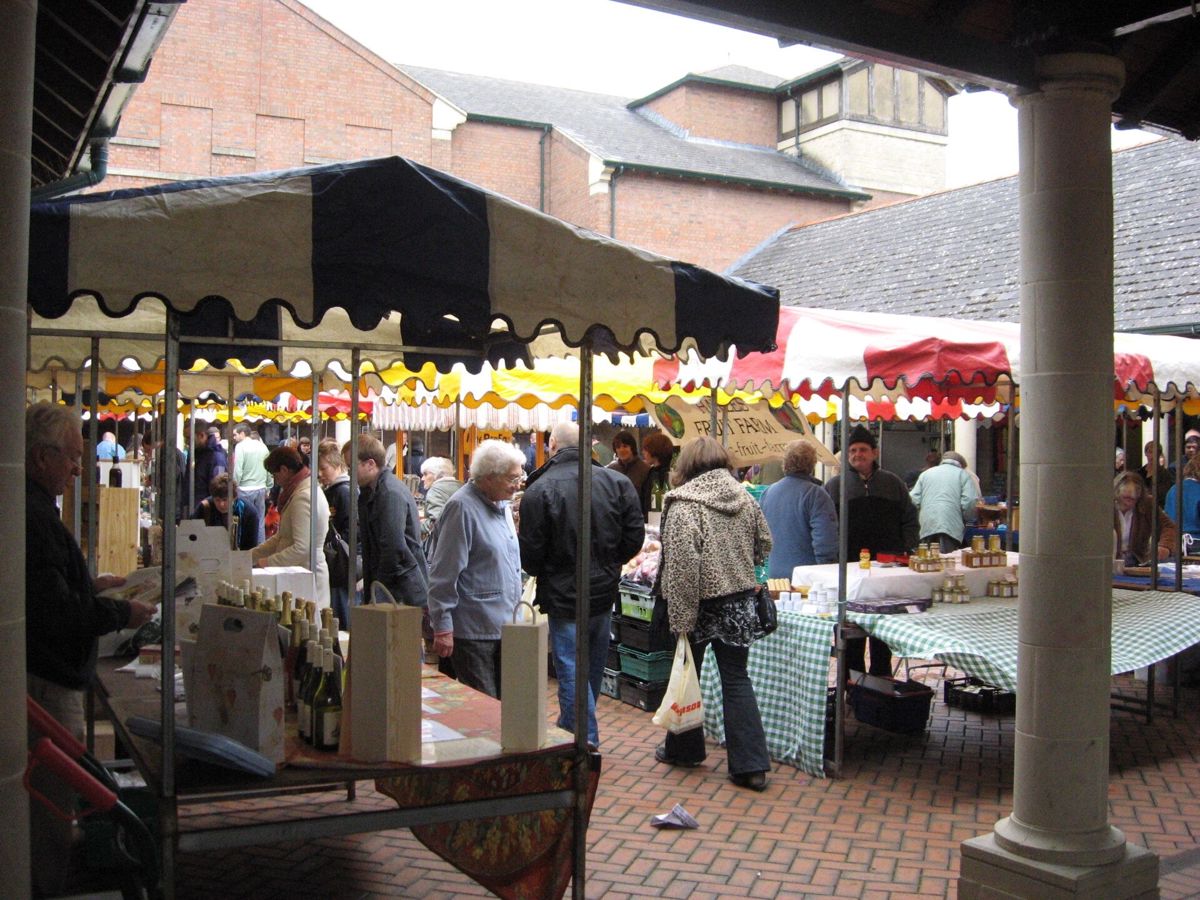
Stroud sits where the valleys meet, a working town with direct trains to London, a farmers' market that fills its streets every Saturday, a free museum in Stratford Park and canals being restored by volunteers. Laurie Lee's Slad is 2 miles up its valley. The town holds the Stroud Wassail in winter, and up at Bisley the wells are dressed on Ascension Day.
Painswick, Nailsworth and Minchinhampton
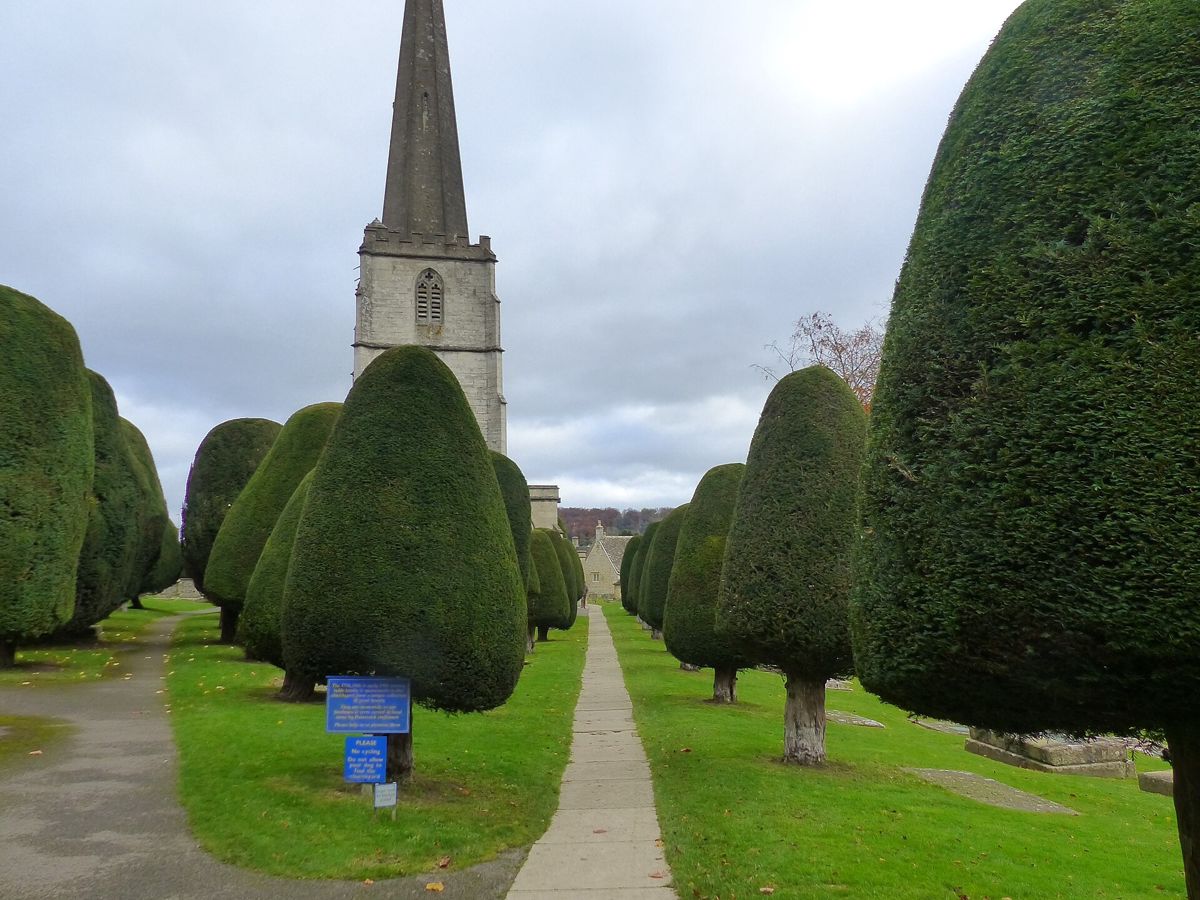
Painswick, about 4 miles north, has its churchyard of clipped yews and carved tombs, the clipping ceremony every September and the Rococo Garden. Nailsworth, to the south, has old mills, independent shops and the waterwheel at Dunkirk Mill, whose museum is closed until spring 2027. Minchinhampton has a Market House of 1698 and a great National Trust common where cattle graze and wander across the open roads. For a bed, see where to stay in Painswick, Nailsworth and Stroud. A Five Valleys weekend is based in Painswick, and five days in the Cotswolds by car spends its last two nights there.
The villages
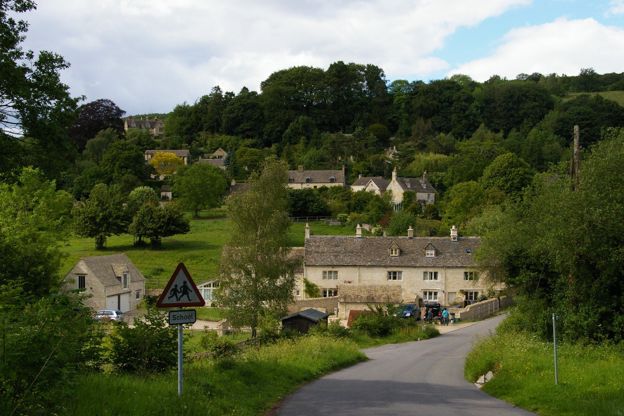
Slad, 2 miles up its valley from Stroud, is Laurie Lee's: he is buried in the churchyard of Holy Trinity, opposite the Woolpack, and Swift's Hill above the village is a reserve of more than 130 kinds of wildflower. Sheepscombe, over the ridge, has the Butchers Arms and a cricket ground Lee bought in 1971 for the club, which bought it back in 2013. Bisley, on the hill east of Stroud, dresses its wells of 1863 on Ascension Day, and Miserden, further north, opens the garden of its 1620 house from April, with a loggia by Lutyens, Wednesday to Sunday, £12 (2026). Amberley grew from cottages on the edge of Minchinhampton Common and has the Amberley Inn. Chalford, in the Golden Valley, keeps a canal round house of 1790 (opens in a new tab), and Sapperton, at the head of the valley, is where Ernest Gimson and the Barnsley brothers of the Arts and Crafts movement lie under plain stones in St Kenelm's churchyard, with the canal tunnel, about 2 miles (3.5km) long and blocked, below.
Sights worth a detour
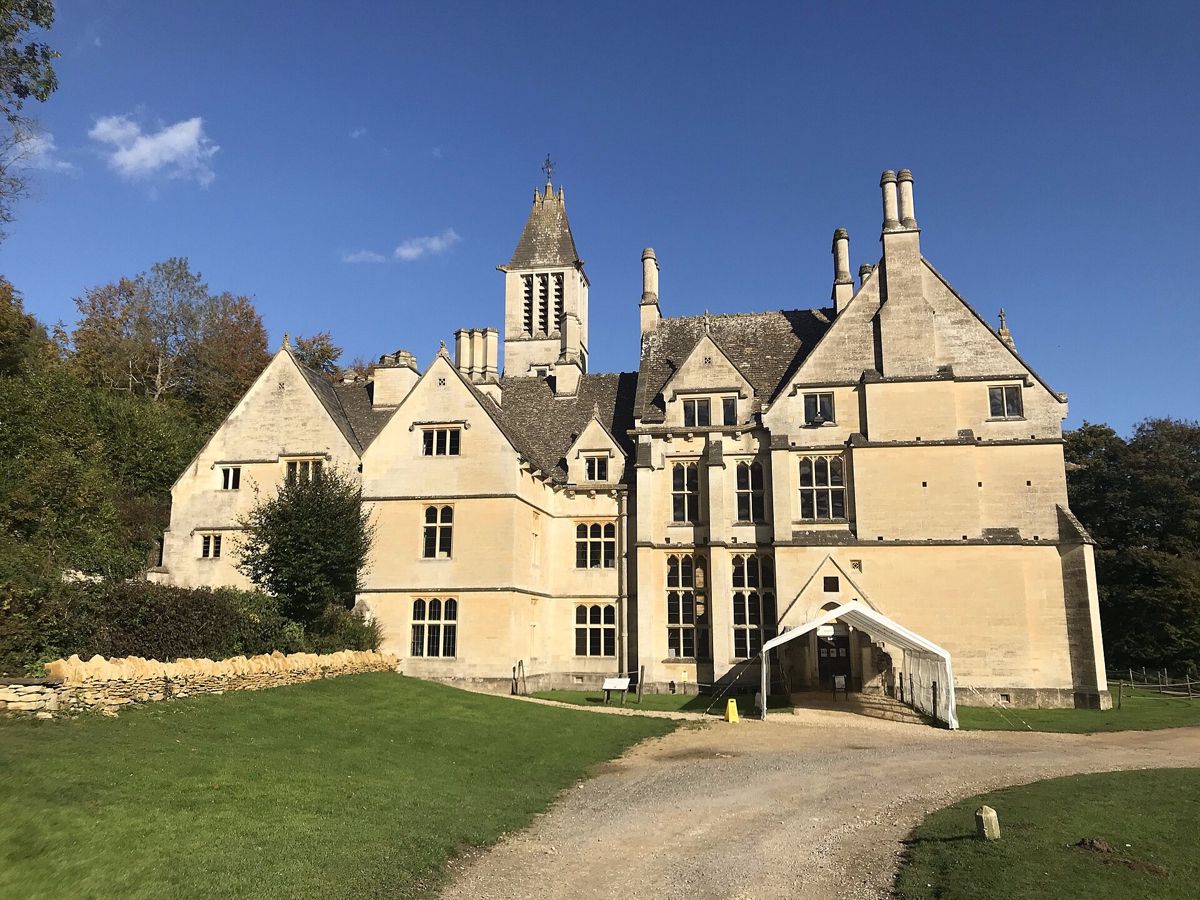
Painswick Rococo Garden, restored from a painting of 1748, is the one garden, Woodchester Mansion, the unfinished Victorian house in its valley near Nympsfield, the one house, and Stroud's free Museum in the Park the one museum. Rodborough Fort stands on the common above the town, where Rodborough Common has pasqueflowers in spring, and Minchinhampton Common has the Long Stone and Whitfield's Tump. All Saints at Selsley, above the Nailsworth road, holds some of the first church glass Morris and Company made, and Frith Wood on the ridge between Painswick and Slad has been beech wood for more than 1,000 years.
Walks
The valleys are steep, so most walks climb. Painswick and Painswick Beacon is 5 miles (8.2km) with 250m of climbing to the Iron Age ramparts. The Laurie Lee Wildlife Way loops the Slad valley by his poem posts, and Haresfield Beacon and Standish Wood is the bluebell walk in May. On the commons, Minchinhampton Common and Amberley is stile-free, Rodborough Common and the fort is a 2-mile stroll, and Woodchester Park and the boathouse follows the valley past its ponds. Eastcombe and the Toadsmoor valley is the beech-wood figure of eight. The Cotswold Way runs along the top of all of it: see long walks for its stages.
Eating and staying
Nailsworth is the place to eat: Wilder, eight courses at one sitting, William's for fish, and Egypt Mill with rooms by its waterwheel. In Painswick the Falcon is the inn and the Painswick the hotel. Above Stroud the Bear of Rodborough sits on Rodborough Common, and the Bell at Selsley and the Vine Tree at Randwick are the pubs worth the hill. Salt Bakehouse and the farmers' market feed a Saturday. The full lists are on where to stay in Stroud, Painswick and Nailsworth.
The Cotswolds Info newsletter
Events, new places and the best of the season, about once a month. Unsubscribe at any time.
Getting around
Stroud station has direct GWR trains to London Paddington, about hourly. From Merrywalks bus station the 66 runs to Painswick and Cheltenham, the 63 to Nailsworth (every day, including Sundays), Cotswold Green's 40 to Wotton-under-Edge (Monday to Saturday) and the 620 to Minchinhampton, Tetbury and Bath (Monday to Saturday). Our guide to food and drink in the Cotswolds covers the markets and the Nailsworth restaurants.
Stonehouse, the next station towards Gloucester, puts the Cotswold Way at Standish Wood within a walk of the platform, and Stagecoach's 65 from Stroud reaches Uley and Dursley about hourly from Monday to Saturday. Cotswold Green's 54 to Sapperton and Cirencester runs once or twice a day on weekdays only. On Sundays the 63 to Nailsworth, the 65 to Uley and Dursley and the 66 to Painswick each run about every two hours, and the other valley buses do not run. Getting here, the buses page and the Cotswolds without a car have the times and the limits.
When to come and where it is busiest
Saturday morning in Stroud is the busy moment, and the point of coming. Painswick fills for the clipping on the third Sunday in September, Bisley on Ascension Day, Nailsworth for its festival in May, and the Stroud Wassail brings the town out on a Saturday in February (the 2027 date was still to be confirmed when we checked). The Rococo Garden is for snowdrops from mid-January, Rodborough for pasqueflowers in spring, and the commons for the cattle, turned out each May; on Marking Day (16 May in 2026) the owners mark them by the Old Lodge on Minchinhampton Common before they go out. The quiet corners are the Toadsmoor valley, Sapperton and Miserden on any day, and Slad on a weekday morning before the Woolpack opens.
Last verified 27 October 2026 by our editors
Places in Stroud and the Five Valleys
-
Amberley
Village · Stroud and the Five Valleys
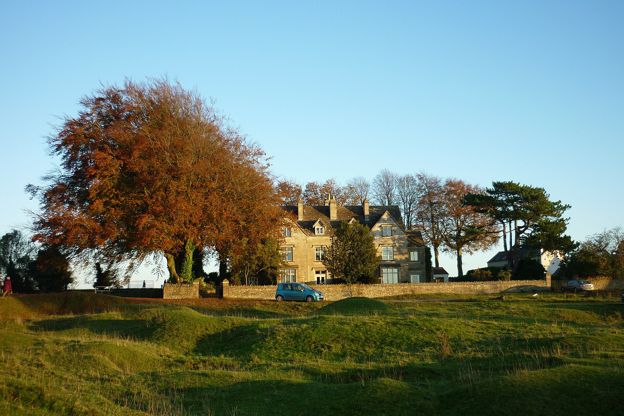
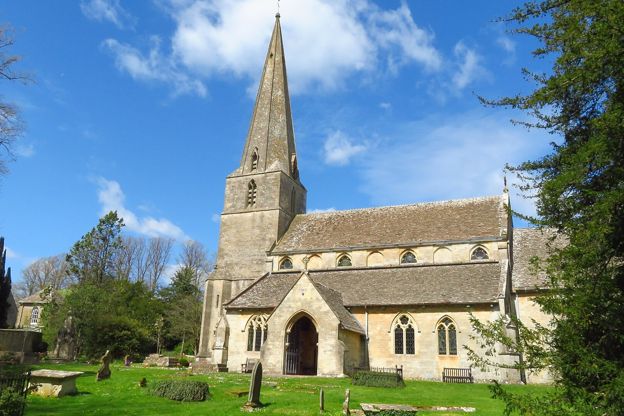
A village of cottages on the western edge of Minchinhampton Common, looking down over the Nailsworth valley, with the Black Horse and the Amberley Inn, a community shop and café at the church, and the common's cattle at the door.
-
Bisley
Village · Stroud and the Five Valleys
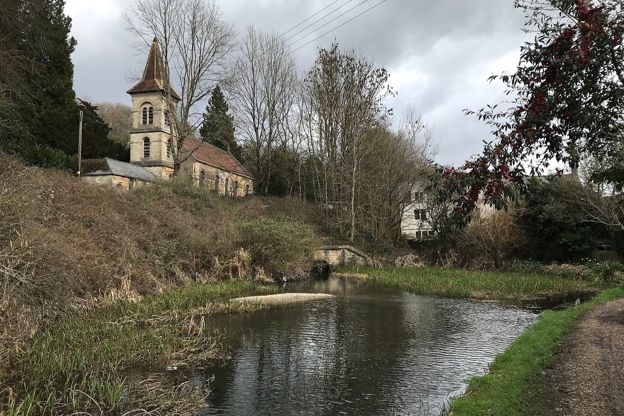
A high stone village east of Stroud with a row of wells dressed with flowers every Ascension Day, a two-cell lock-up of 1824, and a pub in the old courthouse with a colonnade along its front.
-
Chalford
Village · Stroud and the Five Valleys
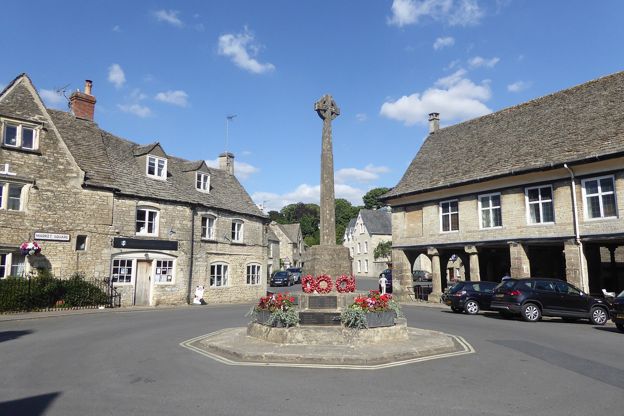
The hillside village of the Golden Valley east of Stroud, its cottages stacked above the Thames and Severn Canal, with the Lavender Bakehouse on the valley road, a round canal house of 1790 and a web of steep paths that donkeys once carried the shopping up.
-
Minchinhampton
Market town · Stroud and the Five Valleys
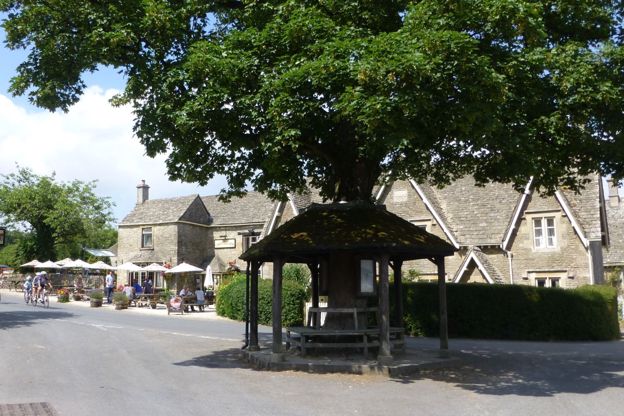
A small hilltop town above Stroud with a Market House of 1698, a church with a crown instead of a spire, and a great open common owned by the National Trust, where grazing cattle wander across the roads.
-
Miserden
Village · Stroud and the Five Valleys
An estate village on the high ground above the Frome valley, 4 miles north-east of Stroud, rebuilt in the 1860s round Miserden Park and its seventeenth-century garden, with a church of Saxon origin, a Norman castle mound and walks through the estate's woods.
-
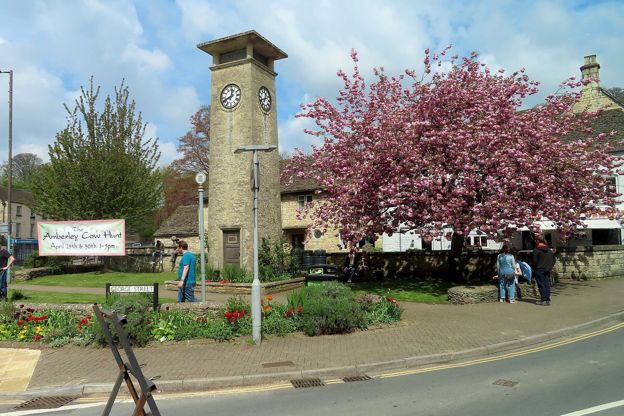
Nailsworth
Market town · Stroud and the Five Valleys
A small valley town 4 miles south of Stroud with old cloth mills, independent shops and some of the best food in the Cotswolds, a 1952 clock tower, a level railway path to Stroud and the commons on the hill above.
-
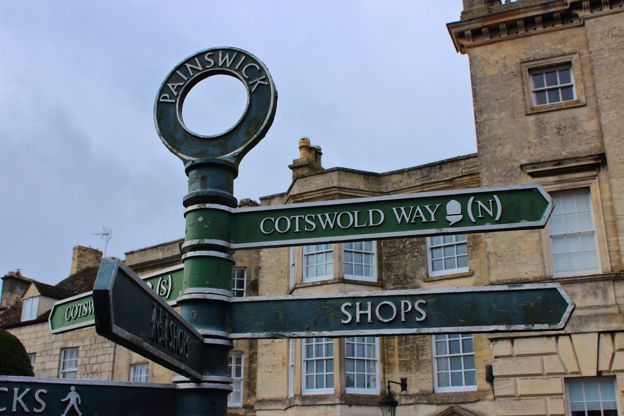
Painswick
Market town · Stroud and the Five Valleys
A former cloth town above the Stroud valleys, with a churchyard of clipped yews and carved tombs, a church clipping every September, and the Rococo Garden.
-
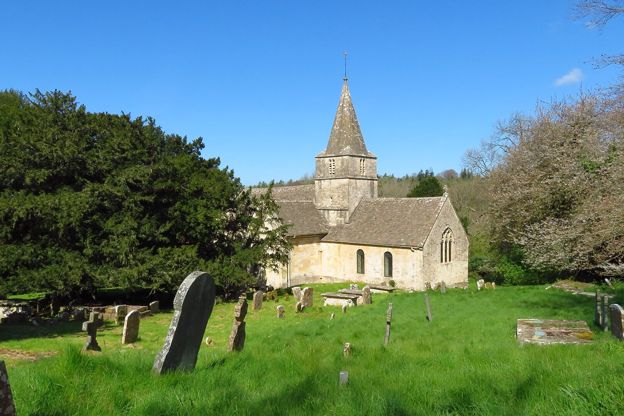
Sapperton and Frampton Mansell
Village · Stroud and the Five Valleys
Two villages on the lip of the Frome valley where the Thames and Severn Canal went underground: the Gothic tunnel portal at Daneway, the Daneway Inn beside the old canal, the church where Gimson and the Barnsleys are buried, and the Crown at Frampton Mansell.
-
Sheepscombe
Village · Stroud and the Five Valleys
A former weaving village in a steep side valley above Painswick, with the Butchers Arms on the hillside, the cricket ground Laurie Lee bought on the top, and the beechwoods of the Cotswold Commons and Beechwoods reserve behind.
-
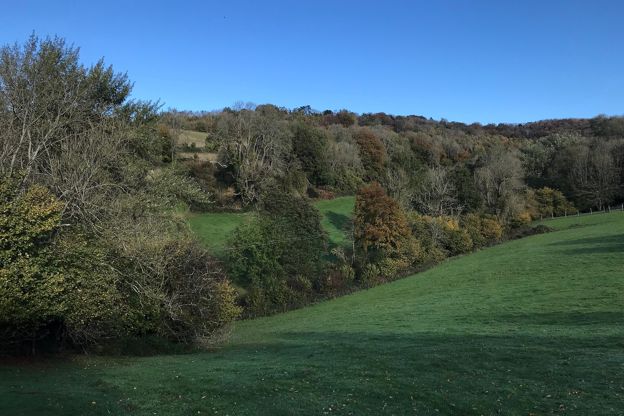
Slad
Village · Stroud and the Five Valleys
The village Laurie Lee wrote about in Cider with Rosie, 2 miles up the valley from Stroud: his grave by the church, the Woolpack across the road, and four wildlife reserves on the slopes around it.
-
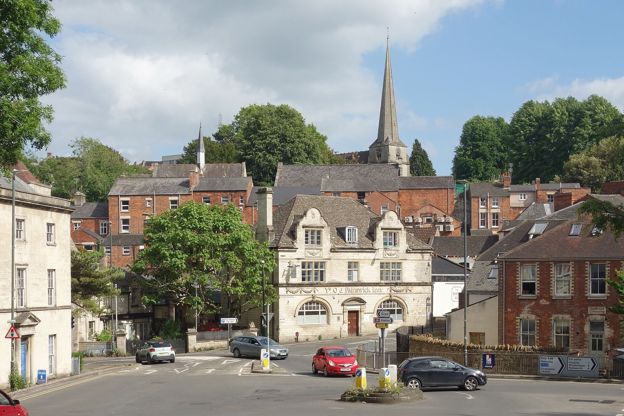
Stroud
Market town · Stroud and the Five Valleys
The cloth town where five valleys meet, with a Saturday farmers' market, a free museum in Stratford Park, a canal coming back to life and Laurie Lee's Slad next door.
Things to do in Stroud and the Five Valleys
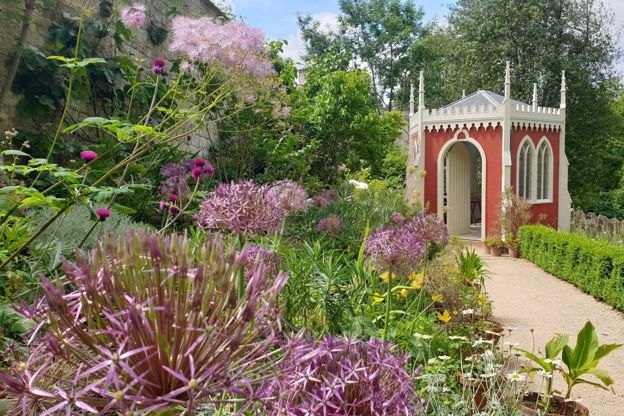
Parks and gardens · Painswick
Painswick Rococo Garden
An eighteenth-century pleasure garden restored from a painting of 1748, with snowdrops in late winter, a café and dogs welcome on short leads.
-
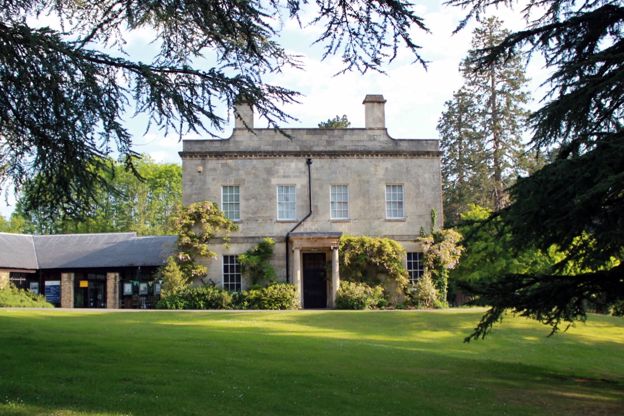
Museum in the Park
Museums and galleries · Stroud
Stroud's free museum in a seventeenth-century house in Stratford Park, with a walled garden and a café, closed on Mondays and for a few weeks in winter.
Rainy days · Car-free · Family-friendly
Verified Oct 2026
-
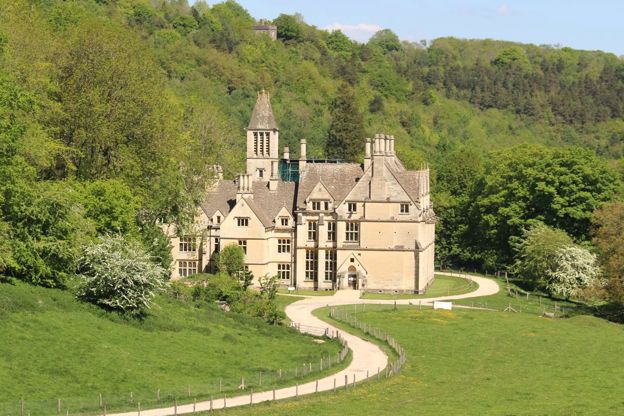
Woodchester Mansion
Historic houses and heritage · Minchinhampton
An unfinished Grade I house near Nympsfield, reached by minibus or a walk down a track, open Friday to Sunday from April to early November.
Family-friendly · Walker-friendly
Verified Nov 2026
Where to stay in Stroud and the Five Valleys
-
Egypt Mill
Inn · Nailsworth
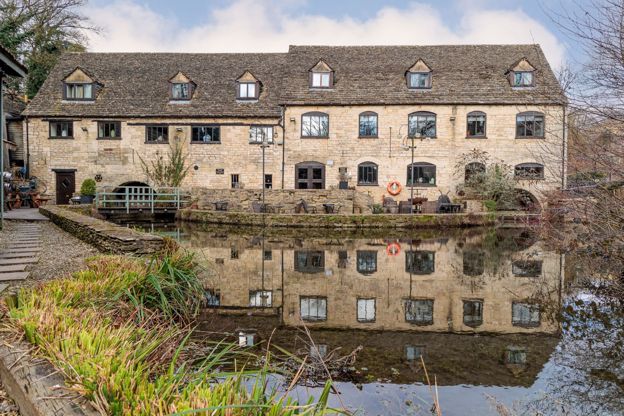
A Grade II* listed former mill in Nailsworth, with its waterwheel and mill pond, now a hotel, pub and restaurant with 28 bedrooms, open from breakfast every day.
Dog-friendly · Family-friendly · Wedding venues
Verified Nov 2026
-
Premier Inn Stroud
Hotel · Stroud
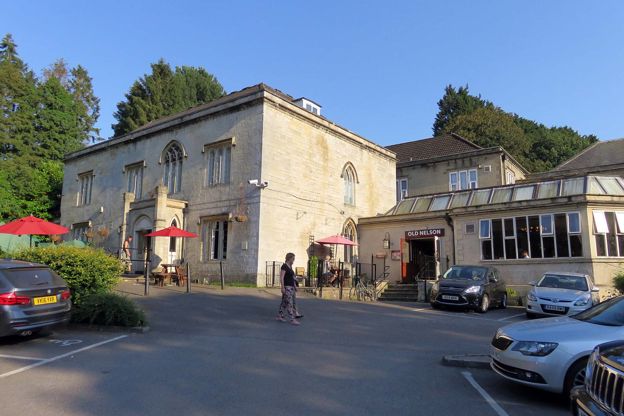
A Premier Inn in the Grade II-listed Stratford Lodge, opposite Stratford Park in Stroud, with free parking and a pub next door for meals.
Verified Oct 2026
-
Stonehouse Court
Hotel · Stroud
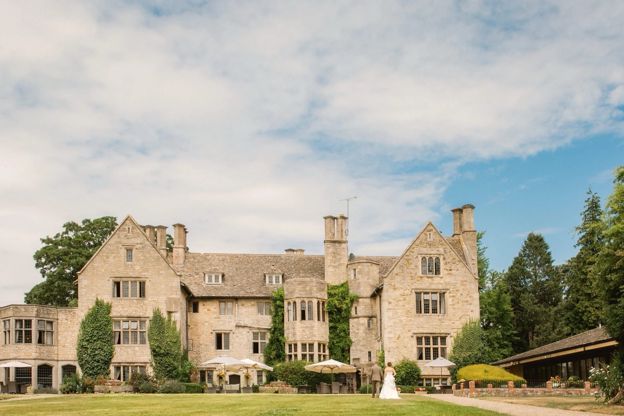
A seventeenth-century manor house hotel in six acres at Stonehouse, near Stroud, with 44 rooms, a brasserie using its own kitchen garden, and weddings.
Wedding venues
Verified Nov 2026
-
The Bear of Rodborough
Hotel · Stroud
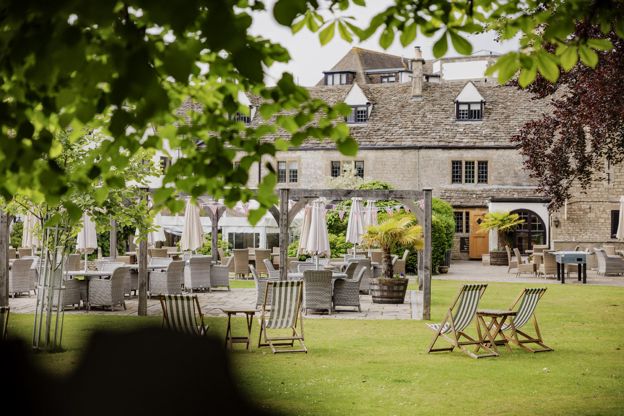
A seventeenth-century former coaching inn on the National Trust's Rodborough Common above Stroud, now a hotel in the Cotswold Inns and Hotels group, with dogs welcome.
Dog-friendly · Walker-friendly · Wedding venues
Verified Oct 2026
-
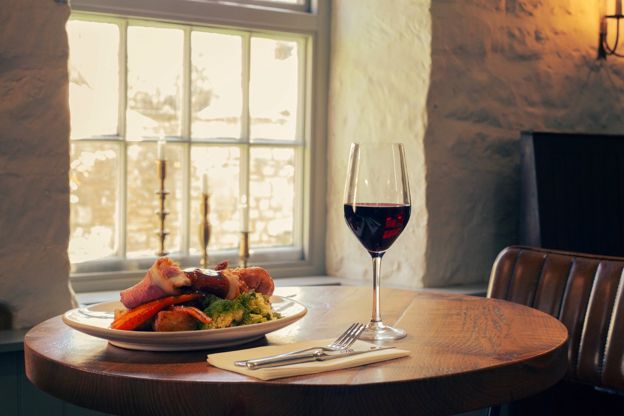
The Falcon Inn
Inn · Painswick
A family-run inn with eleven rooms on New Street, Painswick, established in 1828 and under new owners since February 2026, with dogs welcome throughout.
Dog-friendly · Wedding venues
Verified Oct 2026
-
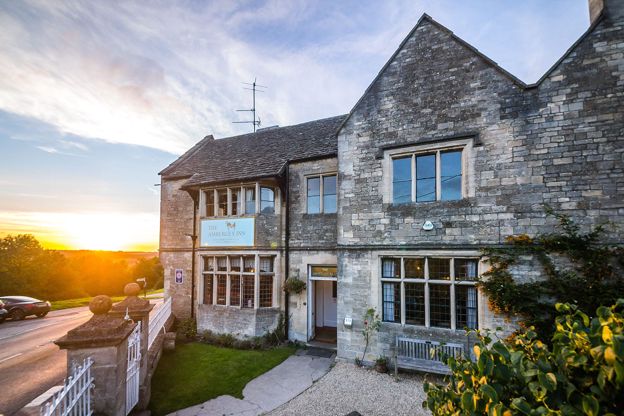
The Amberley Inn
Inn · Nailsworth
An inn with 13 en-suite rooms on the hillside above the Woodchester valley at Amberley, near Nailsworth and Stroud, which describes itself as a restored 16th-century inn.
Dog-friendly · Family-friendly
Verified Nov 2026
Where to eat and drink in Stroud and the Five Valleys
-
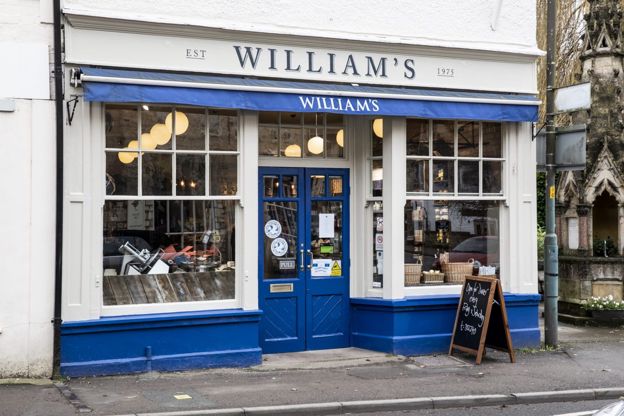
William's
Restaurants · Nailsworth
A seafood restaurant, fishmonger and deli on Fountain Street, Nailsworth, set up by William Beeston in 1975, with a terrace over the stream.
Family-friendly
Verified Nov 2026
-
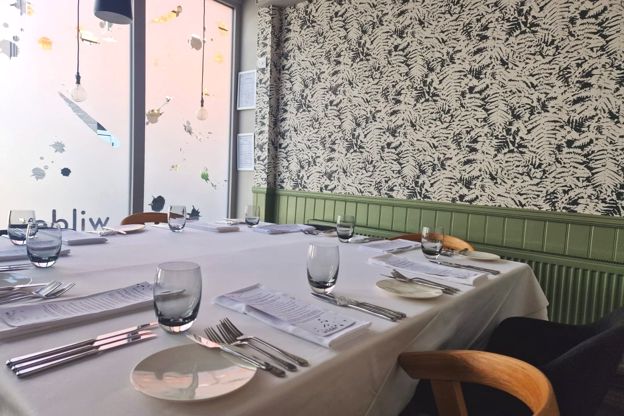
Wilder
Restaurants · Nailsworth
A tasting-menu restaurant on Market Street, Nailsworth: eight courses at one 7pm sitting, Wednesday to Saturday, with no menu.
Verified Nov 2026
-
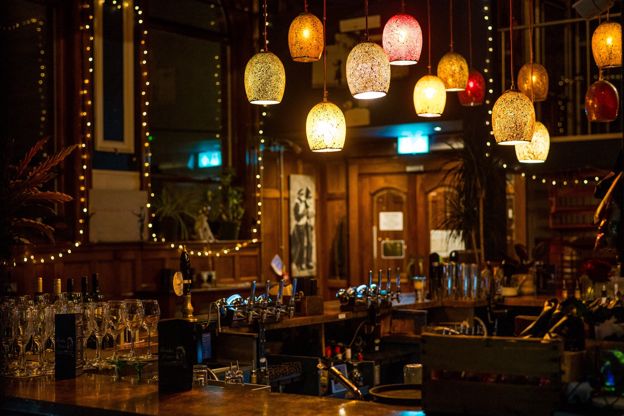
Waterloo House
Pubs · Nailsworth
An independent bar and kitchen on George Street, Nailsworth, open Thursday to Sunday from 9am for brunch, with burgers and pizza Thursday to Saturday.
Verified Nov 2026
-
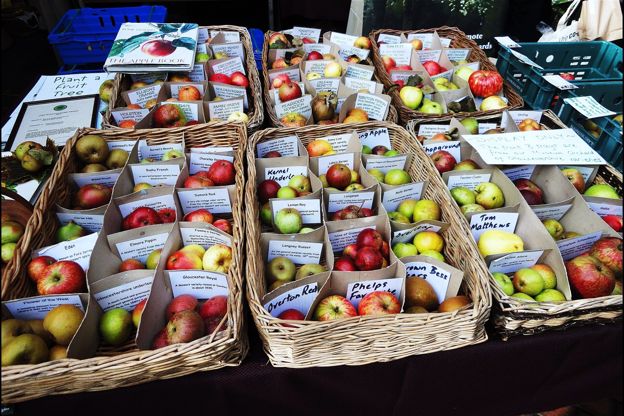
Stroud Farmers' Market
Farm shops and delis · Stroud
A farmers' market on Cornhill Market Place and the streets round it in Stroud every Saturday from 9am to 2pm, run by Made in Stroud and nominated for the FRA's Best Farmers' Market of the Year.
Verified Nov 2026
-
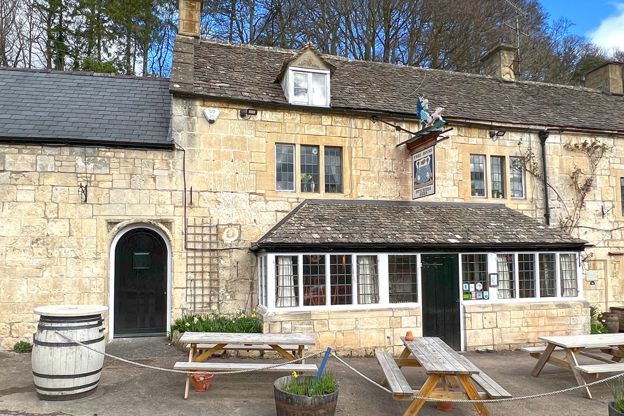
The Butchers Arms
Pubs · Painswick
A free house in the Sheepscombe valley, about two miles by road from Painswick, in Laurie Lee country, with dogs on a lead welcome in the garden and bar.
Dog-friendly · Walker-friendly · EV charging
Verified Oct 2026
-
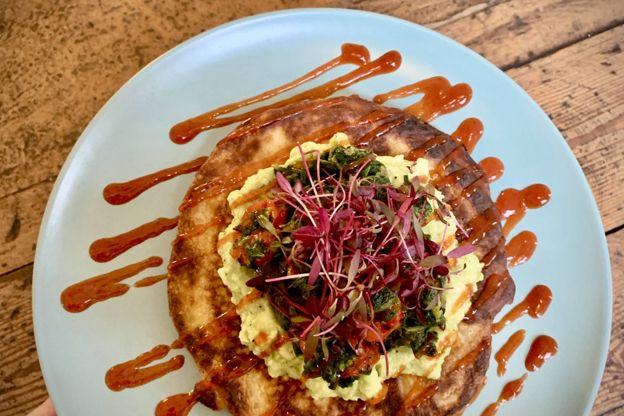
Woodruffs
Cafes and tearooms · Stroud
A café on Stroud's High Street for brunch, lunch, coffee and cake, open every day, with dogs welcome.
Dog-friendly · Family-friendly · Car-free
Verified Oct 2026
Walks in and around Stroud and the Five Valleys
-
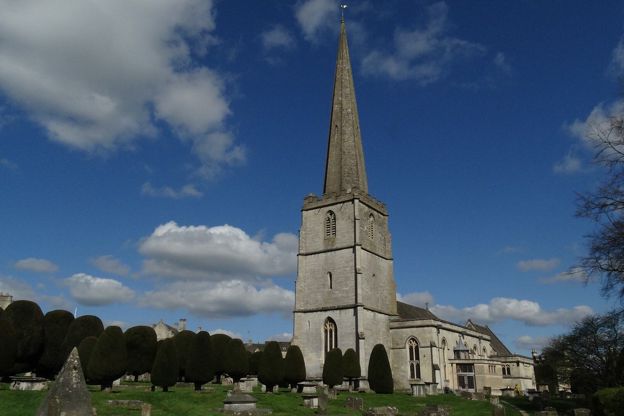
Painswick and Painswick Beacon
Walk · Starts in Painswick · 2 hrs, 45 mins · Circular · Dog-friendly
A 5-mile (8.2km) circular walk from Painswick, moderate and two and a half to three hours, with 250m of climbing: out by Butt Green and the Holcombe farms, over the B4073 and up to the Iron Age ramparts on Painswick Beacon, then down past the golf course and the Rococo Garden.
-
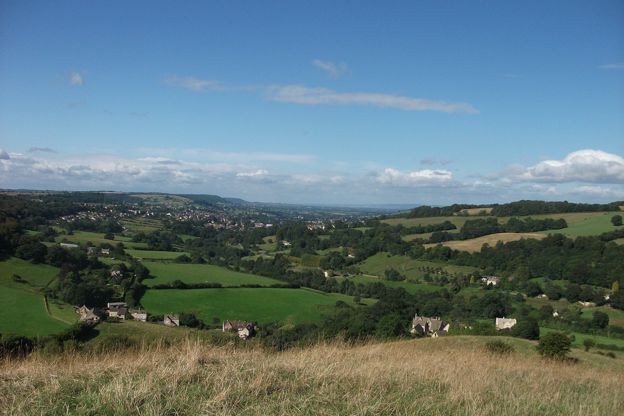
The Laurie Lee Wildlife Way
Walk · Starts in Painswick · 2 hrs, 45 mins · Circular
A 5-mile (8.4km) circular walk from Bulls Cross round the Slad valley, moderate with steep climbs and three to five hours with stops: Gloucestershire Wildlife Trust's loop by Longridge Wood, Snows Farm, Catswood and Swift's Hill, with ten posts carrying Laurie Lee's poems.
-
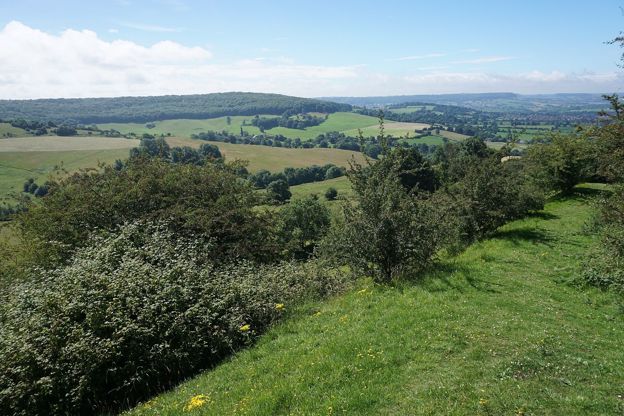
Haresfield Beacon and Standish Wood
Walk · Starts in Stroud and the Five Valleys · 2 hrs, 15 mins · Circular
A 4.5-mile (7.2km) circular walk from the National Trust's Shortwood car park, moderate and two to two and a half hours: south through the beeches of Standish Wood, down across the fields below the escarpment, and a long climb back to the hillfort on Haresfield Beacon.
Sights in and around Stroud and the Five Valleys
-
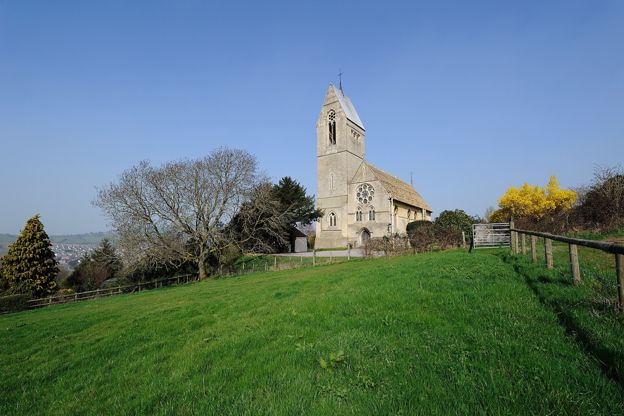
All Saints' Church, Selsley
Sight · Church · Stroud and the Five Valleys
All Saints, Selsley is a Grade I church of 1862 by G F Bodley on the hillside above Stroud, with some of the first church glass made by Morris and Company: windows by Morris, Burne-Jones, Rossetti, Madox Brown and Philip Webb, among them a Creation rose window. Open in daylight.
-
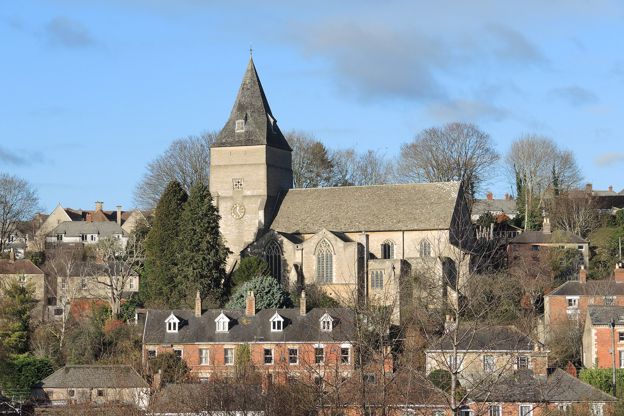
All Saints' Church, Uplands, Stroud
Sight · Church · Stroud
Temple Moore's Grade I church on the hillside at Uplands, above Stroud: built 1907 to 1910 and finished by Leslie Moore in 1932, with a tiled broach spire uncommon in Gloucestershire, a cool ashlar interior and oak stalls made by the Arts and Crafts cabinetmaker Peter Waals.
-
Court House, Painswick
Sight · Historic building · Painswick
The Court House is a gabled stone manor house of 1604 on Hale Lane, beside Painswick churchyard, with a panelled court room and a bedroom named after Charles I. Listed Grade I, it is a private home seen from the lane and the churchyard.
-
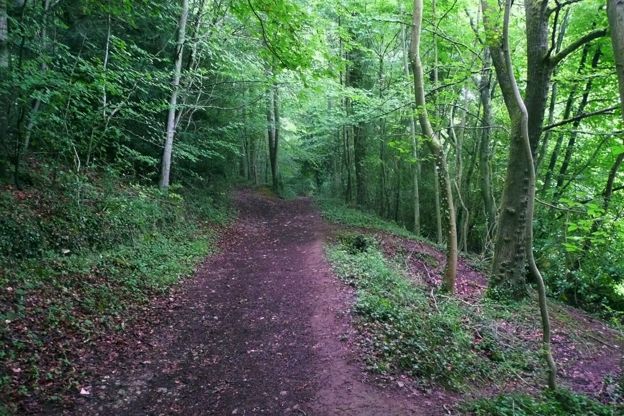
Frith Wood
Sight · Wood · Stroud and the Five Valleys
Frith Wood is an ancient beech wood of 24 hectares on the ridge between the Painswick and Slad valleys, a Gloucestershire Wildlife Trust reserve and SSSI recorded as beech woodland for over 1,000 years, with bluebells, wild garlic and woodruff in spring.
-
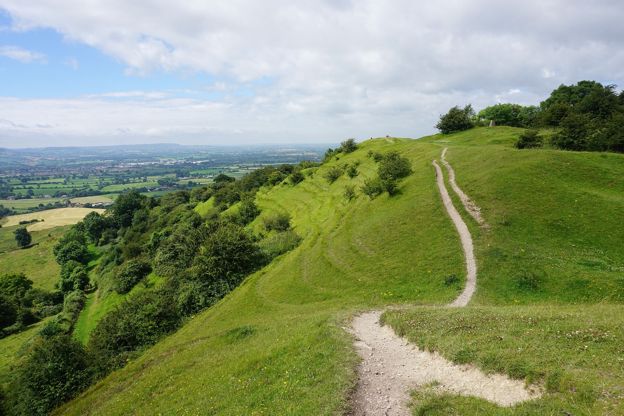
Haresfield Beacon
Sight · Viewpoint · Stroud and the Five Valleys
A National Trust promontory of the Cotswold Edge north-west of Stroud, with a small Iron Age hillfort reused in Roman times, a beacon mound carrying the trig point and a view over the Severn estuary to the Forest of Dean and, on a clear day, the Brecon Beacons.
-
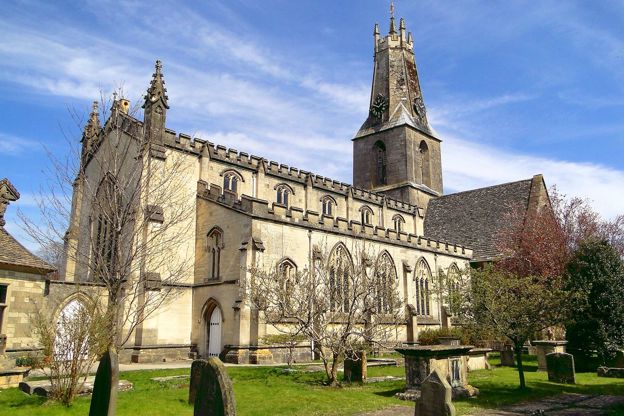
Holy Trinity Church, Minchinhampton
Sight · Church · Minchinhampton
Holy Trinity is Minchinhampton's Grade I parish church, known for its fourteenth-century tower whose spire was cut short in 1563 and crowned with a stone coronet, a south transept lit by a great rose window, and the grave of the astronomer James Bradley.
Stories about Stroud and the Five Valleys
-
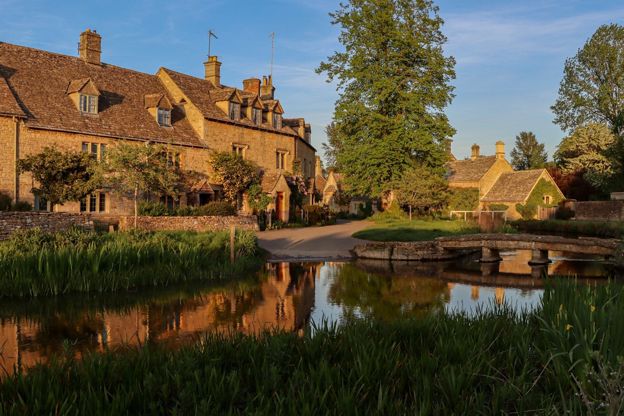
Cotswolds itineraries: one day to a week
Story · Guides · 12 minute read
Cotswolds itineraries from one day to a week: how many days you need, a day by car or by train, two days in the north, three days north to south, five days across two regions, a week with two bases or on the Cotswold Way, and themed weekends for gardens, walks, dogs and winter.
-
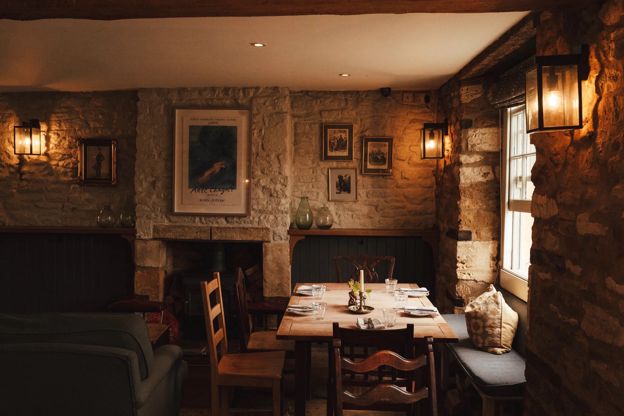
The best pubs with rooms in the Cotswolds
Story · Guides · 13 minute read
The best pubs with rooms in the Cotswolds, region by region: the Kingham Plough and the King’s Head at Bledington, the Lion at Winchcombe, the Falcon at Painswick and the Red Lion at Lacock, with the rooms, the food, the dog rules and the walk from the door.
-
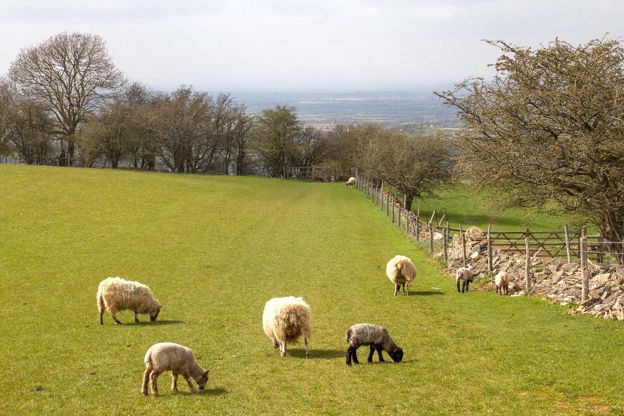
The Cotswold wool trade
Story · History · 9 minute read
How the Cotswold sheep made the hills rich: the medieval export of raw wool through the Staple at Calais, the woolmen of Campden, Northleach and Fairford, the cloth mills of the Stroud valleys, the decline, and where to see it all today.
Getting to Stroud and the Five Valleys