Philip Pankhurst, CC BY-SA 2.0, via Wikimedia Commons
Rodborough Common
Open limestone grassland on the hill between Stroud and the Golden Valley, owned by the National Trust, known for rare pasqueflowers in spring, early purple orchids in May and over 30 kinds of butterfly, grazed by commoners’ cattle, with Rodborough Fort on its brow.
Common or park
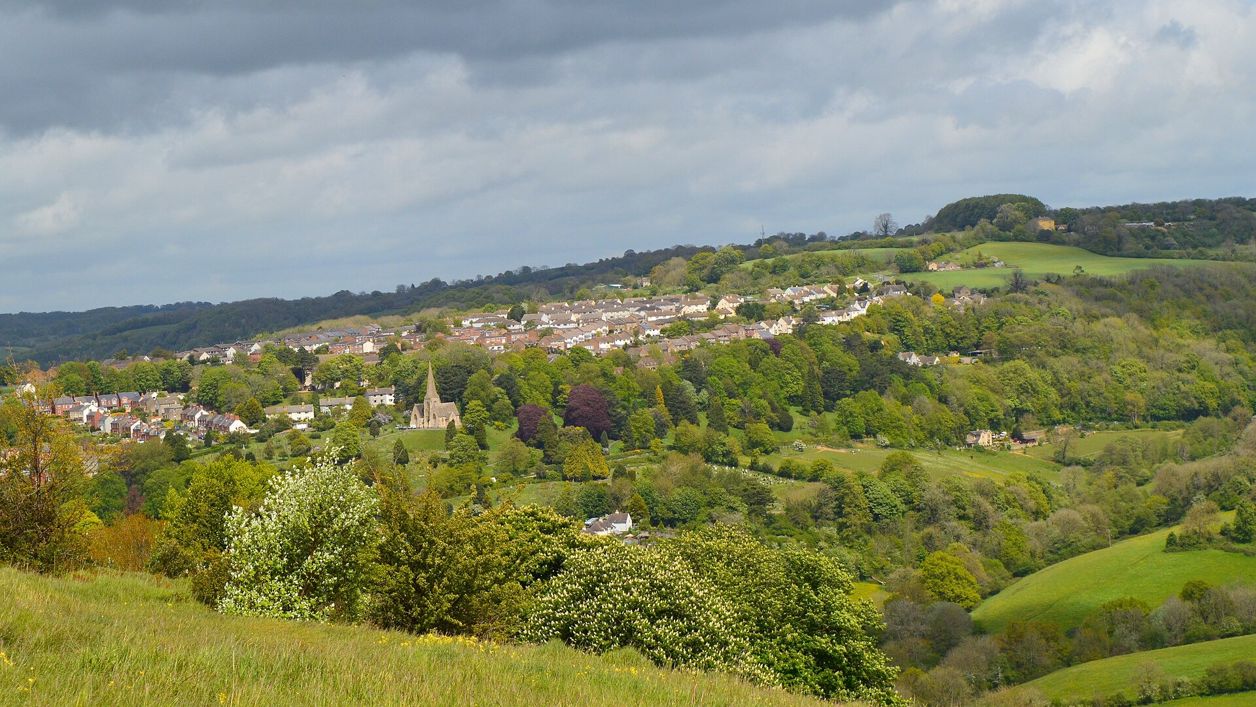
Stroud and the Five ValleysRodborough Common is the open hilltop just south of Stroud, in the Five Valleys, with the Golden Valley below it to the north-east and Minchinhampton Common running on to the south. It belongs to the National Trust and is limestone grassland, grazed by commoners’ cattle, with rare pasqueflowers, orchids, more than 30 kinds of butterfly and a wide view over Stroud and the Severn Vale.
History
Rodborough Common is common land, grazed by the cattle of local commoners, and the open grassland that makes it special is the result of that long grazing. The National Trust looks after it together with Minchinhampton Common to the south. It is a Site of Special Scientific Interest and a Special Area of Conservation, protected for its limestone grassland and orchids, and Stroud District Council's leaflet on the commons says it has one of the largest populations of the rare Duke of Burgundy butterfly in the country.
Fort and inn
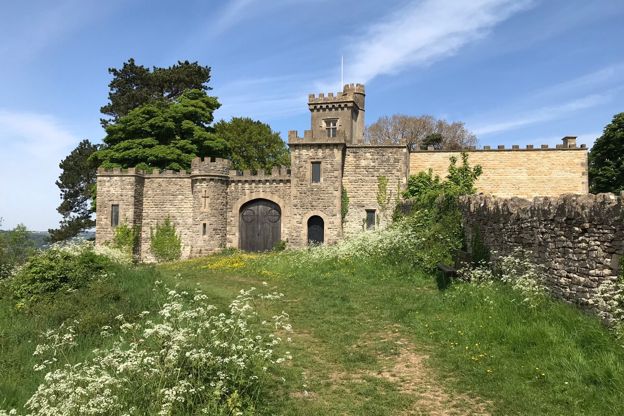
In 1761 a castellated folly was built for a Captain Hawker on the brow of the hill above Stroud. Enlarged into a house for Alexander Holcombe in 1870, it is Rodborough Fort, still the landmark of the common. At the southern end stands the Bear of Rodborough, now a hotel.
Cattle on the roads
The commoners' cattle graze the commons from May to October, Stroud District Council says, and wander onto the roads that cross them. After several cows died in 2026, one hit by a car near the Bear, Minchinhampton Parish Council said in September that road safety on the commons was under review. The speed limit across the commons is 40mph and the council asks drivers to go slower still; expect cattle in the road. The commons' hayward, Mark Dawkins, is the person to ring about cattle in trouble (07973 326772).
What to see
The flowers come first. The National Trust names rare pasqueflowers in spring and a show of early purple orchids in May on the limestone grassland, and its butterfly walk of about 2.75 miles (4.4km) passes ground where more than 30 species have been recorded.
- The view from the western edge over Stroud, the Frome valley and the Severn Vale.
- Rodborough Fort and its battlemented walls on the brow, best seen from the common below them.
- Cattle grazing the open grass from May to October.
- The Golden Valley falling away steeply on the north-east side.
Visiting
Rodborough Common is free and open at all times, with small roadside car parks across the top. The National Trust warns that it is steeper and rougher underfoot than Minchinhampton Common and that the paths can be boggy after rain. When the cattle are out, from May to October, there are plenty of cow pats underfoot; keep dogs on a lead or close by and give the animals room, and on open access land keep dogs on a short lead from 1 March to 31 July. When we checked we found no public toilets listed for the common; the Bear and the pubs nearby are the places to stop. Come in April for the pasqueflowers, in May for the orchids, and on summer days for the butterflies.
Getting there
The common is on the hill road between Stroud and Minchinhampton. Several small car parks line the road across the top, two of them near the start of our walk. On foot from Stroud, it is a steep climb up Rodborough Hill or by Butterow. Our Rodborough Common and the fort walk is an easy 2-mile (3.4km) loop on grass from the car park past the fort.
Nearby
The Bear of Rodborough is on the common, and Winstones ice-cream parlour, which has made its ice cream there since 1925, is on the byway past it, open every day (10am to 5pm in winter). The Prince Albert, a pub and music venue at the top of Rodborough Hill, is about 500m from the walk (it opens in the afternoon and is closed on Tuesdays), and the Old Fleece at Rooksmoor, with serviced apartments behind it, is below the common to the west. South across the road are Minchinhampton Common, with the Bulwarks and the long barrow of Whitfield's Tump. Across the Frome valley stands All Saints, Selsley, with its Morris glass, and below in Stroud the River Frome runs past the old mills.
Walks past Rodborough Common
-
Rodborough Common and the fort
Walk · Starts in Stroud and the Five Valleys · 45 mins · Circular · Dog-friendly
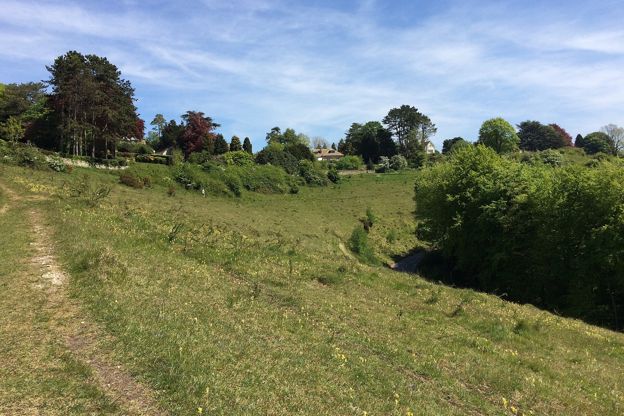
A 2-mile (3.4km) circular walk on Rodborough Common above Stroud, easy, nearly level and about 45 minutes: up to the battlemented folly of Rodborough Fort, down the open western edge, and back past the Bear and an ice-cream stop. Grassy, and grazed by cattle.
-
Stroud, Capel's Mill and Rodborough Common
Walk · Starts in Stroud · 1 hr, 30 mins · Circular
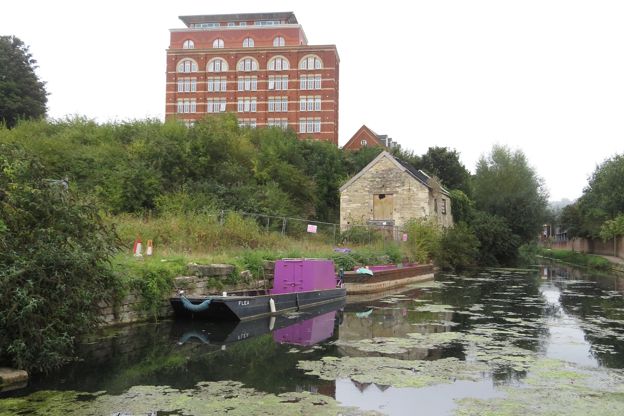
A 3-mile (5km) circular walk from the Subscription Rooms in Stroud, graded strenuous, of about an hour and a half: along the Frome Banks to the Capel's Mill viaduct, up over Rodborough Common past the fort, down through Butterow and back along the canal towpath.
Stay and eat near Rodborough Common
-
The Bear of Rodborough
Hotel · Stroud
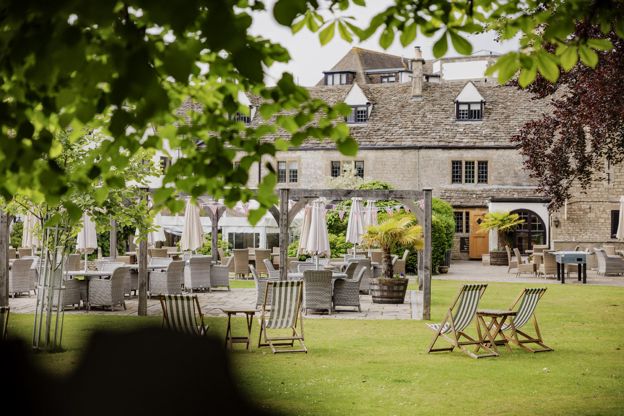
A seventeenth-century former coaching inn on the National Trust's Rodborough Common above Stroud, now a hotel in the Cotswold Inns and Hotels group, with dogs welcome.
Dog-friendly · Walker-friendly · Wedding venues
Verified Oct 2026
-

The Prince Albert
Pubs · Stroud
A pub and music venue at the top of Rodborough Hill, Stroud, serving pizzas and burgers, where dogs on a short lead are welcome in the day.
Dog-friendly · Family-friendly
Verified Nov 2026
-
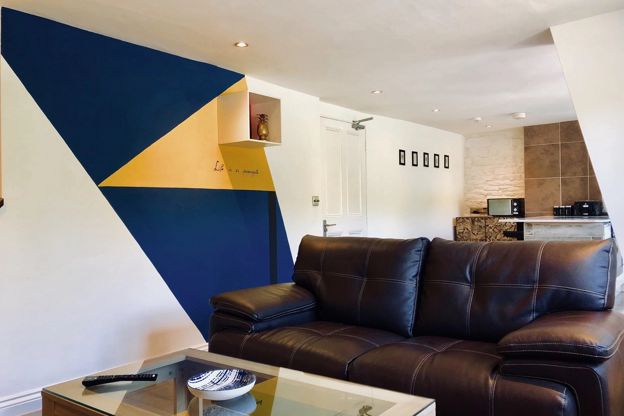
Old Fleece apartments
Self-catering · Nailsworth
Three self-catering apartments behind the Old Fleece pub at Rooksmoor, between Nailsworth and Stroud, with an EV charging point and the garden.
EV charging
Verified Nov 2026
Stories about Rodborough Common
-
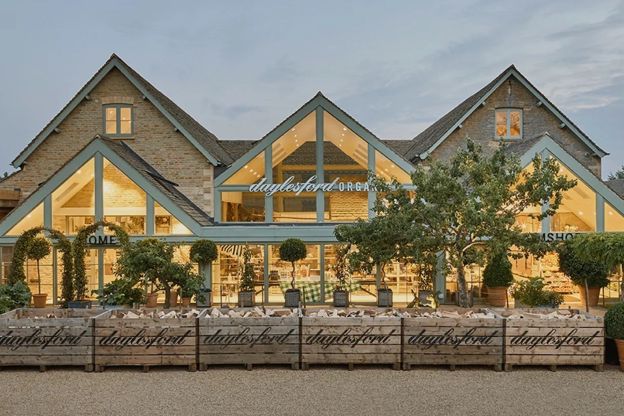
Cotswold food and drink: farm shops, breweries, distilleries and markets
Story · Guides · 10 minute read
What the Cotswolds make and where to buy it: Cotswold lamb, the Gloucester cheeses, Donnington and Uley beer, whisky from Stourton, wine from Woodchester Valley, the farm shops, the markets at Stroud, Moreton and Cirencester, and the tastings worth booking.
-
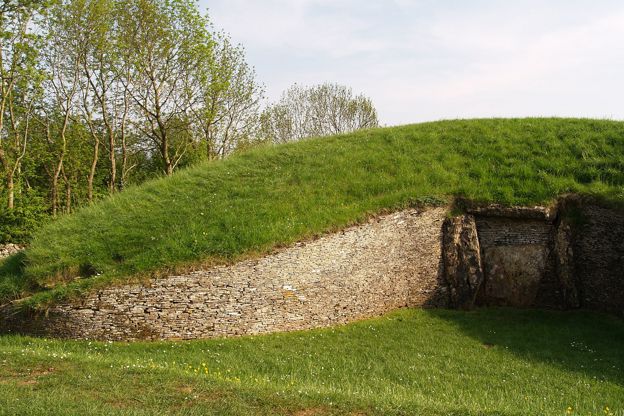
Free things to do in the Cotswolds
Story · Guides · 11 minute read
Free things to do in the Cotswolds: open commons and viewpoints, Neolithic tombs and hill forts, ruins, wool churches, free museums in Malmesbury, Stroud, Woodstock and Burford, the Cotswold Way and Blenheim's public footpaths.
-
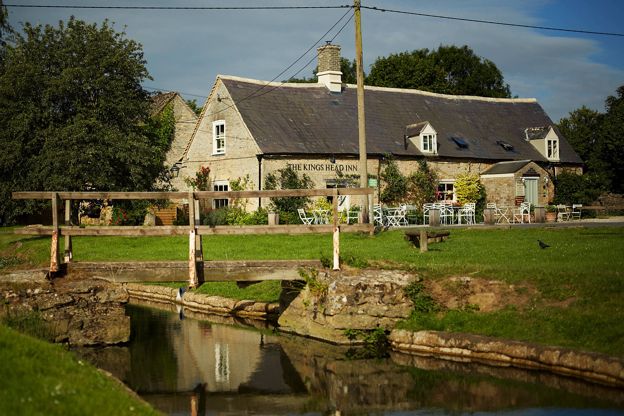
The best pubs in the Cotswolds
Story · Guides · 11 minute read
The best pubs in the Cotswolds: village pubs on the green at Biddestone and Guiting Power, medieval inns at Castle Combe and Lacock, riverside pubs at Lechlade and Swinbrook, pubs with rooms round Kingham, and the pubs at the end of our walks.
More sights to see
-
Rodborough Fort
Sight · Historic building · Stroud and the Five Valleys
Rodborough Fort is a battlemented house on the brow of Rodborough Common above Stroud, begun as a folly for Captain Hawker in 1761 and enlarged in 1870 with a four-storey tower, turreted curtain walls and a small chapel. Grade II; a private house, seen from the common.
-
Minchinhampton Common
Sight · Common or park · Minchinhampton
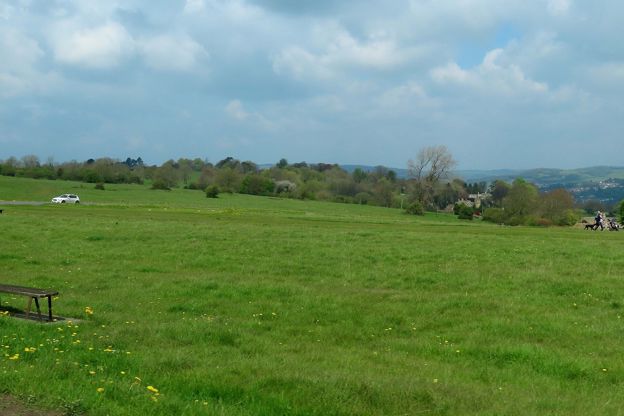
Minchinhampton Common is a wide sweep of limestone grassland above Stroud and Nailsworth, in the care of the National Trust since 1913, where commoners' cattle graze and an Iron Age bank, a long barrow, pillow mounds and wartime trenches lie in the turf. Free to wander.
-
Whitfield's Tump, Minchinhampton Common
Sight · Hill fort or barrow · Minchinhampton
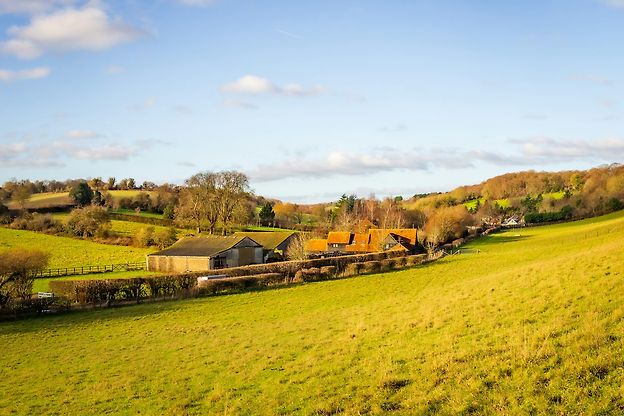
Whitfield's Tump is a Neolithic long barrow on Minchinhampton Common, a low mound 26m long where early farmers buried their dead, named from the tradition that the preacher George Whitefield spoke from it in 1743. A scheduled monument on free National Trust land.