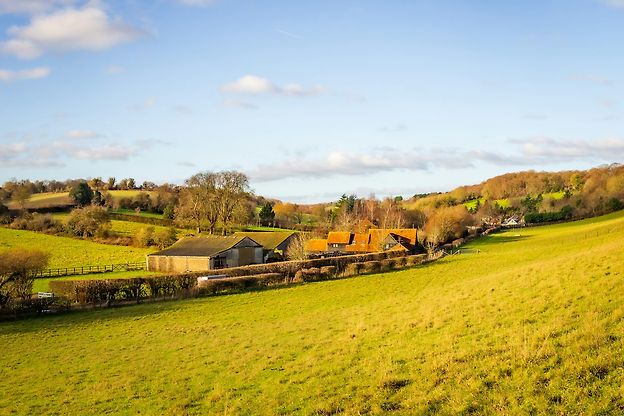
Philip Jeffrey, CC BY-SA 2.0, via Wikimedia Commons
Adlestrop
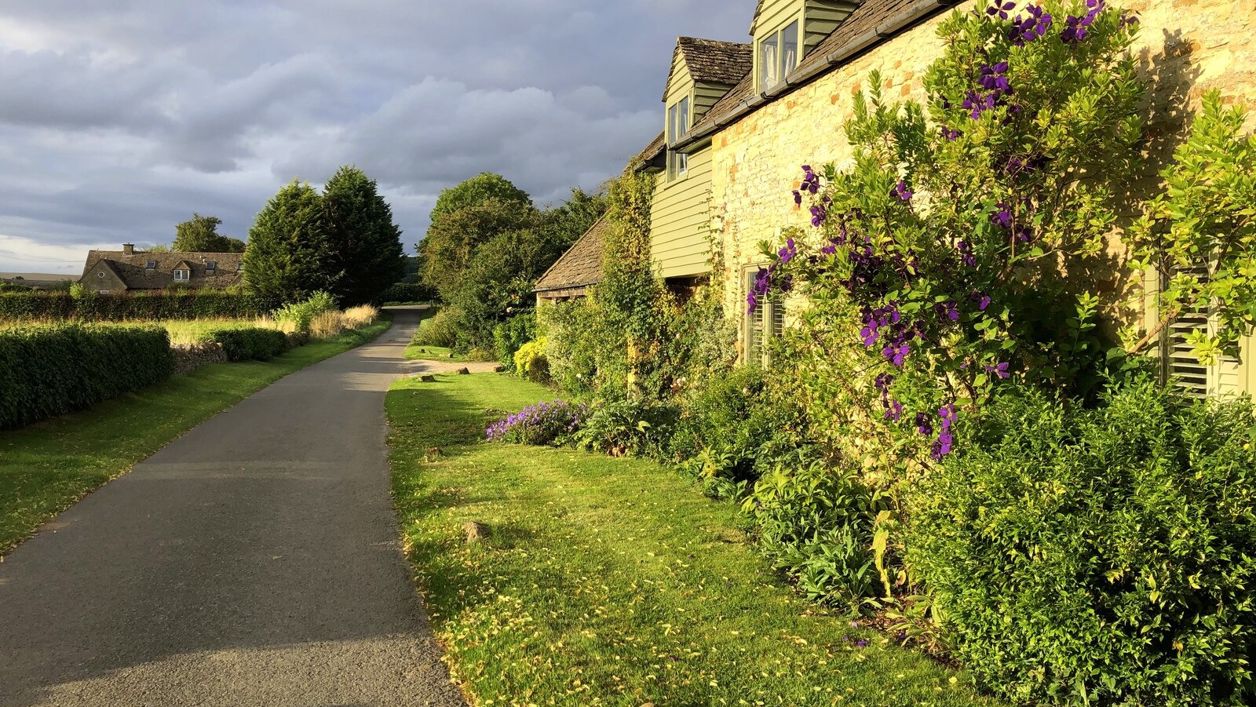
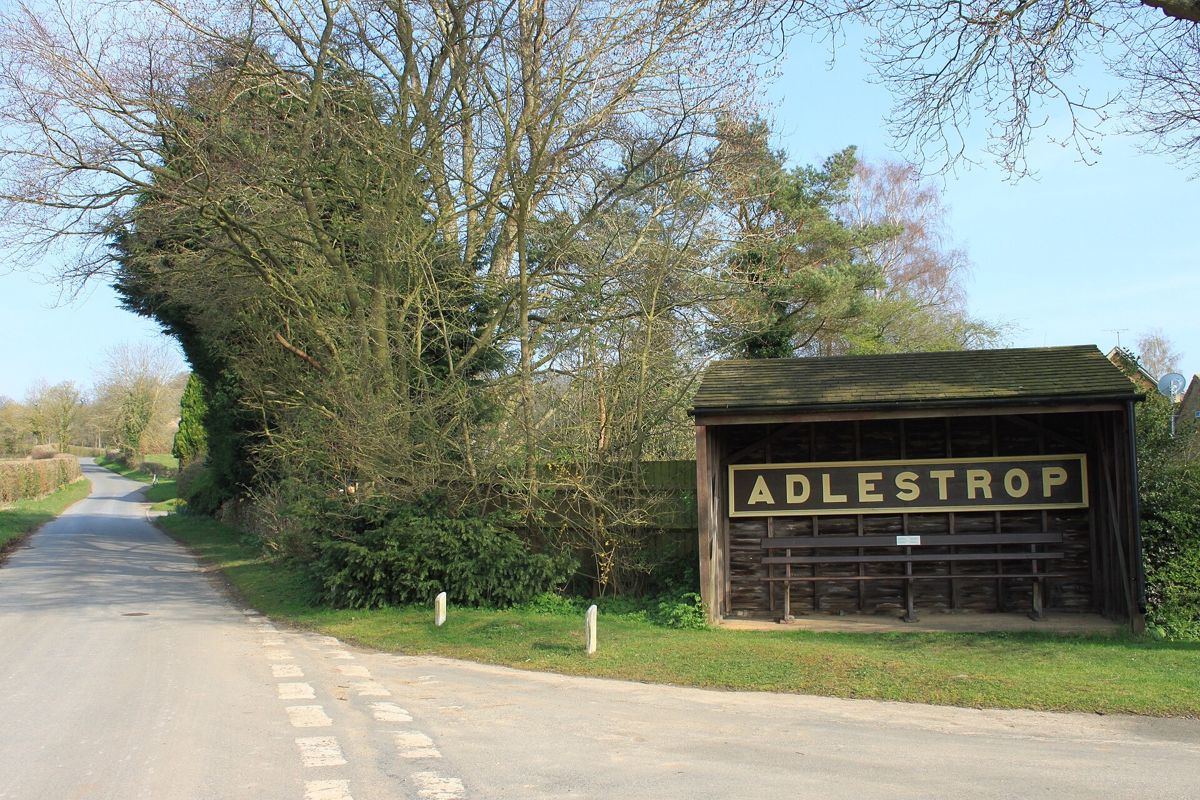
The hamlet where Edward Thomas's train stopped in June 1914. The station has gone, but its sign and bench hang in the bus shelter, the rectory where Jane Austen visited her relations stands by the church, and the Evenlode valley walk starts from the hall.
- Nearest station
- Kingham, about 5 miles by road, on the Cotswold Line, then a taxi; Adlestrop's own station closed in 1966
- Parking
- A small car park at the village hall, with an honesty box (a suggested £1 in 2026); park with care and do not block the lane or the bus stop
- Best time
- Late June, when Thomas came; any bright afternoon for the walk
- When it's busy
- Never crowded; a trickle of readers at the bus shelter in summer
- Toilets
- None in the village
- Dogs
- On leads on the walk, where cattle and horses graze most of the route; the stretch on the A436 has no pavement
About Adlestrop
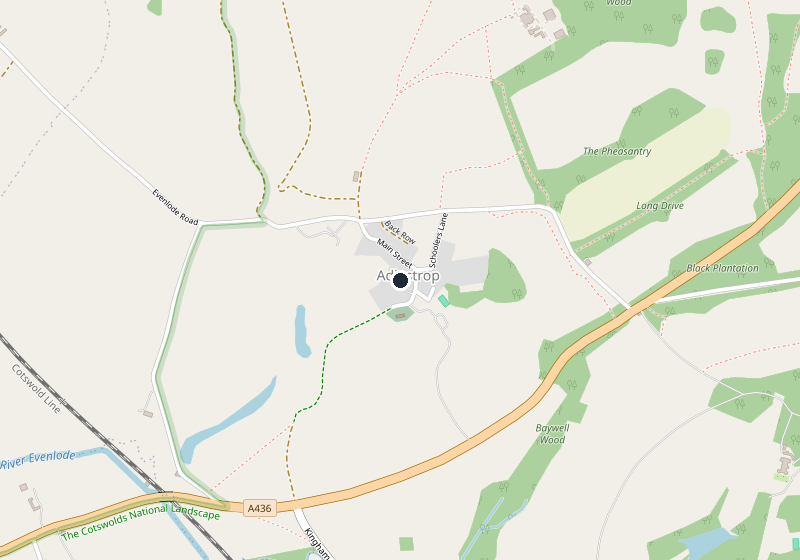
Adlestrop is a few dozen houses on a triangle of lanes off the A436, about 3 miles (5km) east of Stow-on-the-Wold and half a mile from the River Evenlode. It has no pub and no shop, and its station closed in 1966. People come because an express stopped here for a minute in June 1914 with Edward Thomas on board, and the poem he wrote about the silence and the birdsong made the name known far beyond the Cotswolds.
What to see
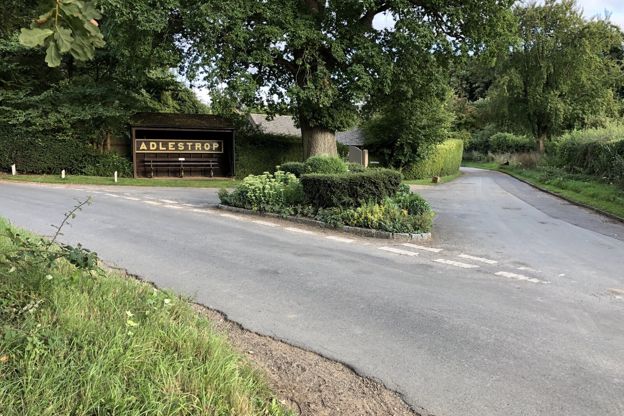
The Adlestrop railway sign and seat hang in the bus shelter at the road junction by the village hall: the painted board in Great Western Railway style with its raised letters and the cast-iron bench from the platform, given to the village by British Rail and set up here in the early 1970s. A plaque with the poem was fixed to the bench in June 2014, a century after Thomas's stop, and Historic England listed both at Grade II in 2017. They are free to see at any time.
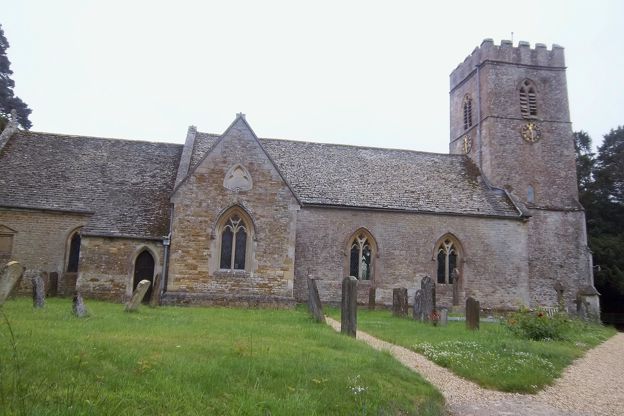
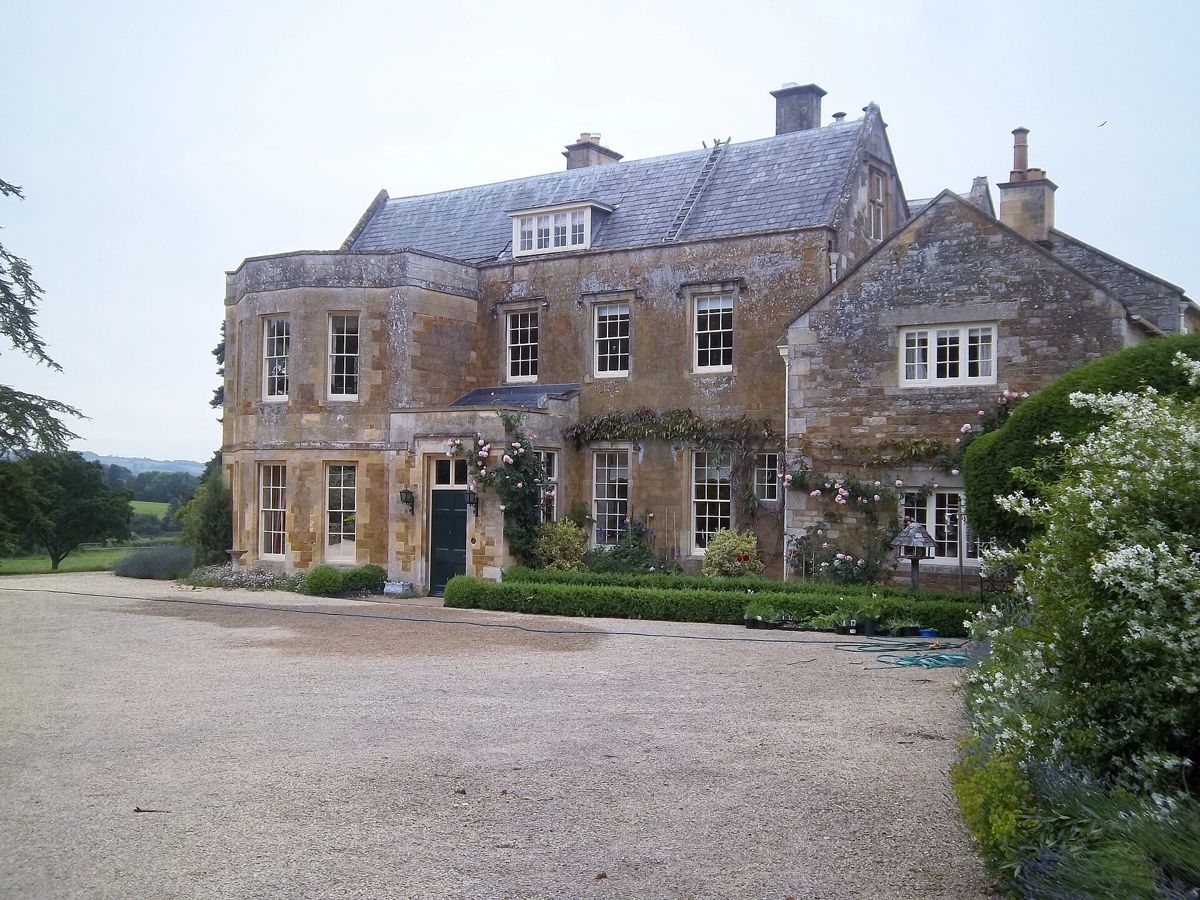
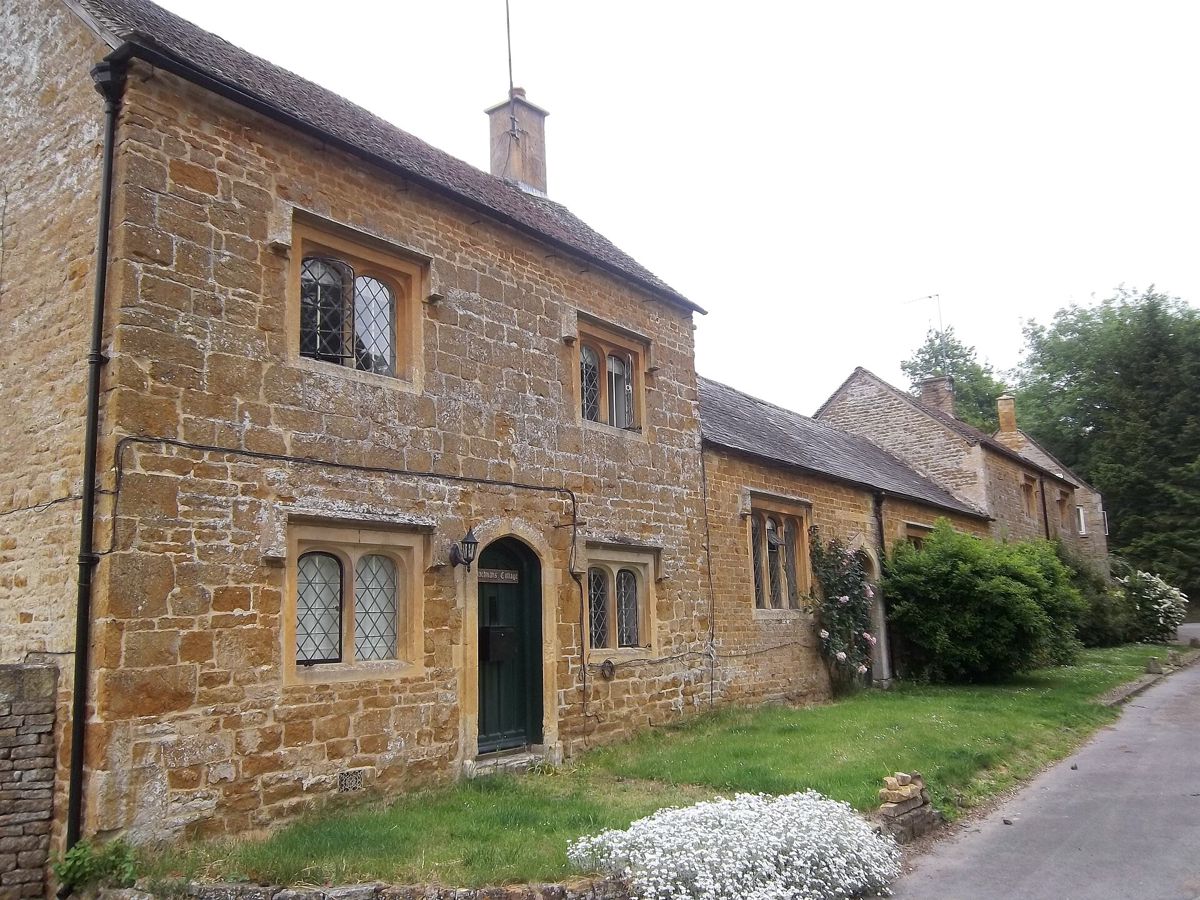
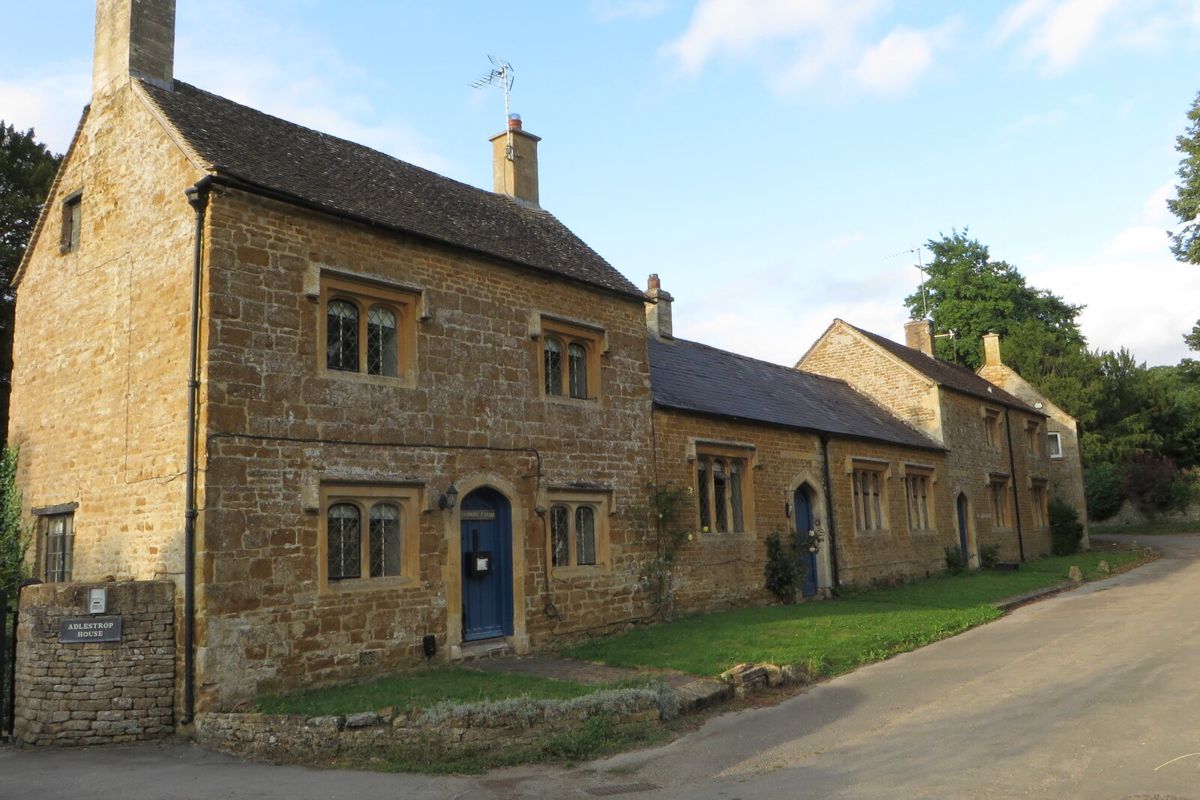
St Mary Magdalene, the parish church, is Grade II: a thirteenth-century tower arch, a fifteenth-century tower and a fourteenth-century chancel arch survive from the medieval church, which was rebuilt around 1750, again in 1765 and restored in the early 1860s. Beside it is Adlestrop House, the former rectory, where the Rev Thomas Leigh was rector from 1762 to 1813. Jane Austen visited her relations here; Historic England's listing calls Leigh her uncle and her a frequent visitor. Behind the churchyard wall is Adlestrop Park, Grade II*, the Leigh family's house, with a Gothick south-west front by Sanderson Miller of 1759 to 1763 and pleasure grounds laid out by Humphry Repton. Both houses are private, seen from the lane and the footpath.
An afternoon here
Park at the village hall and start in the shelter with the poem. Walk the lane to the church and the two Leigh houses, a quarter of an hour, then take the drive south through the Daylesford estate to Daylesford, whose farm shop opens from 8am to 6pm Monday to Saturday and from 9am to 5pm on Sunday, for coffee. Come back the same way or carry on round the loop to the Fox at Lower Oddington.
Walks
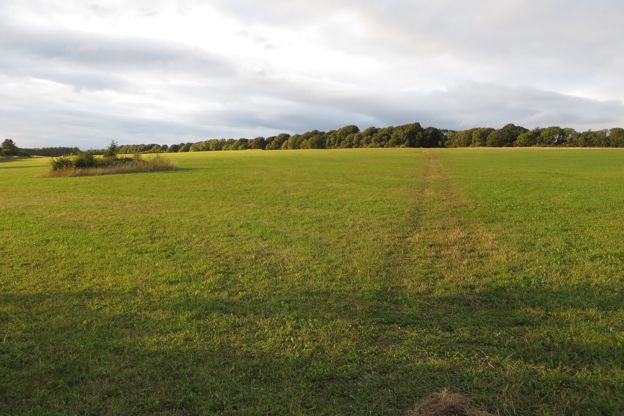
Adlestrop, Daylesford and Lower Oddington is the 5-mile (8.2km) loop from the village hall, two to two and a half hours of moderate walking on estate drives and bridleways through the Daylesford estate, over the Evenlode to the Doom painting in St Nicholas's Church and the Fox, and back. Walkers' reports on AllTrails from 2024 to 2026 warn about the 530m on the A436 over the river and the railway, with no pavement or verge, a narrow bend and fast traffic, and some turned back there; we suggest walking to Daylesford and back the same way instead. Over the hill, the National Trust's Chastleton House is a 3-mile drive.
The Cotswolds Info newsletter
Events, new places and the best of the season, about once a month. Unsubscribe at any time.
Food and drink
There is nothing in Adlestrop itself. The nearest food is at Daylesford, a mile or so south through the estate, with the farm shop's café and the Old Spot, and the Fox at Oddington, a Daylesford pub with rooms about 1.5 miles south-west by road, which serves from midday every day and lets dogs in throughout.
When to come
Thomas's stop was in late June, in heat, with the haycocks drying and a blackbird singing, and that is the day to copy. Wild garlic and bluebells come out along the walk in spring. The lanes are quiet all year, the 803 bus calls on Tuesdays only, and the fields are muddy from November to March, so winter visitors see the shelter and the church and drive on to Stow.
Last verified 1 November 2026 by our editors
Part of
The North Cotswolds
The high wolds between Chipping Campden and Bourton-on-the-Water: the Fosse Way towns, the Windrush villages, the Slaughters and the escarpment at Broadway.
Things to do in Adlestrop
Historic houses and heritage · Moreton-in-Marsh
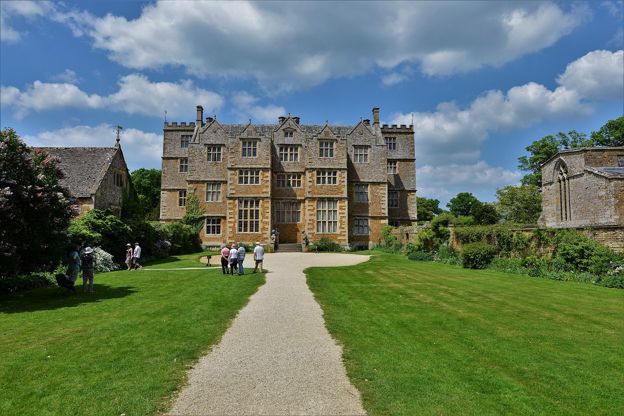
Chastleton House
A Jacobean house near Moreton-in-Marsh, built on the estate Robert Catesby sold in 1602, where rules for croquet were written.
Where to stay in Adlestrop
-
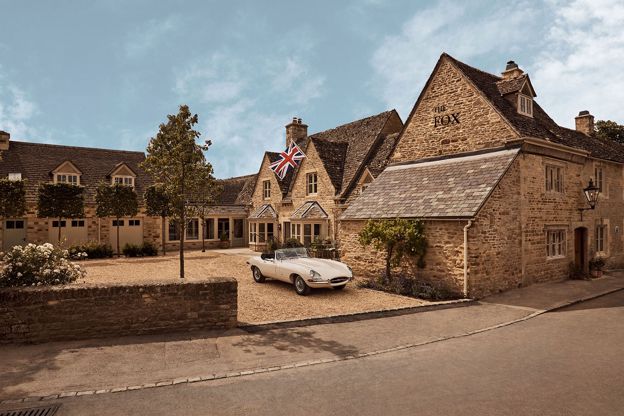
The Fox at Oddington
Inn · Kingham
A Daylesford pub with rooms at Lower Oddington, with the four-bedroom Coachman's House opposite for self-catering groups of up to eight.
Dog-friendly · Family-friendly
Verified Oct 2026
-
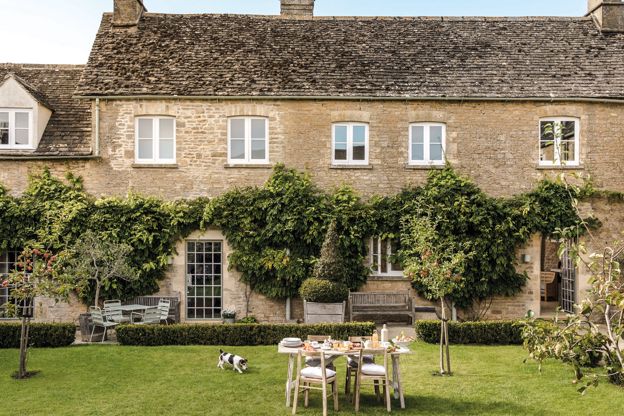
Daylesford Stays cottages
Self-catering · Kingham
Self-catering cottages in Daylesford village and on Daylesford's organic farm near Kingham, all within two miles of the farm shop, and all of them dog-friendly.
Dog-friendly
Verified Nov 2026
Where to eat and drink in Adlestrop
-
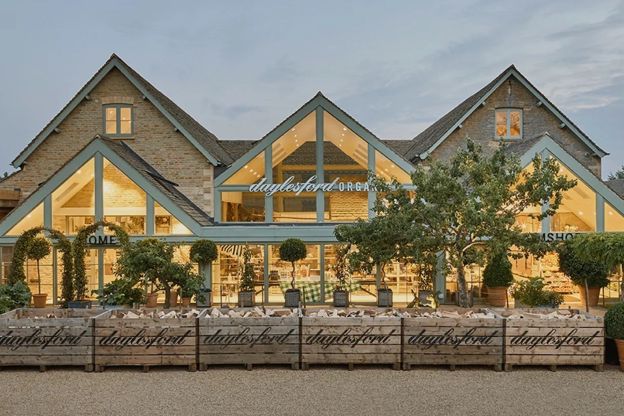
Daylesford Farm
Farm shops and delis · Kingham
The farm shop, restaurant and café at Daylesford near Kingham, open every day, with the Trough holding a Green Michelin star.
Dog-friendly
Verified Nov 2026
-
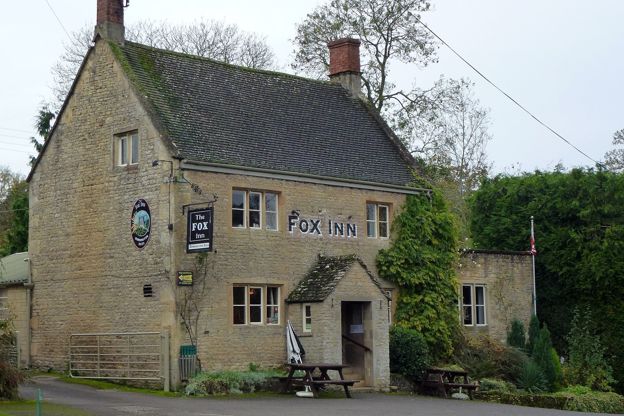
The Fox Inn, Broadwell
Pubs · Stow-on-the-Wold
A Donnington Brewery village pub overlooking the green at Broadwell, just north-east of Stow-on-the-Wold, run by Peter Creed and Tom Noest, with seasonal pub food, game and offal, and food all day on Sundays.
Verified Nov 2026
-
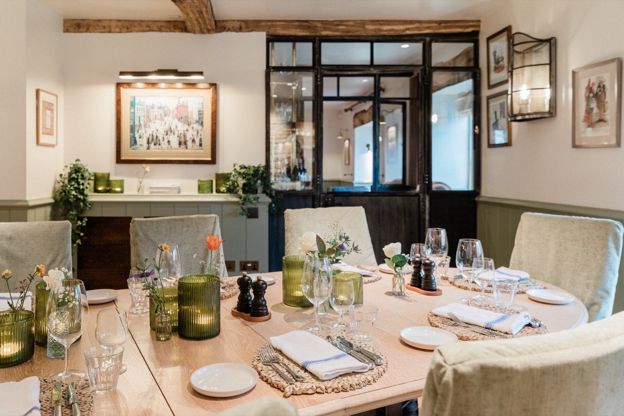
The Chequers, Churchill
Pubs · Kingham
A Lionhearth Group gastropub on Church Road in Churchill, about 2 miles from Kingham, with an open fire, a garden terrace, two private dining rooms and dogs and children welcome.
Dog-friendly · Family-friendly
Verified Nov 2026
Walks in and around Adlestrop
-
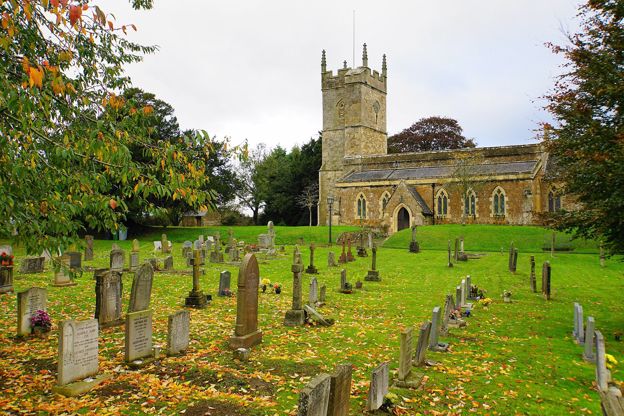
Kingham, Daylesford and the Evenlode
Walk · Starts in Kingham · 1 hr, 30 mins · Circular · Dog-friendly
A flat 4.4-mile (7.1km) circular walk of about an hour and a half from Kingham: north-west on bridleways across Daylesford's fields to the Evenlode, back down the river meadows and over the Cotswold Line on the level. Walkers report it wet and often flooded in winter.
-
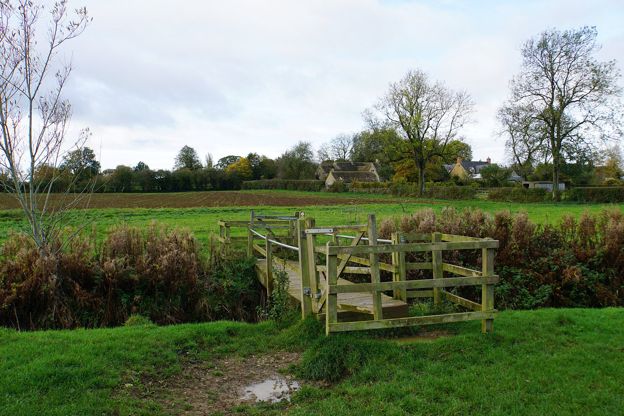
Kingham station and Bledington
Walk · Starts in Kingham · 3 hrs · Circular
A 3.5-mile (6km) car-free circular walk from Kingham station, easy and two to three hours with stiles and a boggy patch: along the River Evenlode into Gloucestershire, over the old railway and past a pond, then to Bledington's green and the King's Head, and back by the river.
-
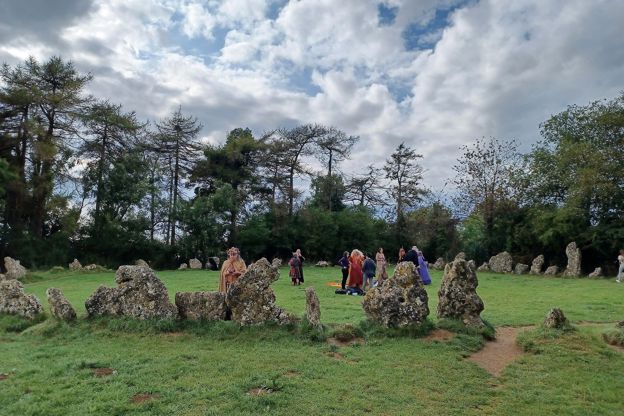
Salford and the Rollright Stones
Walk · Starts in the Oxfordshire Cotswolds · 2 hrs, 30 mins · Circular · Dog-friendly
A 5-mile (8km) circular walk from the green at Salford, moderate and about two and a half hours, with stiles: up bridleways and field paths to the Whispering Knights, the King Stone and the King's Men stone circle, then down through Little Rollright and back.
Sights in and around Adlestrop
-
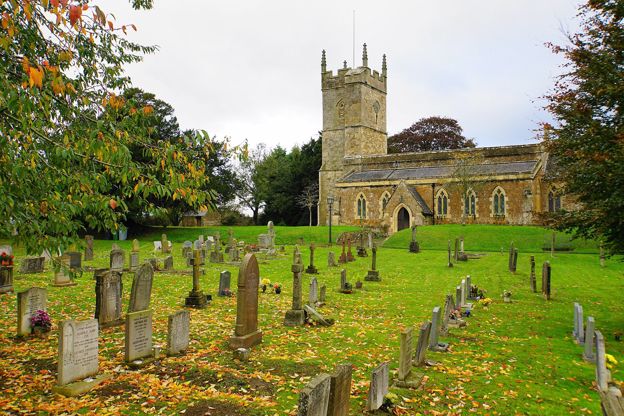
St Andrew's Church, Kingham
Sight · Church · Kingham
Kingham's ironstone church of the fourteenth and fifteenth centuries, with a pinnacled tower, a nave roof dated 1774, an Elizabethan brass in the Easter Sepulchre and the old rectory of 1688 next door. Grade II*.
-
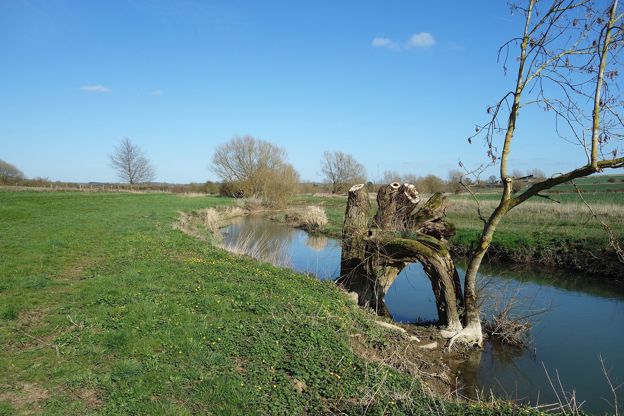
River Evenlode
Sight · River · Kingham
The Evenlode is the river of the valley below Kingham, rising in the Cotswold limestone and flowing south-east to the Thames; near Kingham it runs beside the Cotswold Line past Bledington and Daylesford and for a stretch marks the Oxfordshire and Gloucestershire boundary.
-
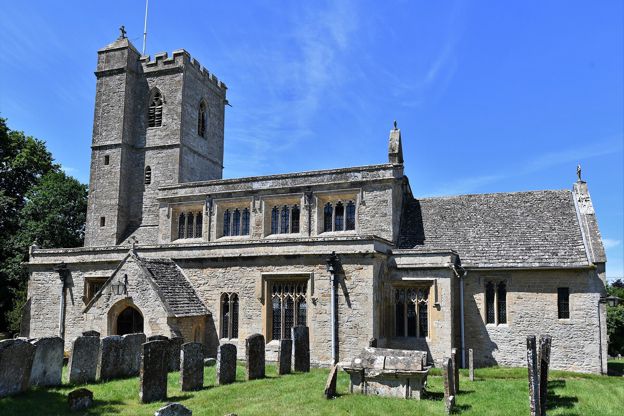
St Leonard's Church, Bledington
Sight · Church · Kingham
Bledington's Grade I church by the green, recorded in 1175 and rebuilt in the fifteenth century, with fifteenth-century painted glass, one panel dated 1470, a Norman tub font and a tower built inside the nave. Open daily.
Stories about Adlestrop
-
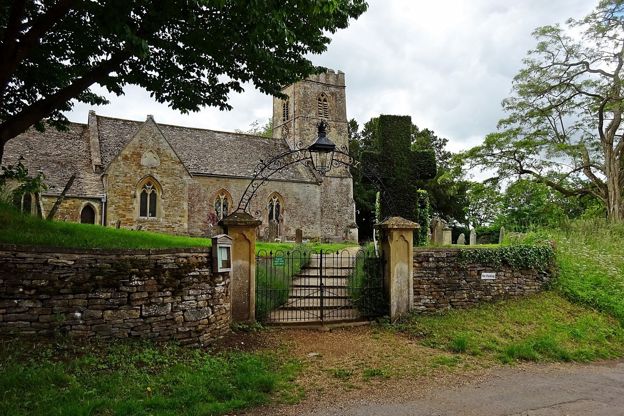
Edward Thomas and Adlestrop
Story · History · 8 minute read
The express that stopped at Adlestrop in June 1914, the poem Edward Thomas made of it, the station that closed in 1966, and the sign and bench in the village bus shelter today.
Getting to Adlestrop
- By car
- Off the A436 between Stow-on-the-Wold and Chipping Norton, signed from the Evenlode turn. The lanes are single track in places.
- Parking
- A small car park at the village hall, by the bus shelter, with an honesty box for parking (a suggested £1 in 2026). Park with care and do not block the lane or the bus stop.
- By train
- Kingham, about 5 miles by road, on the Cotswold Line from London Paddington in about 80 minutes. Take a taxi from the station.
- By bus
- Pulhams' 803 between Bourton-on-the-Water and Moreton-in-Marsh stops at the Evenlode turn on Tuesdays only, once each way: 9.54am towards Moreton and 12.40pm back towards Bourton.
Access
The bus shelter is at the roadside by the village hall, with its small car park beside it; we have no formal statement on the kerb or surface
| Lower Oddington | 1.4 mi |
|---|---|
| Daylesford | 2.8 mi |
| Chastleton House | 3.1 mi |
| Stow-on-the-Wold | 3.9 mi |
| Kingham station | 4.7 mi |
| Moreton-in-Marsh station | 7.3 mi |
Places near Adlestrop
-
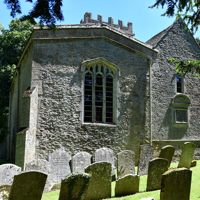 Upper and Lower OddingtonTwo villages a quarter of a mile apart on the old Stow road, with a Grade I church in the woods whose Doom painting is among the largest in the country, a Daylesford pub with rooms, and the Evenlode walk to Adlestrop.
-
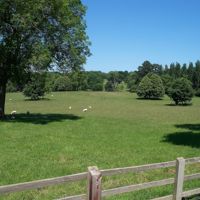 DaylesfordA hamlet of estate cottages 2 miles from Kingham station, known for Daylesford Organic's farm shop, restaurants and spa; Warren Hastings's house behind the park wall is private, and his grave is in the churchyard of St Peter's.
-
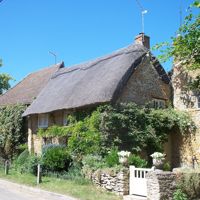 KinghamAn Oxfordshire village in the Evenlode valley with a station on the line from London, two dining pubs, and Daylesford's farm shop two miles down the road.
-
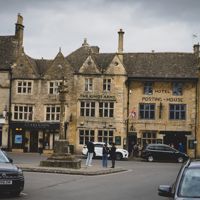 Stow-on-the-WoldA hilltop market town on the Fosse Way, more than 230m up, with a broad Square, a church that held 1,600 prisoners after the last battle of the Civil War, and a horse fair.