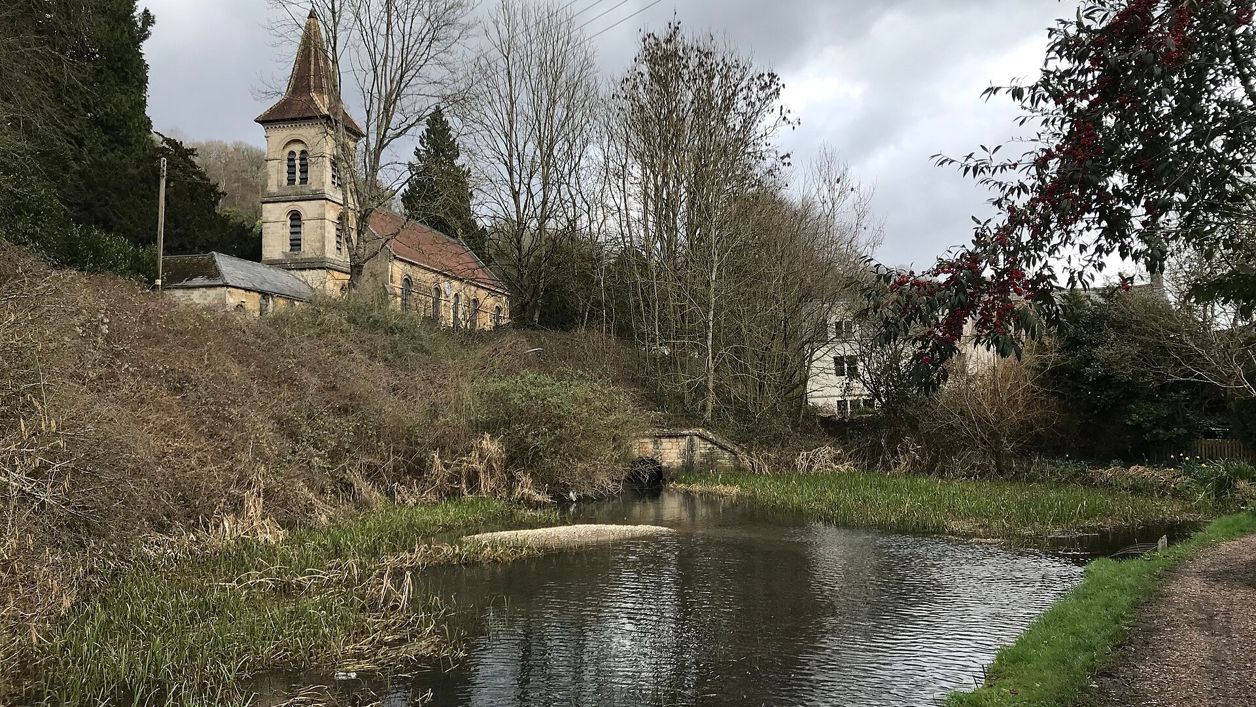
don cload, CC BY-SA 2.0, via Wikimedia Commons
Chalford
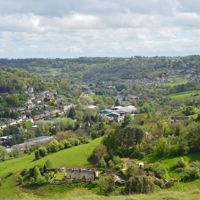
The hillside village of the Golden Valley east of Stroud, its cottages stacked above the Thames and Severn Canal, with the Lavender Bakehouse on the valley road, a round canal house of 1790 and a web of steep paths that donkeys once carried the shopping up.
- Nearest station
- Stroud, about 4 miles; the 54 from Merrywalks, 9 minutes, two a day on weekdays; Chalford's station closed in 1964
- Parking
- No public car park; the Lavender Bakehouse's is for customers. The hill lanes are steep and narrow: park on the valley road and walk up
- Best time
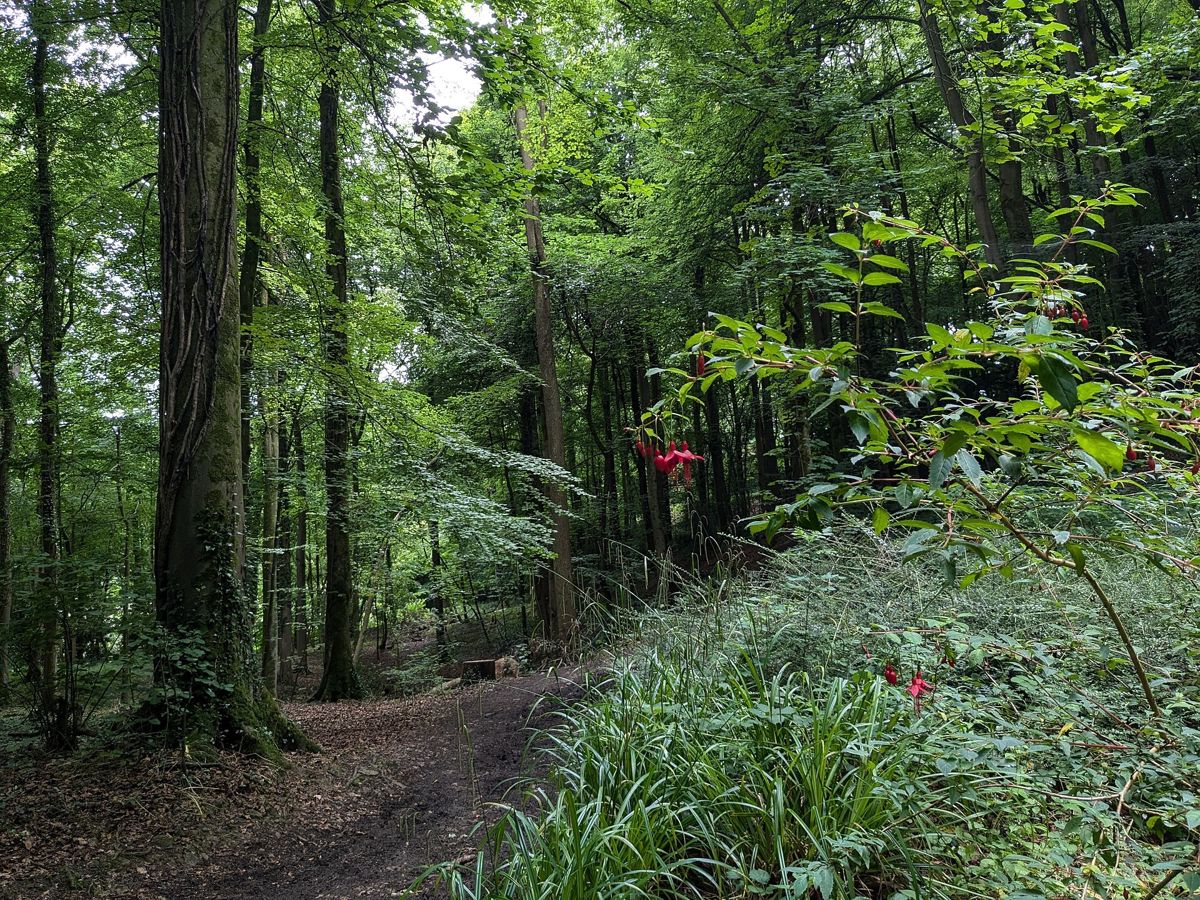
- Spring for the towpath and gardens; autumn for the beech woods
- Toilets
- No public toilets found: none of Stroud District Council's nine is in Chalford; the nearest is in Bell Lane, Minchinhampton
About Chalford
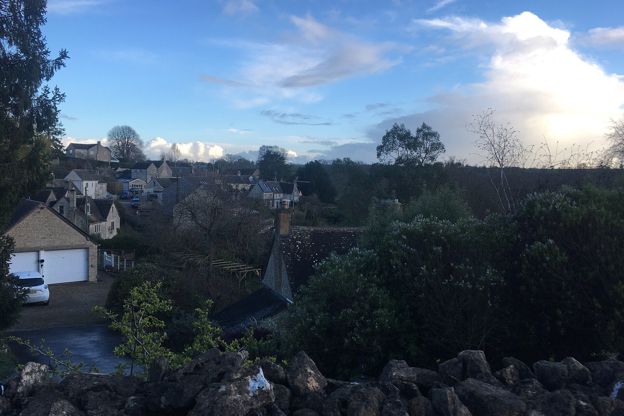
Chalford climbs the north side of the Golden Valley 4 miles (6.5km) east of Stroud, its cottages stacked so steeply that a visitor in the 1770s wrote that you climb to the lowest storey and come down to the highest. The canal, the railway and the A419 share the valley floor, and the village above is reached by paths: the parish has about 28km of them, most running straight down so the workers could reach the mills in the valley.
What to see
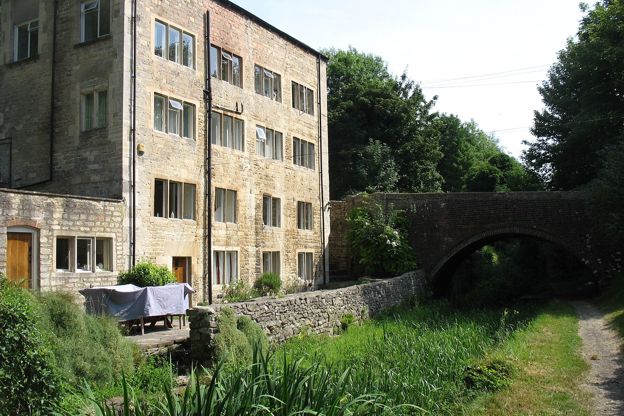
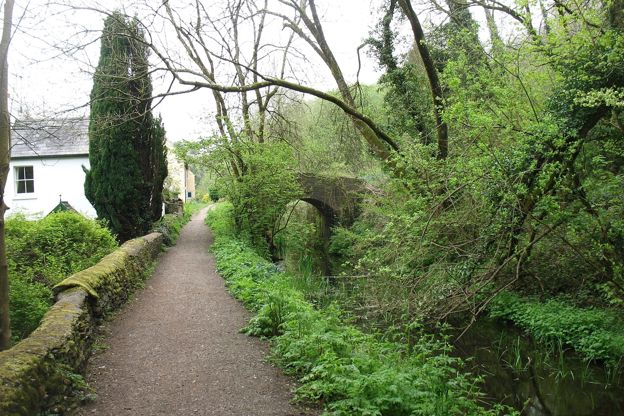
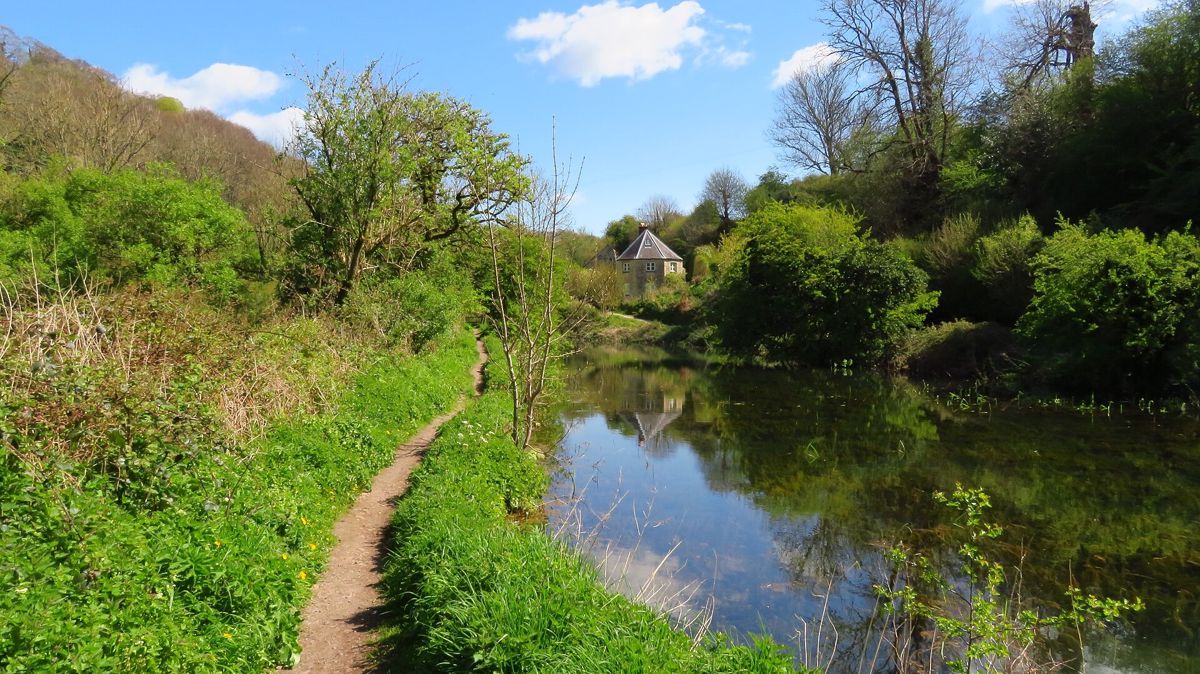
The canal first. The Thames and Severn opened through the valley in 1789 and was abandoned in 1933, and its towpath runs along the bottom of the village past Iles Mill lock, Clows Bridge and Belvedere Mill, all listed. The Round House on London Road, built in 1790 and 1791 for a lengthsman who kept a stretch of the canal, is a three-storey drum with pointed windows and a conical roof, listed Grade II. The Cotswold Canals Trust is restoring 36 miles of the Stroudwater Navigation and the Thames and Severn, with full navigation the aim; the stretch through Chalford has not yet been restored.
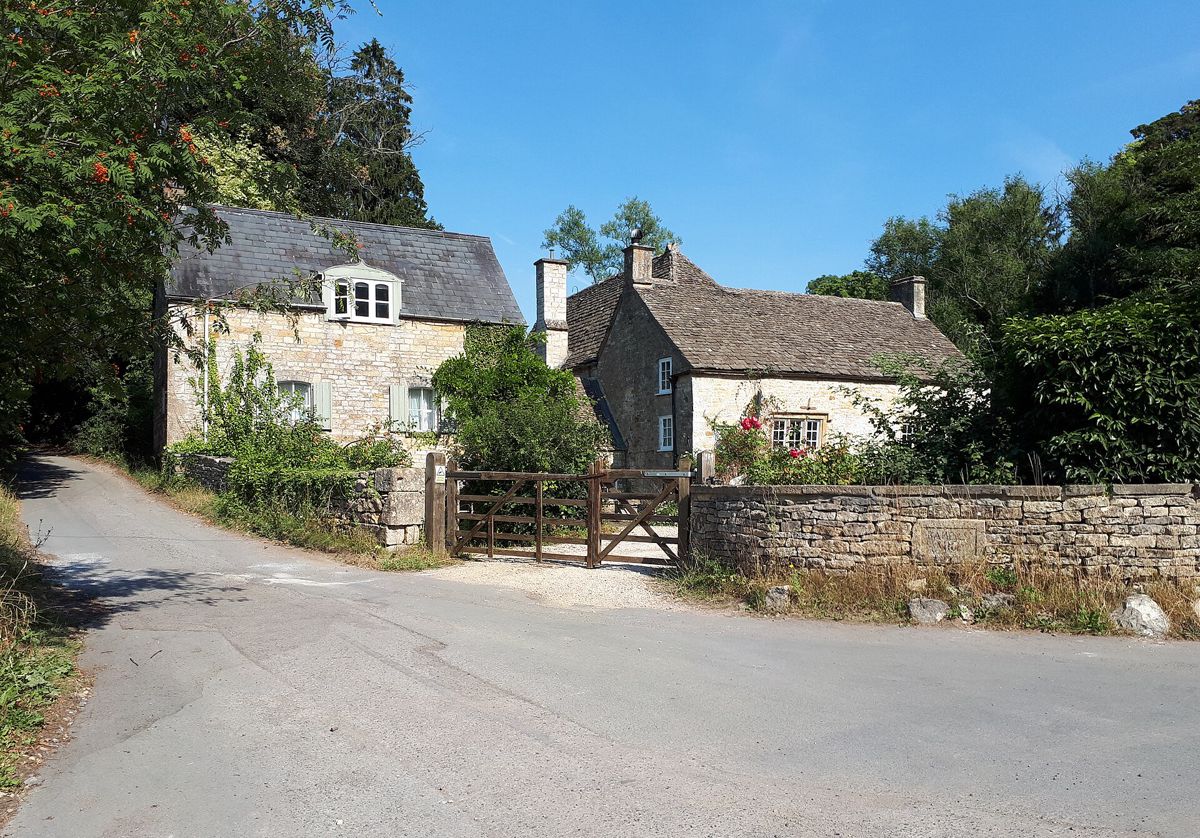
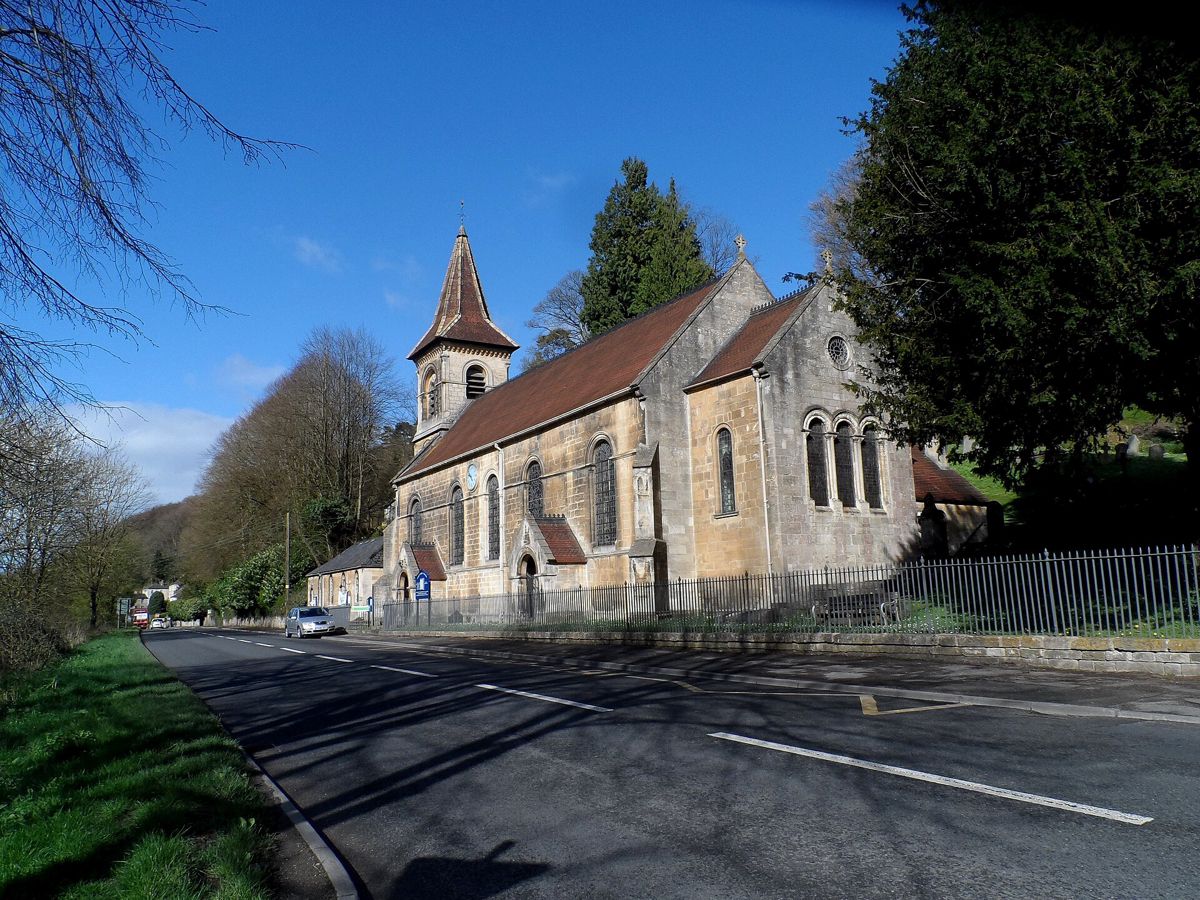
Chalford Place, off London Road, is listed Grade II*: a house of the mid-sixteenth century with a south front rebuilt around 1710 that the listing compares to Hawksmoor, and recorded as an inn by 1803, once the canal had brought trade; the listing once named it the Company Arms. Christ Church, above it, began as a chapel of ease in 1725 and was enlarged in 1841; inside are fittings by the Sapperton Arts and Crafts group, Norman Jewson's choir screen and font cover, Peter Waals's inlaid lectern and a font carved with fish by William Simmonds. After Ernest Gimson died in 1919, Waals moved the workshop he had managed for Gimson to Halliday's Mill at the foot of Cowcombe Hill in Chalford, where former Gimson craftsmen worked for him until his death in 1937; he is buried in Christ Church's churchyard.
The station is gone. The Great Western line through Chalford Bottom opened in 1845, the station in 1897, and both it and the St Mary's Mill halt closed in 1964; the trains still pass on their way between Stroud and Kemble. On the hill, the old name of Chalford Hill was Chalford Lynch, a lynch being a terrace along the contour.
An afternoon here
Start at the Lavender Bakehouse on London Road, which opens from 10am to 4pm daily with breakfast until midday, and book if you want a table. Walk the towpath past the Round House and Chalford Place, then take any of the paths that climb the hill: they are steep, stepped in places, and they bring you out among the weavers' cottages with the valley below. Come down a different way and finish on the towpath again.
The donkeys are part of the story. The Chalford Parish Local History Group records that donkeys with panniers carried wool and cloth, then bread, coal and groceries, up these paths, and that some people called the place Neddyshire; it says the donkeys could be seen on the paths until the 1930s, and Gloucestershire Archives says the same, though Country Life reported in 2008 that the deliveries stopped only in the 1950s. The group also records that a resident later bought a donkey that again carried goods round the village from the shop; Gloucestershire Archives dates that weekly delivery from Chalford Community Stores to 2008 to 2011. Treat the dates as the tellers' own, and the nickname as a tale told locally.
Walks
The towpath is the walk: east towards Sapperton, where the canal enters the Sapperton tunnel at Daneway, or west to Brimscombe and Stroud, where our walk from Stroud by Capel's Mill climbs from the canal to Rodborough Common. Our Eastcombe and Toadsmoor valley walk comes down the wooded side valley to Bourne, at the west end of Chalford, past Toadsmoor Mill. Across the valley lie Minchinhampton Common and the River Frome that powered the mills.

The Cotswolds Info newsletter
Events, new places and the best of the season, about once a month. Unsubscribe at any time.
Food and drink
The Lavender Bakehouse and Coffee Shop on London Road bakes its own cakes and patisserie, with gluten-free and vegan options, serves breakfast until midday and lunch, and does afternoon tea from 2pm on most days, made to order and booked and paid for in advance. It has a wine and local beer list and sells gifts. Seating is limited, so book for breakfast and lunch; walk-ins for tea and cake are not guaranteed a table. From 9 November to 23 December 2026 it adds a seasonal afternoon cream tea. We have not checked the valley's pubs for 2026; Stroud has the rest.
When to come
Spring, when the towpath is dry and the hillside gardens are out, or autumn for the beech on the valley sides. In the nineteenth century Chalford Feast was held in August and lasted into the middle of the twentieth century. After rain the paths up the hill are slippery and the towpath can be muddy.
Last verified 1 November 2026 by our editors
Part of
Stroud and the Five Valleys
The steep valleys that meet at Stroud: old cloth-mill country, with Painswick's churchyard of yews, Nailsworth's mills and the commons above Minchinhampton.
Things to do in Chalford

Sport and activity · Minchinhampton
Cotswold Gliding Club
One of the UK's larger gliding clubs, at Aston Down airfield between Stroud and Cirencester, offering air experience flights, motorglider flights and courses.
-
Stroud Brewery
Breweries and distilleries · Stroud
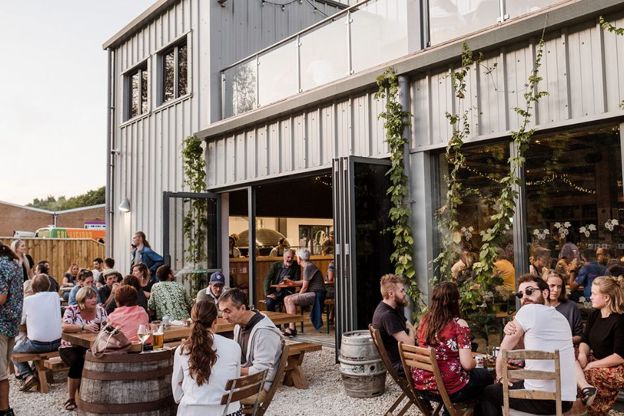
An organic brewery and taproom beside the Thames and Severn Canal at Thrupp, Stroud, founded in 2006, with wood-fired pizza, monthly brewery tours and tasting sessions.
Dog-friendly · Family-friendly
Verified Nov 2026
-
Cotswold Canals Trust boat trips, Stroud
Tours and experiences · Stroud
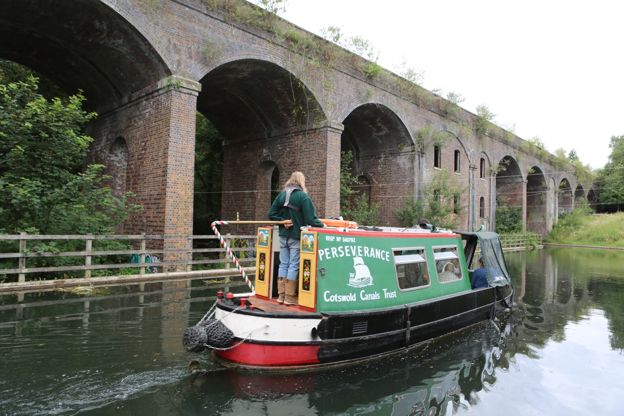
Volunteer-crewed trips on the restored Thames and Severn Canal from Wallbridge in Stroud, run by the Cotswold Canals Trust, including a lunch cruise to Stroud Brewery.
Family-friendly
Verified Nov 2026
-
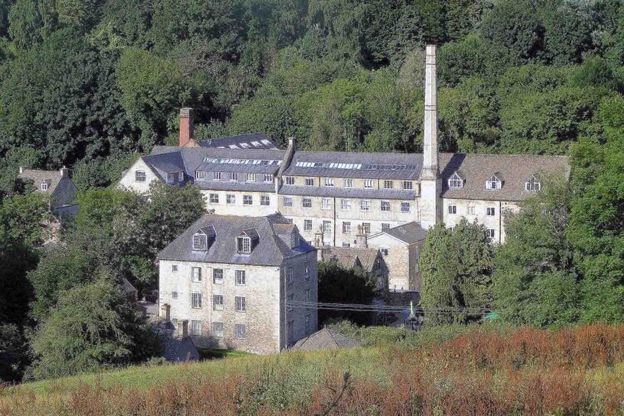
Dunkirk Mill Museum
Museums and galleries · Nailsworth
The Stroudwater Textile Trust's working mill museum near Nailsworth, where an 1855 waterwheel drives cloth-finishing machinery. Closed until spring 2027; normally open on set afternoons from April to September.
Car-free
Verified Oct 2026
Where to stay in Chalford
-
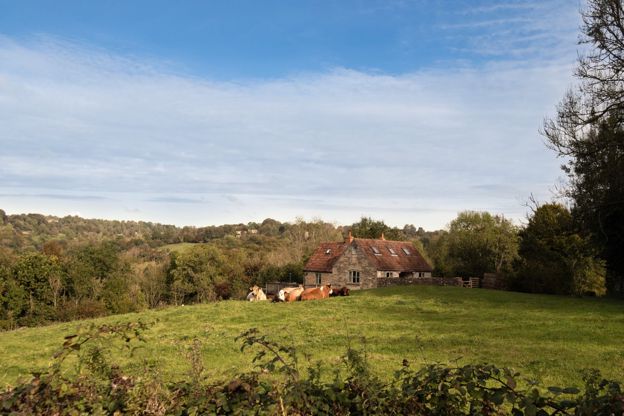
Westley Farm
Glamping · Chalford
A 70-acre hill farm at the head of the Golden Valley above Chalford, with six off-grid yurts and cabins in its ancient woodland and three stone cottages, all dog-friendly.
Dog-friendly · Family-friendly · Walker-friendly
Verified Oct 2026
Where to eat and drink in Chalford
-
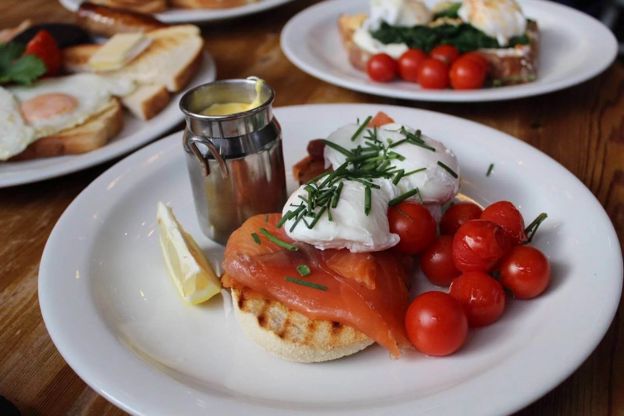
Lavender Bakehouse and Coffee Shop
Cafes and tearooms · Chalford
A café and bakery on London Road, Chalford, by the Thames and Severn canal, open every day from 10am to 4pm for breakfast, lunch, cakes baked on the premises and afternoon tea.
Verified Oct 2026
Walks in and around Chalford
-
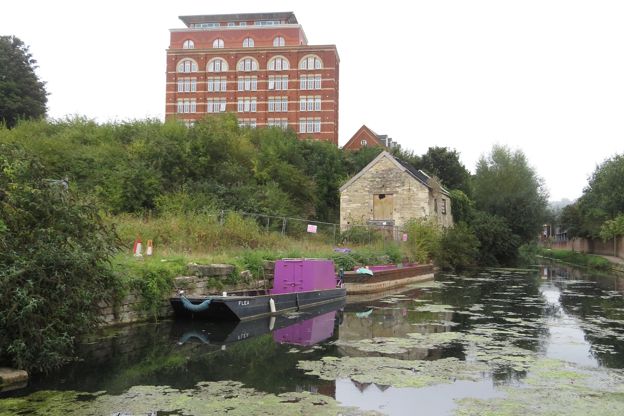
Stroud, Capel's Mill and Rodborough Common
Walk · Starts in Stroud · 1 hr, 30 mins · Circular
A 3-mile (5km) circular walk from the Subscription Rooms in Stroud, graded strenuous, of about an hour and a half: along the Frome Banks to the Capel's Mill viaduct, up over Rodborough Common past the fort, down through Butterow and back along the canal towpath.
Sights in and around Chalford
-
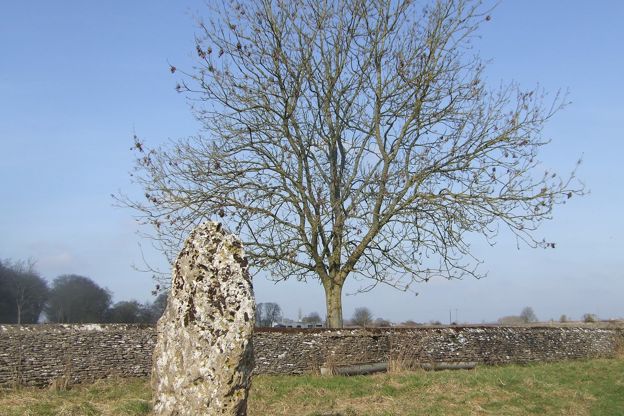
The Long Stone, Minchinhampton
Sight · Hill fort or barrow · Minchinhampton
The Long Stone is a prehistoric standing stone in farmland south-east of Minchinhampton: a slab of oolite 2.1m high, pierced by holes that give it its local name, the Holey Stone. Tradition says children were passed through them as a cure for rickets. A scheduled monument.
-
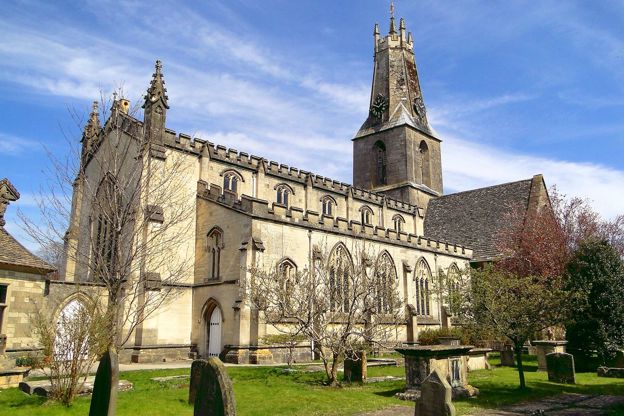
Holy Trinity Church, Minchinhampton
Sight · Church · Minchinhampton
Holy Trinity is Minchinhampton's Grade I parish church, known for its fourteenth-century tower whose spire was cut short in 1563 and crowned with a stone coronet, a south transept lit by a great rose window, and the grave of the astronomer James Bradley.
-
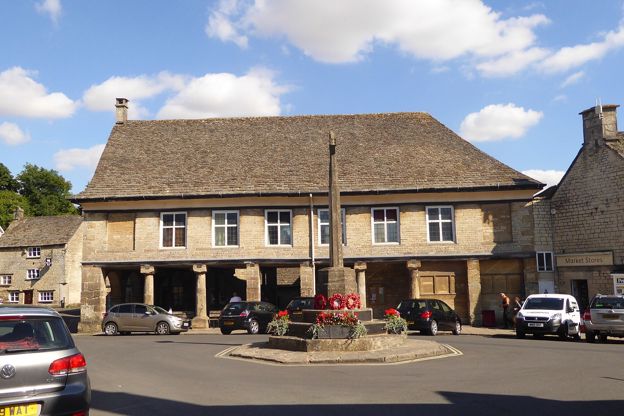
Market House, Minchinhampton
Sight · Historic building · Minchinhampton
Minchinhampton's Market House was built in 1698 by the lord of the manor, Philip Sheppard, for the wool and yarn trade: an open arcade on stone piers with a hall above. Listed Grade II*, it still holds a country market on Wednesday mornings.
Getting to Chalford
- By car
- On the A419 between Stroud and Cirencester, 4 miles from Stroud. Park on the valley road; the parish council warns that satnavs can send drivers up steep, narrow lanes.
- By bus
- The 54 (Cotswold Green) runs from Stroud Merrywalks to Chalford in 9 minutes on its way to Sapperton and Cirencester, two journeys a day on weekdays; the 54A also calls. Nothing at weekends.
- By train
- Stroud, 4 miles, on the line from London Paddington; the trains pass through Chalford without stopping, since the station closed in 1964.
Access
The valley road and the towpath are level; everything above is reached by steep paths and steps, and the parish council warns that satnavs can direct drivers to unsuitable routes
| Bisley | 3.1 mi |
|---|---|
| Minchinhampton | 3.7 mi |
| Stroud station | 4.3 mi |
| Sapperton | 4.3 mi |
| Cirencester | 9.3 mi |
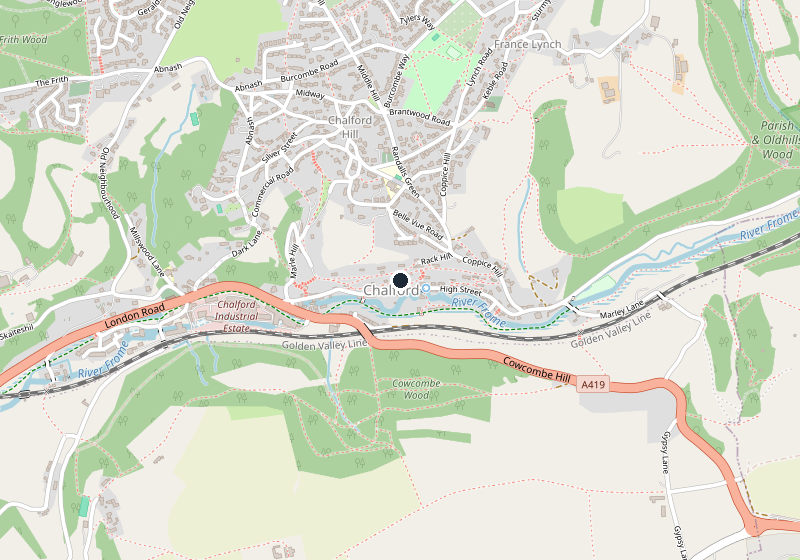
Places near Chalford
-
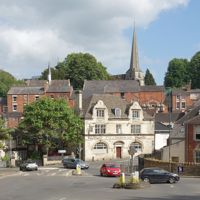 StroudThe cloth town where five valleys meet, with a Saturday farmers' market, a free museum in Stratford Park, a canal coming back to life and Laurie Lee's Slad next door.
-
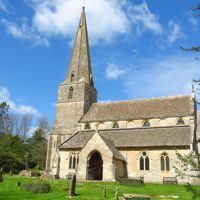 BisleyA high stone village east of Stroud with a row of wells dressed with flowers every Ascension Day, a two-cell lock-up of 1824, and a pub in the old courthouse with a colonnade along its front.
-
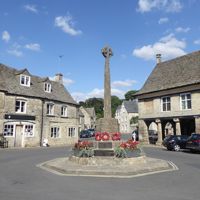 MinchinhamptonA small hilltop town above Stroud with a Market House of 1698, a church with a crown instead of a spire, and a great open common owned by the National Trust, where grazing cattle wander across the roads.
-
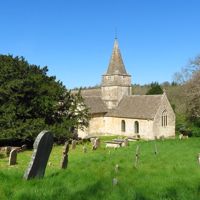 Sapperton and Frampton MansellTwo villages on the lip of the Frome valley where the Thames and Severn Canal went underground: the Gothic tunnel portal at Daneway, the Daneway Inn beside the old canal, the church where Gimson and the Barnsleys are buried, and the Crown at Frampton Mansell.