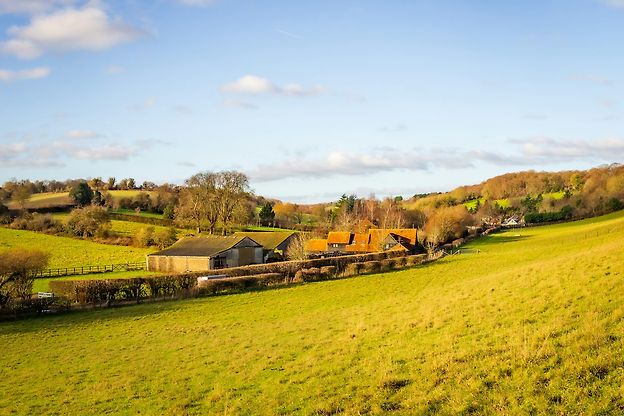
Michael Garlick, CC BY-SA 2.0, via Wikimedia Commons
Lacock
A Wiltshire village mostly owned by the National Trust, with an abbey made from a medieval nunnery, where Fox Talbot made the earliest surviving negative in 1835.
- Nearest station
- Chippenham, about 5 miles, then the X34 bus, about 15 minutes
- Parking
- The National Trust's Hither Way car park, £5 a day for non-members by machine or JustPark, free for members; Blue Badge bays; no parking in the streets
- Best time
- A weekday; spring and autumn for the abbey's grounds
About Lacock
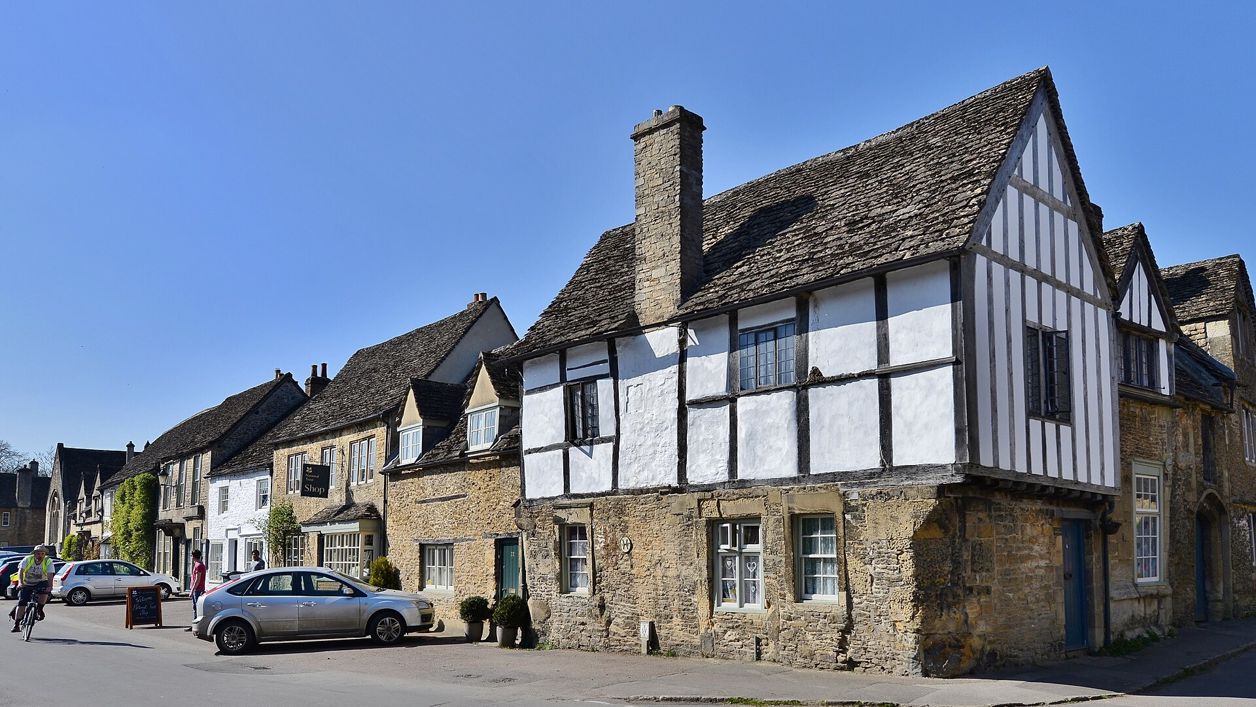
Lacock is a village a few miles south of Chippenham in Wiltshire, on the Bide Brook just before it joins the Avon; the parish had about 1,100 people at the 2021 census. Most of it belongs to the National Trust, few buildings in it are later than the eighteenth century, and its houses are lived in, most of them, Wiltshire Council's community history says, by people whose families go back several generations in the village. It lies outside the Cotswolds National Landscape, a few miles beyond its southern edge, and pairs well with Castle Combe and Biddestone, which are inside it.
The village
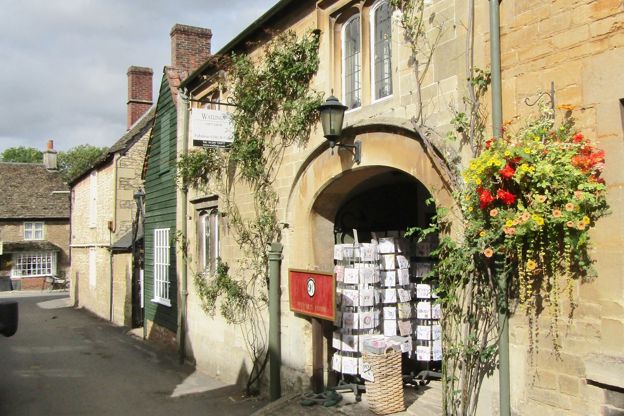
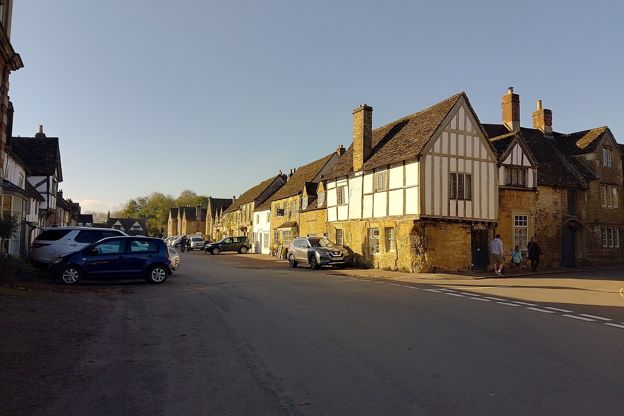
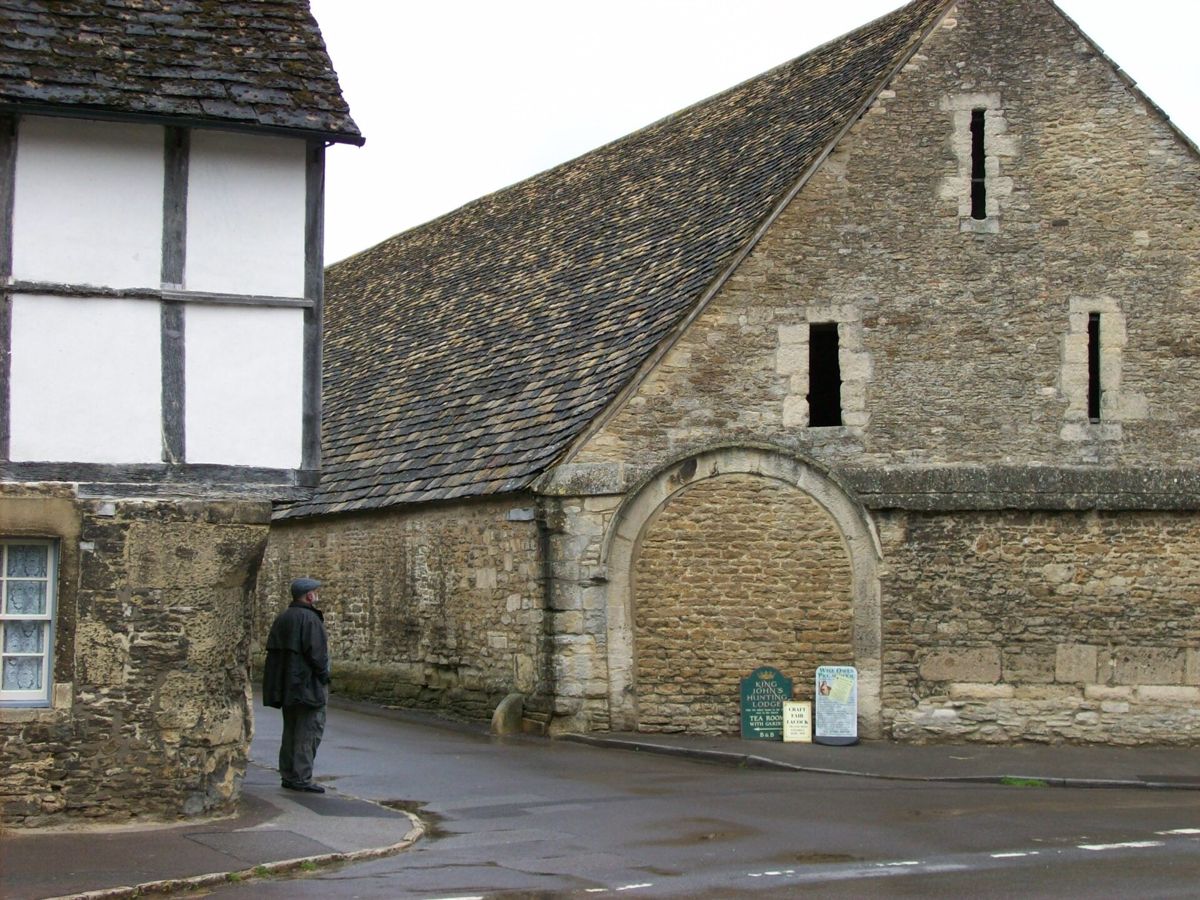
Lacock's medieval plan survives almost whole: Church Street and the High Street run in parallel, joined by East Street and West Street; the market, first held by the church, had moved to the High Street by the early 1700s. In the late thirteenth and early fourteenth centuries it was a wool and cloth town. A bypass took through traffic away in 1964. There is still a school, a shop, a post office and a bakery.
Lacock Abbey
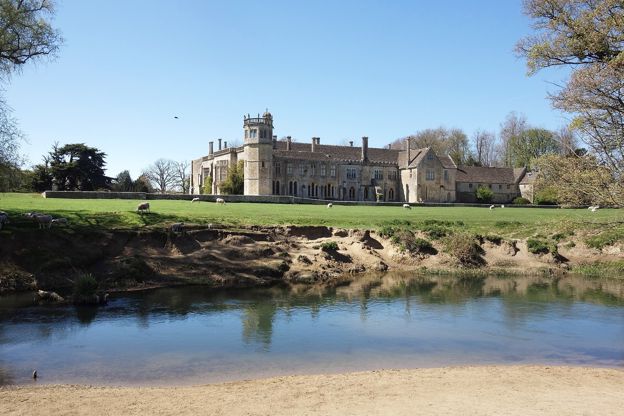
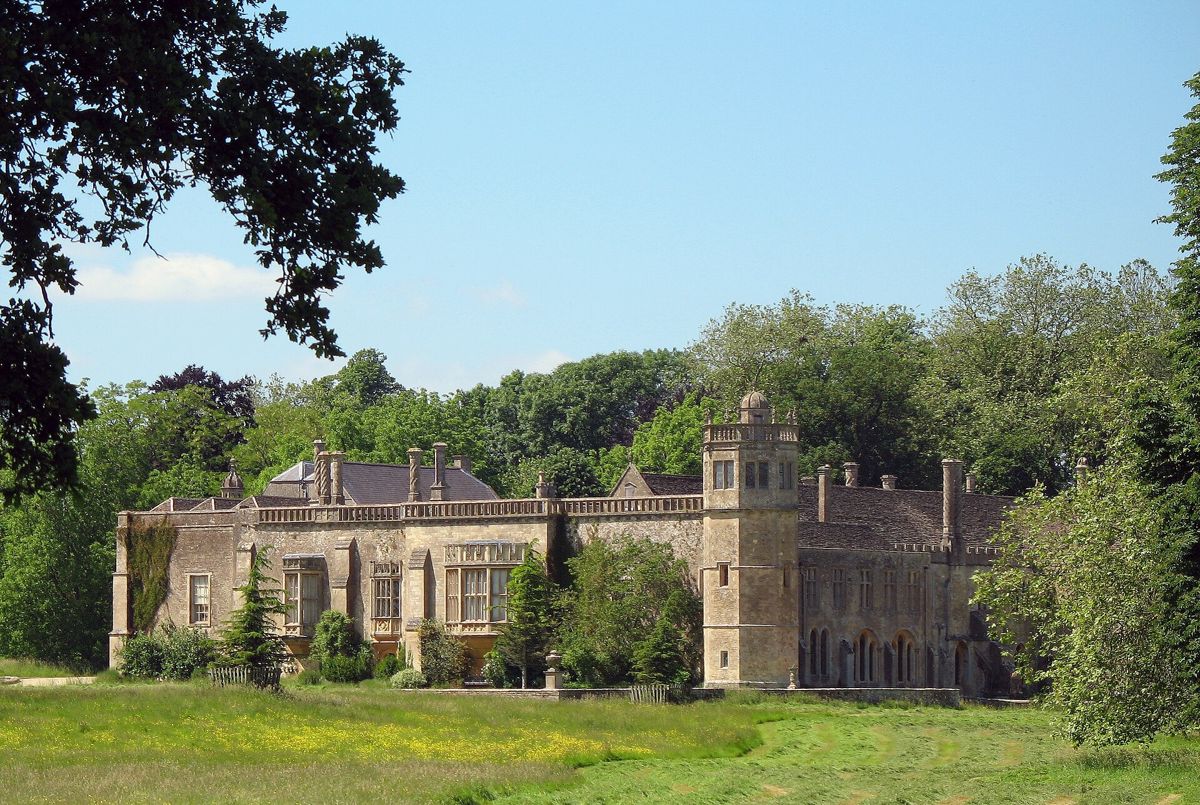
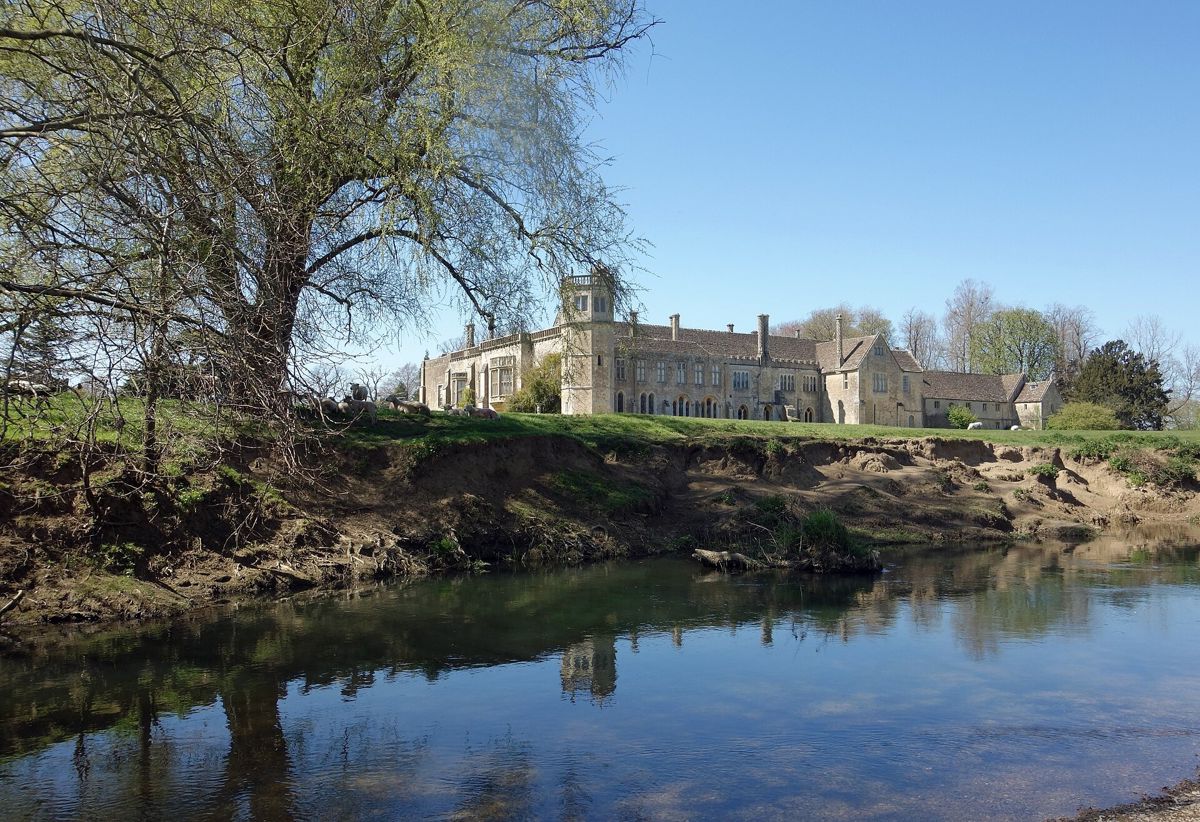
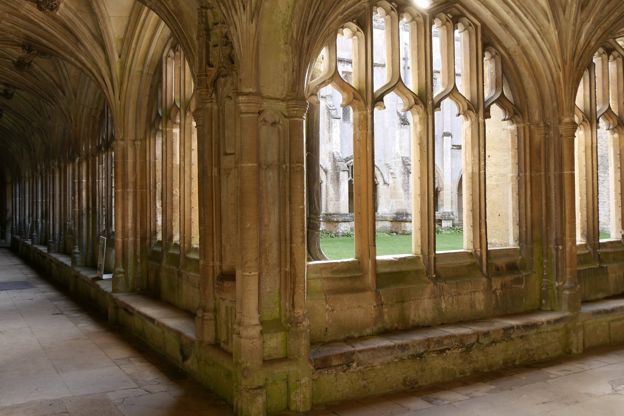
Ela, Countess of Salisbury, founded an Augustinian nunnery here in 1232 and later became its abbess. It was surrendered in 1539 and sold to William Sharington, who turned the cloister into a country house; the cloister, sacristy, chapter house and warming house survive beneath it. The great hall was remodelled in Gothic style in the 1750s, and the south front altered for William Henry Fox Talbot in 1828 to 1830. The abbey is listed Grade I.
Fox Talbot and the first negative
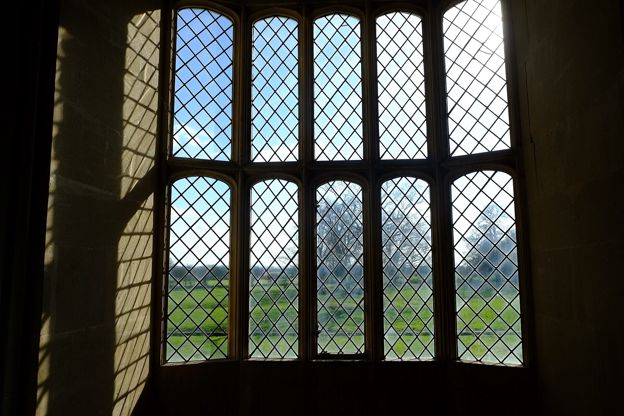
Fox Talbot lived at the abbey from 1827. In August 1835 he photographed a latticed window in its South Gallery, and the result is the earliest known surviving photographic negative. The negative itself is in the Science Museum Group's collection, not at Lacock, but the Fox Talbot Museum, opened in 1975 at the abbey gates, tells his story. In 1839 he published his negative and positive process.
Visiting the abbey
The grounds and the Fox Talbot Museum open from 10am to 5pm, and the abbey rooms from 10.30am, with last entry at 3.45pm; the rooms close for the winter from 1 November to 1 March, though the Great Hall opens for Christmas from 28 November. An adult ticket was £21 (£23.10 with Gift Aid) from March to October 2026 and £14 in winter; check the National Trust's site for the current price. The Trust's car park on Hither Way is less than 400m from visitor reception and costs non-members £5 a day, by machine or the JustPark app. On our South Cotswolds weekend the abbey and the Fox Talbot Museum fill the Sunday afternoon, after lunch at Biddestone.
The Cotswolds Info newsletter
Events, new places and the best of the season, about once a month. Unsubscribe at any time.
St Cyriac's church
The parish church, listed Grade I, is mostly fifteenth century, with a spire rebuilt in 1604 and a chapel of about 1430. Inside is the tomb of William Sharington, who made the abbey a house, dated 1566.
On screen
Lacock is a favourite of film-makers. The abbey played parts of Hogwarts in two of the Harry Potter films and appears in Fantastic Beasts: The Crimes of Grindelwald; the village was Meryton in the BBC's Pride and Prejudice in 1995, and Church Street held a 1920s livestock show for Downton Abbey in 2015. More in our guide to Cotswold film and TV locations.
Eating and drinking
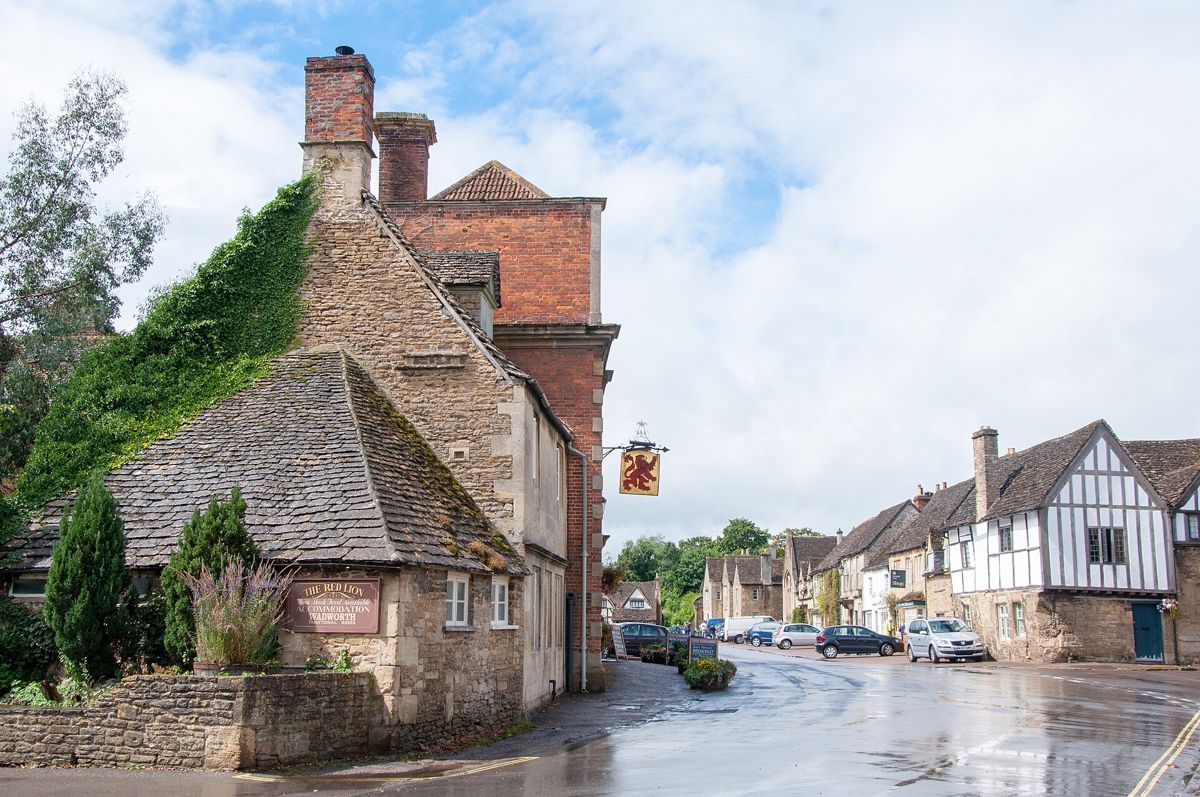
The George Inn and the Red Lion, both Wadworth pubs, are trading, and the Red Lion has rooms. The Sign of the Angel is a fifteenth-century inn with rooms.
For coffee or a light lunch without an abbey ticket, the National Trust's Stables Café is on the High Street outside the abbey gates, open on weekdays and at weekends, with toilets beside it; show a bus ticket there for a free hot drink.
Last verified 27 October 2026 by our editors
Part of
The South Cotswolds
The southern wolds as they fall towards Bath and Wiltshire: Tetbury's Market House, Castle Combe's street by the By Brook, Malmesbury's abbey and Lacock beyond the edge.
Things to do in Lacock
Historic houses and heritage · Lacock
Lacock Abbey, Fox Talbot Museum and Village
The National Trust's abbey made from a medieval nunnery, where Fox Talbot made the earliest surviving photographic negative in 1835, with its museum and village.
Where to stay in Lacock
-
The Red Lion, Lacock
Inn · Lacock
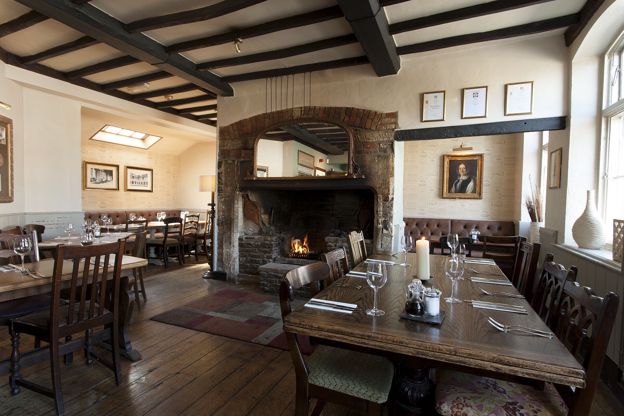
A Wadworth pub in a Georgian building on Lacock's High Street, with five double rooms upstairs and dogs welcome in the bar and the bedrooms.
Dog-friendly
Verified Oct 2026
-
The Rectory Lacock
B&B · Lacock
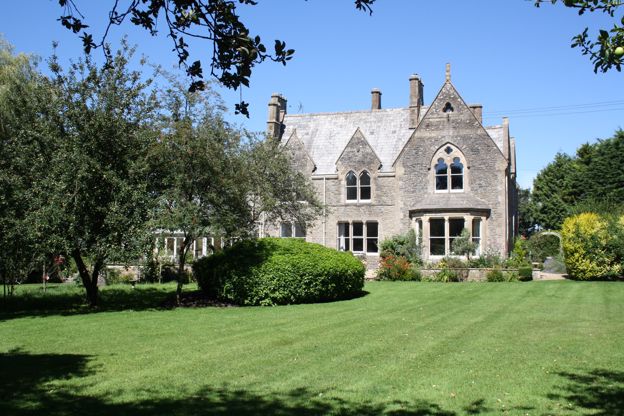
An adults-only bed and breakfast in Lacock's Victorian rectory, in six acres a two-minute walk from the village, with two self-catering cottages for families in the old stables.
Family-friendly
Verified Oct 2026
Where to eat and drink in Lacock
-
The George Inn
Pubs · Lacock
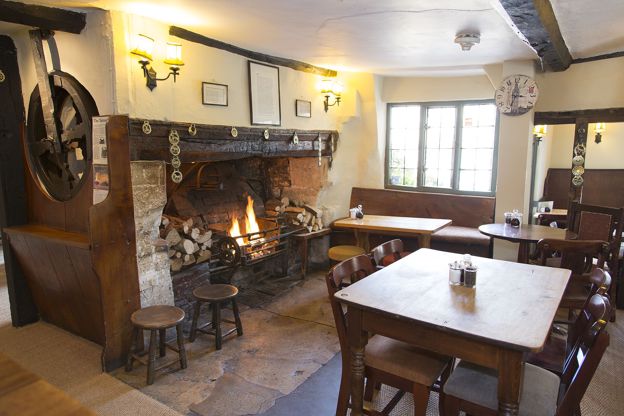
A Wadworth pub on West Street, Lacock, which says it dates to around 1361, serving food from midday to 8pm, with dogs welcome.
Dog-friendly · Family-friendly
Verified Oct 2026
-
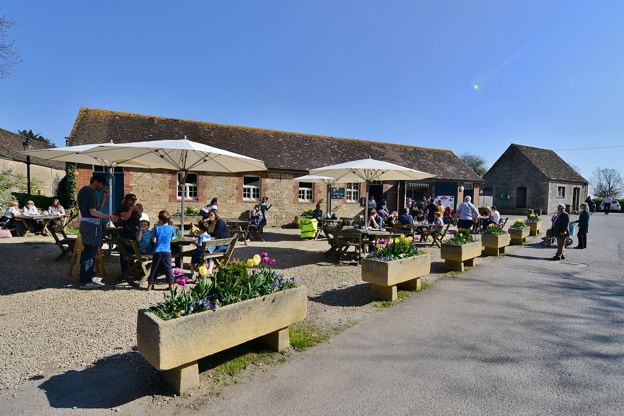
The Stables Café, Lacock
Cafes and tearooms · Lacock
The National Trust's café on Lacock High Street, outside the abbey gates, serving light lunches, snacks, hot drinks and cakes without an abbey ticket.
Car-free · Family-friendly
Verified Oct 2026
Walks in and around Lacock
-
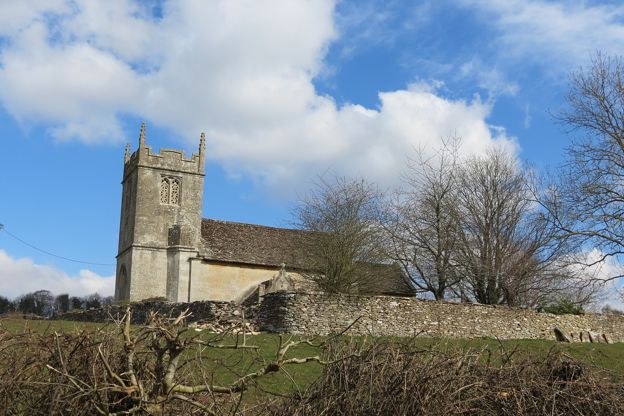
Biddestone heritage trail
Walk · Starts in Biddestone · 2 hrs, 30 mins · Circular
A 6.5-mile (10.5km) circular walk from Biddestone village hall, two to two and a half hours, moderate with stiles and short steep climbs. It goes round the green, over the fields to Slaughterford's paper mill and the White Hart at Ford, and back down the By Brook.
Sights in and around Lacock
-
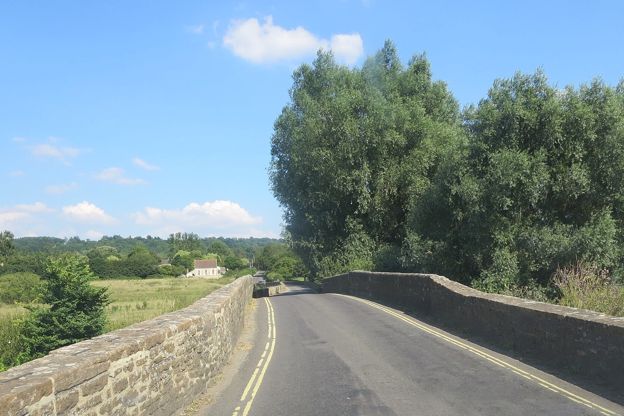
Lacock Bridge
Sight · Bridge · Lacock
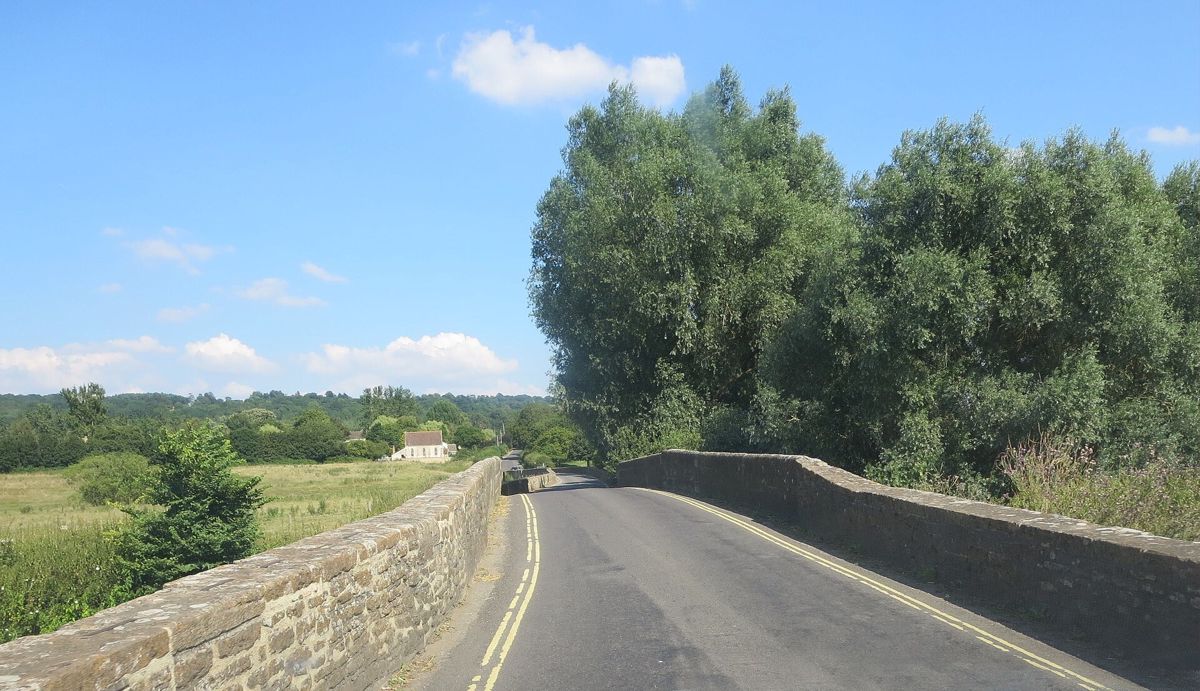
Two stone bridges and a causeway carrying the road east out of Lacock over the Avon and its water meadows, medieval to seventeenth century in origin and repaired in 1809, when G. Banks cut his name in the parapet. Grade II*.
-
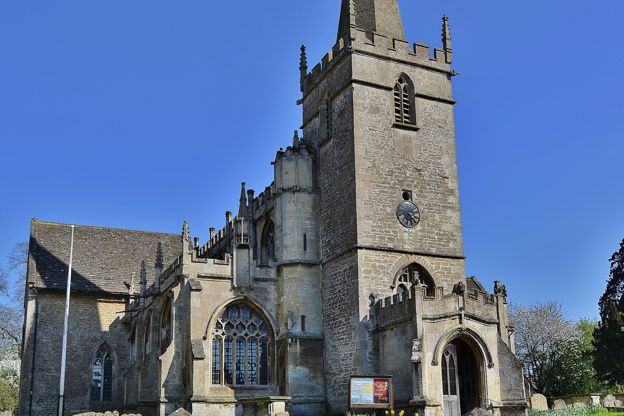
St Cyriac's Church, Lacock
Sight · Church · Lacock
Lacock's Grade I parish church, mostly fifteenth century, with a spire rebuilt in 1604, a vaulted chapel of about 1430 holding William Sharington's Renaissance tomb, and links to Fox Talbot. Open daily in daylight hours.
Stories about Lacock
-
Cotswold film and TV locations
Story · Guides · 11 minute read
Where Clarkson's Farm, Downton Abbey, Harry Potter, Father Brown, Poldark, Bridget Jones and Cider with Rosie were filmed in and around the Cotswolds, what you can see today, and the claims that do not stand up.
-
Day trips from London to the Cotswolds
Story · Guides · 10 minute read
How to do the Cotswolds as a day trip from London: by train from Paddington to Moreton-in-Marsh for Stow and Bourton, to Kingham for the Evenlode villages, to Kemble for Cirencester and Bibury or to Bath for Lacock, with worked plans, the car and parking, and tours compared.
-
Downton Abbey in the Cotswolds: Bampton, Cogges and Lacock
Story · Guides · 7 minute read
The Downton Abbey locations you can visit around the Cotswolds: Bampton as the village of Downton, Cogges as Yew Tree Farm and Lacock's livestock show and royal parade, with what each custodian confirms.
Getting to Lacock
- By bus
- Faresaver's X34 runs between Chippenham, Lacock, Melksham, Trowbridge and Frome about every 30 minutes on weekdays, hourly on Saturdays and nine times on Sundays.
- By train
- Chippenham, on the line from London Paddington to Bath, is about 5 miles away; the X34 takes about 15 minutes.
- Parking
- The National Trust car park on Hither Way: £5 for non-members, free for members. Blue Badge bays.
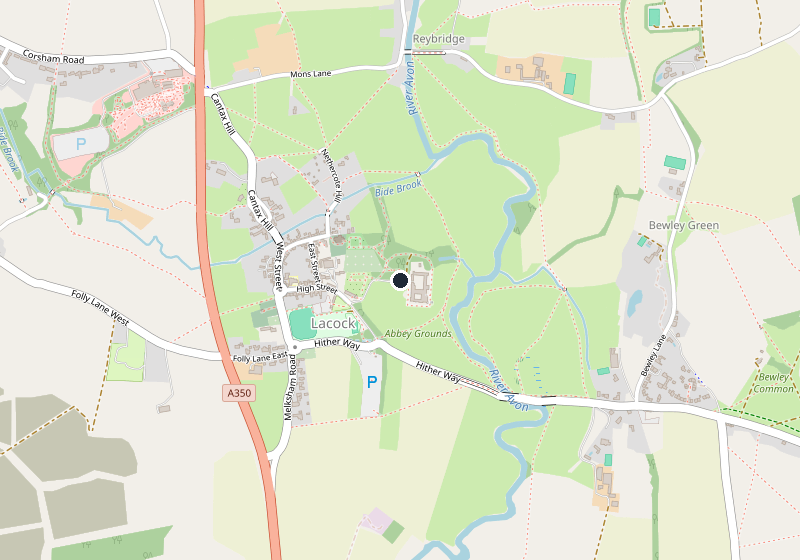
| Corsham | 3.1 mi |
|---|---|
| Chippenham | 4.3 mi |
| Castle Combe | 9.3 mi |
| Bath | 13 mi |
Places near Lacock
-
 Castle CombeA small Wiltshire village running down a single street from a medieval market cross to a bridge over the By Brook. Park at the top, walk down, and come early.
-
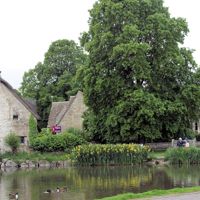 BiddestoneA Wiltshire village round a large green and a duck pond of 1661, with a Norman church, an eighteenth-century pub, a manor garden that opens for charity and far fewer visitors than Castle Combe, 3 miles away.
-
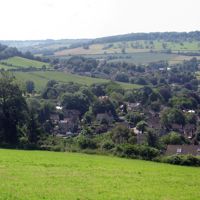 BoxA Wiltshire stone village in the By Brook valley on the road from Bath to Chippenham, where Brunel's Box Tunnel opened in 1841, the hill above is hollow with old stone mines and the church stands on a Roman villa.