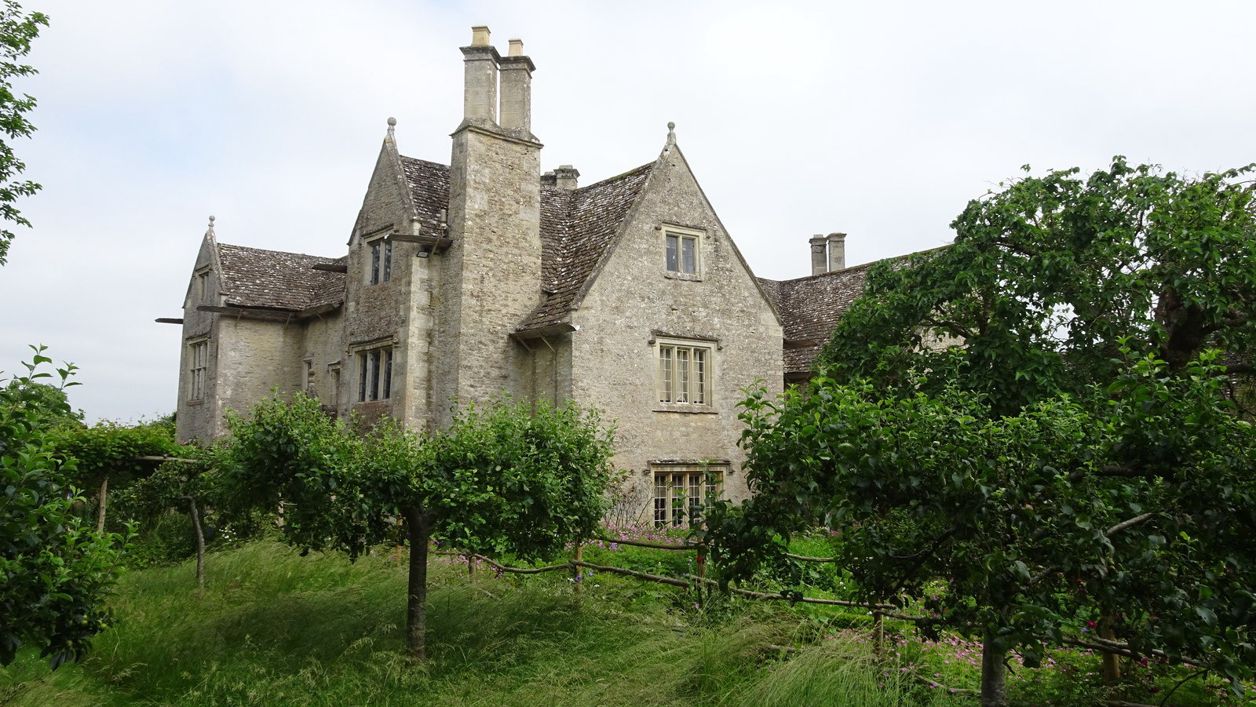
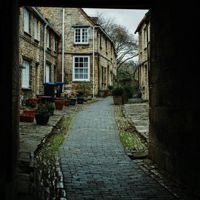
Nigel Thompson, CC BY-SA 2.0, via Wikimedia Commons
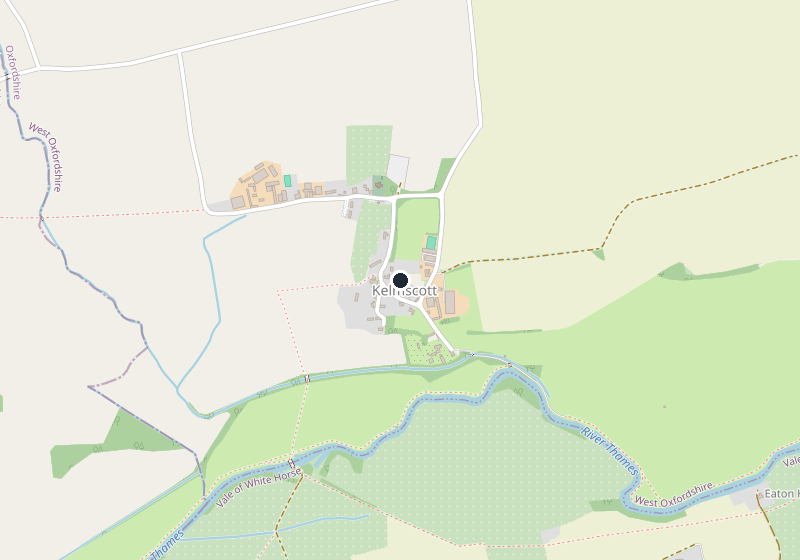
Kelmscott
A hamlet of about a hundred people on the upper Thames, 3 miles east of Lechlade, where William Morris rented the manor from 1871 until he died and where he is buried: the manor, his grave, a 1690 pub and the Thames Path.
- Nearest station
- Swindon, about 14 miles, then a taxi; Oxford is about 26 miles
- Parking
- Free car park next to St George's church (GL7 3HG), 10 to 12 minutes' walk from the manor; locked at 5.30pm on open days
- Best time
- Thursday to Saturday, April to October, when the manor opens; early is quietest
- When it's busy
- Saturdays in summer; coach parties come only on Wednesdays, by booking
- Toilets
- At Kelmscott Manor on open days, with an accessible toilet by the Entrance Barn; no public toilets are listed elsewhere in the village
- Dogs
- On a lead in the manor's grounds and meadows, but not in the house or the walled garden; assistance dogs everywhere
About Kelmscott
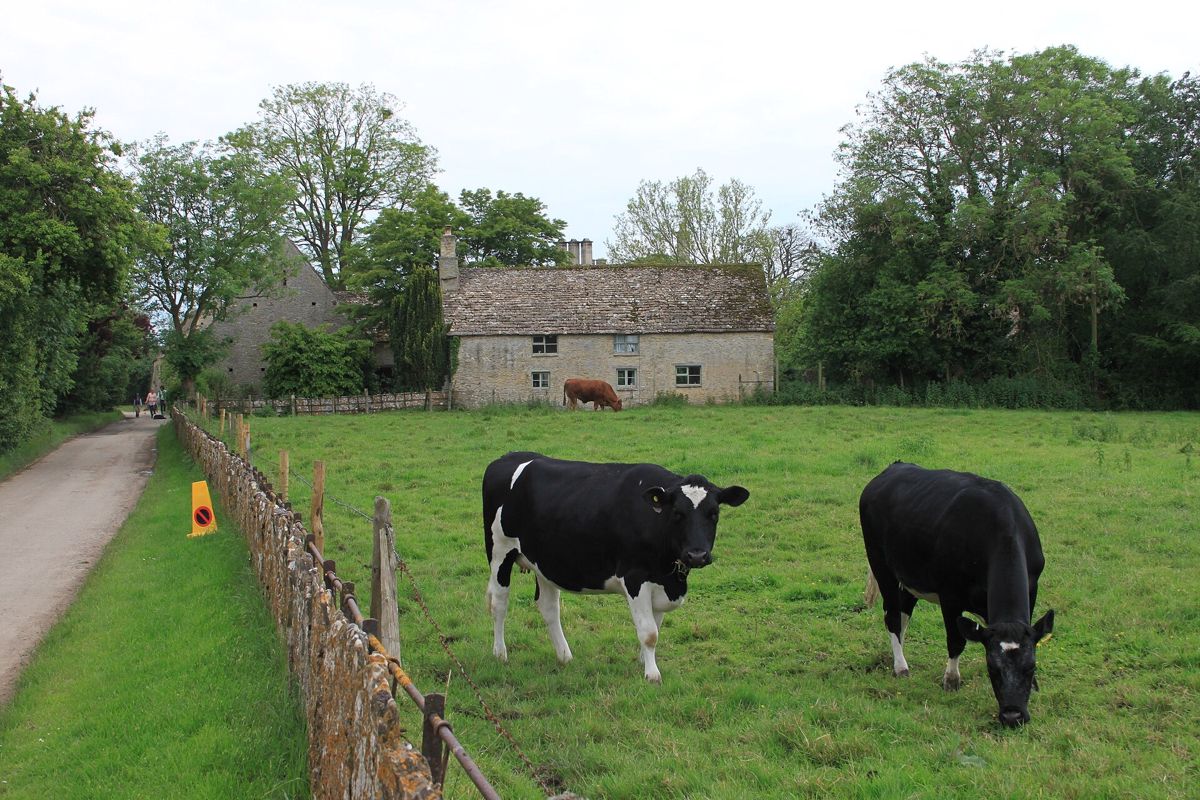
Kelmscott is a hamlet of stone farmhouses and barns on the north bank of the upper Thames, 3 miles east of Lechlade, with about a hundred people living in it. It is flat river country, and it floods. People come for one reason: William Morris rented the manor house here from 1871 until he died in 1896, called it heaven on earth, and lies in the churchyard by the car park, 10 to 12 minutes' walk up the lane.
What to see
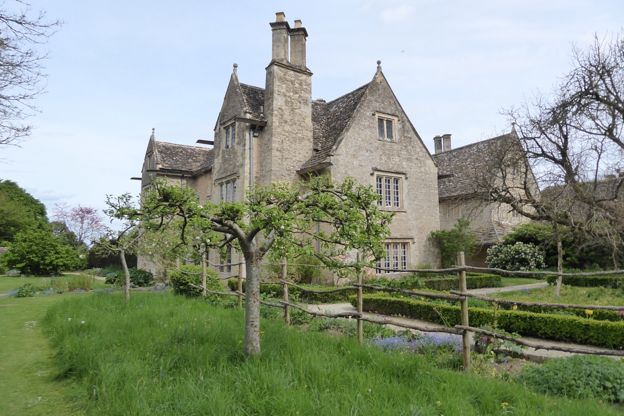
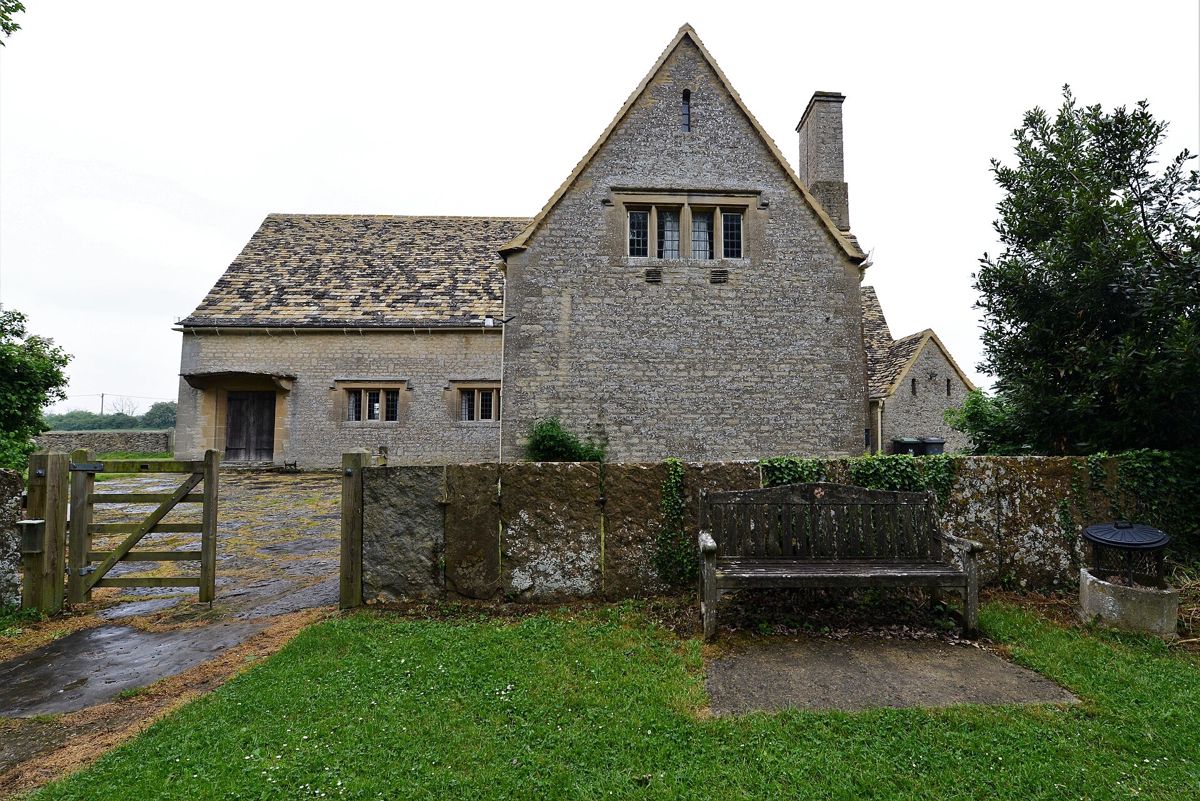
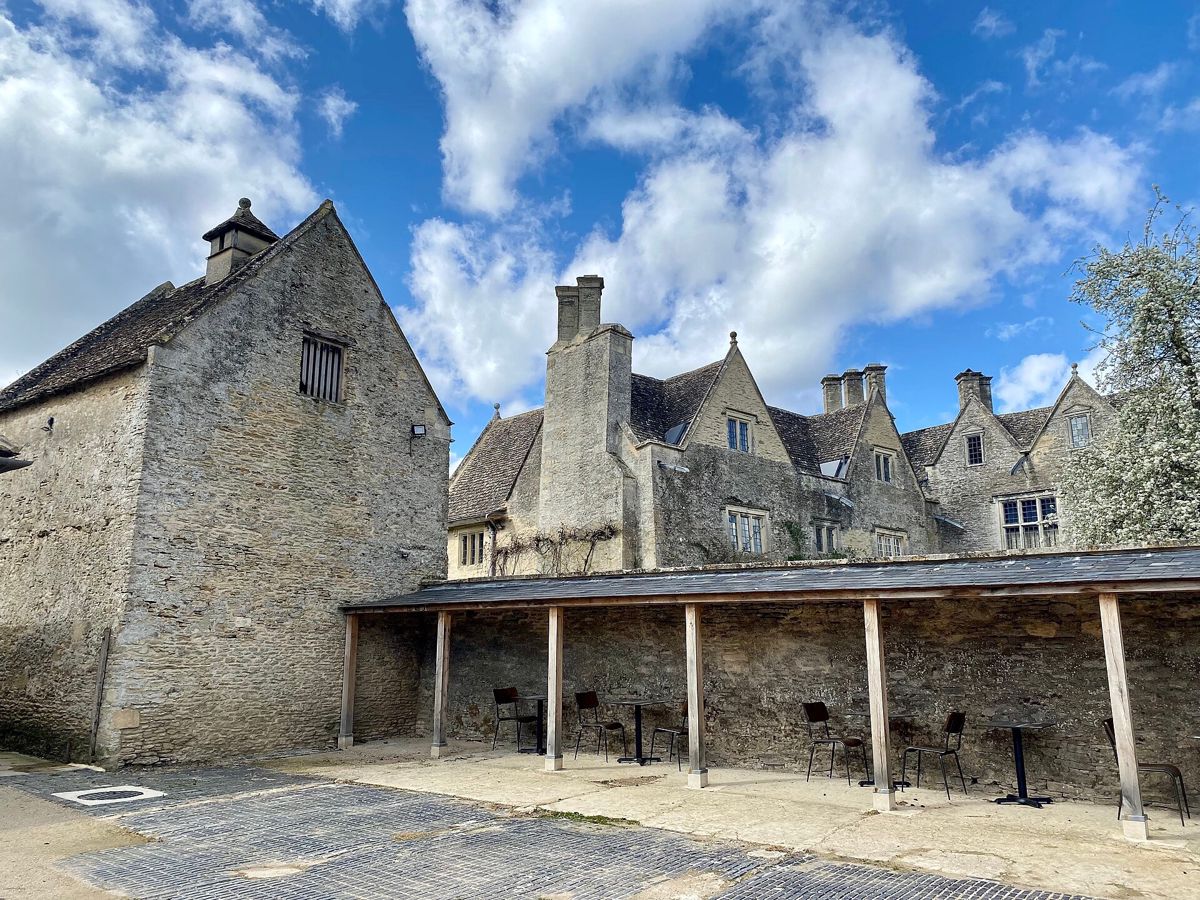
Kelmscott Manor is a farmhouse of about 1600, built for Thomas Turner and called Lower Farm until the family bought the lordship of the manor in 1864. Morris took it on a joint lease with Dante Gabriel Rossetti in 1871; his daughter May lived there from 1923 until her death in 1938, and since 1962 it has belonged to the Society of Antiquaries of London, which is why National Trust cards are no use here. It opens from April to the end of October, Thursday to Saturday only, with the house seen by timed ticket every 15 minutes from 10.30am and last entry at 3.30pm. An adult ticket was £15.50 in 2026, a child's £10.50 and a family's £36, and half the tickets are kept back for the day. The gardens, meadows, tearoom and shop are free.
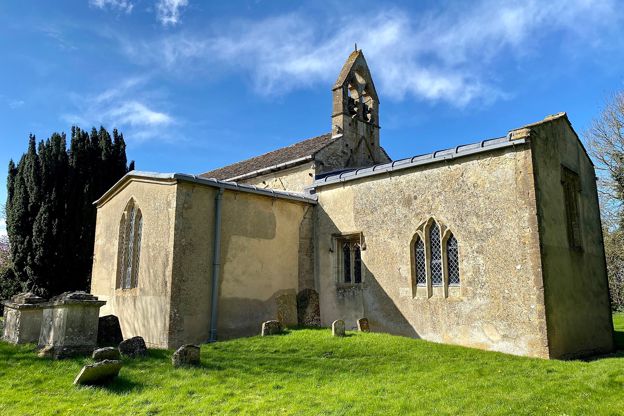
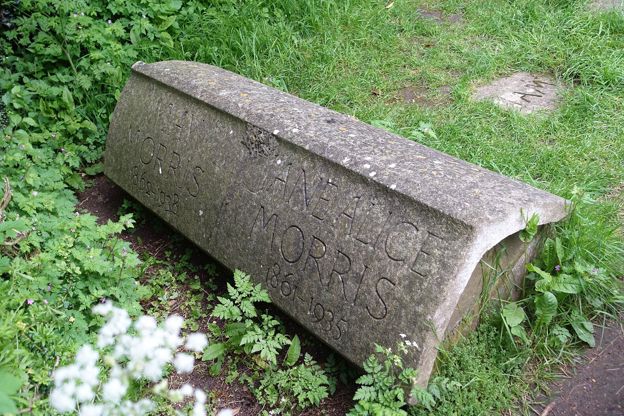
St George's church, next to the visitors' car park, is listed Grade II*: a late twelfth-century church with a fifteenth-century porch and later alterations. The doorway is late twelfth century, the transepts are of about 1260, and the north transept keeps wall paintings of the early fourteenth century: the Massacre of the Innocents, the Presentation in the Temple and the story of Cain and Abel, revealed when the church was repaired in 1888 and 1889, work Morris took an interest in. Outside, about 20m south-east of the chancel, is the Morris tomb, a low ridge of limestone like a house roof, designed by his friend Philip Webb and dated 1896. It names William, Jane and their daughters Jenny and May, and is listed in its own right.
Between the manor and the church are three buildings the family left behind. The Memorial Cottages of 1902, designed by Webb for Jane Morris in her husband's memory, carry a carved panel of Morris seated with his hat, satchel and stick, trees and farm buildings behind him, cut by George Jack from Webb's drawing; they are listed Grade II*. Next to them, 1 and 4 Manor Cottages of 1914 were Ernest Gimson's design for May Morris in memory of her mother. The village hall, dated 1934, was built to Gimson's drawings fifteen years after his death, for Morris's centenary and largely on May's fundraising; George Bernard Shaw opened it, with Ramsay MacDonald in the audience. All three are private or in village use, so look from the lane.
An afternoon here
Book a house slot for early afternoon, park by the church and walk the lane down through the village, past the Plough and the Memorial Cottages, to the manor: 10 to 12 minutes, and the brown signs do the navigating. Eat first in the tearoom, which serves lunch from midday to 2pm, take your slot in the house, and finish in the garden and the back meadow, where picnics are allowed. Walk back up to the church for the paintings and the grave, and end at the Plough. A small electric shuttle runs from the car park for anyone who cannot manage the lane.
Walks
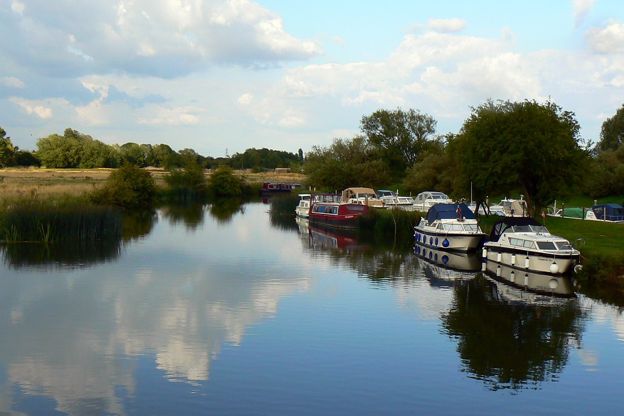
The Thames Path runs along the southern edge of the parish, and the manor has its own mooring, so the best way to arrive is on foot from Lechlade, about 3 miles (5km) of level riverside by way of St John's Lock, with the Father Thames statue at the lock on the way. Our Lechlade, Buscot and the Thames walk covers the river either side of the town and comes back by St John's Lock; from the lock, keep east on the path for Kelmscott. The meadows flood in winter, so check the river before you set out. Cotswold Canoe Hire in Lechlade also runs a paddle to the manor along the Thames.

The Cotswolds Info newsletter
Events, new places and the best of the season, about once a month. Unsubscribe at any time.
Food and drink
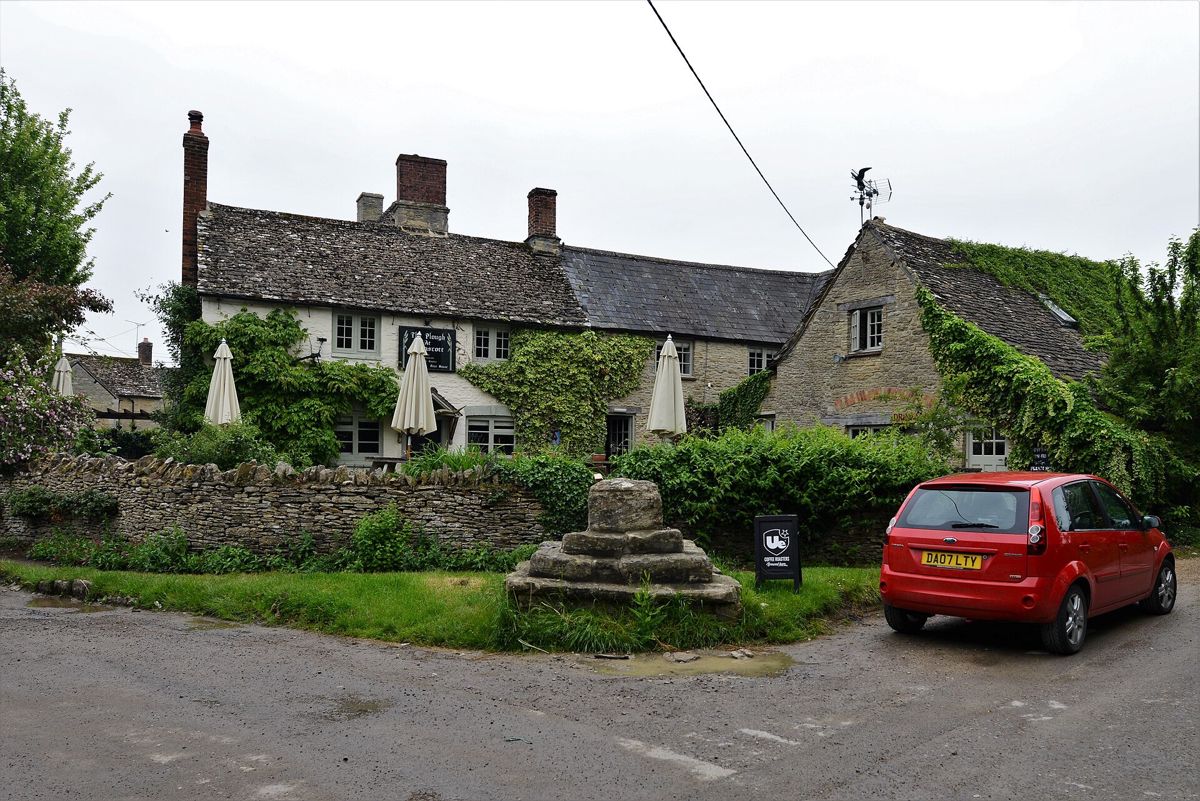
The Plough Inn is the village pub, and the place to eat when the manor is shut. Its cottage end is dated 1690 and the inn range was added in the eighteenth century; a beer seller is recorded here from 1847. In 2026 it opens from 8am to 10pm every day, with the kitchen serving from midday to 2.30pm and 6pm to 9pm from Monday to Wednesday, all afternoon from midday to 9pm on Thursday to Saturday, and from midday to 6pm on Sunday. It has eight en-suite bedrooms, with king and twin rooms listed on its own site; Manor Farm, a B&B on a working farm, also has rooms in the village. The manor's tearoom does lunch and cakes on open days only.
When to come
Come on an open day, Thursday to Saturday from April to the end of October; the manor closes for the winter on 31 October 2026 and reopens in April 2027. Outside those days the village is a lane, the church and the pub. Coach parties are only taken on Wednesdays, by booking, so Saturdays belong to families and walkers. In winter the river meadows are often under water and the Thames Path from Lechlade can be impassable.
Last verified 28 October 2026 by our editors
Part of
The Oxfordshire Cotswolds
The Windrush and Evenlode valleys on the Oxfordshire side of the hills: Burford's High Street, Kingham on the railway, Witney's blankets and Woodstock at Blenheim's gates.
Things to do in Kelmscott
Historic houses and heritage · Lechlade-on-Thames
Buscot Park
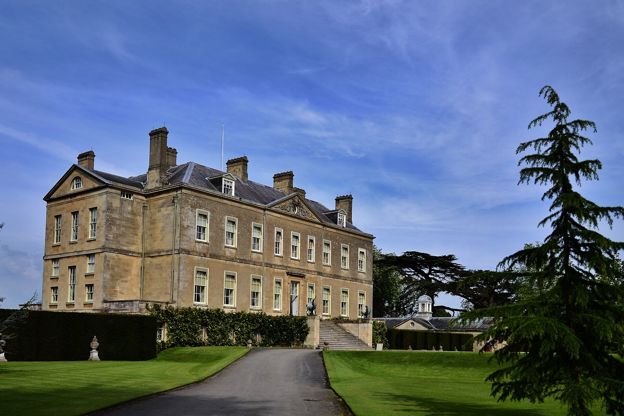
A late eighteenth-century house near Lechlade, run by Lord Faringdon for the National Trust, with Burne-Jones's Briar Rose paintings, the Faringdon Collection and Harold Peto's water garden, open on spring and summer afternoons.
Where to stay in Kelmscott
-
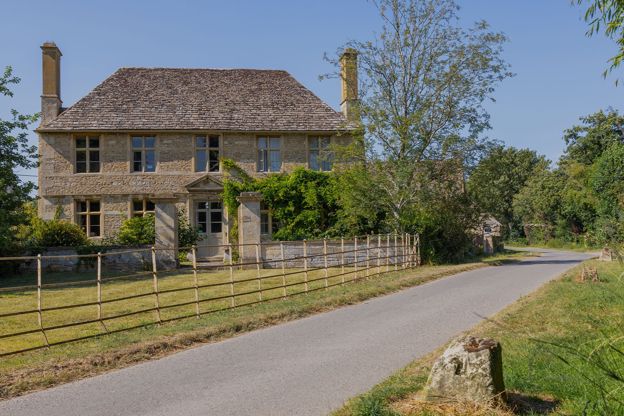
Manor Farm B&B
B&B · Kelmscott
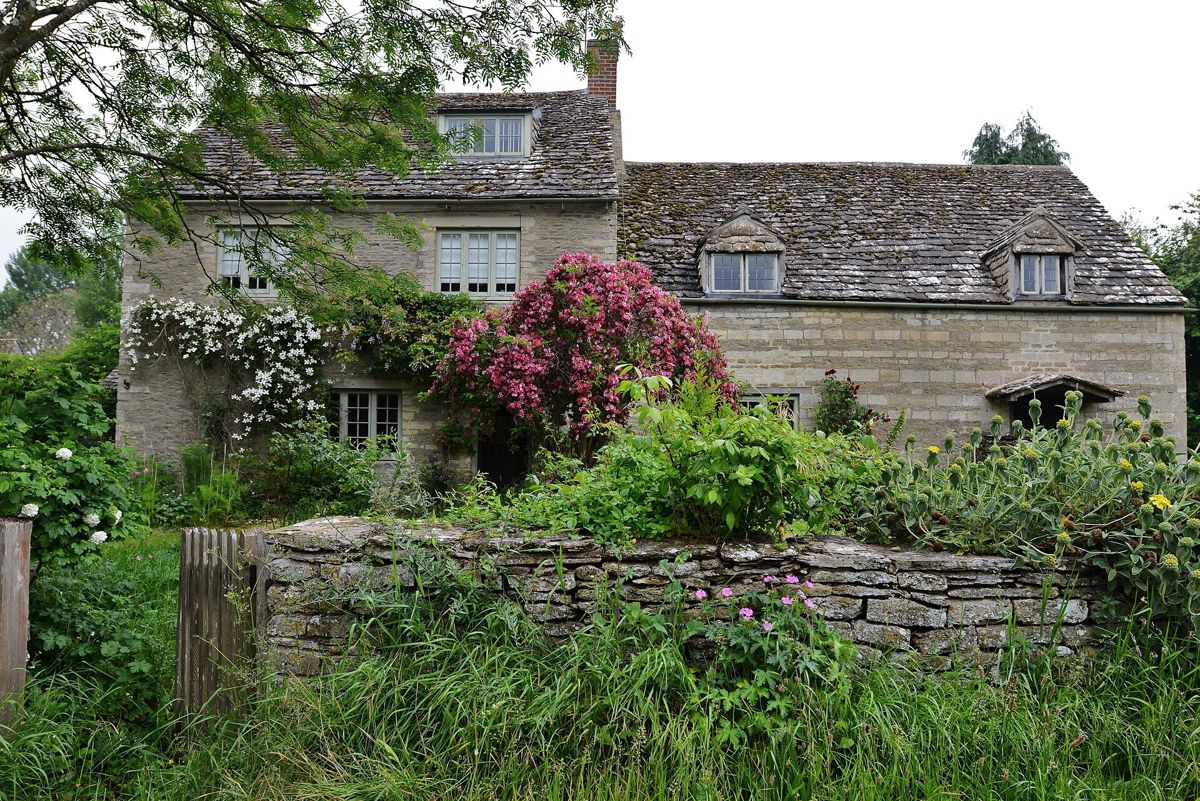
A late seventeenth-century farmhouse B&B with three en-suite rooms on a working farm in Kelmscott, with a shepherd's hut and a pod, each with its own wood-fired hot tub, in the meadow across the lane.
Family-friendly · Walker-friendly · Hot tubs
Verified Nov 2026
Where to eat and drink in Kelmscott
-
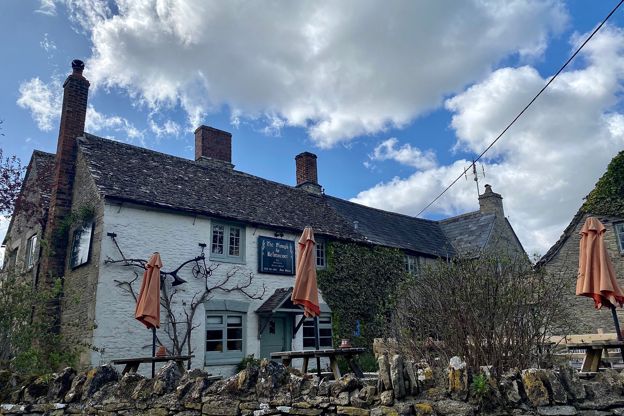
The Plough, Kelmscott
Pubs · Kelmscott
Kelmscott's village pub, a listed stone inn dated 1690, a few minutes from Kelmscott Manor and the Thames Path, serving British pub classics, breakfast and Sunday roasts, with a garden and eight bedrooms.
Verified Oct 2026
Walks in and around Kelmscott
-
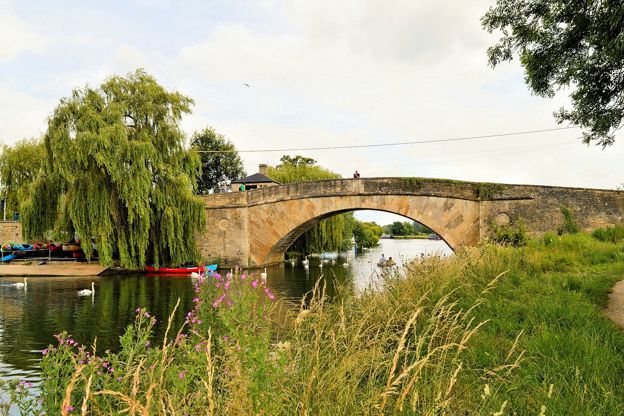
Lechlade and St John's Lock
Walk · Starts in Lechlade-on-Thames · 45 mins · Circular · Dog-friendly
A flat 3-mile (4.8km) circular walk from Lechlade's Market Place, easy and about an hour: out to the Round House where the Coln and the old canal meet the Thames, back along the meadows past Ha'penny Bridge to St John's Lock and the Trout Inn, home by Shelley's Walk.
Sights in and around Kelmscott
-
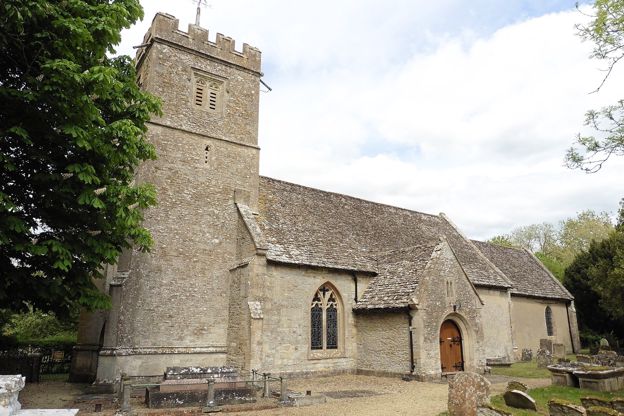
St Mary's Church, Buscot
Sight · Church · Lechlade-on-Thames
Buscot's small thirteenth-century church by the Thames below Lechlade, with a full set of Morris & Co. windows designed by Edward Burne-Jones from 1892 to 1924, a zigzag chancel arch and the Loveden monuments by Robert Cooke. Grade I.
-
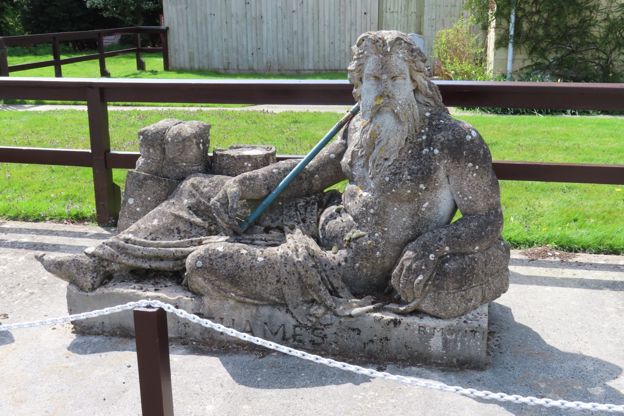
Father Thames and St John's Lock
Sight · Monument · Lechlade-on-Thames
Raffaelle Monti's reclining river god, modelled in cement for the Crystal Palace in 1854, beside St John's Lock below Lechlade, the first lock on the Thames. He lay at the river's source from 1958 until vandals drove him here in 1974. Grade II.
-
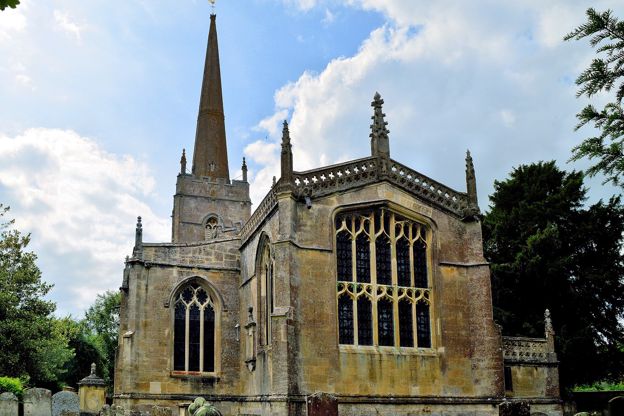
St Lawrence's Church, Lechlade
Sight · Church · Lechlade-on-Thames
Lechlade's wool church on the Market Place, rebuilt in Taynton stone in the 1470s, with a spire seen across the Thames meadows and a churchyard that moved Shelley to verse in 1815. Grade I; closed for restoration through 2026, with reopening expected by Christmas.
Stories about Kelmscott
-
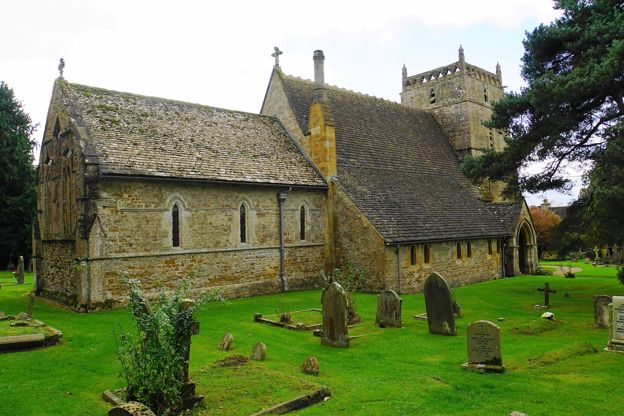
Gustav Holst and the Cotswolds
Story · History · 8 minute read
The composer of The Planets was born in Cheltenham, was organist at Wyck Rissington as a teenager and wrote a symphony called The Cotswolds: where to see and hear his Cotswold years.
-
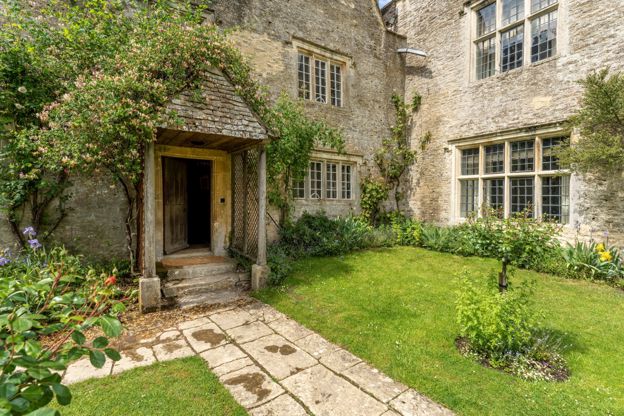
William Morris and the Cotswolds
Story · History · 9 minute read
William Morris's Cotswold life: Kelmscott Manor, his heaven on earth by the upper Thames, his grave at Kelmscott, the churches at Inglesham and Burford he fought for, and the Bibury line he may never have said.
Getting to Kelmscott
- By car
- Signposted off the A417 and A4095 with brown heritage signs; use GL7 3HG for the free car park by the church, not the manor's own postcode.
- By bus
- No regular bus. The nearest are Stagecoach's 77 at Lechlade and the S6 at Faringdon, and a limited Saturday service from Faringdon in summer; check before you rely on it.
- By train
- Swindon is about 14 miles away and Oxford about 26; both need a taxi for the last stretch.
- By boat
- The manor has a private mooring on the Thames for visitors arriving by boat, and canoes can be hired in Lechlade.
Access
The house's ground floor, gardens, tearoom and shop are step-free; the upper floors are not. An electric shuttle runs from the car park, and Blue Badge bays are on its right-hand side
| Lechlade | 3.1 mi |
|---|---|
| Filkins | 6.2 mi |
| Faringdon | 7.5 mi |
| Burford | 11.2 mi |
| Swindon | 14.3 mi |
| Oxford | 25.5 mi |
Places near Kelmscott
-
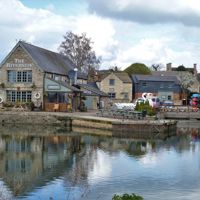 Lechlade-on-ThamesThe town where the Thames becomes navigable, with the highest lock on the river, a toll bridge and Father Thames, and William Morris's Kelmscott Manor 3 miles away.
-
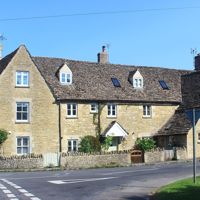 Filkins and Broughton PoggsTwo villages either side of the Broadwell Brook, just off the A361 between Burford and Lechlade, known for their upright stone-slab fences, a small village museum and a pub with rooms. The woollen mill closed to visitors in 2026.
-
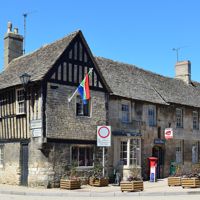 FairfordA small town on the River Coln with the only complete set of late medieval glass in an English parish church, and the home of the Royal International Air Tattoo.
-
 BurfordA wool and coaching town whose High Street runs downhill to a medieval bridge over the Windrush, with a Grade I church where the Levellers were held in 1649.