Becky Fantham on Unsplash
Chipping Campden
A wool town with a High Street of honey stone, a 1627 Market Hall, a great wool church and almshouses, and the start of the Cotswold Way on its doorstep.
- Nearest station
- Moreton-in-Marsh or Honeybourne, then the 1, 1A, 2 or 2A bus from Moreton
- Parking
- Market Square (GL55 6AW), 32 bays, first 20 minutes free, then £1 an hour or £2 for two, 7am to 7pm, card or PayByPhone only; Back Ends for longer stays
- Best time
- A weekday morning; late May or early June for the Olimpicks and the Wake
- When it's busy
- Summer weekends, and the Friday and Saturday of the Olimpicks and Scuttlebrook Wake
- Toilets
- Sheep Street, 50p, 8am to 7pm in summer and 8am to 6pm in winter, with an accessible toilet (RADAR key) and baby change
- Dogs
- Allowed at the Noel Arms for £20 a night, booked ahead; sheep graze on Dover's Hill, so keep dogs on leads there
About Chipping Campden
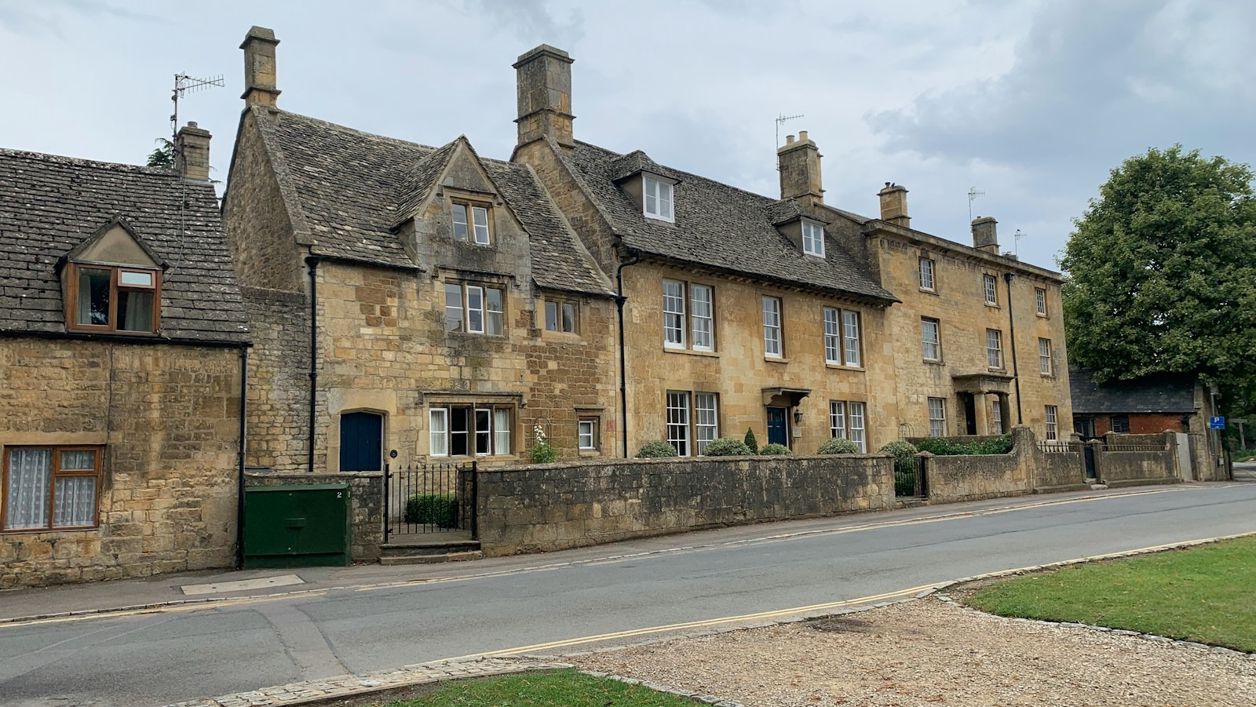
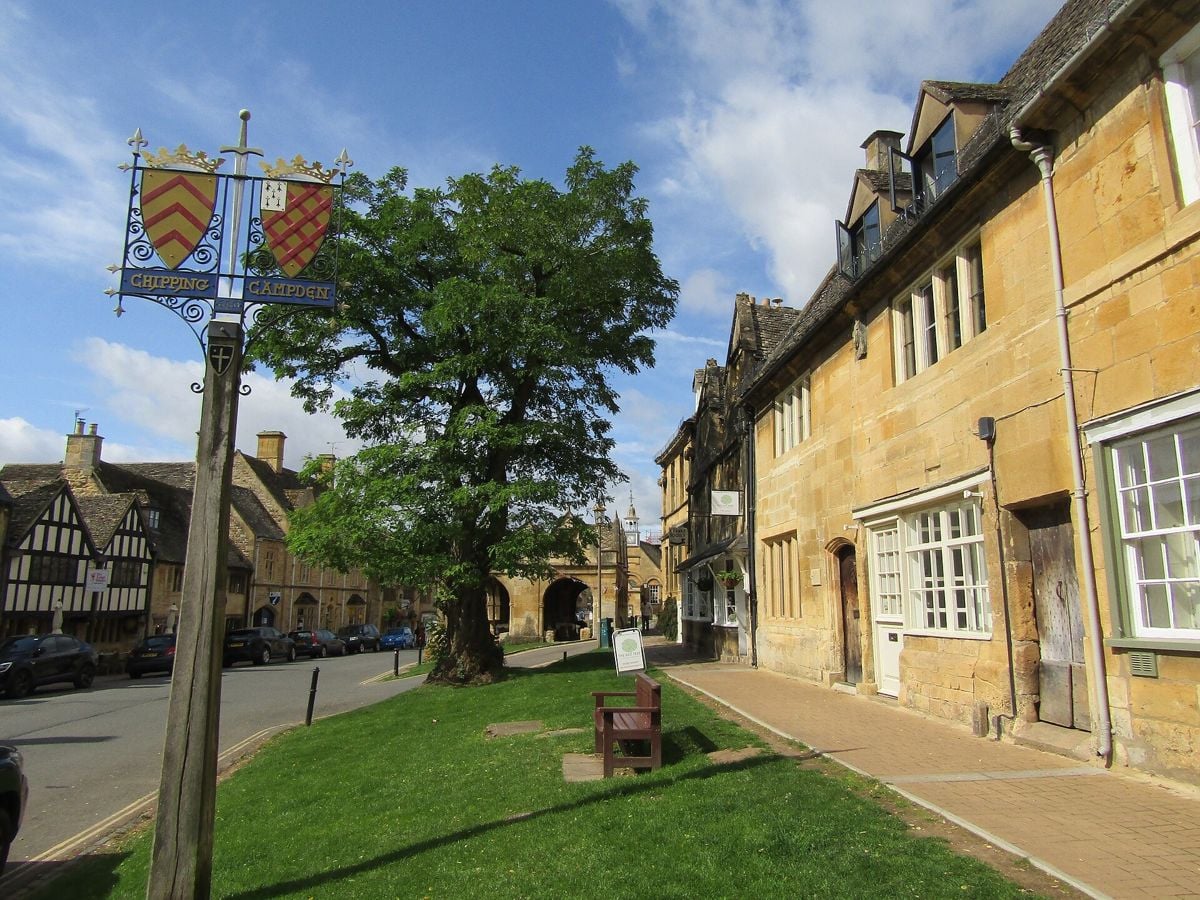
Chipping Campden is a small market town at the northern edge of the Cotswolds, where the hills drop to the Vale of Evesham. Its High Street is lined with honey-coloured houses built on the money of the medieval wool trade, and at its centre stands a Market Hall of 1627. About 2,400 people live here. It is the starting point of the Cotswold Way, which runs 102 miles to Bath.
The Market Hall and the High Street
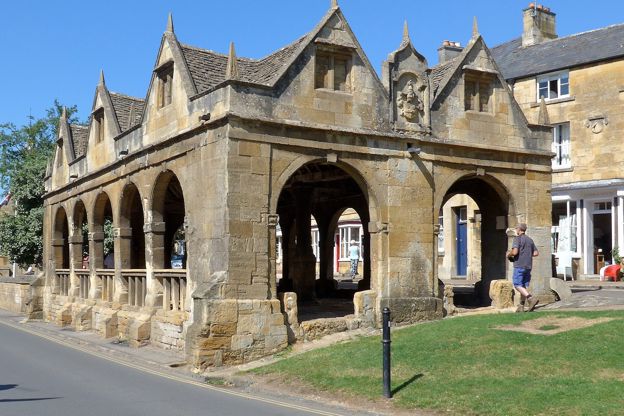
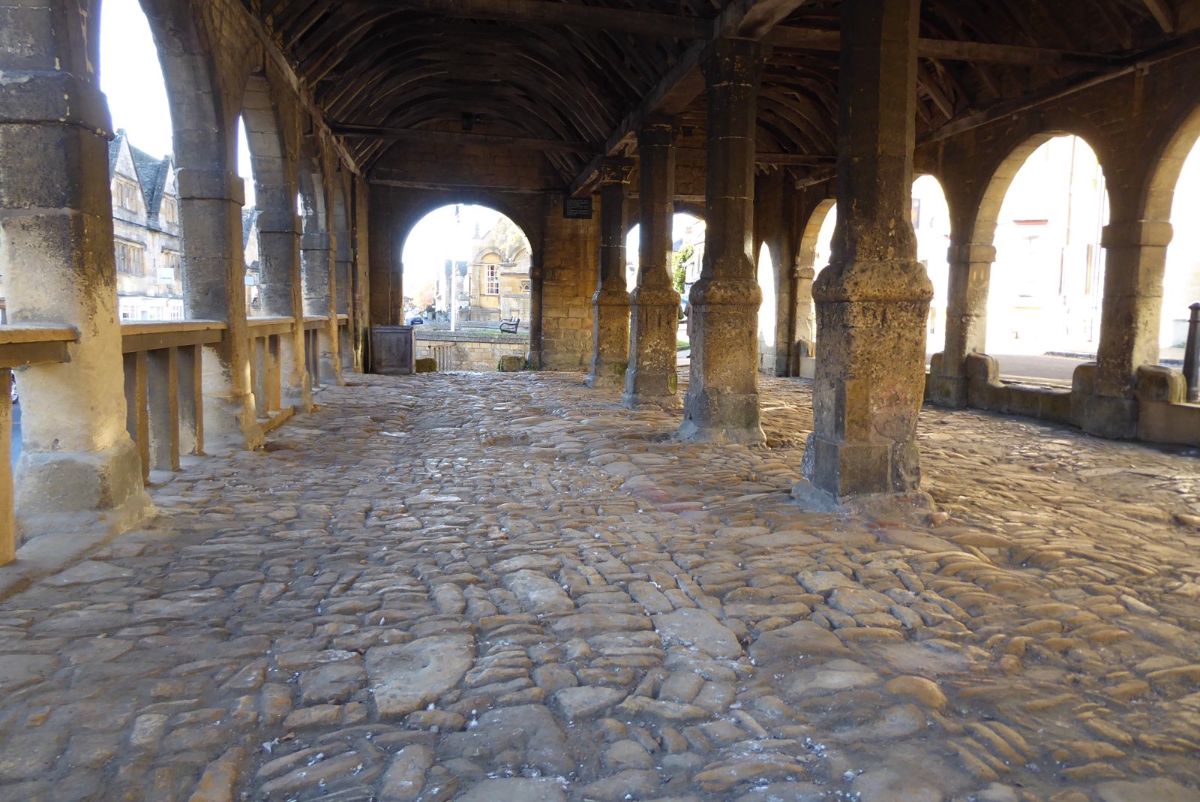
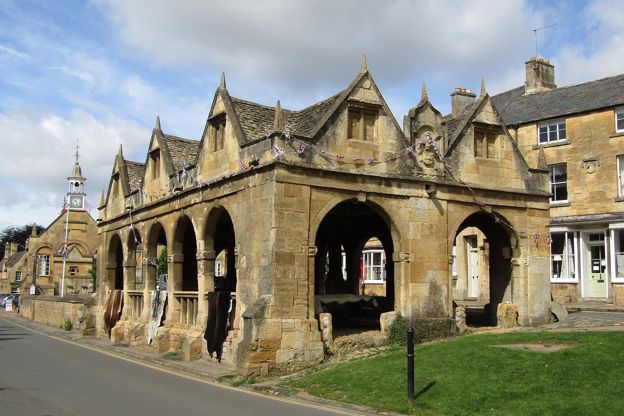
The Market Hall was built in 1627 for Sir Baptist Hicks, the lord of the manor, as a place to sell butter, cheese and poultry. Its open arcades are still there to shelter under, and Hicks's arms are carved on the east side. In the 1940s it was nearly sold to an American buyer; local people raised the money to buy it and gave it to the National Trust, which owns it today. It is listed Grade I.
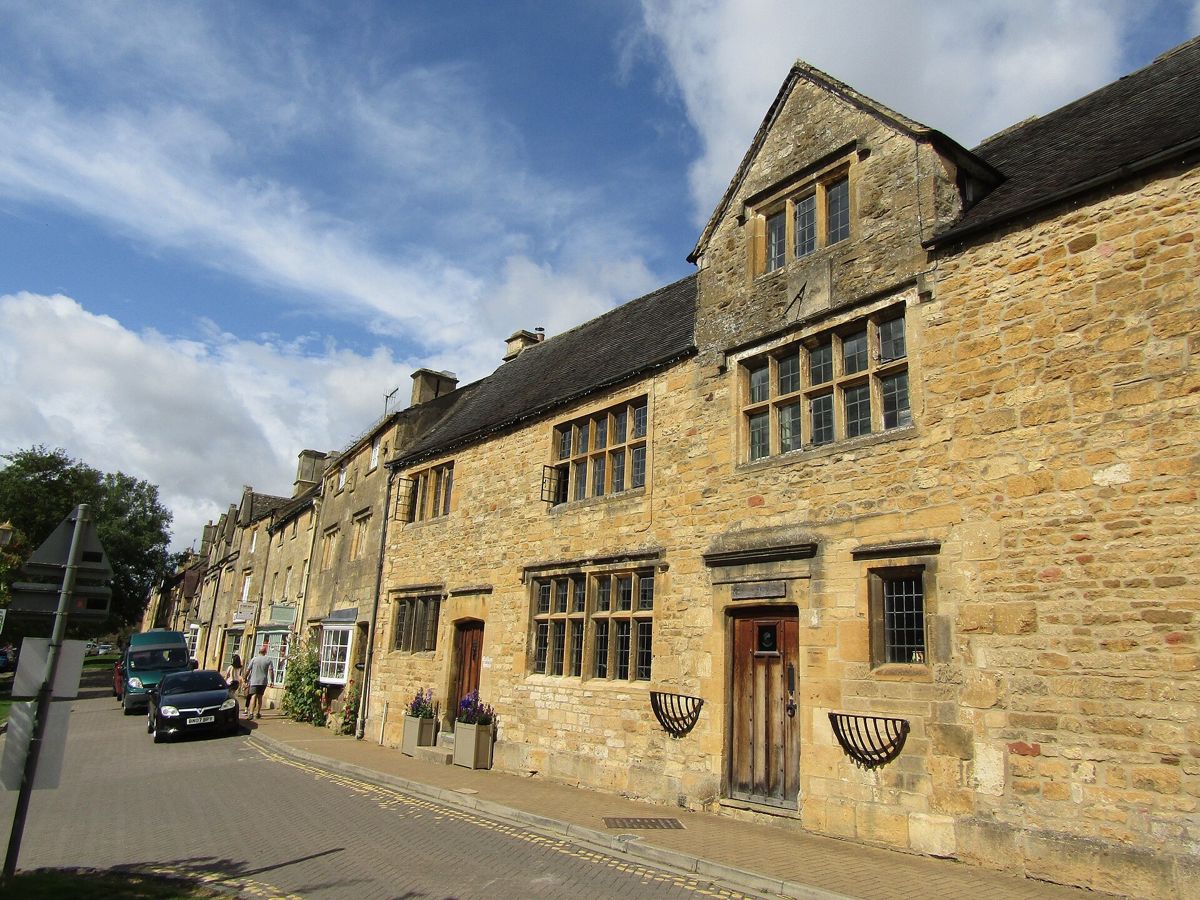
Along the High Street, look for Grevel's House, with its two-storey bay window and gargoyles, and the Woolstaplers' Hall, mostly fifteenth century, built for the Calf family of wool merchants. Both are listed Grade I. The marker stone for the Cotswold Way stands by the Market Hall. For a meal on the High Street, Michael's Mediterranean, in Woolmarket House, serves Greek and Mediterranean food from brunch to dinner.
St James's church and the almshouses
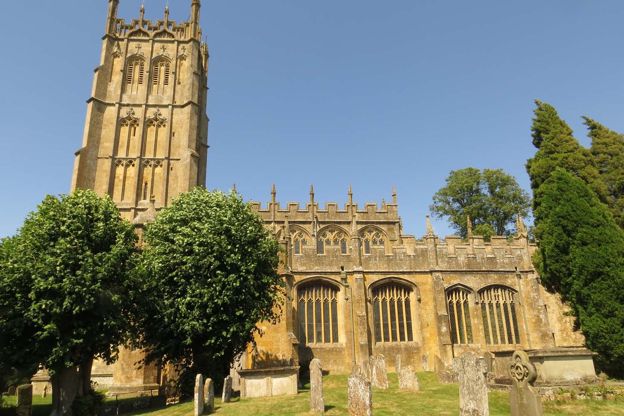
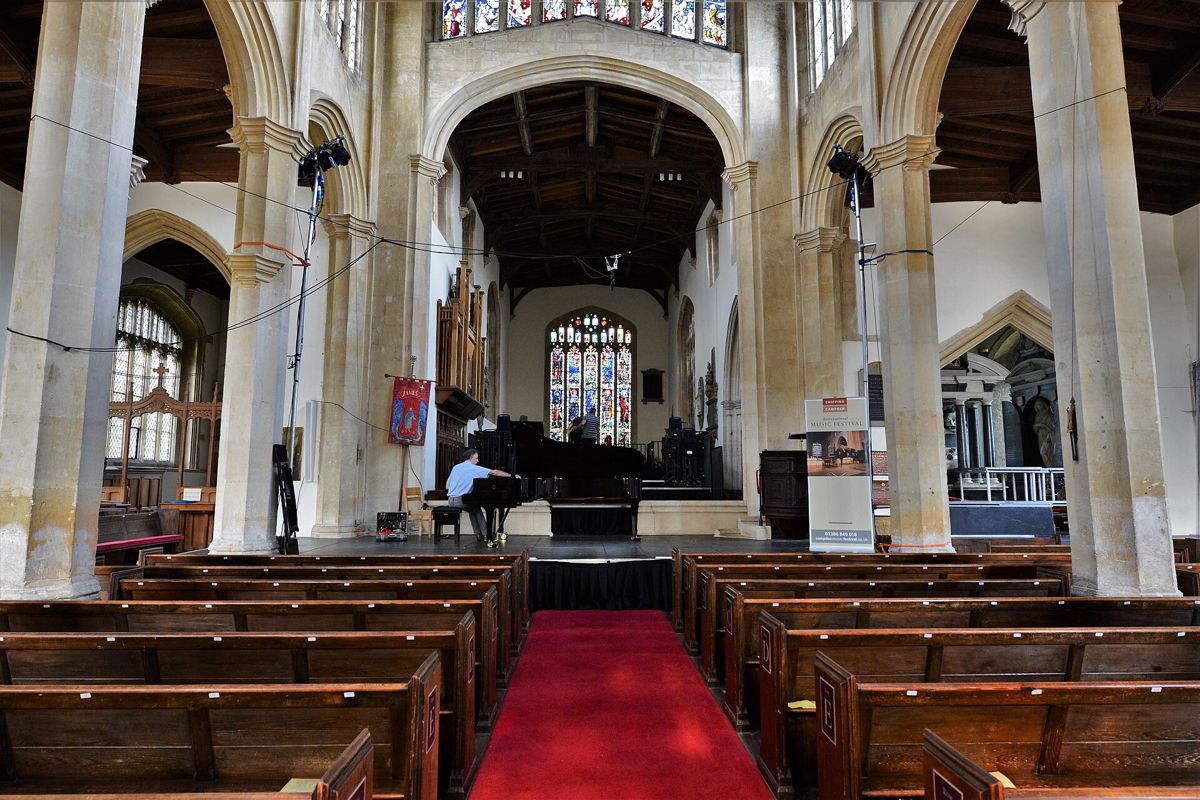
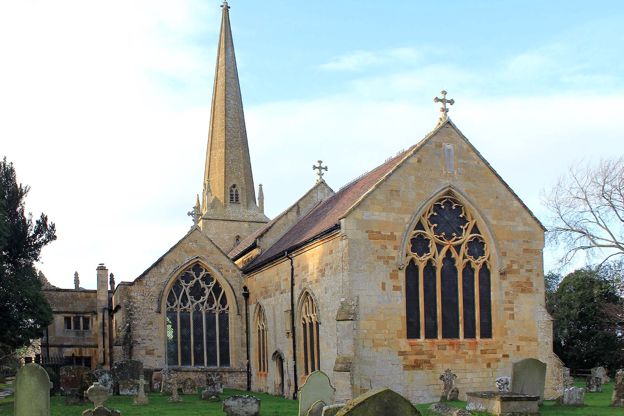
St James's is one of the Cotswolds' great wool churches, listed Grade I and mostly built in the fifteenth century, with a tall west tower. Inside, a brass more than five feet long remembers William Grevel, a wool merchant who died in 1401, with his wife. In the south chapel is the marble tomb of Sir Baptist Hicks, and the pulpit he gave in 1612. A medieval embroidered cope and altar frontal are shown under the tower.
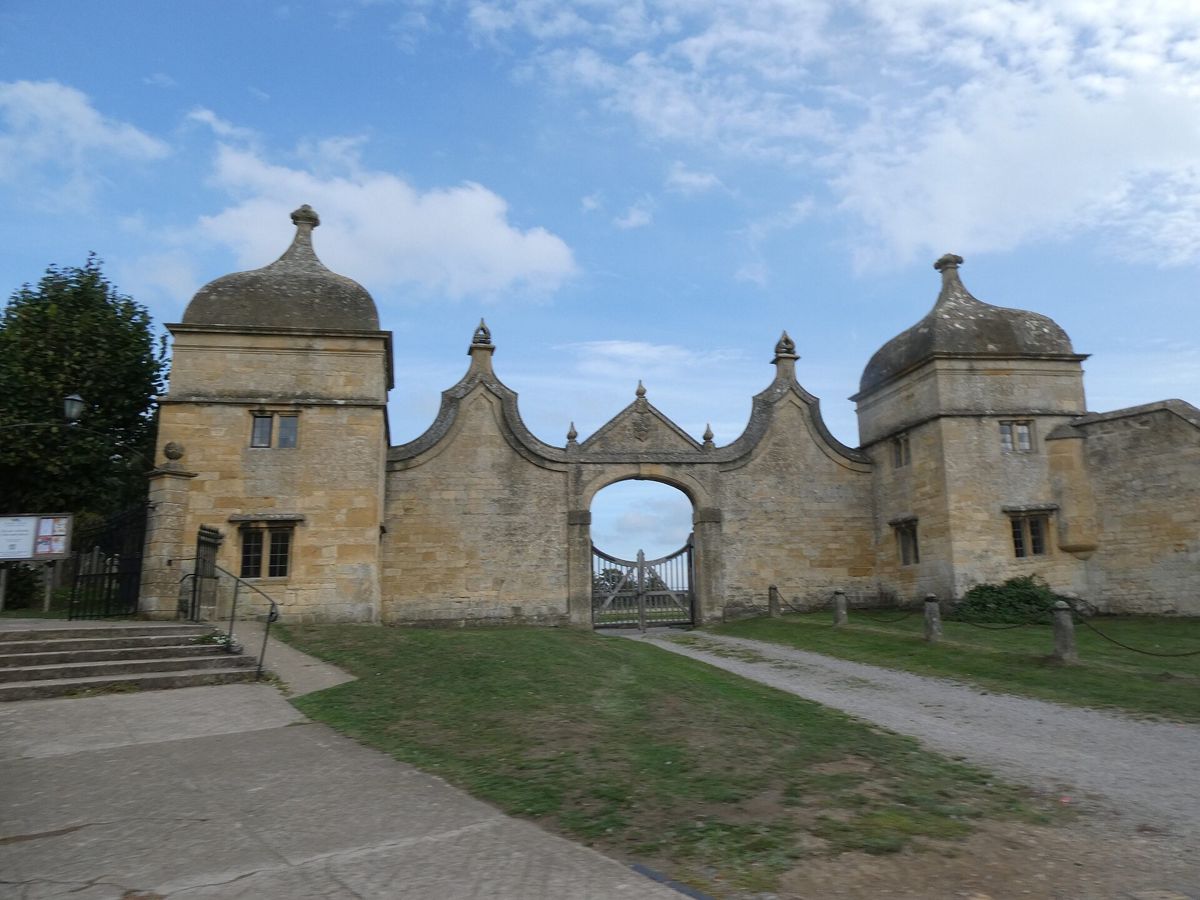
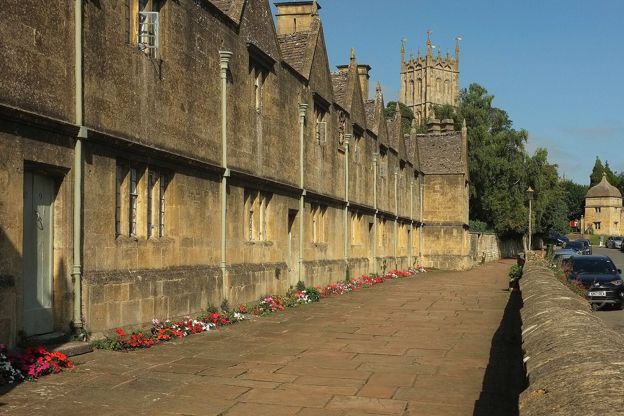
On Church Street are the almshouses Hicks built in 1612 for six poor men and six poor women, at a cost of £1,000. They still house twelve elderly people. Nearby are the remains of the great house Hicks began in 1613, which the Royalist garrison burnt as it left in 1645; two banqueting houses survive, and the Landmark Trust lets them as holiday homes.
Court Barn and the Guild of Handicraft
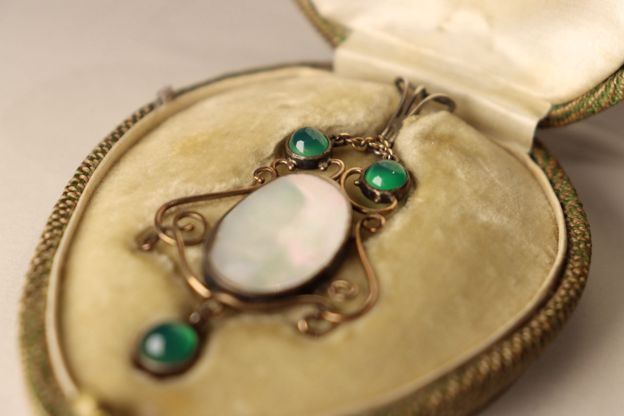
In 1902 the designer C. R. Ashbee moved his Guild of Handicraft from the East End of London to Campden, with its craftsmen. The guild went into liquidation in 1908, but some of its craftsmen stayed. The guild's workshops were in an old silk mill on Sheep Street, and the Hart family of silversmiths still works on Sheep Street under the Guild of Handicraft's name, open to callers from 9am to 4pm on weekdays and 9am to midday on Saturday.
Court Barn, by the church, tells the story of the guild and the makers who followed. It opens Tuesday to Sunday and on bank holiday Mondays from 10am to 4pm. An adult ticket is £7 and lasts a year, and under-25s and students go free. It is step-free, and it has no car park of its own.
The Cotswolds Info newsletter
Events, new places and the best of the season, about once a month. Unsubscribe at any time.
Dover's Hill and the Olimpicks
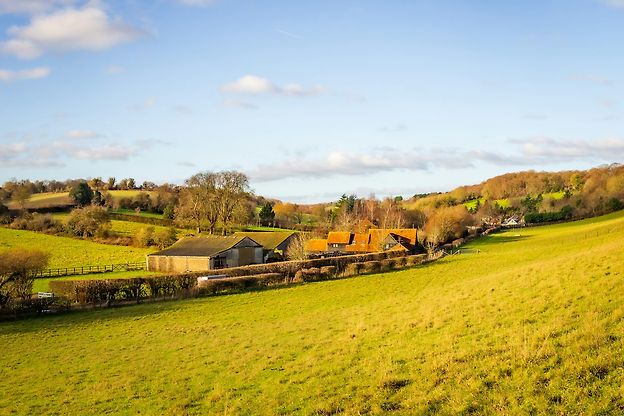
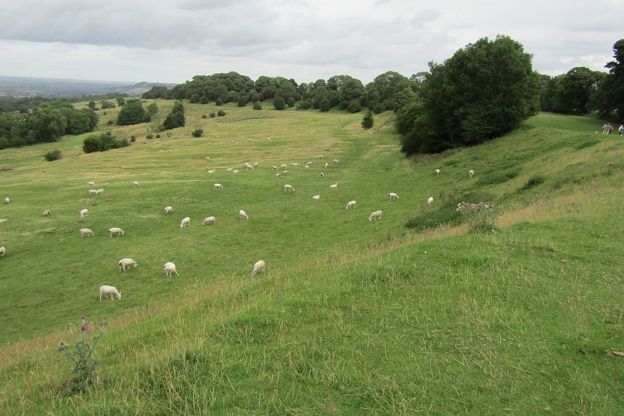
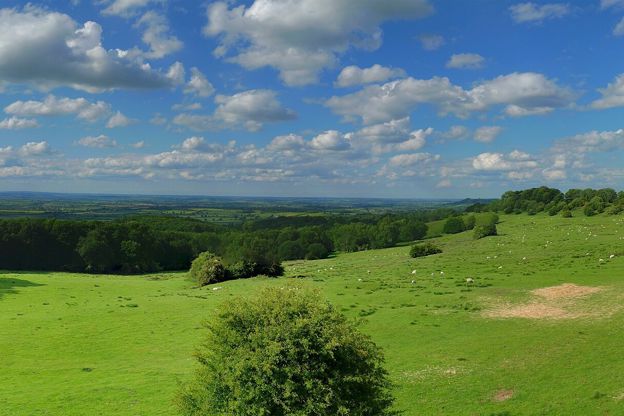
Above the town, Dover's Hill rises to 230m, with a view across the Vale of Evesham. It belongs to the National Trust, and its car park charges a National Trust fee. Sheep graze it, so keep dogs on leads. Our guide to the best viewpoints in the Cotswolds follows the edge south from here.
The hill is named after Robert Dover, who started his Cotswold Olimpicks here in 1612. They are still held, on the Friday after the spring bank holiday, and the evening has traditionally ended with a torchlight procession down into the town. In 2026 they were on 29 May; in 2027 they should fall on Friday 4 June, a date the organisers have still to confirm. The next day is usually the Scuttlebrook Wake, with a May Queen drawn through the streets by Morris men, a maypole and a fair.
Walks from Chipping Campden
The Cotswolds National Landscape's walk to Dover's Hill and back is 4.5 miles, two and a half to three and a half hours, with steep sections and kissing gates, through Lynches Wood, where bluebells flower in May; a 3-mile version avoids the climbs. For a longer day, a 9-mile circuit goes to Blockley and back by Broad Campden, with 306m of climbing and stiles. And from the Market Hall the Cotswold Way sets off south for Broadway and, eventually, Bath. The Cotswold Way itself is on our list of long walks.
When to come
Weekday mornings are quietest. The town is at its liveliest in late May and early June, when the Campden Music Festival fills the church (10 to 22 May in 2027) and the Olimpicks and the Scuttlebrook Wake follow just after the late May bank holiday, expected on 4 and 5 June in 2027. For a bed, see where to stay in Chipping Campden. The town's past includes the Campden Wonder of 1660, its own mummers' play and, at nearby Burnt Norton, a fire and a poem. The Cotswolds in May has the rest of the month, and a gardens weekend in the Cotswolds is two days of gardens by car from the town.
Chipping Campden is on three of our itineraries. One day in the Cotswolds comes here in the afternoon, with tea at the Bantam Tea Rooms before Broadway Tower; two days in the North Cotswolds stops for lunch on its second day, between Blockley and Hidcote; and three days in the Cotswolds starts on the High Street.
Last verified 1 November 2026 by our editors
Part of
The North Cotswolds
The high wolds between Chipping Campden and Bourton-on-the-Water: the Fosse Way towns, the Windrush villages, the Slaughters and the escarpment at Broadway.
Things to do in Chipping Campden
Museums and galleries · Chipping Campden
Court Barn Museum
Chipping Campden's museum of craft and design, telling the story of Ashbee's Guild of Handicraft and the makers who followed, with half price for bus passengers.
-
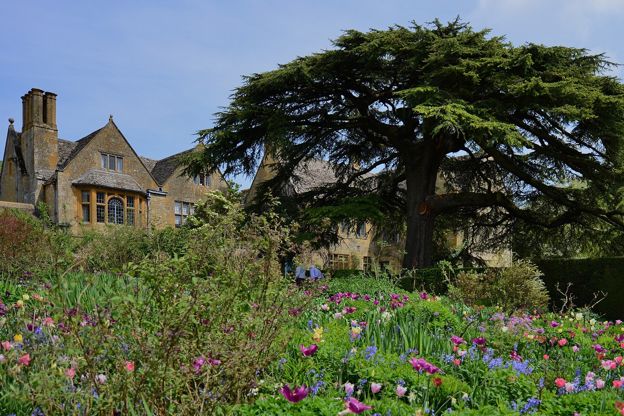
Hidcote
Parks and gardens · Chipping Campden
Lawrence Johnston's Arts and Crafts garden near Chipping Campden, a series of garden rooms begun in 1907 and owned by the National Trust since 1948.
Dog-friendly · Family-friendly · EV charging
Verified Oct 2026
-
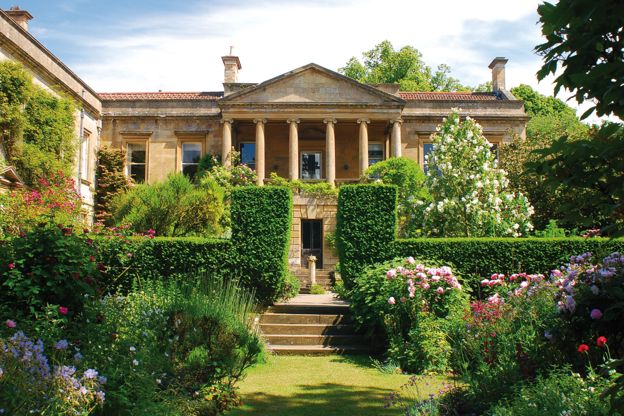
Kiftsgate Court Gardens
Parks and gardens · Chipping Campden
A garden near Chipping Campden made by three generations of women gardeners, close to Hidcote, with a bluebell wood and free parking.
Verified Nov 2026
Where to stay in Chipping Campden
-
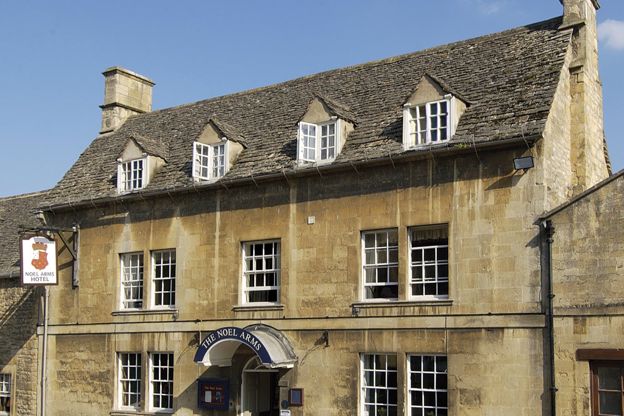
The Noel Arms Hotel
Inn · Chipping Campden
A Grade II listed inn with 27 rooms on Chipping Campden's High Street, with a restaurant, parking, accessible rooms and dogs by arrangement.
Dog-friendly
Verified Oct 2026
-
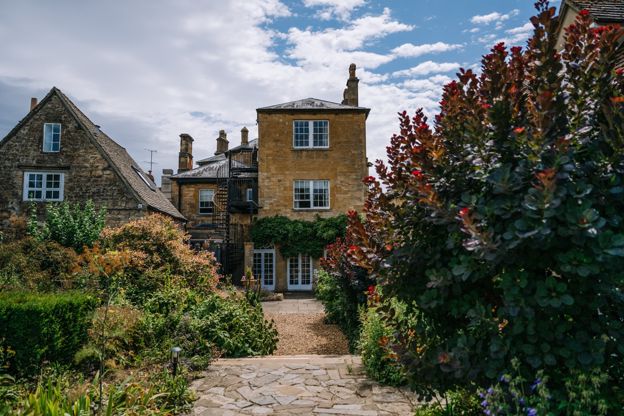
Cotswold House Hotel and Spa
Hotel · Chipping Campden
A Grade II listed Regency town house on Chipping Campden's Upper High Street, now a hotel and spa with the Hidcote restaurant.
Hot tubs · Wedding venues
Verified Nov 2026
-
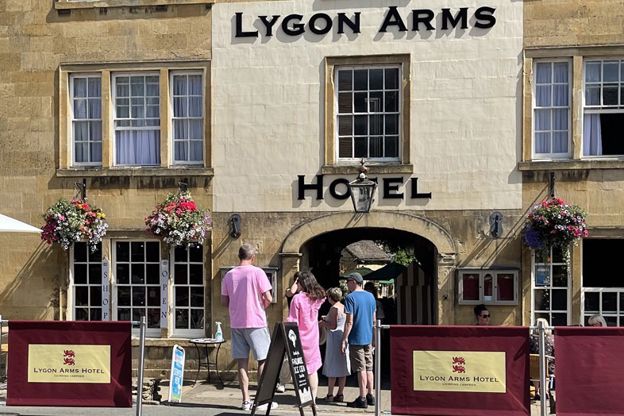
The Lygon Arms, Chipping Campden
Inn · Chipping Campden
A coaching inn with ten rooms on Chipping Campden's High Street, with family rooms, bike storage, free parking at the rear and dogs welcome.
Dog-friendly
Verified Oct 2026
-
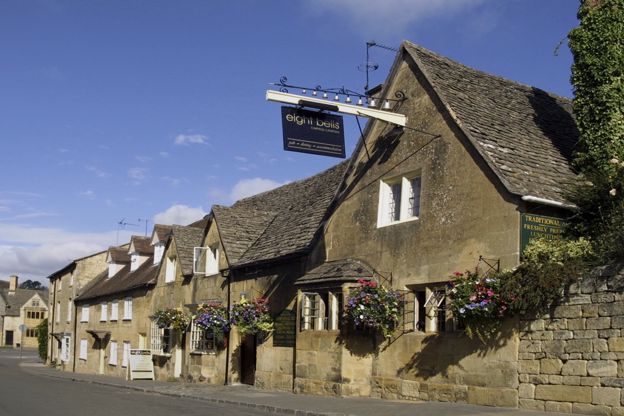
The Eight Bells Inn
Inn · Chipping Campden
A pub with six rooms on Church Street, Chipping Campden, serving lunch and dinner, on Church Street.
Verified Nov 2026
-
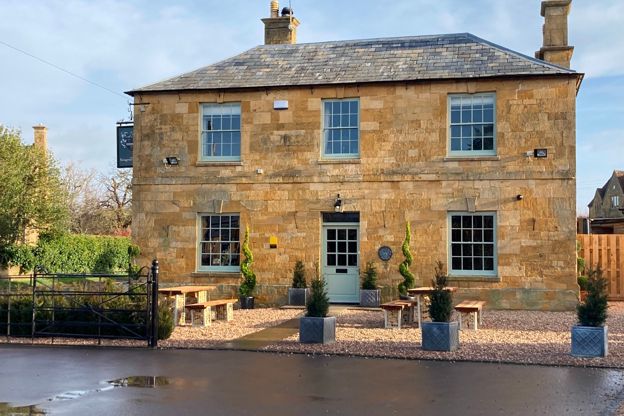
The Seagrave Arms
Inn · Chipping Campden
A seventeenth-century coaching inn with seven rooms at Weston Subedge, about two and a half miles from Chipping Campden, renovated in 2021.
Verified Nov 2026
-
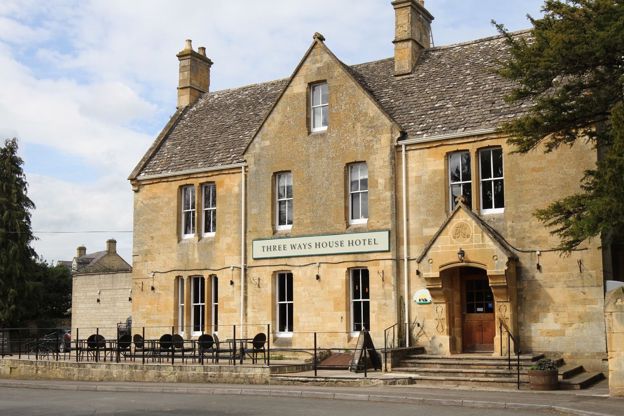
Three Ways House Hotel
Hotel · Chipping Campden
A 48-room hotel at Mickleton, three miles from Chipping Campden, home of the Pudding Club since 1985, with pudding-themed rooms and dogs welcome.
Dog-friendly
Verified Nov 2026
Where to eat and drink in Chipping Campden
-
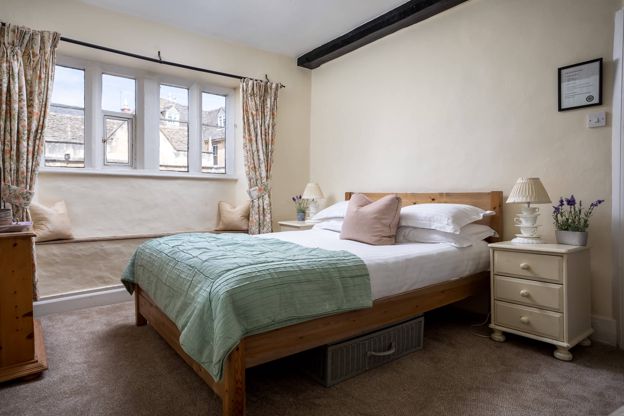
Bantam Tea Rooms
Cafes and tearooms · Chipping Campden
Tea rooms with rooms on the High Street in Chipping Campden, open every day from 9.30am to 5pm.
Verified Oct 2026
-
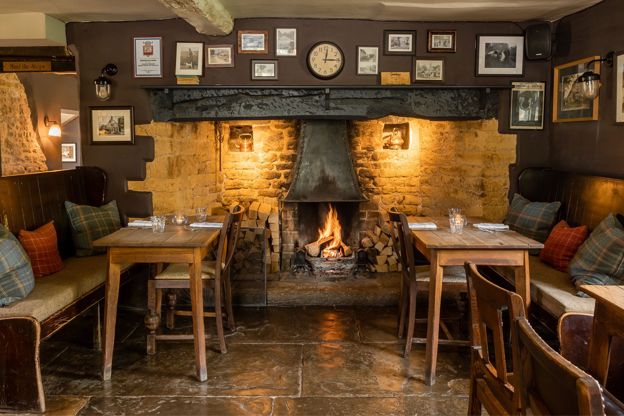
The Ebrington Arms
Pubs · Chipping Campden
A village pub in Ebrington, about 3 miles by road from Chipping Campden, with a landscaped terrace and garden, food every day and five rooms.
Verified Oct 2026
-
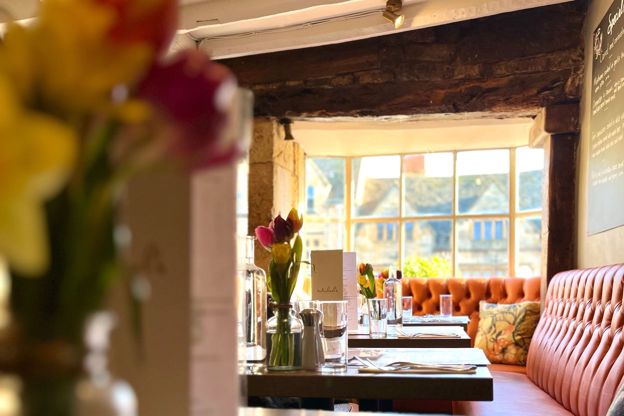
Michael's Mediterranean
Restaurants · Chipping Campden
A Greek and Mediterranean restaurant in Woolmarket House on Chipping Campden's High Street, serving brunch, lunch and dinner, with open fires in winter and a terrace in summer.
Verified Nov 2026
Walks in and around Chipping Campden
-
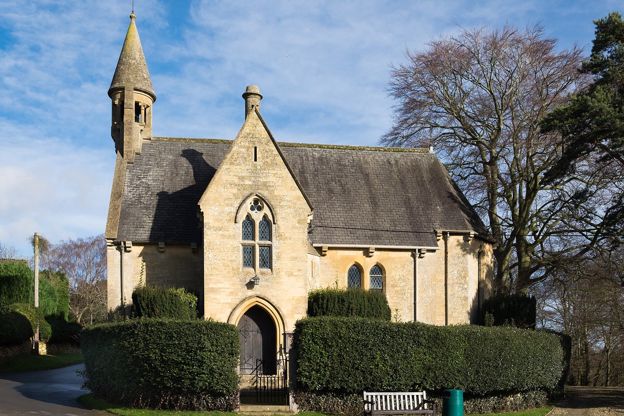
Chipping Campden from Broad Campden
Walk · Starts in Chipping Campden · 1 hr, 15 mins · Circular · Dog-friendly
A 3.3-mile (5.3km) circular walk from St Michael's church in Broad Campden, easy and mostly level, in about an hour and a quarter. It draws a figure of eight over the fields to Lady Juliana's Gateway, along Chipping Campden's High Street, by St James's and back.
-
Mickleton, Hidcote and Kiftsgate
Walk · Starts in Chipping Campden · 2 hrs, 15 mins · Circular · Dog-friendly
A 5-mile (8km) circular walk from Mickleton, moderate and about two and a quarter hours: up through the woods and fields to Furze Lane, along quiet lanes to Hidcote Boyce, north past Hidcote's garden and manor, then down the edge of Kiftsgate Court's grounds to Mickleton.
-
Chipping Campden to Blockley
Walk · Starts in Chipping Campden · 3 hrs, 45 mins · Circular
A 9-mile (14.5km) circular walk from the Noel Arms in Chipping Campden to Blockley and back, about three and three quarter hours of moderate walking with 306m of climbing. It goes by Broad Campden, the Monarch's Way and Norcombe Wood, with five stiles and 200m of busy road.
Sights in and around Chipping Campden
-
Almshouses, Chipping Campden
Sight · Historic building · Chipping Campden
Twelve almshouses on Church Street in Chipping Campden, built in 1612 for Sir Baptist Hicks at a cost of £1,000 on an I-shaped plan said to honour James I, and still homes for older people. Grade I; seen from the street.
-
Dover's Hill
Sight · Viewpoint · Chipping Campden
A National Trust hill on the Cotswold edge above Chipping Campden, about 230m up, with a topograph naming the view over the Vale of Evesham and a level path to it. Robert Dover's Cotswold Olimpicks have been held here, on and off, since 1612.
-
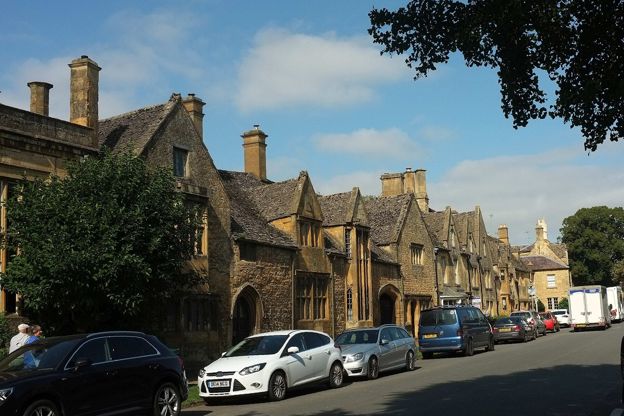
Grevel's House, Chipping Campden
Sight · Historic building · Chipping Campden
A medieval house on Chipping Campden's High Street with a two-storey Perpendicular bay window under gargoyles, named after William Grevel, perhaps the richest Cotswold wool merchant of his day, who died in 1401. Grade I; a private house seen from the street.
-
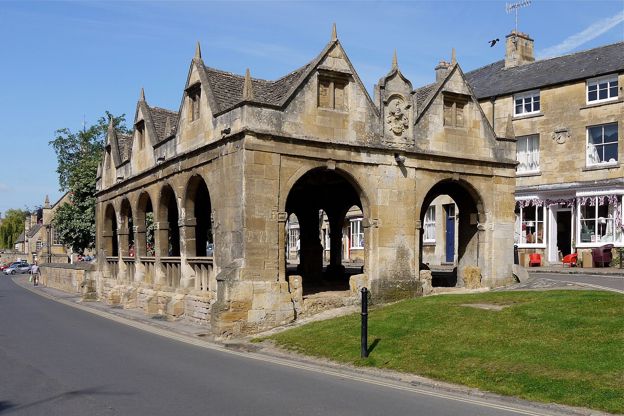
Market Hall, Chipping Campden
Sight · Historic building · Chipping Campden
The open arcade of 1627 in the middle of Chipping Campden's High Street, built by Sir Baptist Hicks as a sheltered market for butter, cheese and poultry, saved from sale to America in the 1940s and now the National Trust's. Grade I; the Cotswold Way starts beside it.
-
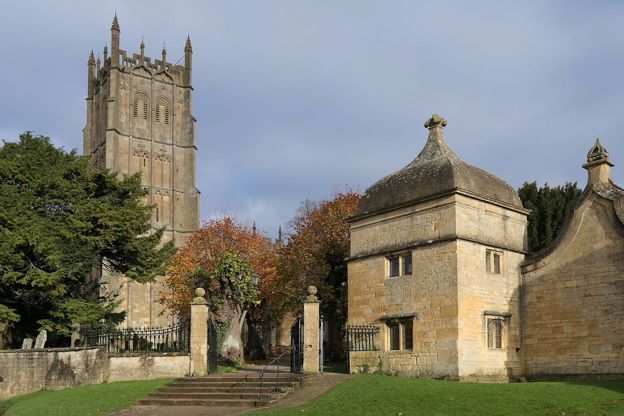
St James's Church, Chipping Campden
Sight · Church · Chipping Campden
Chipping Campden's wool church at the end of Church Street: a soaring fifteenth-century tower, William Grevel's brass of 1401, Sir Baptist Hicks's marble tomb and a medieval cope and altar hangings. Grade I, open to visitors most days.
-
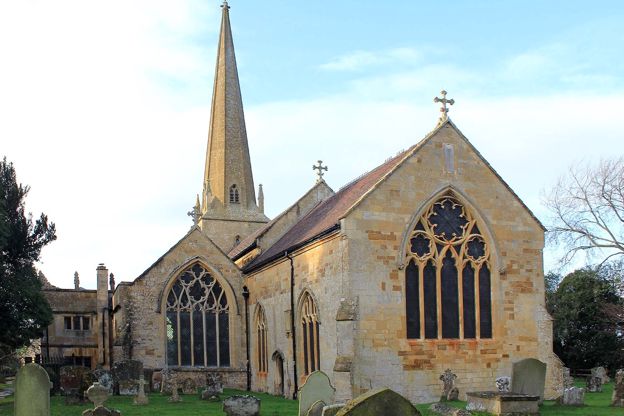
St Lawrence's Church, Mickleton
Sight · Church · Chipping Campden
Mickleton's Grade I church at the foot of the Cotswold edge below Hidcote and Kiftsgate: a twelfth-century nave, a fourteenth-century tower and broach spire, a two-storey seventeenth-century porch, and Utrecia Smith's urn, which the poet Shenstone wrote about.
Stories about Chipping Campden
-
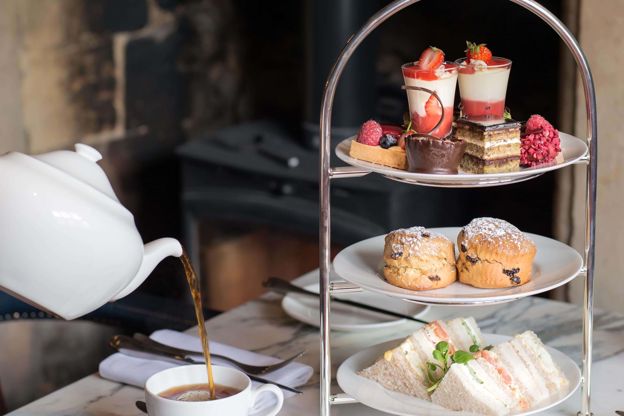
Afternoon tea in the Cotswolds
Story · Guides · 10 minute read
Where to have afternoon tea in the Cotswolds: country house hotels at the Slaughters and Buckland, old inns in Woodstock, Broadway and Malmesbury, and tearooms in Chipping Campden, Stow and Bourton, with times, prices and booking.
-
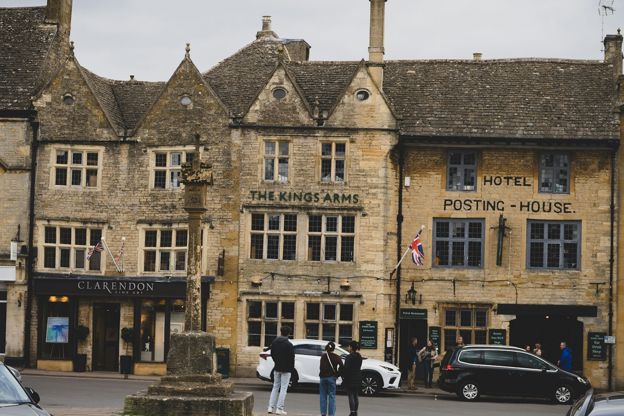
Antiques and shopping in the Cotswolds
Story · Guides · 9 minute read
The antiques towns of Stow, Tetbury, Burford, Broadway and Cirencester, the shopping villages, the makers of Chipping Campden and Stroud, the fairs, the bookshops, Daylesford and Burford Garden Company, and what the Cotswolds are known for buying.
-
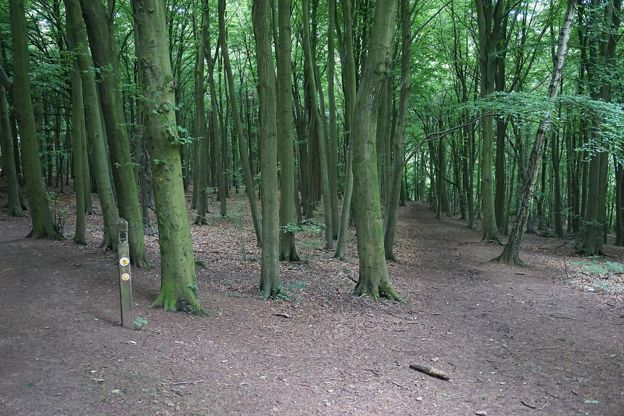
Bluebell woods in the Cotswolds
Story · Guides · 10 minute read
The best bluebell woods in the Cotswolds, from Westonbirt's Silk Wood and Lynches Wood below Dover's Hill to Standish Wood, Frith Wood, Siccaridge Wood and Foxholes: when they flower, who looks after each wood, where to park, the dog rule and the walk that goes through it.
Getting to Chipping Campden
- By bus
- Stagecoach's 1, 1A, 2 and 2A run between Stratford-upon-Avon and Moreton-in-Marsh station by Campden and Blockley, every one to two hours from Monday to Saturday, with a few on Sundays.
- By train
- Moreton-in-Marsh, on the line from London Paddington, is 9 miles away, with the 1 and 2 from outside the station. Honeybourne is nearer, about 5 miles, then a taxi.
- Parking
- Market Square has 32 bays, free for 20 minutes, then £1 for an hour or £2 for two, by card or PayByPhone. The Cotswolds National Landscape asks walkers to park in Back Ends.
Access
Court Barn is step-free, with an accessible toilet. On Dover's Hill a level grassy path leads to the viewpoint, a quarter of a mile there and back, which the Cotswolds National Landscape suggests for wheelchairs and small-wheeled buggies.
| Broadway | 6.8 mi |
|---|---|
| Moreton-in-Marsh station | 8.7 mi |
| Stratford-upon-Avon | 11.8 mi |
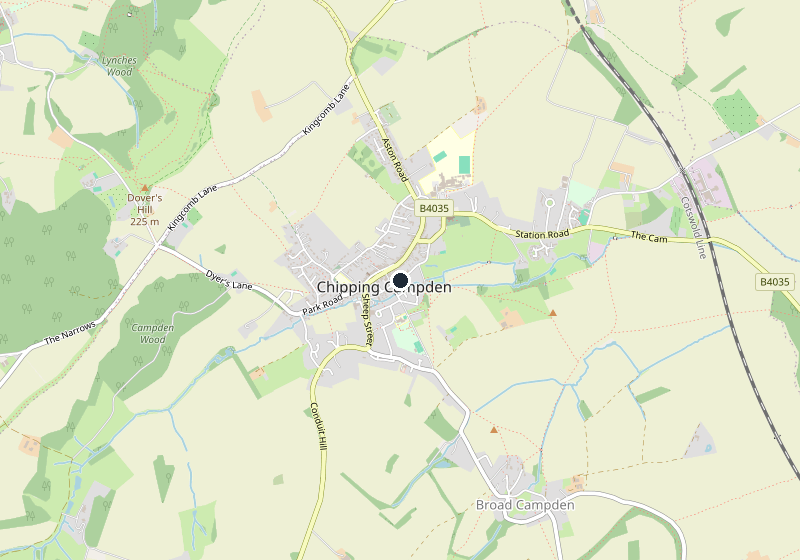
Places near Chipping Campden
-
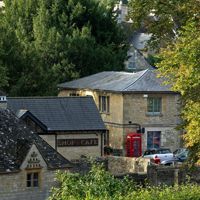 BlockleyA village of former silk mills along a brook in a steep valley near Moreton-in-Marsh, with a Norman chancel in its church, a spring under a raised pavement, two short walks from its lanes and Father Brown's Kembleford on screen.
-
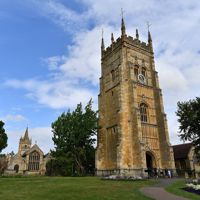 EveshamThe market town of the vale, 7 miles below Broadway: the Cotswold Line station with free parking, the R4 bus up Fish Hill to Broadway on weekdays, the abbey's bell tower by the Avon, asparagus from St George's Day to Midsummer, and the Cotswold edge at Broadway and Willersey.
-
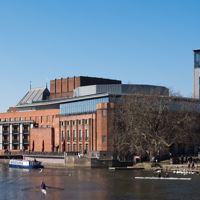 Stratford-upon-AvonShakespeare's town on the Avon, 10 miles north of the Cotswold edge: the station from Birmingham and London, the Stagecoach buses over the hills to Chipping Campden, the 50 to Shipston, and the Monarch's Way south towards the hills.
-
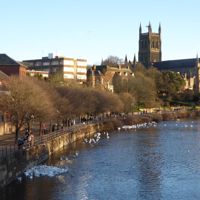 WorcesterThe cathedral city on the Severn on the Cotswold Line: Foregate Street and Shrub Hill stations, the trains through Evesham to Moreton-in-Marsh, King John's tomb and Elgar, the vale road to Broadway, and the Malverns every Cotswold viewpoint looks across to.