Bluebell woods in the Cotswolds
Bluebells flower from mid-April to mid-May. Here are ten woods worth the trip, who looks after each, where to park, and the walk that goes through it.
· 10 minute read
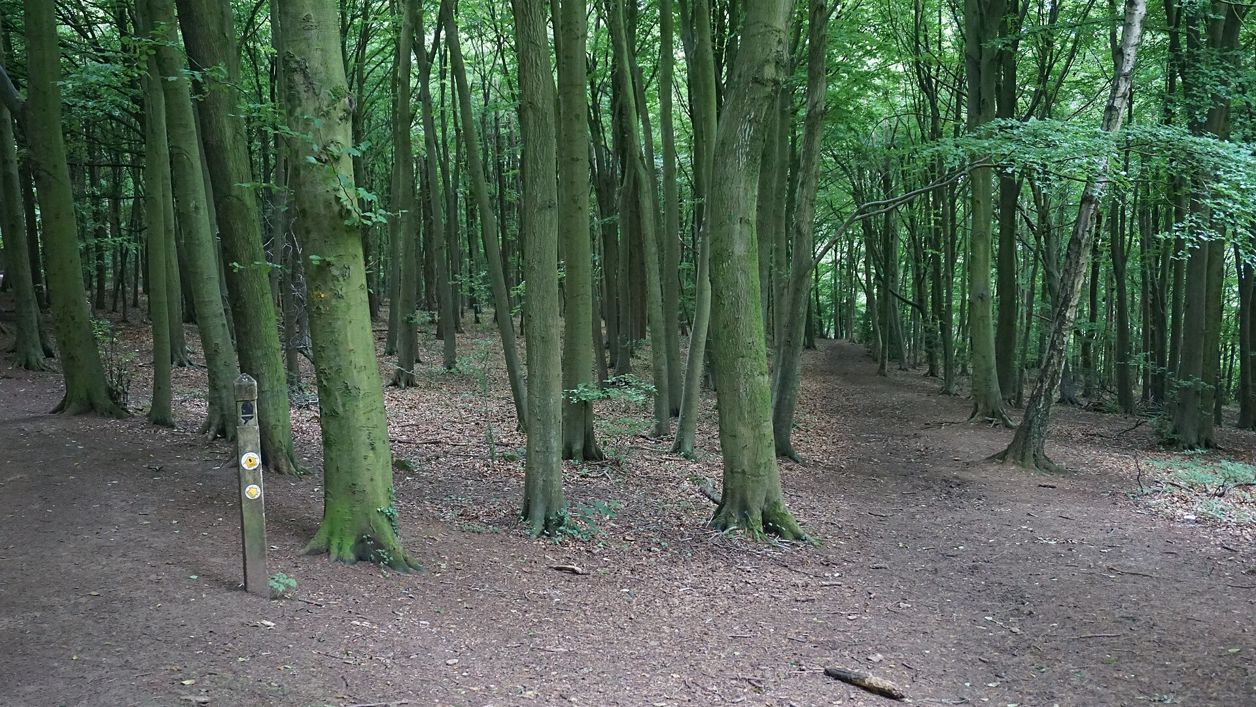
Bluebells flower in the Cotswold woods from mid-April to mid-May, and the last week of April and the first of May are the safest dates. The woods to go to are Silk Wood at Westonbirt, Lynches Wood under Dover's Hill above Chipping Campden, Standish Wood and Frith Wood on the escarpment above Stroud, Siccaridge Wood at Sapperton, Foxholes near Kingham, Littleworth Wood by Snowshill, Kiftsgate Court's bluebell bank, and the beech woods the Cotswold Way runs through. Most are free, most are muddy, and in every one of them you should stay on the path.
The Cotswold bluebell is the native one, Hyacinthoides non-scripta, which does best in old woodland; Forestry England calls a wood full of English bluebells a sure sign that it has stood for centuries. Many of the oldest Cotswold woods are the beech hangers on the escarpment, which is why the list leans west and why the woods are steep. The flowers come earlier in a warm spring and later in a cold one, so look for recent reports before you go.
When do bluebells flower in the Cotswolds?
From the middle of April to the middle of May in a normal year, with the fullest carpets in the last ten days of April and the first week of May. The Woodland Trust (opens in a new tab) gives mid-April to late May for Britain as a whole, and the Cotswold woods that name a month for their best show name early May or May. Our month guides to the Cotswolds in April and the Cotswolds in May have what else is on.
The woods do not all turn at once. For Westonbirt's Silk Wood, near Tetbury, Forestry England gives no peak date, only spring. Standish Wood above Stroud was blue with bluebells and white with wild garlic in April 2026, by walkers' accounts on our Haresfield Beacon walk. Lynches Wood, high on the north edge, is a May wood: the National Landscape's own leaflet (opens in a new tab) says its finest show is in May, and Foxholes, in Oxfordshire, says the same. Kiftsgate puts its bluebell bank at its best in early May. If you have one weekend, make it the one that straddles April and May.
Silk Wood at Westonbirt
Silk Wood is the dog-friendly half of Westonbirt, the National Arboretum, and parts of it are old working woodland that was there long before the trees were planted; in spring its floor is a carpet of bluebells, which Forestry England says (opens in a new tab) is a sure sign of a wood that has stood for centuries. It is inside the paid arboretum, open from 9am every day but Christmas Day, last admission 4.30pm.
The arboretum has 600 acres and 17 miles of paths, and the bluebells are a reason to walk the far end of Silk Wood rather than the Old Arboretum, where dogs are not allowed. Our Westonbirt walk is a 2.5-mile loop through Silk Wood from the treetop walkway out to the Waste Gate and back, nearly level and about an hour. Outside the autumn peak an adult pays the standard rate, £14 on a weekday and £19 at a weekend from 16 November 2026, or £10 and £13 if you arrive by bus, train or bike; check the spring prices before you go, as they were not published when we checked. Stagecoach's 620 between Stroud and Bath stops at the arboretum about four times a day each way on weekdays. Dogs run off the lead in Silk Wood under control. Forestry England counts 10 miles of hard paths fit for wheelchairs, scooters and pushchairs, and the treetop walkway is fully accessible; there is a café and restaurant, a Changing Places toilet, and scooters and wheelchairs to book with your ticket, which makes this the best wood on this page for a wheelchair.
Lynches Wood and Dover's Hill
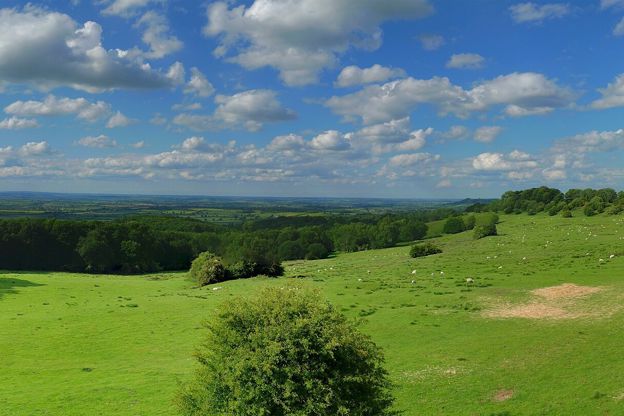
Lynches Wood is the steep wood on the north face of Dover's Hill, the National Trust's hill above Chipping Campden, and the Cotswolds National Landscape's leaflet for its Chipping Campden circular walk says the wood has the area's finest show of bluebells in May. It is free, and the walk through it is our Chipping Campden and Dover's Hill walk, 4.5 miles from the Market Hall.
The route climbs Hoo Lane to the Cotswold Way, crosses Dover's Hill and drops into the wood, where a boardwalk crosses the wettest ground and a long flight of steps brings you back up to the topograph. The leaflet calls the walk moderate with steep sections and warns that the wood and the hillside track can be muddy; a 3-mile version keeps to the top and misses the climbs, and the bluebells. Walkers are asked to park in Back Ends in the town, and there is a National Trust car park on Dover's Hill itself for the short version. Sheep and other stock graze the hill, and the Trust asks for dogs on a lead and under close control while they are out. The town has cafés and the Bantam Tea Rooms at the finish.
Standish Wood and Haresfield Beacon
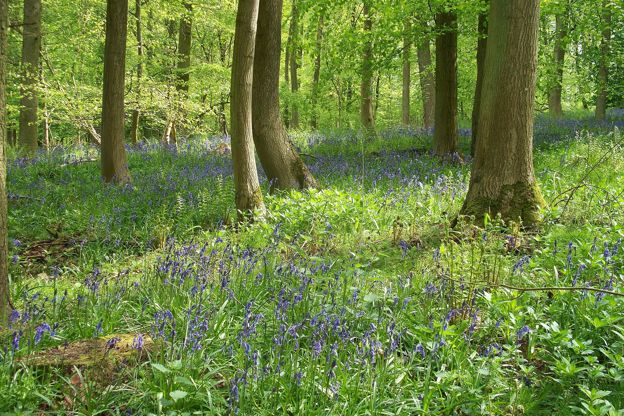
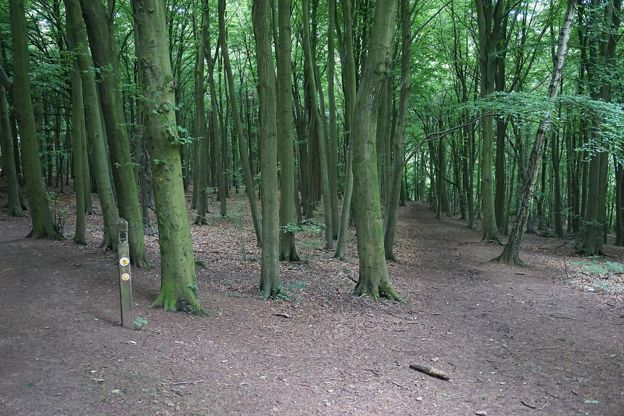
Standish Wood is a National Trust beech wood on the scarp below Haresfield Beacon, north-west of Stroud, and the Trust names it for bluebells and spring flowers; at the top, at Shortwood, there are beeches more than 200 years old. It is free to walk, with a paid National Trust car park at Shortwood, and the Cotswold Way runs through it.
Our Haresfield Beacon and Standish Wood walk is 4.5 miles from the Shortwood car park, south through the beeches, down across the fields below the escarpment and back up to the hill fort on Haresfield Beacon; walkers in April 2026 found the slopes carpeted with bluebells and wild garlic together, which is the escarpment's particular trick. The Trust asks for dogs on leads, and a mobile coffee van visits the Shortwood car park regularly. The climb back is long, with benches, and the wood is slippery after rain; walkers on the walk report several double stiles in the fields below the wood that are hard to lift a dog over, and sheep in those fields. For a shorter blue walk the Trust's own Randwick Wood circular starts from the same car park. The Vine Tree at Randwick is the pub below.
Frith Wood and the Slad valley
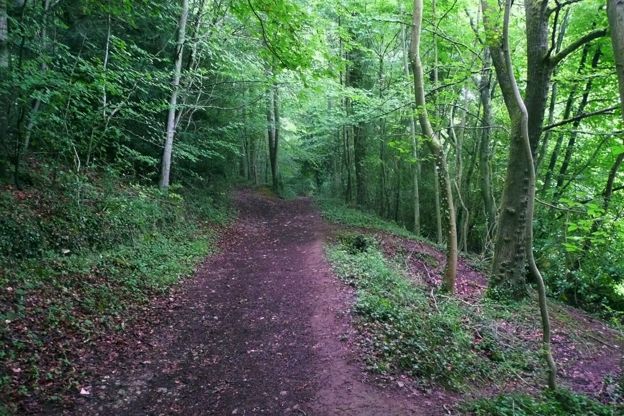
Frith Wood is an ancient beech wood of 24 hectares on the ridge between the Painswick and Slad valleys, a Gloucestershire Wildlife Trust reserve and a Site of Special Scientific Interest that the Trust says has been beech woodland for more than a thousand years, with bluebells, wild garlic and woodruff in spring. It is free, dogs are on a lead, and there is free parking in a large lay-by at Bulls Cross, where Slad Road meets Yokehouse Lane.
The way to see it is the Trust's Laurie Lee Wildlife Way, a 5-mile loop from Bulls Cross round the Slad valley by Longridge Wood, Snows Farm, Catswood and Swift's Hill, with ten posts carrying Laurie Lee's poems where they fit the view. The Trust's account of the walk looks forward to carpets of bluebells in its woods in spring, and Catswood, an ancient wood of ash, beech and hazel, is on the same round. It is mostly moderate with one demanding steep slope, and three to five hours with the stops. The Trust warns that ash dieback has forced a diversion early in the walk, and rare-breed cattle graze some of the slopes; walkers found the paths muddy and slippery in winter. The Woolpack at Slad, Lee's pub, is on the far side of the valley. Frith Wood is also a fine autumn wood, which our autumn guide covers.
Siccaridge Wood at Sapperton
Siccaridge Wood is 27 hectares of ancient woodland on the ridge between Sapperton and Oakridge, in the Frome valley above the derelict Thames and Severn Canal, a Gloucestershire Wildlife Trust reserve known for lily of the valley as well as bluebells. It is free and open all year, and the Trust says the ridgetop path is at its most colourful in spring.
Park in the lay-by on the far side of the bridge from the Daneway Inn (there is room for a couple of cars at the top of the ridgetop path too), and expect paths that are muddy and uneven with steep climbs in places. The Trust's page lists dogs on a lead and also says they may go off in places, so take the lead and use it; the reserve is part of the Golden Valley Wildlife Way. Flatter, stony paths run higher up the wood, short paths drop into the Sapperton valley, and one goes down to Whitehall Bridge on the old canal. The nearest postcode is GL7 6LN.
Foxholes near Kingham
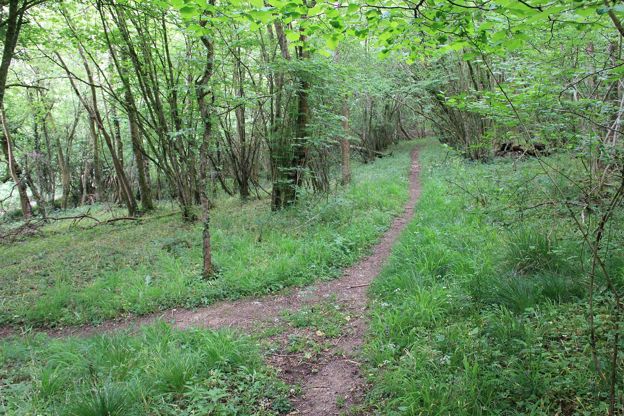
Foxholes is the Oxfordshire one, 23 hectares of ancient woodland about 4 miles north of Burford, a Site of Special Scientific Interest run by the Berks, Bucks and Oxon Wildlife Trust, which says it is awash with bluebells in May. The Trust's walk leaflet calls it a remnant of the old Wychwood Forest and one of the best bluebell woods in Oxfordshire, with wet ash and maple woodland along the River Evenlode giving way to beech up the slope. It is free and open at all times, with dogs on a lead.
Getting there is the test. Take the lane towards Bruern off the A424 for about 2 miles; parking is a lay-by for three cars about 200m past the Shipton-under-Wychwood turning, and from there it is a 600m walk down a track with no vehicle access. The Trust warns the tracks get extremely muddy when wet and asks you not to park on the verges. Inside, a 1.75-mile Wildlife Walk is marked with badger waymarkers over gently sloping, mostly grassy ground, with roots, a kissing gate and some soft patches; the Trust recommends an off-road pushchair. Primroses, violets and early purple orchids come with the bluebells. Kingham station is about a mile and a half to the north as the crow flies, but more than 3 miles by road, with the village and the Kingham Plough on the green.
Littleworth Wood, Kiftsgate and the north edge
Littleworth Wood is a small National Trust wood on the Cotswold Way above Snowshill, and our Stanton, Snowshill and the edge walk goes through it; the Trust's own circular walk from Snowshill Manor does too. Guides name it for bluebells, but the Trust's page does not say so and we have found no first-hand report, so treat it as a likely wood rather than a certain one.
Kiftsgate Court, next to Hidcote above Chipping Campden, has a bluebell wood on a south-facing bank beside its drive, planted with maples and cherries, which the garden calls a spectacular sight in early May, and the old limes on the other side of the drive have daffodils under them in spring. It is seen with garden entry, £12.50 an adult (2026), and dogs are not allowed in the garden, though there is a grassy area for them by the overflow car park. Our Mickleton, Hidcote and Kiftsgate walk runs down the edge of the grounds on the public path. Further round the north edge, walkers on our Blockley and Norcombe Wood walk found the woods full of bluebells in late April 2026, with the fields yellow with rape around them.
Woodchester Park and the Cotswold Way
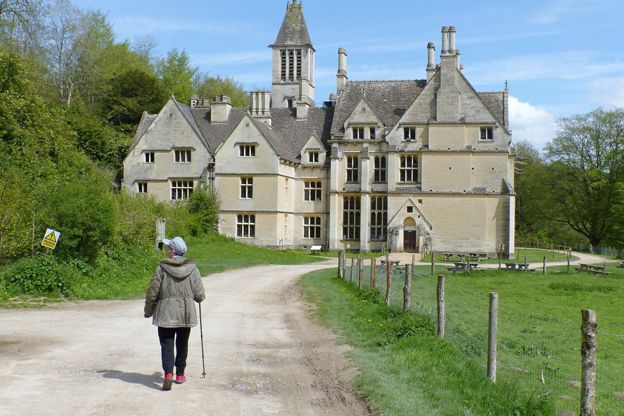
Woodchester Park, the National Trust's steep wooded valley west of Nailsworth, is another steep wooded valley on the Stroud edge, with a chain of five lakes below the unfinished Woodchester Mansion. Our Woodchester Park boathouse walk is 3.75 miles with no stiles from the Trust's car park, which charges non-members (£4 in October 2026); dogs on a lead at all times, as sheep and cattle graze the park. The Trust does not name the valley for bluebells, so treat it as a likely wood rather than a certain one.
Beyond the named woods, the Cotswold Way itself is a bluebell walk between Painswick and Wotton-under-Edge, where it keeps to the beech hangers of the escarpment, and our Cotswold Way guide says April and May bring bluebells and wild garlic to its woods; the section from Painswick to King's Stanley goes through Standish Wood. Any of it on a weekday in the last week of April is as good as the famous woods and emptier.
The Cotswolds Info newsletter
Events, new places and the best of the season, about once a month. Unsubscribe at any time.
The care rule: stay on the path, pick nothing
Feet do a bluebell wood real harm. The Woodland Trust says crushed leaves weaken the plant because they can no longer photosynthesise properly, and trampled bluebells can take years to recover, so the one rule that matters is to keep to the path, however good the photograph off it would be, and to keep the dog on it too.
The law is the Wildlife and Countryside Act 1981 (opens in a new tab). Under section 13 it is an offence to intentionally uproot any wild plant unless you are the landowner or have their permission, and the bluebell is on Schedule 8 of the Act, which makes it an offence to sell wild bluebell bulbs or seed, or to offer them for sale. Gloucestershire Wildlife Trust asks visitors to keep to the paths to protect the spring flowers, so leave them where they are.
The other threat is the Spanish bluebell, the garden one, which has escaped and crosses with the native to make a hybrid that can out-compete it. You can tell them apart: the native flower nods to one side of the stem and is usually a deep violet blue, with narrow strap leaves; the Spanish one stands upright with flowers all round the stem. The Wildlife Trusts add that the Spanish flowers are paler blue, often white or pink, with broader leaves and no scent, and that the native's pollen is cream where the Spanish one's is blue or pale green. If you grow bluebells at home, grow the native from a nursery and keep garden waste out of the woods.
Dogs, mud and getting there without a car
Dogs go on a lead in the wildlife trusts' woods and on the National Trust's land above, where sheep and cattle graze Dover's Hill, the fields below Standish Wood and Woodchester Park. Silk Wood at Westonbirt is the exception, where they may run off the lead under control, and Kiftsgate does not allow them in the garden. Our dog-friendly guide has the rules in full.
Mud is the Cotswold spring. Most woods on this page are steep, and the boardwalk in Lynches Wood is there because the track gets so muddy; wear boots. Without a car, Westonbirt is the easy one by the 620 bus from Stroud or Bath, Chipping Campden is reached by Stagecoach's 1 or 2 from Moreton-in-Marsh station for Lynches Wood, Stroud station is about 5 miles by road from Shortwood and about 3 from Bulls Cross, and Kingham station is more than 3 miles by road from the Foxholes lay-by. Our guide to the Cotswolds without a car has the routes. For the rest of the year, from snowdrops in February to the maples in October, see when to visit the Cotswolds.
Mentioned in this story
The places, sights and walks in this story, each with a page of its own: what it is, when to go and how to get there.
-
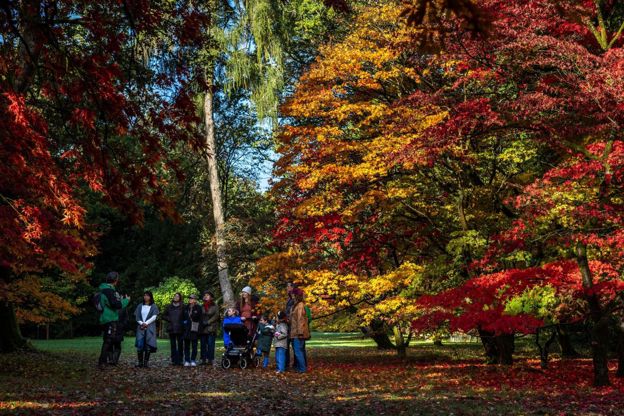
Westonbirt, The National Arboretum
Parks and gardens · Tetbury
-
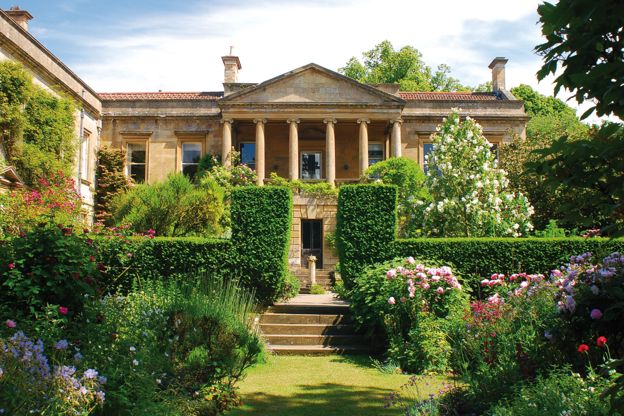
Kiftsgate Court Gardens
Parks and gardens · Chipping Campden
-
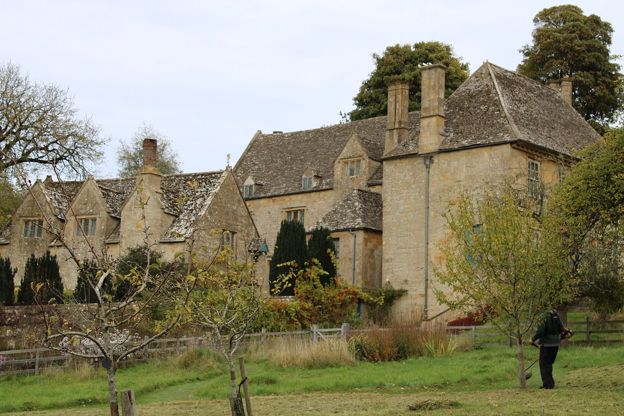
Snowshill Manor and Garden
Historic houses and heritage · Snowshill
-
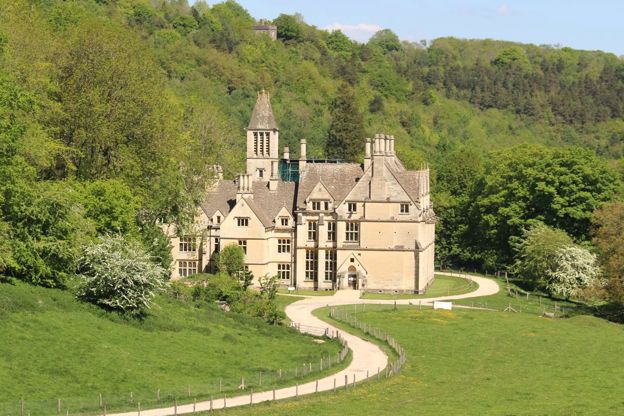
Woodchester Mansion
Historic houses and heritage · Minchinhampton
-
Standish Wood
Sight · Wood · Stroud and the Five Valleys
-
Frith Wood
Sight · Wood · Stroud and the Five Valleys
-
Dover's Hill
Sight · Viewpoint · Chipping Campden
-
Woodchester Park
Sight · Common or park · Nailsworth
-
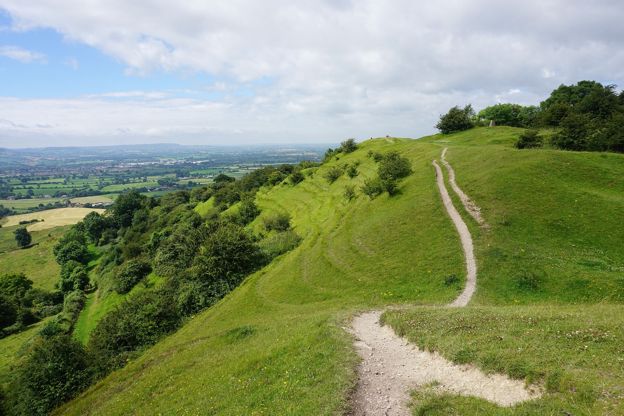
Haresfield Beacon
Sight · Viewpoint · Stroud and the Five Valleys
-
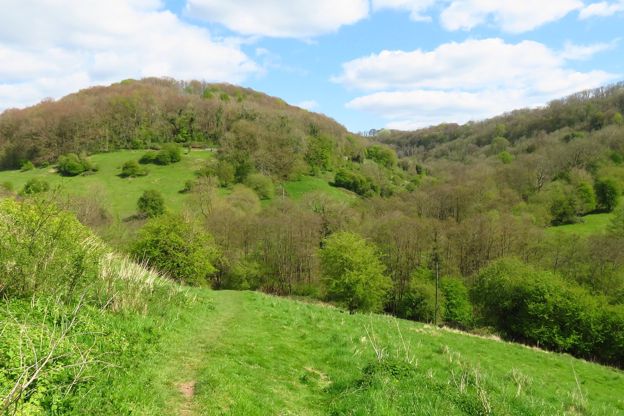
Snows Farm Nature Reserve
Sight · Nature reserve · Stroud and the Five Valleys
Places to stay near Chipping Campden
-
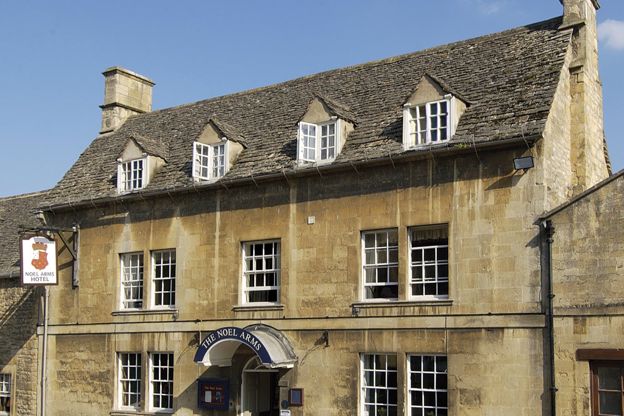
The Noel Arms Hotel
Inn · Chipping Campden
A Grade II listed inn with 27 rooms on Chipping Campden's High Street, with a restaurant, parking, accessible rooms and dogs by arrangement.
Dog-friendly
Verified Oct 2026
-
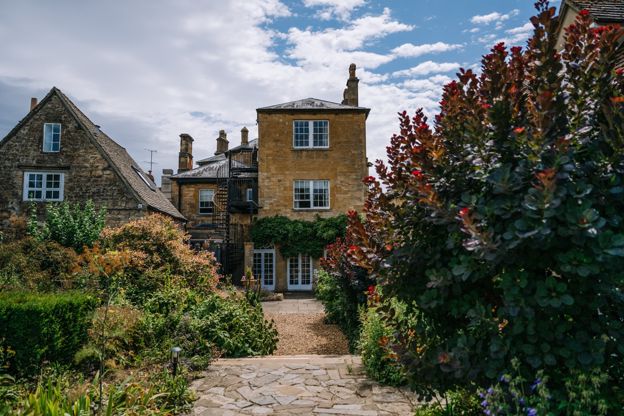
Cotswold House Hotel and Spa
Hotel · Chipping Campden
A Grade II listed Regency town house on Chipping Campden's Upper High Street, now a hotel and spa with the Hidcote restaurant.
Hot tubs · Wedding venues
Verified Nov 2026
-

The Lygon Arms, Chipping Campden
Inn · Chipping Campden
A coaching inn with ten rooms on Chipping Campden's High Street, with family rooms, bike storage, free parking at the rear and dogs welcome.
Dog-friendly
Verified Oct 2026
Read next
-
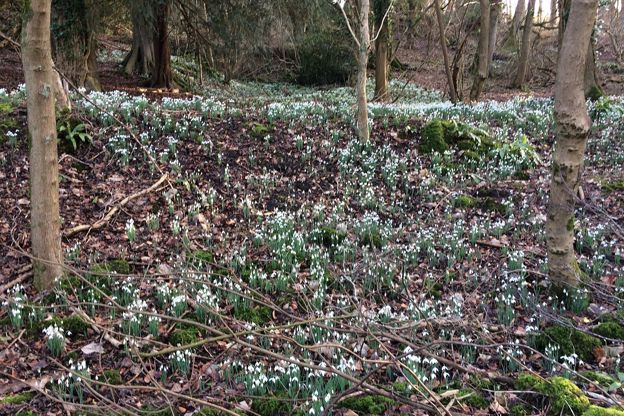
Snowdrops in the Cotswolds
Story · Guides · 10 minute read
Where to see snowdrops in the Cotswolds, from Colesbourne Park's 350 varieties and the five million at Painswick Rococo Garden to Batsford, Rodmarton and Cerney House: when they peak, how each garden opens, what it costs and a winter walk to go with each.
-
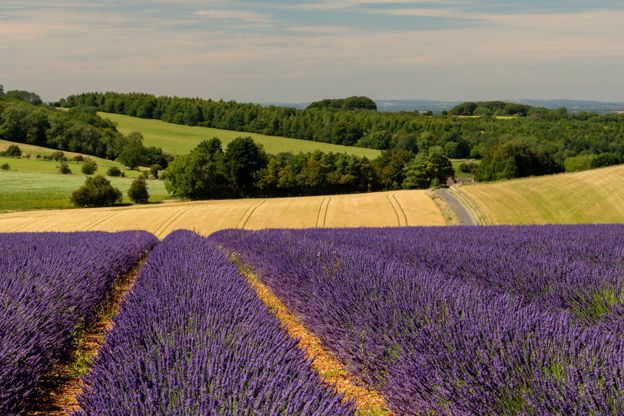
When to visit the Cotswolds, month by month
Story · Guides · 13 minute read
The best months to visit the Cotswolds are May, September and October. June to August and the bank holidays are the busiest, January the quietest. Here is the year month by month, with what is in flower, the customs, the weather and what to book ahead.
-
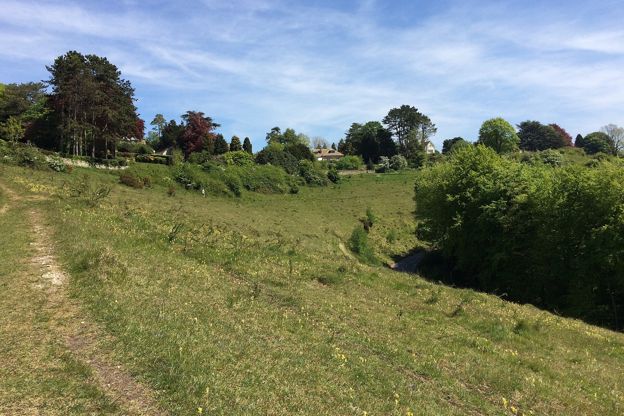
The Cotswolds with a dog
Story · Guides · 11 minute read
The rules for a dog in the Cotswolds, where sheep and cattle graze the commons and the fields, then the best dog walks, the rivers for a swim, the attractions, gardens, pubs and places to stay that welcome dogs, and what to do on a hot day or in an emergency.