Snowdrops in the Cotswolds
Snowdrops flower from late January to late February. Here are the five gardens worth a ticket, the free ones, and a cold walk and a warm pub to go with each.
· 10 minute read
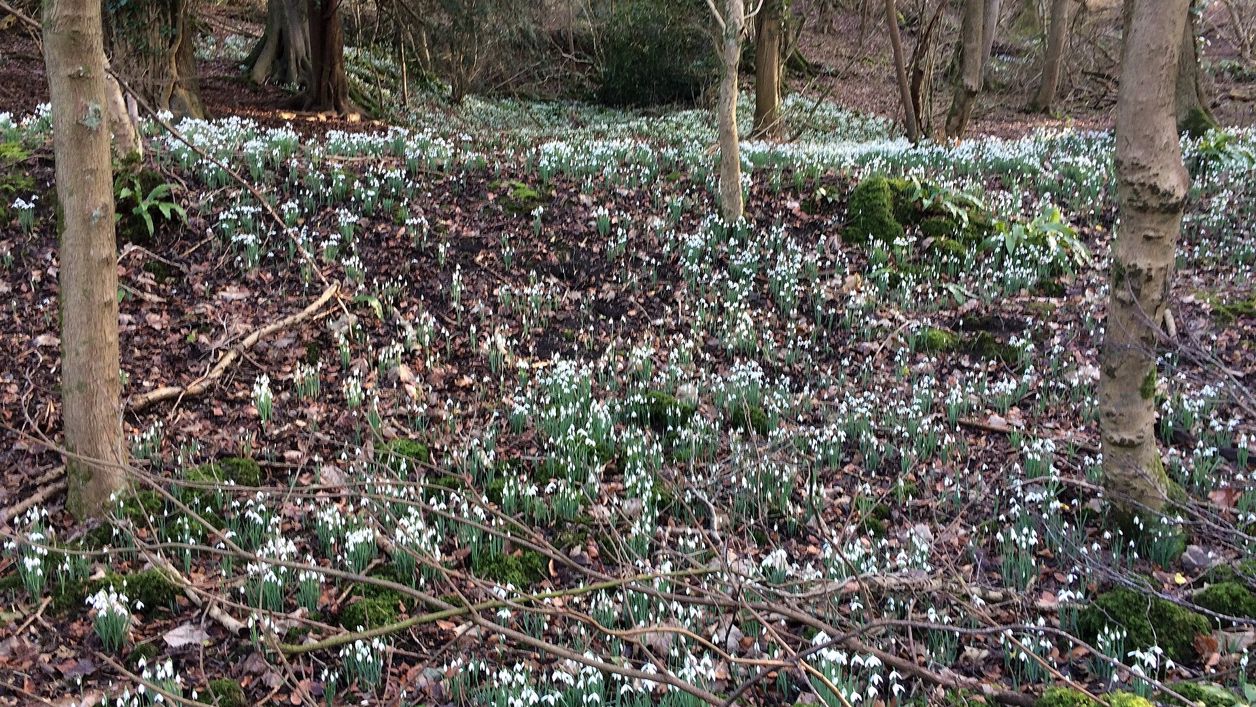
Snowdrops flower in the Cotswolds from late January to late February, and the best fortnight is usually the middle of February. The gardens to see them in are Colesbourne Park (opens in a new tab) between Cheltenham and Cirencester, which grows about 350 varieties, Painswick Rococo Garden, where about five million flower in a steep valley, Batsford Arboretum near Moreton-in-Marsh, Rodmarton Manor near Tetbury and Cerney House Gardens at North Cerney. Two of them open only on a handful of days, so the dates below matter more than the map.
A mild winter gives the shortest season: the flowers come earlier and go over sooner. The gardens post updates on their own sites and social pages through February, and those are worth a look the night before you go.
When is the best time to see snowdrops in the Cotswolds?
Mid-February, in most years. The first flowers show in the last week of January, the drifts are at their fullest from about the second week of February to the third, and by the end of the month the flowers are going over and the daffodils are coming through. A mild winter brings all of that forward by a fortnight.
Painswick says its snowdrops are usually at their best in late January and into early February, which is earlier than the high ground to the north and east; the Rococo Garden sits in a sheltered valley on the west edge. Colesbourne, up on the wolds, opens its gates for four weekends from the end of January and expects the show to run through them. Batsford, on a hillside above the Evenlode, says you may see early snowdrops and aconites there in winter. The second and third weekends of February are the safest bet, and the Rococo Garden names half term and sunny weekends as its busiest times.
Colesbourne Park: the collection
Colesbourne is the snowdrop garden of the Cotswolds, with about 350 cultivars in 10 acres of walks around the house and lake, and it opens only on Saturdays and Sundays from the last weekend of January through most of February, by advance ticket. Gates open at 11am and last entry is 4pm. The garden gives £15.50 a person on its open days page (read 27 October 2026), school-age children free.
The collection descends from Henry John Elwes, who was born and died at the house. In April 1874, in the mountains near Smyrna in what is now Turkey, he found the large snowdrop that was named after him, Galanthus elwesii, and he planted widely at home. The garden says its populations still come down from his plantings, added to since by purchase, gift and exchange, and it names its own, 'Carolyn Elwes', the first yellow elwesii, among them. Not everything is out at once, which is the argument for going twice.
Tickets are sold in advance online and not at the gate; the garden says it is popular enough to need that, and the car park in the grounds fills, so do not park on the lane. Dogs are welcome on a short lead. Wheelchair users go in free, and most of the snowdrops can be seen from the tracks, but the garden warns that winter mud makes paths slippery. A charity runs the tea stall in the courtyard each weekend, with cakes and hot drinks, and St James' church in the grounds is always open. Allow two hours.
The nearest pub of ours is the Bathurst Arms at North Cerney, 10 minutes down the Churn valley on the A435, with rooms if you want to make a weekend of it. For a walk, the Churn valley lanes are quiet in winter, and Cerney House, below, is on the same road.
Painswick Rococo Garden: five million in a valley
Painswick has the biggest display of the five, about five million snowdrops across the banks and glades of an eighteenth-century pleasure garden. Its snowdrop season opens in mid-January (17 January to 1 March in 2026); booking ahead is advised in January and essential in February, when the garden takes no walk-up visitors. It opens daily, 10am to 5pm, last entry 4pm. The garden's own price list gives £12.20 an adult (read 27 October 2026), and online bookings carry a fee.
The garden counts 15 varieties, and one of them is its own. Galanthus 'Atkinsii' is a tall snowdrop first found in Painswick in the 1800s by James Atkins, an estate worker, and it grows in the Red House Wilderness. The place to stand is the Snowdrop Grove late on a winter afternoon, when the low sun comes under the trees and lights the stained glass of the Red House. Free talks of 10 to 15 minutes by one of the gardeners run at 2pm on weekdays in February, on the Bowling Green.
The paths are steep and uneven; the garden says only about a fifth of it suits a wheelchair, and it does not recommend scooters. There are handrails on the worst slopes and 45 benches. Dogs on short leads are welcome everywhere, café included. Parking is free, and on busy days the overflow is a field that turns to mud. The garden expects half term and sunny weekends to be the busiest, so a weekday morning is the quiet choice. Allow an hour and a half, and more for lunch at the café, which in snowdrop season opens 10am to 4pm, with a heated marquee.
Painswick itself is the reward afterwards. Our walk from Painswick to Painswick Beacon comes back past the Rococo Garden's gate, 5 miles with 250m of climbing and the Severn Vale laid out from the hill fort on a clear day, and the Falcon on New Street has rooms and dogs welcome throughout. The Butchers Arms at Sheepscombe is 10 minutes further on.
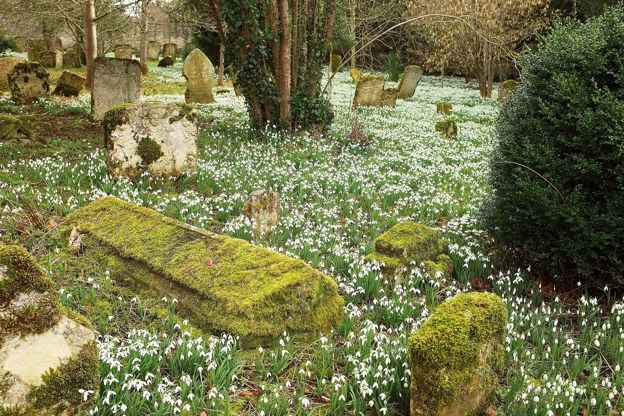
Batsford Arboretum: snowdrops with the trees
Batsford grows its snowdrops under the trees of a 60-acre arboretum above the Evenlode, and it is open every day in winter: 9.30am to 5pm Monday to Saturday, 10am on Sundays, last entry 4pm. No booking is needed, though the arboretum recommends booking online at busy times. An adult ticket is £12 with Gift Aid or £10.90 without (read 27 October 2026), and the café, garden centre and gift shop in the visitor centre are free to walk into.
There is no snowdrop event here and no headline number, which makes it the easy one. The arboretum says you may see early snowdrops and aconites in winter, with the spring bulbs and the magnolias to follow. The arboretum is a hillside, and about a quarter of it suits a wheelchair if you keep to the tarmac drive; a Tramper all-terrain scooter can be booked by phone for £3 for a two-hour slot, plus admission. Dogs come in on a short fixed lead, extending leads are not allowed, and the admissions desk lends short leads. Allow an hour and a half for the trees and another for the café. It closes at short notice in high winds, so check the site on a wild morning.
For a walk, our Blockley and Batsford Park loop passes the arboretum's gate, 4.9 miles with two climbs and deep mud in winter, and Moreton-in-Marsh, 10 minutes away by car, has the White Hart Royal for lunch and a station on the Cotswold Line, about a mile and a half from the arboretum. The Rococo Garden is the other one you can reach without a car, on the 66 bus from Stroud, Monday to Saturday.
Rodmarton Manor: rare snowdrops on a few afternoons
Rodmarton's eight-acre Arts and Crafts garden grows many different sorts of snowdrop, some of them rare, and it has opened for them on a few February afternoons outside its summer season. When we checked in October 2026 the manor's own site gave no snowdrop dates or prices for the coming winter, so ring 01285 841442 before you go; the manor also asks you to ring first in hard frost or snow. No dogs.
The manor says its snowdrops flower from October to March, with the main show in January and February, and the varieties run from the tiny to the large and from the usual white and green to the yellow-marked kinds. The house itself, built by hand from 1909 to 1929 and still lived in by the Biddulph family, is closed until May; in February you come for the garden rooms and the snowdrops under the hedges and in the wild garden. The ground floor and most of the garden are level enough for a wheelchair.
It stands 4 miles north-east of Tetbury, and the Trouble House on the Tetbury road does lunch and has a B&B room. For a walk the same afternoon, Cirencester Park is 15 minutes away, and our Cirencester Park and Stratton walk takes the Broad Ride out to Pope's Seat; the park needs a £4 day pass (2026).
Cerney House Gardens: snowdrops without a ticket queue
Cerney House, at North Cerney, is the garden you can go to on the day: it opens every day but one of the year, 10am to 7pm or until dark in winter, and closes if the Met Office forecast is bad. There is no booking, and you pay cash or contactless on arrival, £7 an adult and £1 a child (read 27 October 2026). Dogs are welcome on a lead.
It is a garden made by the Angus family round a Victorian walled garden, with woodland walks that in January and February are the point. The garden's own site promises spring bulbs through the grounds rather than a snowdrop count. Expect a hillside, gravel paths and steps, which the garden says make it hard going for a wheelchair, and a quiet that Colesbourne, about 3 miles up the same valley, only has on a weekday.
The Bathurst Arms is in the village below, by the River Churn, with roasts on Sundays. Cirencester is 5 miles south.
Free snowdrops: churchyards, verges and open gardens
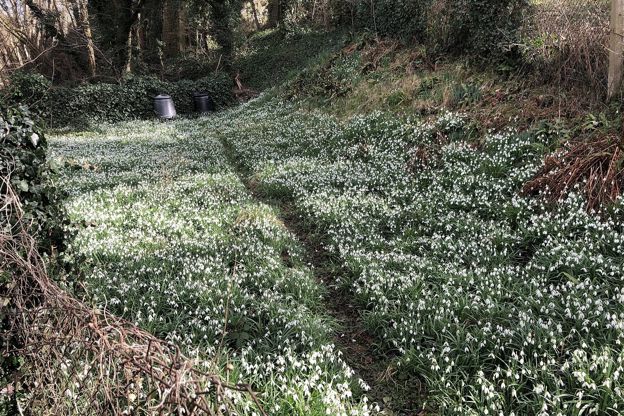
You do not need a ticket. Snowdrops have naturalised in churchyards and along stream banks all over the Cotswolds, and the National Garden Scheme opens private gardens for snowdrops in late winter, with the entry money going to charity.
The churchyards are the best free show, and there is one in every village; stand at the gate in the second week of February and you will see where the drifts are. Keep to the paths, close the gate, and give a funeral the churchyard to itself. Lanes and verges along the Coln, the Churn and the Windrush have drifts too, where cottage gardens have spilled over, and a village walk in February finds them better than any list.
The National Garden Scheme (opens in a new tab) runs a Snowdrop Festival, with private gardens open for a day or two each; its own site lists the gardens and dates. Trench Hill at Sheepscombe, above Painswick, is on its list of snowdrop gardens, with snowdrops and aconites in the woodland from February. Newark Park (opens in a new tab), the National Trust's house above Wotton-under-Edge, gives its winter openings and any snowdrop event on the Trust's own page, and Stroud's Museum in the Park reopens after its winter closure with a snowdrop celebration weekend in late January (24 January in 2026); its What's On page has the dates. None of these needs a plan; all of them need a check of the date.
Which Cotswold gardens are closed in February?
Most of them. Sezincote is closed from December to February, Bourton House from mid-October to April, and Highgrove runs its tours from April to September. Kiftsgate Court publishes its own season each year, and its bluebell wood is a May sight, not a February one. If a garden is not named above, assume it is closed and check its own page before driving.
The National Trust's houses keep shorter winter hours and some close, which keeps the roads clear. What is open all winter is the countryside: the commons, the Cotswold Way, the churches and the pubs, and our guide to Cotswold gardens gives each garden's season so you can plan the year from here.
A winter walk to go with the snowdrops
The Cotswolds are at their clearest in February. Cold air gives the longest views of the year from the escarpment, the honeypot villages are empty, and the mud is the only hardship.
From Painswick, the beacon walk above gives you the Severn Vale and the Malverns on a clear day, 5 miles with one proper climb, and the Rococo Garden on the way home. From Batsford, the Blockley loop is the one to do, with waterproof boots. From Rodmarton or Cerney, Cirencester Park is level, firm and 8km long, the right thing for a short afternoon. Our best viewpoints guide has the hills for a clear day, and the dog-friendly guide covers the gardens' dog rules.
The Cotswolds Info newsletter
Events, new places and the best of the season, about once a month. Unsubscribe at any time.
What else is on in February
February is the quietest month of the Cotswold year, and the one with the most reliable fires. The market towns' markets run as usual, the Cheltenham Festival is still a month off in mid-March, and half term, in the middle of the month, fills the gardens above for a week.
Half term is the one date to plan around. Gloucestershire's schools break for a week in mid-February, and the Rococo Garden names it as its busiest time. Go on the weekdays either side and you will have the drifts nearly to yourself. Our guide to the best pubs in the Cotswolds names the ones with a fire, and when to visit the Cotswolds has the rest of the year. By the first week of March the flowers have dropped and the same woods are getting ready for bluebells; our bluebell woods guide picks up where this one leaves off.
Mentioned in this story
The places, sights and walks in this story, each with a page of its own: what it is, when to go and how to get there.
-
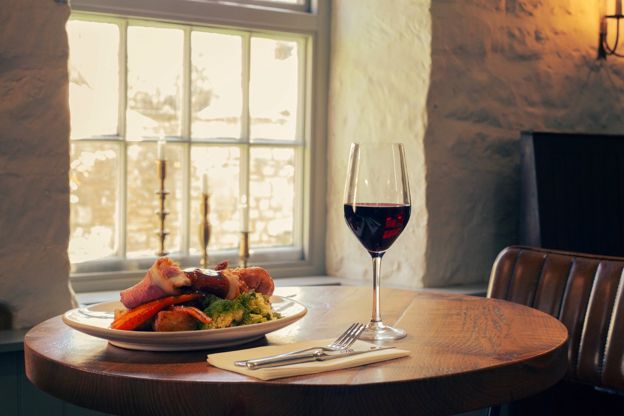
The Falcon Inn
Inn · Painswick
-
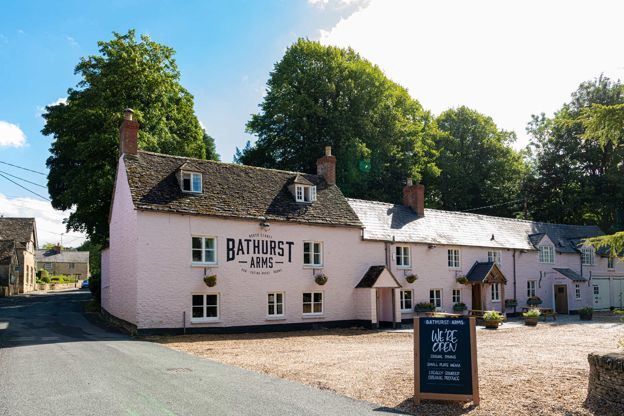
The Bathurst Arms
Inn · Cirencester
-
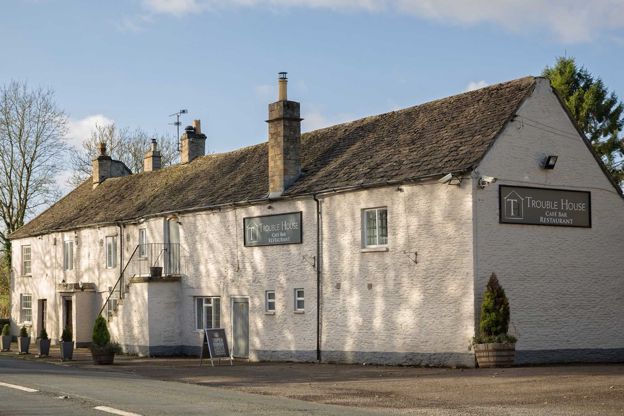
The Trouble House
Restaurants · Tetbury
-
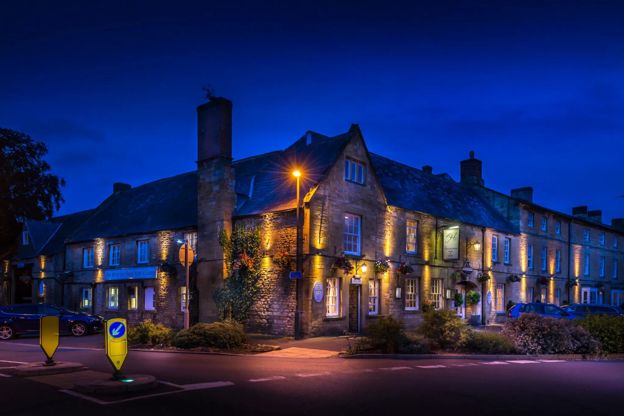
The White Hart Royal Hotel
Inn · Moreton-in-Marsh
-
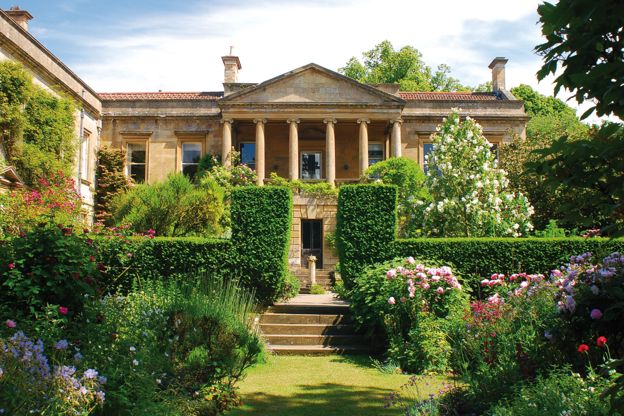
Kiftsgate Court Gardens
Parks and gardens · Chipping Campden
-
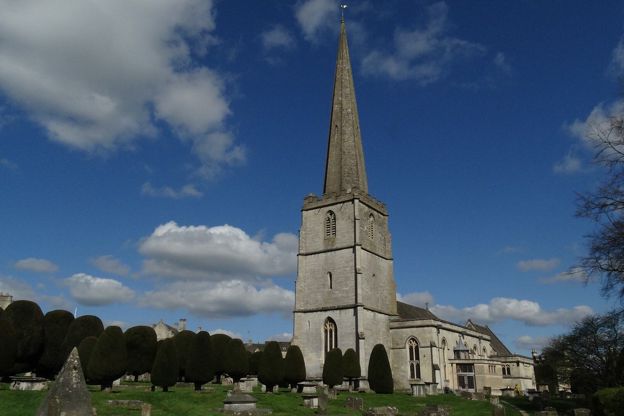
Painswick and Painswick Beacon
Walk · Starts in Painswick · 2 hrs, 45 mins · Circular · Dog-friendly
-
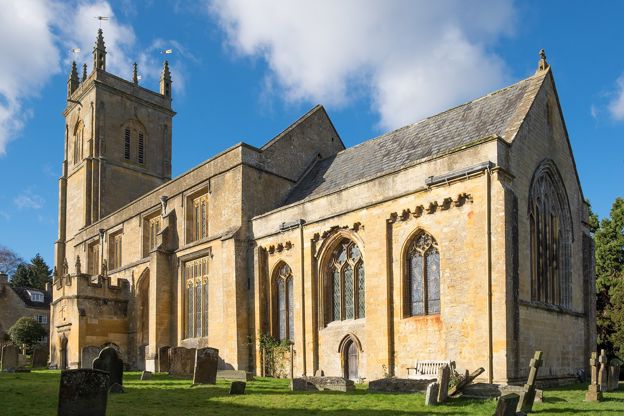
Blockley and Batsford Park
Walk · Starts in Blockley · 2 hrs, 15 mins · Circular · Dog-friendly
-
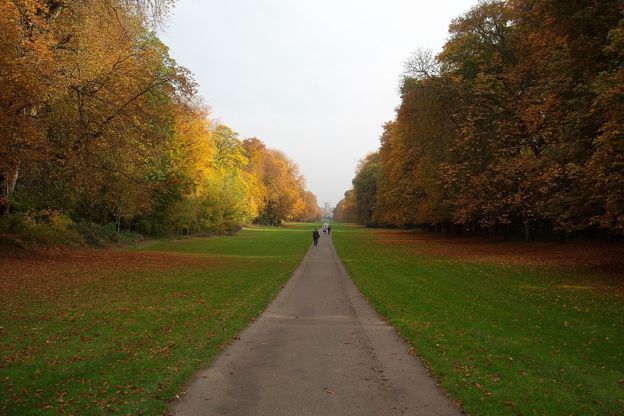
Cirencester Park, Pope's Seat and Stratton
Walk · Starts in Cirencester · 2 hrs · Circular
Places to stay near Painswick
-
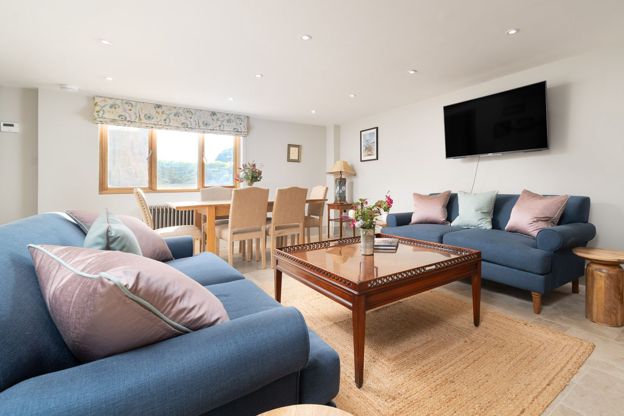
Barn Cottage, Painswick
Self-catering · Painswick
A three-bedroom barn conversion in Painswick, sleeping six in en suite rooms, with off-road parking, an enclosed courtyard and dogs welcome.
Dog-friendly
Verified Nov 2026
-
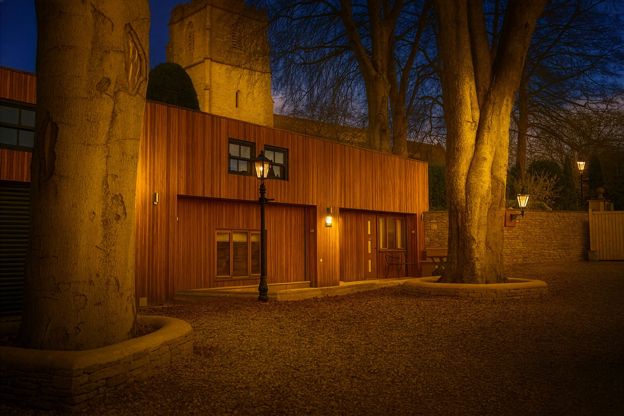
Stable Cottage, Painswick
Self-catering · Painswick
A two-bedroom barn conversion in Painswick sleeping four, with a private garden and a petanque piste, dogs welcome.
Dog-friendly
Verified Nov 2026
-
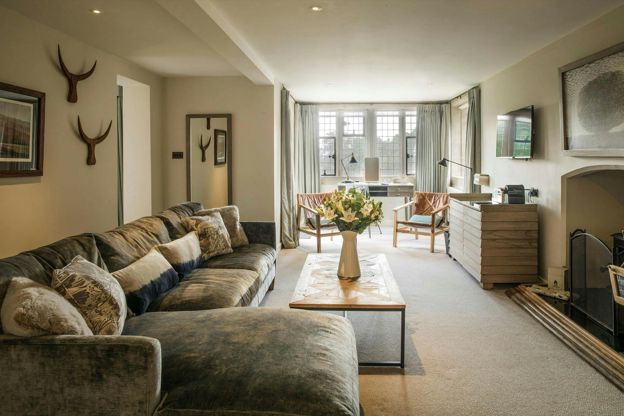
The Painswick
Hotel · Painswick
A 16-room hotel in a Palladian house on Kemps Lane, Painswick, part of the Calcot Collection, with an AA Rosette restaurant and dogs in some rooms.
Dog-friendly · Wedding venues
Verified Nov 2026
Read next
-

When to visit the Cotswolds, month by month
Story · Guides · 13 minute read
The best months to visit the Cotswolds are May, September and October. June to August and the bank holidays are the busiest, January the quietest. Here is the year month by month, with what is in flower, the customs, the weather and what to book ahead.
-
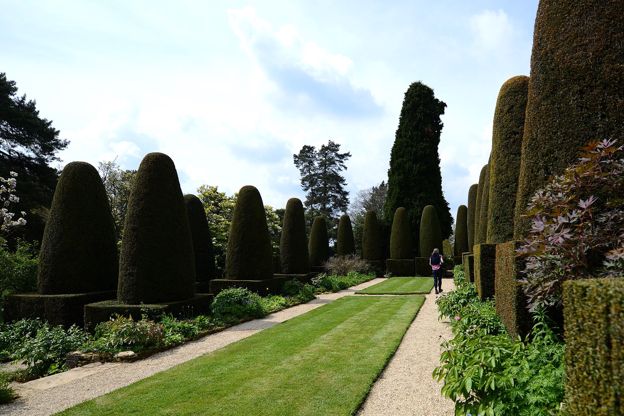
The great gardens of the Cotswolds
Story · Guides · 12 minute read
Eighteen Cotswold gardens by kind and season: Hidcote, Kiftsgate, Sezincote, Batsford, Westonbirt, the Rococo Garden, Colesbourne's snowdrops, Rodmarton, Highgrove and more, with who made each, the best month, how long to allow and the dog rules.
-
The Cotswolds with a dog
Story · Guides · 11 minute read
The rules for a dog in the Cotswolds, where sheep and cattle graze the commons and the fields, then the best dog walks, the rivers for a swim, the attractions, gardens, pubs and places to stay that welcome dogs, and what to do on a hot day or in an emergency.