When to visit the Cotswolds, month by month
There is no bad month to visit the Cotswolds, only busy ones. May, September and October are the best on balance. Here is what every month brings, from snowdrops to the Boxing Day mummers, with the weather told honestly.
· 13 minute read
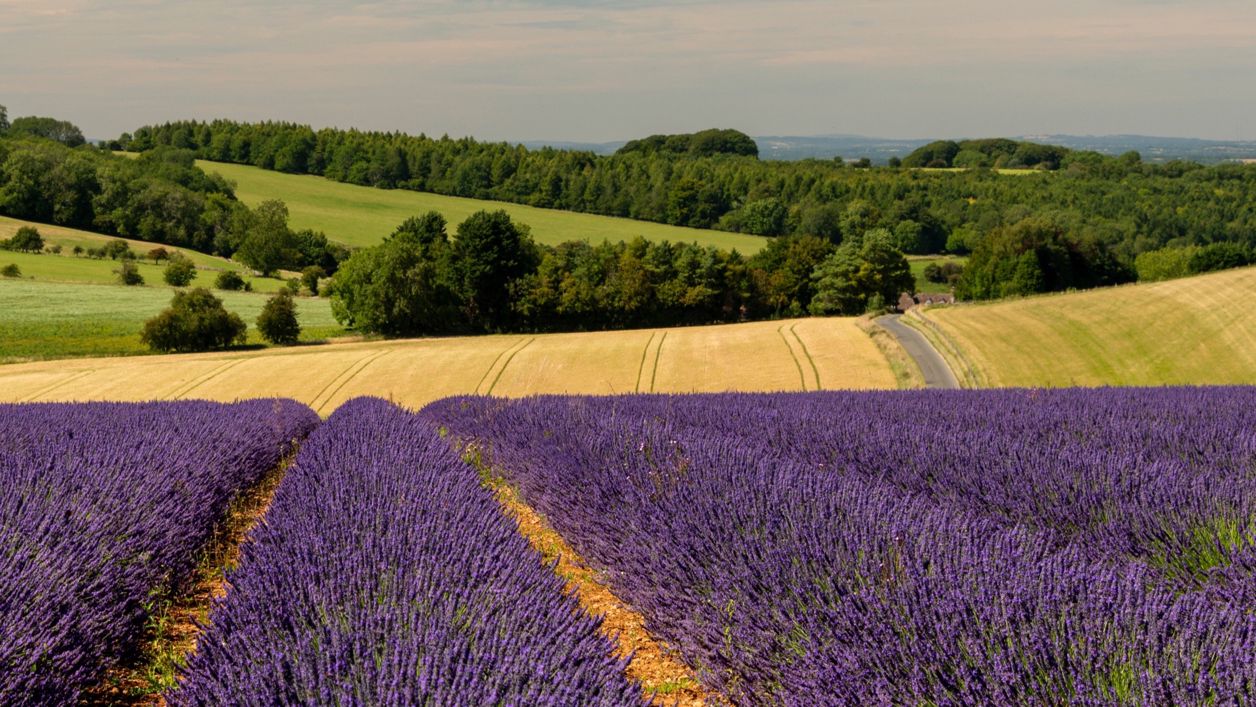
The best months to visit the Cotswolds, on balance, are May, September and October: the gardens are open, the woods are at their best in both directions, and the famous villages are not yet, or no longer, full. The busiest time is June to August, with Easter, the May bank holidays and the school half terms close behind. The quietest month is January, which is also wet, cold and, when the sun comes out on a frosty wold, as good as the place gets.
The weather figures through this guide are the Met Office's 30-year averages for Little Rissington, a weather station on the wolds above Bourton-on-the-Water, so they describe the hills rather than the vale. Each month's customs are given with the rule that fixes their date, and prices and opening times live on each place's own page, linked as we go. Our page on the weather in the Cotswolds has the averages month by month, with the lowland figures beside them.
January
January is the quietest month of the year and the start of the snowdrops. Colesbourne Park (opens in a new tab), between Cheltenham and Cirencester, opens its snowdrop collection on weekends from the end of January through February, by advance ticket only (£15.50 in 2026, school-age children free), and dogs on a short lead are welcome. Painswick Rococo Garden opens for its snowdrops by booking too.
The customs are wassails, the orchard blessings with cider, noise and fire that run through January. The Stroud Wassail, once a January street festival, has been held in a smaller form on a Saturday in February at the Museum in the Park. The weather is the coldest of the year, an average high of 6.5°C and a low of 1°C, with rain on 13 days of the month and about two hours of sun a day. Pubs with fires come into their own, and the villages are empty. If you want a room near Cheltenham in Festival week in March, book it now.
Everything on, open and in flower, with walks and a plan for a day, is in our guide to the Cotswolds in January.
February
February is snowdrop month and otherwise as quiet as January, except in the school half term, when Bourton-on-the-Water fills for a week. Colesbourne's weekends run through the month, and the Rococo Garden's snowdrops run through it. It is the driest month of the winter, 55mm of rain on 11 days, and the daylight is noticeably longer by the end.
Nothing much needs booking, and the gardens are mostly shut, so this is the month for the towns: Cirencester and its museum, Tetbury's antique shops, Stroud's Saturday farmers' market. Mud on the field paths is at its worst now. The Cotswold Way along the escarpment drains better than the valley routes, and the commons above Stroud are dry underfoot when the Windrush meadows are not. The weather is much as January's, a high of 7°C and a low of 1°C, with the first lambs in the fields by the end of the month and the daffodils out on the verges in a mild year.
Everything on, open and in flower, with walks and a plan for a day, is in our guide to the Cotswolds in February.
March
March belongs to the Cheltenham Festival, four days of jump racing at Cheltenham Racecourse from Tuesday to Friday in the middle of the month, with the Gold Cup on the Friday. Every hotel, pub room and cottage for a long way round is full and priced for it, so unless you are going racing, this is the week to stay away from the Cheltenham side.
Elsewhere March is lambs, daffodils and the first gardens reopening: Sezincote's garden opens in March, and most of the others follow at the start of April. The weather turns: an average high of nearly 10°C, the rain down to 54mm, and twice the sunshine of January. Mothering Sunday, three weeks before Easter, is the first busy pub lunch of the year. Book it.
Everything on, open and in flower, with walks and a plan for a day, is in our guide to the Cotswolds in March.
April
April is Easter, blossom and bluebells, and the first real crowds. Easter weekend fills Bourton and Bibury whenever it falls, and the car parks fill. The gardens are open again: Hidcote, Kiftsgate, Bourton House, Batsford for its Japanese flowering cherries, and Sudeley.
Bluebells flower from mid-April to late May, by the Woodland Trust's reckoning. Littleworth Wood above Snowshill, Frith Wood above Slad and Siccaridge Wood at Sapperton are among the places to see them, and our guide to the Cotswold gardens has more. The weather is kind but changeable: a high of nearly 13°C, 56mm of rain on 10 days, and the sun out for nearly six hours a day on average. Book a table for Easter Sunday a month ahead.
Everything on, open and in flower, with walks and a plan for a day, is in our guide to the Cotswolds in April.
May
May is the Cotswolds' busiest month for customs, and the best month to be here if you like a crowd with a purpose. Badminton Horse Trials run from Wednesday to Sunday early in May, with the cross-country on the Saturday. Around the early May bank holiday the Cheltenham Jazz Festival fills Cheltenham.
Then the customs come thick: the Randwick Wap, whose cheeses are blessed and rolled round the churchyard on the first Sunday, with the procession and fair on the Saturday after. The Stow horse fair, set by its old charter near 12 May, which the organisers said in 2026 would now be held on the third Thursday of the month; check the date before you go. Winchcombe's walking festival over a weekend in the second half of the month (15 to 17 May in 2026). The Campden Music Festival for a fortnight in St James's, and Bisley's well dressing on Ascension Day, the Thursday in the sixth week after Easter.
The spring bank holiday Monday, the last Monday in May, is the big one. In Tetbury the Woolsack Races send runners up and down Gumstool Hill, a 1 in 4 gradient, with sacks of up to 27kg. At Cooper's Hill above Brockworth the cheese rolling happens with no organiser, and the local safety advisory group has declared it unsafe. On the Friday after it, Robert Dover's Cotswold Olimpick Games are held on Dover's Hill from 4pm, shin kicking included, and around the same time Chipping Campden holds Scuttlebrook Wake, its street fair, on the first Saturday after Whitsun (the day after the Games in 2026). The weather is the first of the good months, a high of 16°C and six and a half hours of sun a day, though a late frost can still catch the wolds. Book everything for the bank holiday weekend early, including the pubs.
Everything on, open and in flower, with walks and a plan for a day, is in our guide to the Cotswolds in May.
June
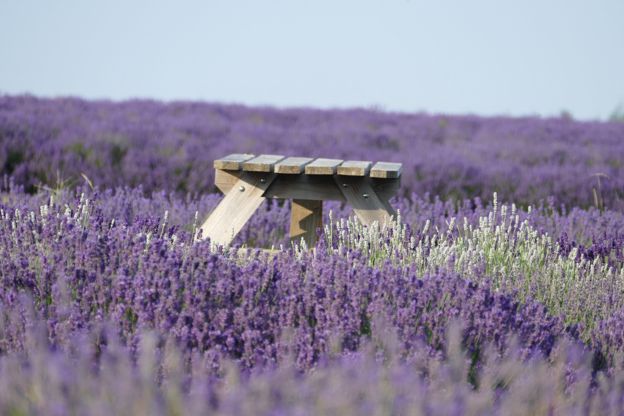
June is roses, long evenings and the start of the lavender. The famous Kiftsgate rose, a climber of enormous size, follows in early to mid July, and Hidcote's borders are coming into their best. Cotswold Lavender at Snowshill opens its fields in the middle of June (11 June in 2026) and the colour builds through the month towards its peak at the end of it. Tickets are bought on arrival, not in advance, and the farm says the fields are quieter early in the season than in July, its busiest time.
Cheltenham's Science Festival usually runs for six days in early to mid June. The weather is dry by the year's standards, with rain on about nine days, with a high of 19°C and nearly seven hours of sun a day, and the evenings are light until after nine. The villages are busy at weekends and at ease in the week. The school summer holidays have not started, so a Tuesday in June is one of the best days of the year to see Bibury.
Everything on, open and in flower, with walks and a plan for a day, is in our guide to the Cotswolds in June.
July
July is the lavender's peak, the warmest month and the start of the summer crowds. Cotswold Lavender's peak flowering is from the end of June to about the third week of July. The Royal International Air Tattoo fills RAF Fairford over a weekend in the middle of the month, with slow traffic on the roads into Fairford, and the Guiting Music Festival brings ten days of classical music, jazz and blues to a marquee behind the village hall at Guiting Power at the end of it.
Cheltenham's Music Festival is in the first half of the month (3 to 11 July in 2026). The average high is 21°C, the low 12°C, and July is the sunniest month, with about seven hours a day. It rains on nine days even so, so a waterproof stays in the bag. Schools break up in the last week, and from then until September every weekend and most weekdays in Bourton, Bibury and Castle Combe are busy from late morning to late afternoon. Book stays for July and August by the spring. The good places go.
Everything on, open and in flower, with walks and a plan for a day, is in our guide to the Cotswolds in July.
August
August is the busiest month of the year in the famous villages. Come early or late in the day, or go to the next village: our guide to the Cotswolds without the crowds names the alternatives for each honeypot. The lavender closes in the first week of the month.
On the August bank holiday Monday, the last Monday in August, Bourton-on-the-Water plays its football match in the river in the afternoon, by long custom, two teams in the Windrush and a big crowd on the banks. The time is not announced far ahead, so check with Bourton Rovers. It is the one afternoon of the year when the crowd is the point. The weather is a shade cooler than July, a high of nearly 21°C, with the same nine or ten days of rain and the sun slipping to six hours a day. Harvest starts on the wolds. Book a table for any Saturday night a fortnight ahead.
Everything on, open and in flower, with walks and a plan for a day, is in our guide to the Cotswolds in August.
September
September is the best month to be here, and most people who live here will tell you so. The schools go back in the first week, the villages empty on weekdays, the light goes golden and the stone with it, and the weather holds: an average high of 18°C and 64mm of rain on 10 days, no worse than May.
The Moreton Show, the north Cotswolds' agricultural show, is on the first Saturday of the month at Batsford, and Painswick clips its church, the people of the parish, children among them, holding hands in a ring round St Mary's, on the Sunday on or after 19 September, by the church's own rule.
Westonbirt, the National Arboretum, begins its peak autumn season in the last week of the month (25 September in 2026), with higher prices and booking strongly advised. The first maples turn before the month is out. Our Painswick and Painswick Beacon walk and the Silk Wood walk at Westonbirt are both at their best now. Book Westonbirt's October weekends and any stay near Cheltenham in early and mid October, when the Literature Festival is on.
Everything on, open and in flower, with walks and a plan for a day, is in our guide to the Cotswolds in September.
October
October is autumn colour and the second busy season, shorter and gentler than summer. Westonbirt's peak runs to the middle of November, and the arboretum charges more at weekends and gives a discount to anyone who arrives by bus, train or bike. Batsford Arboretum is in its autumn colour through the autumn months, from butter yellow to crimson, as the arboretum puts it. The beech woods along the escarpment, above Painswick and on Cleeve Common, turn in the last two weeks.
The Cheltenham Literature Festival runs for ten days in early and mid October (9 to 18 October in 2026), and Stow's second horse fair, set by charter near 24 October, was held on the third Thursday, 15 October, in 2026. The autumn half term, in the last week of the month, is Bourton's last big week of the year. The weather turns wet: 84mm of rain on 12 or 13 days, a high of 13.6°C, and the clocks go back on the last Sunday, after which the villages are dark by five. Westonbirt and any autumn weekend stay are the things to book.
Everything on, open and in flower, with walks and a plan for a day, is in our guide to the Cotswolds in October.

The Cotswolds Info newsletter
Events, new places and the best of the season, about once a month. Unsubscribe at any time.
November
November is the wettest month, 85mm of rain on 13 or 14 days, and the start of Christmas. Westonbirt's colour lasts into the middle of the month and its Christmas at Westonbirt light trail starts at the end of it (27 November in 2026). Christmas at Blenheim Palace opens in the middle of the month and runs into the first days of January (from 13 November in 2026), and the Gloucestershire Warwickshire Steam Railway runs Christmas shopping trains to Broadway's late-night opening on two evenings at the end of the month and start of December.
Bath's Christmas Market opens in the last week of November and runs for two and a half weeks (26 November to 13 December in 2026). Both light trails sell by date and time, so book early. Our guide to Christmas in the Cotswolds has the markets, the carols and the inns. Outside the trails the Cotswolds are quiet, with an average high of 9.5°C and the meadows often underwater in the Windrush and Evenlode valleys.
Everything on, open and in flower, with walks and a plan for a day, is in our guide to the Cotswolds in November.
December
December is light trails, Christmas markets and the emptiest week of the year, between Christmas and New Year, when the villages belong to the people who live in them and the pubs are full of walkers. Bath's market runs to the middle of the month. The light trails run to the end of the year: Sudeley's to 30 December, Westonbirt's to New Year's Eve and Blenheim's into the first days of January. On Boxing Day morning the Marshfield Paper Boys, in costumes of paper strips that hide their faces, perform their mummers' play in the street, starting in the Market Place at about 11am after carols with the band (as in 2025). Boxing Day 2026 is a Saturday; the Mummers had not confirmed the day's times when we checked.
The weather is December's: a high of 6.8°C, a low near freezing, rain on 13 days and about two hours of sun. A hard frost on the wolds is the year's best light, and the escarpment viewpoints are at their clearest on a cold still day. Book Christmas and New Year stays by September. Book the trails by October.
Everything on, open and in flower, with walks and a plan for a day, is in our guide to the Cotswolds in December.
The seasons at a glance
Spring (March to May) is the gardens reopening, bluebells, lambs and the May customs, with Easter and the two May bank holidays the busy points. Summer (June to August) is lavender, long evenings, the air tattoo and the river football, and the crowds in every famous village from late morning to late afternoon.
Autumn (September to November) is the arboretums, the beech woods on the Edge, the horse fair and the literature festival, with the colour peaking from the middle of October to the middle of November. Winter (December to February) is the light trails, the snowdrops, the wassails and the empty streets.
Over the year the wolds get about 810mm of rain on 133 days, and about 1,630 hours of sun. The average high across the year is 13.4°C. The Cotswolds are higher and a degree or two colder than the vale below, and the top of the escarpment catches the wind. None of it is extreme, and none of it is reliable: the Met Office's figures are a 30-year average for Little Rissington, not a forecast.
When is the Cotswolds busiest?
The Cotswolds are busiest from Easter to the end of September, with the peak in the six weeks of the school summer holidays from late July, and on every bank holiday weekend. Within that, the famous villages are busiest from about 11am to 4pm on Saturdays, Sundays and bank holidays. Before 10am and after 5pm they are quiet again, even in August. Bibury takes up to 20,000 people on a peak weekend and Bourton about 10,000 a day, by the county council's figures.
The other peaks are short and local: Cheltenham Festival week in March on the Cheltenham side, Badminton's cross-country Saturday in May in the south, the air tattoo weekend in July around Fairford, Westonbirt's October weekends, and the light trails on December weekends. The quietest weeks of the year are the first three of January, the week after the autumn half term, and the one between Christmas and New Year. Our guide to the Cotswolds without the crowds has the hours and the alternatives, and the Cotswolds without a car the buses that avoid the car parks altogether.
Places to stay near Painswick
-
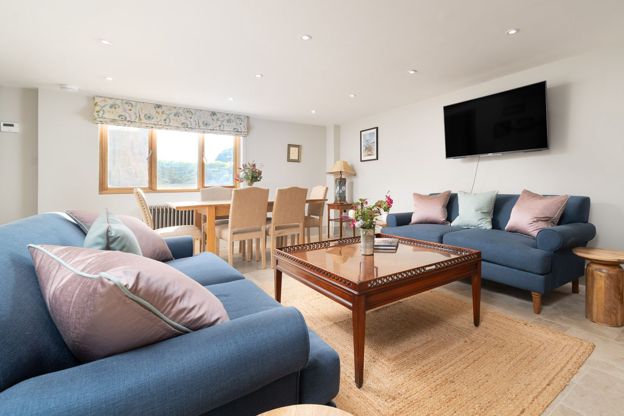
Barn Cottage, Painswick
Self-catering · Painswick
A three-bedroom barn conversion in Painswick, sleeping six in en suite rooms, with off-road parking, an enclosed courtyard and dogs welcome.
Dog-friendly
Verified Nov 2026
-
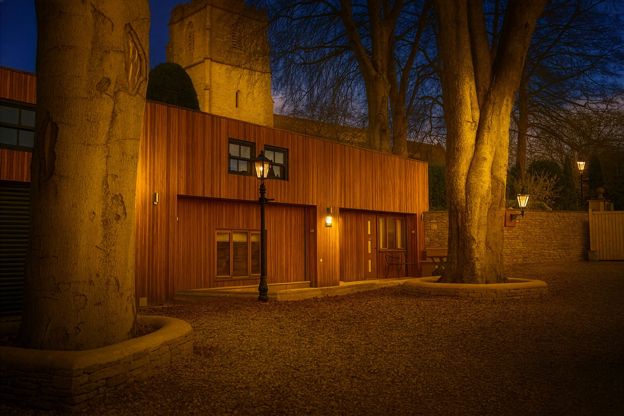
Stable Cottage, Painswick
Self-catering · Painswick
A two-bedroom barn conversion in Painswick sleeping four, with a private garden and a petanque piste, dogs welcome.
Dog-friendly
Verified Nov 2026
-
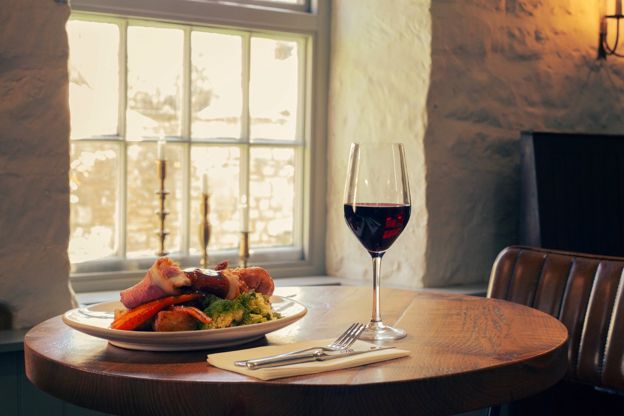
The Falcon Inn
Inn · Painswick
A family-run inn with eleven rooms on New Street, Painswick, established in 1828 and under new owners since February 2026, with dogs welcome throughout.
Dog-friendly · Wedding venues
Verified Oct 2026
Read next
-
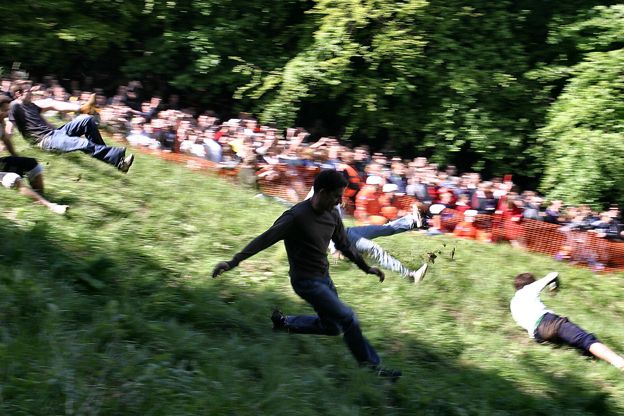
Cheese rolling at Cooper's Hill
Story · Strange Things · 4 minute read
Every spring bank holiday people hurl themselves down Cooper's Hill near Gloucester after a Double Gloucester cheese. The race is old, unofficial and dangerous.
-
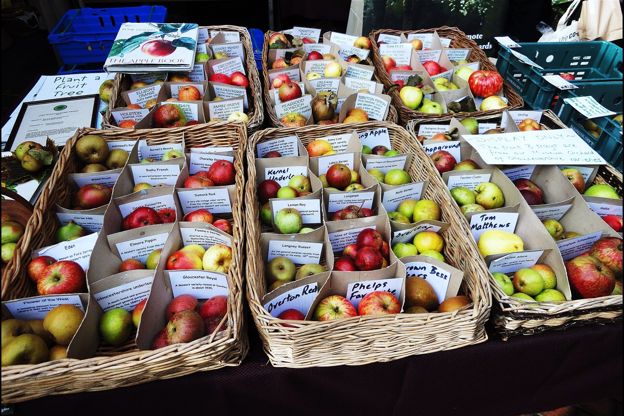
Wassailing in Gloucestershire and the Cotswolds
Story · Strange Things · 5 minute read
The midwinter custom of wassailing: the Gloucestershire Wassail carol, a song collected at Buckland in 1909, and where to join a wassail near the Cotswolds today.
-
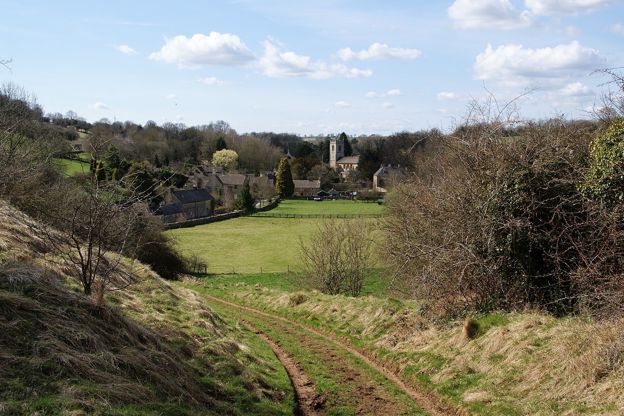
The Cotswolds without the crowds
Story · Guides · 15 minute read
Five Cotswold villages take most of the visitors: Bibury, Bourton-on-the-Water, Castle Combe, Broadway and the Slaughters. Here is when each is busiest, what the councils have done about it, the best and worst hours, and the quieter village on the same river or ridge.