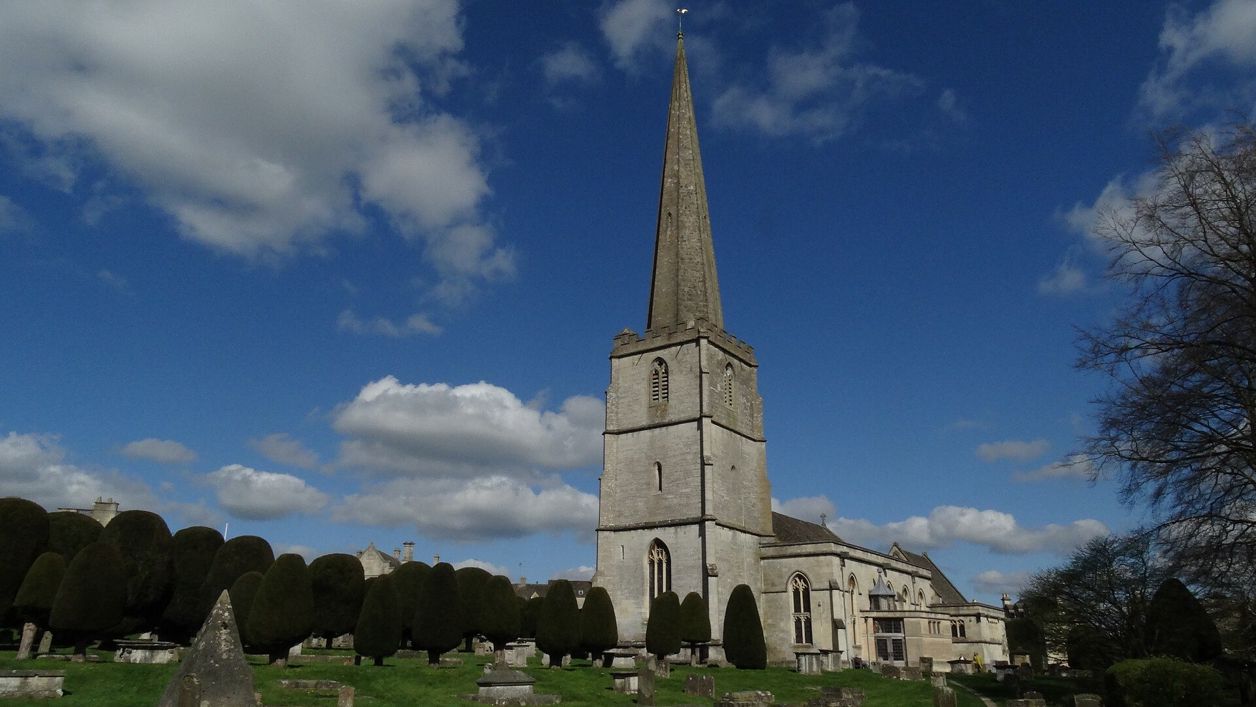
Colin Park, CC BY-SA 2.0, via Wikimedia Commons
St Mary's Church, Painswick
St Mary's is Painswick's Grade I parish church, of the late fourteenth and fifteenth centuries with a tall stone spire, set in a churchyard of clipped yews and carved table tombs that is on the national Register of Parks and Gardens. Open daily; the clipping is each September.
Church
PainswickSt Mary's Church stands in the middle of Painswick, on New Street, its spire visible across the valley. The church is of the late fourteenth and fifteenth centuries and is listed Grade I, but most visitors come for the churchyard: clipped yews and carved table tombs of the seventeenth to nineteenth centuries, on the national Register of Parks and Gardens.
History
The church is mostly late medieval, though Painswick had a priest at the Domesday survey of 1086 and probably a church before that. The oldest part standing is the north chapel, St Peter's, which the church dates to 1377 and the Victoria County History to the late fourteenth or early fifteenth century; it was the manorial chapel. A sanctuary was added at the east end in the fifteenth century, and in the later fifteenth century the five-bay nave, the north aisle and the west tower were built. In the Middle Ages the church belonged to Llanthony Priory at Gloucester.
The spire and the bells
The spire may have been added, or repaired, in 1632. Lightning struck it in 1763 and again in 1883, when the top had to be rebuilt; a section of the old spire now stands inside the church near the pulpit. The story goes that royalist troops attacked parliamentarians quartered in the church in the Civil War, leaving marks on the tower; the county history does not tell it, but what it does record is that royalist troops held Painswick Beacon after the failed siege of Gloucester in 1643. For the bells, Abraham Rudhall cast or recast ten of them in 1731 and John Rudhall added two more in 1821. The ringers' society was disbanded in 1862 and revived in 1895, and the bells are rung on Wednesdays at 8pm and on Sundays at 8am (church page, 2026).
From Georgian aisle to Victorian restoration
In 1741 a classical south aisle with Doric columns, designed by Brice Seed, was built for private seats, and galleries followed. The Victorian restoration of 1879 and 1880 matched the south arcade to the north, took out the galleries and replaced most of the fittings, and the listing records a restoration by Waller in 1883, when the south aisle was rebuilt in Gothic; a vestry followed in 1890 and the present south porch in 1968. The stone altarpiece John Bryan designed in 1743 was moved to the south chapel.
The Bryans and the tombs
Many of the churchyard's table tombs are attributed to the Bryan family of Painswick masons, the best known of them John Bryan, who died in 1787 and lies under a stone pyramid of his own, listed Grade II*. Many of the tombs are listed one by one. The oldest altar tomb is William Loveday's, who died in 1623. The iron railings round the tombs went for scrap in the Second World War.
What to see
Start outside, in the churchyard, which the Register of Parks and Gardens includes for its topiary and its monuments.
- The yews: clipped into rounded shapes and lining the paths. Legend says there are 99; nobody has published a reliable count, and the National Trail puts it at more than 100. A tree planted for the millennium in 2000, near the bus stop on the north side, was meant to be the hundredth
- The table tombs: altar tombs, pedestal tombs and round "tea-caddy" tombs. The church's tomb trail takes in 14 of them, and a map hangs in the porch
- John Bryan's pyramid, south-east of the lych gate
- The lych gate of 1901, built from the old belfry timbers
Inside, look for the fifteenth-century Purbeck marble tomb in St Peter's chapel, under a Tudor canopy with a fan vault; the early seventeenth-century alabaster effigy set on it in the eighteenth century came from the broken-up memorial of John Seaman, who died in 1623. There is a Baroque cartouche to John Webb of 1712 in the south aisle, the Royal Arms of William IV, early twentieth-century glass by Powell in the north aisle, and a model of the ship Bonaventura of 1885.
Visiting
St Mary's is open every day, from 9am to 6.30pm in summer and 9am to 4.30pm in winter, and entry is free. A ramp leads into the porch and down into the nave and there is a hearing loop; the toilets are not wheelchair accessible. The clipping, when the people of the parish, children among them, join hands round the church, became an annual event again in 1897 and takes place on the third Sunday of September as part of the Painswick Feast. The next is expected on Sunday 19 September 2027, a date still to be confirmed by the church. For a quiet churchyard, come early on a weekday; the clipping Sunday and summer weekends are the busiest days.
Getting there
The church is on New Street, Painswick (the parish office is at the Lychgate Office, Stroud Road, GL6 6UT). The Stamages Lane car park, a long-stay council car park of 56 bays, is a short walk away. Stagecoach bus 66 runs between Stroud and Cheltenham through Painswick about hourly Monday to Saturday and every two hours on Sundays, stopping opposite the church about 10 minutes from Stroud.
On foot, the Painswick and Painswick Beacon walk starts and finishes beside the churchyard, and the Cotswold Way passes through the town on its way south from Painswick Beacon.
Nearby
Across New Street is the Falcon Inn, whose datestone reads 1711. Behind the church on Hale Lane is the Court House, and a few minutes away down Vicarage Street is the Quaker meeting house of 1706. Below the town the Painswick Stream runs past the old cloth mills, and to the north Painswick Beacon carries an Iron Age hill fort. The Painswick Rococo Garden is about 1km north of the church. Across the valley, Holy Trinity at Slad is the church of Laurie Lee’s village, and our story on the wool churches of the Cotswolds puts St Mary’s among the great churches open every day.
Walks past St Mary's Church, Painswick
-
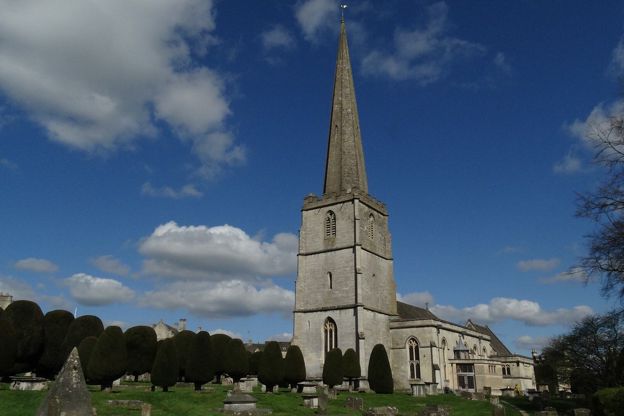
Painswick and Painswick Beacon
Walk · Starts in Painswick · 2 hrs, 45 mins · Circular · Dog-friendly
A 5-mile (8.2km) circular walk from Painswick, moderate and two and a half to three hours, with 250m of climbing: out by Butt Green and the Holcombe farms, over the B4073 and up to the Iron Age ramparts on Painswick Beacon, then down past the golf course and the Rococo Garden.
-
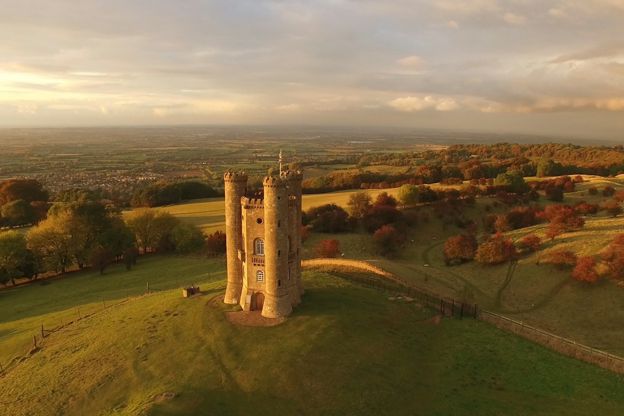
The Cotswold Way
Walk · Dog-friendly
The Cotswold Way is a 102-mile (164km) National Trail walk from Chipping Campden to Bath along the escarpment, in 15 sections; the official guidebook suggests seven to ten days, and its frequent steep climbs make it hard going.
-
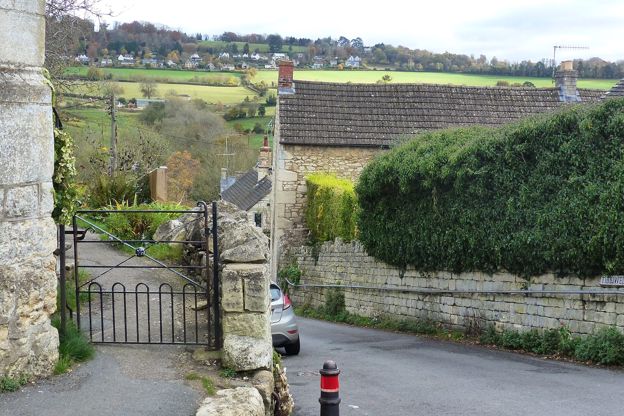
The Painswick Stream
Walk · Starts in Painswick · 1 hr, 30 mins · Circular
A 3-mile (4.6km) circular walk from Painswick, moderate, with stiles and one steep climb, in one to one and a half hours: through the churchyard and down Vicarage Street to the Painswick Stream, along it past five old mills, and back up Knapp Lane to the stocks.
Stay and eat near St Mary's Church, Painswick
-
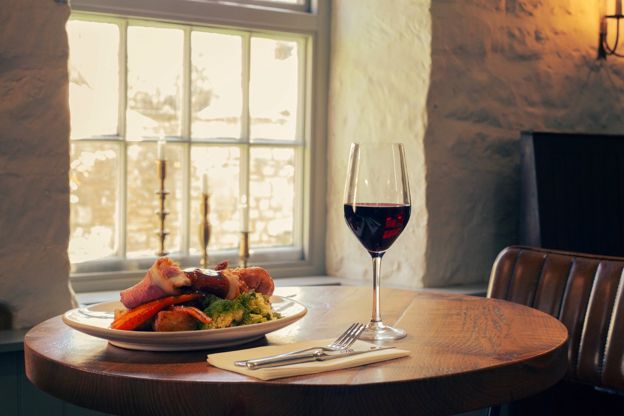
The Falcon Inn
Inn · Painswick
A family-run inn with eleven rooms on New Street, Painswick, established in 1828 and under new owners since February 2026, with dogs welcome throughout.
Dog-friendly · Wedding venues
Verified Oct 2026
-
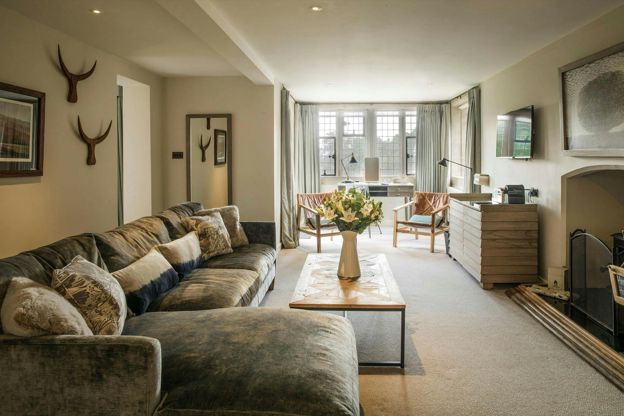
The Painswick
Hotel · Painswick
A 16-room hotel in a Palladian house on Kemps Lane, Painswick, part of the Calcot Collection, with an AA Rosette restaurant and dogs in some rooms.
Dog-friendly · Wedding venues
Verified Nov 2026
-
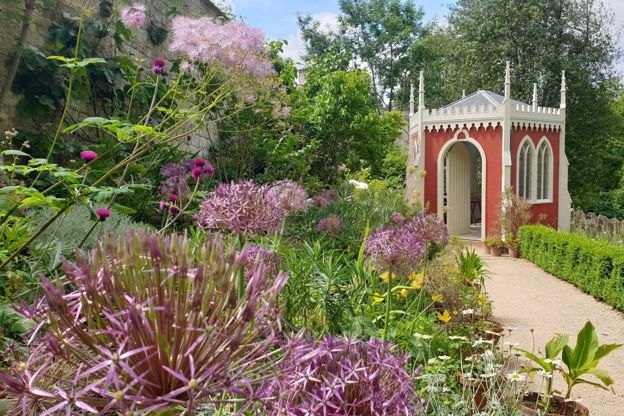
Painswick Rococo Garden
Parks and gardens · Painswick
An eighteenth-century pleasure garden restored from a painting of 1748, with snowdrops in late winter, a café and dogs welcome on short leads.
Dog-friendly · Family-friendly · Car-free
Verified Oct 2026
Stories about St Mary's Church, Painswick
-
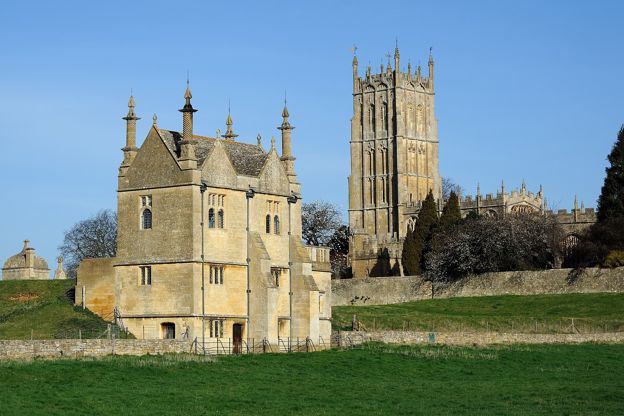
The Civil War in the Cotswolds
Story · History · 9 minute read
The storming of Cirencester and the battle of Lansdown in 1643, Sudeley Castle besieged and slighted, Campden House burned, the last battle of the first war at Stow in 1646, the Levellers at Burford and Chastleton's hidden Royalist, with where to see each.
-
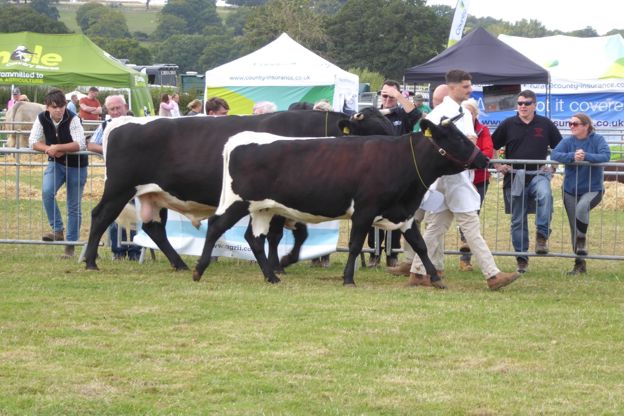
The Cotswolds in September
Story · Guides · 8 minute read
The Cotswolds in September: the schools back and the villages quiet on weekdays, the Moreton Show, Heritage Open Days, the Blenheim horse trials and Painswick's clipping, the last weeks of the summer gardens, walks on the edge and where to stay for them.
More sights to see
-
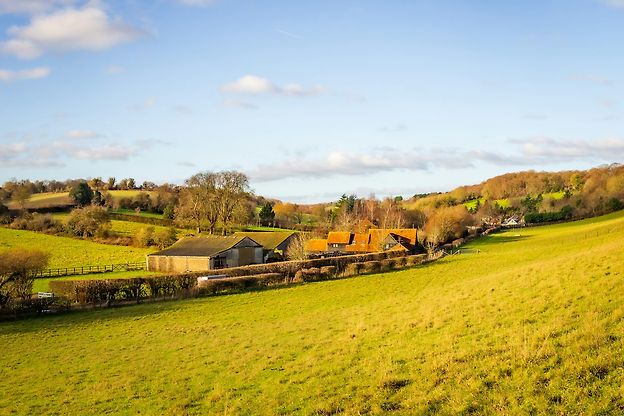
Court House, Painswick
Sight · Historic building · Painswick
The Court House is a gabled stone manor house of 1604 on Hale Lane, beside Painswick churchyard, with a panelled court room and a bedroom named after Charles I. Listed Grade I, it is a private home seen from the lane and the churchyard.
-
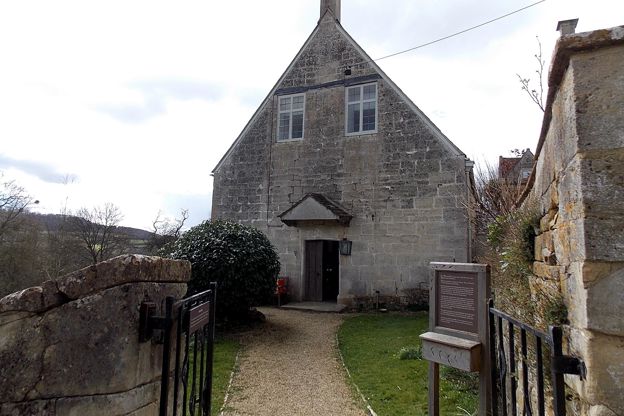
Quaker Meeting House, Painswick
Sight · Historic building · Painswick
Painswick's Friends Meeting House is a plain stone meeting house of 1706 off Vicarage Street, built on land given by the Loveday family and still used by Quakers every Sunday. Its walled garden, an old burial ground, is open for quiet reflection. Grade II.
-
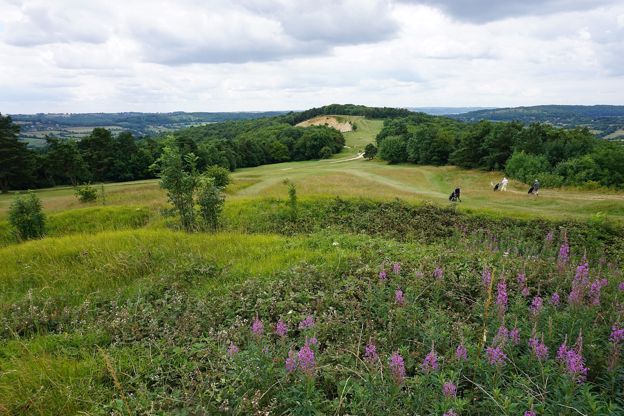
Painswick Beacon
Sight · Hill fort or barrow · Painswick
Painswick Beacon is a hill north of Painswick, about 280m high, crowned by a large Iron Age hill fort with triple ramparts. Royalist troops camped here in 1643. It is open common land on the Cotswold Way, shared with a golf course, with views over the Severn Vale.