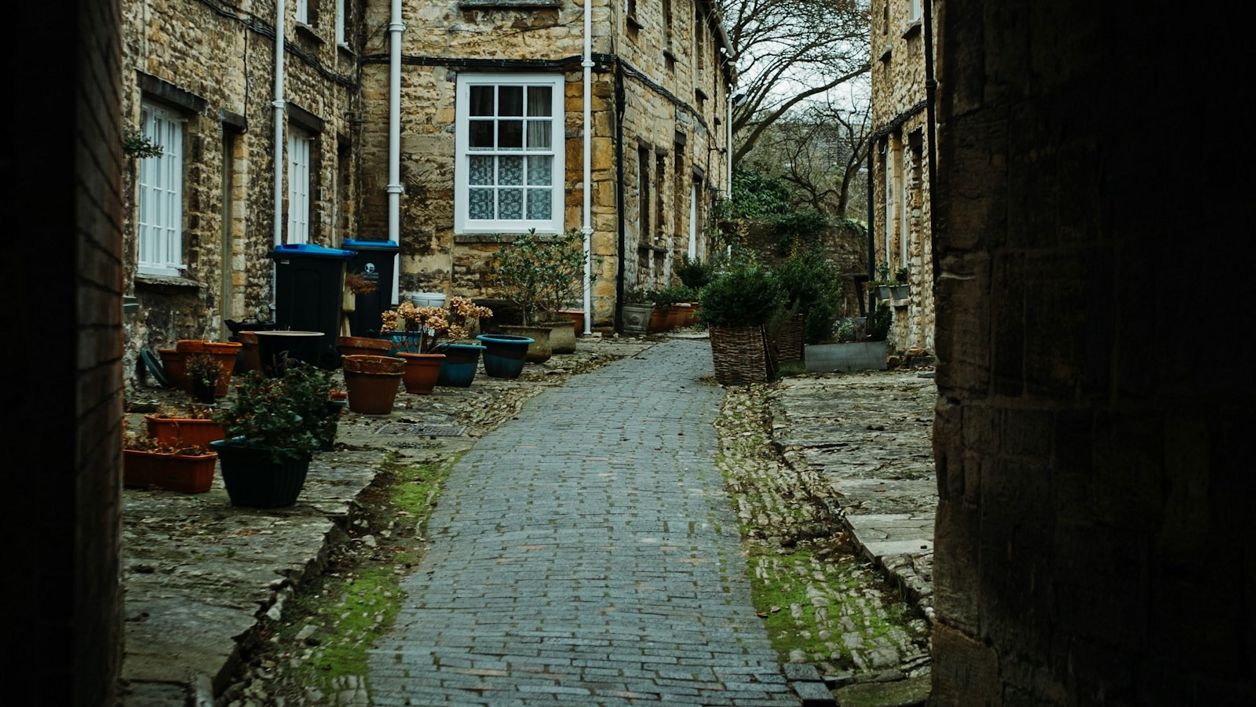
Matt Seymour on Unsplash
Burford
A wool and coaching town whose High Street runs downhill to a medieval bridge over the Windrush, with a Grade I church where the Levellers were held in 1649.
- Nearest station
- Charlbury, about 9 miles by road, or Kingham, about 11, then a taxi
- Parking
- Guildenford car park (free): 166 bays, most limited to 4 hours, some to 10, with 3 Blue Badge bays
- Best time
- A weekday morning; Levellers Day in May for the town's own history
- Toilets
- High Street and Guildenford car park, 20p in coins, 7.30am to 7.30pm, with an accessible toilet on the RADAR scheme and baby change
- Dogs
- On leads at the Cotswold Wildlife Park, and not in its indoor or walk-through areas
About Burford
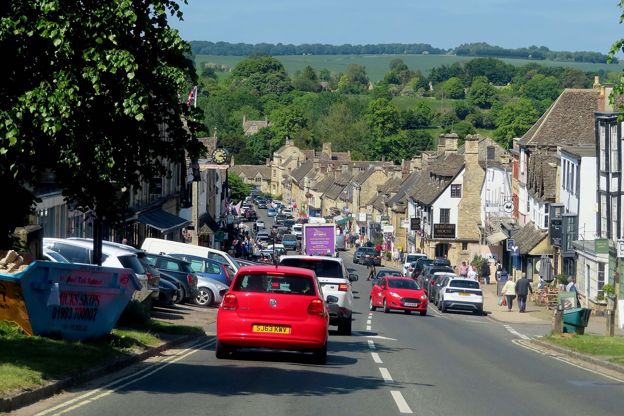
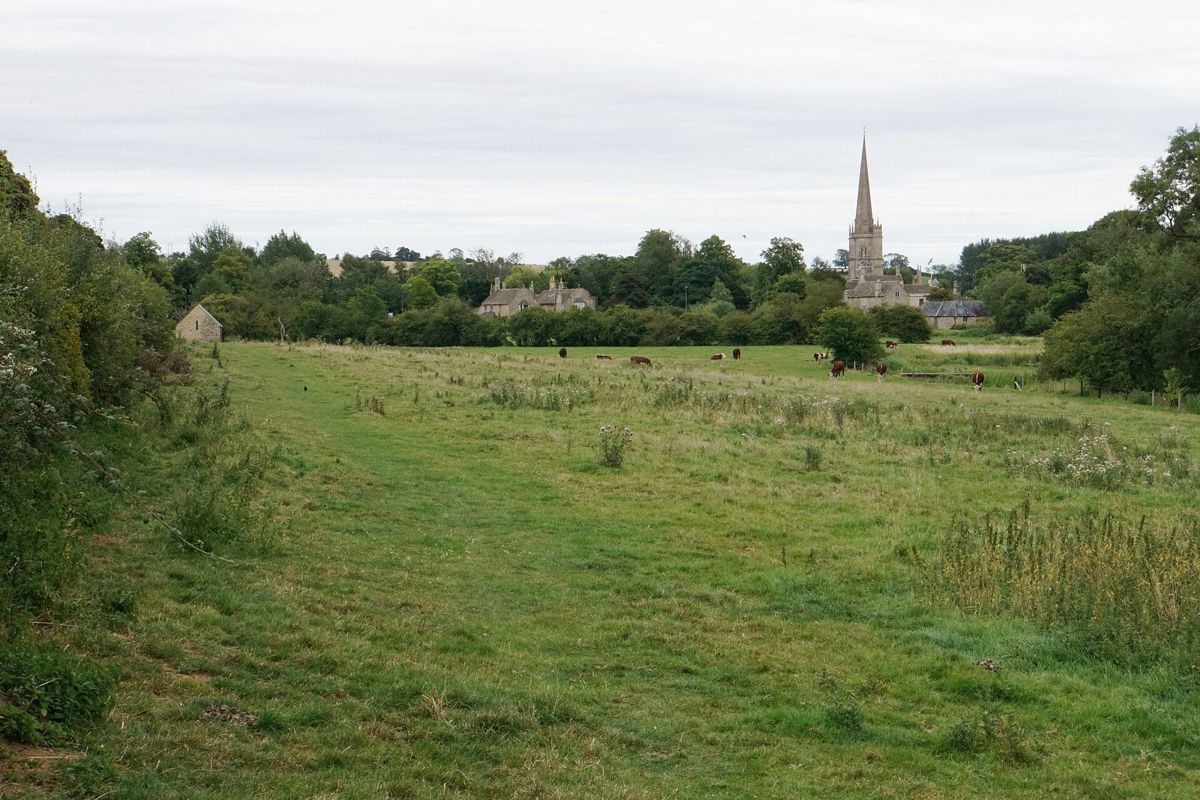
Burford is a small market town in West Oxfordshire, built on a long slope that runs down to the River Windrush. Its High Street drops from the A40 past stone houses and old coaching inns to a narrow medieval bridge, and near the bottom is a large Grade I parish church. The town grew rich on wool and then on the coaches that stopped here.
The High Street and the Tolsey
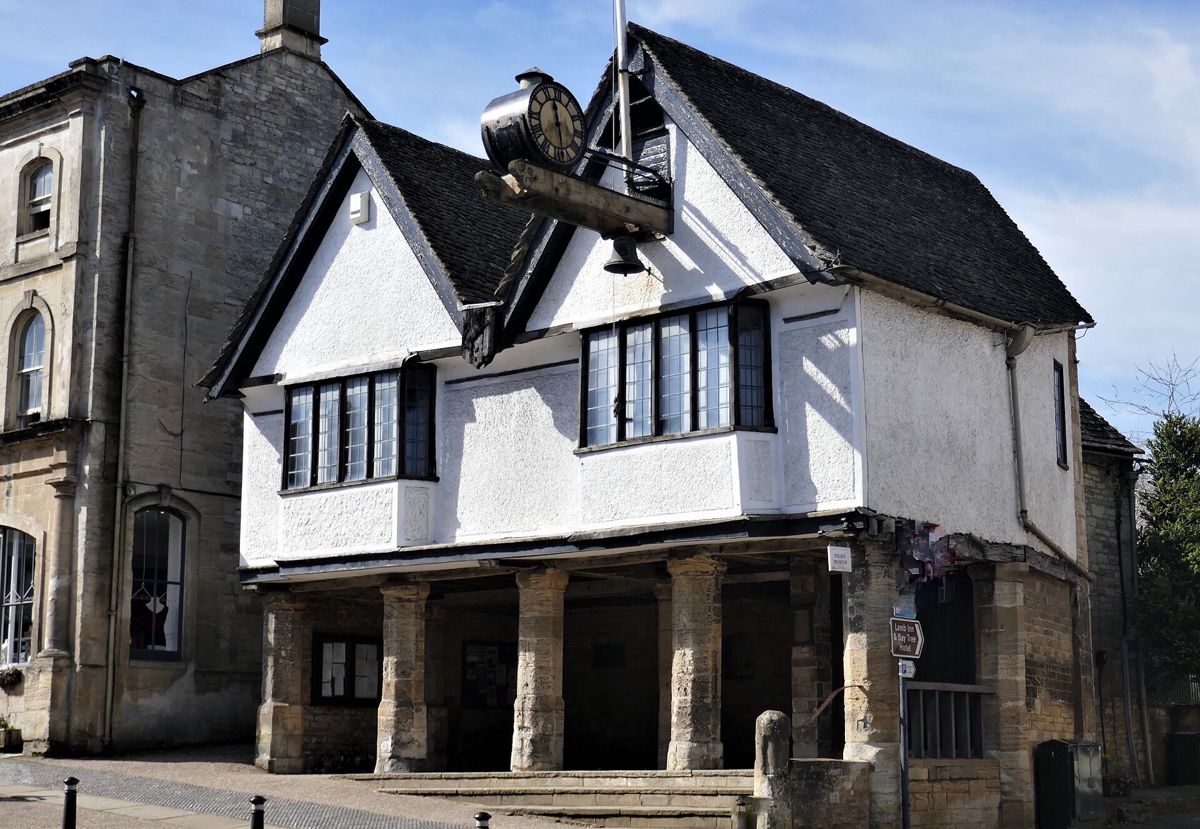
Halfway down the High Street stands the Tolsey, the sixteenth-century market house where traders paid their tolls, first recorded in 1561 and listed Grade II*. It is now a small museum of the town, run by volunteers. It is open every afternoon from 2pm to 5pm from April to October, and at weekends in November and December, and it is free, though donations are welcome.
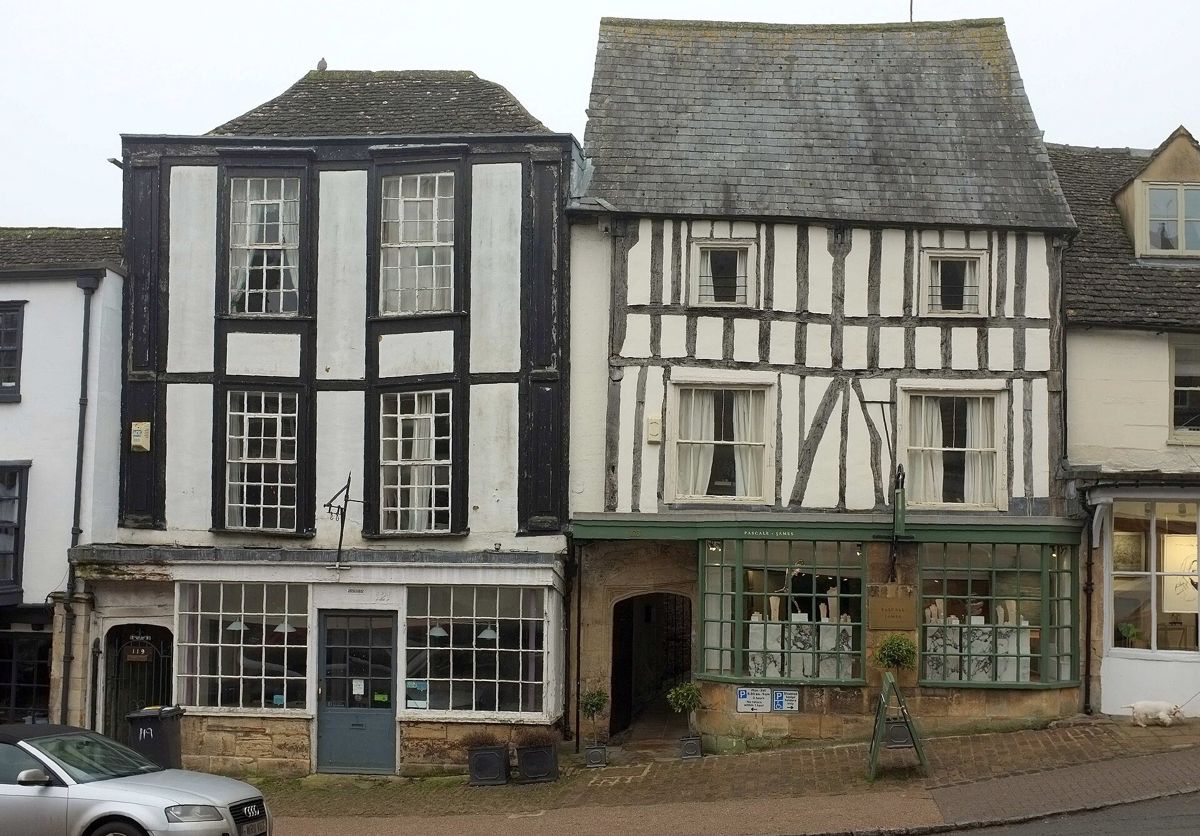
The street was a stop on the coaching roads until the last coach passed through in 1850, and many of its inns and houses date from those years and earlier. The Lamb Inn still takes guests and diners, and welcomes dogs. For the old inns and the rest, see where to stay in Burford. On Witney Street, the Angel at Burford, run by the King family, has an AA Rosette for its cooking and a walled garden.
St John the Baptist
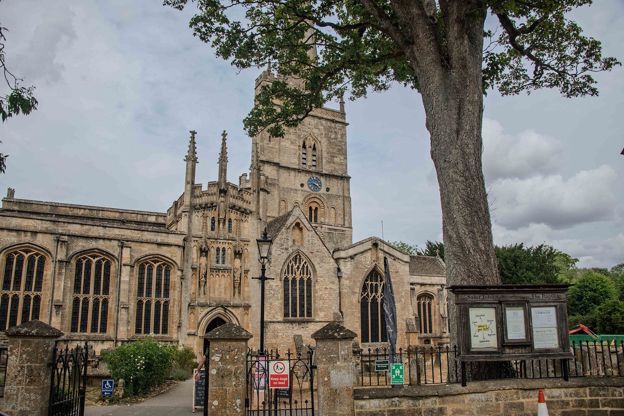
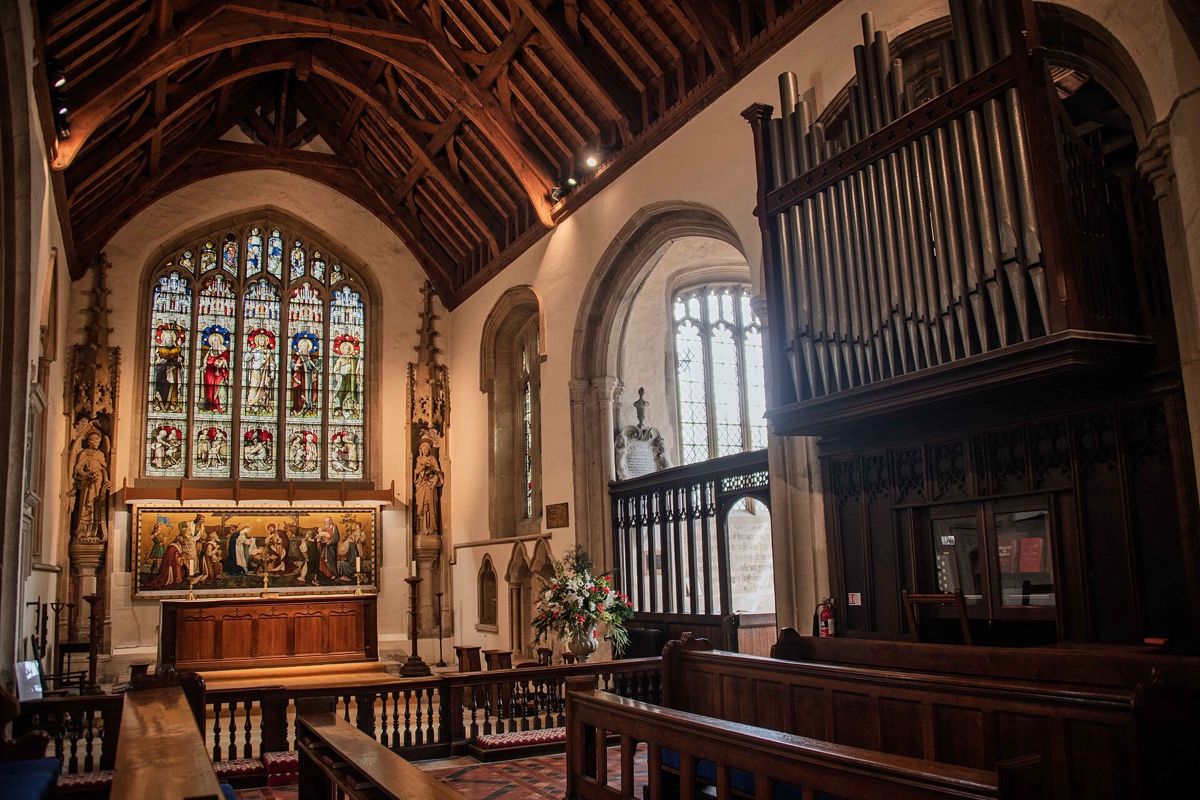
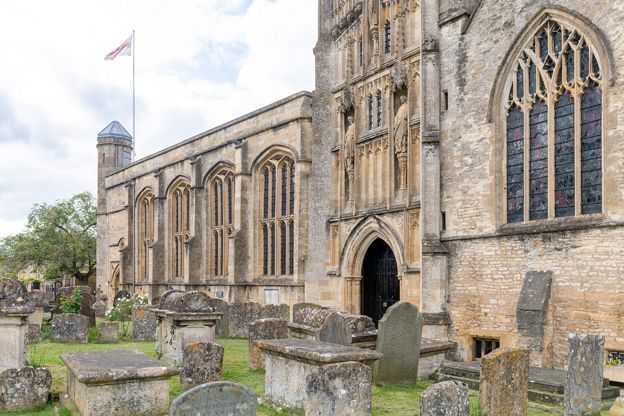
Burford's church is listed Grade I, and it rewards a long look. It began in the twelfth century, and the west door and the tower crossing are from then; by the end of the fifteenth century it had grown into the large, irregular church you see now, with its spire and a three-storey porch. Inside are the Tanfield monument of 1628, with its carved cadavers behind an iron railing, and a memorial to Christopher Kempster, a local quarryman whom Christopher Wren employed at St Paul’s, who died in 1715.
The church is also part of the story of how England looks after old buildings. G. E. Street restored it heavily in the 1870s, and it was cases like this one that led William Morris to found the Society for the Protection of Ancient Buildings.
The Levellers
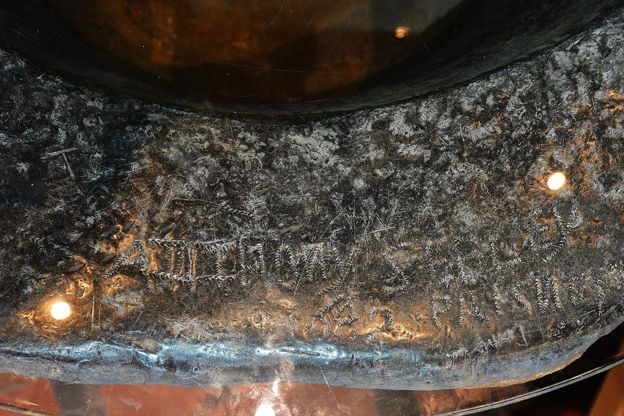
In May 1649 soldiers of the New Model Army who had mutinied for the Leveller cause were caught at Burford, and some 340 of them were locked in the church. Three were shot as ringleaders; tradition, and the organisers of Levellers Day, put the executions in the churchyard, though the church says there is no evidence of where they took place. A plaque on the church wall commemorates them, and inside, one prisoner, Anthony Sedley, carved his name in the lead of the font with the date 1649. Every May the town holds Levellers Day, with singing, a commemoration, talks and a march, on a Saturday in May: 9 May in 2026, and Saturday 15 May in 2027. Our story of the Civil War in the Cotswolds puts the Levellers in the wider war.
The bridge and the river
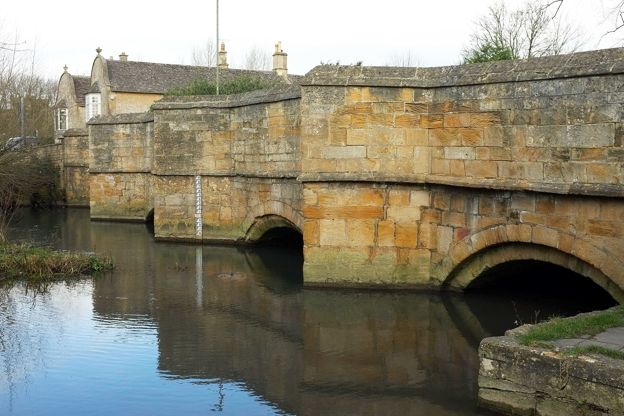
The bridge over the Windrush at the bottom of the town began in the fifteenth century and was remodelled in 1791. It has four low arches with pointed cutwaters and is listed Grade II*. The Cotswold Voluntary Wardens lead occasional guided walks from Guildenford car park, such as a 10-mile circuit by Signet, Holwell and Westwell in June 2025. The 1.7-mile town walk is on our list of short walks.

The Cotswolds Info newsletter
Events, new places and the best of the season, about once a month. Unsubscribe at any time.
The Cotswold Wildlife Park
At Bradwell Grove, 2 miles south of the A40 at Burford and under 3 miles from the town, is the Cotswold Wildlife Park. It opens daily from 10am (to 6pm in summer and 4pm in winter), and in 2026 an adult ticket was £19.50 at the gate or £17.50 online. Parking is free, dogs are allowed on leads outside the indoor and walk-through areas, and a narrow-gauge railway runs from April to October. It fills the Sunday morning of our Cotswolds weekend with children, which ends with the town and river walk.
Food and drink
Away from the old coaching inns, Huffkins on the High Street is the tea room, and the Cotswold Arms, also on the High Street, serves food every day from 11am to 9pm, lets dogs in everywhere and has live music on Friday and Saturday nights. The Royal Oak on Witney Street is a family-run Wadworth pub known for its pies, with a fire in winter and a garden for summer. On the southern edge of the town, the glasshouse café at Burford Garden Co. on Shilton Road cooks breakfast and lunch every day (no cooked breakfast on Sundays), but takes no bookings, and only assistance dogs.
Every place to eat in the town, with what each suits, is on our page of places to eat in Burford.
When to come
Like most of the Cotswolds, Burford is busiest on summer weekends. A weekday morning is quieter, and the church is at its best in the low light of autumn and winter. Levellers Day in May is the town's own occasion, and worth planning around. Down the Windrush towards Witney are the ruins of Minster Lovell Hall, with three stories of doom attached. By car, a Cotswolds touring route loops for three days from Burford.
Last verified 28 October 2026 by our editors
Part of
The Oxfordshire Cotswolds
The Windrush and Evenlode valleys on the Oxfordshire side of the hills: Burford's High Street, Kingham on the railway, Witney's blankets and Woodstock at Blenheim's gates.
Things to do in Burford
Wildlife and nature · Burford
Cotswold Wildlife Park and Gardens
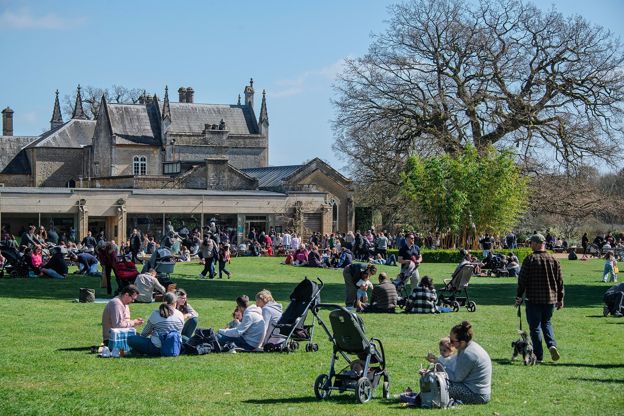
A wildlife park and gardens near Burford with animals from around the world, a narrow-gauge railway, free parking and room for dogs on leads in most of it.
-
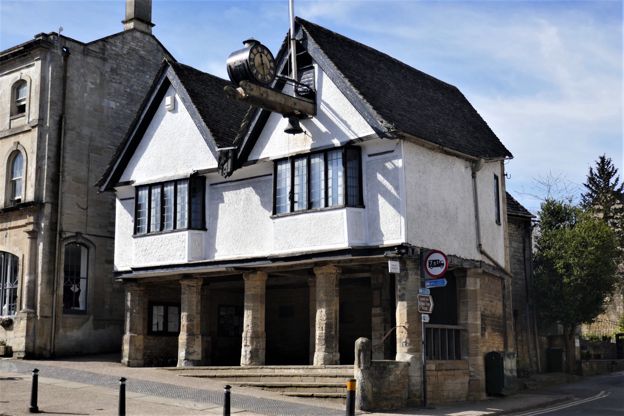
Burford Tolsey Museum
Museums and galleries · Burford
Burford's small free museum in the Tolsey, the sixteenth-century market house on the High Street, run by volunteers and open on summer afternoons.
Verified Oct 2026
Where to stay in Burford
-
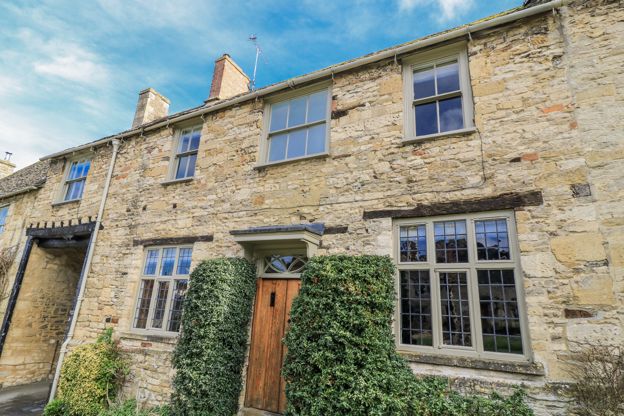
Ostlers
Self-catering · Burford
A three-bedroom holiday cottage in Burford, let through Manor Cottages, sleeping six, with a garden, a woodburner and parking for one car; no pets.
Family-friendly
Verified Oct 2026
-
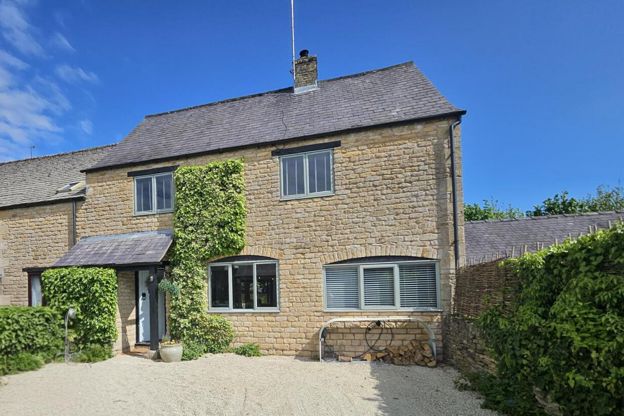
Cotswold Stay
Self-catering · Burford
A four-bedroom house in Burford that sleeps eight, let for self-catering, with no dogs.
Family-friendly
Verified Oct 2026
-
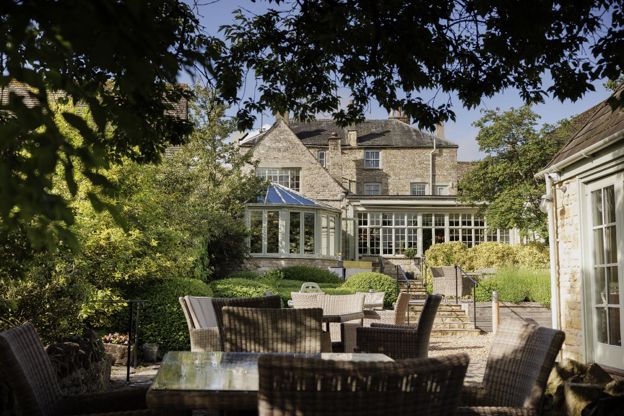
The Bay Tree
Hotel · Burford
A Grade II listed hotel on Sheep Street, Burford, with 21 rooms and a walled garden, part of Cotswold Inns and Hotels, dogs welcome.
Dog-friendly · Wedding venues
Verified Oct 2026
-
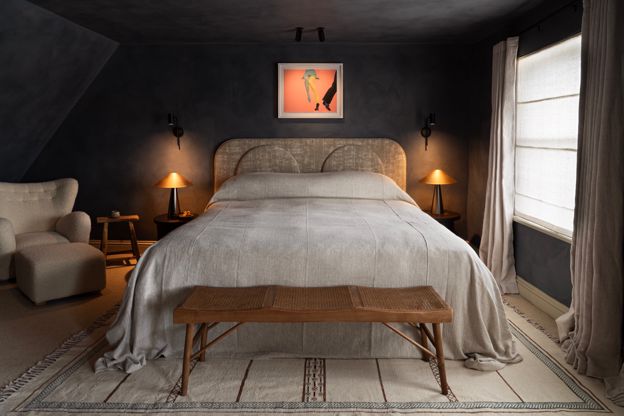
Bull, Burford
Hotel · Burford
A coaching inn on Burford's High Street, opened in 1536 by its own account, now a hotel with 18 rooms, three restaurants and a treatment suite.
Wedding venues
Verified Oct 2026
-
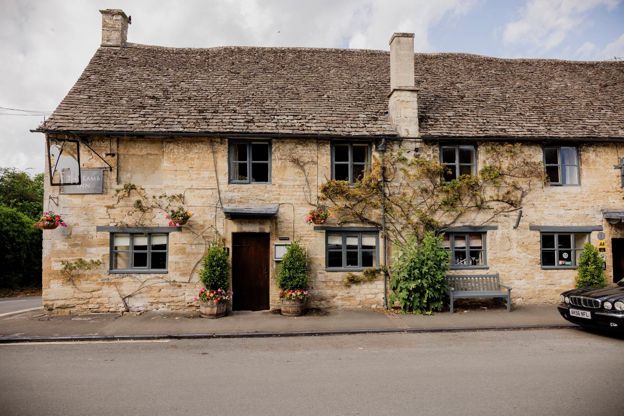
The Lamb Inn
Inn · Burford
An inn with rooms in Burford, part of Cotswold Inns and Hotels, taking bookings for rooms and tables and welcoming dogs.
Dog-friendly
Verified Nov 2026
-
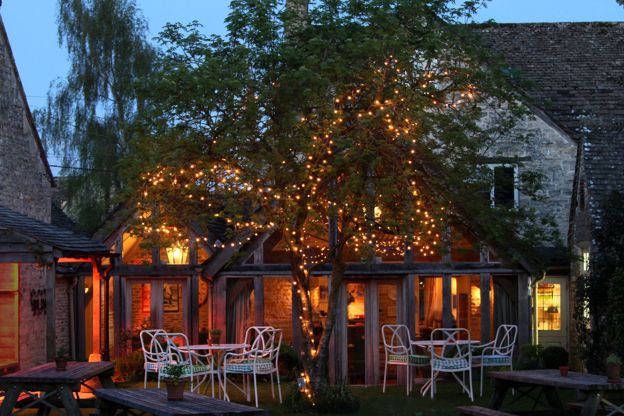
The Swan Inn, Swinbrook
Inn · Burford
An inn on the River Windrush at Swinbrook, near Burford, with bedrooms in its stables and a riverside cottage.
Verified Oct 2026
Where to eat and drink in Burford
-
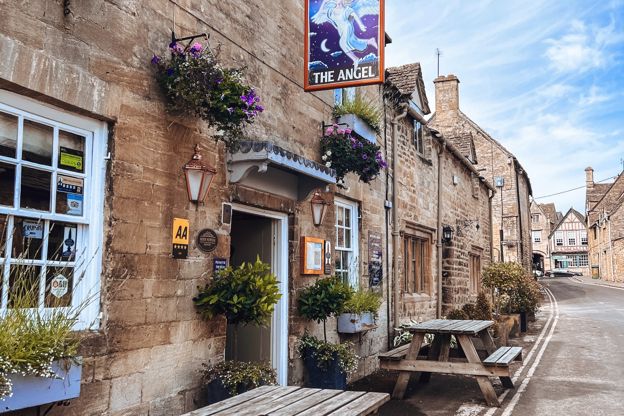
The Angel at Burford
Pubs · Burford
An inn on Witney Street, Burford, run by the King family since 2011, with an AA Rosette for its cooking, a walled garden and sun terrace, three bedrooms and food from breakfast onwards.
Verified Nov 2026
-
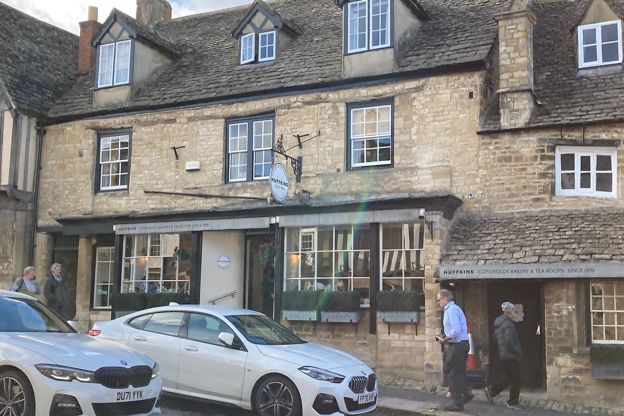
Huffkins, Burford
Cafes and tearooms · Burford
Huffkins' café and tea room in Burford, the town where the bakery began in about 1890, in a listed sixteenth-century building on the High Street with a medieval courtyard, a bakery shop next door and dogs welcome.
Dog-friendly
Verified Nov 2026
-
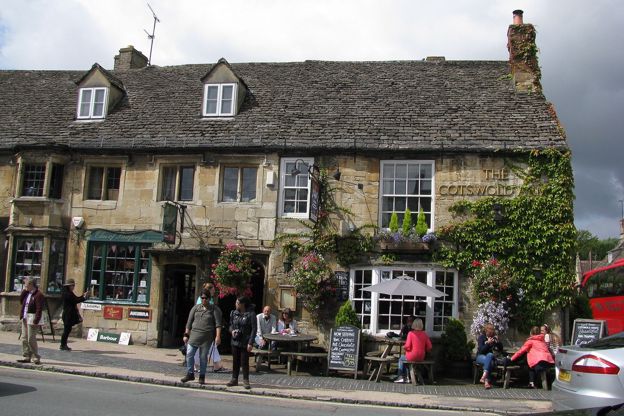
The Cotswold Arms
Pubs · Burford
A family-run pub on Burford High Street, known in the town as the Coty, with food all day, live music on Friday and Saturday nights, a hidden garden and dogs welcome.
Dog-friendly · Family-friendly
Verified Nov 2026
Walks in and around Burford
-
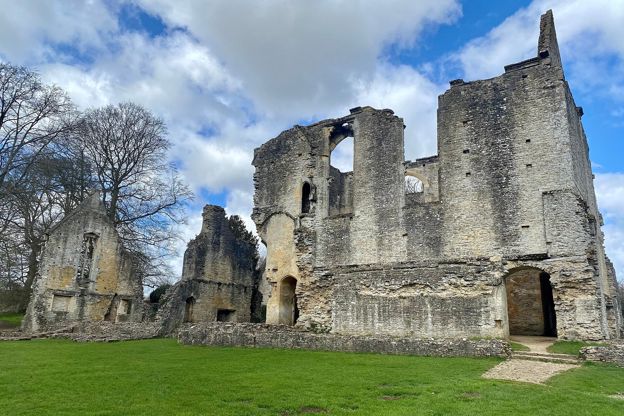
Minster Lovell, Crawley and the Windrush
Walk · Starts in the Oxfordshire Cotswolds · 1 hr, 30 mins · Circular · Dog-friendly
A 3.7-mile (6km) circular walk from the bridge at Minster Lovell, easy and about an hour and a half: over the fields to Crawley, back along the River Windrush to the ruins of Minster Lovell Hall, its dovecote and St Kenelm's church. Wet in winter.
Sights in and around Burford
-
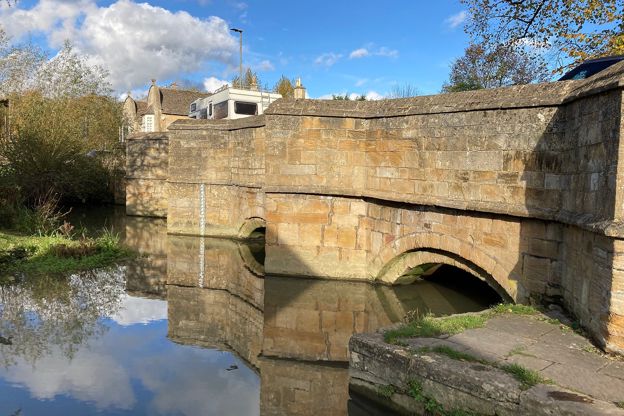
Burford Bridge
Sight · Bridge · Burford
Burford Bridge carries the road over the River Windrush at the foot of Burford's High Street: four low arches with pointed cutwaters, medieval in origin and heavily remodelled in 1791. Grade II*, on the way in and out of the town.
-
Burford Priory
Sight · Historic building · Burford
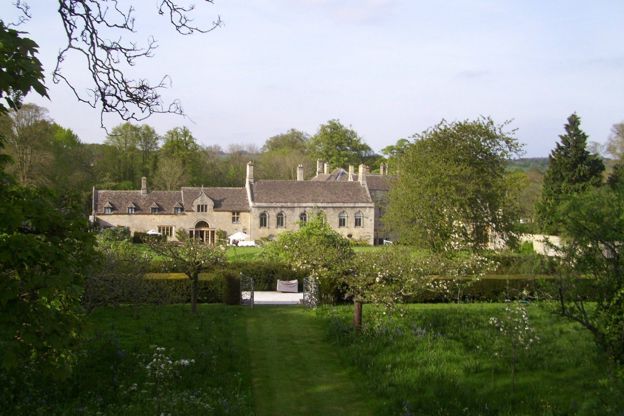
Burford Priory is a Jacobean mansion on the site of a medieval hospital in Burford, remodelled by Speaker Lenthall in the seventeenth century, with his chapel of 1661 to 1662 beside it. Grade I; a private house, seen only from Priory Lane.
-
St John the Baptist, Burford
Sight · Church · Burford
St John the Baptist is Burford's great wool church by the Windrush: Norman at its core, with a fan-vaulted porch, the Tanfield and Harman monuments, and the font where a Leveller carved his name before three were shot in 1649. Grade I; open daily, free.
Stories about Burford
-
Antiques and shopping in the Cotswolds
Story · Guides · 9 minute read
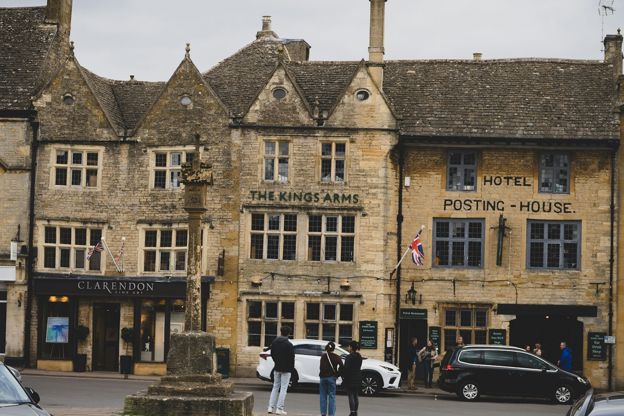
The antiques towns of Stow, Tetbury, Burford, Broadway and Cirencester, the shopping villages, the makers of Chipping Campden and Stroud, the fairs, the bookshops, Daylesford and Burford Garden Company, and what the Cotswolds are known for buying.
-
Clarkson's Farm: visiting Diddly Squat and the Farmer's Dog
Story · Guides · 7 minute read
Where Clarkson's Farm is made, what you can and cannot see at Diddly Squat Farm Shop near Chadlington and at the Farmer's Dog near Burford, and how to visit without the worst of the queues.
-
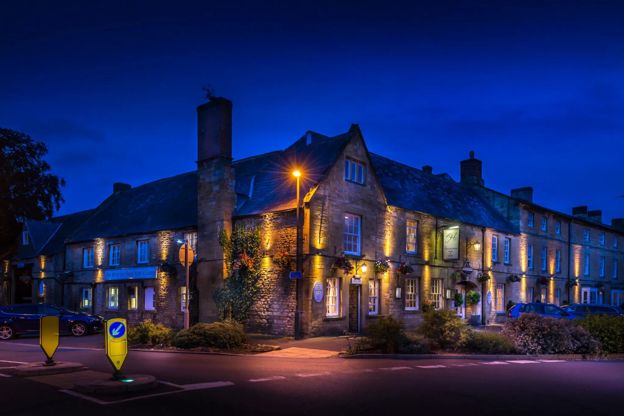
Cotswold pubs and the breweries behind them
Story · Guides · 4 minute read
Donnington, Hook Norton, Arkell's and Wadworth, the newer breweries at Uley and Stroud, the old coaching inns and the village pubs with rooms: a guide to Cotswold pubs.
Getting to Burford
- By bus
- The X52 (Oxford, Witney, Burford, Cheltenham) runs up to every two hours Monday to Saturday, with fewer on Sundays, from the Oxford Road layby above the town. The 233 links Burford with Witney.
- By train
- Charlbury and Kingham, on the line from London Paddington, are about 9 and 11 miles away by road; take a taxi from either.
- Parking
- Guildenford car park is free, with 4-hour and 10-hour bays and three for Blue Badge holders.
Access
The Tolsey Museum's rooms are up a flight of stairs, with no lift. The X52 bus stops at the Oxford Road layby above the town, so arriving by bus means the walk down the High Street and back up it.
| Cotswold Wildlife Park | 2.5 mi |
|---|---|
| Witney | 8.1 mi |
| Northleach | 9.3 mi |
| Oxford | 19.9 mi |
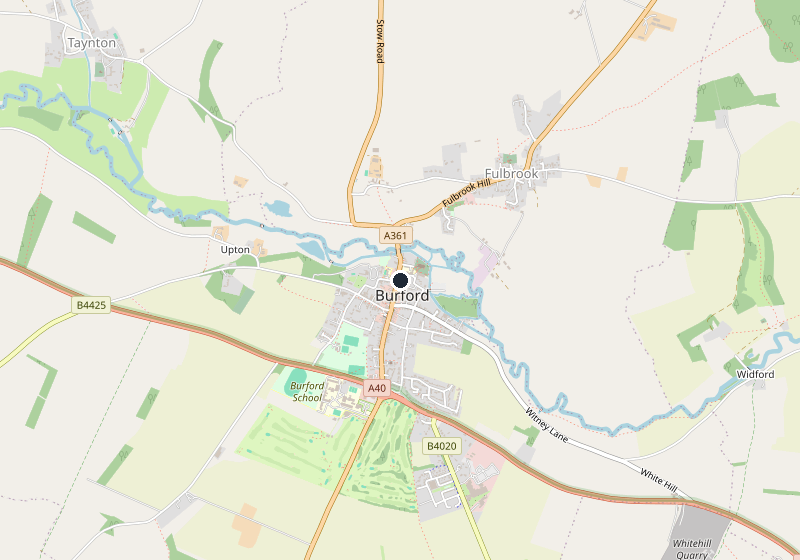
Places near Burford
-
 NorthleachA small wool town in the Leach valley with one of the great Cotswold wool churches, its floor full of brasses to the merchants who paid for it, and a Georgian prison.
-
 Minster LovellA village in three parts on the Windrush west of Witney: the old street of thatched cottages ending at a Grade I church and the free ruins of Minster Lovell Hall, a Chartist settlement on the main road above, and a river people swim in.