Stuart Logan, CC BY-SA 2.0, via Wikimedia Commons
Minster Lovell
A village in three parts on the Windrush west of Witney: the old street of thatched cottages ending at a Grade I church and the free ruins of Minster Lovell Hall, a Chartist settlement on the main road above, and a river people swim in.
- Nearest station
- Charlbury, about 9.5 miles, then a taxi; or the 233 bus from Witney
- Parking
- St Kenelm's small car park if there is space (English Heritage's advice); Wash Meadow car park (OX29 0RN), visitor use unconfirmed. No lane parking
- Best time
- A spring weekday morning, or late on a summer afternoon for light on the ruins
- When it's busy
- Summer weekends from midday, when the car parks fill and the meadow by the bridge is busy; early mornings are quieter
- Toilets
- None at the hall, English Heritage says; St Kenelm's church lists toilets among its facilities; the Old Swan's are for customers
- Dogs
- On leads at the hall; welcome in 32 dog-friendly rooms across the Old Swan and Minster Mill, £25 a dog a night, arranged by phone
About Minster Lovell
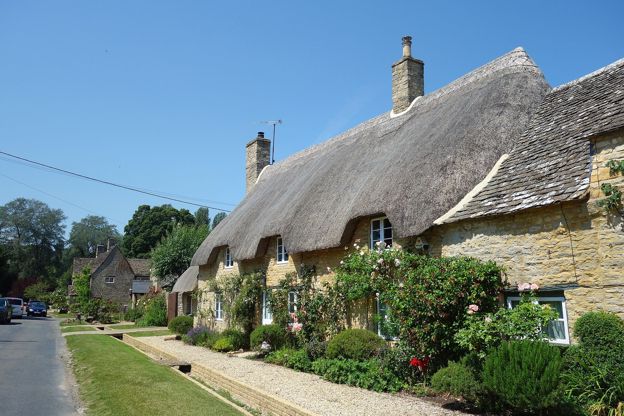
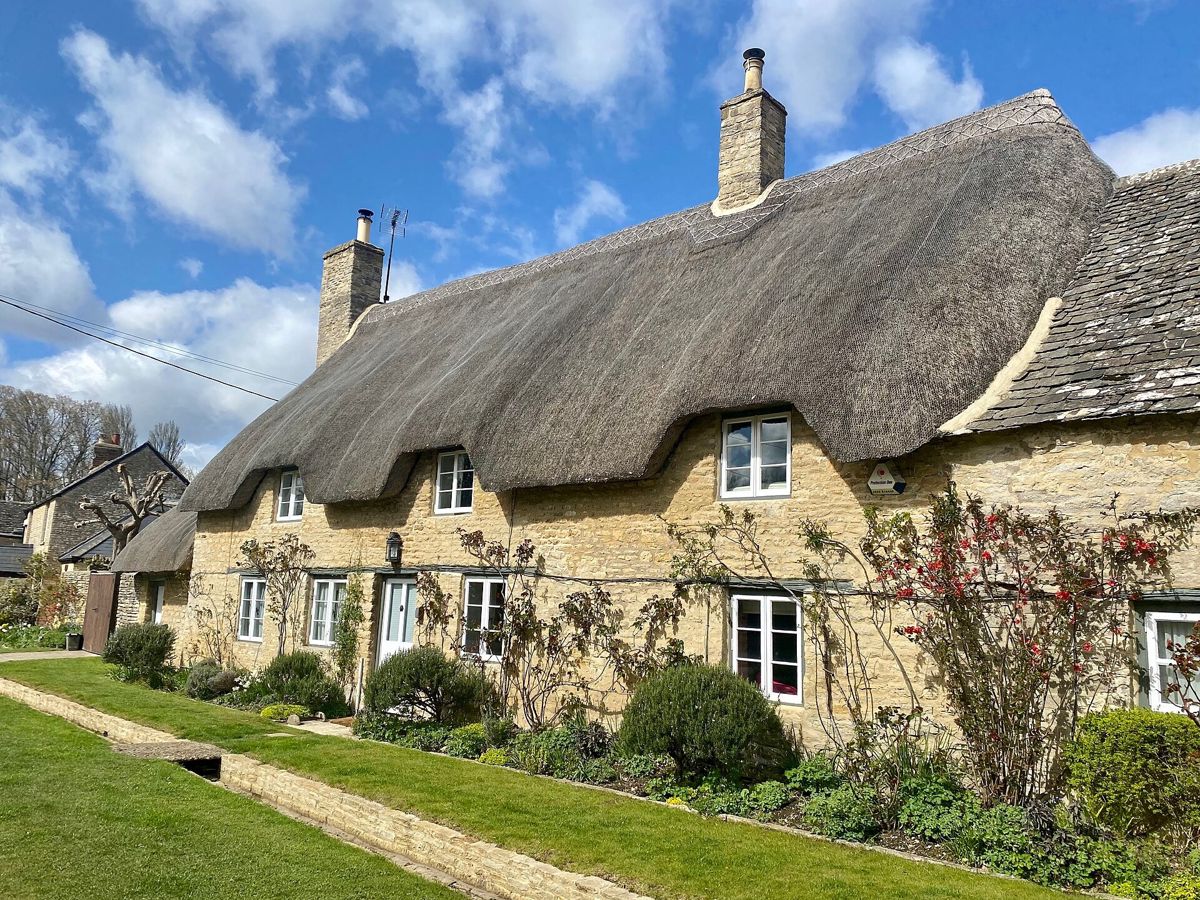
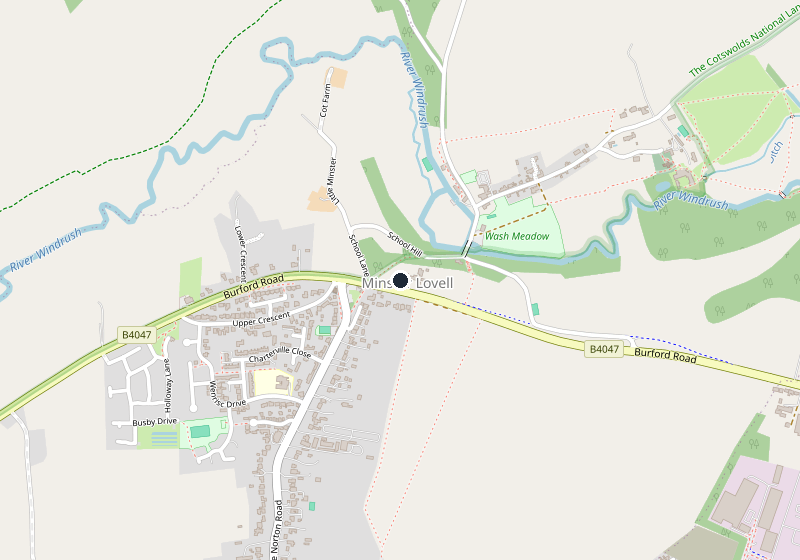
Minster Lovell is three villages with one name, strung along the River Windrush 3 miles west of Witney. Old Minster is the one people come for: a single street of thatched and stone-slated cottages that runs from the bridge past the Old Swan to a dead end at the church and the ruined hall. Little Minster sits across the river, and Charterville, up on the main road, is a grid of smallholdings laid out for Chartists in the 1840s. About 1,400 people live in the parish.
What to see
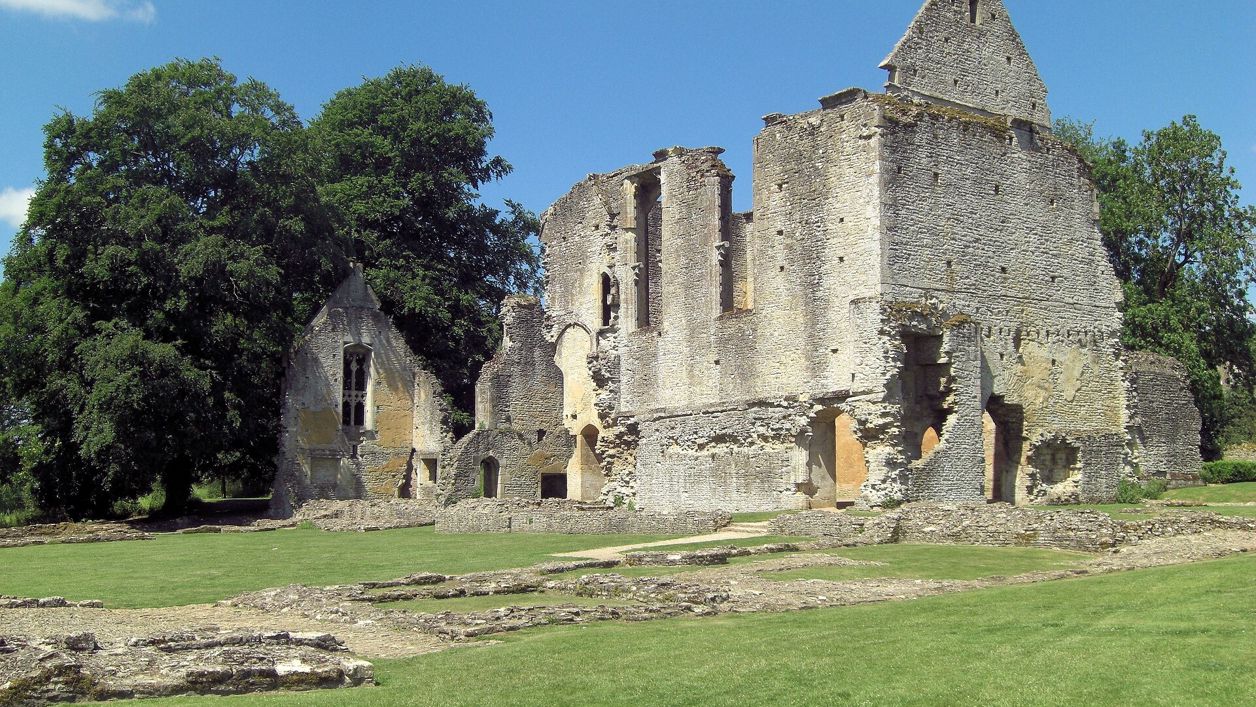
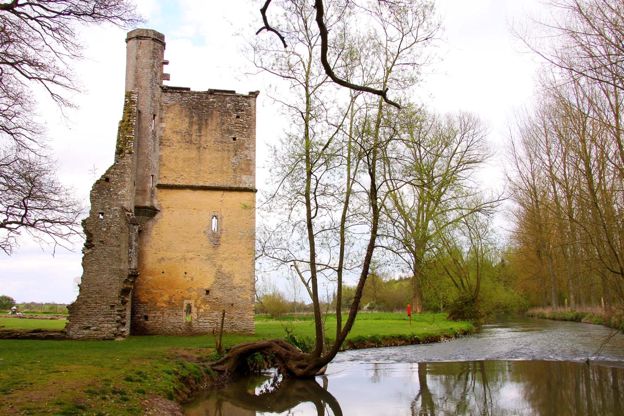
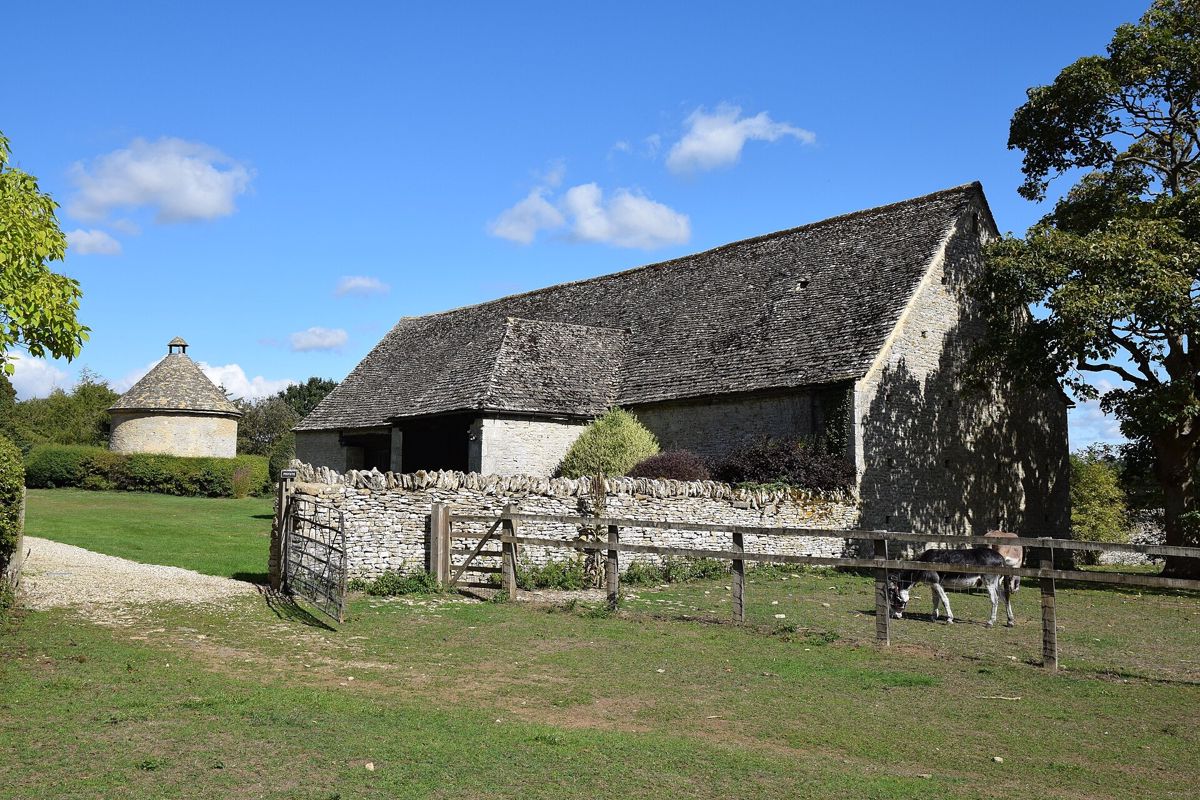
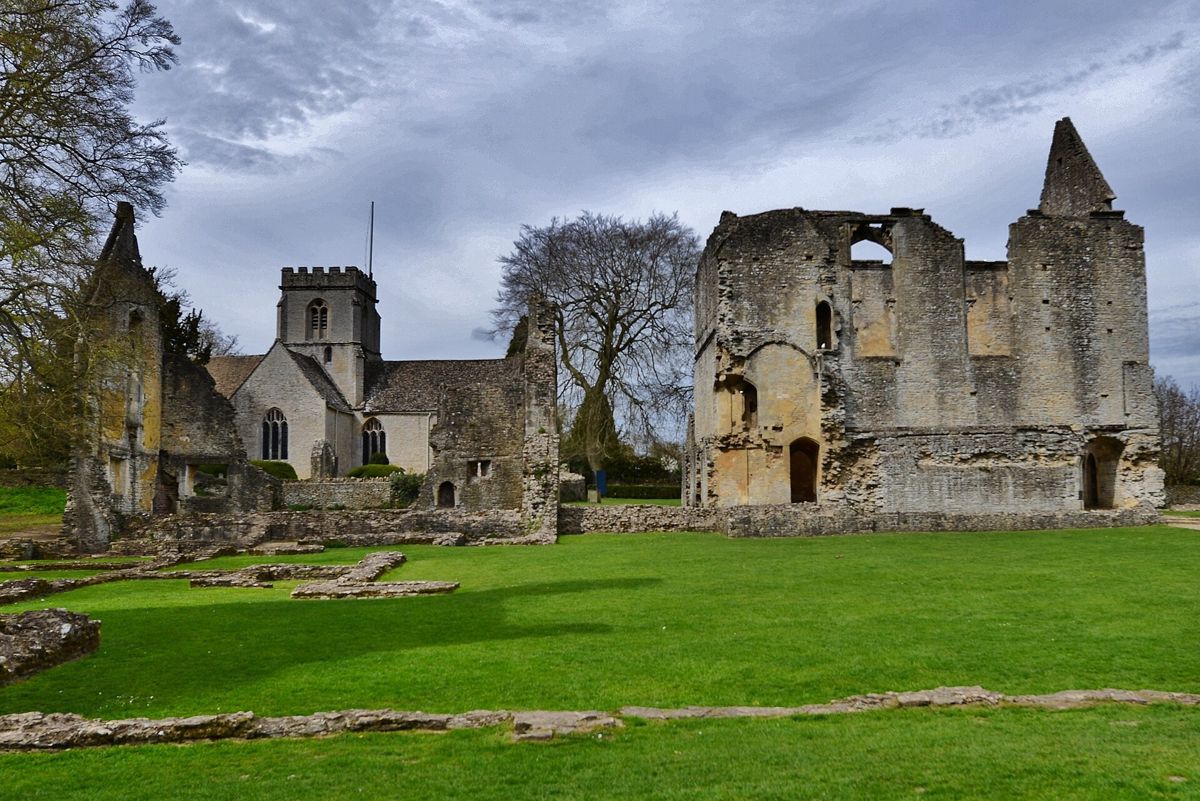
Minster Lovell Hall and Dovecote are the ruins of a great house built in the 1430s by William, Lord Lovell, on the bank of the river. English Heritage keeps them free and open at any reasonable time in daylight: the hall's tall windows, the four-storey south-west tower added later in the century, and the round fifteenth-century dovecote about 100m away in a field, which you see from the outside only. There are no toilets and no shop; the guidebook is sold in the church. The ground is uneven and the water beside the walls is deep. The stories of the lord who vanished after the battle of Stoke, the skeleton at the table and the bride in the chest are legends, and we keep them apart from the record in three dooms at Minster Lovell Hall.
St Kenelm's stands whole beside the ruin. Lord Lovell probably rebuilt it in the mid fifteenth century, when he built the hall, and it has hardly changed: a cross-shaped church with a vaulted crossing under its central tower, an alabaster tomb in the south transept that is probably his, fifteenth-century pews and font. It is Grade I and free, and the church says it is open every day from morning until dusk.
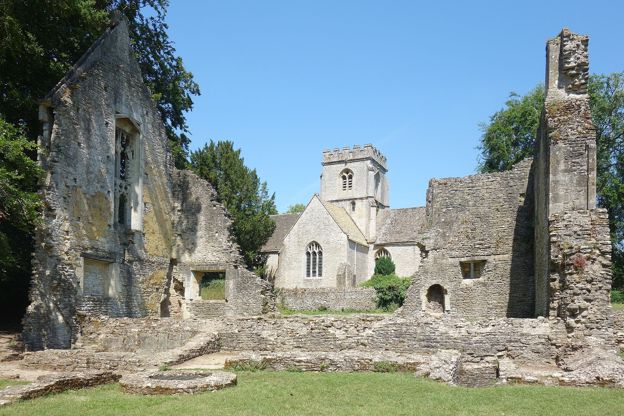
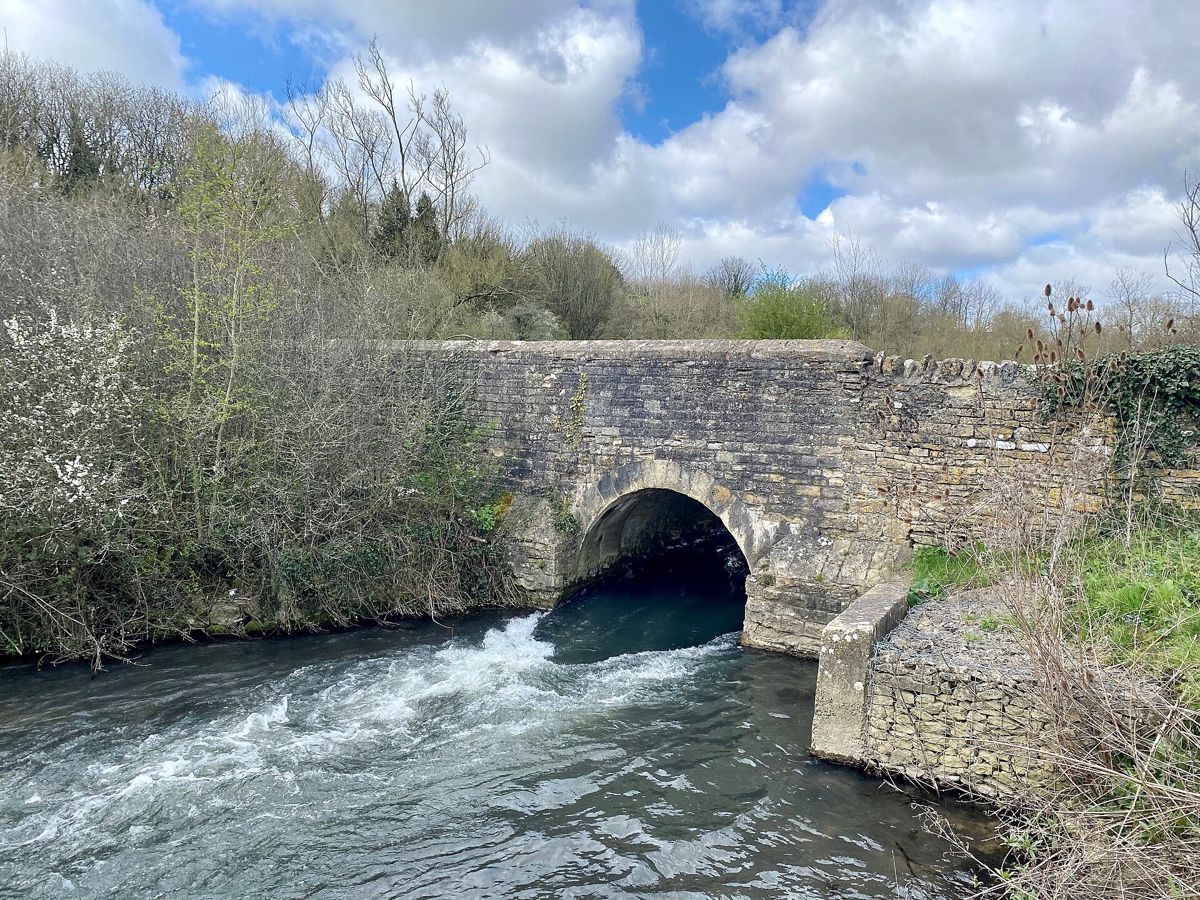
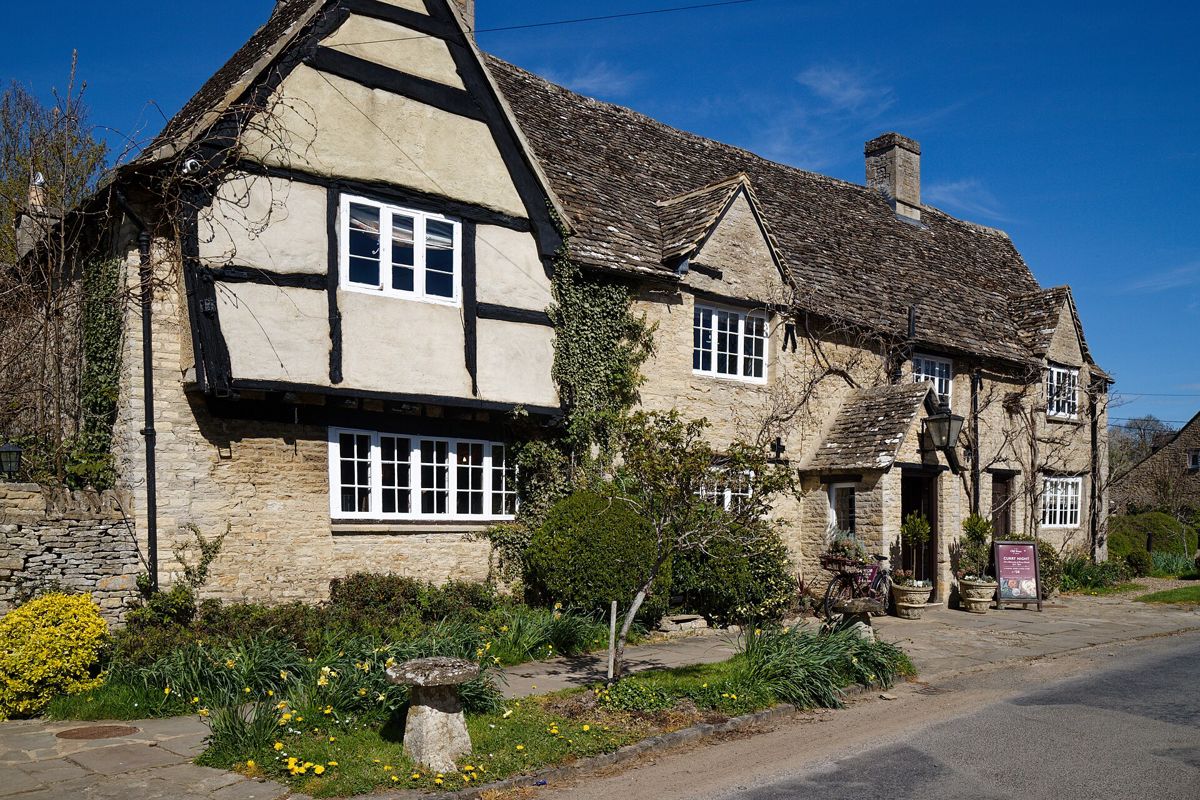
The village street is the third sight. Minster Lovell Bridge, by the car park, is probably early nineteenth century, a three-arched bridge and a single-arched one built as one structure; the Victoria County History records a stone bridge here by 1197. The Old Swan beside it is probably the oldest house in the village, with a timber-framed cross-wing probably of the sixteenth century, and the worn base of a cross, probably fifteenth-century, stands just west of it. Beyond are the thatched cottages.
Swimming in the Windrush
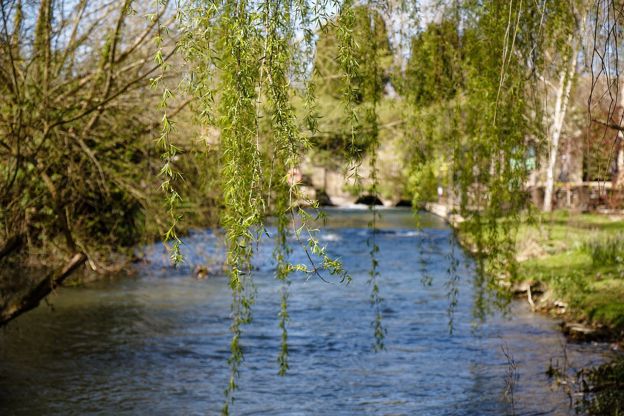
People swim and paddle in the Windrush here, from the meadow by the bridge and below the hall, mostly in summer. We do not tell you not to, but you should know three things. The river has no designated bathing water, so nobody tests it for bathing. Thames Water's storm overflows discharge untreated sewage into West Oxfordshire's rivers, for more than 27,000 hours in 2024 by the district council's count, and Windrush Against Sewage Pollution (opens in a new tab), the local campaign founded in 2017, publishes what it finds. And English Heritage marks the water beside the ruins as deep. If you swim, do it on a dry spell, never within a day or two of heavy rain, away from the walls, and keep your head up. Wild swimming in the Cotswolds has the care code and the other places to swim.
An afternoon here
Park at Wash Meadow and cross the bridge to the Old Swan. Walk the village street east, slowly; it is about 600m to the church and there is no footway, so keep to the edge. Look at the church first, then the ruins, then the dovecote across the field. Come back the same way for tea at the Old Swan, or carry on over the fields to Crawley and back along the river, which turns the afternoon into a walk of an hour and a half.
Walks
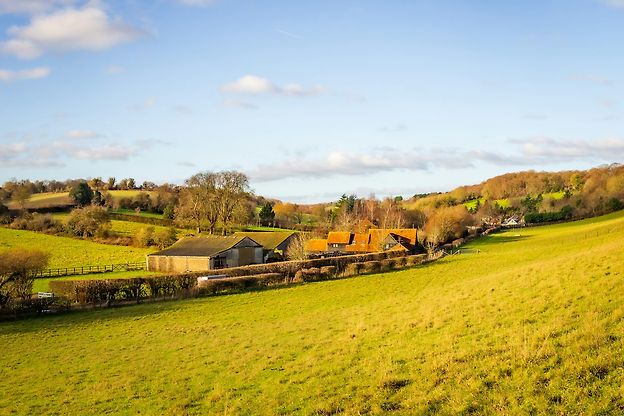
Minster Lovell, Crawley and the Windrush is a 3.7-mile (6km) circular from the bridge: over the fields to Crawley, whose bridge of three round arches is probably late eighteenth century, and back along the river past the hall, the dovecote and the church. It is easy, about an hour and a half, with three stiles on the way to Crawley and kissing gates along the river, where cattle may be grazing. It is wet in winter: walkers on AllTrails reported the riverside flooded and muddy enough for wellingtons in December 2025, the path just beyond Crawley impassable in January 2026 and fields too muddy to cross in March 2026. In August and September 2026 walkers reported herons, a red kite and a kingfisher by the river.
Food and drink
The Old Swan is the pub, and the only place to eat in the old village: a snug, a dining room and a terrace with Aunt Sally in the garden, food every day from midday to 9pm and a Sunday roast until 5pm, and bedrooms in and around the building. Across the road, Minster Mill is its sister hotel on the mill site the county history records by 1197, with a spa, 65 acres by the river and a restaurant that serves dinner from Tuesday to Saturday. The White Hart on the Burford road is the Charterville pub, where the bus stops: closed on Mondays and Tuesdays, with food from Wednesday to Friday at lunch and from 5.30pm to 8.30pm, all day to 8.30pm on Saturdays and from noon to 4pm on Sundays.
The Cotswolds Info newsletter
Events, new places and the best of the season, about once a month. Unsubscribe at any time.
When to come
Spring and early autumn are best, when the meadows are dry and the ruins are quiet. Summer weekends bring swimmers and picnics to the bridge from midday, and the two small car parks fill; come before 10am or after 4pm, when the low sun is on the hall. Winter floods the riverside path, though the hall and church stay open. There is no annual event to plan around; the village's own day is Remembrance Sunday, when the parade leaves St Kenelm's Hall on the Brize Norton road for the war memorial (10.20am on Sunday 8 November 2026, the parish council says).
Last verified 1 November 2026 by our editors
Part of
The Oxfordshire Cotswolds
The Windrush and Evenlode valleys on the Oxfordshire side of the hills: Burford's High Street, Kingham on the railway, Witney's blankets and Woodstock at Blenheim's gates.
Things to do in Minster Lovell
Parks and gardens · Swinbrook and Asthall
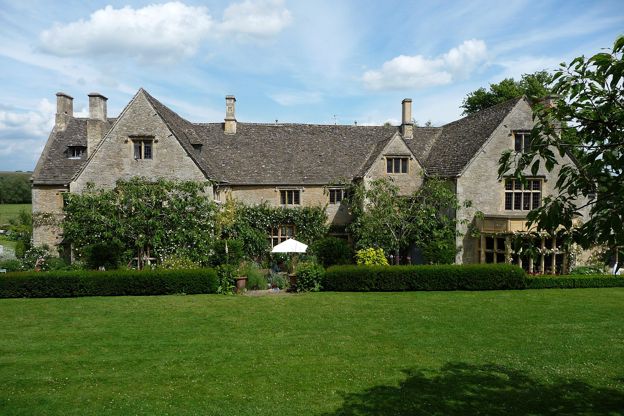
Asthall Manor
The Jacobean manor at Asthall where the Mitfords lived from 1919 to 1926, with a garden by Isabel and Julian Bannerman open on set afternoons in February, May and June.
Where to stay in Minster Lovell
-

Old Swan
Inn · Witney
A 15th-century pub with rooms at Minster Lovell, sister to Minster Mill, three miles west of Witney, serving food every day from noon to 9pm.
Dog-friendly
Verified Oct 2026
-
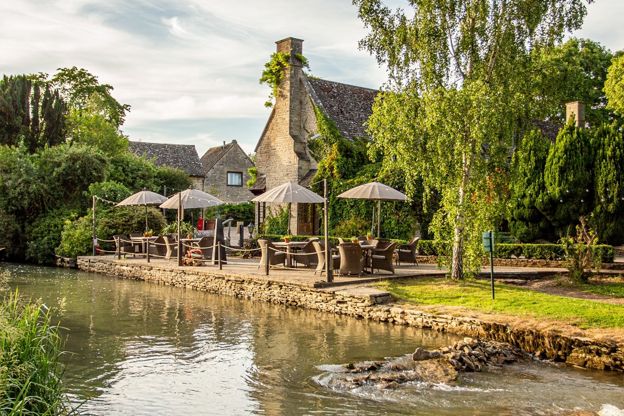
Minster Mill
Hotel · Witney
A spa hotel in 65 acres on the River Windrush at Minster Lovell, three miles west of Witney, with a pool, a restaurant and dogs in 32 rooms.
Dog-friendly · Wedding venues · Family-friendly
Verified Nov 2026
Where to eat and drink in Minster Lovell
-
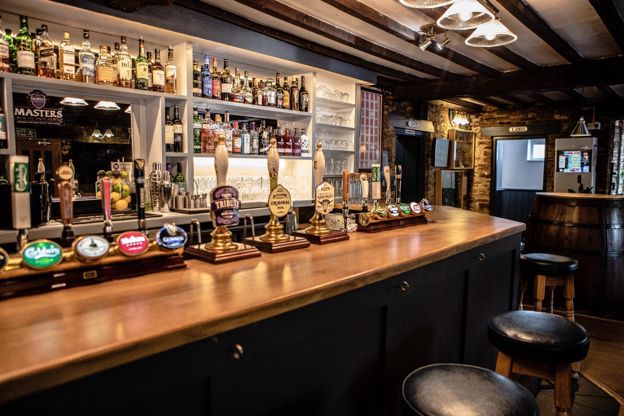
The White Hart
Pubs · Minster Lovell
A Grade II eighteenth-century pub on the Burford road at Minster Lovell, by the Chartist settlement of Charterville, with a seasonal menu, pizzas to take away and Sunday roasts.
Verified Nov 2026
-
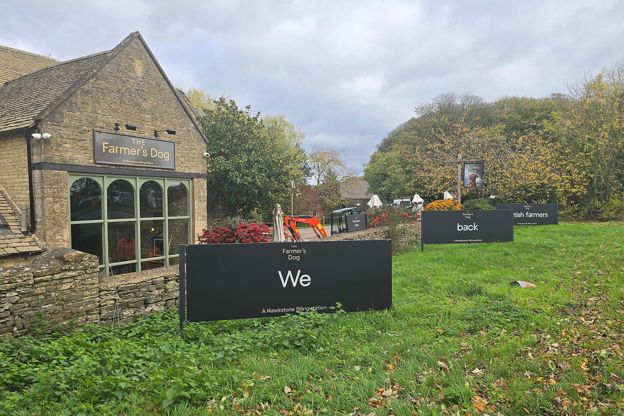
The Farmer's Dog
Pubs · Swinbrook and Asthall
Jeremy Clarkson's pub on the A40 at Asthall Barrow, near Burford, opened in August 2024, serving only British food and drink, with a food truck, a butcher and the Diddly Squat farm shop.
Dog-friendly
Verified Oct 2026
Walks in and around Minster Lovell
-
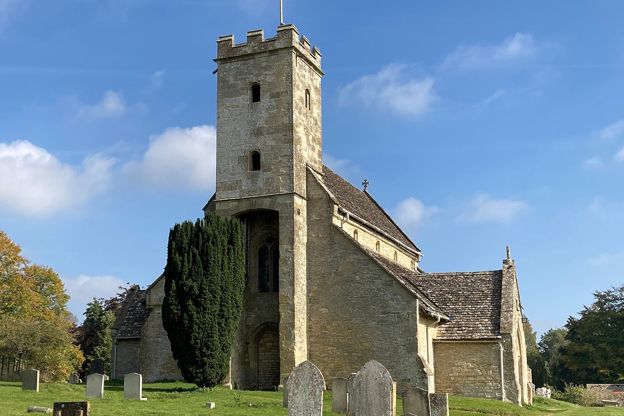
Swinbrook, Fulbrook and Widford
Walk · Starts in Burford · 2 hrs · Circular · Dog-friendly
A 4.3-mile (6.9km) easy loop of about two hours from the Swan at Swinbrook: north on a lane and west over fields to Fulbrook, back by a lane, then down a wooded valley to Widford's lone church and along the Windrush to the Mitford graves at St Mary's.
Sights in and around Minster Lovell
-
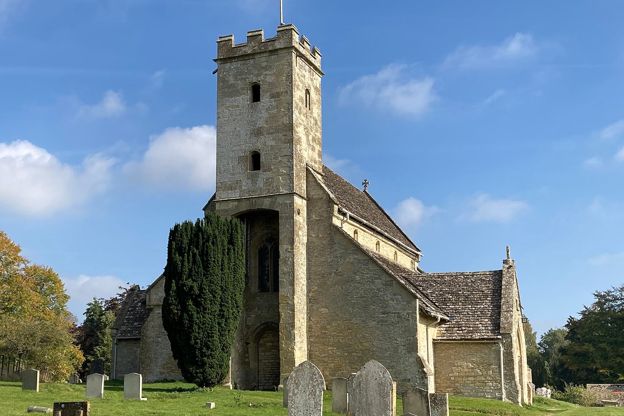
St Mary's Church, Swinbrook
Sight · Church · Burford
St Mary's in Swinbrook, near Burford, is a medieval church by the Windrush with the stacked Fettiplace effigies in its chancel and, in the churchyard, the graves of four Mitford sisters, Nancy, Pamela, Diana and Unity; their parents lie there too. Open daily. Grade II*.
-
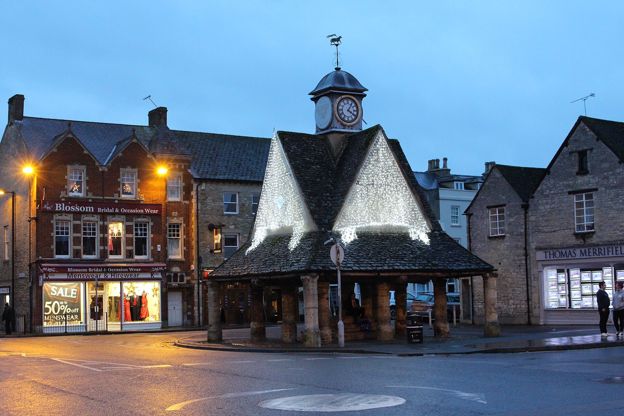
Butter Cross, Witney
Sight · Historic building · Witney
The Butter Cross is Witney's open market house in the Market Square, built soon after 1606 on 13 stone pillars, probably round an older cross, with a clock turret and sundial added in 1683 by William Blake of Cogges. Grade II* and scheduled; free to walk under.
-
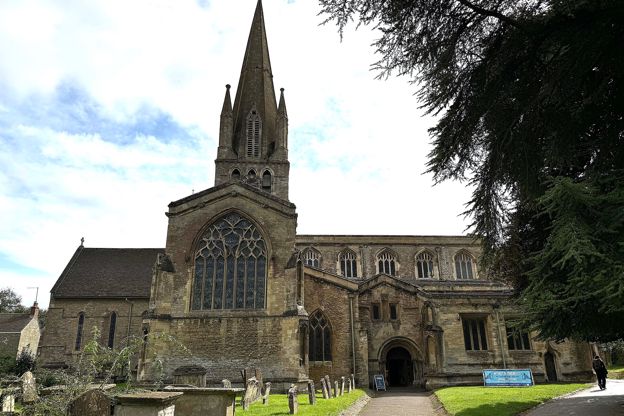
St Mary's Church, Witney
Sight · Church · Witney
St Mary the Virgin is Witney's cross-shaped parish church at the south end of Church Green, rebuilt in the thirteenth century around a central tower and broach spire, with a late Norman porch and a fine fourteenth-century north transept. Grade I; open daily.
Getting to Minster Lovell
- By bus
- The 233 (Stagecoach), Witney to Burford, stops at the White Hart on the Burford road 9 minutes from Witney: about hourly Monday to Saturday, every two hours on Sundays.
- By train
- Charlbury station, on the Cotswold Line from London Paddington, is about 9.5 miles away by road; take a taxi from there.
- By car
- Turn off the A40 or the B4047 Witney to Burford road at Charterville and follow the lane down to the river.
- Parking
- English Heritage suggests St Kenelm's small car park, five minutes' walk from the hall. Wash Meadow car park by the bridge (OX29 0RN) is unconfirmed for visitors. No parking in the lane.
Access
The lane from the Old Swan to the hall is tarmac and level for about 600m with no footway; the ruins are on grass with uneven ground and deep water beside the walls. The church is open daily.
| Witney | 3.1 mi |
|---|---|
| Swinbrook | 4 mi |
| Carterton | 4.3 mi |
| Burford | 5.9 mi |
| Charlbury station | 9.6 mi |
| Oxford | 16.8 mi |
Places near Minster Lovell
-
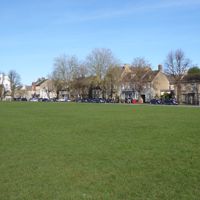 WitneyThe blanket town on the Windrush, just outside the National Landscape, with a Butter Cross, a long Church Green and Cogges manor farm, and free parking.
-
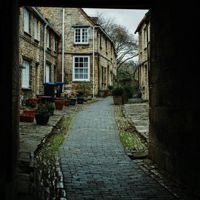 BurfordA wool and coaching town whose High Street runs downhill to a medieval bridge over the Windrush, with a Grade I church where the Levellers were held in 1649.