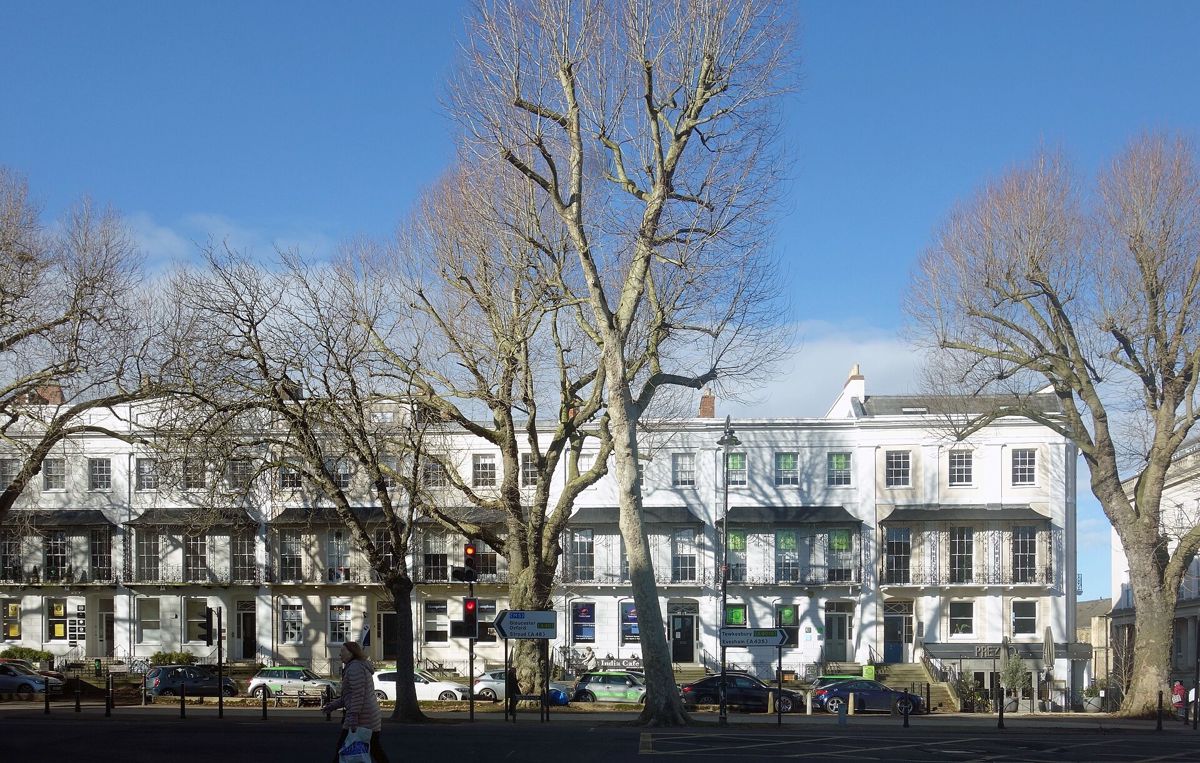
Kevin Waterhouse, CC BY-SA 2.0, via Wikimedia Commons
Cheltenham
The Regency town under the escarpment and the best bus gateway to the Cotswolds: the 801 to Bourton and Stow every day, the 606 to Winchcombe, the X52 to Burford, Cleeve Hill and Leckhampton above the rooftops, and a racecourse that fills every bed in March.
- Nearest station
- Cheltenham Spa (GL51 8NP), about 2 hours from Paddington, 40 minutes from Bristol; D bus or a mile's walk to the centre
- Parking
- Arle Court park and ride at the M5: free with the 100 bus, £3.50 return, every 15 minutes on weekdays, 20 at weekends; town car parks on cheltenham.gov.uk
- Best time
- Spring and autumn hills; Jazz in early May, Literature in mid-October
- When it's busy
- Festival week at the racecourse (16 to 19 March in 2027), when hotels for 20 miles around are full and dear; the November Meeting (13 to 15 November 2026); the four Cheltenham Festivals
About Cheltenham
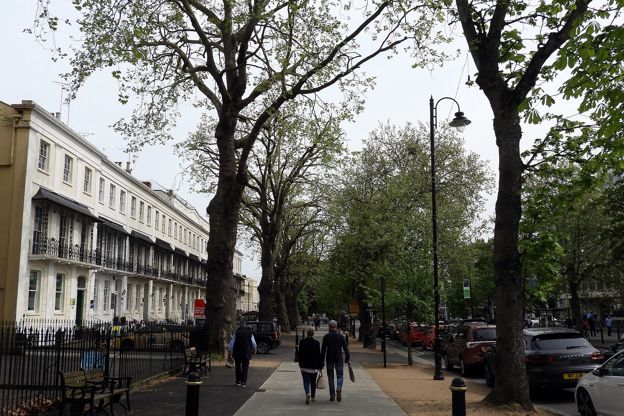
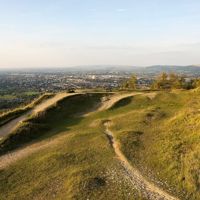
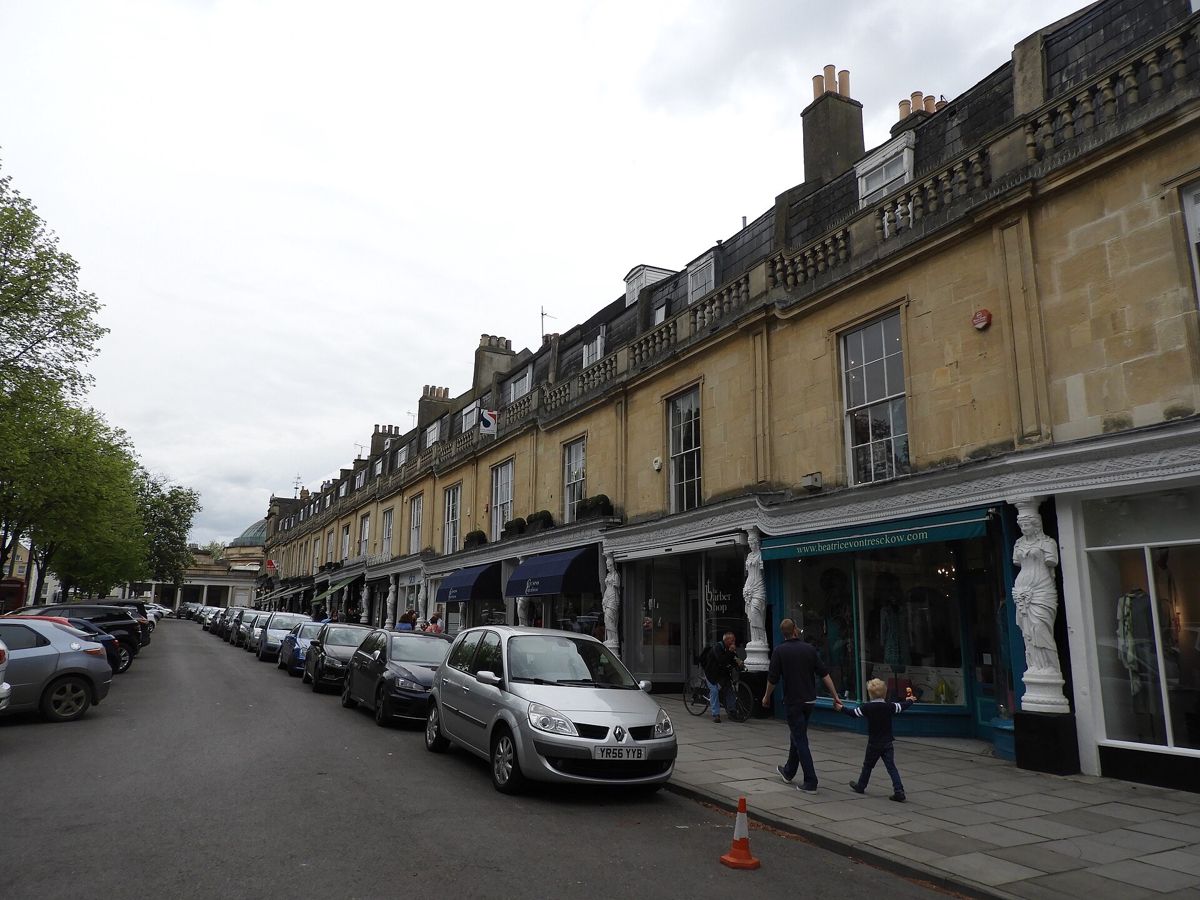
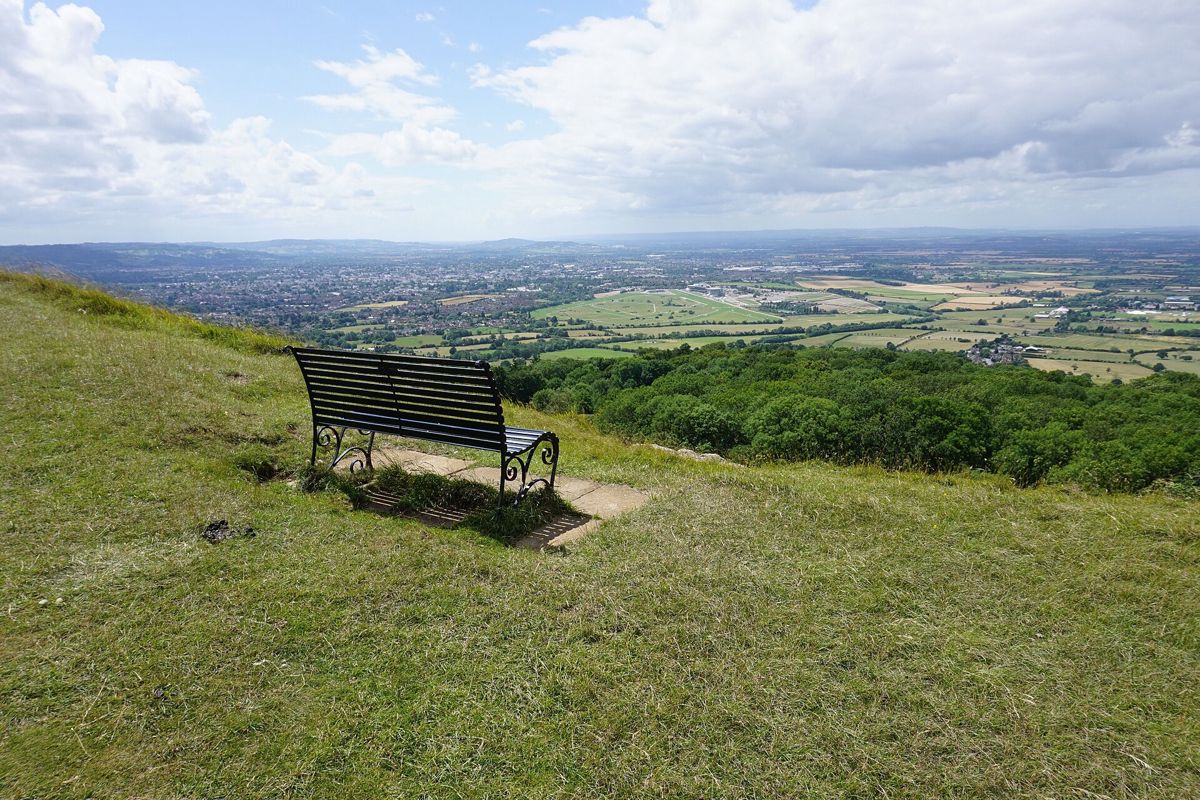
Cheltenham sits on the flat under the Cotswold escarpment, and from its Regency terraces you can see the hills close the view to the east: Cleeve Hill, the highest ground in the Cotswolds at 330m, and Leckhampton Hill with the Devil's Chimney on its face. It is a spa town of white stucco and plane trees with a racecourse at one end, and it is the best bus gateway the Cotswolds have.
Why come through here
Cheltenham is where the useful buses start. Pulhams' 801 leaves Royal Well bus station for Bourton-on-the-Water, Stow-on-the-Wold and Moreton-in-Marsh station hourly, seven days a week, about 45 minutes to Bourton. On weekdays the first goes at 7.25am and the last at 8.30pm. The 606 leaves Pittville Street at 7.40am and 8.40am and then roughly hourly to 6.20pm from Monday to Saturday for Winchcombe (48 minutes), Broadway and Chipping Campden, with the last bus back from Campden at 5.19pm and no Sunday service. The X52 runs along the A40 to Northleach, Burford, Witney and Oxford six times a day from Monday to Saturday, with two journeys on Sundays in winter and more in summer. The 51 goes about hourly (every two hours on Sundays) to Cirencester. The 66 climbs from the Promenade to Painswick and Stroud every day, about hourly from Monday to Saturday and every two hours on Sundays; the last weekday bus back leaves Stroud at 6.05pm. And the 42 from Clarence Street reaches Tewkesbury about hourly.
The railway station is on Queens Road, on the west side of town, with a taxi rank and a 286-space car park. It is about 2 hours from London Paddington direct, about 40 minutes from Bristol Temple Meads on the CrossCountry trains, which also come down from Birmingham. From the station the D bus runs into the centre. On foot it is a mile or so. By car, Cheltenham is at junctions 10 and 11 of the M5, and the Arle Court park and ride by junction 11 is the place to leave a car: parking is free if you ride the 100 bus to the Promenade, £2 single or £3.50 return, every 15 minutes on weekdays and every 20 on Saturdays and bank holidays, and every 20 minutes on Sundays from 9.25am, the last bus back from the Promenade leaving at 5.05pm. The times are on getting here.
A day in the town
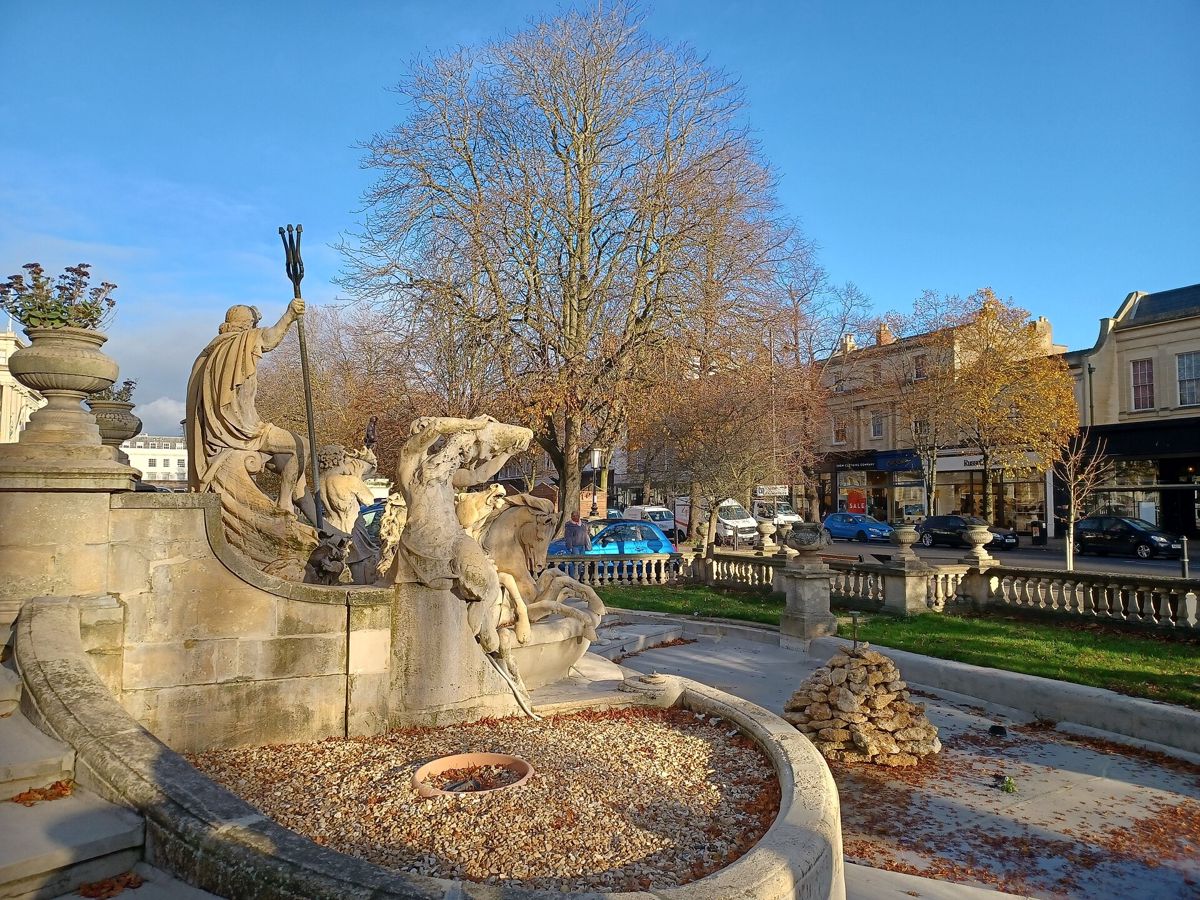
Walk the Promenade first, from the Municipal Offices to the Neptune fountain and into Montpellier. The Wilson, the town's art gallery and museum on Clarence Street, reopened its museum wing on 24 October 2026 after a refurbishment, with free entry to the museum galleries. It is named after Edward Wilson, the Cheltenham doctor who died with Scott in the Antarctic, and the Cheltenham Trust, which runs it, calls its collection of the Arts and Crafts movement the leading one of its kind. It opens Tuesday to Saturday from 10am to 5pm and on Sunday from 10am to 4pm, and is closed on Monday.
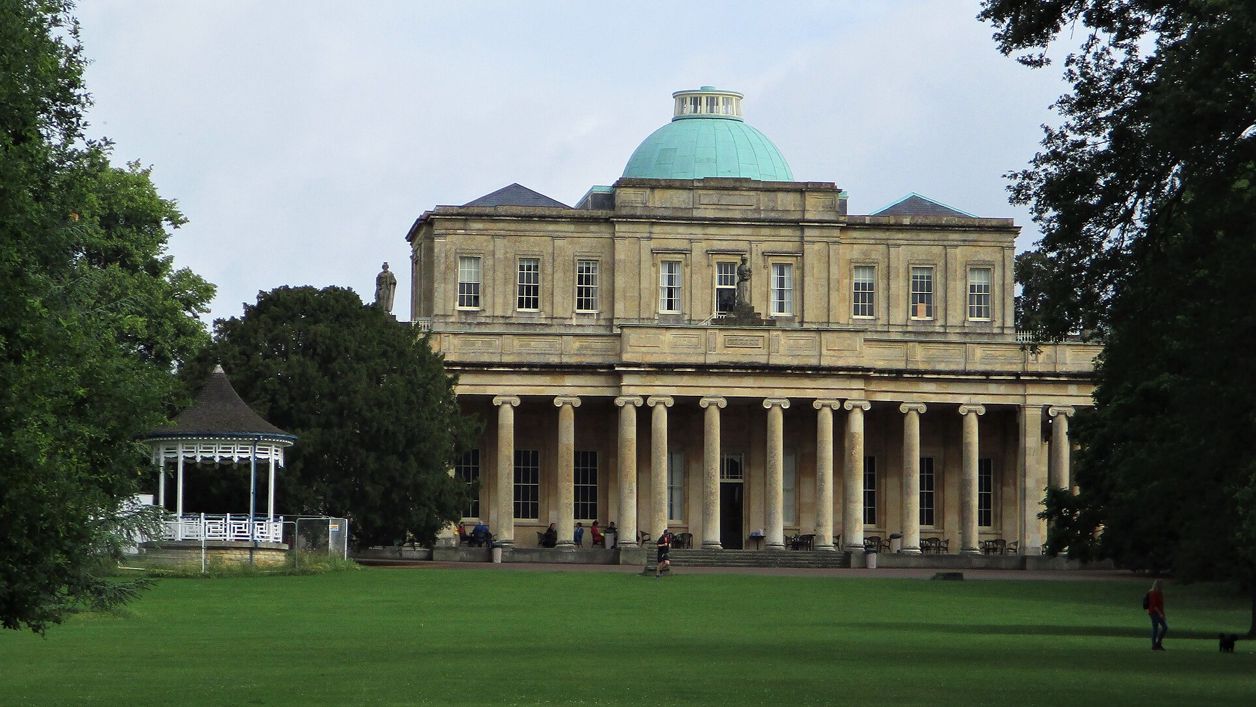
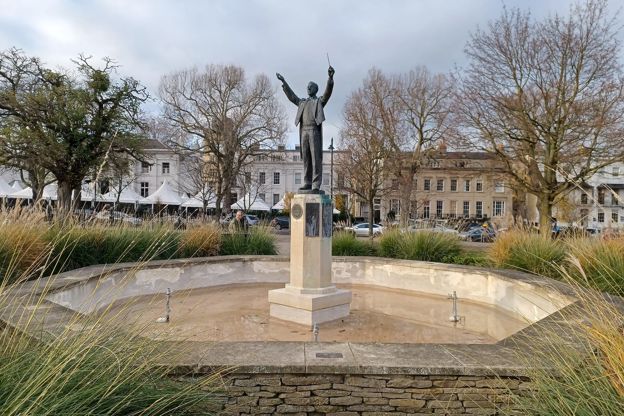
Holst Victorian House at 4 Clarence Road, a few minutes north, is the terrace where Gustav Holst was born in 1874, kept as a Victorian home with his piano in it: open from Tuesday to Saturday, 10am to 4pm, and Sunday afternoons, adult £10 (2026), last entry 3.30pm. Beyond it is Pittville Park and the Pittville Pump Room, the grandest of the town's spa buildings, finished in 1830 after five years' work, about a mile and a quarter north of the Promenade by road. Cheltenham Racecourse is at Prestbury on the north edge, about 3 miles by road from the station, with meetings from October to April; the D bus runs from the station through the centre to the racecourse, and a raceday bus runs from the station. The rest of the town is on Visit Cheltenham (opens in a new tab).
Into the Cotswolds from here
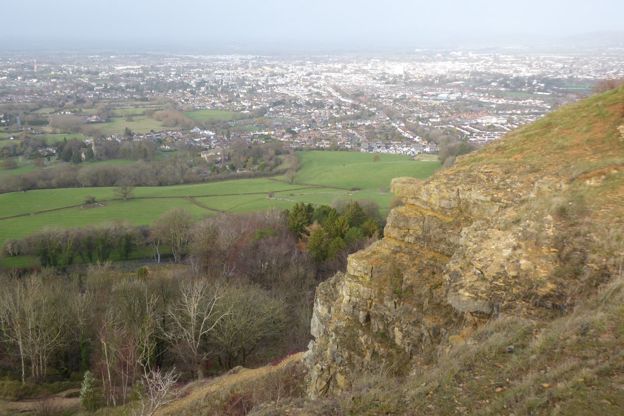
The edge above the town is the Cotswolds, and you can be on it in 20 minutes by car. Cleeve Common is over 400 hectares of limestone grassland on the top of the escarpment, with the Cotswolds' highest point, an Iron Age hill fort and a view to the Malverns and the Black Mountains. The 4-mile loop by Cleeve Cloud starts from the main road at Cleeve Hill, and the quarry car park by the golf club, £2 for 24 hours, is the place to leave a car. Leckhampton Hill, south of the town, is the other side of the view: old quarries, a hill fort, the Devil's Chimney standing off the scarp, and free car parks on Daisy Bank Road for the 4-mile walk round Charlton Kings Common. The Cotswold Way crosses both hills on its way from Winchcombe to Painswick, and the section from Winchcombe to Cleeve Hill ends on the B4632, where Stagecoach's W bus between Cheltenham and Winchcombe stops at Cleeve Hill about hourly from Monday to Saturday.
For a day loop by bus, take the 801 to Bourton in the morning, walk the river path to Lower Slaughter and back, ride on to Stow for the afternoon and come back on the same route. By car the natural circuit runs north-east: Winchcombe and Sudeley Castle, Hailes Abbey, Stanton, Snowshill and Broadway Tower, back over the top by Guiting Power and the A40. The quieter edge is south: Crickley Hill off the A417 and Painswick on the 66.

The Cotswolds Info newsletter
Events, new places and the best of the season, about once a month. Unsubscribe at any time.
When to come
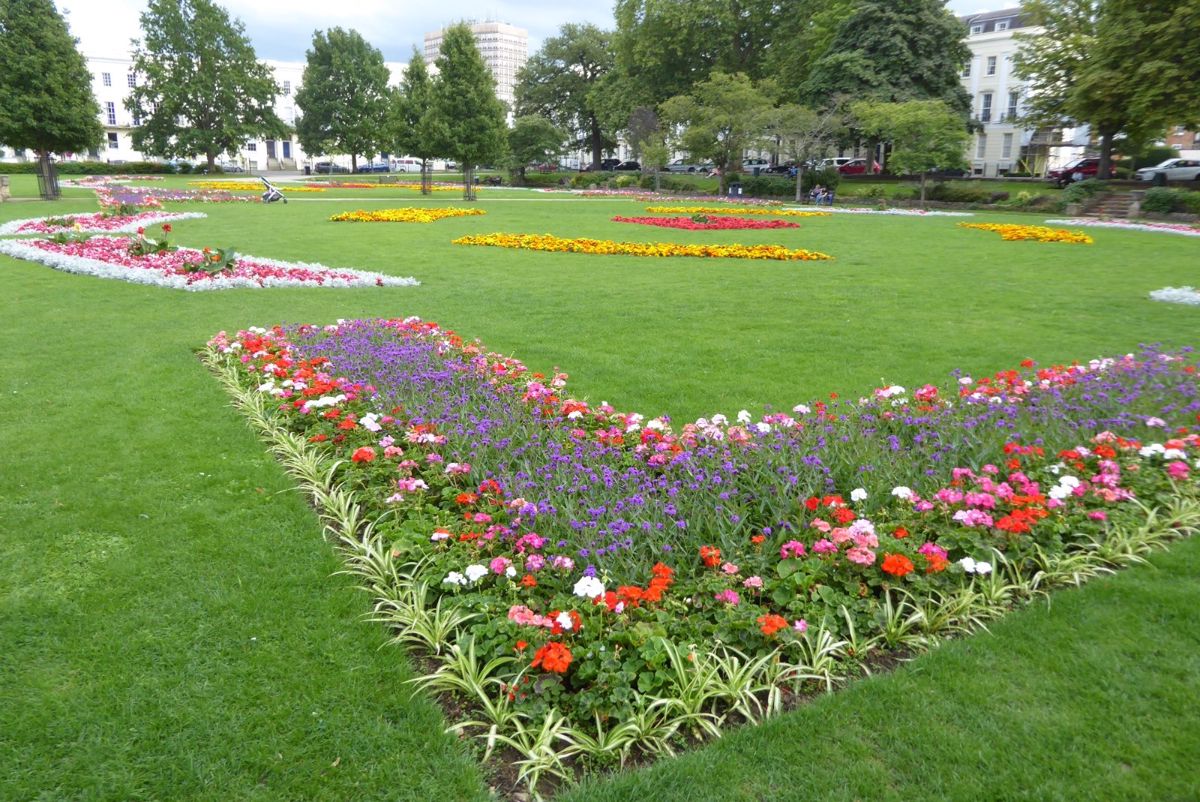
The one week to plan around is the Festival, four days of jump racing in mid-March (Tuesday 16 to Friday 19 March in 2027), when every bed in Cheltenham and for 20 miles around is taken months ahead and priced to match. The November Meeting (13 to 15 November in 2026) and New Year's Day are the lesser race days. Cheltenham Festivals run four more: Jazz over the early May bank holiday weekend, based in Montpellier Gardens (28 April to 3 May in 2027), Science in early June, Music in July and Literature for ten days in mid-October (it ran from 9 to 18 October in 2026). Outside those weeks the town is an easy base. The Cotswolds in November has the November Meeting with the rest of the month.
Last verified 1 November 2026 by our editors
Part of
The Cotswold Edge
The western escarpment, where the wolds end in a wooded edge above the Severn vale: Winchcombe and Sudeley, Belas Knap, Cleeve Hill and the Cotswold Way along the top.
Things to do in Cheltenham
Sport and activity
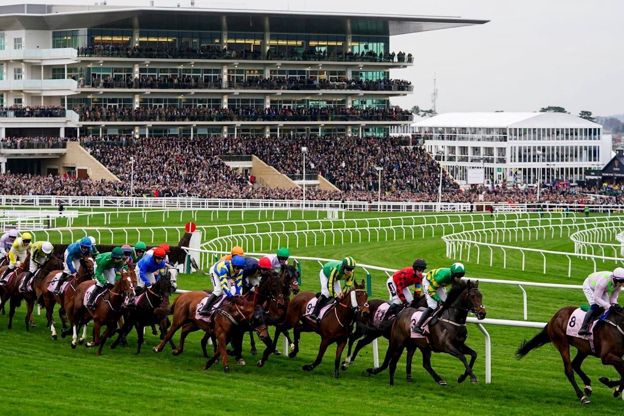
Cheltenham Racecourse
Prestbury Park, home of jump racing's Cheltenham Festival and the Gold Cup, with meetings from October to April and a race-day bus from the station.
-
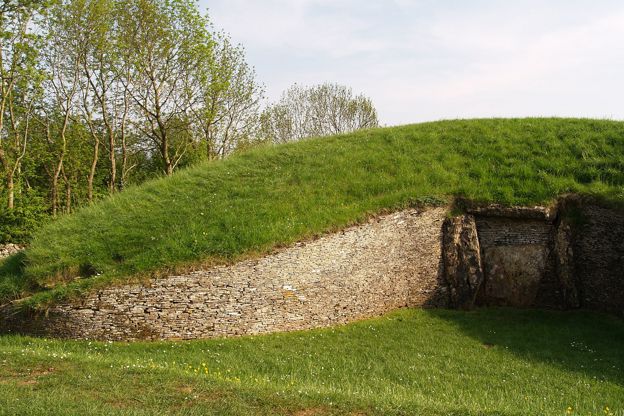
Belas Knap Long Barrow
Historic houses and heritage · Winchcombe
A Neolithic long barrow on the hill above Winchcombe, with a false entrance and side chambers, free to visit and on the Cotswold Way.
Walker-friendly
Verified Oct 2026
-
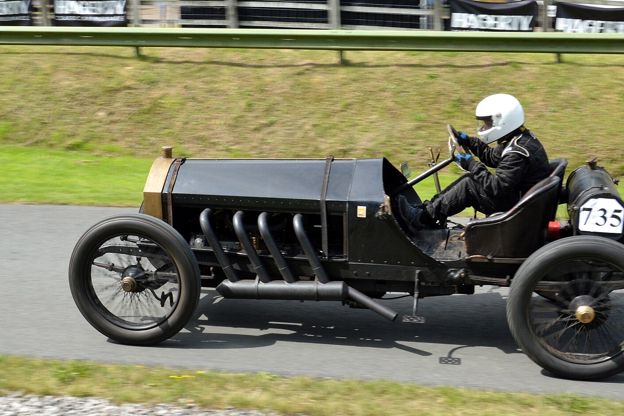
Prescott Speed Hill Climb
Sport and activity · Winchcombe
The Bugatti Owners' Club's hill climb course near Gotherington, between Cheltenham and Winchcombe, holding competitions since 1938, with spectator events from spring to November.
Verified Nov 2026
-
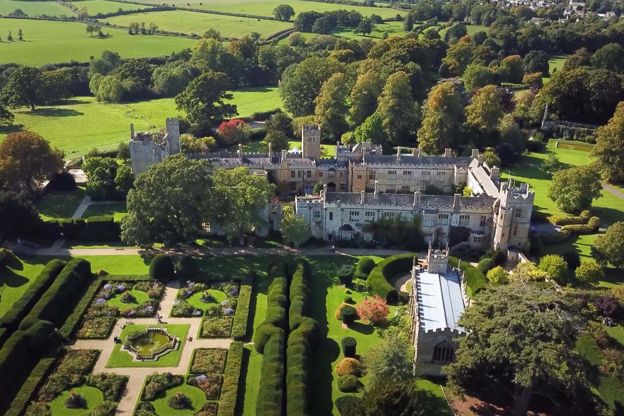
Sudeley Castle and Gardens
Historic houses and heritage · Winchcombe
A castle on the edge of Winchcombe where Katherine Parr, Henry VIII's last queen, is buried, with gardens, a Tudor history and the Dent family's home.
Family-friendly · Walker-friendly
Verified Nov 2026
Where to stay in Cheltenham
-
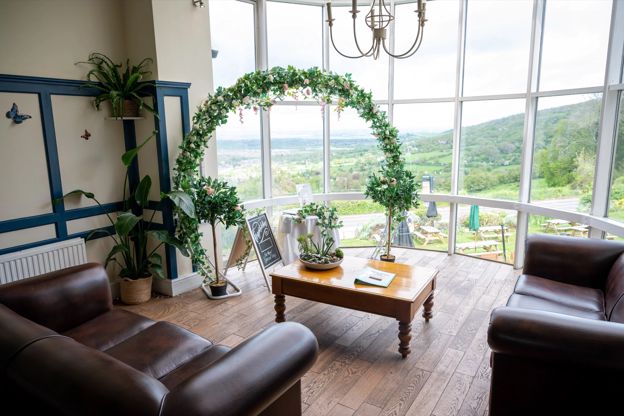
The Rising Sun Hotel
Hotel · Cleeve Hill
A Greene King Inns hotel, pub and restaurant with 23 bedrooms near the top of Cleeve Hill, with views over five counties from its beer garden.
Dog-friendly · Walker-friendly
Verified Nov 2026
-
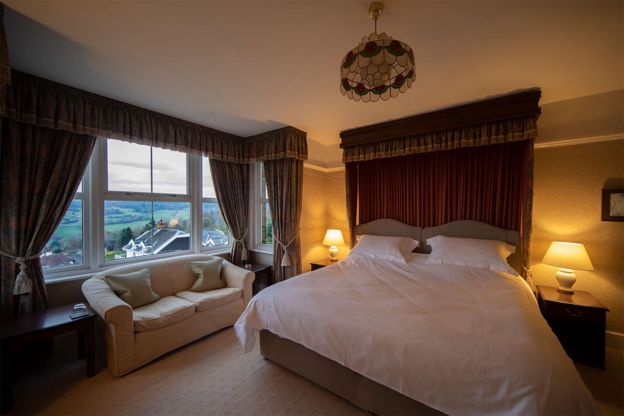
Cleeve Hill Hotel
B&B · Winchcombe
A 12-room bed and breakfast hotel on Cleeve Hill, about three miles south-west of Winchcombe, with views over the Severn Vale and a door onto Cleeve Common and the Cotswold Way.
Walker-friendly · Dog-friendly
Verified Oct 2026
-
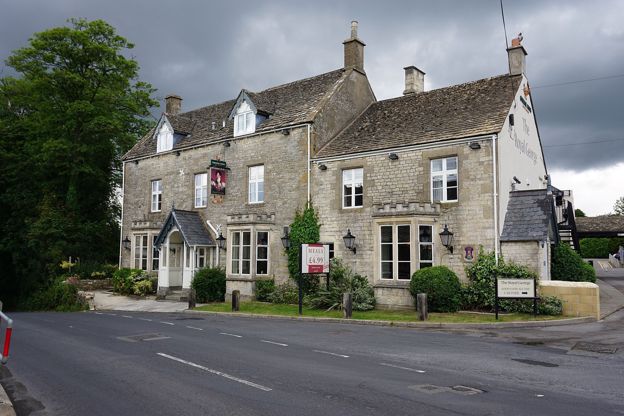
The Royal George Hotel
Pubs · The Cotswold Edge
An eighteenth-century inn in Birdlip, run by Greene King Inns, with a bar and restaurant of pub classics, a large beer garden and 34 bedrooms, where the Cotswold Way sections from Leckhampton Hill and to Painswick meet.
Dog-friendly · Walker-friendly · Family-friendly
Verified Oct 2026
Where to eat and drink in Cheltenham
-
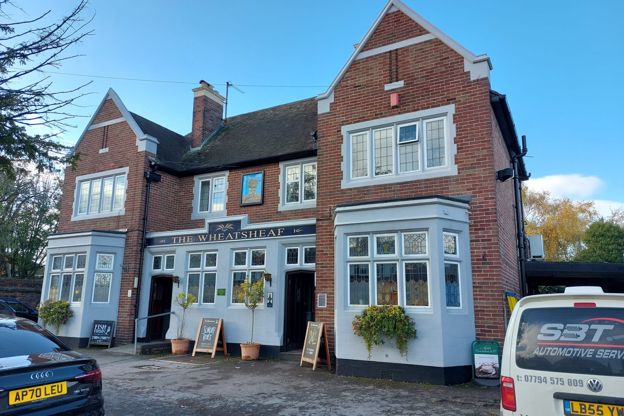
The Wheatsheaf, Leckhampton
Pubs · The Cotswold Edge
A family-run Wadworth pub on Old Bath Road in Leckhampton, below Leckhampton Hill, which Wadworth lists with a large garden, a heated patio, Sunday roasts and jazz and blues nights.
Dog-friendly · Family-friendly
Verified Nov 2026
-
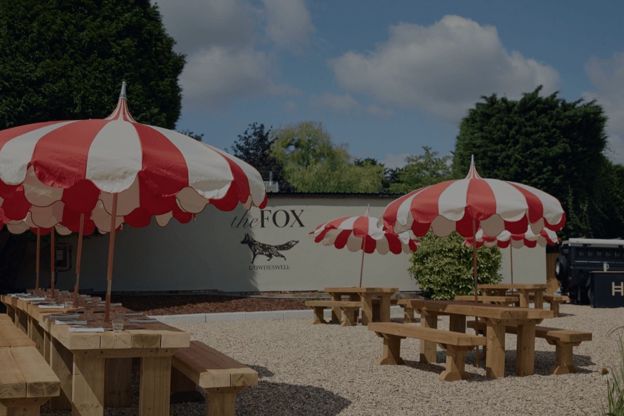
The Fox, Dowdeswell
Pubs · The Cotswold Edge
A country pub and restaurant on the A40 at Lower Dowdeswell, opened in July 2026 near the reservoir where the Cotswold Way crosses the road, with food at lunch and in the evening every day.
Walker-friendly
Verified Oct 2026
-
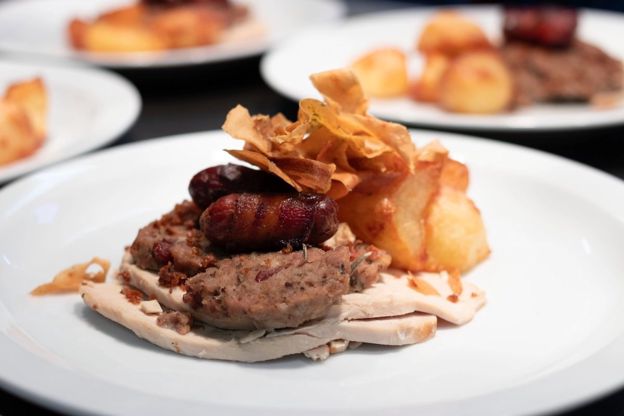
StarBistro
Cafes and tearooms · The Cotswold Edge
The restaurant at National Star college in Ullenwood, above Cheltenham, where students with disabilities serve breakfast, lunch and afternoon tea on weekdays, on the line of the Cotswold Way's 2026 diversion.
Walker-friendly · Family-friendly
Verified Oct 2026
Walks in and around Cheltenham
-
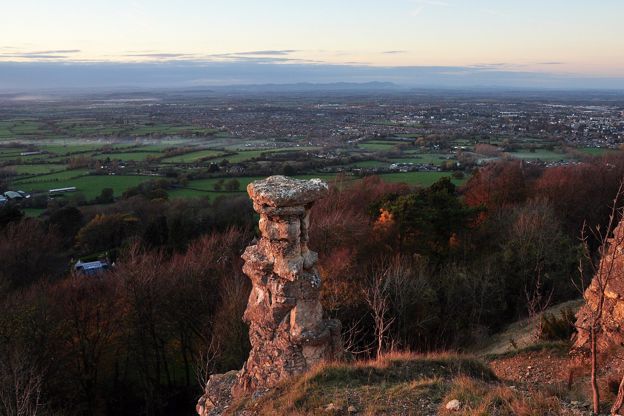
Leckhampton Hill and the Devil's Chimney
Walk · Starts in the Cotswold Edge · 2 hrs · Circular · Dog-friendly
A 4-mile (6.3km) circular walk from the Daisy Bank Road car parks above Cheltenham, about two hours and moderate, with one steep climb: round Charlton Kings Common, up onto the escarpment past the hillfort to the Devil's Chimney, and down the old quarry incline.
-
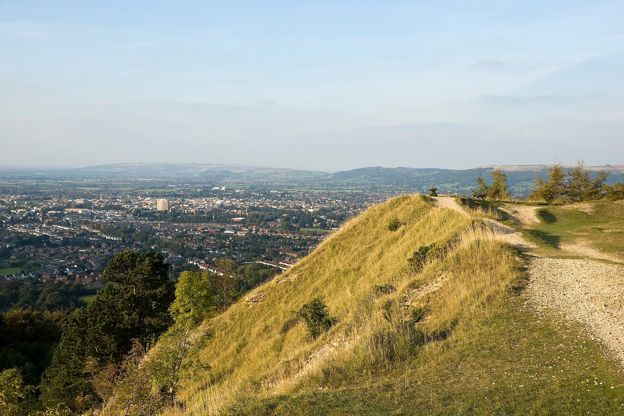
Seven Springs and Leckhampton Hill
Walk · Starts in the Cotswold Edge · 2 hrs, 30 mins · Circular · Dog-friendly
A 5.4-mile (8.7km) circular walk from Seven Springs, about two and a half hours and moderate, with steep slopes: along the Cotswold Way over Charlton Kings Common to the hillfort on Leckhampton Hill and the Devil's Chimney, and back along the foot of the common.
-
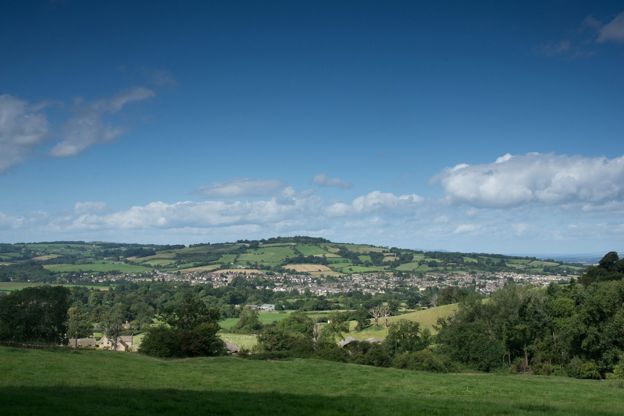
Cotswold Way: Winchcombe to Cleeve Hill
Walk · Starts in Winchcombe · 2 hrs, 45 mins · Dog-friendly
A 5.6-mile (9km) one-way walk on the fourth section of the Cotswold Way, moderate and two and a half to three hours: from Winchcombe by Sudeley up to Belas Knap, down through Breakheart Plantation to Postlip's Norman chapel, then up to the golf club on Cleeve Hill.
Sights in and around Cheltenham
-
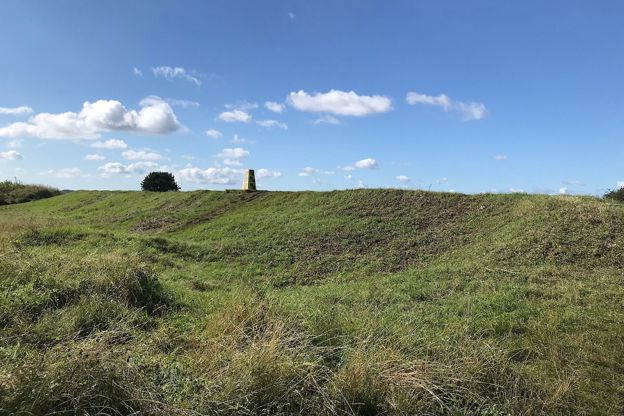
Leckhampton Camp
Sight · Hill fort or barrow · The Cotswold Edge
Leckhampton Camp is the Iron Age hillfort on the summit of Leckhampton Hill above Cheltenham: one rampart and a rock-cut ditch, an inturned entrance with two guard chambers and, to the east, a rare round barrow inside a square enclosure. Scheduled; the trig point is on its bank.
-
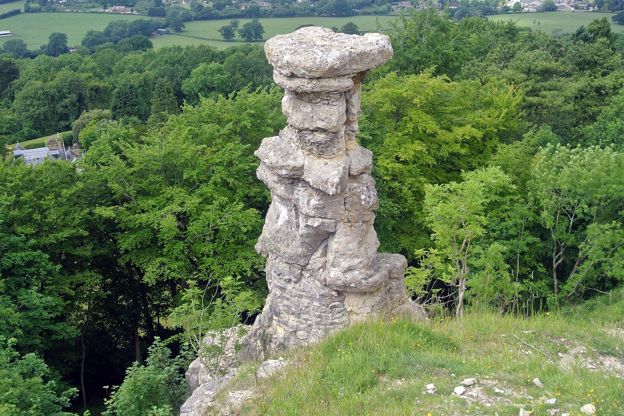
The Devil's Chimney, Leckhampton
Sight · Monument · The Cotswold Edge
The Devil's Chimney is a pillar of limestone standing below the scarp edge of Leckhampton Hill above Cheltenham, most likely left isolated when quarrymen cut an incline to the top and shaped by the weather since. Folklore says the Devil built it. Climbing it is forbidden.
-
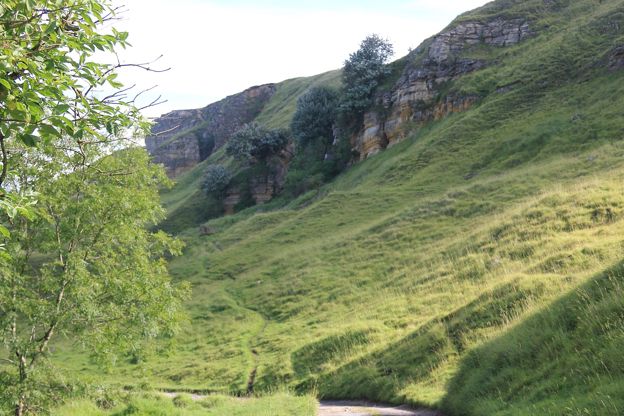
Cleeve Hill camp
Sight · Hill fort or barrow · The Cotswold Edge
Cleeve Hill camp is a small Iron Age hillfort of about 500 BC on the cliff top at Cleeve Cloud, above Cheltenham, with two rings of rampart up to 2.5m high and the scarp as its western wall. Cut by quarries and a golf course, it is a scheduled monument on Cleeve Common.
Stories about Cheltenham
-
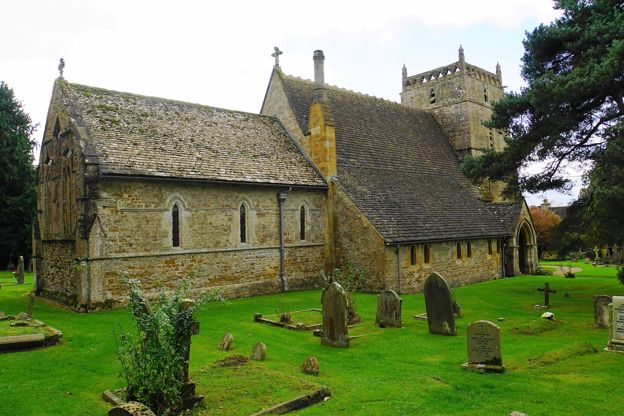
Gustav Holst and the Cotswolds
Story · History · 8 minute read
The composer of The Planets was born in Cheltenham, was organist at Wyck Rissington as a teenager and wrote a symphony called The Cotswolds: where to see and hear his Cotswold years.
-
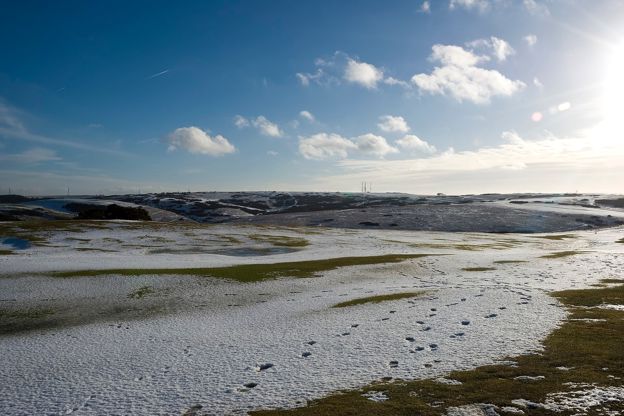
The Cotswolds in January
Story · Guides · 8 minute read
The Cotswolds in January: the quietest month, with frost on the wolds, the first snowdrops at Colesbourne and Painswick, wassails, New Year's Day racing, what is open and shut, four winter walks and the pubs with fires.
-
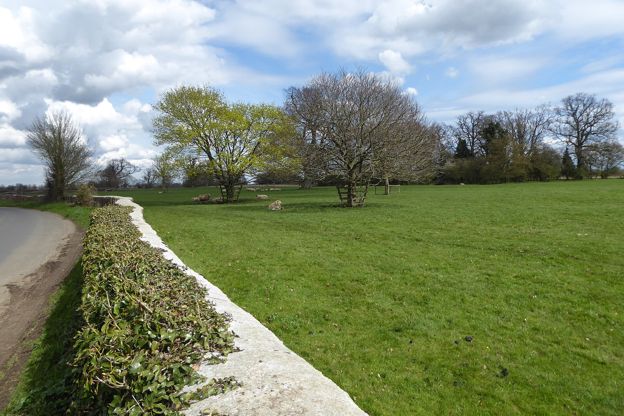
The Cotswolds in March
Story · Guides · 8 minute read
The Cotswolds in March: daffodils, lambs and the gardens reopening, the Cheltenham Festival week to plan around, Mothering Sunday and an early Easter, what opens when, three walks for the first dry days, and a day out from Winchcombe.
Getting to Cheltenham
- By train
- Cheltenham Spa (GL51 8NP) is about 2 hours from London Paddington direct, about 40 minutes from Bristol by CrossCountry and on the Birmingham line; the D bus or a walk of a mile or so to the centre.
- By bus
- The 801 from Royal Well to Bourton, Stow and Moreton station hourly every day; the 606 from Pittville Street to Winchcombe and Broadway Monday to Saturday; the X52 to Burford and Oxford.
- By bus
- Coach: National Express 444 from London Victoria and Heathrow stops at Royal Well, about 3 hours from Victoria; book ahead, outside the £3 fare cap.
- By car
- Junctions 10 and 11 of the M5; about 15 miles (25km) to Bourton by the A40 and A436, 8 miles (12km) to Winchcombe by the B4632.
- Parking
- Arle Court park and ride by M5 junction 11: free parking on the 100 bus, £3.50 return, every 15 minutes on weekdays, 20 at weekends; a racecourse shuttle in Festival week (£15 a car a day in 2026).
| Cleeve Hill | 4.3 mi |
|---|---|
| Winchcombe | 7.5 mi |
| Painswick | 10.6 mi |
| Northleach | 13.7 mi |
| Bourton-on-the-Water | 15.5 mi |
| Stow-on-the-Wold | 17.4 mi |
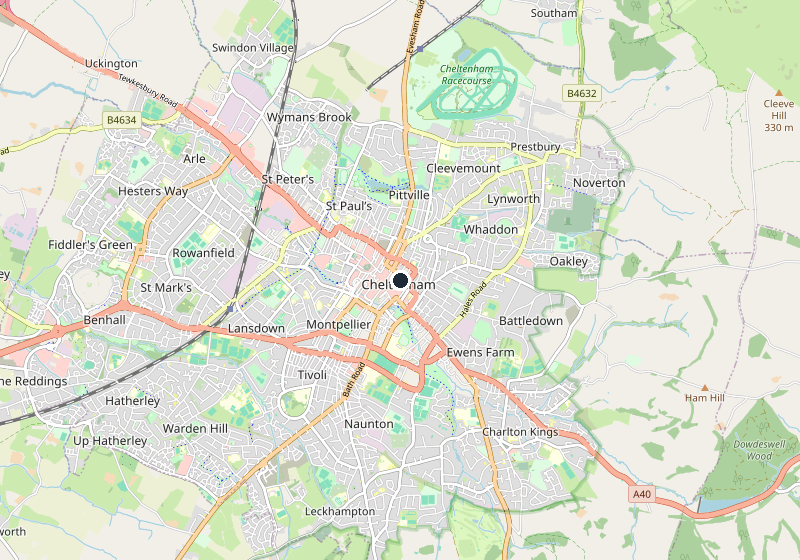
Places near Cheltenham
-
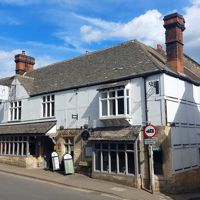 WinchcombeA walkers' town below the escarpment, with Sudeley Castle and Katherine Parr's tomb, the ruins of Hailes Abbey, Belas Knap on the hill and a steam railway.
-
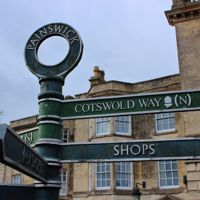 PainswickA former cloth town above the Stroud valleys, with a churchyard of clipped yews and carved tombs, a church clipping every September, and the Rococo Garden.
-
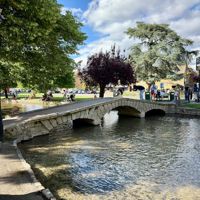 Bourton-on-the-WaterThe River Windrush runs shallow through the middle of the village under a run of low stone bridges. The county council puts visitors at around 10,000 a day at peak times, so arrive before ten.
-
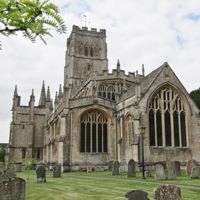 NorthleachA small wool town in the Leach valley with one of the great Cotswold wool churches, its floor full of brasses to the merchants who paid for it, and a Georgian prison.