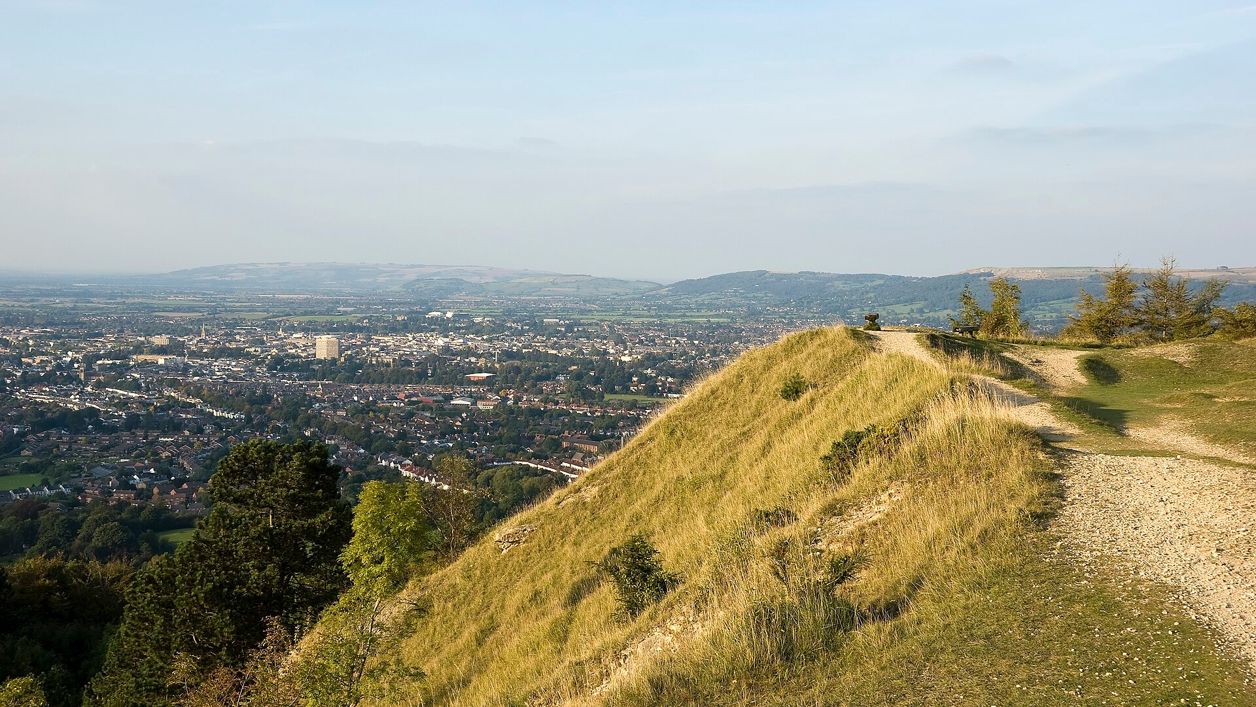
Chris Gorringe, CC BY-SA 2.0, via Wikimedia Commons
Seven Springs and Leckhampton Hill
A 5.4-mile (8.7km) circular walk from Seven Springs, about two and a half hours and moderate, with steep slopes: along the Cotswold Way over Charlton Kings Common to the hillfort on Leckhampton Hill and the Devil's Chimney, and back along the foot of the common.
- Distance
- 8.7 km (5.4 mi)
- Difficulty
- Moderate
- Time
- 2 hrs, 30 mins
- Ascent
- 179 m
- Circular
- Circular
The route
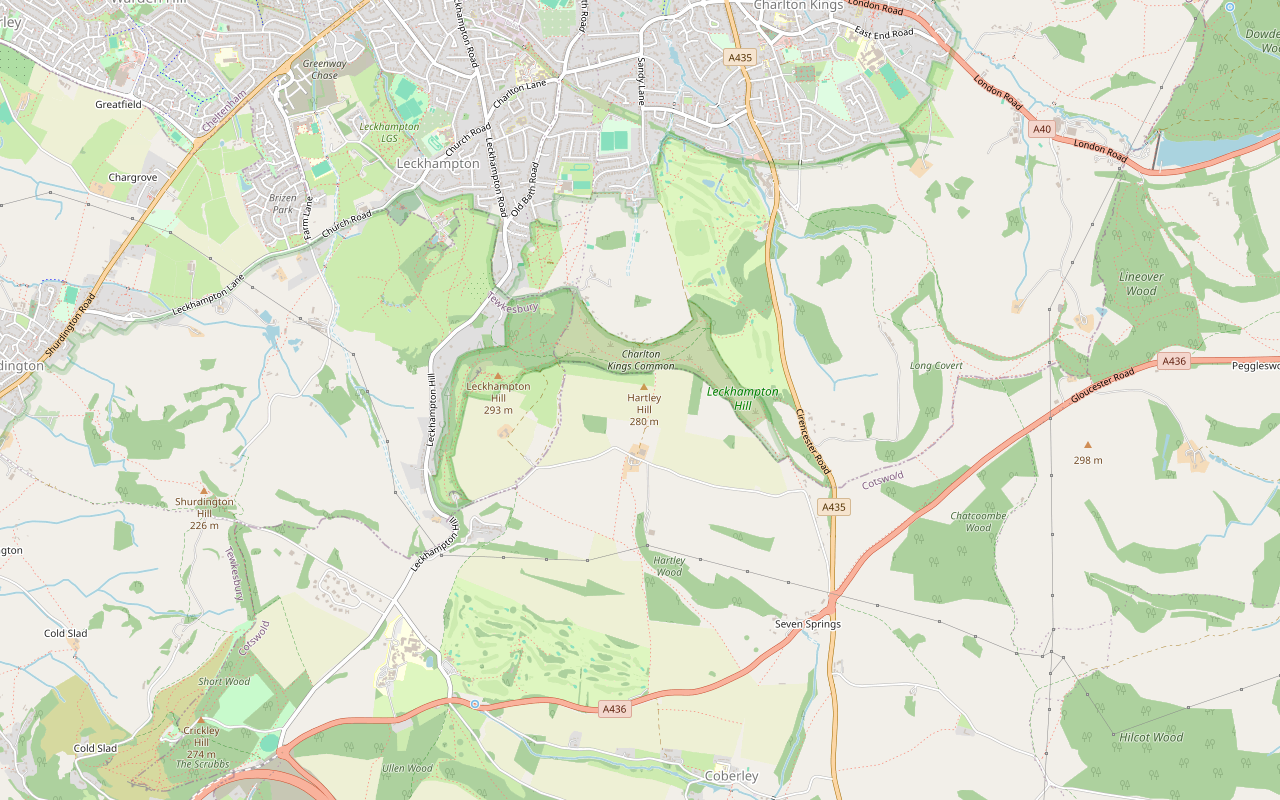
Starts at Seven Springs, by the A435 and A436 junction follows the Cotswold Way for a while Steep sectionMuddy in winterLivestock in fieldsRoad walking Download GPX
Step by step
-
Step 1: Seven Springs to Hartley Lane
From Seven Springs, by the springs at the head of the River Churn, follow the path and then Hartley Lane north-west for about half a mile.
-
Step 2: Up over Charlton Kings Common
Turn off onto the Cotswold Way footpaths and climb north-west onto Charlton Kings Common, then follow the bridleway west along the top of the escarpment, through gates.
- Steep section
- Dogs on lead
-
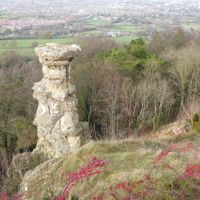
Step 3: The hillfort and the Devil's Chimney
Carry on west to the trig point on the rampart of the hillfort on Leckhampton Hill, then along the edge past Dead Man's Quarry to the path above the Devil's Chimney.
-
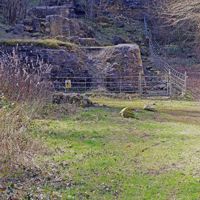
Step 4: Down past the limekilns
Follow the paths north-east, past the old limekilns and Foreman's Cottage, and down the Standard Gauge Incline to Daisy Bank Road by the Bridge car park. Walkers find this descent loose underfoot and slippery when wet.
- Steep section
- Muddy in winter
-
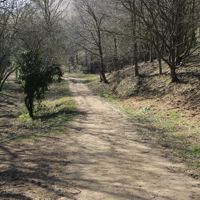
Step 5: Back along the foot of the common
Follow the restricted byway east along the foot of Charlton Kings Common, then the footpaths south-east up and over the common to Hartley Lane, and back along the lane to Seven Springs.
- Muddy in winter
Sights on the way
The sights this walk passes, numbered as on the map.
-
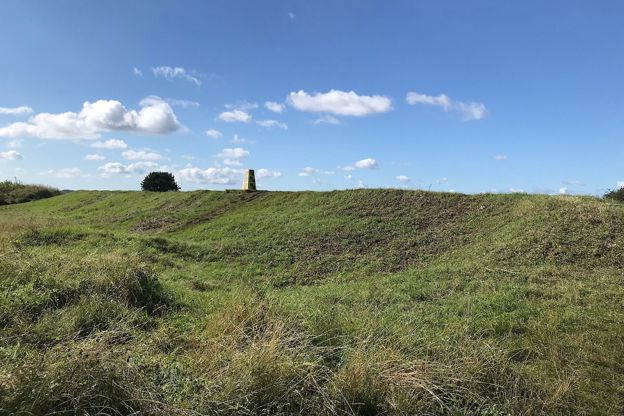
Leckhampton Camp
Sight · Hill fort or barrow · The Cotswold Edge
Leckhampton Camp is the Iron Age hillfort on the summit of Leckhampton Hill above Cheltenham: one rampart and a rock-cut ditch, an inturned entrance with two guard chambers and, to the east, a rare round barrow inside a square enclosure. Scheduled; the trig point is on its bank.
-
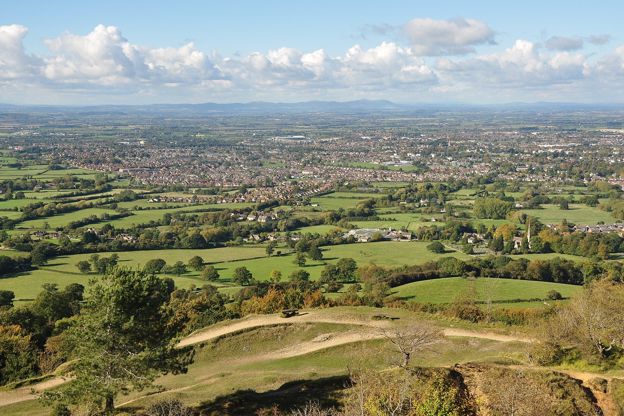
Leckhampton Hill and Charlton Kings Common
Sight · Nature reserve · The Cotswold Edge
Leckhampton Hill and Charlton Kings Common: 60 hectares of old quarries, limestone grassland on the Cotswold Edge above Cheltenham, with an Iron Age hillfort and the Devil's Chimney. Opened to the public in 1929 after the riots of 1902; a National Nature Reserve from 2026.
-
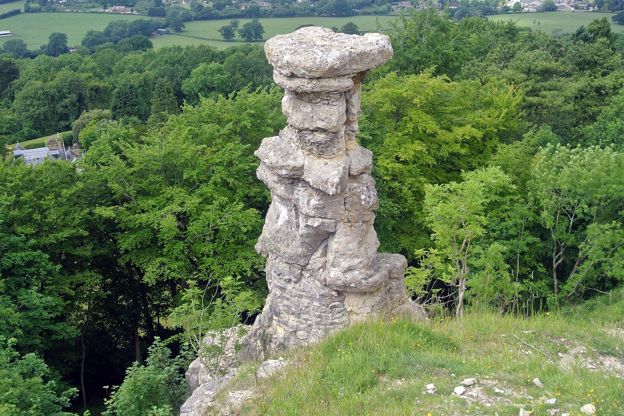
The Devil's Chimney, Leckhampton
Sight · Monument · The Cotswold Edge
The Devil's Chimney is a pillar of limestone standing below the scarp edge of Leckhampton Hill above Cheltenham, most likely left isolated when quarrymen cut an incline to the top and shaped by the weather since. Folklore says the Devil built it. Climbing it is forbidden.
The walk in detail
The Seven Springs and Leckhampton Hill walk is a 5.4-mile (8.7km) circular walk on the Cotswold Edge south of Cheltenham. It climbs about 179m, with several steep slopes, and takes about two and a half hours. The outward half follows the Cotswold Way to the hillfort and the Devil's Chimney.
The Cotswold Way from Seven Springs
Seven Springs is a hamlet at a road junction where the springs that feed the River Churn rise beside the road. The Cotswold Way passes through on its sixth section, from Dowdeswell to Leckhampton Hill, 4.7 miles by Lineover Wood, Seven Springs, Charlton Kings Common and the Devil's Chimney. This walk takes the last part of that section and makes it a loop. Since 3 July 2026, work on the A417 near Birdlip has diverted the next section of the trail, beyond the Devil's Chimney, along the Leckhampton Hill road and a permissive path at National Star for at least six months; the National Trail gives no diversion on this loop.
Charlton Kings Common and the hillfort
Leckhampton Hill and Charlton Kings Common together cover 67 hectares, most of it registered common land where walkers may roam freely. Cheltenham Town Council, now the borough council, bought the hill in 1927, and Charlton Kings Common passed to the borough council in 1965. It is a Site of Special Scientific Interest for its limestone grassland and its geology, and a National Nature Reserve.
At the top of the hill is Leckhampton Camp, an Iron Age hillfort with a single rampart, which the Friends of Leckhampton Hill date to about 800 BC to AD 43; the trig point stands on its east rampart, and a round barrow in a square enclosure lies nearby. Both are scheduled monuments. From the top, the views take in Cheltenham, the Severn Vale, the Malvern Hills and, on a clear day, Wales.
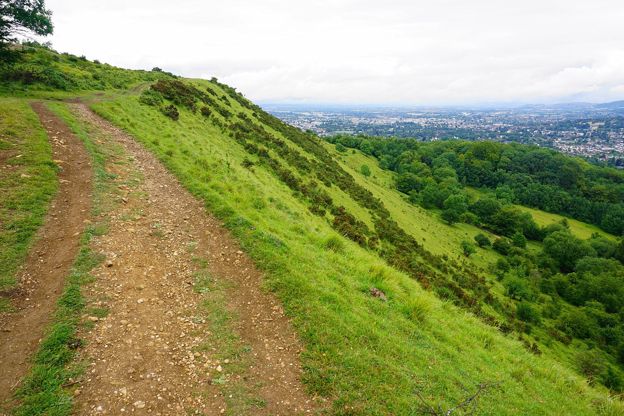
The Devil's Chimney and the quarries
The walk turns at the Devil's Chimney, a pillar of rock below the scarp edge. The last recorded quarrying here ran from the late eighteenth century to the mid 1920s, and the Friends think the chimney was left isolated when an incline was cut to the top, then weathered, perhaps with some help from the quarrymen. The way down passes the bases of four limekilns built in the early 1920s with a government loan to ease unemployment, a venture that had closed by 1927, and follows the Standard Gauge Incline, one of the old quarry railways that walkers now use as paths.
The access walkers enjoy was hard won. After the owner, Henry Dale, built Tramway Cottage for his quarry foreman in 1897 and fenced 26 acres of the hill in 1899, crowds pulled down the fences in 1902 and razed the cottage, and in 1906, when a crowd attacked the cottage again, the Riot Act was read and eight rioters were jailed. The council bought the hill in 1927 and opened it to the public in 1929. Our walk Leckhampton Hill and the Devil's Chimney covers the hill's quarries in more detail.
The Cotswolds Info newsletter
Events, new places and the best of the season, about once a month. Unsubscribe at any time.
What walkers report
Steep, loose slopes and cattle on the common are what walkers mention most. They describe plenty of steep climbs and descents, with loose ground in places (March and July 2026), and recommend trail shoes in wet or winter weather (January and July 2026).
Dogs, parking and food
Dogs are welcome, and walkers had theirs off the lead for most of the way (August 2026, March 2026), but cattle graze the fields and common (March 2026). The Friends of Leckhampton Hill say Belted Galloways graze the common in autumn and winter, in GPS collars, and that dogs should be on a short lead near them; our guide to the Cotswolds with a dog has more on walking near stock.
The National Trail and the Cotswolds National Landscape give parking in the lay-by opposite the Seven Springs pub, which has closed, or in the lorry park across the roundabout on the A436. The route also passes the Bridge car park on Daisy Bank Road below Leckhampton Hill, so you can start the loop there. By bus, Stagecoach West's 51 between Cheltenham and Cirencester stops at Seven Springs, about hourly on weekdays and every two hours on Sundays. With the Seven Springs pub closed, none of our sources names a pub or café on the route, so take water and something to eat. Off the route, StarBistro at National Star in Ullenwood serves breakfast and lunch on weekdays, and the Fox at Dowdeswell, on the A40 where the Cotswold Way crosses the road, has food every day.
More on the Cotswold Edge
The rocks of Leckhampton Hill are among the thickest Jurassic sections in the country, as our page on where the Cotswolds are explains. For a gentler visit, the National Landscape publishes a mobility-scooter route on the hill, listed in our guide to the accessible Cotswolds. North along the scarp, Cleeve Common and Cleeve Cloud reaches the highest ground in the Cotswolds; to the south-west, Haresfield Beacon and Painswick Beacon are two more hillforts on the edge.
Places on the way
-

StarBistro
Cafes and tearooms · The Cotswold Edge
The restaurant at National Star college in Ullenwood, above Cheltenham, where students with disabilities serve breakfast, lunch and afternoon tea on weekdays, on the line of the Cotswold Way's 2026 diversion.
Walker-friendly · Family-friendly
Verified Oct 2026
-
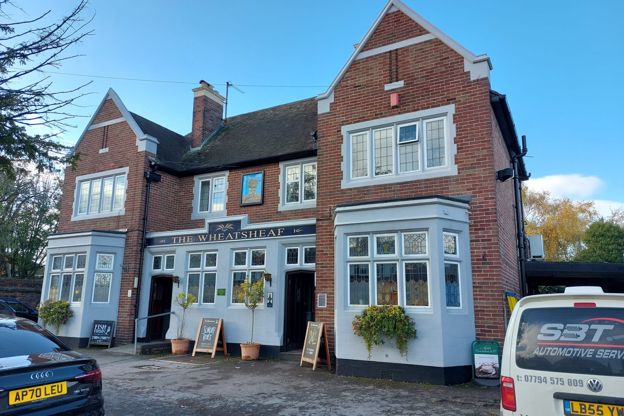
The Wheatsheaf, Leckhampton
Pubs · The Cotswold Edge
A family-run Wadworth pub on Old Bath Road in Leckhampton, below Leckhampton Hill, which Wadworth lists with a large garden, a heated patio, Sunday roasts and jazz and blues nights.
Dog-friendly · Family-friendly
Verified Nov 2026
-
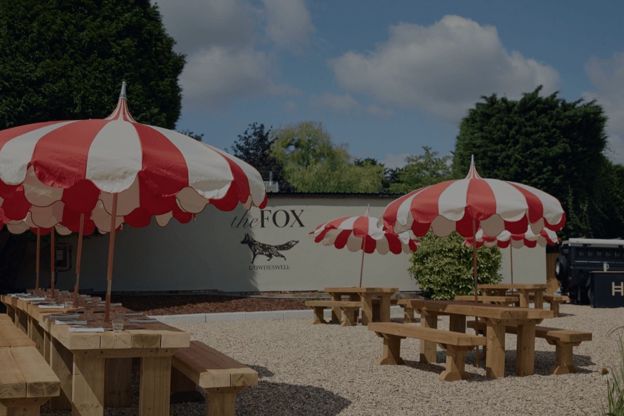
The Fox, Dowdeswell
Pubs · The Cotswold Edge
A country pub and restaurant on the A40 at Lower Dowdeswell, opened in July 2026 near the reservoir where the Cotswold Way crosses the road, with food at lunch and in the evening every day.
Walker-friendly
Verified Oct 2026
-
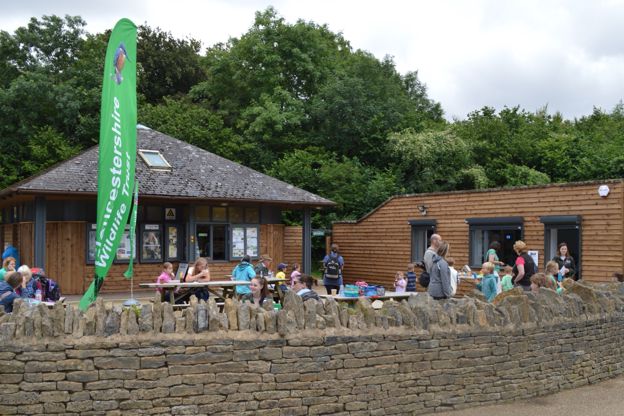
Crickley Hill café
Cafes and tearooms · The Cotswold Edge
Gloucestershire Wildlife Trust's café by the top car park at Crickley Hill Country Park, near Birdlip, on the Cotswold Way: breakfast, lunch and cakes, dogs welcome.
Dog-friendly · Walker-friendly · Family-friendly
Verified Nov 2026
Stay near the start
Inns, cottages and hotels within a short drive of where the walk begins, so you can set off early.
Where to stay in the Cotswold Edge-
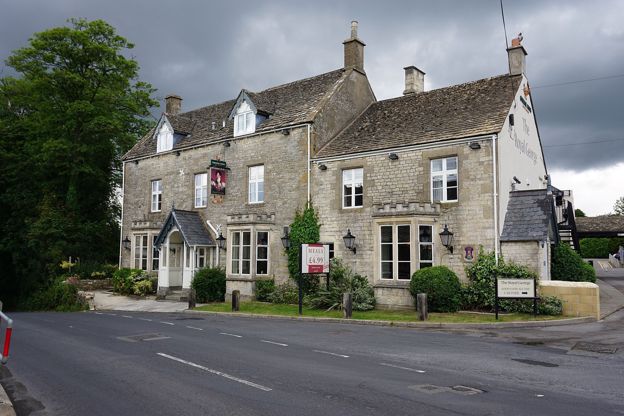
The Royal George Hotel
Pubs · The Cotswold Edge
An eighteenth-century inn in Birdlip, run by Greene King Inns, with a bar and restaurant of pub classics, a large beer garden and 34 bedrooms, where the Cotswold Way sections from Leckhampton Hill and to Painswick meet.
Dog-friendly · Walker-friendly · Family-friendly
Verified Oct 2026
More like this
More walks to try
-
The Cotswold Way
Walk · Dog-friendly
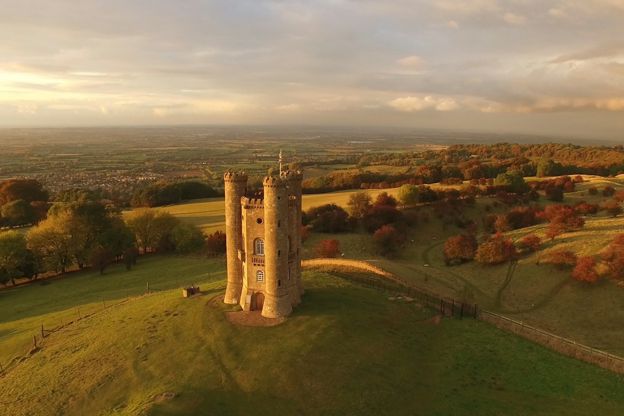
The Cotswold Way is a 102-mile (164km) National Trail walk from Chipping Campden to Bath along the escarpment, in 15 sections; the official guidebook suggests seven to ten days, and its frequent steep climbs make it hard going.
-
Leckhampton Hill and the Devil's Chimney
Walk · Starts in the Cotswold Edge · 2 hrs · Circular · Dog-friendly
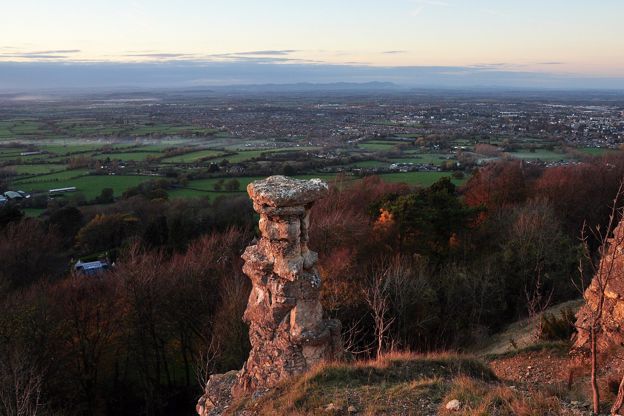
A 4-mile (6.3km) circular walk from the Daisy Bank Road car parks above Cheltenham, about two hours and moderate, with one steep climb: round Charlton Kings Common, up onto the escarpment past the hillfort to the Devil's Chimney, and down the old quarry incline.
-
Cleeve Common and Cleeve Cloud
Walk · Starts in the Cotswold Edge · 1 hr, 45 mins · Circular · Dog-friendly
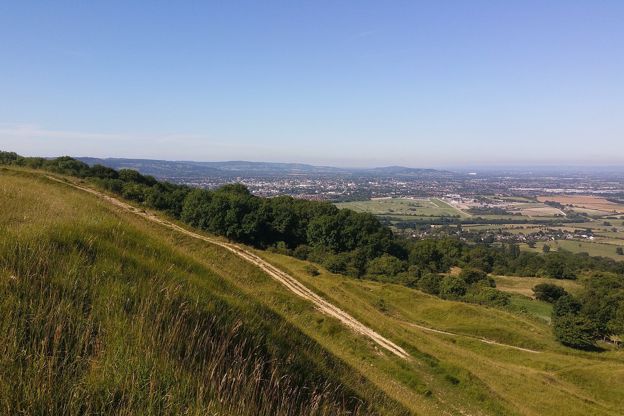
A 4-mile (6.4km) moderate loop of about an hour and three quarters on the highest ground in the Cotswolds: from the main road at Cleeve Hill past the golf club, across Cleeve Common, back along the scarp by the hill fort and Cleeve Cloud, and down through Thrift Wood.