Michael Dibb, CC BY-SA 2.0, via Wikimedia Commons
Churchill
A hill village 3 miles from Chipping Norton with a church tower copied from Magdalen College's, the birthplaces of Warren Hastings and the geologist William Smith, a small heritage centre in the chancel of the old church, and the Chequers.
- Nearest station
- Kingham, about 2.5 miles, on the line from London Paddington; a taxi, a walk by lane, or the Villager community bus
- Parking
- No public car park; there is a small car park at the village hall on Church Road (OX7 6NJ), and the Chequers has its own for customers
- Best time
- Weekend afternoons, April to September: heritage centre 2.30pm to 4.30pm
- When it's busy
- A quiet village; book the Chequers ahead for Sunday lunch
- Toilets
- None public; the heritage centre has none. The Chequers for customers
- Dogs
- Welcome at the Chequers, with a treat jar by the door
About Churchill
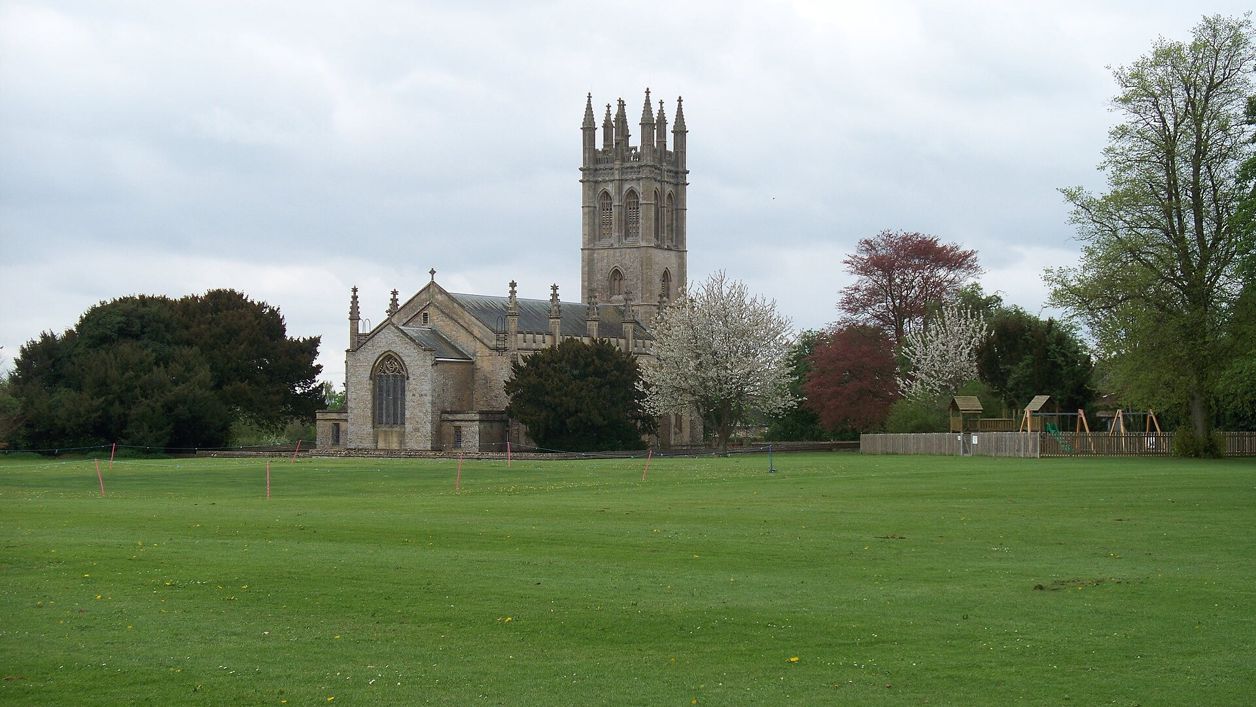
Churchill stands on a hill above the Evenlode valley, 3 miles south-west of Chipping Norton on the B4450 and 2.5 miles from Kingham station. The medieval village round the old church below was destroyed by fire in 1684, and the church that dominates the village now was built on the hill in 1826. Two men born here changed the world more than most villages manage, and the church tower is a copy of one in Oxford.
What to see
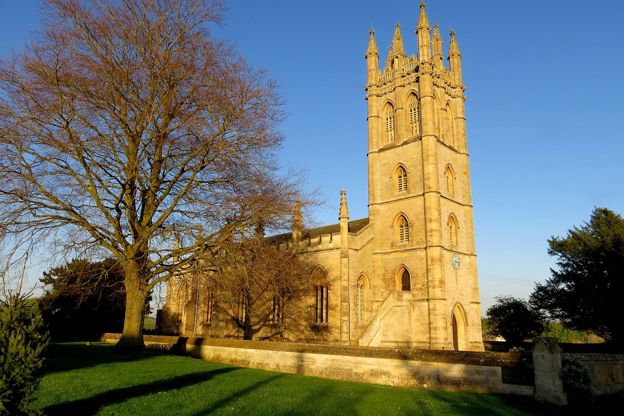
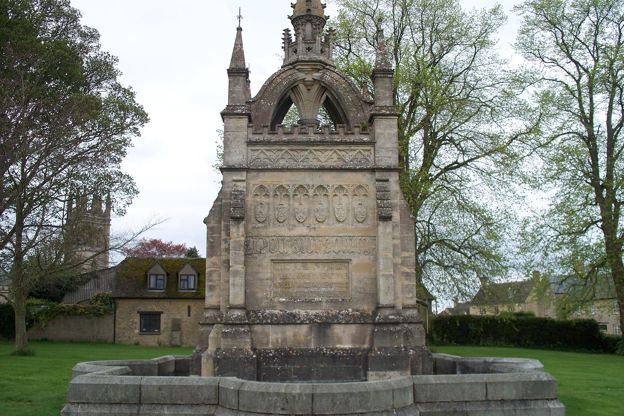
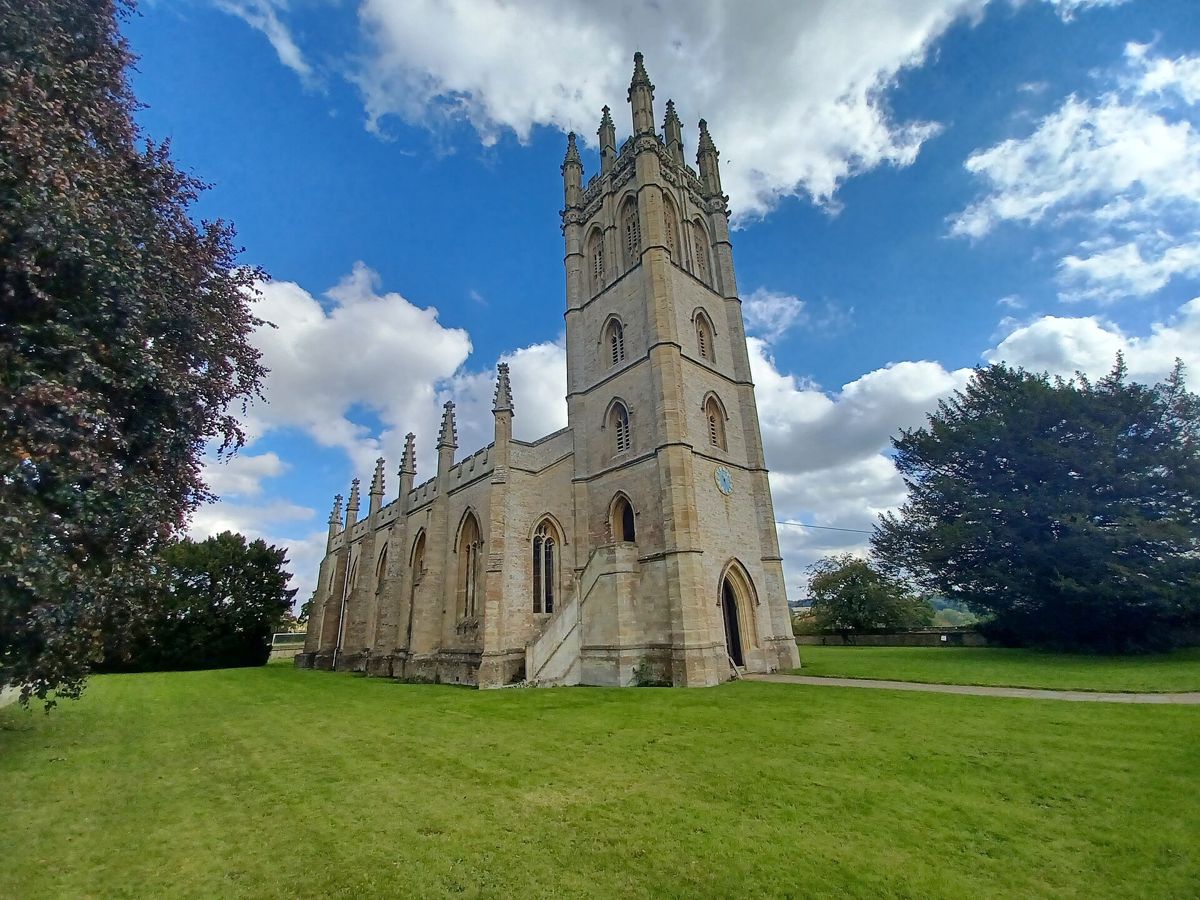
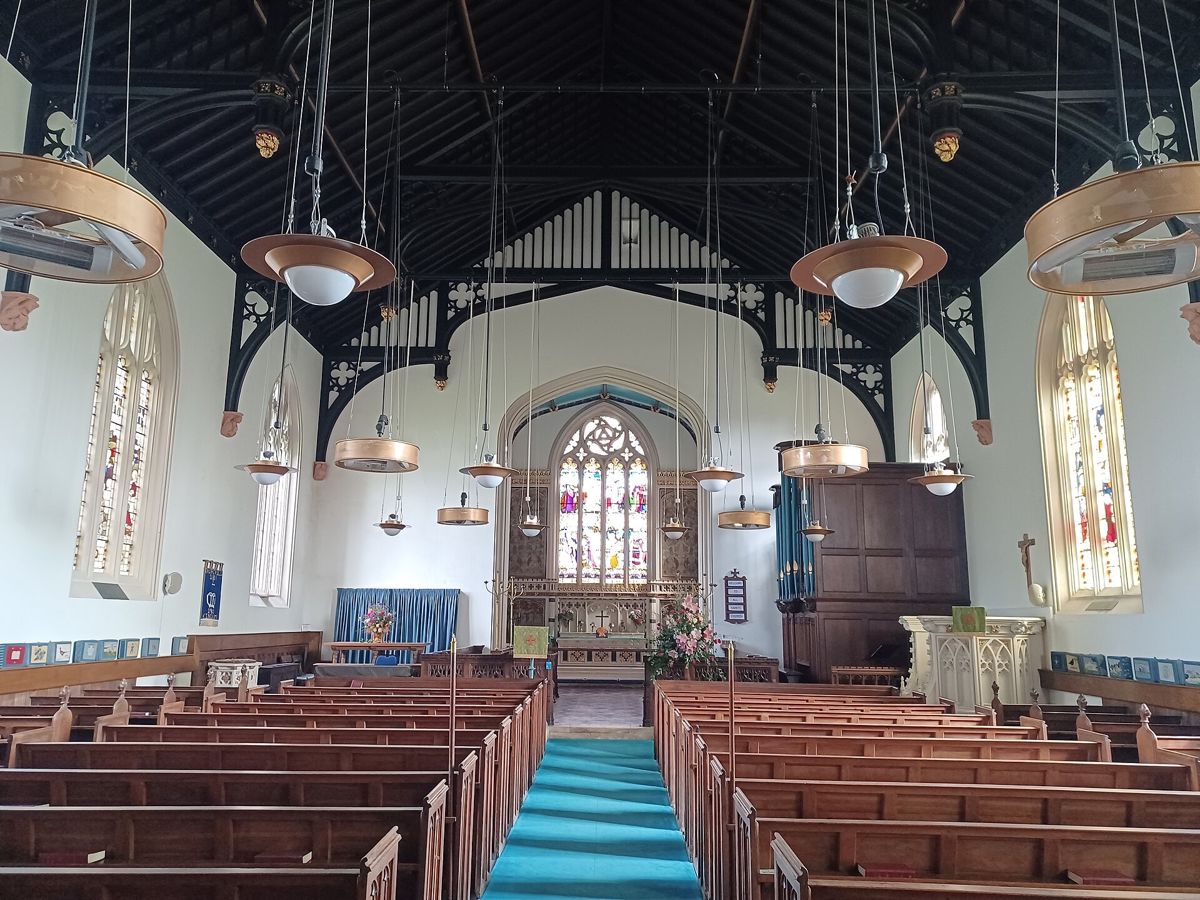
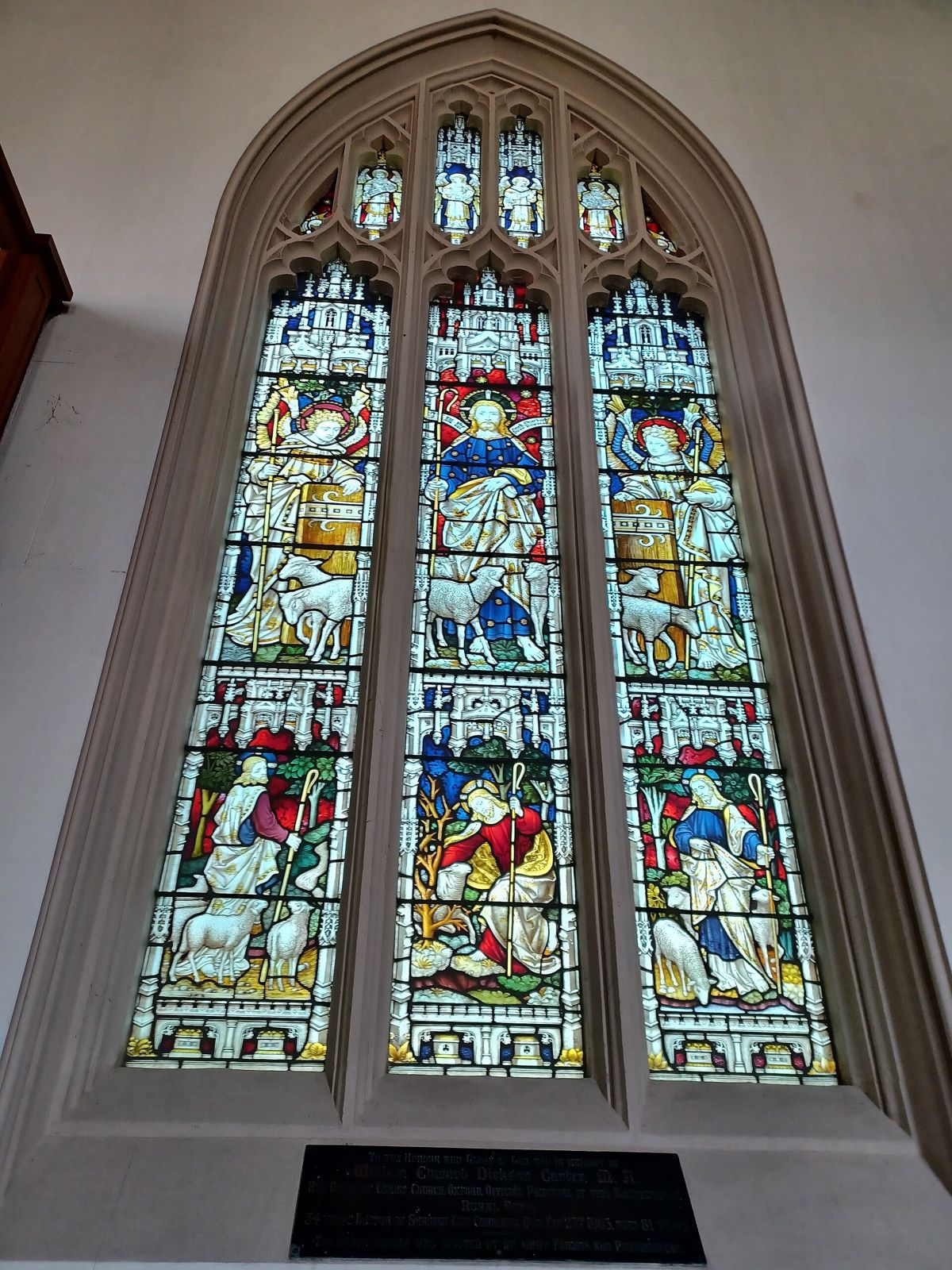
All Saints church was built in 1826 by James Plowman for James Haughton Langston, the squire at Sarsden, who paid for all of it (at least £14,000, according to the heritage centre), and it was consecrated in 1827. Its tower is modelled on Magdalen College's in Oxford at about two thirds the size (Historic England says a third smaller), and inside, the five-bay hammerbeam roof over a nave without pillars copies the hall of Christ Church. It is listed Grade II* for the tower, which you can see from most of the valley. The east window remembers Langston, who died in 1863; a fire in 2007 did serious damage, and the repair has left it bright. The Langston Memorial Fountain in the village, a squat Tudor Gothic tower in a granite basin, was put up in 1870 by his daughter Julia, Countess of Ducie, and her husband.
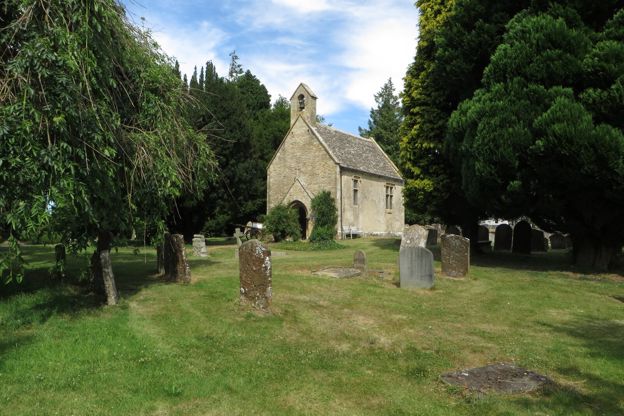
On Mill Lane is what is left of the old church, the thirteenth and fourteenth-century chancel that survived when the rest was pulled down in 1825, restored as a mortuary chapel in 1869. Since 2001 it has held the Churchill and Sarsden Heritage Centre, which calls itself possibly the smallest museum in Oxfordshire. It opens on Saturdays, Sundays and bank holidays from 2.30pm to 4.30pm between 4 April and 27 September in 2026, and is free. Its displays cover the lost village, Langston, and the two famous sons.
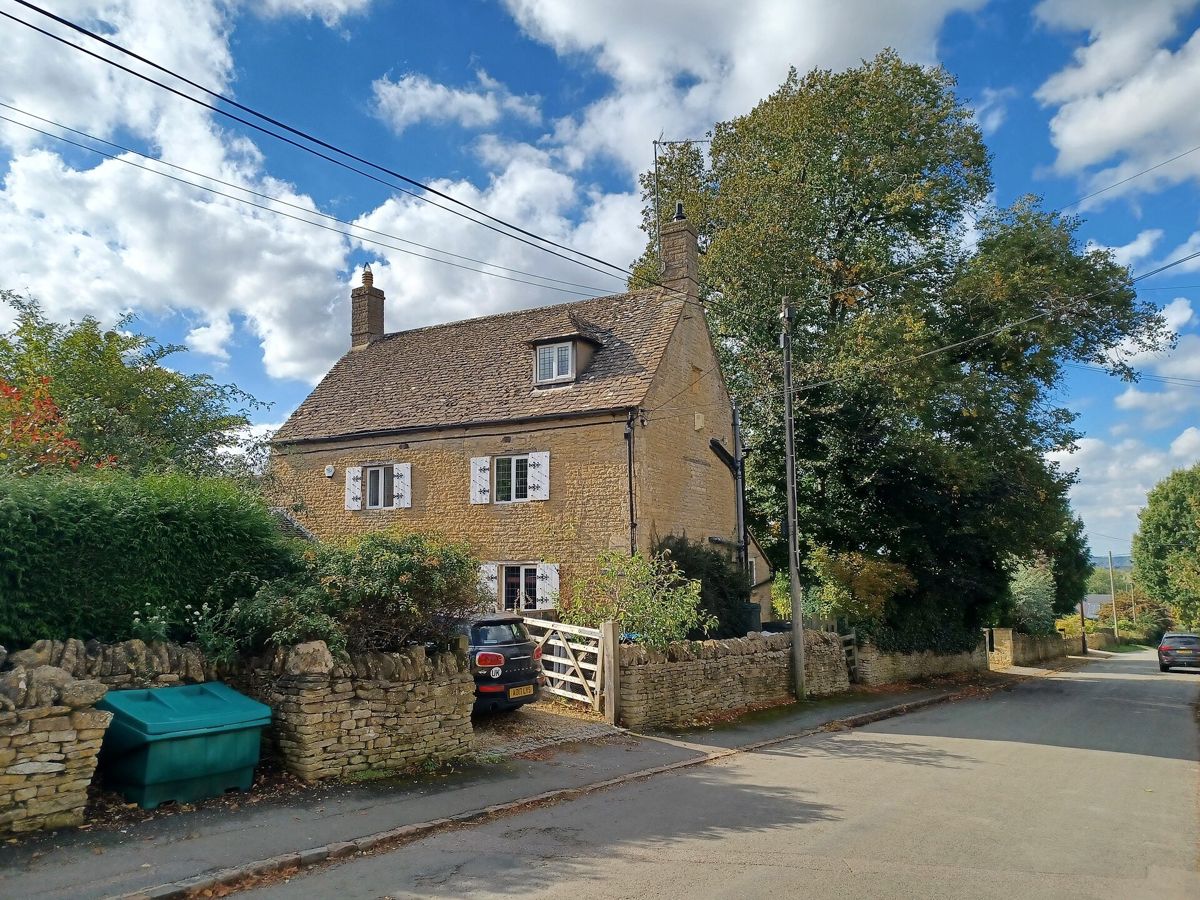
Warren Hastings was born in the village in 1732, in what is now Warren Hastings House on Hastings Hill, a late seventeenth-century house that is private. He became the first Governor-General of India in 1773, was impeached in 1787 and acquitted after a trial of seven years, and died in 1818 at Daylesford, about 3 miles away, where he is buried. William Smith, born on 23 March 1769, the son of a blacksmith, published his geological map of England, Wales and part of Scotland in 1815, which the Geological Society calls the first geological map of a complete country, and is called the father of English geology. His memorial, a monolith of local stone put up in 1891 by the Earl of Ducie, stands in the middle of the village by the fountain.
An afternoon here
Park at the village hall and start with the Smith memorial and the fountain, then walk up to the church and the fountain. Go to the old chancel on Mill Lane for the heritage centre at 2.30pm; it is small and takes only limited groups at a time, so a group should book. Walk back up by Hastings Hill to see the outside of the Hastings house, and finish at the Chequers on Church Road. An hour and a half covers it; the Chequers opens from midday every day, until 11pm Monday to Saturday and 8pm on Sunday, but it publishes no kitchen hours, so ring 01608 659393 or book online before you count on it for a late lunch.
Walks
We have no walk of our own from Churchill yet. Kingham station is about 2.5 miles (4km) by road, and from there the car-free circular to Bledington and the Kingham and Daylesford walk are both checked and easy. The Sarsden washpool, on the estate that was Langston's seat, was restored and opened in 2017, and the heritage centre has held an exhibition on it. The Oxfordshire Way passes through Bledington and Shipton-under-Wychwood, in the valley below.
The Cotswolds Info newsletter
Events, new places and the best of the season, about once a month. Unsubscribe at any time.
Food and drink
The Chequers on Church Road is the village pub, a listed house of about 1800 that became an inn, now run by the Lionhearth group with flagstones, an open fire and a garden terrace. The menu is British pub cooking; children have their own menu, with high chairs, and dogs a treat jar by the door, and two private rooms seat 15 and 22. It has no bedrooms: its sister pub, the Swan at Ascott-under-Wychwood, has eleven. For more choice, Kingham's two pubs and Daylesford's farm shop are a few miles west.
When to come
Between April and September, on a Saturday or Sunday afternoon, so the heritage centre is open; outside those months the village is the church, the memorials and the pub, which is still a fair hour. The village marked William Smith's 250th birthday on 23 March 2019. The hill catches the wind, and the lanes down to Mill Lane are steep enough to notice in ice.
Last verified 1 November 2026 by our editors
Part of
The Oxfordshire Cotswolds
The Windrush and Evenlode valleys on the Oxfordshire side of the hills: Burford's High Street, Kingham on the railway, Witney's blankets and Woodstock at Blenheim's gates.
Things to do in Churchill
Farm shops and delis · Charlbury
Diddly Squat Farm Shop
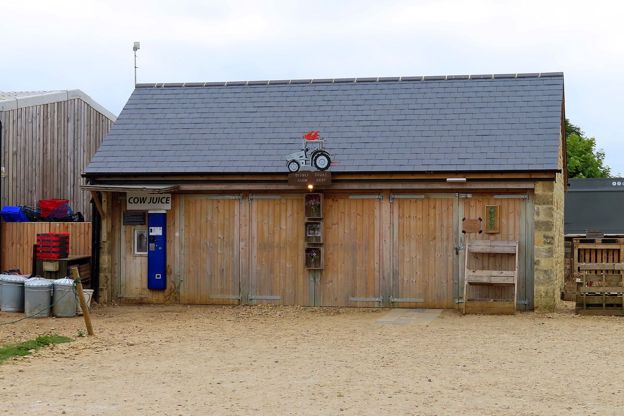
Jeremy Clarkson's farm shop on the Chipping Norton road near Chadlington, opened in 2020 and made famous by Clarkson's Farm, open Tuesday to Sunday outside its winter break, with a café and lambing barn seating.
-
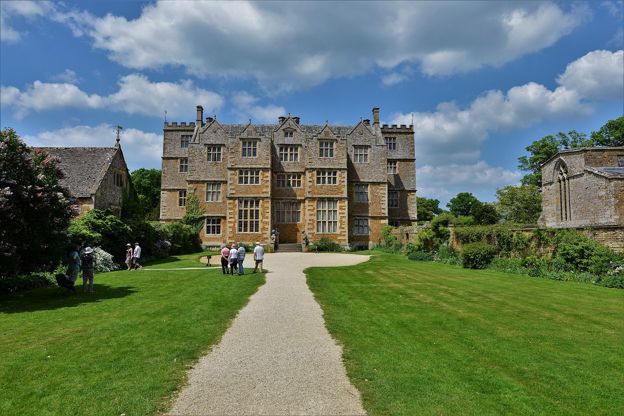
Chastleton House
Historic houses and heritage · Moreton-in-Marsh
A Jacobean house near Moreton-in-Marsh, built on the estate Robert Catesby sold in 1602, where rules for croquet were written.
Verified Oct 2026
-
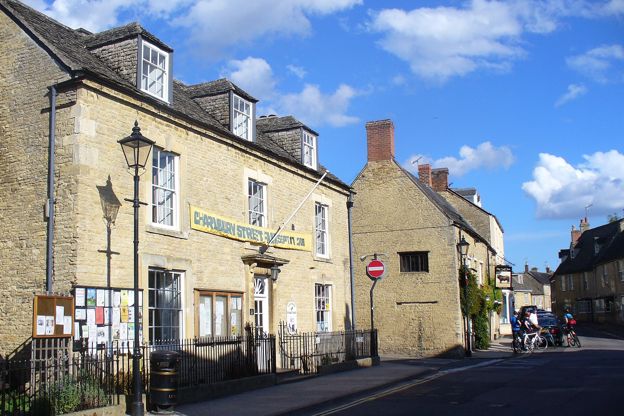
Charlbury Museum
Museums and galleries · Charlbury
Charlbury's volunteer-run museum beside the Corner House on Market Street: five rooms on the town's history, from Stone Age arrowheads to gloving, open at weekends from April to October.
Rainy days · Car-free
Verified Nov 2026
-
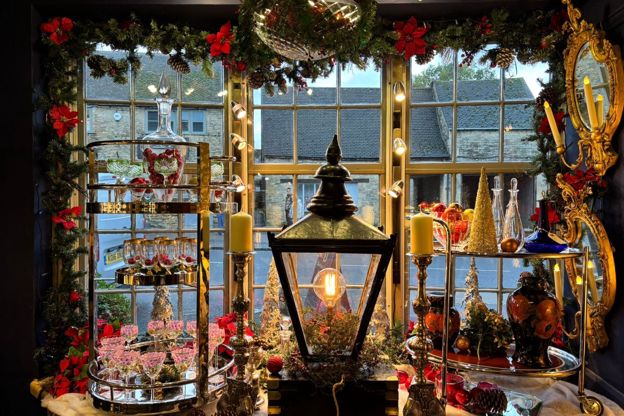
Durham House Antiques
Antiques and vintage · Stow-on-the-Wold
An antiques centre on Sheep Street, Stow-on-the-Wold, where about 30 dealers share four large showrooms of furniture, paintings, silver, glass, jewellery and books, open every day.
Rainy days
Verified Oct 2026
Where to stay in Churchill
-
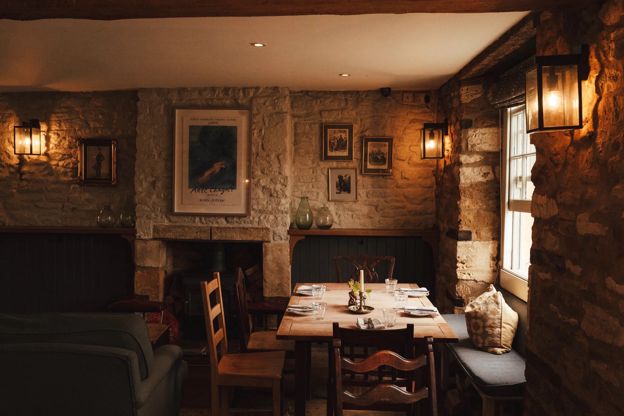
The Kingham Plough
Inn · Kingham
A pub with six rooms and a cottage on the green at Kingham, open daily from 8.30am, with dogs and families welcome.
Car-free · Dog-friendly · Family-friendly
Verified Nov 2026
-
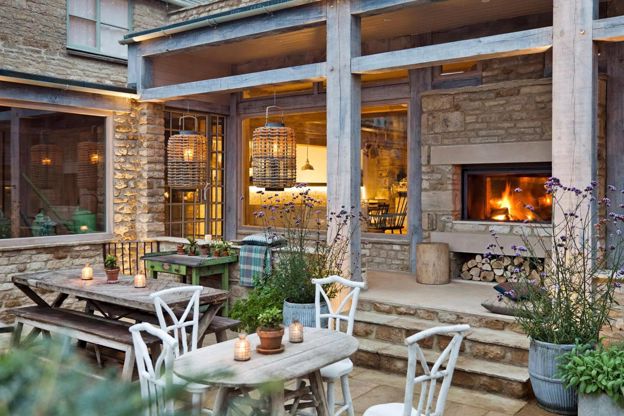
The Wild Rabbit
Inn · Kingham
A Daylesford pub with rooms and cottages in a 17th-century house at Kingham, with three AA Rosettes and dinner from Wednesday to Sunday.
Wedding venues
Verified Nov 2026
-
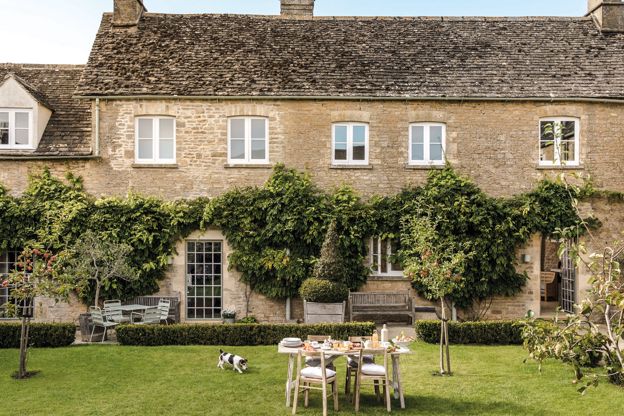
Daylesford Stays cottages
Self-catering · Kingham
Self-catering cottages in Daylesford village and on Daylesford's organic farm near Kingham, all within two miles of the farm shop, and all of them dog-friendly.
Dog-friendly
Verified Nov 2026
Where to eat and drink in Churchill
-
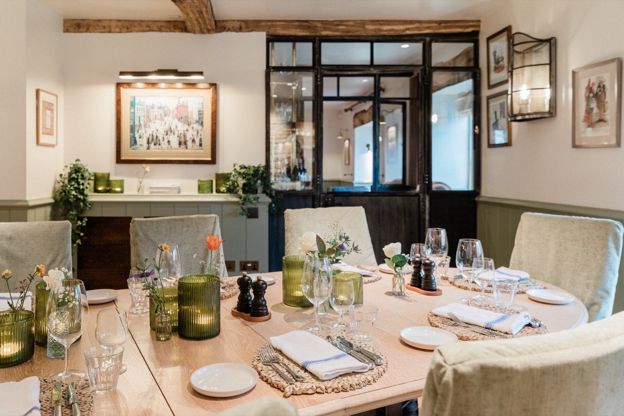
The Chequers, Churchill
Pubs · Kingham
A Lionhearth Group gastropub on Church Road in Churchill, about 2 miles from Kingham, with an open fire, a garden terrace, two private dining rooms and dogs and children welcome.
Dog-friendly · Family-friendly
Verified Nov 2026
Walks in and around Churchill
-
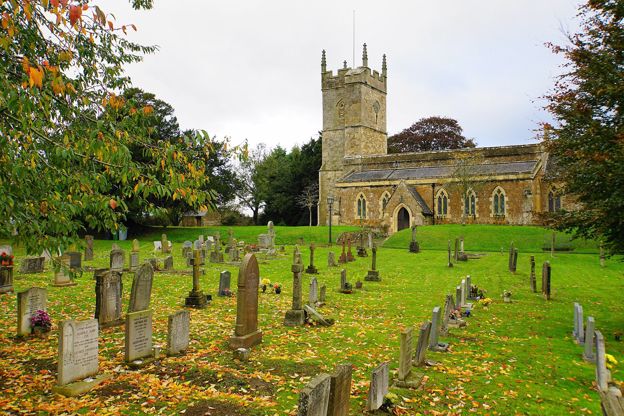
Kingham, Daylesford and the Evenlode
Walk · Starts in Kingham · 1 hr, 30 mins · Circular · Dog-friendly
A flat 4.4-mile (7.1km) circular walk of about an hour and a half from Kingham: north-west on bridleways across Daylesford's fields to the Evenlode, back down the river meadows and over the Cotswold Line on the level. Walkers report it wet and often flooded in winter.
-
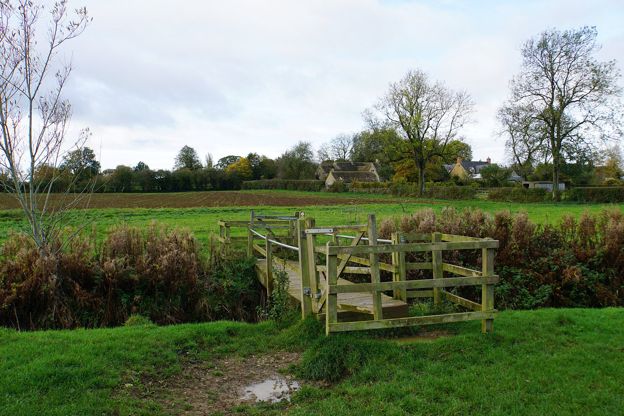
Kingham station and Bledington
Walk · Starts in Kingham · 3 hrs · Circular
A 3.5-mile (6km) car-free circular walk from Kingham station, easy and two to three hours with stiles and a boggy patch: along the River Evenlode into Gloucestershire, over the old railway and past a pond, then to Bledington's green and the King's Head, and back by the river.
-
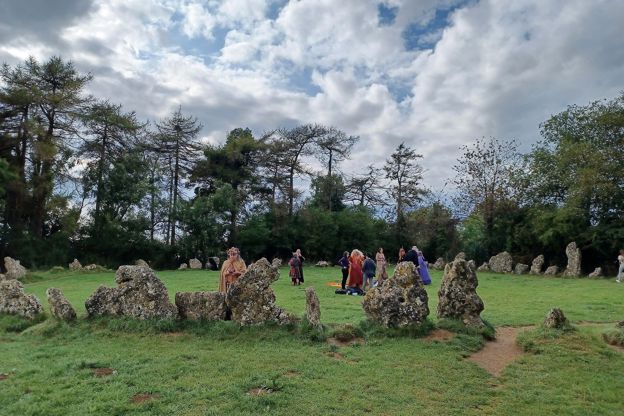
Salford and the Rollright Stones
Walk · Starts in the Oxfordshire Cotswolds · 2 hrs, 30 mins · Circular · Dog-friendly
A 5-mile (8km) circular walk from the green at Salford, moderate and about two and a half hours, with stiles: up bridleways and field paths to the Whispering Knights, the King Stone and the King's Men stone circle, then down through Little Rollright and back.
Sights in and around Churchill
-
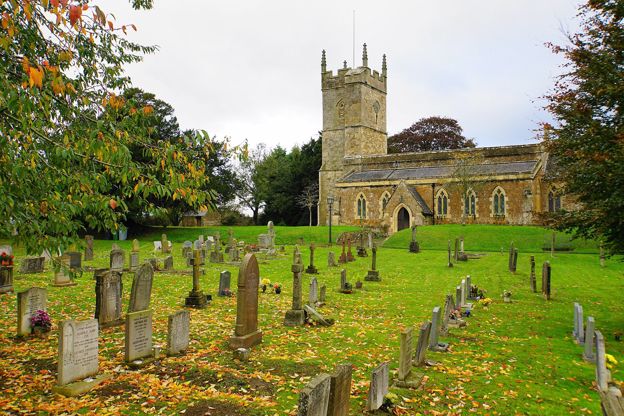
St Andrew's Church, Kingham
Sight · Church · Kingham
Kingham's ironstone church of the fourteenth and fifteenth centuries, with a pinnacled tower, a nave roof dated 1774, an Elizabethan brass in the Easter Sepulchre and the old rectory of 1688 next door. Grade II*.
-
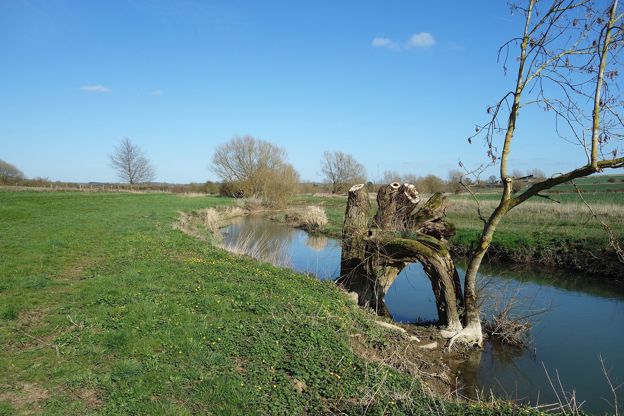
River Evenlode
Sight · River · Kingham
The Evenlode is the river of the valley below Kingham, rising in the Cotswold limestone and flowing south-east to the Thames; near Kingham it runs beside the Cotswold Line past Bledington and Daylesford and for a stretch marks the Oxfordshire and Gloucestershire boundary.
-
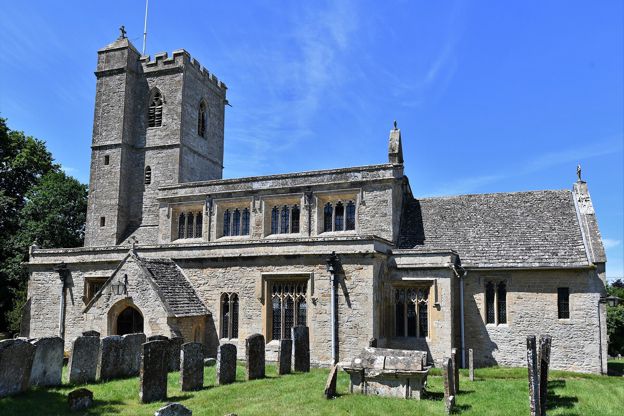
St Leonard's Church, Bledington
Sight · Church · Kingham
Bledington's Grade I church by the green, recorded in 1175 and rebuilt in the fifteenth century, with fifteenth-century painted glass, one panel dated 1470, a Norman tub font and a tower built inside the nave. Open daily.
Getting to Churchill
- By train
- Kingham, on GWR's Cotswold Line from London Paddington, is about 2.5 miles away; take a taxi, or walk the lane.
- By car
- On the B4450 3 miles south-west of Chipping Norton. Park at the village hall on Church Road (OX7 6NJ), which has a small car park, or at the Chequers if you are eating there.
- By bus
- The Villager community bus stops by the memorial a few times a week, to Chipping Norton, Kingham and the Wychwoods (in October 2026 the V9 ran on Fridays, the V19 on weekdays). Check Traveline first.
Access
The village is on a hill and the heritage centre is in a small chancel with limited wheelchair access, large-print displays and seats inside and out
| Kingham station | 2.5 mi |
|---|---|
| Chipping Norton | 3.1 mi |
| Bledington | 3.1 mi |
| Shipton-under-Wychwood | 5 mi |
| Stow-on-the-Wold | 7.5 mi |
| Burford | 9.9 mi |
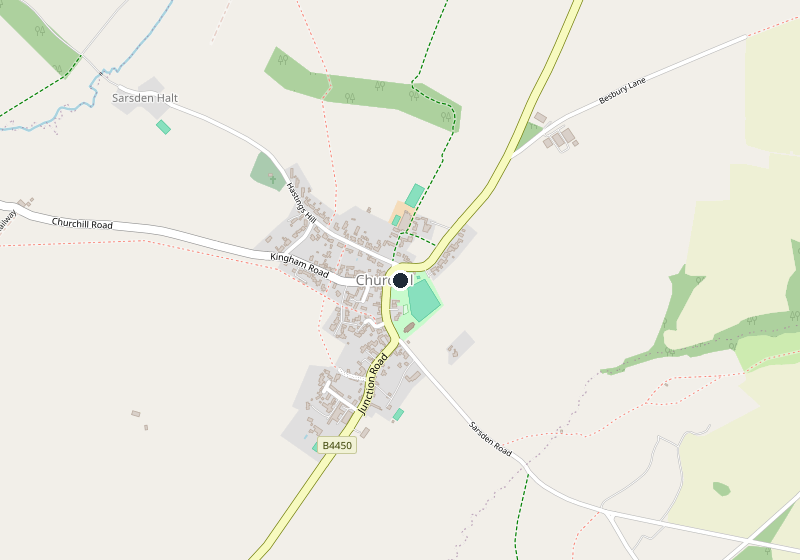
Places near Churchill
-
 KinghamAn Oxfordshire village in the Evenlode valley with a station on the line from London, two dining pubs, and Daylesford's farm shop two miles down the road.
-
 BledingtonA Gloucestershire village on the county boundary with a wide green, a brook running through it, a Grade I church with glass of 1470, a 16th-century inn on the green, and Kingham station a short walk away across the Evenlode.
-
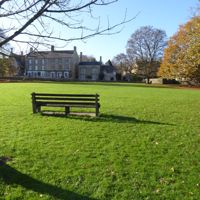 Shipton, Milton and Ascott-under-WychwoodThree villages on the Evenlode named after the royal forest that once covered them: a medieval inn and a community-owned wild garden at Shipton, the Hare at Milton, and the green at Ascott where sixteen women jailed in 1873 are remembered. Two stations.
-
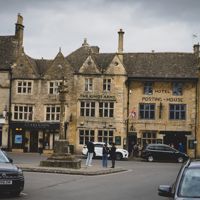 Stow-on-the-WoldA hilltop market town on the Fosse Way, more than 230m up, with a broad Square, a church that held 1,600 prisoners after the last battle of the Civil War, and a horse fair.