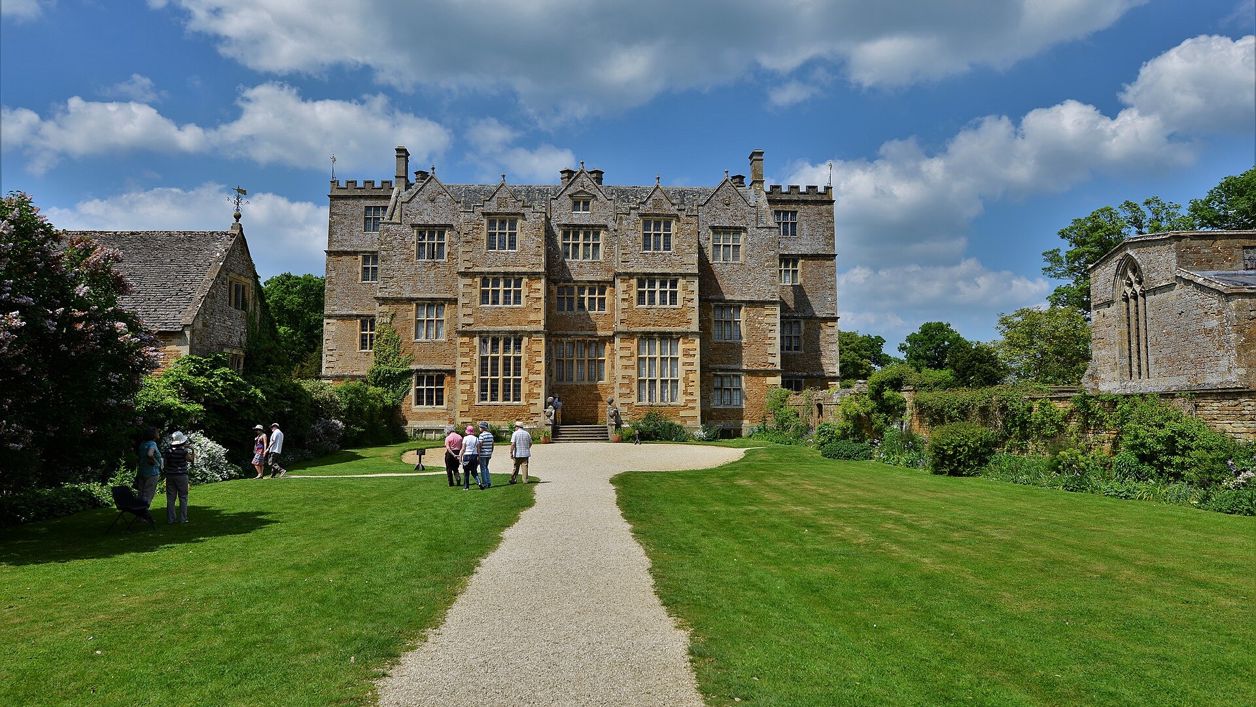
Michael Garlick, CC BY-SA 2.0, via Wikimedia Commons
Things to do · Moreton-in-Marsh
Chastleton House
A Jacobean house near Moreton-in-Marsh, built on the estate Robert Catesby sold in 1602, where rules for croquet were written.
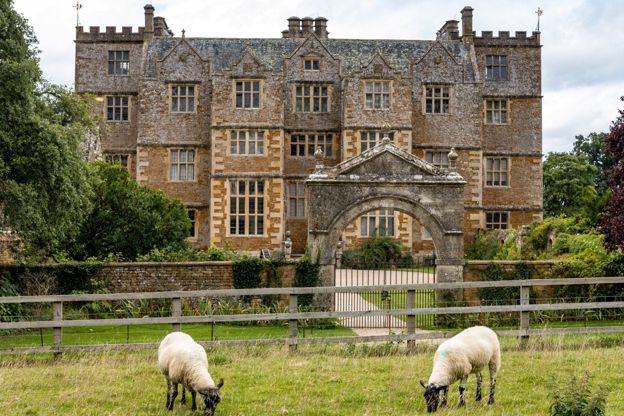
A Jacobean house with its croquet lawns still in use. Note the afternoon opening, and approach from the A436, not through Chastleton village.
- Good: Free car park
- Good: On the 801 bus route, a mile's walk from Little Compton
- Worth knowing: Afternoons only
- Worth knowing: No step-free access into the house
- Worth knowing: Dogs only in the car park, parkland, forecourt and stable yard
- Worth knowing: Satnav to GL56 0SP, then brown signs; not through the village
About
Chastleton House, about 5 miles (8km) by road from Moreton-in-Marsh, was built in the early 17th century for Walter Jones, a wool merchant from Witney, on the estate he bought in 1602 from Robert Catesby, the leader of the Gunpowder Plot. Jones's family kept it until it passed to the National Trust in 1991, and the Trust presents it as a record of four centuries of family life. Read our story of Catesby and Chastleton.
Walter Jones Whitmore, born at Chastleton in 1831, laid out its croquet lawns and wrote rules for the game, published in 1866; the lawns are still in use. The house and garden open in the afternoons, from 1pm, with last entry to the house an hour before closing. There is a bookshop, and the toilets have baby changing.
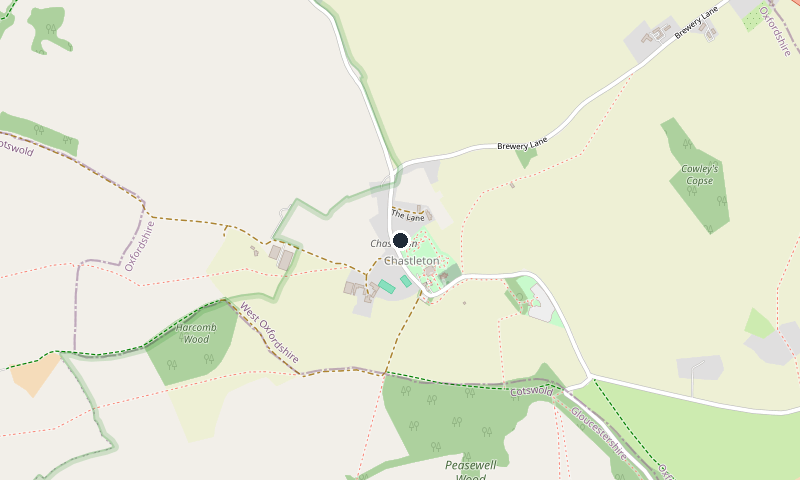
Approach only from the A436 between the A44 and Stow, not through Chastleton village. The free car park is about 250m from the house, up a short, steep hill, and there is no step-free way into the house. Dogs on leads can go in the car park, parkland, forecourt and stable yard. Adlestrop's railway sign and seat are about a mile and a quarter away as the crow flies, further by road.
Opening hours and season
Closed for the winter after 1 November 2026, when house and garden opened 1pm to 4pm; last entry to the house an hour before closing. Days vary by date in season.
Facilities
- Car parkFree, about 250m from the house up a short, steep hill
- Bookshop
- ToiletsAccessible toilets near the house and at reception; baby changing
- Accessible parkingNearer the house: collect the ticket at visitor reception first
- Dogs on leadsCar park, parkland, forecourt and stable yard; assistance dogs only in the house and garden
The details
- Features
- Shop · Parking
- History
- Built in the early 17th century for Walter Jones; National Trust since 1991
- Parking
- Free car park about 250m from the house, up a short, steep hill. For satnav use GL56 0SP, then follow the brown signs.
- Without a car
- Pulhams 801 (Cheltenham to Chipping Norton via Moreton), about hourly every day: get off at Little Compton (Brewery Lane) and walk a mile along a lane. Moreton station is 5 miles by road.
Photos
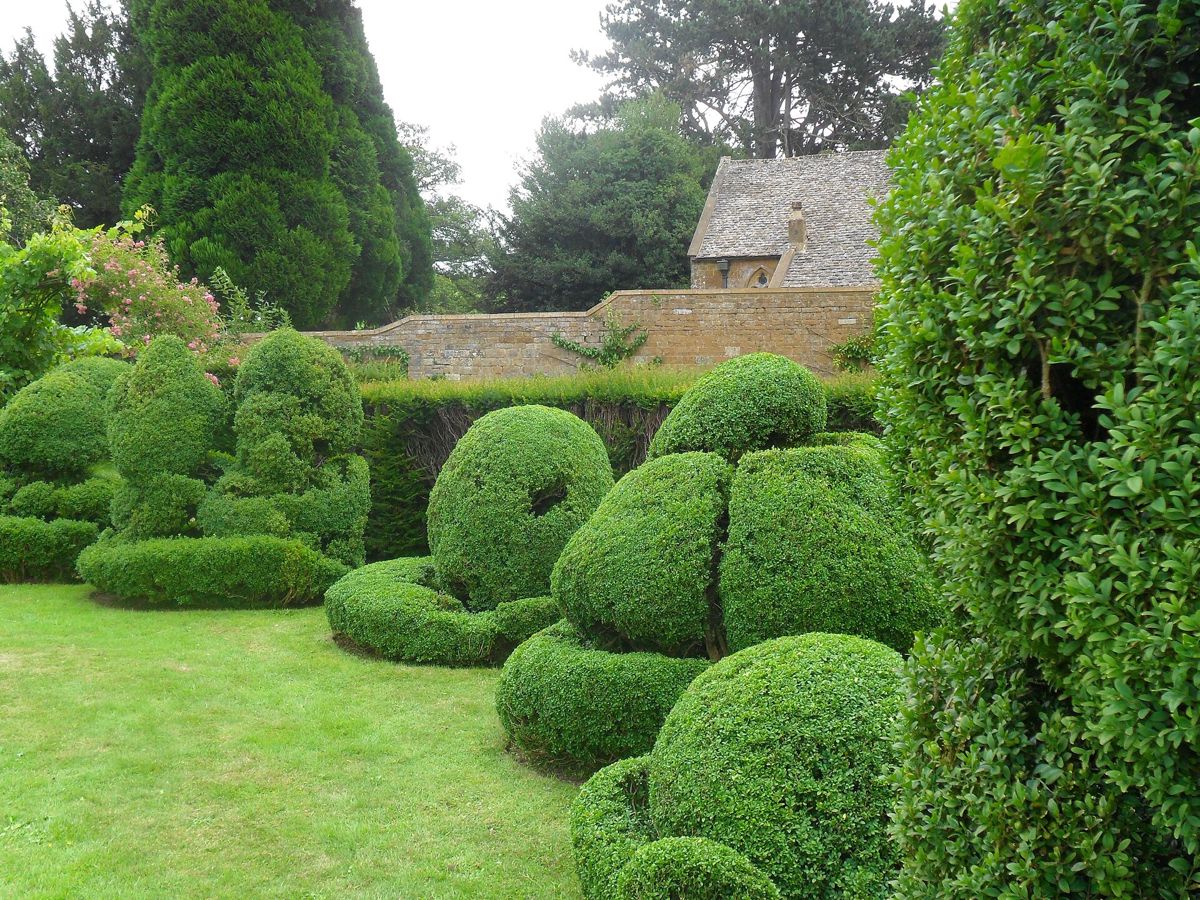
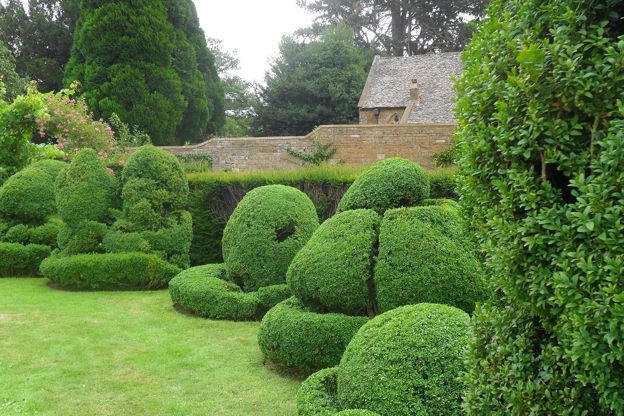
The topiary garden Photo: heied, CC BY-SA 3.0, via Wikimedia Commons 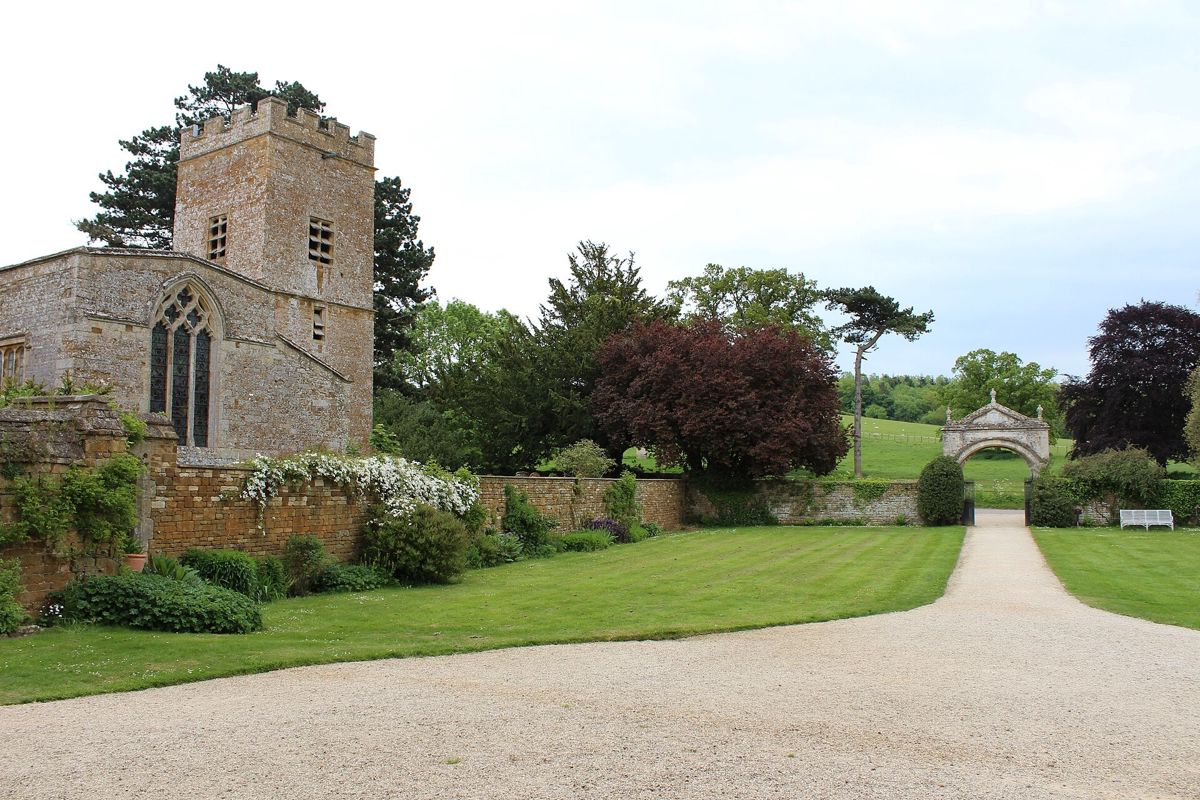
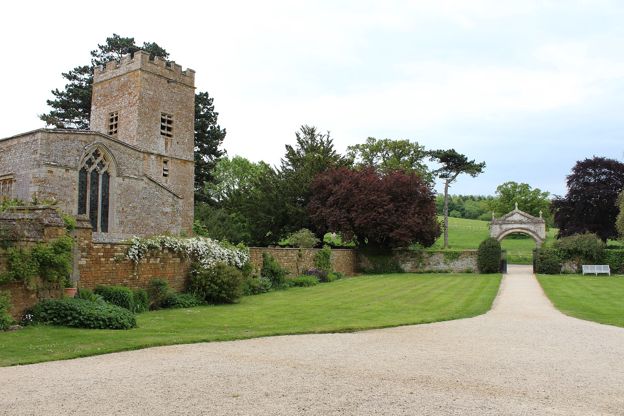
St Mary's church by the house Photo: Chris' Buet, CC BY-SA 2.0, via Wikimedia Commons 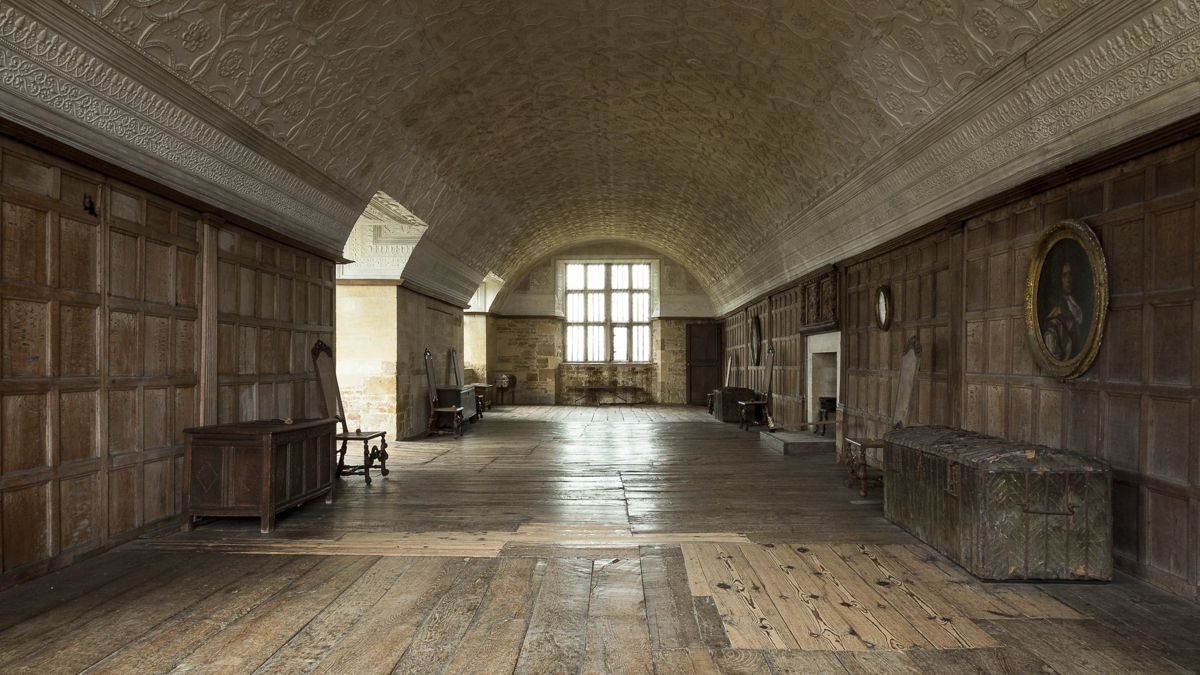
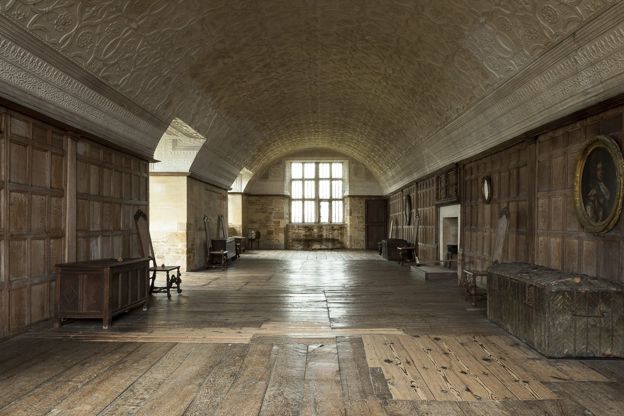
The Long Gallery 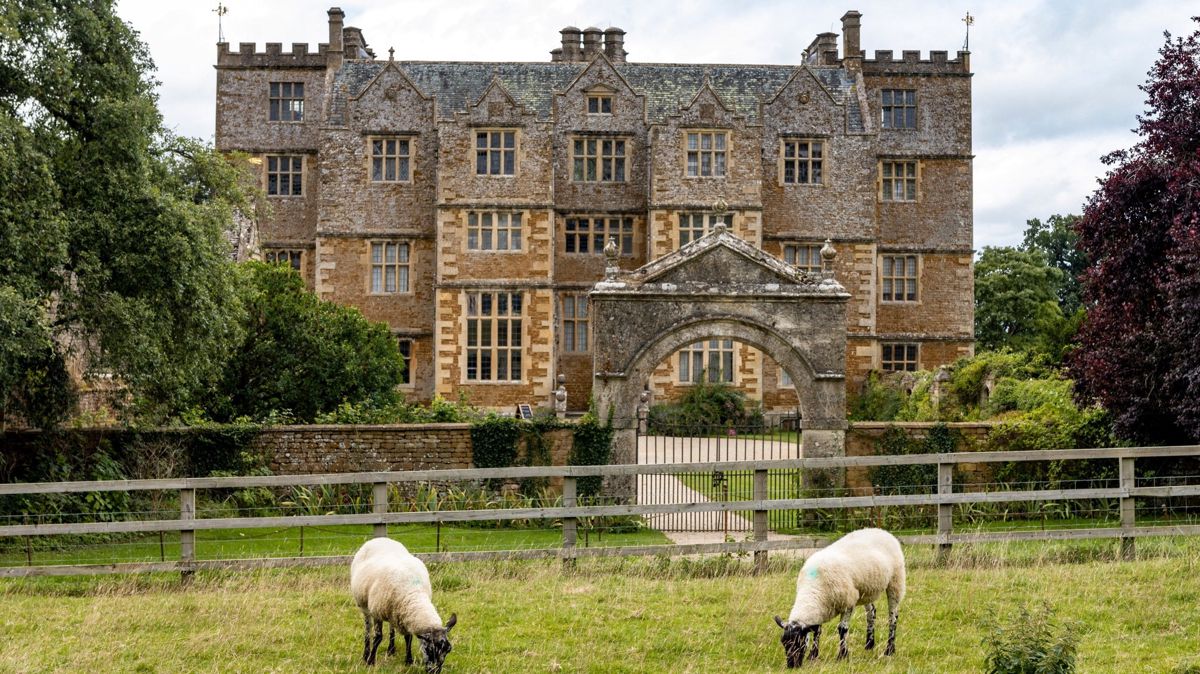
The house and gateway
Location
Accessibility
- Accessible toilet
- Hearing loop
- Assistance dogs welcome
No step-free access into the house; one wheelchair for the ground floor. Accessible parking nearer the house (collect a ticket at visitor reception first). Accessible toilets near the house and at reception. Braille guides, an induction loop at reception and a virtual tour.
Places to stay nearby
-
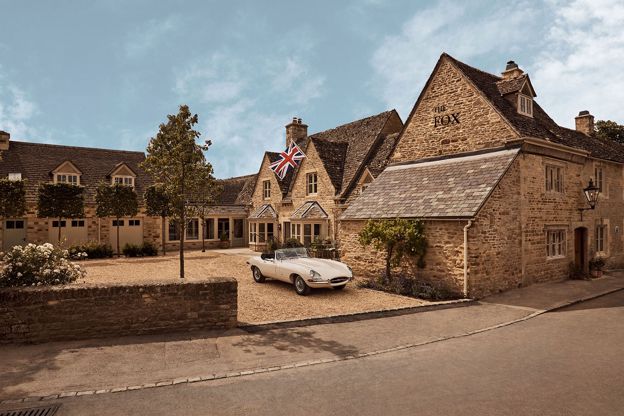
The Fox at Oddington
Inn · Kingham
A Daylesford pub with rooms at Lower Oddington, with the four-bedroom Coachman's House opposite for self-catering groups of up to eight.
Dog-friendly · Family-friendly
Verified Oct 2026
-
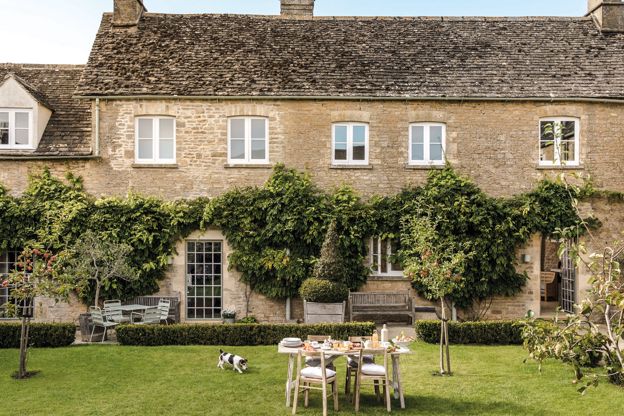
Daylesford Stays cottages
Self-catering · Kingham
Self-catering cottages in Daylesford village and on Daylesford's organic farm near Kingham, all within two miles of the farm shop, and all of them dog-friendly.
Dog-friendly
Verified Nov 2026
-
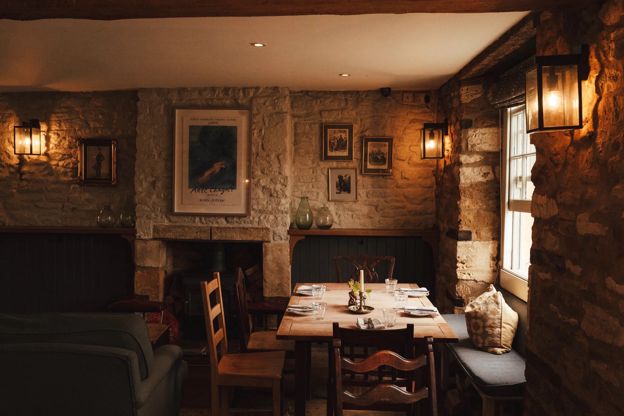
The Kingham Plough
Inn · Kingham
A pub with six rooms and a cottage on the green at Kingham, open daily from 8.30am, with dogs and families welcome.
Car-free · Dog-friendly · Family-friendly
Verified Nov 2026
Nearby walks, places and things to do
- The Fox at Oddington 3.5 km away
- Daylesford Stays cottages 3.5 km away
- Daylesford Farm 3.5 km away
- The Fox Inn, Broadwell 4.8 km away
Sights nearby
-
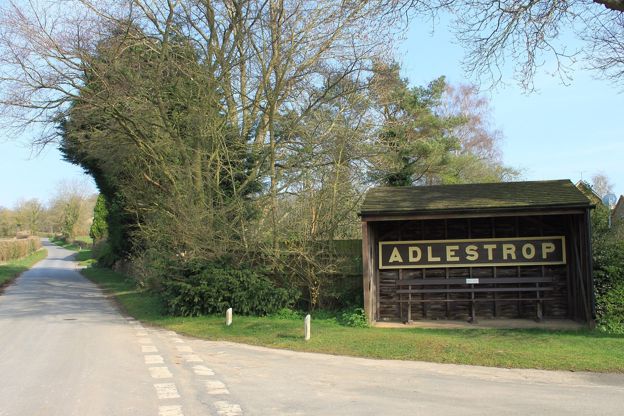
Adlestrop railway sign and seat
Sight · Monument · The Oxfordshire Cotswolds
The Great Western Railway sign and bench from Adlestrop's lost station stand in the village bus shelter, where they were set up in the early 1970s. Edward Thomas's train stopped here in June 1914, and his poem Adlestrop made the name famous. Grade II; free to see.
-
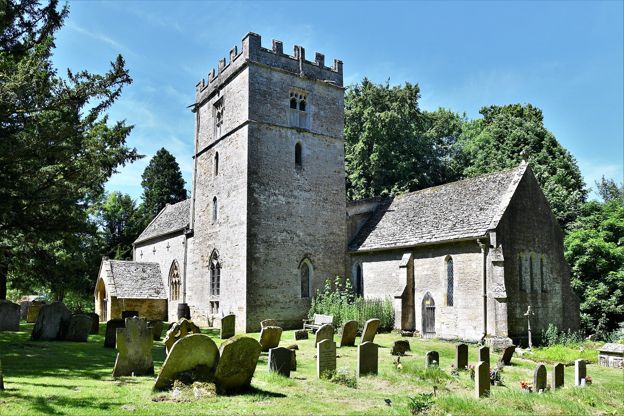
St Nicholas's Church, Lower Oddington
Sight · Church · Stow-on-the-Wold
A Grade I church in the woods at Lower Oddington, near Stow-on-the-Wold, left almost unaltered when a new church was built in 1852. Its north wall carries a huge fourteenth-century Doom, hidden under whitewash until 1913. Open daily; no electricity.