Country houses and castles of the Cotswolds
A World Heritage palace, a castle with a queen buried in its grounds, and manor houses still lived in by the families who built or rescued them. Most open for only part of the year, so here is how to plan.
· 11 minute read
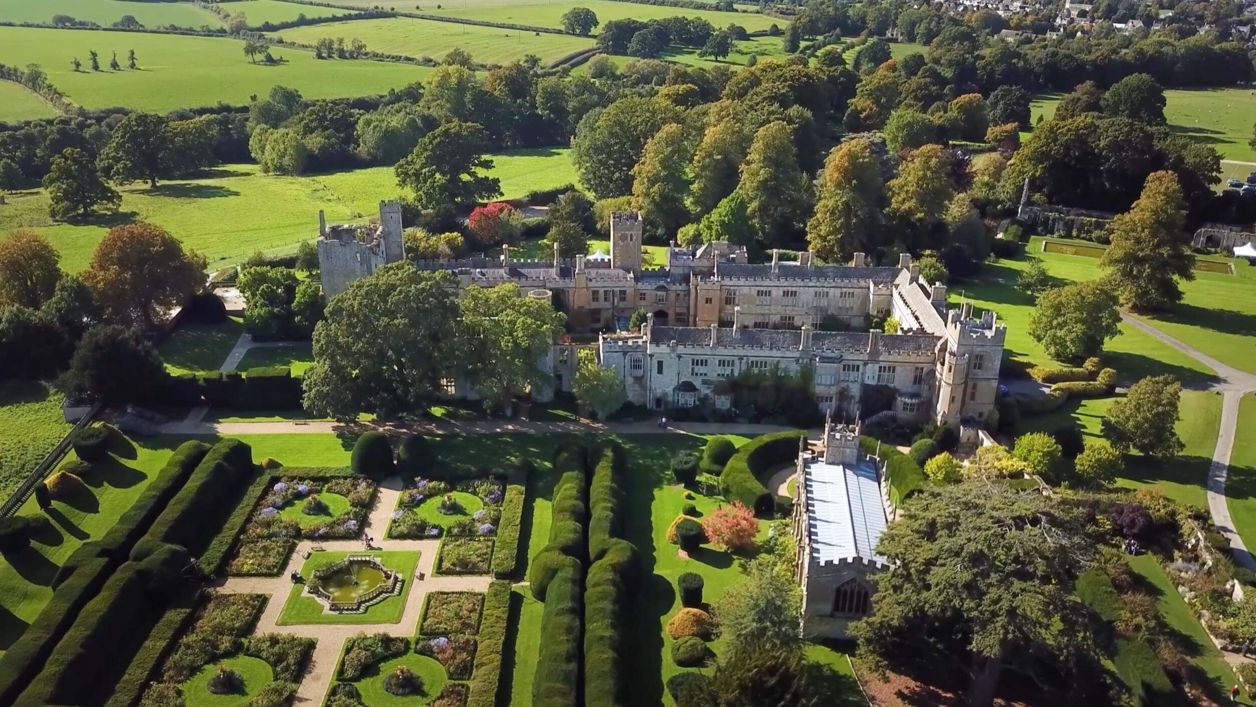
The Cotswolds hold one palace, Blenheim, which is a World Heritage Site; two castles you can go inside, Sudeley and Berkeley, and one you can only look at; and a run of manor houses from Tudor to Arts and Crafts, several still lived in by the families who built or rescued them. Few open all year, some open on two days a week, and two of the best known open only by appointment, so the season matters more here than anywhere else in the guide.
The palace: Blenheim
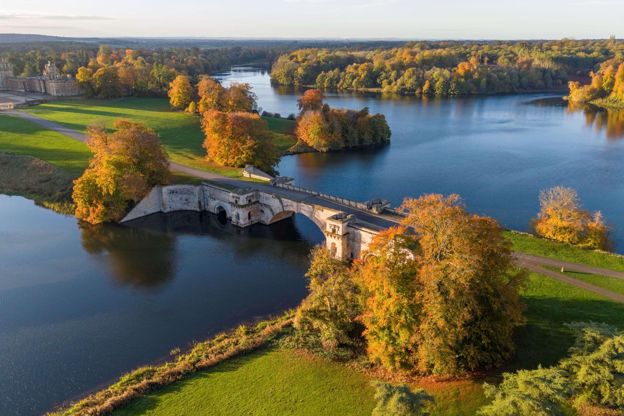
Blenheim Palace at Woodstock is the biggest day out in the Cotswolds, and its palace, park and gardens are listed as open daily. A lift reaches the State Rooms, most tickets give a year's entry, and the park alone, with Capability Brown's lake, is worth the ticket on a fine day.
Vanbrugh and Hawksmoor built it in the early eighteenth century for the first Duke of Marlborough, and UNESCO inscribed the palace and its park of more than 2,000 acres in 1987. Winston Churchill was born here in 1874, and his birth room and the Churchill exhibition are part of the palace visit. Children get an adventure playground and a maze, and the Column of Victory and Queen Pool give the park a shape to walk round; our circuit of the park from Bladon does it in about two hours on estate roads, most of them open only to ticket holders. Parking is free, with Blue Badge bays at the front of the main car park and a free shuttle bus to the palace, and a Changing Places toilet is at the Walled Garden.
Sudeley Castle
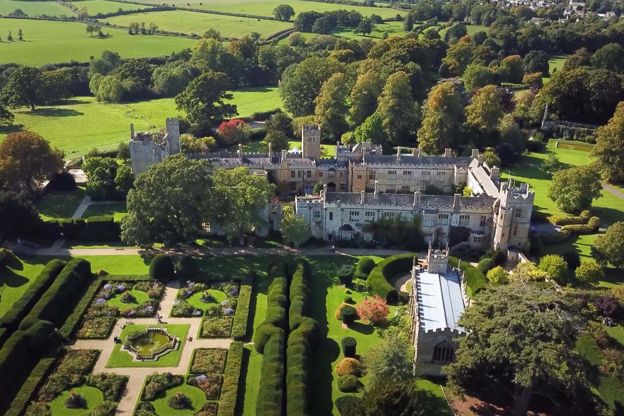
Sudeley Castle, on the edge of Winchcombe, is the castle to visit: the only private castle in England with a queen buried in its grounds, by its own account. In 2026 it opened daily from 14 March to 1 November, with last admission at 3pm; check the castle's site for next season's dates. Ten gardens, the ruins and an adventure playground fill a day.
Katherine Parr, Henry VIII's last queen, died at Sudeley in September 1548, days after the birth of her daughter, and lies in St Mary's chapel in the grounds; her tomb was found again in 1782. Parliament ordered the castle slighted in 1649, and the Dents, Worcester glove makers, bought the ruin in 1837 and made the east wing the family home it still is. The castle rooms are up stairs and the castle says they are unsuitable for wheelchair users, but a circular garden route is possible with help, four manual off-road wheelchairs are free to book by phone, and carers enter free with a paying disabled visitor. Pet dogs may go only to the visitor centre and café.
Berkeley and Beverston
Berkeley Castle, in the Severn vale below the Cotswold edge, opens Sunday to Wednesday in season and is the castle for medieval history: a king died here. Beverston, near Tetbury, is a fortified manor the Berkeleys made a castle, now a private house seen from the lane and the churchyard.
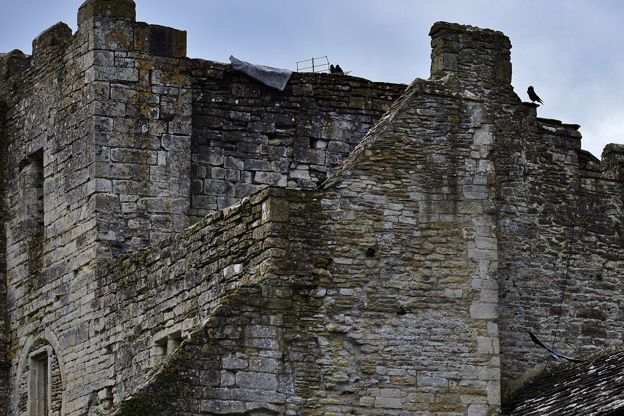
Berkeley has been the Berkeley family's home for more than 850 years, and the castle claims to be the oldest building in the country still lived in by the family that built it. Edward II was held here in 1327 and murdered here on 21 September that year, and its jester has a story of his own. In 2026 it opens Sunday to Wednesday, 11am to 5pm, with last entry at 4pm, and an adult ticket is £17 (2026). The way in is up the Keep Steps, uneven by design, and the first-floor rooms cannot be reached in a wheelchair, though a ramp serves the Great Hall and the armoury. Beverston Castle, 2 miles (3km) west of Tetbury, dates from about 1225 and was besieged twice in 1644; the churchyard of St Mary's next door gives the best view of its gatehouse and towers.
Chastleton and Stanway, the Jacobean houses
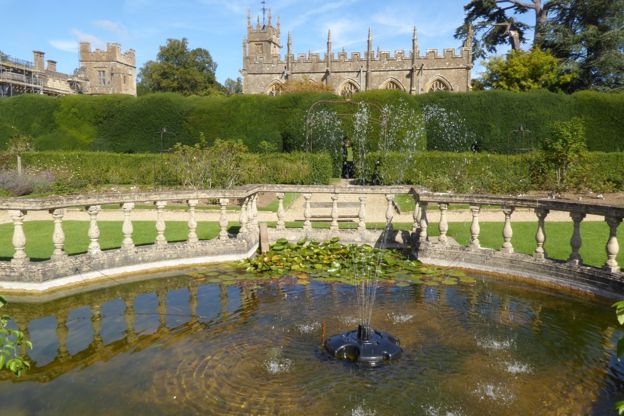
Two Jacobean houses within half an hour of Moreton-in-Marsh are the ones for architecture: Chastleton, which nobody modernised, and Stanway, which the same family has lived in for four centuries. Chastleton opens in the afternoons from spring to autumn; Stanway on two afternoons a week in summer only, so plan around it.
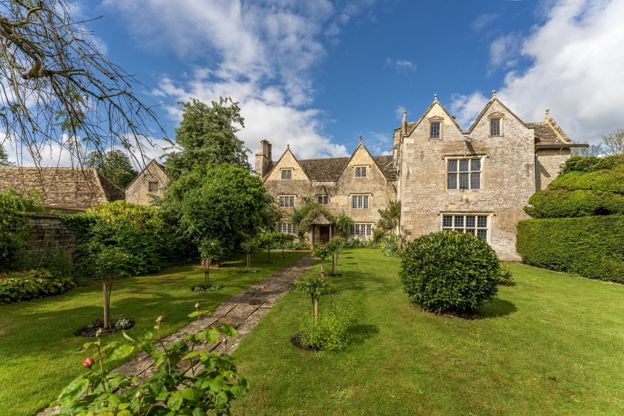
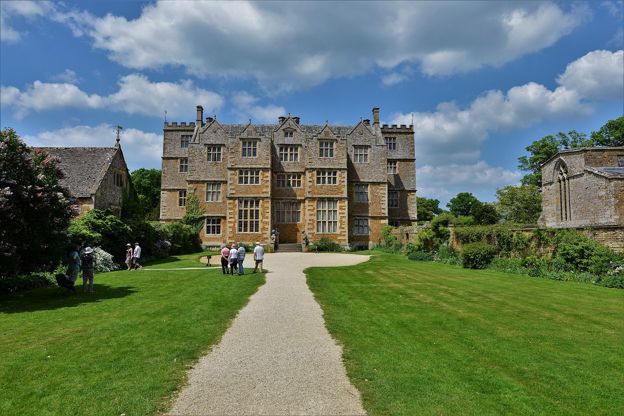
Chastleton House, near Moreton, was built early in the seventeenth century for Walter Jones, a Witney wool merchant, on the estate he bought from Robert Catesby in 1602. His family kept it, and kept it poor, which is why so little changed before the National Trust took it in 1991; Walter Jones Whitmore laid out its croquet lawns and wrote rules for the game, published in 1866. It opens in the afternoons and closes in winter, the approach is only from the A436, there is no step-free way into the house, and the Trust lends one wheelchair for the ground floor.
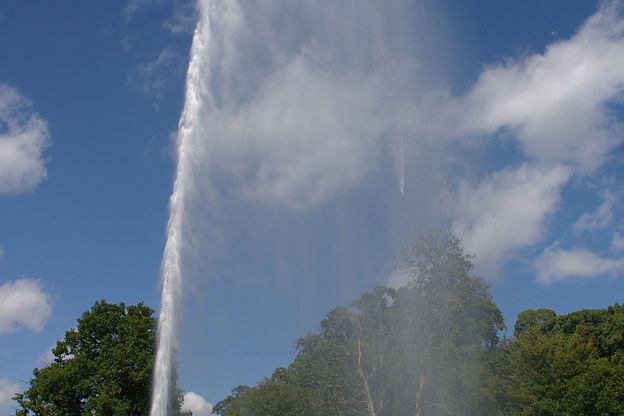
Stanway House, near Winchcombe, belonged to Tewkesbury Abbey for 800 years and then to the Tracys and their descendants the Earls of Wemyss, who still live there. The Jacobean house, its gatehouse and its fourteenth-century tithe barn open on Tuesday and Thursday afternoons in June, July and August, 2pm to 5pm, and the single jet in the water garden, opened in 2004, rises to about 92m, which the house calls the tallest fountain in Britain. Dogs on leads are welcome; the house asks disabled visitors to telephone first and charges them the fountain-only rate, since they see only part of the house. The Cotswold Way passes the gatehouse.
Sezincote and Snowshill
Sezincote and Snowshill are the two houses with a story to tell children: an Indian palace on a Cotswold hill, and a manor one man filled from cellar to attic with the things he collected. Sezincote's garden opens midweek from March to November; Snowshill sets its days by the season, so check the National Trust's calendar.
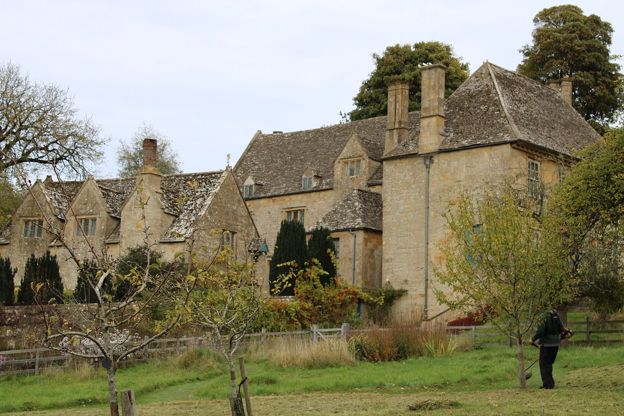
Sezincote, on the hill opposite Batsford, was designed by Samuel Pepys Cockerell in 1805 for his brother Charles, home from India, with an onion dome and minarets outside and English rooms within; the Prince Regent saw it in 1807 before he built his pavilion at Brighton. The garden closes at weekends for weddings, and the house opens for tours only from May to September, on the garden's days, so check before you go.Snowshill Manor, above Broadway, is the house Charles Paget Wade filled from 1919 with craftsmanship of every kind, from bicycles to samurai armour, and gave to the National Trust in 1951; the manor is 450m uphill from the car park, with a volunteer buggy for those who need it.
Arts and Crafts houses
Three houses tell the story of the Arts and Crafts movement in the Cotswolds: Kelmscott, where William Morris began it; Rodmarton, where the Barnsleys finished it; and Owlpen, which Norman Jewson rescued. Kelmscott and Rodmarton open on set days in summer; Owlpen opens mainly to private groups.
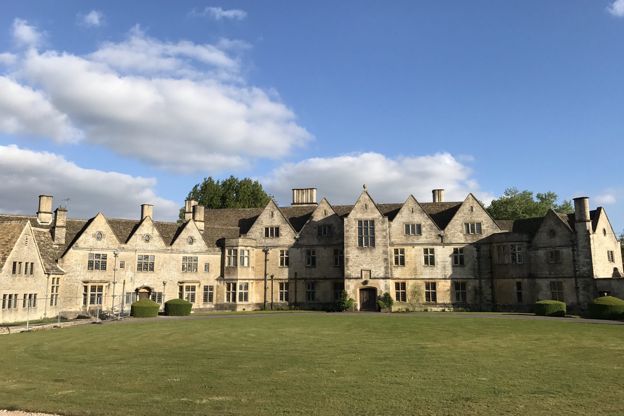
Kelmscott Manor, by the upper Thames near Lechlade, was Morris's country home from 1871 until his death in 1896, and the Society of Antiquaries of London has run it since 1962. It opens from April to late October on Thursdays, Fridays and Saturdays, with timed tickets for the house; the ground floor, garden, tearoom and shop are step-free, the upper floors are not, and Blue Badge bays in the car park have an electric shuttle. Rodmarton Manor, near Cirencester, was built and furnished from 1909 to 1929 by Ernest Barnsley and the Cotswold craftsmen for Claud and Margaret Biddulph, whose family still own it. It opens from May to September on Wednesdays, Saturdays and bank holiday Mondays, the ground floor and most of the garden are step-free, and Historic Houses members enter free.
Owlpen Manor, near Uley, is a Tudor house of 1450 to 1616 above seven hanging terraces, derelict for more than 80 years until the Arts and Crafts architect Norman Jewson rescued it in 1926; the Mander family live there. It is not open to the general public: it takes private groups of 15 or more, booked ahead, from May to September, and a few public tours in 2026 were sold through Historic Houses (opens in a new tab).
Further south: Dyrham, Lacock, Lodge Park and Woodchester
The South Cotswolds have the National Trust's big houses. Dyrham Park, near Bath, is open all year but Christmas; Lacock Abbey closes its rooms from November to March; Lodge Park opens on a handful of days; andWoodchester Mansion, never finished, opens Friday to Sunday from Easter to early November.
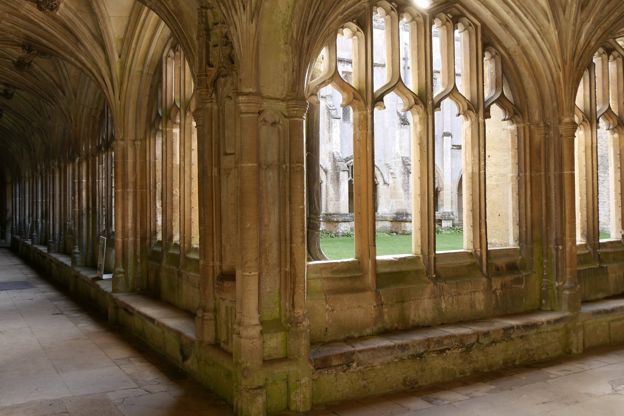
Dyrham was rebuilt for William Blathwayt, the west front finished by 1694 and the east by 1703, and stands in a deer park, so only assistance dogs are allowed anywhere on the site; the house opens from late morning and the park from 10am. Lacock Abbey is a sixteenth-century house made from the cloister of a medieval nunnery, where Fox Talbot made the earliest surviving photographic negative in 1835; the abbey has steps and uneven floors, the Trust points to an AccessAble guide, and the Trust's Hither Way car park is the only parking, as there is none on the village streets.Newark Park, a Tudor hunting lodge of about 1550 at Ozleworth near Wotton-under-Edge, has an off-road Tramper scooter to hire; our walk from Kingscote by Ozleworth passes near it.
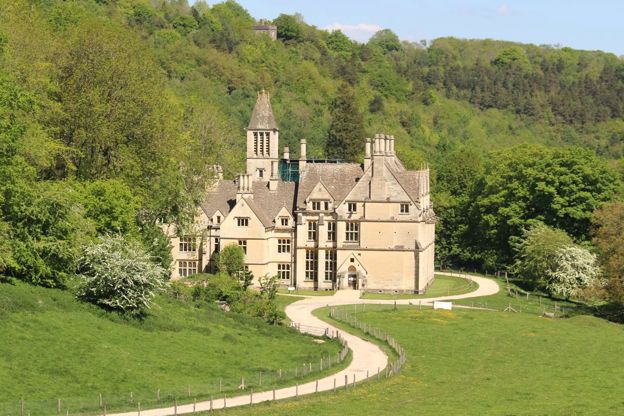
Lodge Park, at Aldsworth, is a grandstand of the mid seventeenth century built for John 'Crump' Dutton to watch deer coursing, which the National Trust calls England's only surviving seventeenth-century deer course and grandstand. In 2026 it opened on three days in March, the April weekends and two weekends at the turn of July and August, 11am to 4pm; the Sherborne estate walks around it are open dawn to dusk, and non-members pay to park at Ewe Pen Barn. Woodchester Mansion, near Nympsfield, is a Grade I Gothic house that William Leigh began in the 1850s, with Benjamin Bucknall as his architect, and left unfinished at his death in 1873, its upper floors missing; it is reached by a volunteer minibus, when one is running, or a walk of about three-quarters of a mile down the track from the National Trust's Buckholt car park, and a film shows the upper floors to anyone who cannot manage the stairs. Our walk round Woodchester Park starts from the same car park.
Ruins, free to visit
Two ruins cost nothing and need no booking. Minster Lovell Hall, by the Windrush between Burford and Witney, is open in daylight; and Beverston's towers can be seen from the churchyard. Hailes Abbey, near Winchcombe, is English Heritage's other ruin, now open on the first weekend of each month for booked tours rather than casual visits.
Minster Lovell Hall was built in the 1430s by William, Lord Lovell, and his grandson Francis was made Viscount Lovell by Richard III; after the Yorkist defeat at Bosworth in 1485 the hall passed to the Crown. Legend has it that a skeleton later found walled up in a vault was Francis, but it is a story, not a record. The ruins have uneven ground and deep water close by, parking is at St Kenelm's church five minutes away, and our walk to Crawley starts there. Hailes Abbey, founded in 1246 and from 1270 a place of pilgrimage for a phial said to hold the blood of Christ, has level access to its museum and gentle grass slopes beyond; it opens on the first weekend of every month for tours booked online, so check English Heritage's page before you go, and ourwalk to Beckbury Camp passes the gate.

The Cotswolds Info newsletter
Events, new places and the best of the season, about once a month. Unsubscribe at any time.
The houses you see from outside
Four famous houses are private. Highgrove, the King's garden near Tetbury, opens on booked tours and the house never; Daylesford, Cornbury and Badminton open their parks or gardens on a few days a year and otherwise stay behind their walls.
Highgrove runs guided garden tours from April to September, booked ahead, with lunch and champagne tea tours too; in 2026 a garden tour cost from £45 a person, or £50 in May, June and July, and tickets for each season go on sale in March. Parking is free with a ticket, the paths are partly unmade, gravelled or cobbled, there are no wheelchairs to hire, and carers go free. Daylesford House, east of Stow, was designed by Samuel Pepys Cockerell for Warren Hastings from 1787 and is Grade I, but the Parks and Gardens register lists it simply as a private house; the Daylesford farm shop on the estate is the public part. Cornbury Park, near Charlbury, is a private estate that has hosted the Wilderness festival in summer (30 July to 2 August in 2026; the next dates were not announced when we checked). Badminton House, the Dukes of Beaufort's seat, fills its park with the Badminton Horse Trials in early May, and opens its gardens on three days a year with timed tickets booked ahead, one each in April, June and September; the estate's website gives the dates.
Memberships, and the opening rule
Every house here sets its own season, and the rule is that most close from November to March, many open only in the afternoon, and the private ones open on fixed days: Stanway on Tuesdays and Thursdays in summer, Rodmarton on Wednesdays and Saturdays, Kelmscott from Thursday to Saturday, Sezincote from Wednesday to Friday, Berkeley from Sunday to Wednesday, Woodchester from Friday to Sunday, Chavenage by reservation only.
Three memberships cover most of the list. The National Trust has Chastleton, Snowshill, Dyrham, Lacock, Lodge Park, Newark Park and Hidcote; English Heritage has Hailes, Minster Lovell and Cirencester's amphitheatre; and Historic Houses (opens in a new tab) gives free entry to Stanway, Rodmarton, Sezincote and Sudeley. If you plan three or more visits in a year, one of them usually pays for itself, and a year's pass is built into Blenheim's ticket. Chavenage, rebuilt by 1576 and owned by the Lowsley-Williams family since 1891, is the one house no membership opens: in August 2026 it said filming left little chance to tour, visits are by reservation only, and there is no wheelchair access. Its headless coachman is in England's most famous ghost.
Houses by train
Three houses can be reached from a station without a car. Blenheim is the easiest: the 233 bus runs from Hanborough station to Woodstock. Chastleton is a mile's walk from the 801 bus at Little Compton, which leaves from Moreton-in-Marsh station; and Lacock is on the X34 bus from Chippenham station.
Hanborough is a few minutes from Oxford on the Cotswold Line, and the Oxford Bus Museum beside the station opens on Wednesdays and Sundays. From Moreton the 801 runs about hourly to Little Compton, Brewery Lane, and the lane to Chastleton climbs a mile from there; ask the driver. For Sudeley, the steam trains of the Gloucestershire Warwickshire Railway stop at Winchcombe, and our walk from Winchcombe to the castle drive is 2 miles (3.2km) without stiles. Kelmscott, Stanway and Rodmarton have no useful bus; our guide to the Cotswolds without a car has the rest.
Who each house suits
For children, Blenheim and Sudeley, which both have adventure playgrounds and room to run. For gardens, Sezincote, Kiftsgate and Hidcote, covered in our gardens guide. For architecture, Chastleton for a Jacobean house nobody modernised and Stanway for one the family never left.
For a wet day, Blenheim and Snowshill have the most under a roof; for a quiet one, Rodmarton on a Wednesday or Kelmscott on a Thursday. For history, Sudeley's chapel and Berkeley's hall, and for the strange, Woodchester's empty shell and Minster Lovell's legend. Most houses do not allow pet dogs indoors, and the Cotswolds with a dog has the rules for each.
Mentioned in this story
The places, sights and walks in this story, each with a page of its own: what it is, when to go and how to get there.
-
Blenheim Palace
Historic houses and heritage · Woodstock
-
Sudeley Castle and Gardens
Historic houses and heritage · Winchcombe
-
Snowshill Manor and Garden
Historic houses and heritage · Snowshill
-
Chastleton House
Historic houses and heritage · Moreton-in-Marsh
-
Kelmscott Manor
Historic houses and heritage · Lechlade-on-Thames
-
Rodmarton Manor
Historic houses and heritage · Tetbury
-
Lacock Abbey, Fox Talbot Museum and Village
Historic houses and heritage · Lacock
-
Woodchester Mansion
Historic houses and heritage · Minchinhampton
-
Beverston Castle
Sight · Castle or ruin · Tetbury
-
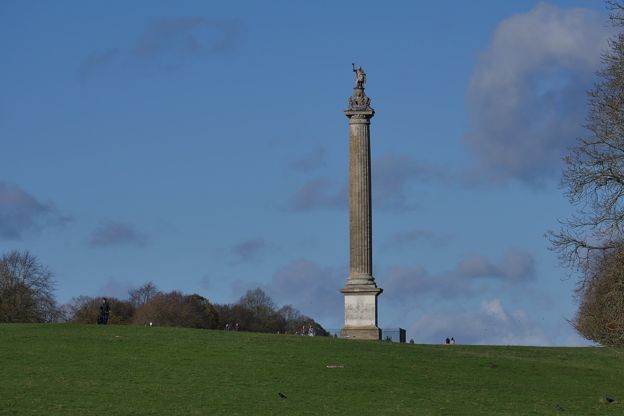
Column of Victory, Blenheim
Sight · Monument · Woodstock
-
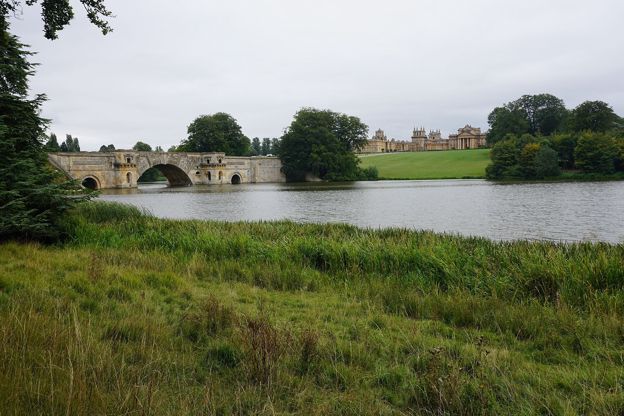
Queen Pool, Blenheim
Sight · Lake · Woodstock
-
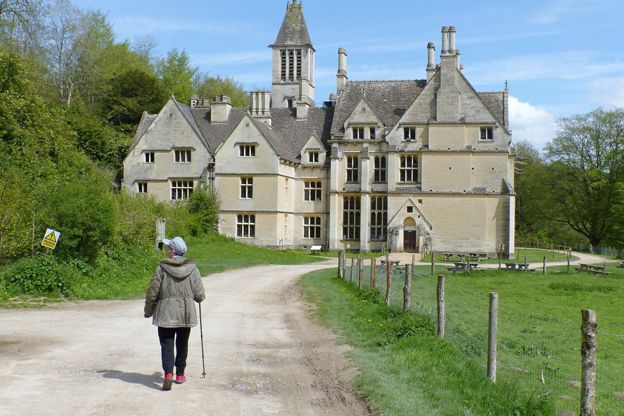
Woodchester Park
Sight · Common or park · Nailsworth
-
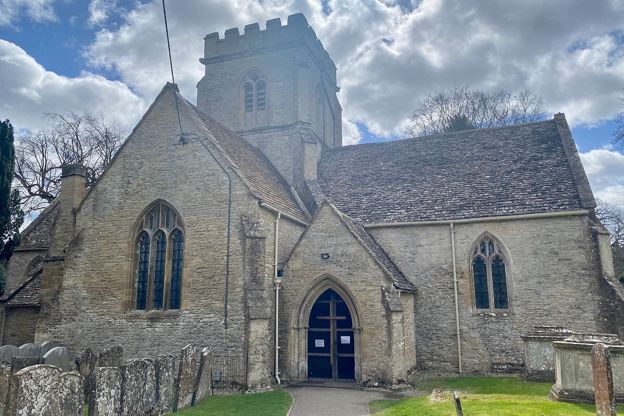
St Kenelm's Church, Minster Lovell
Sight · Church · The Oxfordshire Cotswolds
-
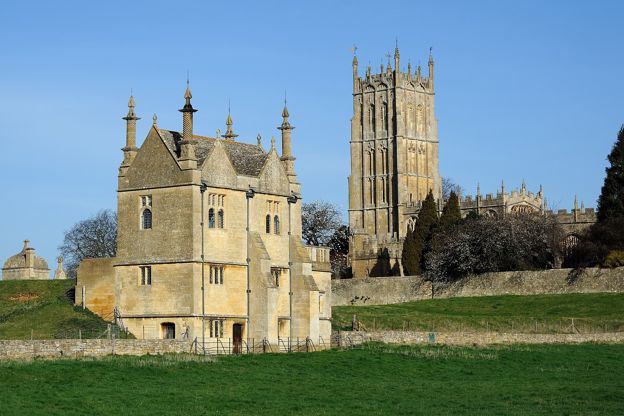
Old Campden House, Chipping Campden
Sight · Historic building · Chipping Campden
Places to stay near Woodstock
-
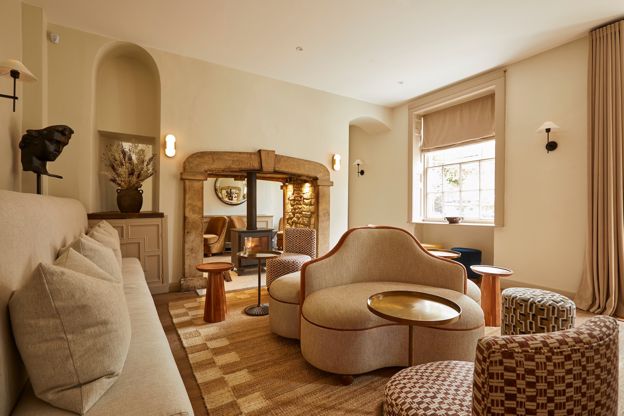
The Feathers
Hotel · Woodstock
A hotel with 18 rooms and five suites on Market Street, Woodstock, with two AA Rosettes and a Michelin Key, a few minutes from Blenheim's gates.
Verified Nov 2026
-
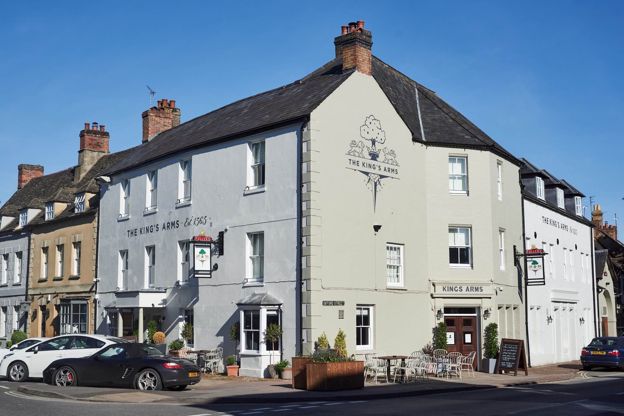
The King's Arms
Inn · Woodstock
A Fuller's inn with 15 rooms on the corner of Market Street, Woodstock, in a Grade II listed building, with dogs welcome and breakfast included.
Dog-friendly · Car-free
Verified Oct 2026
-
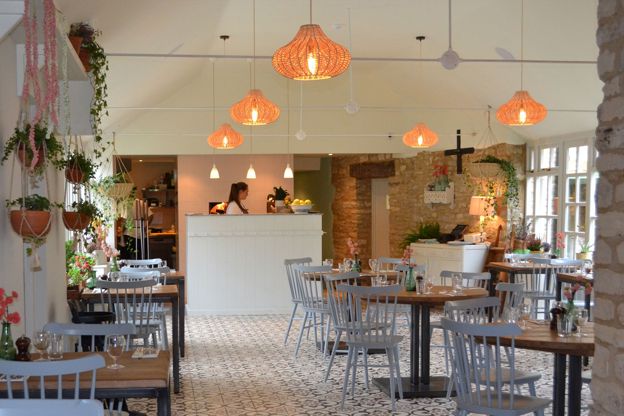
The Crown, Woodstock
Inn · Woodstock
An inn on Woodstock's High Street, in a building it describes as Grade II listed and eighteenth century, with five en-suite rooms, a three-bedroom cottage, a townhouse apartment and a restaurant.
Wedding venues
Verified Oct 2026
Read next
-
The ghost of Charles I in the Cotswolds
Story · Strange Things · 4 minute read
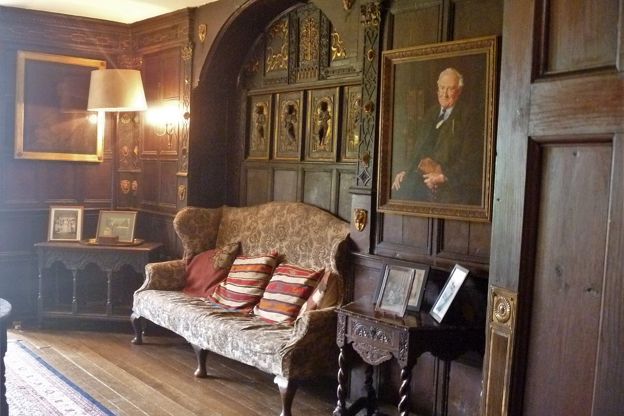
Two Cotswold houses have stories of Charles I: the Court House at Painswick, where tradition says he stayed in 1643, and Chavenage, near Tetbury, where legend says his ghost drove a hearse.
-
The Arts and Crafts movement in the Cotswolds
Story · History · 10 minute read
How Ashbee's Guild of Handicraft, Gimson and the Barnsleys, Rodmarton Manor, Gordon Russell and the gardens at Hidcote made the Cotswolds a home of Arts and Crafts, and where to see it now.
-
The great gardens of the Cotswolds
Story · Guides · 12 minute read
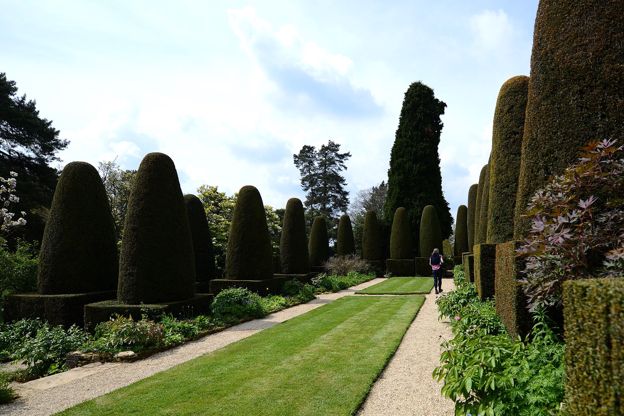
Eighteen Cotswold gardens by kind and season: Hidcote, Kiftsgate, Sezincote, Batsford, Westonbirt, the Rococo Garden, Colesbourne's snowdrops, Rodmarton, Highgrove and more, with who made each, the best month, how long to allow and the dog rules.