JCNazza, CC BY 3.0, via Wikimedia Commons
Winchcombe and Sudeley Castle
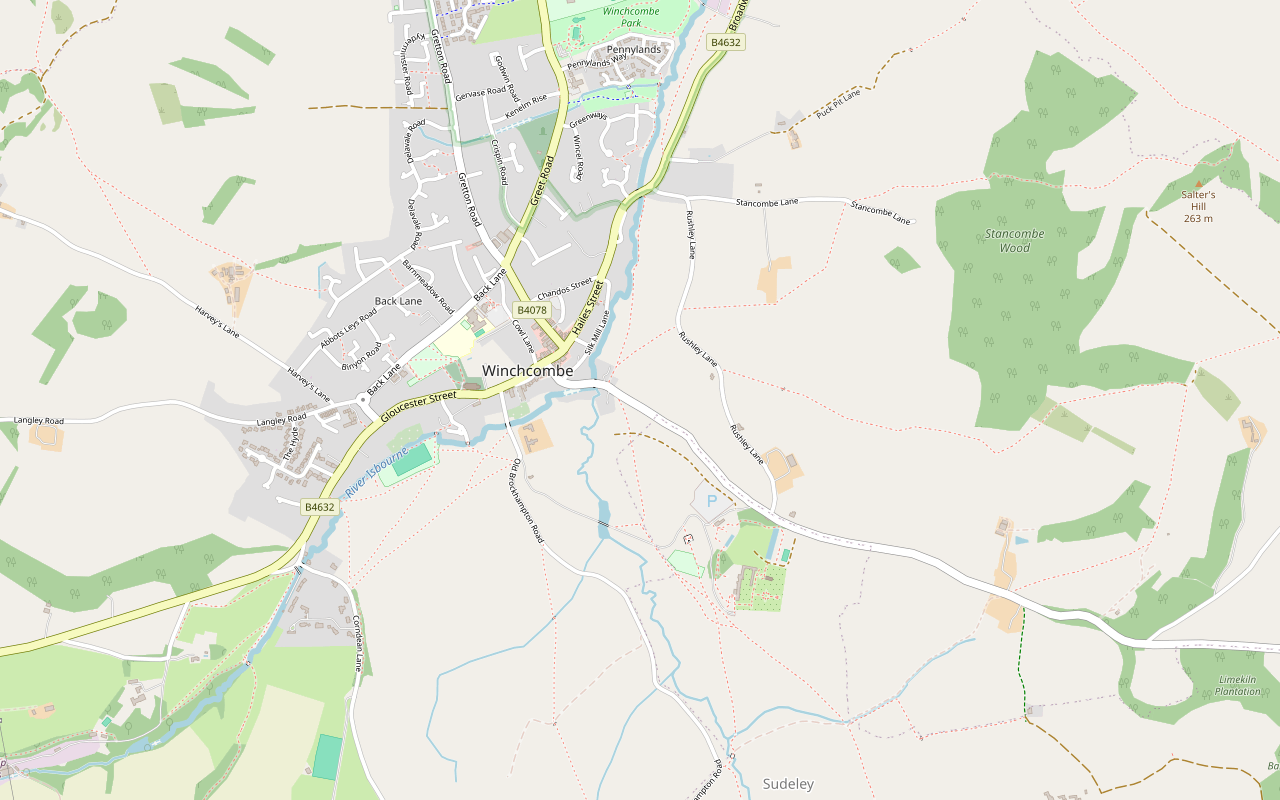
A 2-mile (3.2km) easy circular walk of about an hour from Winchcombe, with no stiles: down Vineyard Street, along the Sudeley Castle drive by the lime avenue and the lake, and back by Rushley Lane and beside the River Isbourne or along Broadway Road.
- Distance
- 3.2 km (2.0 mi)
- Difficulty
- Easy
- Time
- 1 hr
- Circular
- Circular
The route
Starts at Back Lane car park, Winchcombe Road walking Download GPX
Step by step
-
Step 1: Down Vineyard Street to Sudeley
Leave Back Lane car park by the far corner into Cowl Lane and turn right to the High Street. Turn right along Abbey Terrace until you see Vineyard Street on your left, cross the main street with care and go down Vineyard Street, over the bridge across the River Isbourne and up the slope to the entrance of Sudeley Castle. Carry on along the drive past Almsbury Lodge.
-
Step 2: Through the castle grounds
Walk down the avenue of lime trees to the bridge over the lake. Carry straight on along the drive, past the children's play fort on your right, and in front of the tree to the car park. Go through the gate and turn right along the road to the gatehouse.
-
Step 3: Rushley Lane and back to town
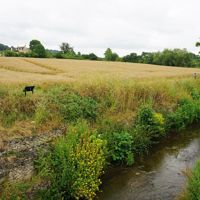
Turn left and cross the road with care into Rushley Lane, where there is traffic. Follow the lane past Laundry Cottage, with views across the valley to Winchcombe, to its junction with Stancombe Lane, then follow the road left down to Broadway Road and turn left. For the riverside path, go through the gate on your left just before the bridge and follow the surfaced path beside the river; at the far end of the third field, go through the gate and along the alley between the cottages to Castle Street. Turn right over the bridge and uphill to the High Street, cross with care, turn left to the end of the shops and right into Cowl Lane to the car park. To stay on a hard surface instead, follow Broadway Road back into town, past North Street and along the High Street to Cowl Lane.
Sights on the way
The sights this walk passes, numbered as on the map.
-
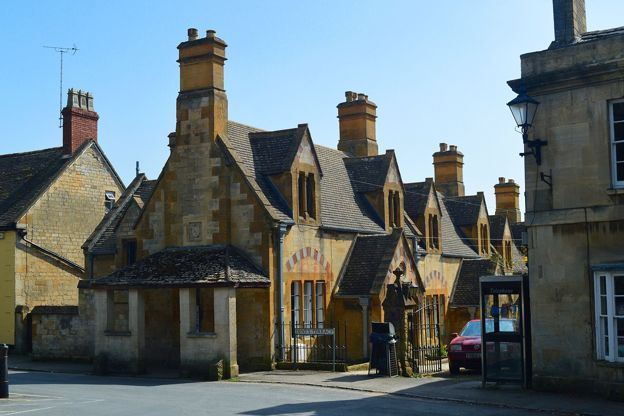
Dent's Terrace, Winchcombe
Sight · Historic building · Winchcombe
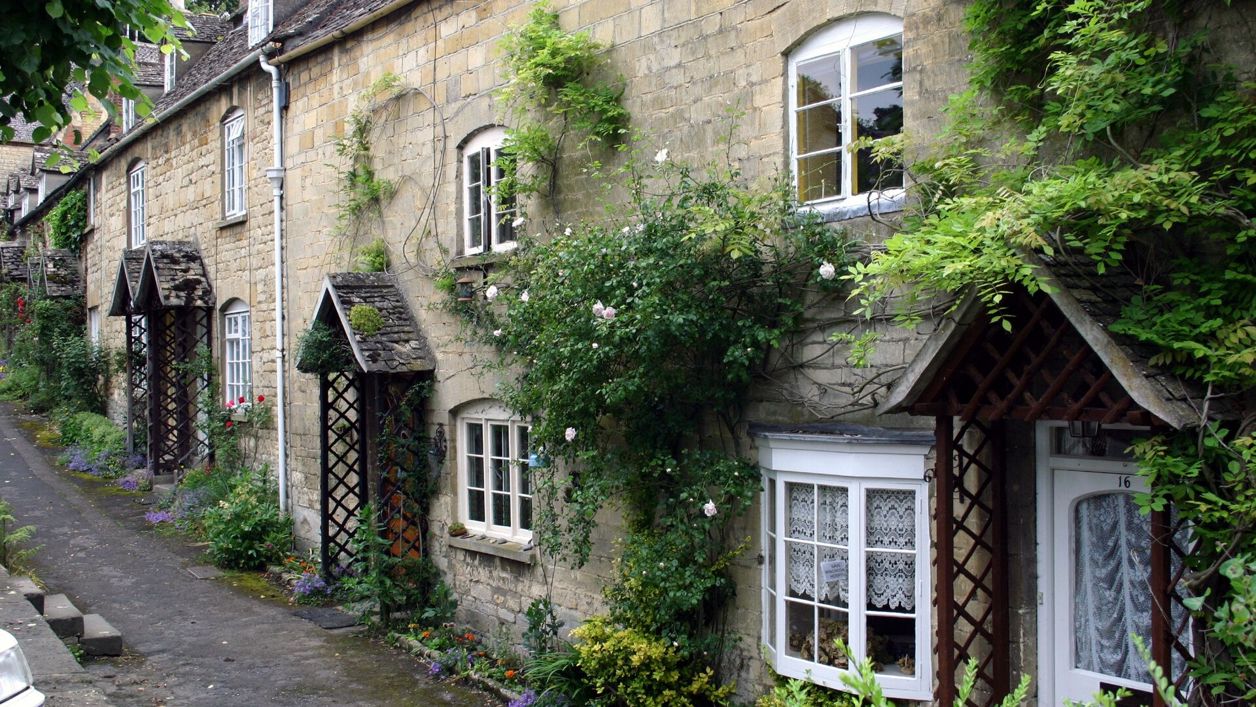
A row of ten almshouses of 1865 on Abbey Terrace, Winchcombe, by Sir George Gilbert Scott and J Drayton Wyatt for John and Emma Dent of Sudeley Castle: cream, yellow and pink stone under stepped gables. Grade II.
-
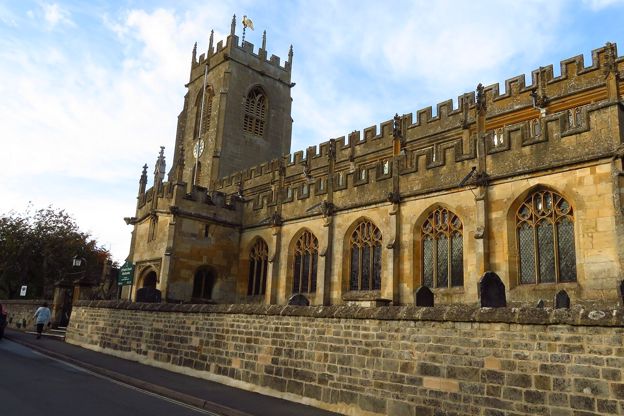
St Peter's Church, Winchcombe
Sight · Church · Winchcombe
St Peter's is Winchcombe's Grade I parish church, built in one campaign in about 1458 to 1468, with some 40 carved grotesques round its walls, a fan-vaulted tower and two stone coffins tied to the St Kenelm story. Usually open daily.
-
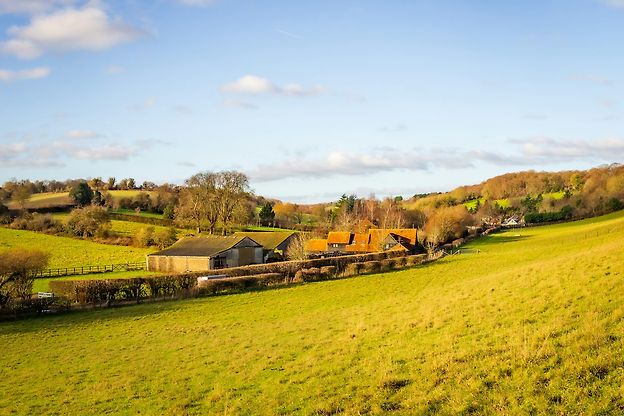
Vineyard Bridge, Winchcombe
Sight · Bridge · Winchcombe
Vineyard Bridge is the single stone arch of 1891 that carries Vineyard Street over the River Isbourne in Winchcombe, the last work in the town of the architect J. Drayton Wyatt and the way to Sudeley Castle. Listed Grade II.
-
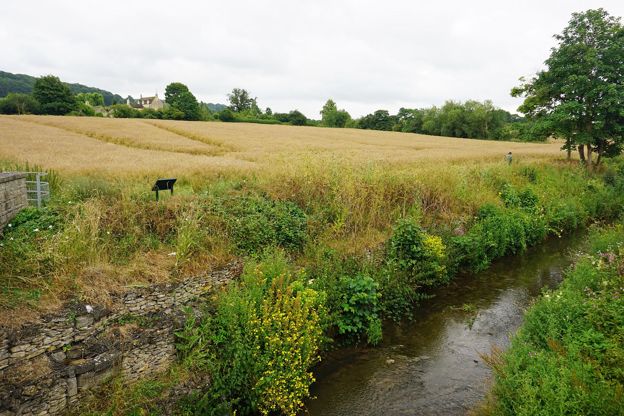
River Isbourne
Sight · River · Winchcombe
The River Isbourne rises at a spring on Cleeve Hill above Winchcombe and runs north past Postlip, Winchcombe, Toddington and Sedgeberrow to join the Avon at Evesham. A waymarked path of some 14 miles, the Isbourne Way, follows it.
The walk in detail
The Winchcombe and Sudeley Castle walk is a 2-mile (3.2km) circular walk from Back Lane car park in Winchcombe along the drive through the grounds of Sudeley Castle, where Katherine Parr is buried. It is easy and stile free and takes about an hour. The White Hart Inn is on the High Street on the way back.
It is the first of the National Landscape's Cotswold Gateway walks from the town. The route page allows an hour to an hour and a half and describes unsurfaced paths that need a basic level of fitness. The walk comes back either by a surfaced path beside the River Isbourne or along Broadway Road, which keeps you on a hard surface all the way.
Vineyard Street and the Dents
The way out to Sudeley is down Vineyard Street, past the almshouses and over the bridge the Dents of Sudeley built. Along Abbey Terrace, before you turn down Vineyard Street, is Dent's Terrace: ten almshouses of 1865 designed by Sir George Gilbert Scott and J. Drayton Wyatt in cream, yellow and pink limestone, with the date and the letter D in their porch gables. Its listing calls the row a good example of the generosity of John Coucher Dent and his wife Emma, then the owners of Sudeley, and grades it II.
Vineyard Street, the leaflet says, was also known as Duck Street. Vineyard Bridge, at the bottom of the street, was built in 1891 by J. Drayton Wyatt, his last work in Winchcombe, with John Oakey, a mason who worked for Emma Dent. Its listing describes it as the way from the main street of Winchcombe to one of Sudeley's principal gatehouse entrances. It crosses the River Isbourne, which the leaflet says rises from a spring on Cleeve Common and joins the Avon, and is said to be the only river in England to flow north for its whole length.
Through the castle grounds
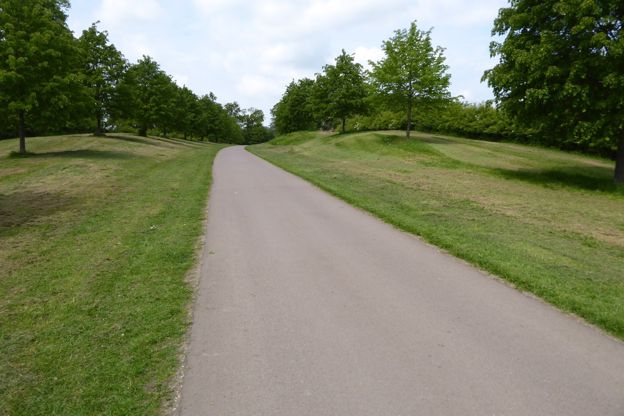
The walk follows the castle drive through the grounds, past the lake, without going into the castle or its gardens. From the entrance the drive passes Almsbury Lodge, which the leaflet calls unusual, and runs down an avenue of lime trees to a bridge over the lake. Beyond it are a children's play fort and the castle car park.
Sudeley Castle
Sudeley Castle, a Grade I castle of the fifteenth century, is still the home of the Dent family's descendants. It was built for Ralph Boteler, altered for Lord Chandos around 1572 and slighted on Parliament's orders in 1649. John and William Dent, glove makers from Worcester, bought it in 1837, and the leaflet says the family restored much of the castle in the Victorian period.
Katherine Parr, the sixth wife of Henry VIII, is buried in the chapel of St Mary, which holds her marble tomb. She died on 5 September 1548, a week after the birth of her daughter. The castle's own history records that the chapel was damaged by Parliamentary troops in 1643 and restored by George Gilbert Scott in the 1850s, and that Elizabeth I visited Sudeley three times. Our guide to famous Cotswold people has more on Katherine Parr, and our guide to Cotswold houses and castles puts Sudeley among the rest.
The castle and its gardens charge for entry. In 2026 they opened daily from 14 March to 1 November, from 10am, with last admission at 3pm; check the castle’s website for the 2027 season. Sudeley's own page says pet dogs are not allowed in the castle or its grounds, though they are welcome at the visitor centre and the Pavilion café, so if you are bringing a dog, check with the castle first.
The Cotswolds Info newsletter
Events, new places and the best of the season, about once a month. Unsubscribe at any time.
Rushley Lane and the river
The way back runs round the valley on Rushley Lane, then gives you a choice of the riverside path or Broadway Road into town. Past the gatehouse, Rushley Lane runs by Laundry Cottage, with views across the valley to Winchcombe. Watch for traffic on the lane. It meets Stancombe Lane and turns down to Broadway Road. From there, the leaflet's first option is the surfaced path beside the river, through three fields and an alley between cottages to Castle Street. The second stays on Broadway Road, which the leaflet notes for its houses in a variety of styles.
Food, parking and toilets
The places to eat are in the town, and the White Hart is on the way back to the car park. The White Hart Inn on the High Street has a restaurant and bar open to non-residents, and the Lion Inn on North Street welcomes dogs in the pub. At Sudeley, the Pavilion café is by the visitor centre.
The walk starts at Back Lane car park, where charges apply, and there are public toilets near the library by the car park. To stay longer, Sudeley Castle Cottages are holiday cottages on the estate, and our places to stay in Winchcombe has more.
Paths and gates
There are no stiles. The drive through the castle grounds is the main path, with gates at the car park and on the riverside path. Rushley Lane and the crossings of the main street need care with traffic. The leaflet grades the walk easy, and Broadway Road gives a hard-surfaced way back.
Longer walks from Winchcombe
The next step up from this walk is the walk to Belas Knap, which climbs the Cotswold Way to a Neolithic long barrow and comes home along the Old Brockhampton Road to the same entrance to Sudeley. For a full day, the loop by Belas Knap and Cleeve Common goes on to the open top of the hill. The walk from Hailes to Beckbury Camp starts at Hayles Fruit Farm, about 2 miles from the town, and the Gloucestershire Warwickshire Steam Railway is about a kilometre from the route.
Places on the way
-
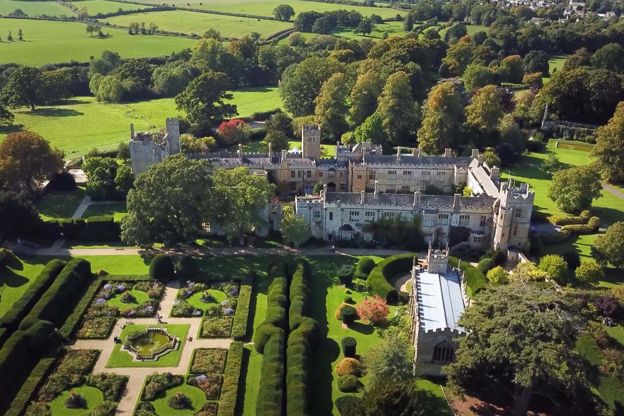
Sudeley Castle and Gardens
Historic houses and heritage · Winchcombe
A castle on the edge of Winchcombe where Katherine Parr, Henry VIII's last queen, is buried, with gardens, a Tudor history and the Dent family's home.
Family-friendly · Walker-friendly
Verified Nov 2026
-
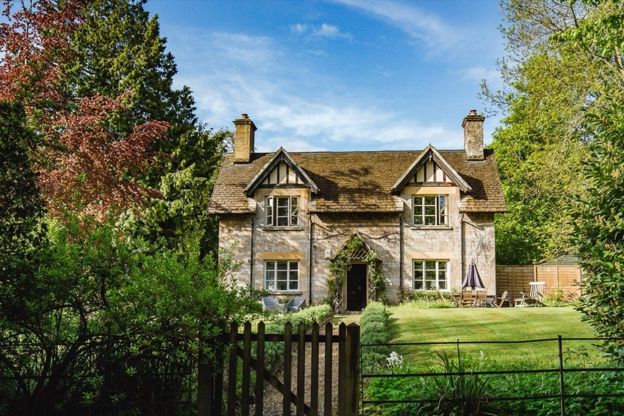
Sudeley Castle Cottages
Self-catering · Winchcombe
Nineteen holiday cottages on the Sudeley Castle estate at Winchcombe, sleeping three to fourteen, some dog-friendly, with free castle entry in season.
Dog-friendly
Verified Nov 2026
-
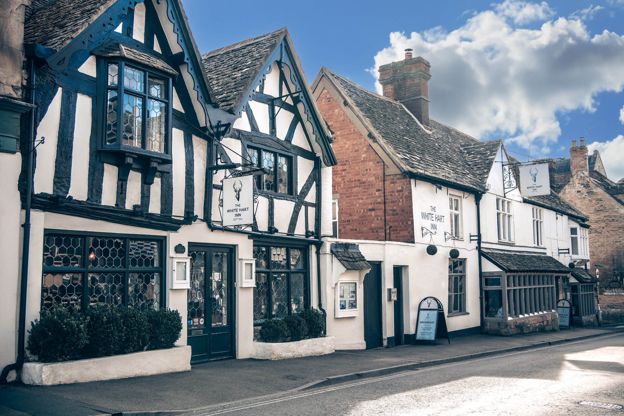
The White Hart Inn
Inn · Winchcombe
An inn with sixteen rooms on Winchcombe's High Street, with dog-friendly rooms and a restaurant and bar open all day to non-residents.
Dog-friendly · Wedding venues · Walker-friendly
Verified Nov 2026
-
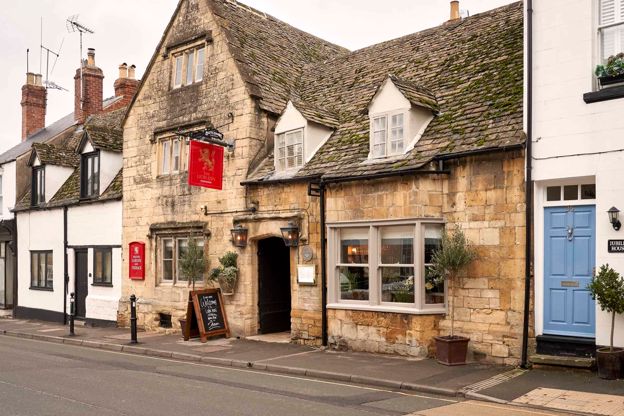
The Lion Inn
Inn · Winchcombe
A restored fifteenth-century coaching inn on North Street, Winchcombe, with nine rooms, run by Butcombe.
Dog-friendly · Walker-friendly
Verified Oct 2026
-
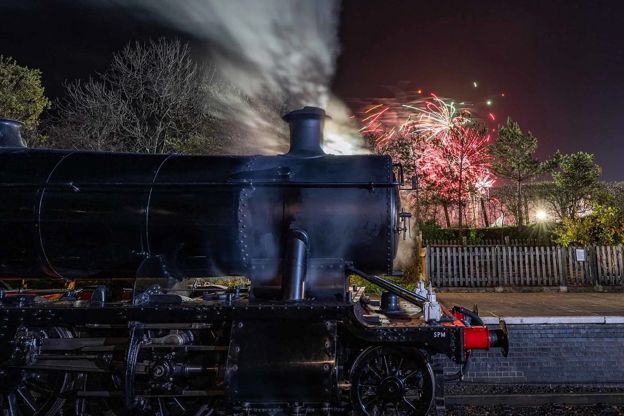
Gloucestershire Warwickshire Steam Railway
Family days out · Winchcombe
A heritage railway running steam and diesel trains for 14 miles between Cheltenham Race Course and Broadway, by Winchcombe and Toddington.
Family-friendly · Dog-friendly · Rainy days
Verified Oct 2026
Stay near the start
Inns, cottages and hotels within a short drive of where the walk begins, so you can set off early.
Where to stay in Winchcombe-
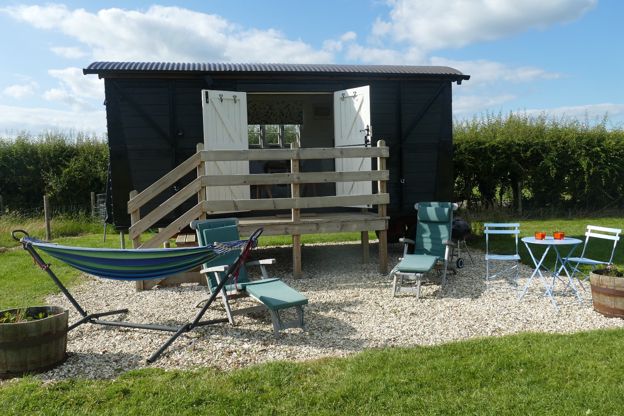
Elms Farm
B&B · Winchcombe
A converted freight wagon and five Caravan and Motorhome Club pitches on a working farm at Gretton, about two miles north-west of Winchcombe.
Verified Oct 2026
-
North Farmcote
B&B · Winchcombe
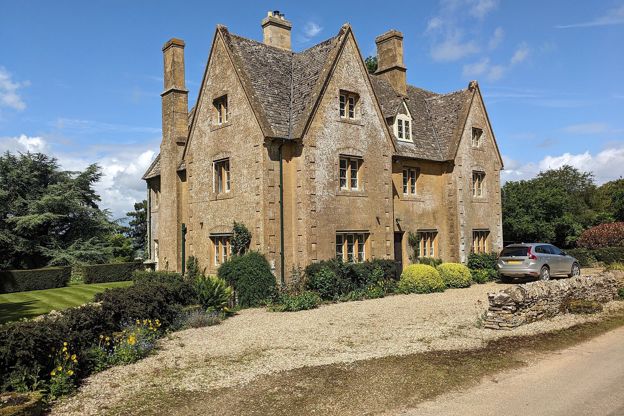
Bed and breakfast in a farmhouse above Winchcombe, built around 1840, its owners say, as a dower house for Lord Sudeley's mother.
Walker-friendly
Verified Oct 2026
-
Cleeve Hill Hotel
B&B · Winchcombe
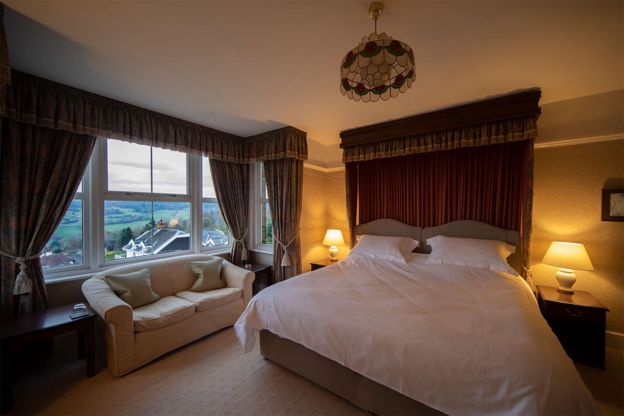
A 12-room bed and breakfast hotel on Cleeve Hill, about three miles south-west of Winchcombe, with views over the Severn Vale and a door onto Cleeve Common and the Cotswold Way.
Walker-friendly · Dog-friendly
Verified Oct 2026
More like this
Stories on this walk
-
The Cotswolds in December
Story · Guides · 8 minute read
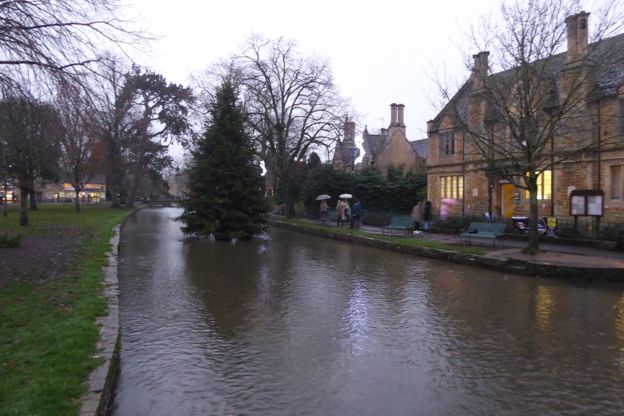
The Cotswolds in December: the shortest days, light trails and late shopping, the attractions that close over Christmas and the ones that stay open, the quiet week between Christmas and New Year, short walks on firm ground and where to stay for it.
More walks to try
-
Winchcombe and Belas Knap
Walk · Starts in Winchcombe · 2 hrs, 45 mins · Circular
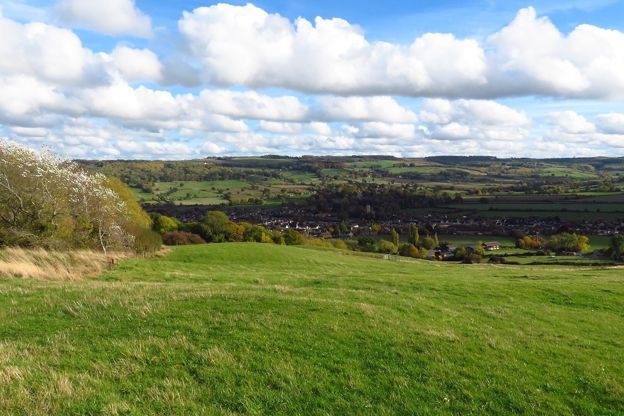
A 5.5-mile (8.8km) moderate loop of two to two and three quarter hours from Winchcombe, up the Cotswold Way and through the woods to Belas Knap, the Neolithic long barrow, then home on the Winchcombe Way by Wadfield Farm and Sudeley, with two stiles and a narrow road.
-
The Cotswold Way
Walk · Dog-friendly
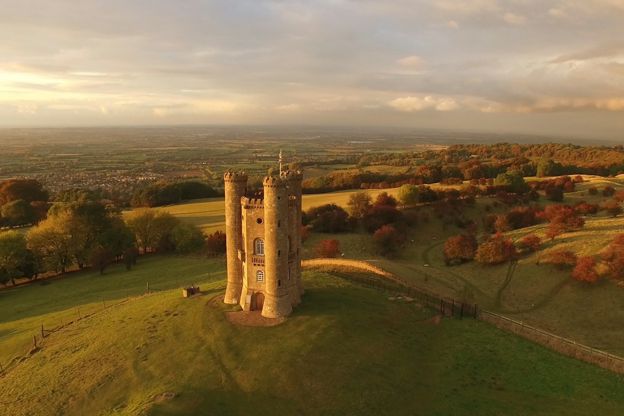
The Cotswold Way is a 102-mile (164km) National Trail walk from Chipping Campden to Bath along the escarpment, in 15 sections; the official guidebook suggests seven to ten days, and its frequent steep climbs make it hard going.
-
Winchcombe, Belas Knap and Cleeve Common
Walk · Starts in Winchcombe · 4 hrs, 15 mins · Circular · Dog-friendly
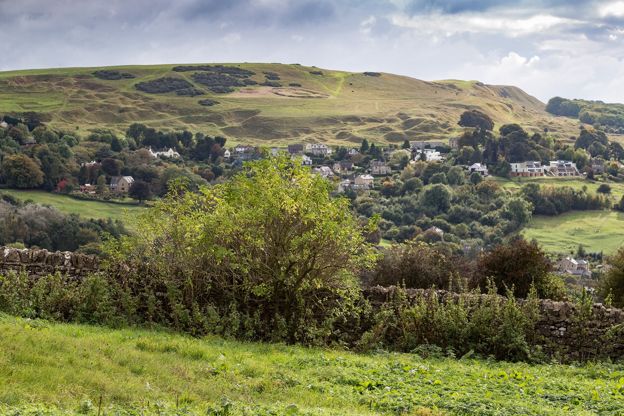
A 9.2-mile (14.8km) moderate loop of four to four and a half hours from Winchcombe: up the Cotswold Way through the Sudeley estate to Belas Knap, west along the byways to the top of Cleeve Common, then down by Postlip's Norman chapel and Breakheart Plantation.