Famous people with Cotswold connections
The people the Cotswolds can honestly claim, with the house, the grave or the monument you can visit, and a few famous claims that do not stand up.
· 10 minute read
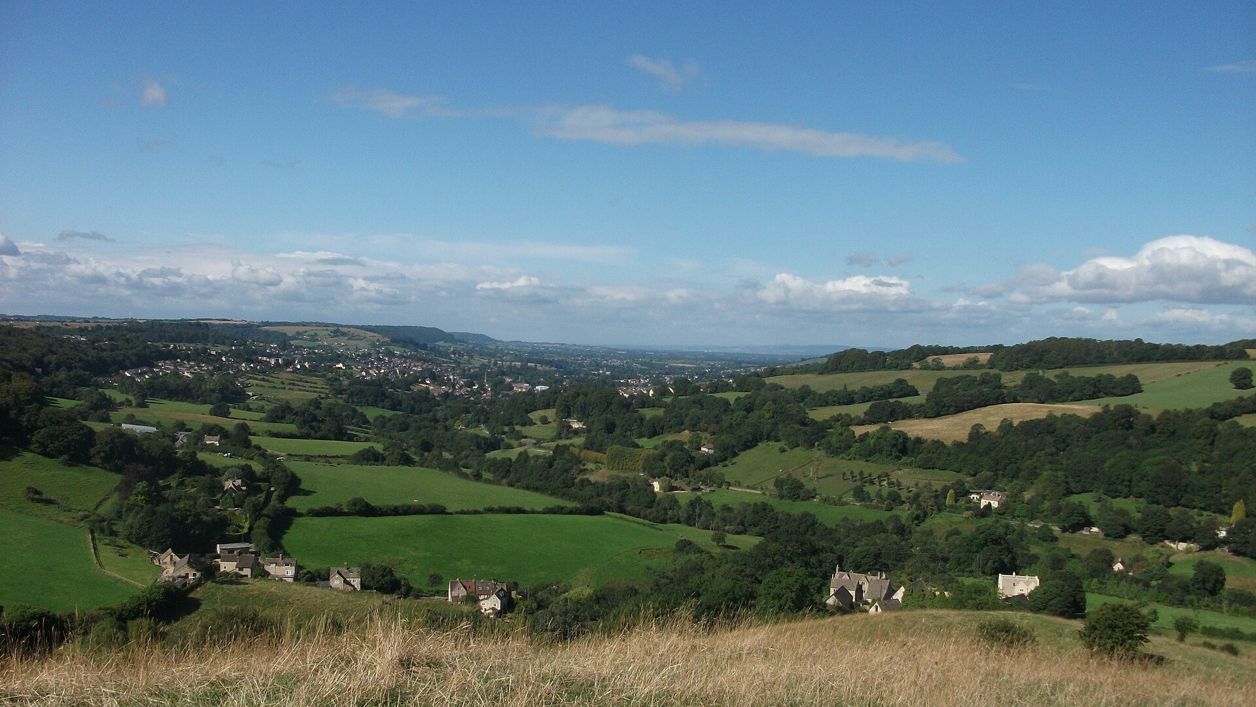
Plenty of famous names are attached to the Cotswolds, and fewer of them stand up than the lists suggest. The people below have a connection on record, a birth, a home, a job, a poem or a grave, and a place you can visit to see it, linked to our page for that place or to our longer story about the person.
How we chose
We kept to people with a documented tie to a Cotswold place and something a visitor can see: a house open to the public, a church, a monument, a grave or a working business. We give the record, and where a story is only a story we say so.
We do not give the homes of living people. Famous people live in the Cotswolds for the same reason everyone else does, and their houses are private; where a living person runs a business that welcomes visitors, we name the business, not the house.
William Tyndale
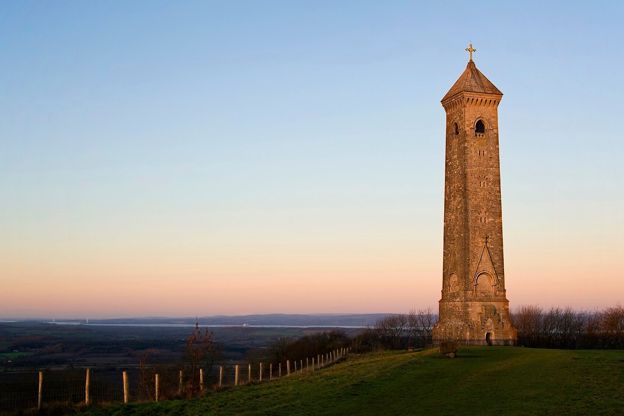
William Tyndale, who first had the New Testament printed in English, in 1526, is remembered by the Tyndale Monument on Nibley Knoll above North Nibley, near Wotton-under-Edge. Its tablet says he was born near the spot; he was martyred at Vilvoorde in Flanders on 6 October 1536.
S. S. Teulon built the tower in 1866, and it is listed Grade II*. The 500th anniversary of his New Testament brought the Tyndale Trail (opens in a new tab), a walking route of about 28 miles that opened on 31 January 2026 and ends at the monument, and a new bench in North Nibley, unveiled on 11 July 2026. The monument is open all year; if it is locked, a notice gives the cottage where the key is kept.
Katherine Parr at Sudeley
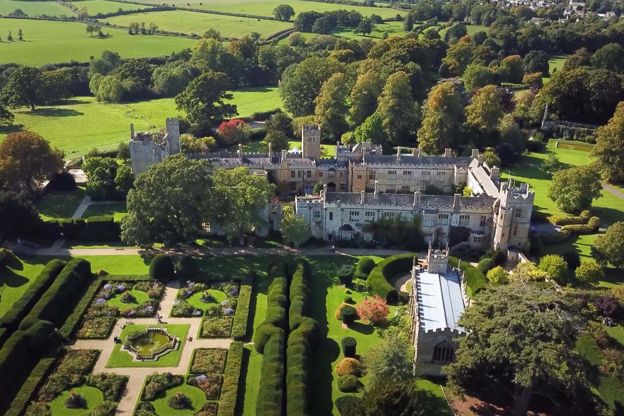
Henry VIII's last queen, Katherine Parr, died at Sudeley Castle, near Winchcombe, in September 1548, and she is buried in St Mary's chapel in the castle grounds. Her tomb was lost and rediscovered in the eighteenth century, and the chapel is part of a visit to the castle and gardens.
Shakespeare's Cotswold lines
Shakespeare knew the Cotswolds by name, but there is no record that he ever came. In Henry IV Part 2 (opens in a new tab), Justice Shallow's scenes are set in Gloucestershire, and Shallow remembers 'Will Squele, a Cotswold man'; in The Merry Wives of Windsor, Slender asks after a greyhound 'out-run on Cotsall'.
That much is in the plays. The stories that he fled to Dursley as a young man, or knew the view from Stinchcombe Hill, are traditions with no record behind them.
Shelley at Lechlade
The poet Percy Bysshe Shelley came up the Thames to Lechlade in 1815 and wrote A Summer Evening Churchyard, Lechlade, Gloucestershire about the churchyard of St Lawrence's. The path through it is still called Shelley's Walk.
The church itself has been closed for restoration since January 2026, and the parish expects it to reopen in time for Christmas 2026, so check before you go; the churchyard path and the river are always there.
Edward Jenner and Edward Wilson
At Berkeley, in the vale below the Cotswold Edge, Dr Jenner's House (opens in a new tab) remembers the doctor who began vaccination against smallpox in 1796. The Temple of Vaccinia in its garden, where he vaccinated, reopened after restoration in May 2026.
Edward Wilson, who died with Scott in the Antarctic in 1912, was born in Cheltenham in 1872. His statue on the Promenade, by Kathleen Scott, was unveiled in 1914, and The Wilson, the town's museum, is named after him.
William Morris and the Arts and Crafts makers
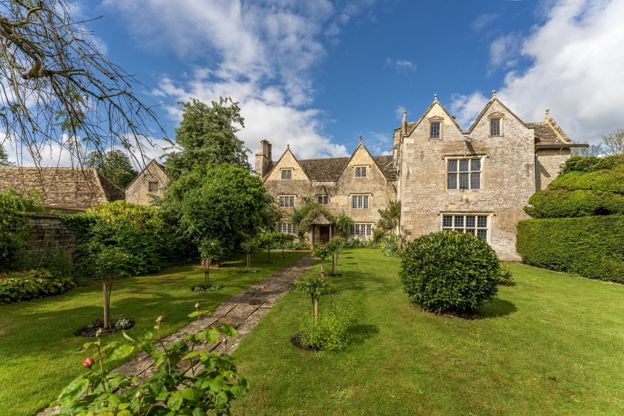
William Morris rented Kelmscott Manor by the upper Thames from 1871 until his death in 1896 and is buried in the village churchyard; our story on William Morris and the Cotswolds has the house, the grave and the churches he saved. After him came C. R. Ashbee, who brought the Guild of Handicraft to Chipping Campden in 1902, and Ernest Gimson and the Barnsley brothers at Sapperton.
Court Barn in Chipping Campden tells their story, and our guide to the Arts and Crafts movement in the Cotswolds has the rest.
Gustav Holst
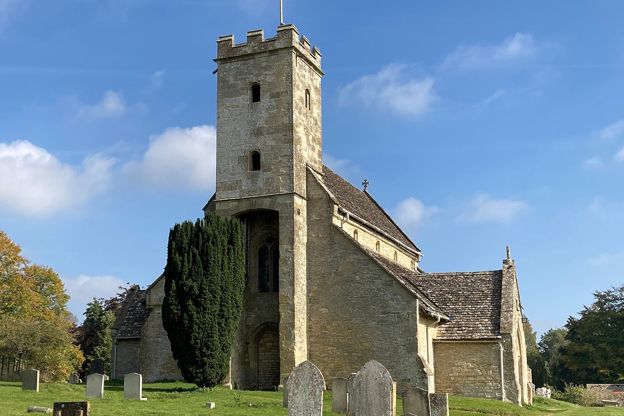
The composer of The Planets was born at 4 Clarence Road, Cheltenham, on 21 September 1874, and the house is now a museum, Holst Victorian House. In 1892 and 1893 he was organist at St Laurence's, Wyck Rissington, his first post, and the organ is still there. Our story on Gustav Holst and the Cotswolds follows him from Cheltenham to his symphony The Cotswolds.
Edward Thomas at Adlestrop
In June 1914 an express stopped briefly at Adlestrop station with the writer Edward Thomas on board, and the poem he wrote about it, Adlestrop, is one of the best known in English. The station closed in 1966, but its sign and bench hang in the village bus shelter, and our story on Edward Thomas and Adlestrop tells the rest. Jane Austen, a relation of the Leighs, stayed at the rectory there three times.
Laurie Lee in Slad
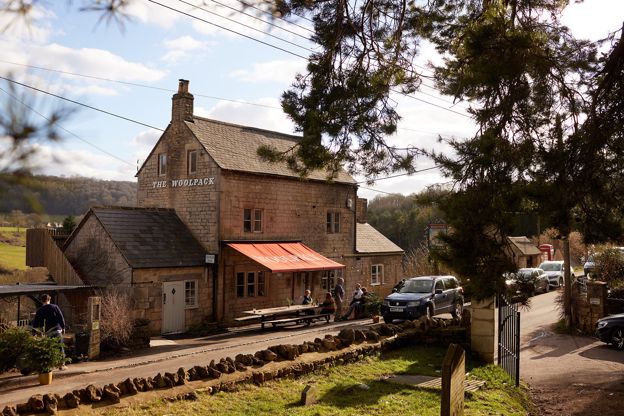
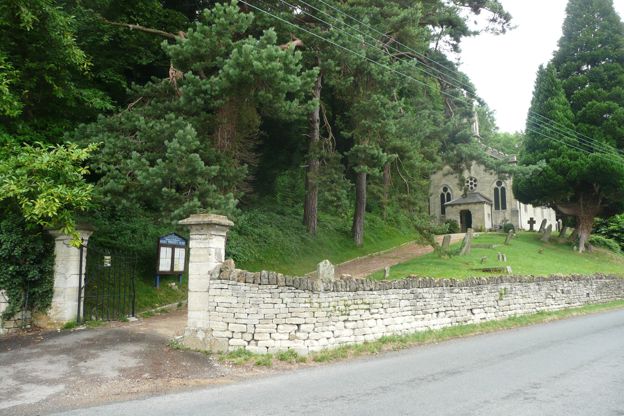
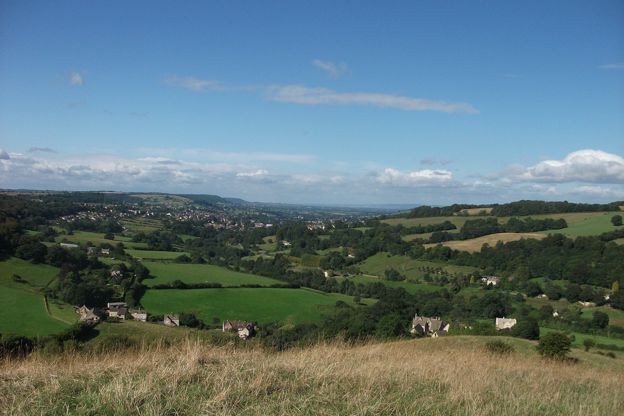
The author of Cider with Rosie was born in Stroud in 1914, grew up in the Slad valley above Stroud, and went back to live there in the 1960s. He died at home in Slad on 13 May 1997 and is buried in the village churchyard, across the road from his local, the Woolpack, under a headstone that reads 'He lies in the valley he loved'. Our story on Laurie Lee and Slad has the cottage, the cricket field and the walk.
Winston Churchill and the Mitfords
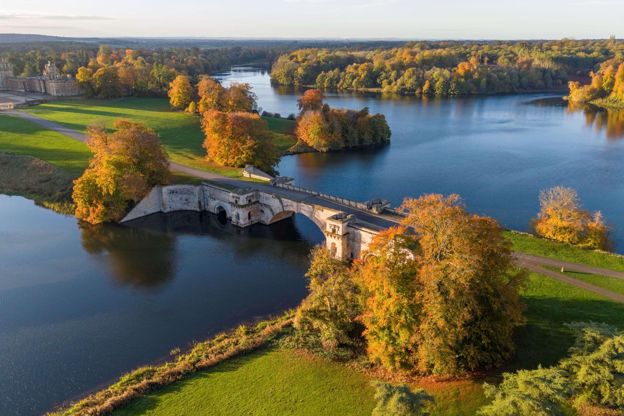
Winston Churchill was born at Blenheim Palace, Woodstock, on 30 November 1874, and buried in St Martin's churchyard at Bladon, near the park, in January 1965. Blenheim sits on the eastern edge of the Cotswolds, and Bladon churchyard is open to visitors.
Nancy, Unity and Diana Mitford are buried at St Mary's, Swinbrook, near Burford, with their parents. The church is a short walk up from the Windrush, and our walk through Swinbrook and Fulbrook passes it.
The Cotswolds Info newsletter
Events, new places and the best of the season, about once a month. Unsubscribe at any time.
Tolkien and the Stow door, a claim to treat carefully
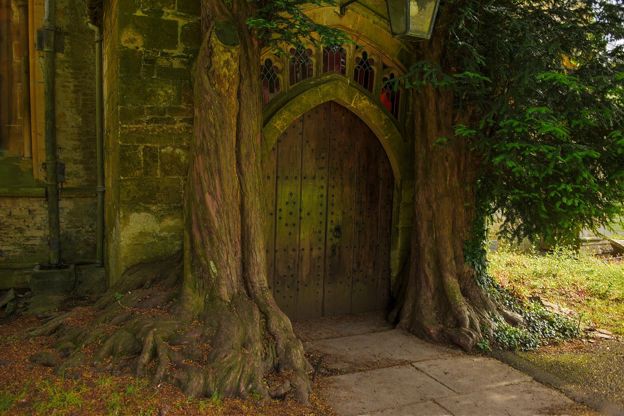
You will hear that the north door of St Edward's Church in Stow-on-the-Wold, a thirteenth-century doorway framed by two yew trees, inspired the doors of Moria in J. R. R. Tolkien's The Lord of the Rings. No evidence for the link has been found: it is a local story, repeated because the doorway looks the part.
The door is worth seeing for itself, and it costs nothing to stand in front of it. Enjoy it as a legend, and do not expect to find Tolkien in the parish records.
Elgar, across the vale
Edward Elgar belongs to Worcester and the Malverns, which every western Cotswold viewpoint looks across to, rather than to the Cotswolds themselves. We have found no record of the Cotswold walks sometimes attributed to him, so we leave them out. His birthplace cottage at Lower Broadheath, kept by the National Trust, and his statue in the city are in our guide to Worcester.
Jilly Cooper, the Hensons and Diddly Squat
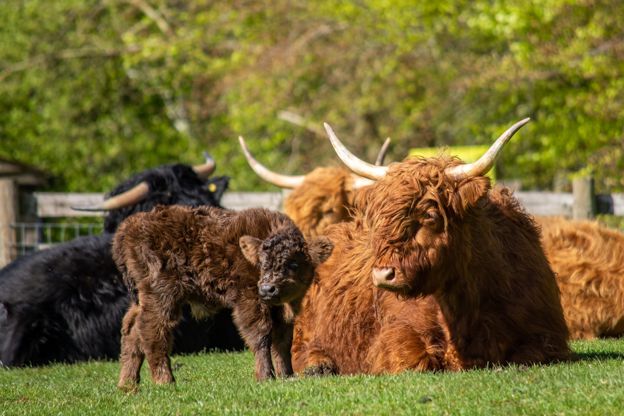
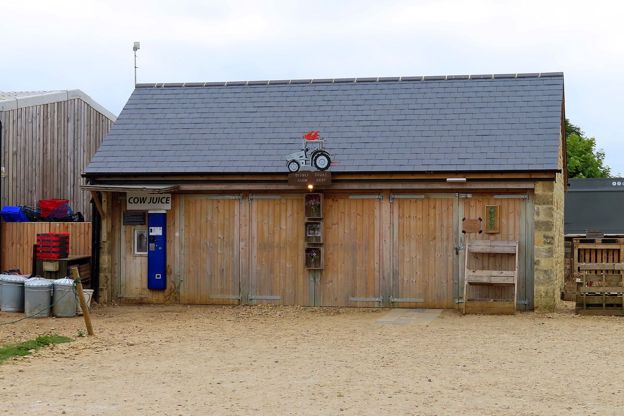
The novelist Dame Jilly Cooper lived at Bisley from 1982 until her death in October 2025. Joe Henson opened the Cotswold Farm Park near Guiting Power in 1971 to help protect rare farm breeds, and helped to found the Rare Breeds Survival Trust in 1973; his son Adam, the Countryfile presenter, has run the farm since 1999. Jeremy Clarkson's Diddly Squat Farm Shop near Chipping Norton is a working farm shop that welcomes visitors, and our listing has its days.
Famous neighbours and privacy
The Cotswolds have more famous residents than any list can keep up with, among them the Beckhams and a run of actors, musicians and broadcasters, and their homes are private. We do not say where they live, and we ask readers not to go looking. The people of these villages, famous or not, are not part of the view.
Mentioned in this story
The places, sights and walks in this story, each with a page of its own: what it is, when to go and how to get there.
-
Sudeley Castle and Gardens
Historic houses and heritage · Winchcombe
-
Blenheim Palace
Historic houses and heritage · Woodstock
-
Kelmscott Manor
Historic houses and heritage · Lechlade-on-Thames
-
Court Barn Museum
Museums and galleries · Chipping Campden
-
The Woolpack, Slad
Pubs · Slad
-
Cotswold Farm Park
Family days out · Guiting Power
-
Diddly Squat Farm Shop
Farm shops and delis · Charlbury
-
Holy Trinity Church, Slad
Sight · Church · Stroud and the Five Valleys
-
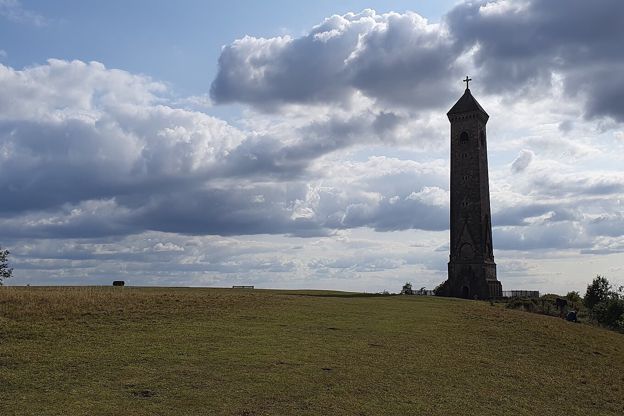
Tyndale Monument, North Nibley
Sight · Monument · Wotton-under-Edge
-
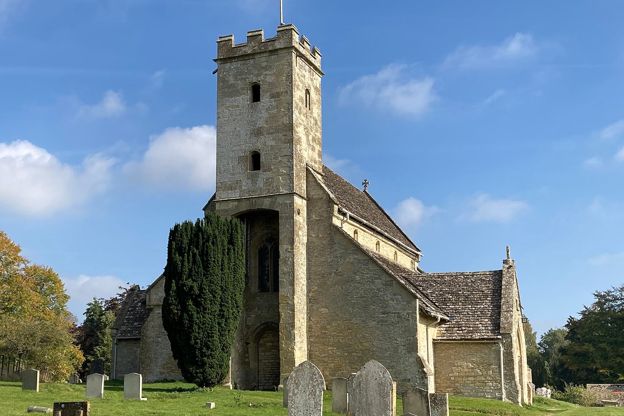
St Mary's Church, Swinbrook
Sight · Church · Burford
-
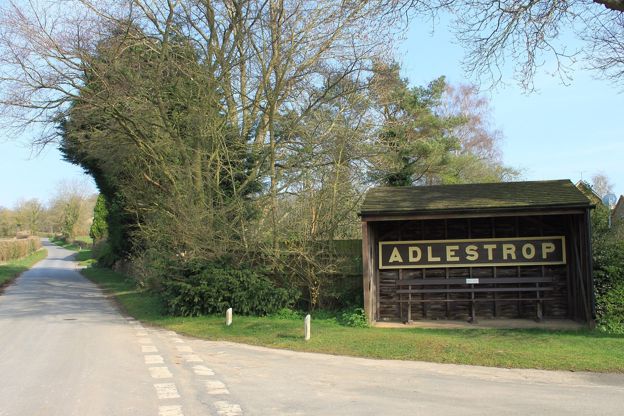
Adlestrop railway sign and seat
Sight · Monument · The Oxfordshire Cotswolds
-
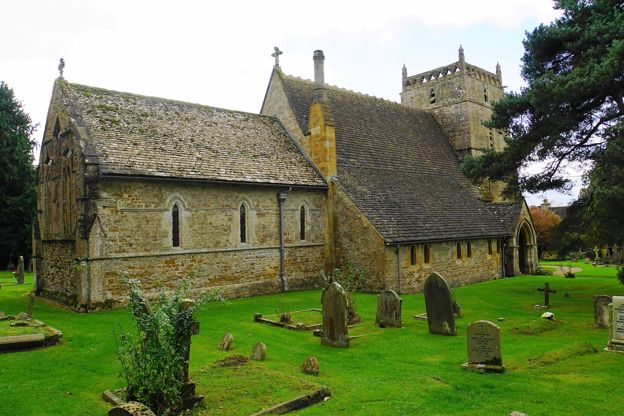
St Laurence's Church, Wyck Rissington
Sight · Church · Bourton-on-the-Water
-
St Edward's Church, Stow-on-the-Wold
Sight · Church · Stow-on-the-Wold
-
The Laurie Lee Wildlife Way
Walk · Starts in Painswick · 2 hrs, 45 mins · Circular
-
Wotton Hill and the Tyndale Monument
Walk · Starts in Wotton-under-Edge · 1 hr, 15 mins · Circular · Dog-friendly
-
Swinbrook, Fulbrook and Widford
Walk · Starts in Burford · 2 hrs · Circular · Dog-friendly
Places to stay near Stroud
-
Premier Inn Stroud
Hotel · Stroud
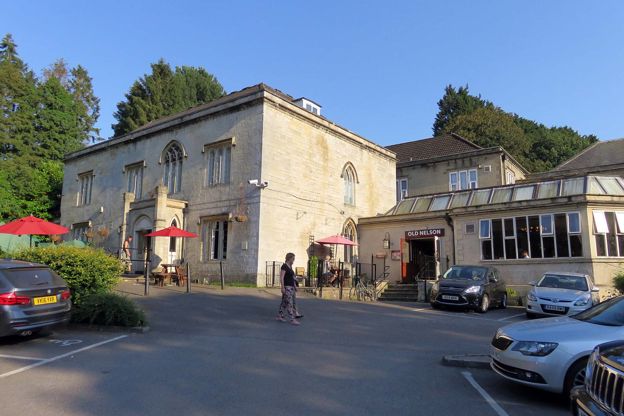
A Premier Inn in the Grade II-listed Stratford Lodge, opposite Stratford Park in Stroud, with free parking and a pub next door for meals.
Verified Oct 2026
-
The Clothiers Arms
Inn · Stroud
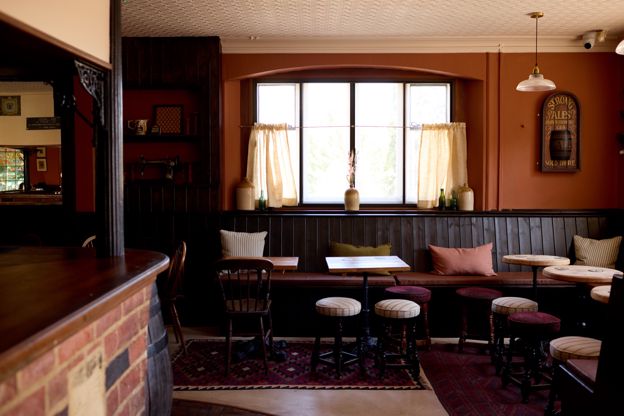
A pub with seven rooms at the bottom of Rodborough Hill in Stroud, a pub since 1891, with a beer garden, an adventure play area next door and a family suite.
Family-friendly · Car-free
Verified Nov 2026
-
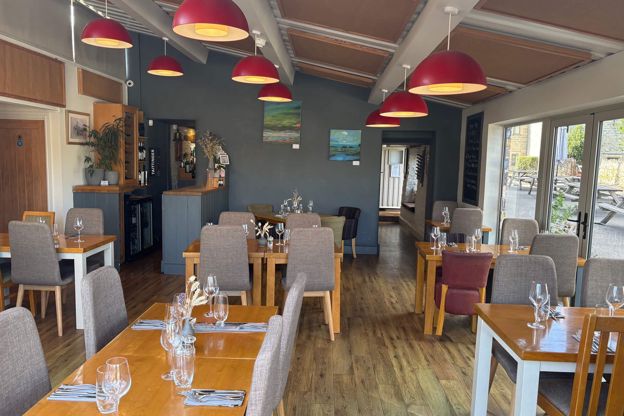
The Bell Inn, Selsley
Inn · Stroud
A chef-owned 17th-century inn, listed Grade II, with two bedrooms at Selsley, two miles from Stroud, with two AA Rosettes and dogs welcome throughout.
Dog-friendly
Verified Nov 2026
Read next
-
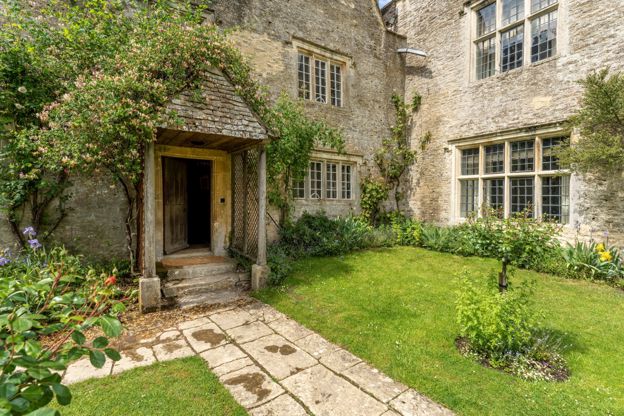
William Morris and the Cotswolds
Story · History · 9 minute read
William Morris's Cotswold life: Kelmscott Manor, his heaven on earth by the upper Thames, his grave at Kelmscott, the churches at Inglesham and Burford he fought for, and the Bibury line he may never have said.
-
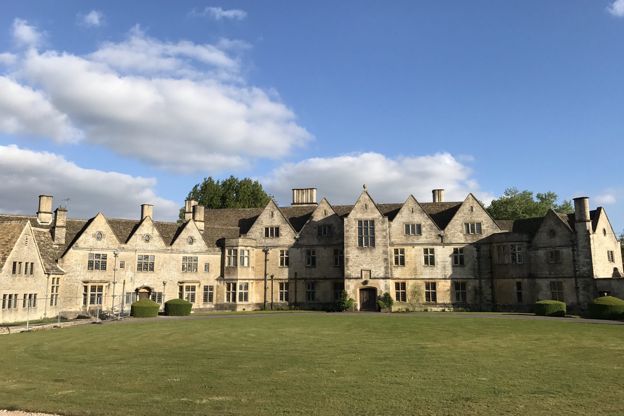
The Arts and Crafts movement in the Cotswolds
Story · History · 10 minute read
How Ashbee's Guild of Handicraft, Gimson and the Barnsleys, Rodmarton Manor, Gordon Russell and the gardens at Hidcote made the Cotswolds a home of Arts and Crafts, and where to see it now.
-
The Mitford sisters in the Cotswolds
Story · History · 8 minute read
Where the six Mitford sisters grew up in the Cotswolds, from Batsford to Asthall Manor and Swinbrook, the graves of Nancy, Pamela, Diana and Unity at St Mary's, the Swan, and the politics that divided the family, told plainly.