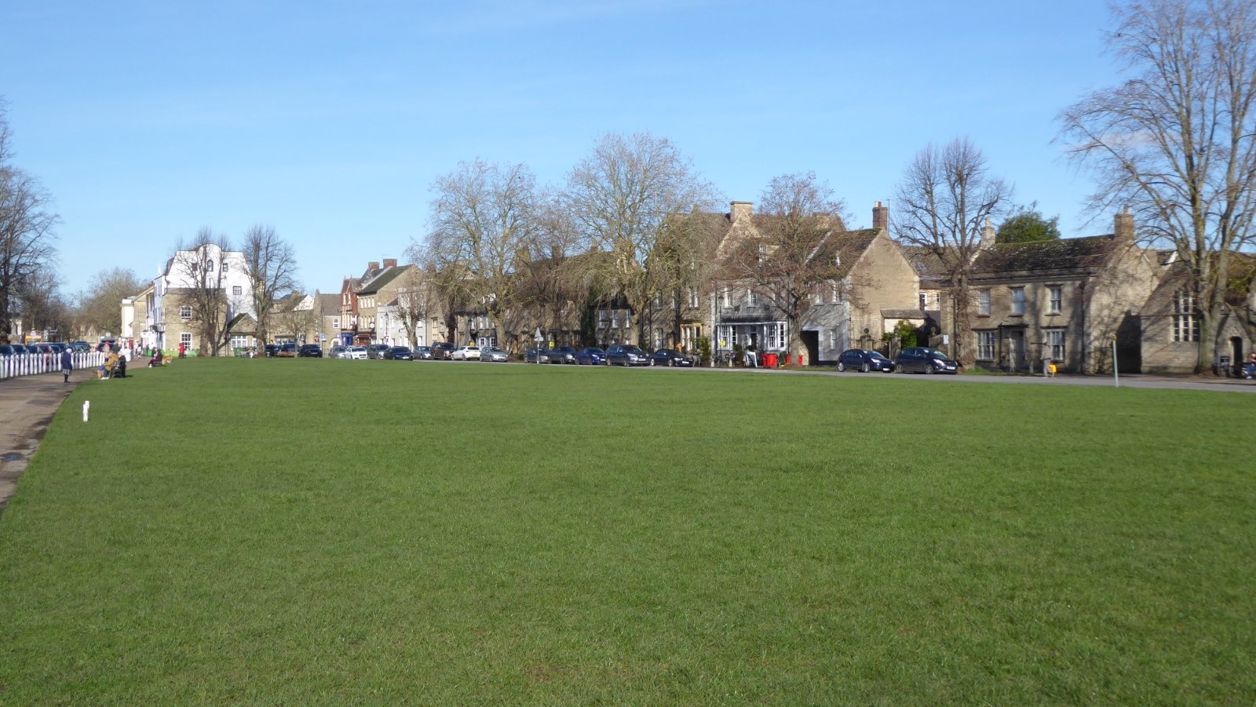
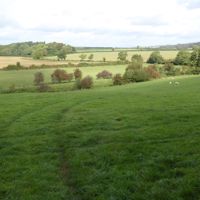
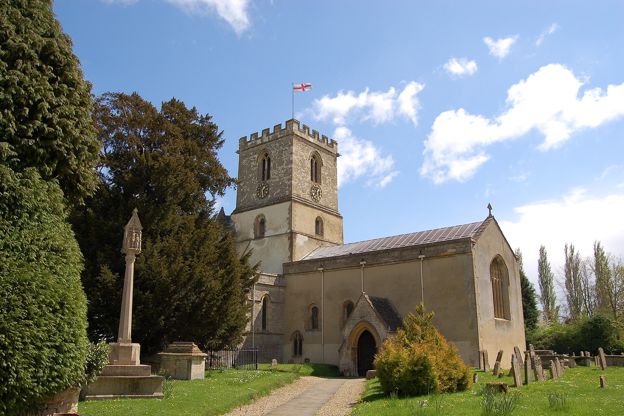
Philip Halling, CC BY-SA 2.0, via Wikimedia Commons
Witney
The blanket town on the Windrush, just outside the National Landscape, with a Butter Cross, a long Church Green and Cogges manor farm, and free parking.
- Nearest station
- Hanborough, about 6 miles, with the S7 bus; or Oxford
- Parking
- Free in all West Oxfordshire District Council car parks, including Marriotts Walk
- Best time
- Any time of year; Cogges is best from spring to autumn
About Witney
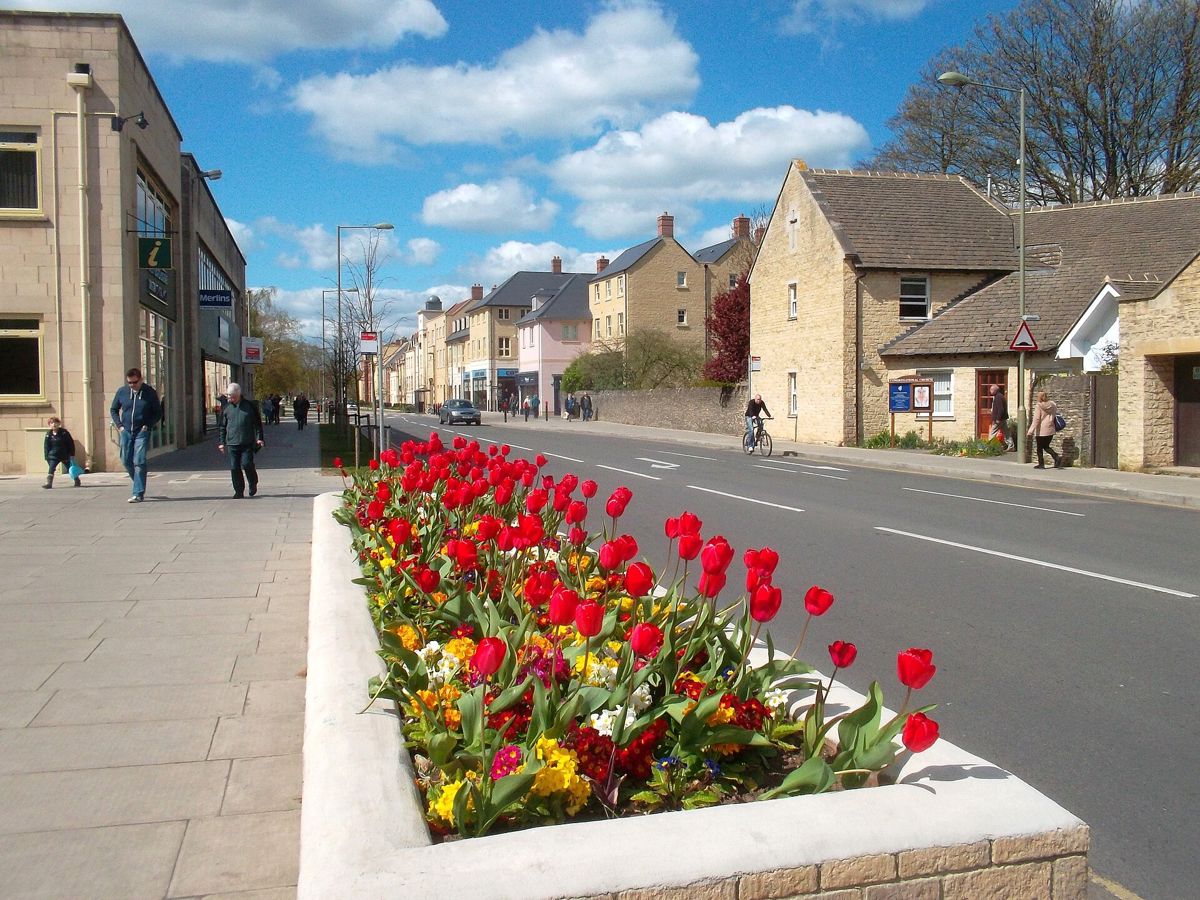
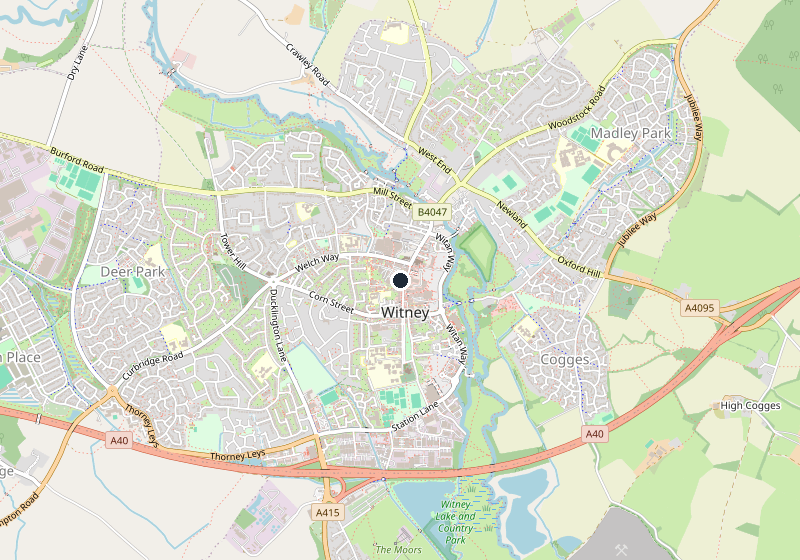
Witney is a market town of about 29,600 people, on the River Windrush about 12 miles west of Oxford. It lies just outside the Cotswolds National Landscape, whose edge is a couple of miles to the north-west, and it is a good base for the Oxfordshire Cotswolds: shops, free parking and frequent buses to Oxford.
Blankets
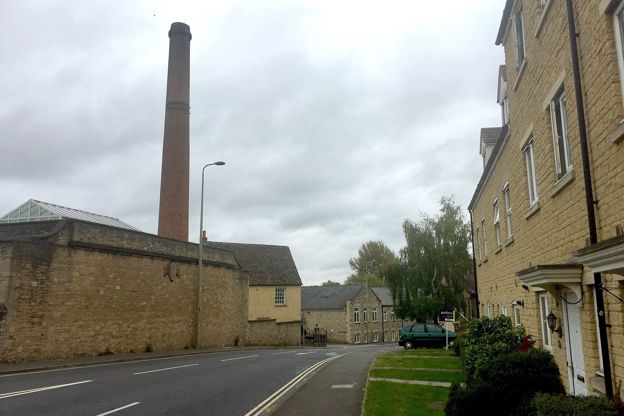
Witney's name was once a brand. By the sixteenth century its cloth industry had no rival in the county, and from the early seventeenth it specialised in blankets; in 1851 nearly one in five working people in the town worked in the trade. In 1908 to 1909 a court case ruled that only blankets made in Witney could carry its name. The Blanket Weavers' Company finished its Blanket Hall on the High Street in 1721, and blankets were brought there to be weighed and measured, inspected and sealed. Early's, the last blanket maker, closed its Witney factory in 2002.
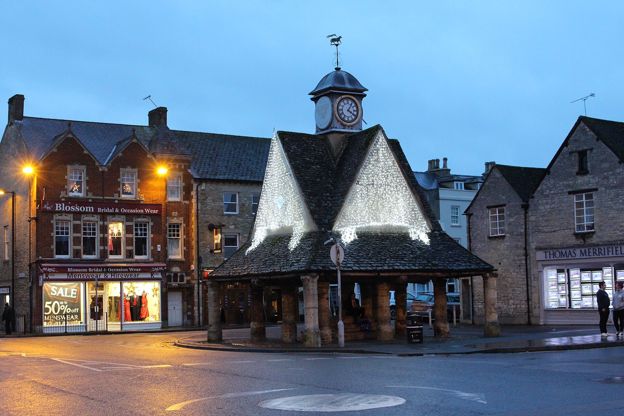
The Butter Cross and Church Green
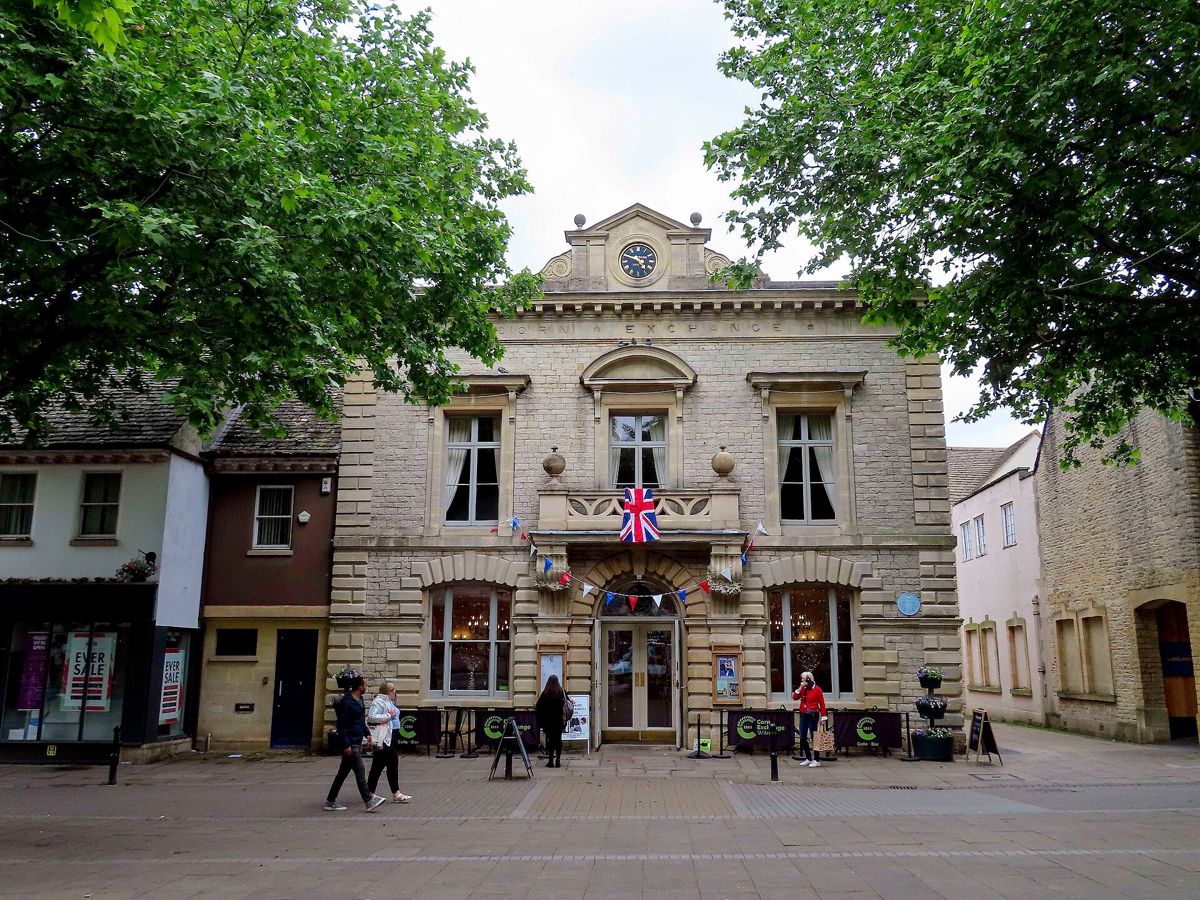
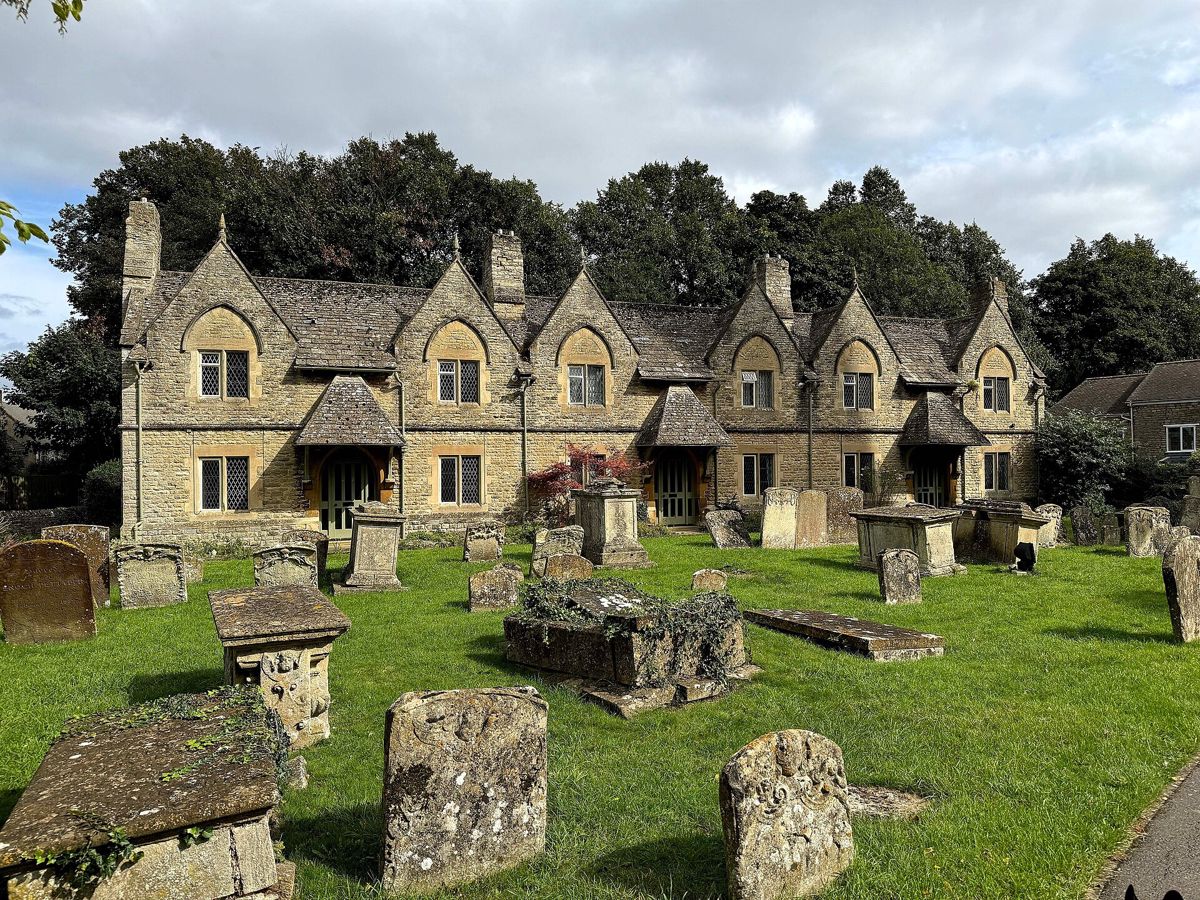
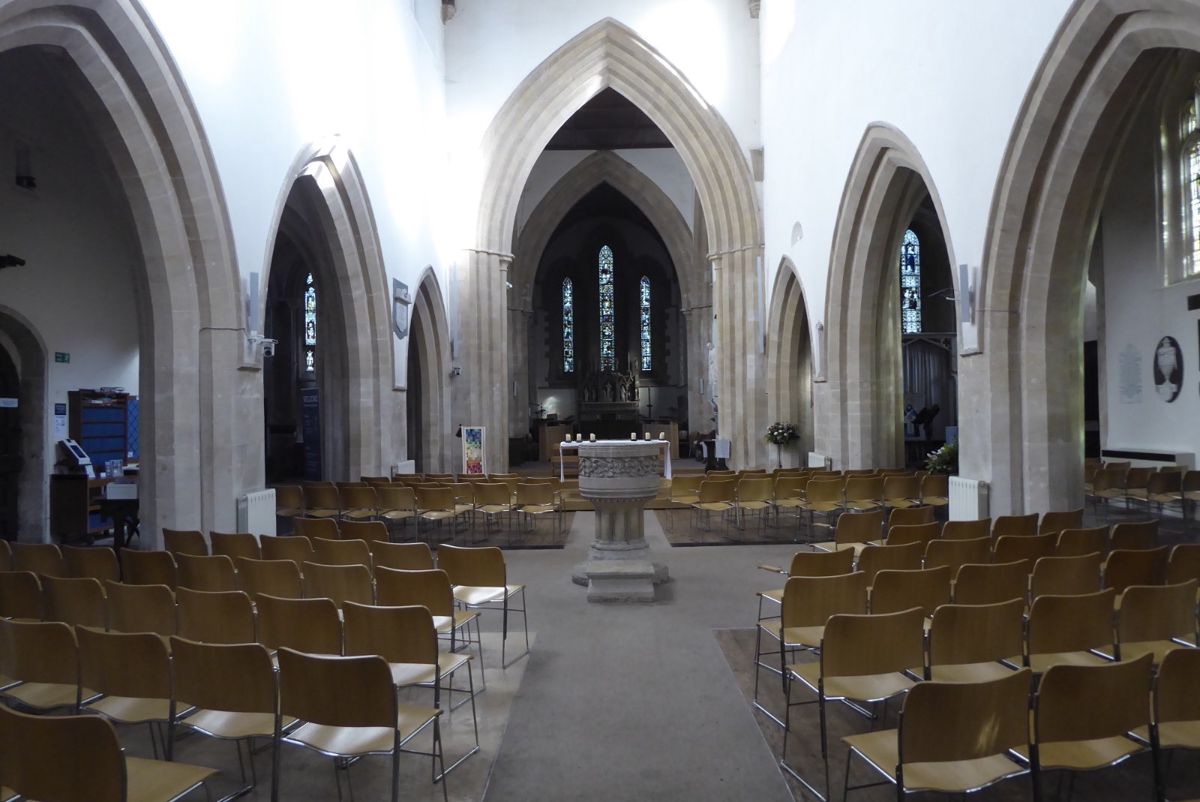
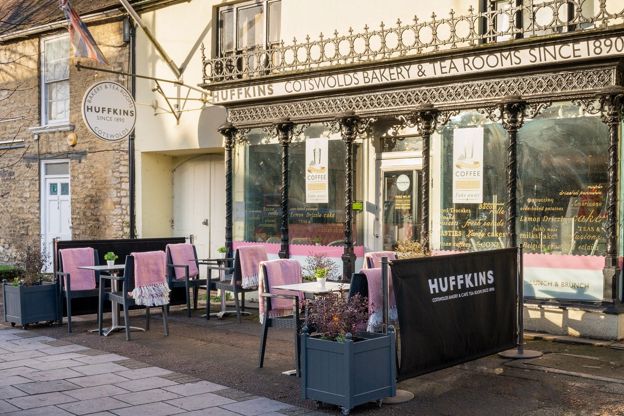
The Butter Cross in the Market Square stands on thirteen round stone piers, a market shelter of the late sixteenth or early seventeenth century, with a clock turret and sundial added in 1683. It is listed Grade II* and is also a scheduled monument. From it, Church Green runs south to St Mary the Virgin, a large cruciform church, listed Grade I, with a crossing tower and a ribbed spire, a late twelfth-century north porch and a brass to Richard Wenman, who died in 1501. The market saw a wife sold for £10 in 1839. For tea, Huffkins has a café and bakery on the High Street, serving breakfast, lunch and afternoon tea every day.
Cogges
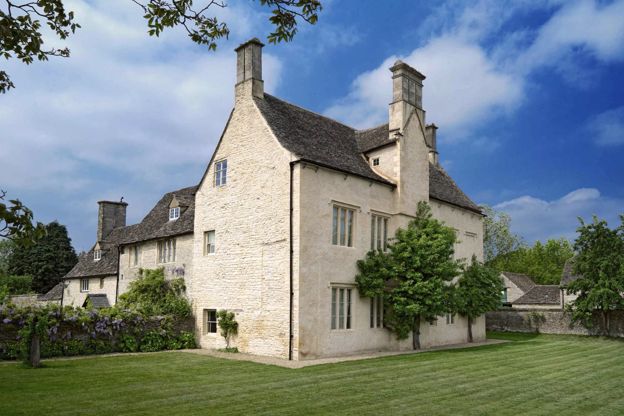
On the edge of the town is Cogges, a manor house of the thirteenth century, remodelled later, with a working farm, a walled garden, an orchard and an adventure playground in about 17 acres. It has a café and free parking. In 2026 a day ticket was £12 for an adult and £41 for a family. From 2 November 2026 the farm opens from 9.30am to 1pm only, on a grounds-only ticket (£7.50 for an adult); the Christmas market is on 28 and 29 November, and Christmas at Cogges runs on the December weekends and from 21 to 23 December. Cogges has its own church of St Mary, listed Grade I.

The Cotswolds Info newsletter
Events, new places and the best of the season, about once a month. Unsubscribe at any time.
Food and drink
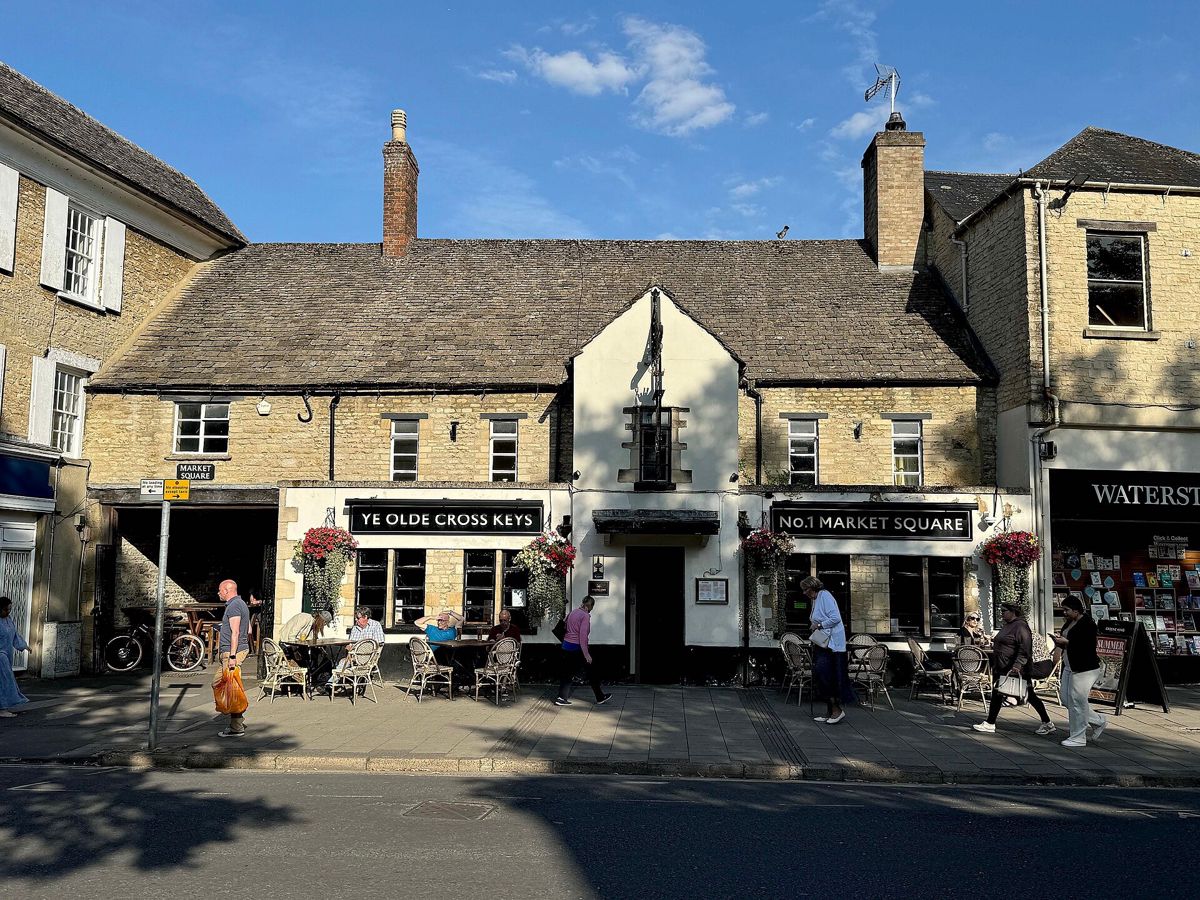
Corn Street, running west from the Market Square, has the town's best-known pubs. The Three Horseshoes, in an early sixteenth-century house, is the dining pub, with a Sunday roast and a garden, and its kitchen is closed on Mondays. Nearer the square, the Eagle Tavern is a Hook Norton local with an open mic and a monthly quiz, and serves food only at lunch from Friday to Sunday. On the High Street, San Marzano makes Neapolitan-style pizza and pasta from noon every day but Tuesday.
When to come
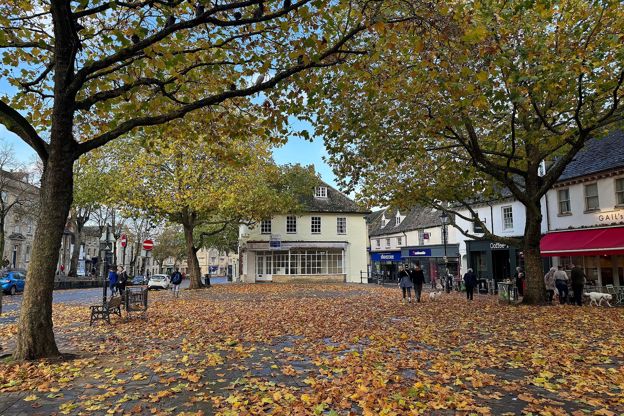
Witney works at any time of year, and its free parking and buses make it an easy stop on the way to Burford or Woodstock. Cogges is best from spring to autumn, and for its Christmas market at the end of November. For a bed, see where to stay in Witney. Up the Windrush are the ruins of Minster Lovell Hall and three stories of doom, and at Stanton Harcourt, about 4.5 miles south-east, the memorial to two lovers with Pope's epitaph. For a family day, Crocodiles of the World at Brize Norton keeps more than 100 crocodiles, alligators and caimans and opens every day except Christmas Day.
Last verified 1 November 2026 by our editors
Part of
The Oxfordshire Cotswolds
The Windrush and Evenlode valleys on the Oxfordshire side of the hills: Burford's High Street, Kingham on the railway, Witney's blankets and Woodstock at Blenheim's gates.
Things to do in Witney
Historic houses and heritage · Witney
Minster Lovell Hall and Dovecote
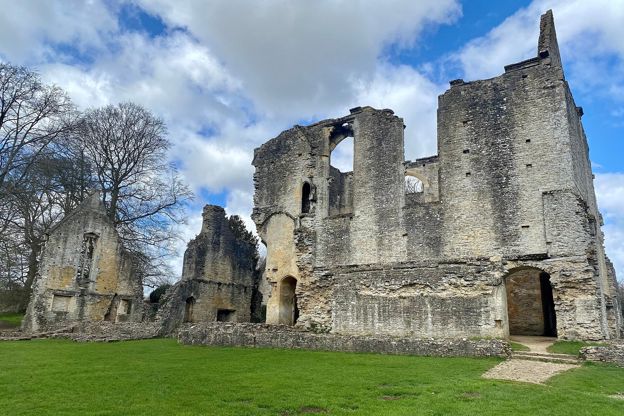
The ruins of a fifteenth-century manor house by the River Windrush between Burford and Witney, with a round dovecote, free to visit in daylight.
-
Cogges Manor Farm
Family days out · Witney
A manor house of the thirteenth century with a farm, walled garden, orchard and adventure playground on the edge of Witney, with free parking.
Family-friendly · Dog-friendly · Car-free
Verified Nov 2026
-
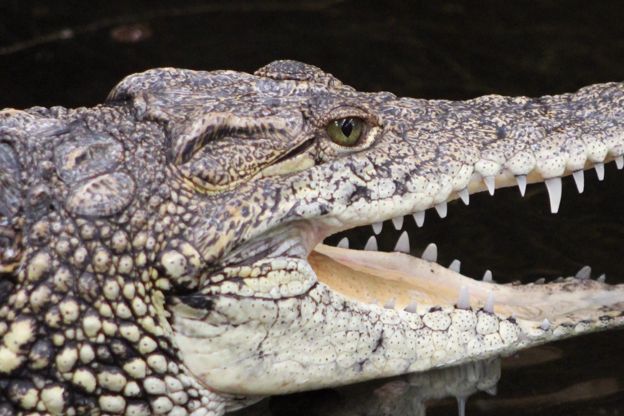
Crocodiles of the World
Wildlife and nature · Witney
A zoo at Brize Norton, near Witney and Burford, keeping more than 100 crocodiles, alligators and caimans of 19 species, open daily all year from 10am except Christmas Day.
Family-friendly · Rainy days
Verified Nov 2026
Where to stay in Witney
-
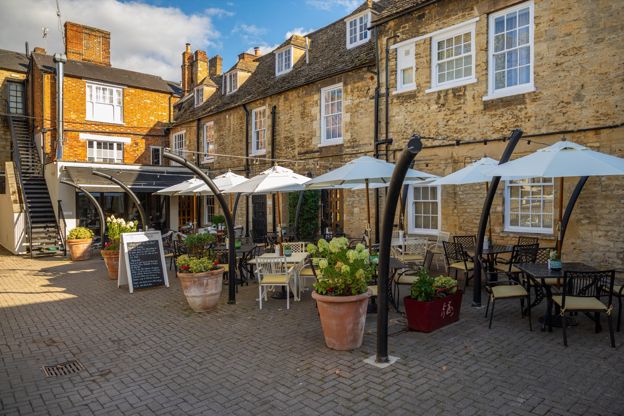
The Blue Boar
Inn · Witney
A 17th-century coaching inn on Witney's Market Square with twenty rooms, breakfast from 7am and a grill and wood-fired pizza menu.
Family-friendly · Car-free
Verified Oct 2026
-
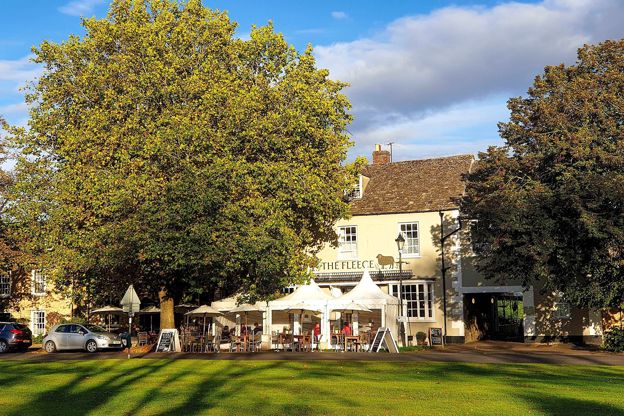
The Fleece, Witney
Inn · Witney
An inn with ten rooms on Church Green, Witney, run by Peach Pubs, with breakfast from 7.30am and food all day.
Verified Oct 2026
-
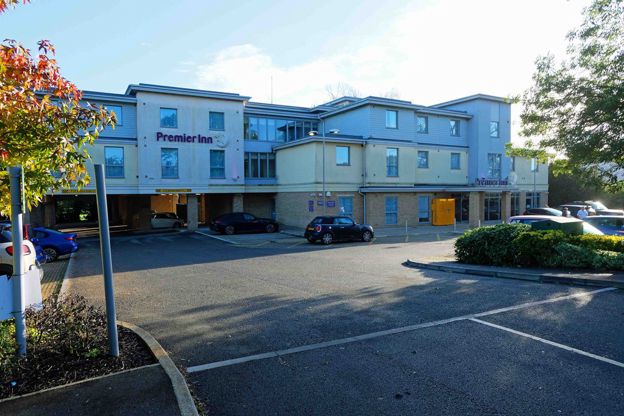
Premier Inn Witney
Hotel · Witney
A Premier Inn on Ducklington Lane, Witney, off the A40, with double, twin, family, accessible and Premier Plus rooms, a restaurant and free parking.
Verified Nov 2026
-
Minster Mill
Hotel · Witney
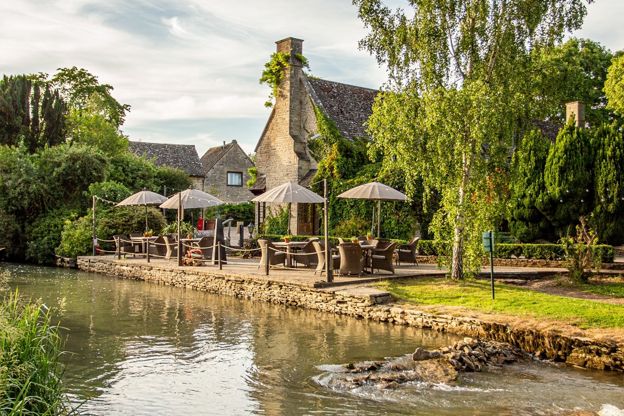
A spa hotel in 65 acres on the River Windrush at Minster Lovell, three miles west of Witney, with a pool, a restaurant and dogs in 32 rooms.
Dog-friendly · Wedding venues · Family-friendly
Verified Nov 2026
-
Old Swan
Inn · Witney
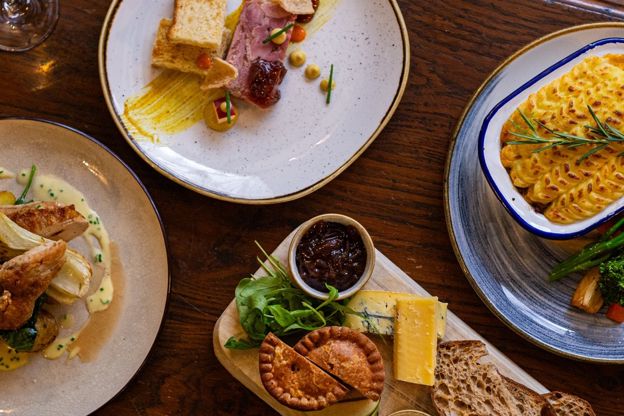
A 15th-century pub with rooms at Minster Lovell, sister to Minster Mill, three miles west of Witney, serving food every day from noon to 9pm.
Dog-friendly
Verified Oct 2026
-
The Bird in Hand
Inn · Witney
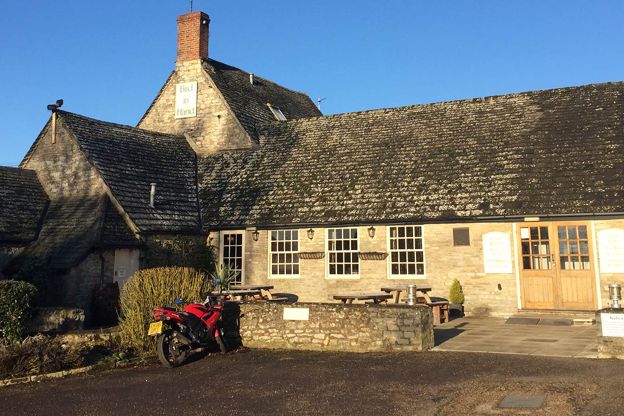
A 17th-century country inn with sixteen rooms, two of them accessible, at Whiteoak Green, Hailey, about three miles north of Witney.
Family-friendly
Verified Nov 2026
Where to eat and drink in Witney
-
Huffkins, Witney
Cafes and tearooms · Witney
Huffkins' café and bakery on Witney High Street, open every day for brunch, lunch and afternoon tea, with outdoor tables, accessible toilets and dogs welcome.
Dog-friendly
Verified Nov 2026
-
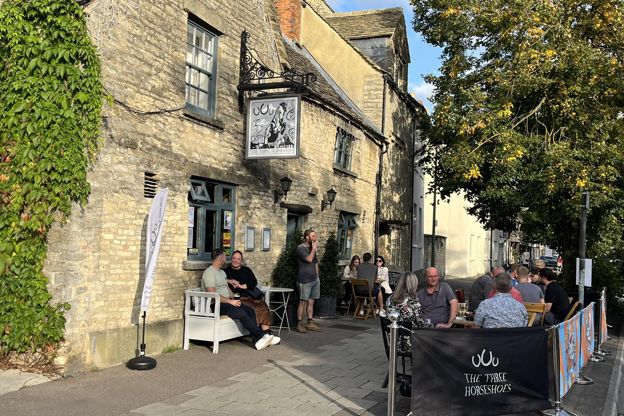
The Three Horseshoes
Pubs · Witney
A Grade II pub and restaurant on Corn Street, Witney, an early sixteenth-century house that became an inn, run by the BII Licensees of the Year 2025.
Family-friendly
Verified Nov 2026
-
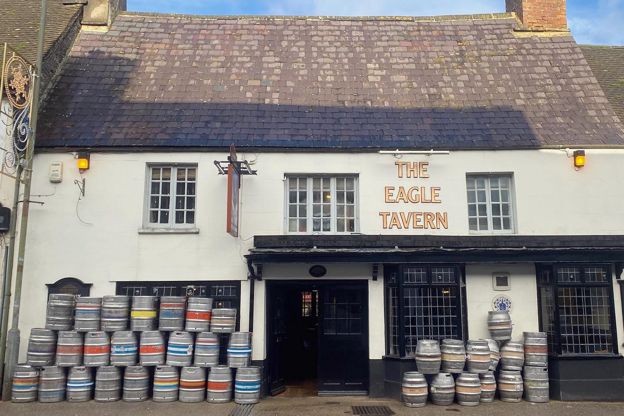
The Eagle Tavern
Pubs · Witney
A Hook Norton pub on Corn Street, Witney, in a building of the 1600s that has been a pub since 1756, with cask ale, live music, a monthly quiz and weekend lunches.
Verified Oct 2026
Walks in and around Witney
-
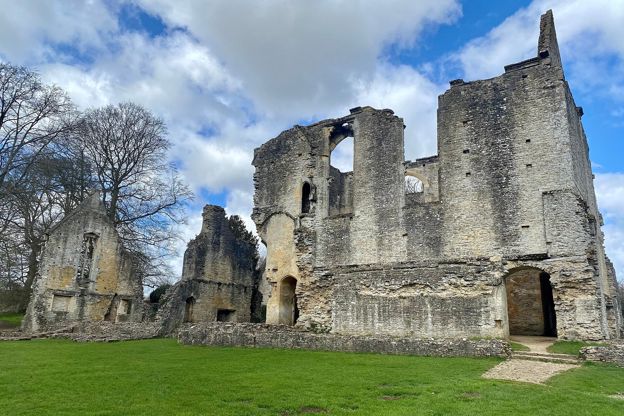
Minster Lovell, Crawley and the Windrush
Walk · Starts in the Oxfordshire Cotswolds · 1 hr, 30 mins · Circular · Dog-friendly
A 3.7-mile (6km) circular walk from the bridge at Minster Lovell, easy and about an hour and a half: over the fields to Crawley, back along the River Windrush to the ruins of Minster Lovell Hall, its dovecote and St Kenelm's church. Wet in winter.
-
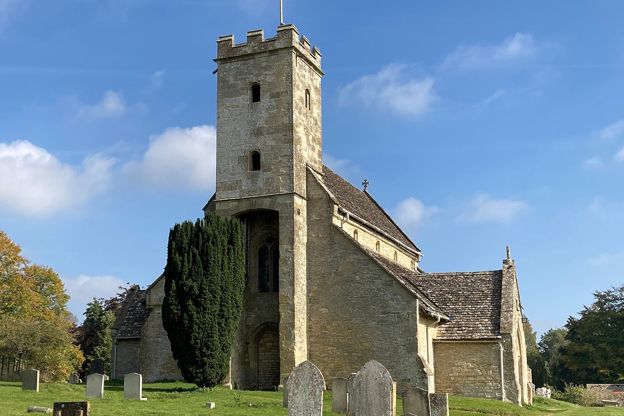
Swinbrook, Fulbrook and Widford
Walk · Starts in Burford · 2 hrs · Circular · Dog-friendly
A 4.3-mile (6.9km) easy loop of about two hours from the Swan at Swinbrook: north on a lane and west over fields to Fulbrook, back by a lane, then down a wooded valley to Widford's lone church and along the Windrush to the Mitford graves at St Mary's.
Sights in and around Witney
-
Butter Cross, Witney
Sight · Historic building · Witney
The Butter Cross is Witney's open market house in the Market Square, built soon after 1606 on 13 stone pillars, probably round an older cross, with a clock turret and sundial added in 1683 by William Blake of Cogges. Grade II* and scheduled; free to walk under.
-
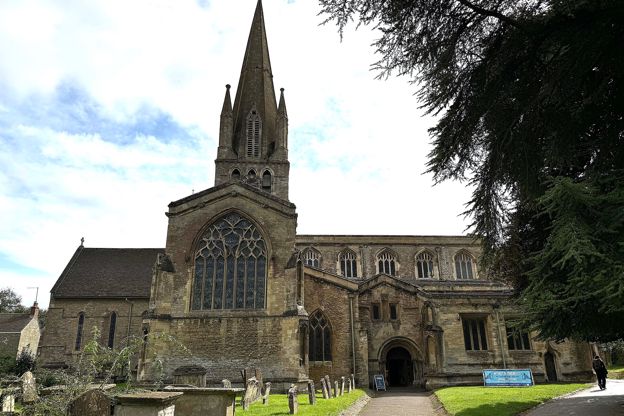
St Mary's Church, Witney
Sight · Church · Witney
St Mary the Virgin is Witney's cross-shaped parish church at the south end of Church Green, rebuilt in the thirteenth century around a central tower and broach spire, with a late Norman porch and a fine fourteenth-century north transept. Grade I; open daily.
-
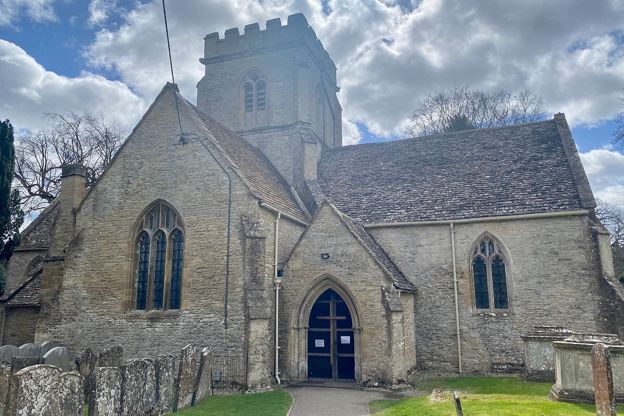
St Kenelm's Church, Minster Lovell
Sight · Church · The Oxfordshire Cotswolds
St Kenelm's is the church beside the ruins of Minster Lovell Hall on the Windrush: rebuilt in the mid fifteenth century, probably by William, Lord Lovell, with a vaulted crossing under its central tower and an alabaster tomb thought to be his. Grade I; open daily.
Stories about Witney
-
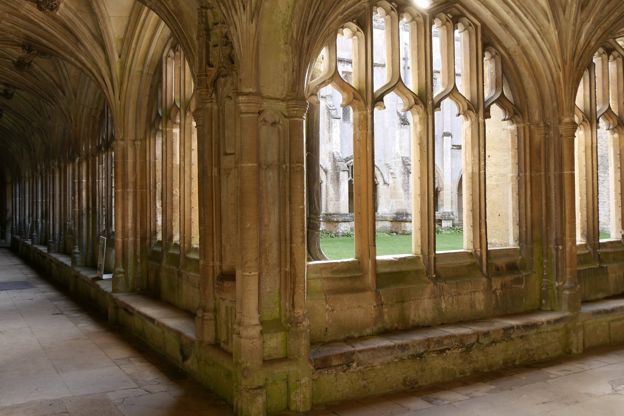
Cotswold film and TV locations
Story · Guides · 11 minute read
Where Clarkson's Farm, Downton Abbey, Harry Potter, Father Brown, Poldark, Bridget Jones and Cider with Rosie were filmed in and around the Cotswolds, what you can see today, and the claims that do not stand up.
-
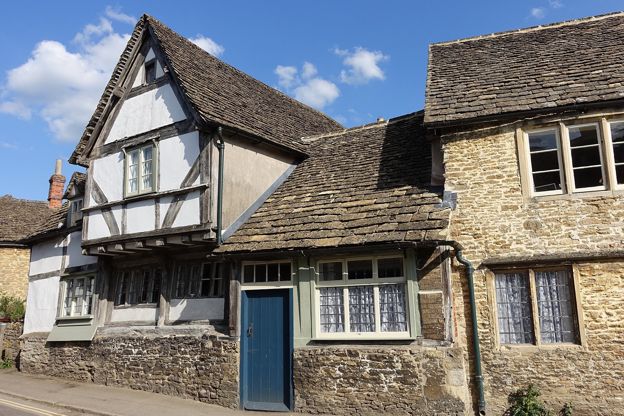
Downton Abbey in the Cotswolds: Bampton, Cogges and Lacock
Story · Guides · 7 minute read
The Downton Abbey locations you can visit around the Cotswolds: Bampton as the village of Downton, Cogges as Yew Tree Farm and Lacock's livestock show and royal parade, with what each custodian confirms.
-
The lovers of Stanton Harcourt
Story · Strange Things · 3 minute read
In the summer of 1718 two young harvest workers, engaged to marry, were killed by lightning at Stanton Harcourt. Alexander Pope, staying nearby, wrote their epitaph.
Getting to Witney
- By bus
- The S7 runs between Oxford, Woodstock, Hanborough station and Witney about every half hour in the day; Woodstock to Witney takes about 45 minutes.
- By train
- Hanborough station, about 6 miles away, is on the line from London Paddington and Oxford; the S7 calls there. Oxford station is about 12 miles.
- Parking
- All the district council's car parks in the town are free, including long-stay spaces.
| Hanborough station | 5.6 mi |
|---|---|
| Burford | 8.7 mi |
| Woodstock | 11.2 mi |
| Oxford station | 11.8 mi |
Places near Witney
-
 BurfordA wool and coaching town whose High Street runs downhill to a medieval bridge over the Windrush, with a Grade I church where the Levellers were held in 1649.
-
 WoodstockA small town of stone houses at the gates of Blenheim Palace, Churchill's birthplace and a World Heritage Site, with a free county museum and two old sundials.
-
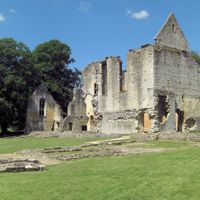 Minster LovellA village in three parts on the Windrush west of Witney: the old street of thatched cottages ending at a Grade I church and the free ruins of Minster Lovell Hall, a Chartist settlement on the main road above, and a river people swim in.
-
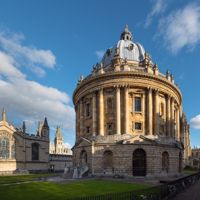 OxfordThe university city at the eastern end of the Cotswold Line, where the S3 leaves the station for Woodstock and Blenheim about every hour and the X52 runs the A40 to Witney and Burford. The hills begin about 20 miles west; the colleges are the day before them.