Wife selling in the Oxfordshire Cotswolds
Selling a wife was never legal, but it happened, in public, with a halter and a price. Here is what the record shows in the Oxfordshire market towns.
· 5 minute read
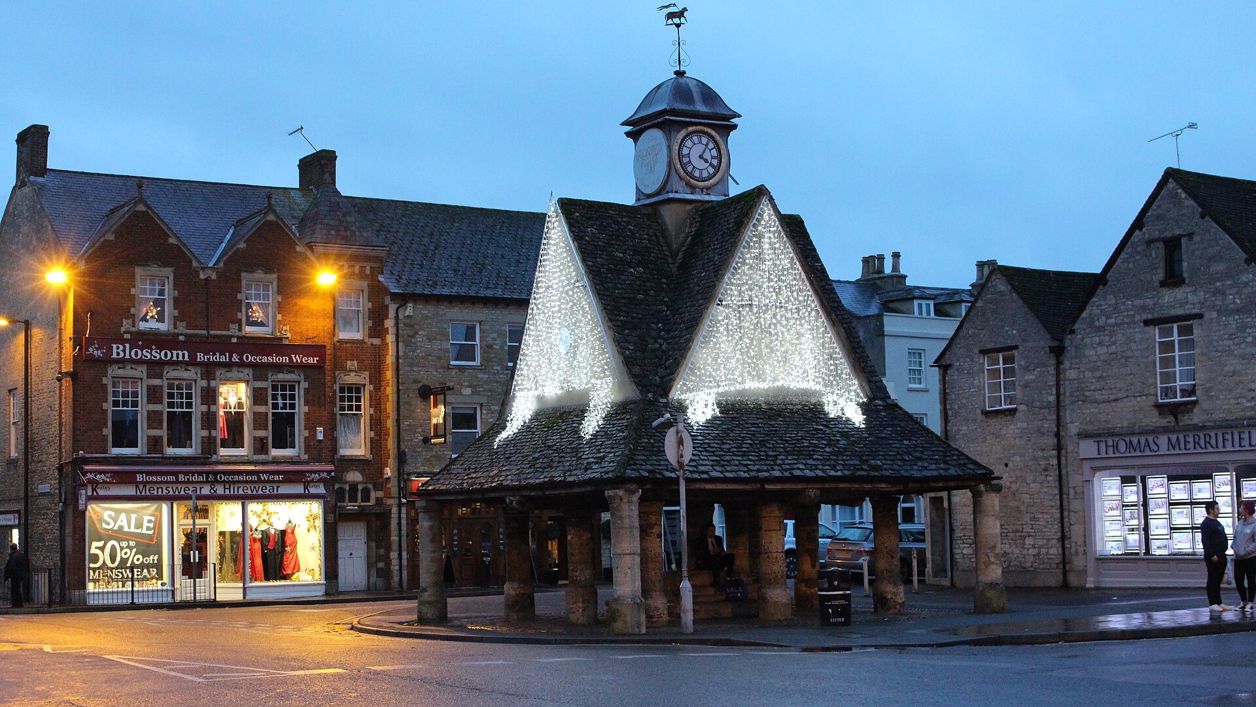
Wife selling was never part of English law. It was a popular ritual of separation: the husband led his wife to a market place or a public house, sometimes with a halter round her neck, and sold her in public. The Oxfordshire historian Julie Ann Godson writes that in the eighteenth and nineteenth centuries the poor saw it as the only way to end a marriage, because divorce and legal separation were beyond their means, and that the sale was made in public so that the whole district knew the marriage was over.
How a sale was done
A sale might be announced in advance, and it usually took the form of an auction in a town market. The wife was led there by a halter, usually of rope but sometimes of ribbon, round her neck or arm. Older books tell of earlier cases elsewhere in England; this page keeps to the sales the Oxfordshire newspapers reported.
Oxford, Banbury and Witney
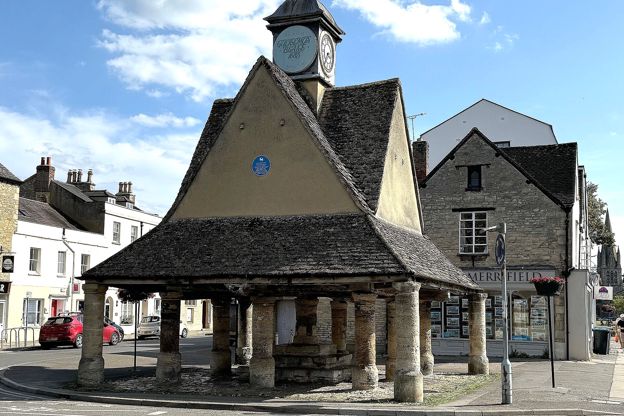
In December 1789 Jackson's Oxford Journal reported that Richard Hawkins had sold his wife to William Gibbs in Oxford's new market place for five shillings, of which three were paid. The paper called it "the vulgar mode of divorce lately adopted". In 1831 a wife was sold in Banbury market for ten shillings, and in May 1839 the Oxford Journal reported a sale in Witney market for £10, between parties from Oxford. In August 1845 a Neithrop man named Hemings offered his wife for sale in Banbury market, and the presence of the police stopped the sale.
Stories and records
Folklore books add more Cotswold cases: a sale at Charlbury in 1843 for half a crown, and a Burford man who sold his wife at Chipping Norton in 1855 and bought her back. These are good stories, but they come from collections of folk tales rather than from newspapers or court records, so treat them with care.

The Cotswolds Info newsletter
Events, new places and the best of the season, about once a month. Unsubscribe at any time.
The end of the custom
Reports of wife selling went on for decades after the Matrimonial Causes Act of 1857 made divorce easier to obtain for those who could pay: the historian Samuel Pyeatt Menefee counted 108 known sales between 1837 and 1901, a quarter of them in Yorkshire. A case of 1913, when a Leeds woman said her husband had sold her to one of his workmates for £1, is often quoted as the last known. By then Thomas Hardy had made the custom famous: The Mayor of Casterbridge, published in 1886, opens with Michael Henchard selling his wife for five guineas.
Places to stay near Witney
-
The Blue Boar
Inn · Witney
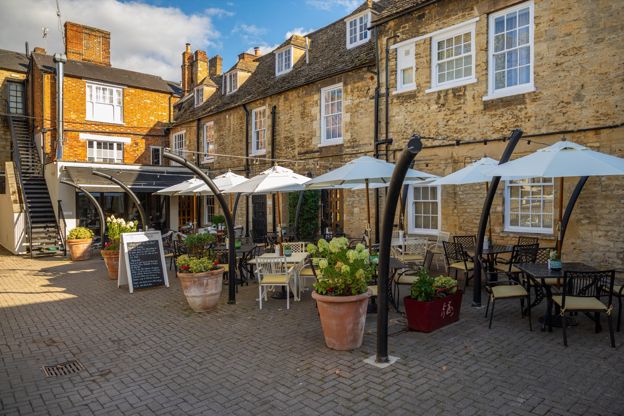
A 17th-century coaching inn on Witney's Market Square with twenty rooms, breakfast from 7am and a grill and wood-fired pizza menu.
Family-friendly · Car-free
Verified Oct 2026
-
Premier Inn Witney
Hotel · Witney
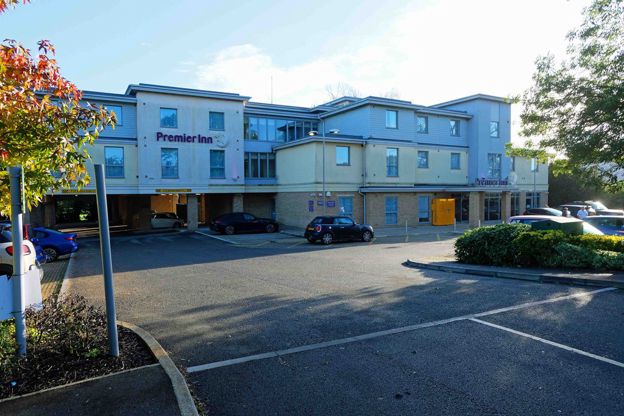
A Premier Inn on Ducklington Lane, Witney, off the A40, with double, twin, family, accessible and Premier Plus rooms, a restaurant and free parking.
Verified Nov 2026
-
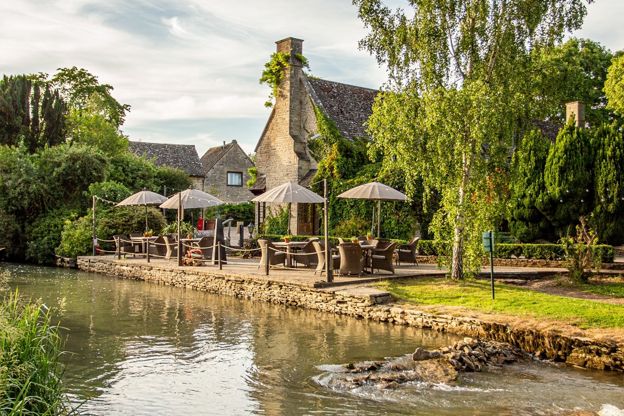
Minster Mill
Hotel · Witney
A spa hotel in 65 acres on the River Windrush at Minster Lovell, three miles west of Witney, with a pool, a restaurant and dogs in 32 rooms.
Dog-friendly · Wedding venues · Family-friendly
Verified Nov 2026
Read next
-

Three dooms at Minster Lovell Hall
Story · Strange Things · 5 minute read
The ruined hall on the Windrush at Minster Lovell, the lord who vanished after the battle of Stoke, a skeleton said to sit at a table, and a bride in a chest.
-
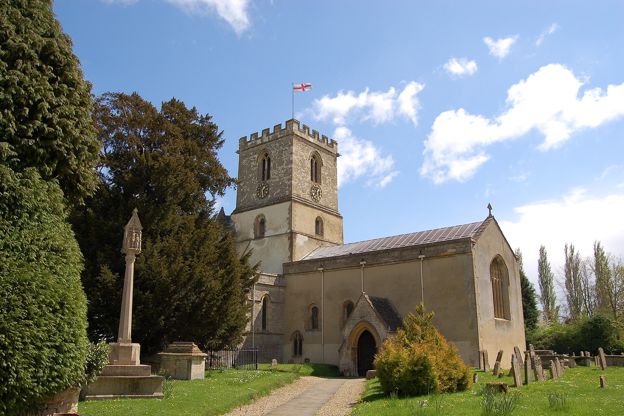
The lovers of Stanton Harcourt
Story · Strange Things · 3 minute read
In the summer of 1718 two young harvest workers, engaged to marry, were killed by lightning at Stanton Harcourt. Alexander Pope, staying nearby, wrote their epitaph.
-
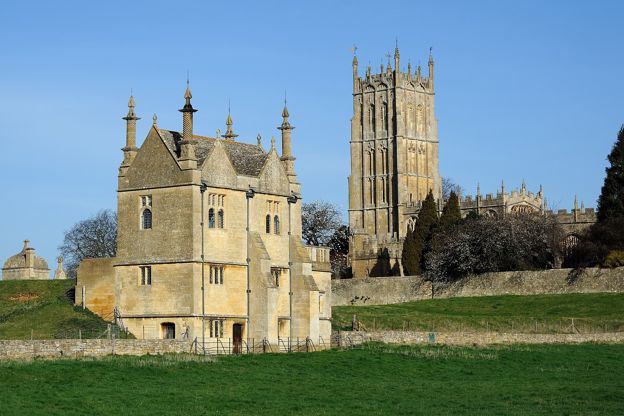
The Campden Wonder
Story · Strange Things · 4 minute read
In 1660 a Chipping Campden steward vanished and three people were hanged for his murder. Two years later he came home, with a tale of Turkish slavery.