Three dooms at Minster Lovell Hall
Minster Lovell Hall has three stories of doom attached to it. One is history, one is hearsay, and one belongs to half the old houses in England.
· 5 minute read
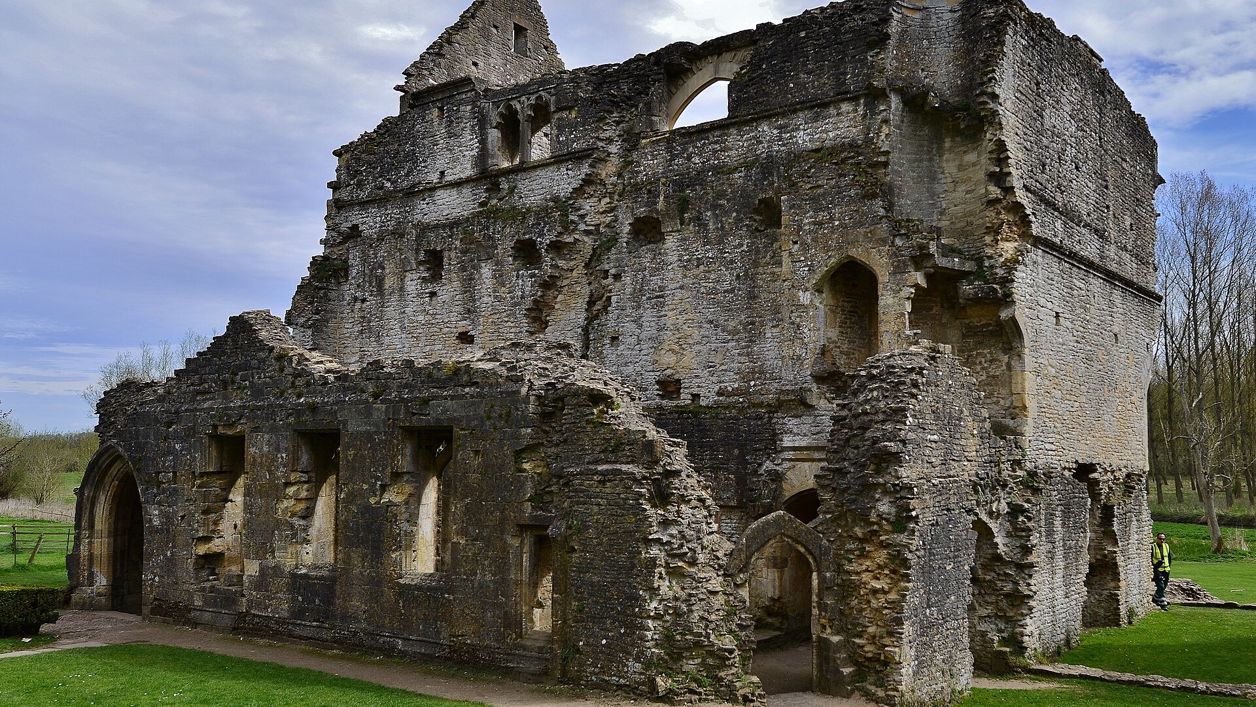
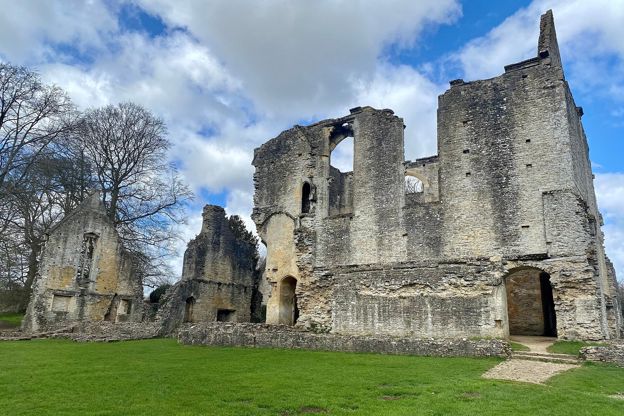
The ruins of Minster Lovell Hall stand by the River Windrush between Burford and Witney. The house was built in the 1430s by William, Lord Lovell, after he came home from the wars in France, and its four-storey south-west tower was added later in the century. English Heritage (opens in a new tab) looks after it, and it is free to visit in daylight.
The first doom: Francis Lovell
William's grandson Francis was one of Richard III's closest friends: a viscount, Lord Chamberlain and Knight of the Garter, mocked in a rhyme of 1484 as "Lovell our dog". After Bosworth in 1485 he fled, rose again in 1486, and fought for the pretender Lambert Simnel at the battle of Stoke in June 1487. He was seen escaping the field. After that, nobody knows what became of him.
The second doom: the skeleton
In 1737 William Cowper, clerk of the Parliaments, wrote down a story he had heard the Duke of Rutland tell in 1728: that in 1708, when a chimney was being built at Minster Lovell, workmen opened a hidden vault and found a man's skeleton seated at a table. It was taken to be Lovell, hiding from his enemies and starved to death. It is hearsay, set down nearly thirty years after the event, and nothing else ties the skeleton to Lovell.
The third doom: the house itself
After Bosworth the hall went to the Crown. Sir Edward Coke bought it in 1602, and his descendant Thomas Coke took the title Lord Lovell in 1728. But the Cokes built their great house at Holkham in Norfolk, and around 1747 most of Minster Lovell was pulled down and its stone reused. Only the ruins and a fifteenth-century round dovecote remain.

The Cotswolds Info newsletter
Events, new places and the best of the season, about once a month. Unsubscribe at any time.
The Mistletoe Bough
Minster Lovell is also one of many houses said to be the setting of "The Mistletoe Bough (opens in a new tab)", a song of about 1830 about a bride who hides in a chest during a Christmas game and is found years later. Houses in Hampshire and Norfolk make the same claim, and Samuel Rogers told the same story, set in Italy, in his poem "Ginevra", part of his Italy of the 1820s.
Visiting
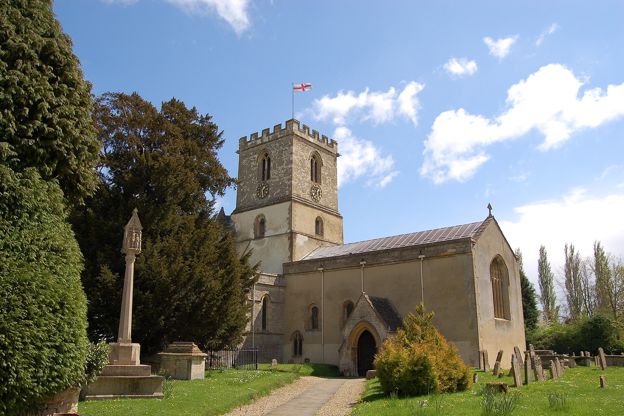
The hall is free and open at any reasonable time in daylight (opens in a new tab); the dovecote can be seen from outside. There are no toilets. Park at St Kenelm's church, about five minutes' walk away, rather than in the lane, and keep dogs on leads.
Mentioned in this story
The places, sights and walks in this story, each with a page of its own: what it is, when to go and how to get there.
-
Minster Lovell Hall and Dovecote
Historic houses and heritage · Witney
-
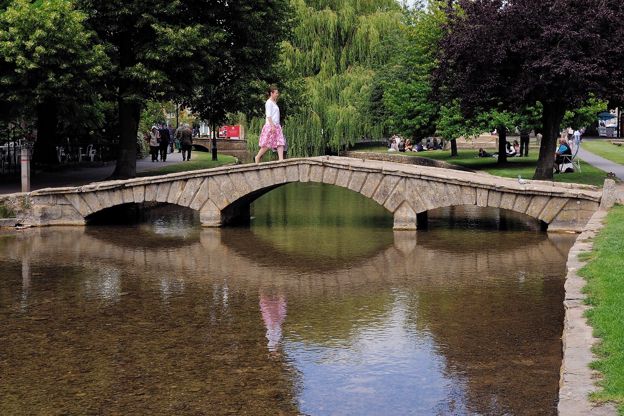
River Windrush
Sight · River · The Oxfordshire Cotswolds
Places to stay near Burford
-
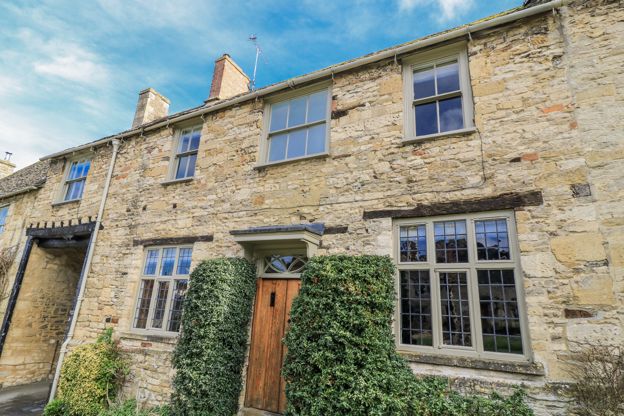
Ostlers
Self-catering · Burford
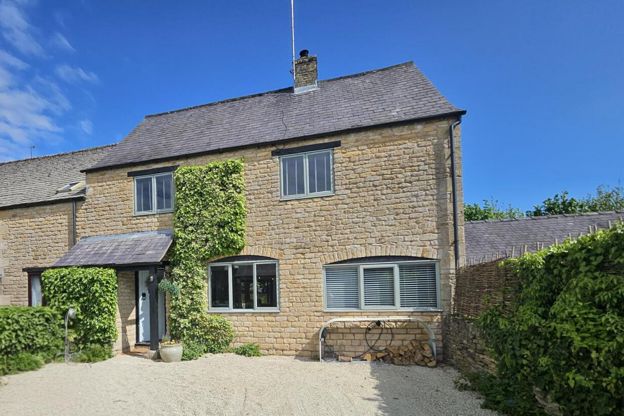
A three-bedroom holiday cottage in Burford, let through Manor Cottages, sleeping six, with a garden, a woodburner and parking for one car; no pets.
Family-friendly
Verified Oct 2026
-
Cotswold Stay
Self-catering · Burford
A four-bedroom house in Burford that sleeps eight, let for self-catering, with no dogs.
Family-friendly
Verified Oct 2026
-
The Angel at Burford
Pubs · Burford
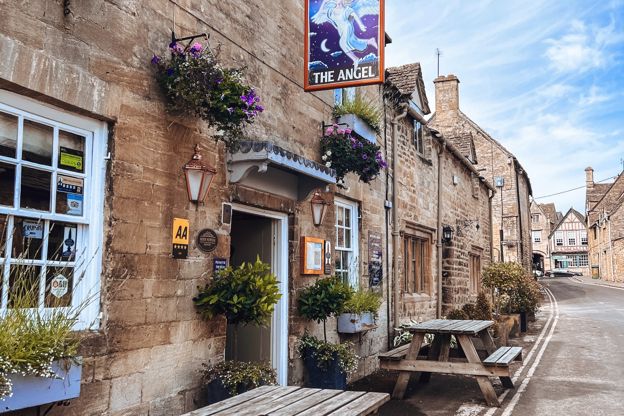
An inn on Witney Street, Burford, run by the King family since 2011, with an AA Rosette for its cooking, a walled garden and sun terrace, three bedrooms and food from breakfast onwards.
Verified Nov 2026
Read next
-
Wife selling in the Oxfordshire Cotswolds
Story · Strange Things · 5 minute read
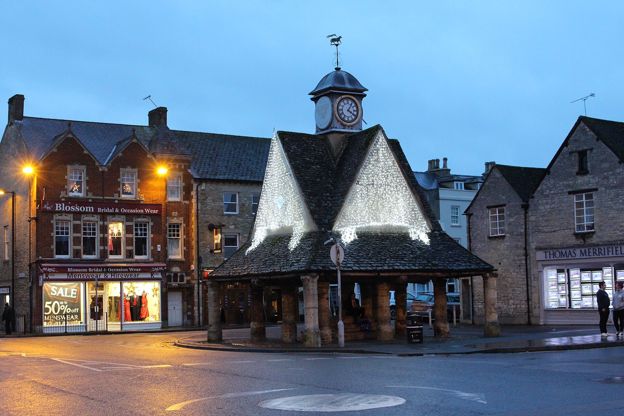
For a century and more, some English couples ended their marriages with a public sale in the market. The newspapers record cases at Oxford, Banbury and Witney.
-
The ghost of Charles I in the Cotswolds
Story · Strange Things · 4 minute read
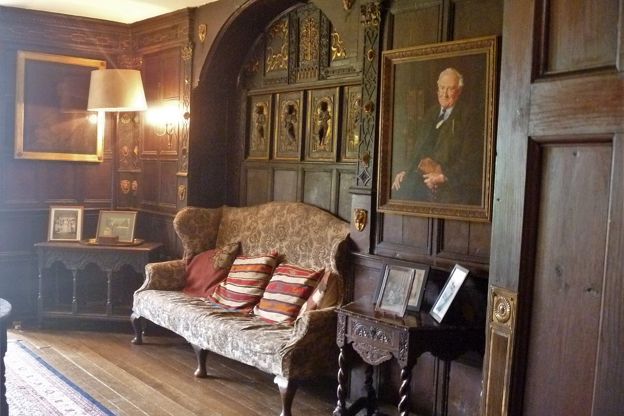
Two Cotswold houses have stories of Charles I: the Court House at Painswick, where tradition says he stayed in 1643, and Chavenage, near Tetbury, where legend says his ghost drove a hearse.
-
The lovers of Stanton Harcourt
Story · Strange Things · 3 minute read
In the summer of 1718 two young harvest workers, engaged to marry, were killed by lightning at Stanton Harcourt. Alexander Pope, staying nearby, wrote their epitaph.