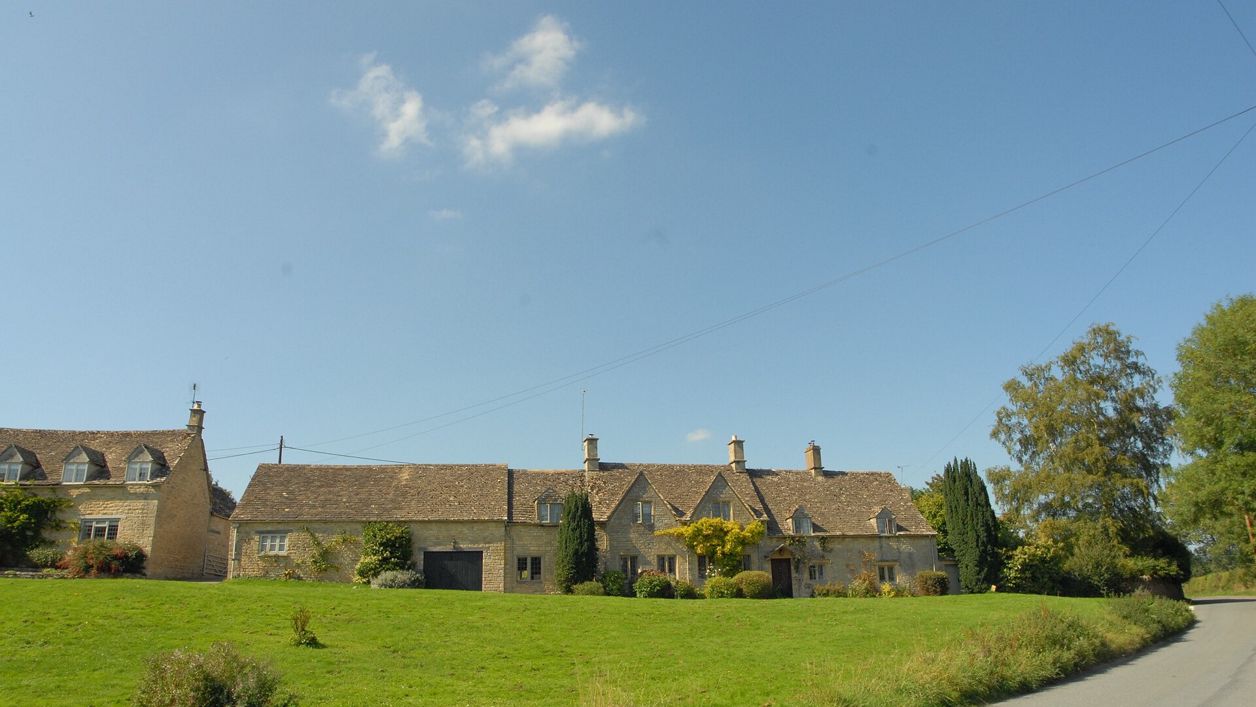
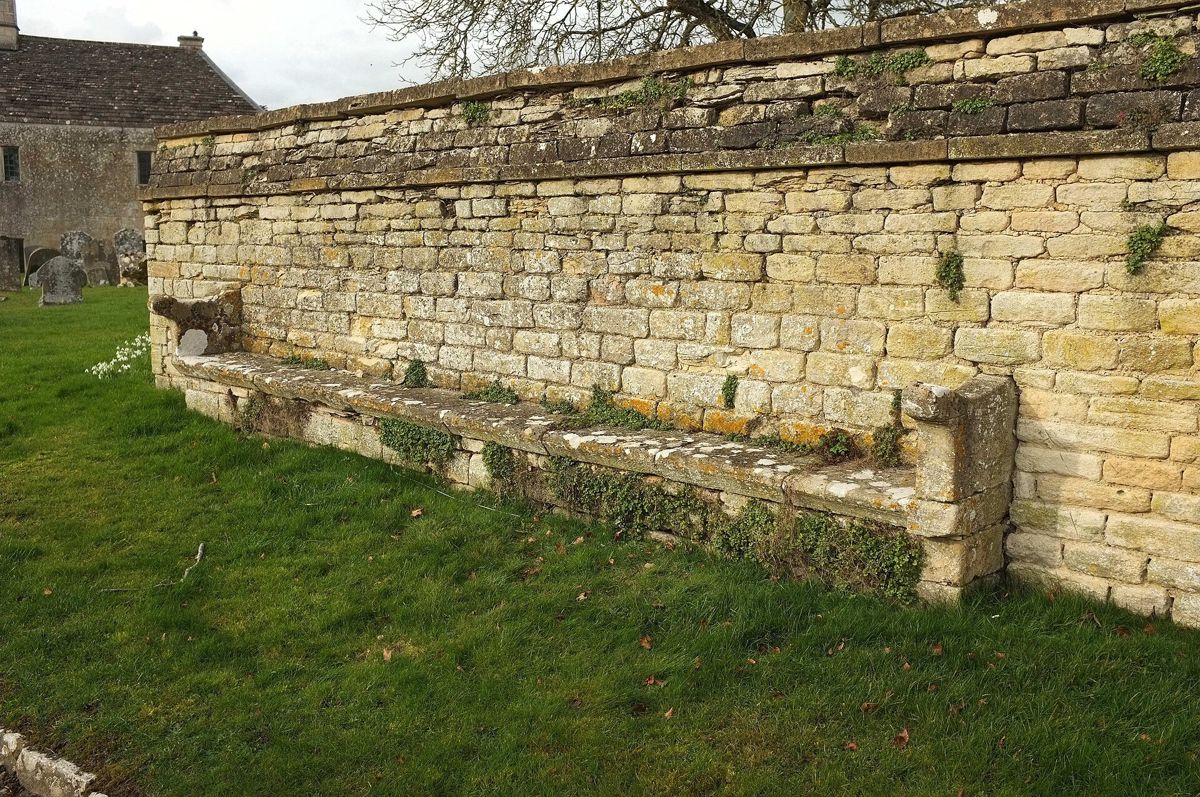
John Winder, CC BY-SA 2.0, via Wikimedia Commons
The Barringtons and Windrush
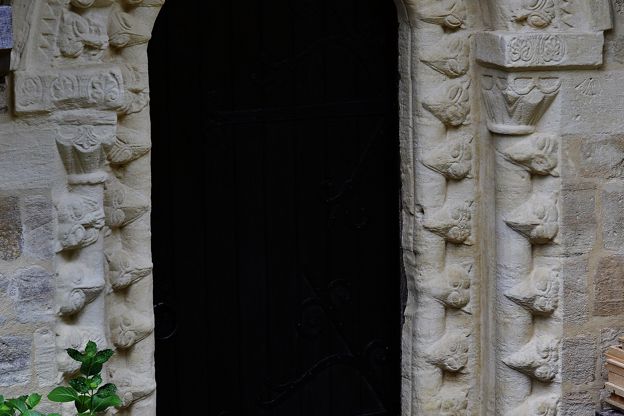
Three quarry villages on the Windrush just over the Gloucestershire border from Burford: Great Barrington under its park wall, Little Barrington round its green, and Windrush with a Norman doorway of beaked heads; the stone that built Oxford colleges, and the Fox by the river.
- Nearest station
- Kingham, about 12 miles, then a taxi
- Best time
- Spring, when the river meadows are dry; a weekday evening at the Fox
- When it's busy
- Sunday lunch at the Fox, which fills; the villages themselves are never busy
- Toilets
- None; the Fox for customers
- Dogs
- Donnington Brewery's page for the Fox calls it dog friendly; ask about the bedrooms. The riverside fields are grazed, so keep dogs on leads
About the Barringtons and Windrush
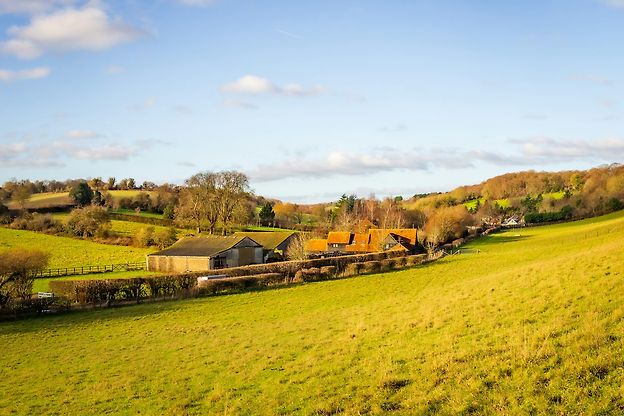
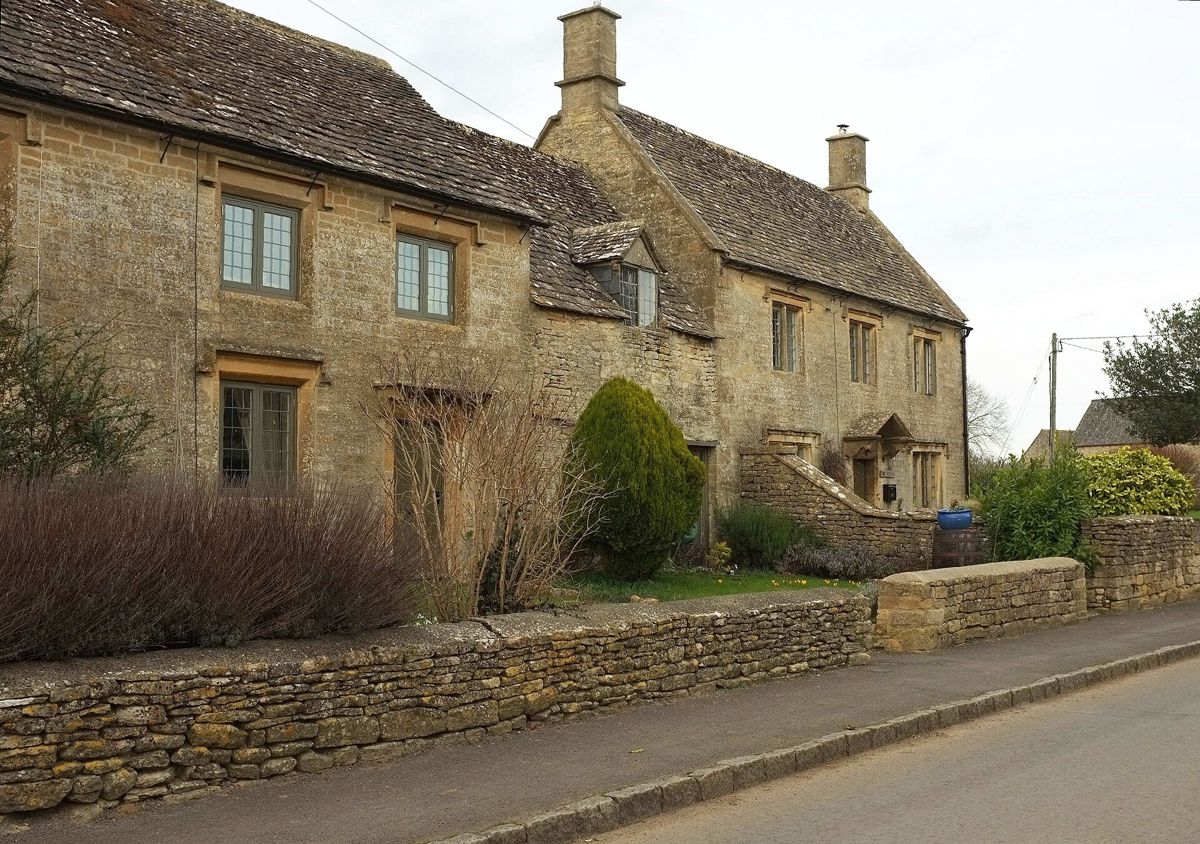
The Barringtons are two villages facing each other across the Windrush 3 miles west of Burford, and Windrush is the next village upstream, towards Sherborne. All three are built of the stone they stand on. For five hundred years the quarries here sent limestone down the river to Oxford and London, and what is left is a landscape of grassed-over pits, a Georgian park behind a wall, and a parish of about 200 people.
What to see
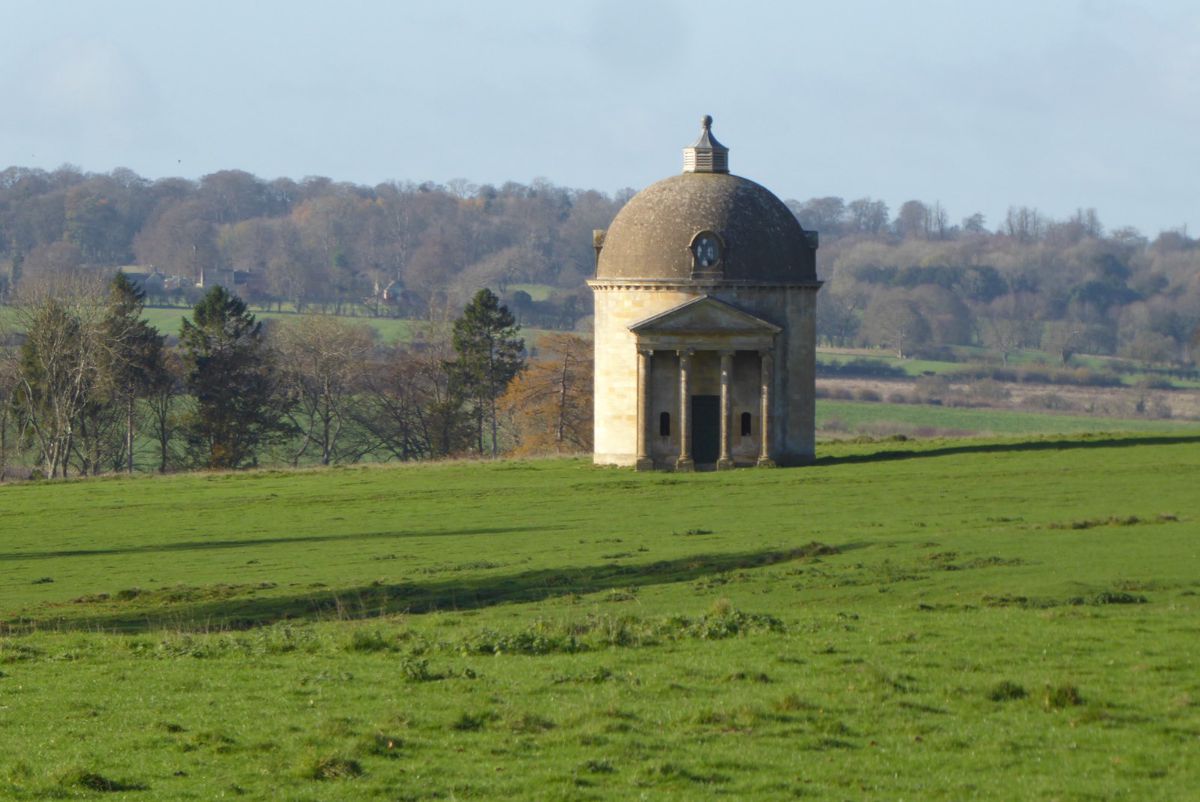
Great Barrington lies along the edge of Barrington Park. The house behind it was built in 1736 to 1738 for Charles Talbot, Lord Chancellor to George II, after a fire damaged the old manor house in 1736; Historic England says it is reputedly by William Kent, though more likely by Francis Smith of Warwick, and lists it Grade I. Edward Rhys Wingfield extended it in 1870 to 1873. It is private, and you see it from the road only: the gate piers, the long wall and the park through the clairvoyee, the listed gap in the wall made for looking through.
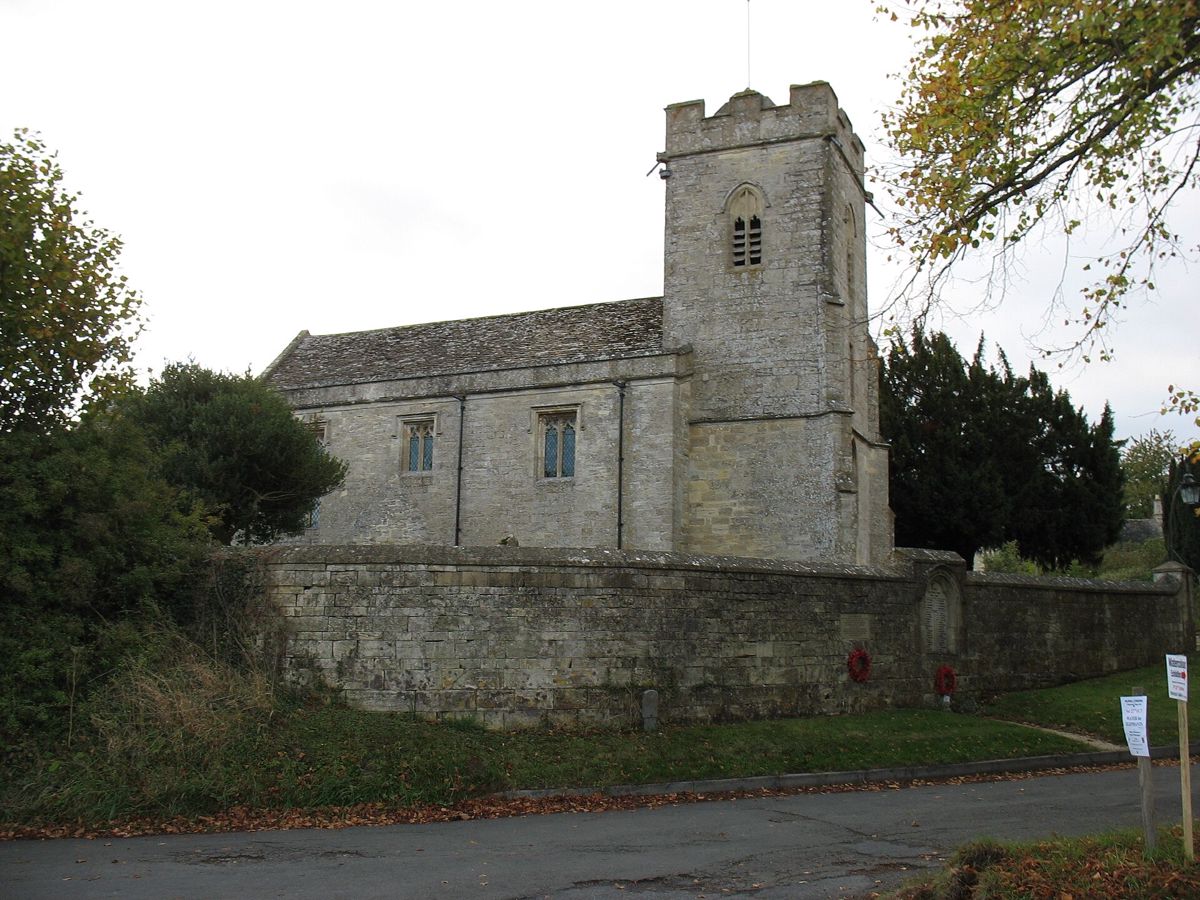
St Mary's, at the park's edge, is Grade II*. The chancel arch is late twelfth century, the nave arcade early thirteenth, and the panelled ceiling is early sixteenth century. The monuments are the thing: a limestone effigy of Captain Edmund Bray, who died in 1620, at the west end of the north aisle; a large marble monument to Jane and Edmond Bray, who died in 1711 and 1720; and in the chancel Joseph Nollekens's monument to Mary, Countess Talbot, who died in 1787.
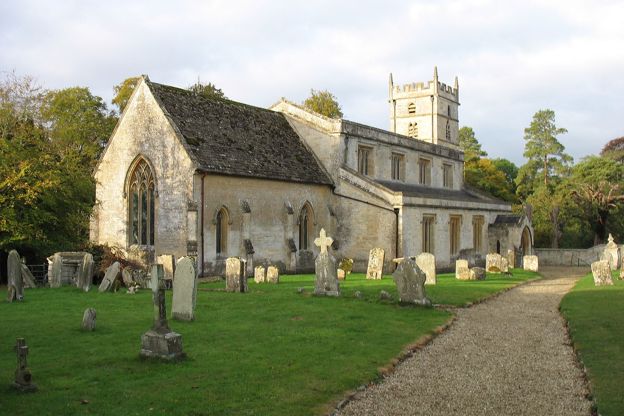
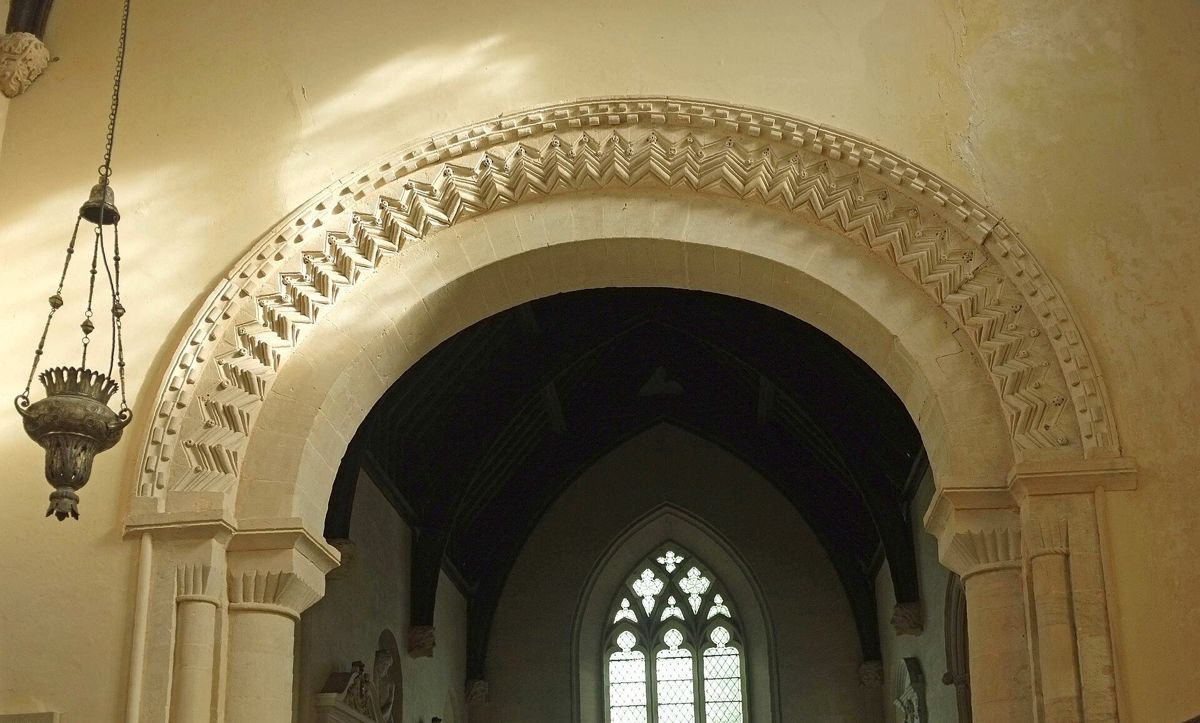
Little Barrington, across the river, is the smaller of the two and the one the Strongs lived in: cottages round a green, with St Peter's above. The church is Grade I for its late twelfth-century doorway, deeply cut with chevron and lozenge, and the carved tympanum of Christ in Majesty between two angels now set in the wall. The two villages are joined by Strong's Causeway, the raised road across the water meadows which local tradition says the mason Thomas Strong built at the end of the seventeenth century, when floods often cut one village off from the other.
Windrush village
Windrush, a mile and a half west, is the smallest and the best. Four roads meet at a triangle of grass, the cottages round it are mostly eighteenth century, and St Peter's church, Grade I, has a twelfth-century south doorway carved with a double row of beaked heads, the bird and beast faces that bite the roll of a Norman arch. The churchyard holds a set of carved chest tombs, two groups of them listed Grade II* in their own right, to the Trinders, the Newmans and the Masons.
The quarries
Barrington stone went to New College, Oxford, in 1396 to 1397, to St George's Chapel at Windsor and the Divinity School at Oxford in the fifteenth century, to Hampton Court and Christ Church in the sixteenth, to the Sheldonian Theatre in the seventeenth and to Blenheim Palace in the eighteenth, and Windrush supplied St George's in 1478. The masons who ran the trade were the Strongs: Timothy Strong moved to Little Barrington early in the seventeenth century, his son Valentine worked the quarries from 1632 until he died in 1662, and Thomas Strong, who did not live here, owned pits at Little Barrington from which he took stone for rebuilding London after the Great Fire of 1666. In the nineteenth century the stone was mined underground; the mines had closed by the early twentieth century and the last open quarries by 1961. Our story why Cotswold stone is golden has the quarries here among the others.
An afternoon here
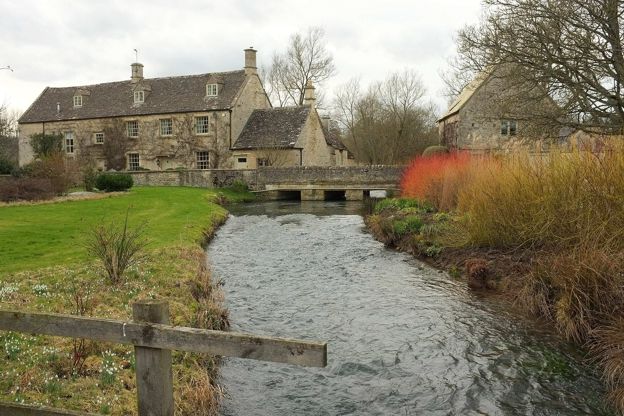
Leave the car at the Fox and walk up through Great Barrington, past the park gates to St Mary's, about half an hour there and back. Cross the river on Strong's Causeway to Little Barrington and climb the green to St Peter's for the doorway and the tympanum. Drive or walk the lane west to Windrush for the beakheads, and come back to the Fox for the garden by the water. Allow three hours with the churches.
Walks
None of our walks starts here yet. Public footpaths follow the Windrush between the Barringtons and Windrush village, and past Windrush the river runs into the National Trust's Sherborne estate; we have not walked them and will write them up when we have. From Burford, Burford and the Windrush valley goes the other way, downstream to Widford.
Food and drink
The Fox (opens in a new tab) at Great Barrington is the village pub, and it is a good one: one of Donnington Brewery's own inns, on the bank of the river, open before 1835, with a log burner in winter, a restaurant on the water and a garden for summer. The King family, who also run the Angel at Burford, took it on in 2022 and refitted its seven bedrooms. It opens every day from 8.30am to 11pm; food is served from midday to 2.30pm and 6pm to 9pm from Monday to Thursday, all day from midday to 9pm on Fridays and Saturdays, and a Sunday lunch from midday to 7pm. Up on the A40 at the Barringtons turn, the Inn for All Seasons is a hotel with a restaurant serving from midday to 8pm, 8.30pm on Fridays and Saturdays, and twelve rooms, eight in the inn and four in a mews coach house; its own site says dogs are welcome in the inn and the mews rooms. Windrush has no pub.
The Cotswolds Info newsletter
Events, new places and the best of the season, about once a month. Unsubscribe at any time.
When to come
Any season, because almost nobody comes. Spring is best for the river meadows, which flood in winter; autumn for the Fox's fire. There are no events to plan round in any of the three villages. Sunday lunch at the Fox is the one busy hour of the week, so book it.
Last verified 28 October 2026 by our editors
Part of
The Oxfordshire Cotswolds
The Windrush and Evenlode valleys on the Oxfordshire side of the hills: Burford's High Street, Kingham on the railway, Witney's blankets and Woodstock at Blenheim's gates.
Things to do in the Barringtons and Windrush
Museums and galleries · Burford
Burford Tolsey Museum
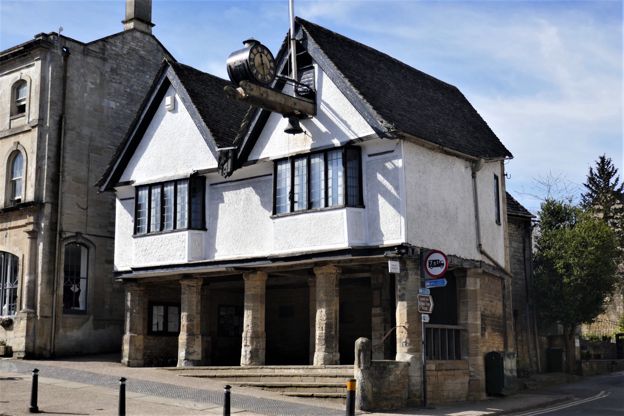
Burford's small free museum in the Tolsey, the sixteenth-century market house on the High Street, run by volunteers and open on summer afternoons.
-
Cotswold Wildlife Park and Gardens
Wildlife and nature · Burford
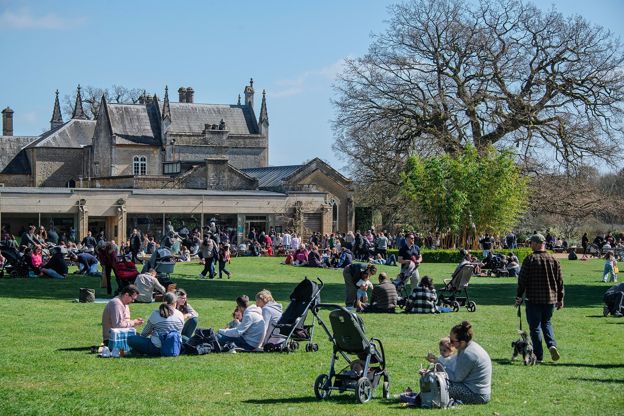
A wildlife park and gardens near Burford with animals from around the world, a narrow-gauge railway, free parking and room for dogs on leads in most of it.
Family-friendly · Dog-friendly
Verified Oct 2026
-
Lodge Park and Sherborne Estate
Historic houses and heritage · Northleach
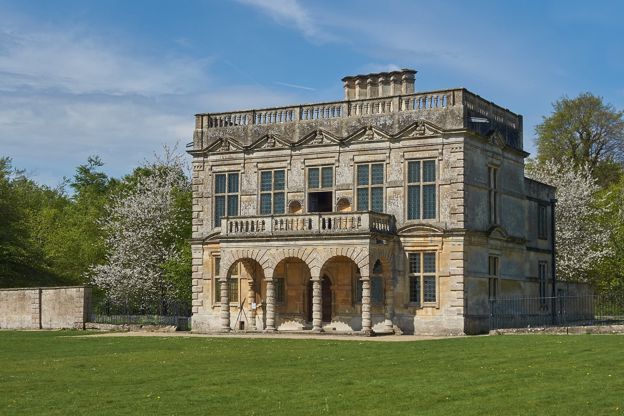
John 'Crump' Dutton's seventeenth-century grandstand for deer coursing near Northleach, which the National Trust calls the only one left in England, open on a few days a year, with the Sherborne estate's walks and water meadows open daily.
Dog-friendly · Walker-friendly
Verified Oct 2026
-

Birdland Park and Gardens
Wildlife and nature · Bourton-on-the-Water
A bird park on the Windrush at Bourton-on-the-Water since 1957, with what it calls England's only breeding King Penguins, flamingos, pelicans and a nature reserve.
Family-friendly · Dog-friendly · Car-free
Verified Oct 2026
Where to stay in the Barringtons and Windrush
-
Greenview Cottage
Self-catering · The Barringtons and Windrush
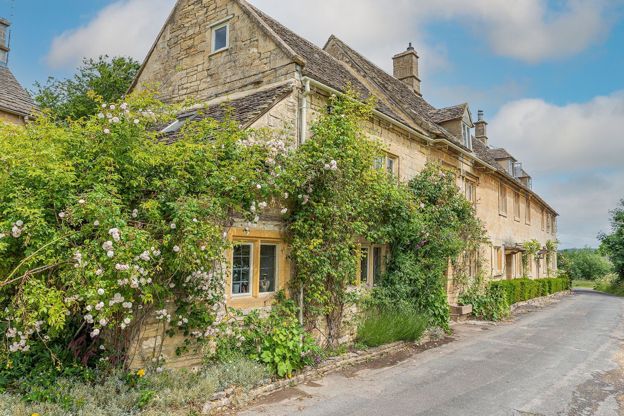
An eighteenth-century stone cottage on the green at Little Barrington, let for up to seven in four bedrooms, with an inglenook and wood burner and one dog welcome.
Dog-friendly · Family-friendly · Walker-friendly
Verified Oct 2026
Where to eat and drink in the Barringtons and Windrush
-
The Fox Inn, Great Barrington
Pubs · The Barringtons and Windrush
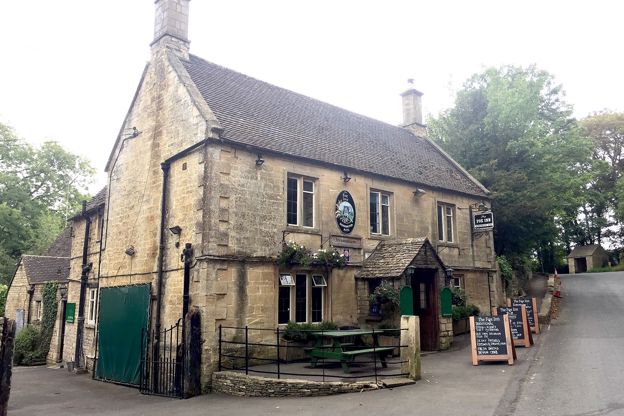
An eighteenth-century Donnington Brewery inn beside the River Windrush at Great Barrington, near Burford, with a riverside restaurant and garden, a log burner, seasonal food all day at weekends and seven bedrooms.
Verified Oct 2026
-
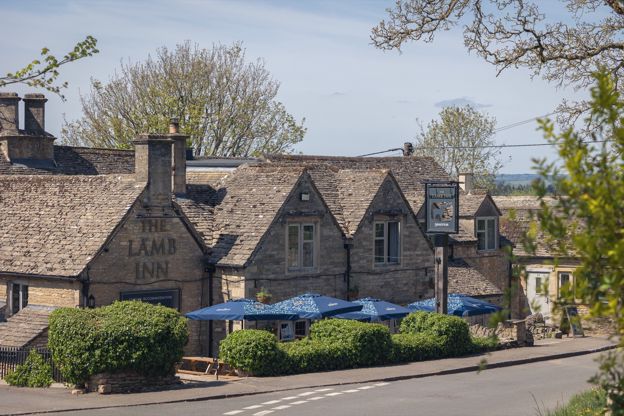
The Lamb Inn, Great Rissington
Pubs · Great, Little and Wyck Rissington
A Brakspear pub with rooms in Great Rissington, a short drive from Bourton-on-the-Water, with a seasonal pub menu, Sunday roasts, private dining and EV charging.
EV charging
Verified Nov 2026
-
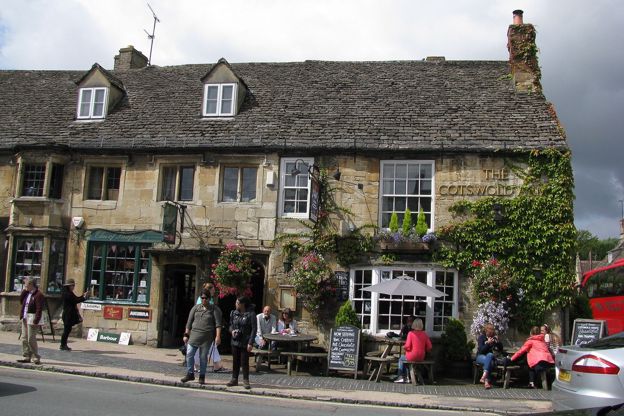
The Cotswold Arms
Pubs · Burford
A family-run pub on Burford High Street, known in the town as the Coty, with food all day, live music on Friday and Saturday nights, a hidden garden and dogs welcome.
Dog-friendly · Family-friendly
Verified Nov 2026
Walks in and around the Barringtons and Windrush
-
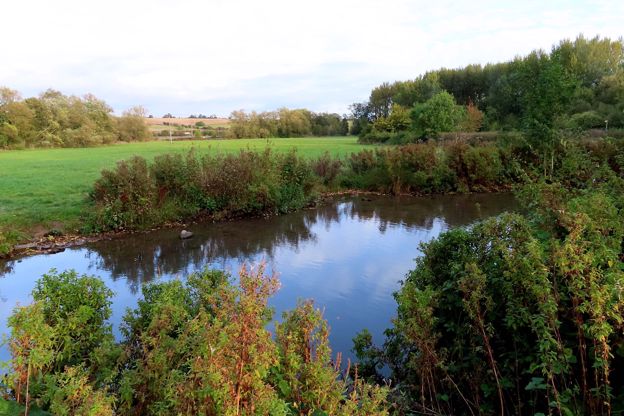
Burford's lanes and fields
Walk · Starts in Burford · 1 hr · Circular
A 1.7-mile (2.7km) circular walk from Burford's free riverside car park, easy and about an hour, mostly on pavements and lanes. It climbs Witney Street and Barns Lane to a field west of the town, then comes back down Sheep Street and Priory Lane to the church.
-
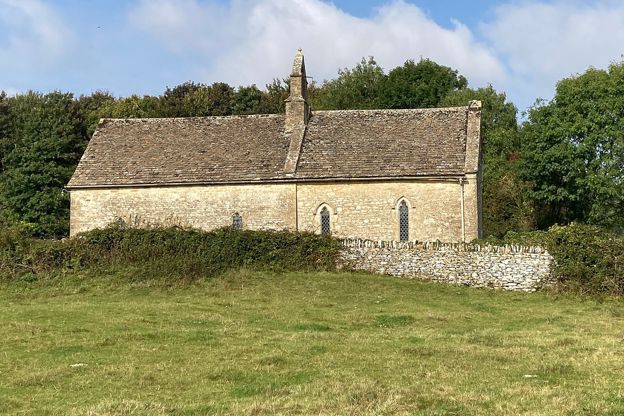
Burford, Fulbrook and Widford
Walk · Starts in Burford · 2 hrs, 30 mins · Circular · Dog-friendly
A 6-mile (9.7km) circular walk from Guildenford car park in Burford, about two and a half hours of moderate walking with stiles and some road. It crosses the old bridge to Fulbrook and the fields to Widford's church, and returns along the Windrush meadows, which flood in winter.
-
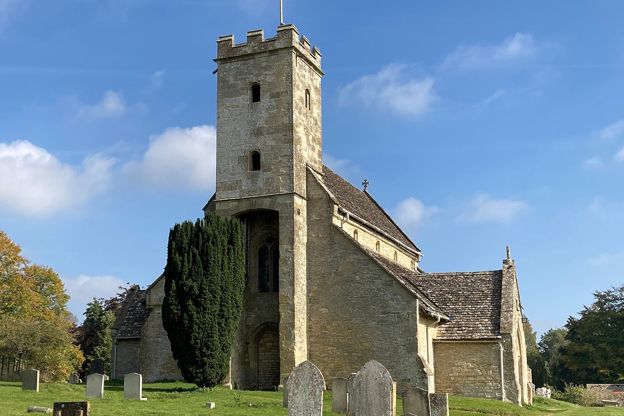
Swinbrook, Fulbrook and Widford
Walk · Starts in Burford · 2 hrs · Circular · Dog-friendly
A 4.3-mile (6.9km) easy loop of about two hours from the Swan at Swinbrook: north on a lane and west over fields to Fulbrook, back by a lane, then down a wooded valley to Widford's lone church and along the Windrush to the Mitford graves at St Mary's.
Sights in and around the Barringtons and Windrush
-
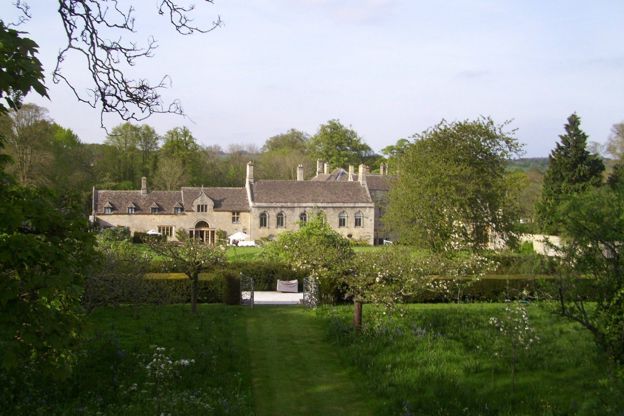
Burford Priory
Sight · Historic building · Burford
Burford Priory is a Jacobean mansion on the site of a medieval hospital in Burford, remodelled by Speaker Lenthall in the seventeenth century, with his chapel of 1661 to 1662 beside it. Grade I; a private house, seen only from Priory Lane.
-
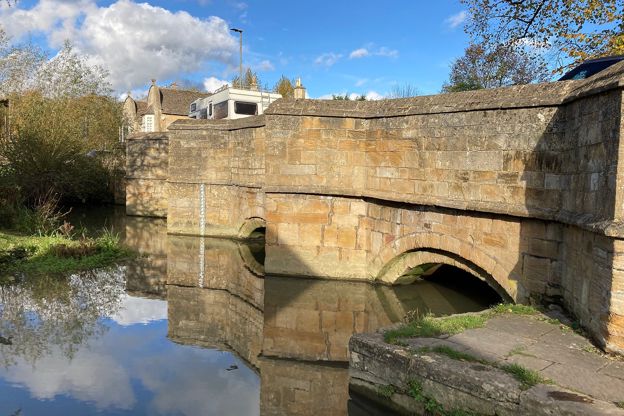
Burford Bridge
Sight · Bridge · Burford
Burford Bridge carries the road over the River Windrush at the foot of Burford's High Street: four low arches with pointed cutwaters, medieval in origin and heavily remodelled in 1791. Grade II*, on the way in and out of the town.
-
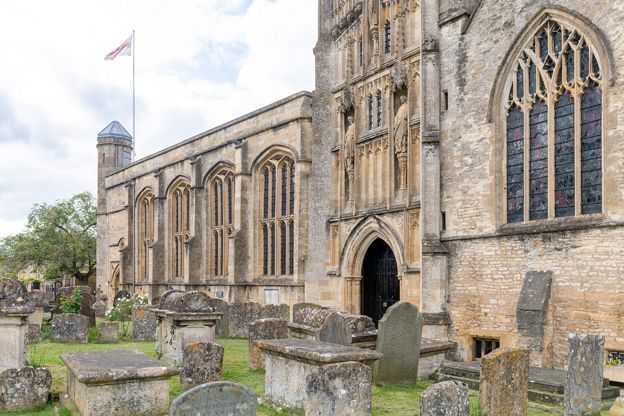
St John the Baptist, Burford
Sight · Church · Burford
St John the Baptist is Burford's great wool church by the Windrush: Norman at its core, with a fan-vaulted porch, the Tanfield and Harman monuments, and the font where a Leveller carved his name before three were shot in 1649. Grade I; open daily, free.
Stories about the Barringtons and Windrush
-
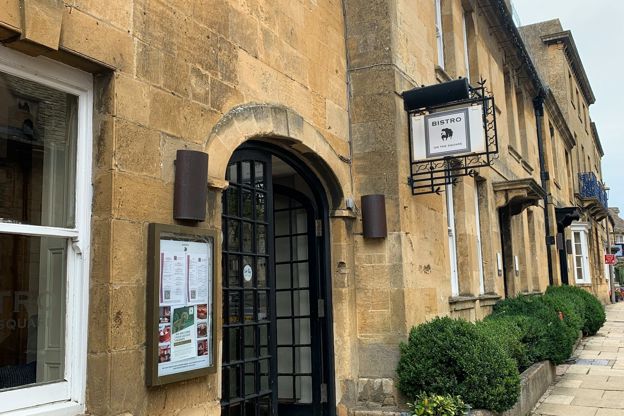
Why Cotswold stone is golden
Story · History · 9 minute read
The Jurassic limestone that built the Cotswolds, the iron that colours it honey in the north and grey in the south, the quarries at Taynton, Barrington, Guiting and Painswick, the stone slate roofs and the dry-stone walls, and where to see each.
Getting to the Barringtons and Windrush
- By car
- Great Barrington is signed from the A40 west of Burford, about 3.5 miles by road; Little Barrington and Windrush are reached from the A40 or by the lanes from Great Barrington.
- By train
- Kingham is the nearest station, about 12 miles by road, on the Cotswold Line from London Paddington; a taxi from there.
- By bus
- Pulhams' X52 (Oxford to Cheltenham) stops on the A40 by the Inn for All Seasons a few times a day. The Villager V12 calls at both Barringtons on Fridays only.
Access
The lanes are narrow and unlit with no footways. Great Barrington church is up a short path from the road; Windrush church is reached across the green on grass. There are no accessible toilets in any of the villages.
| Burford | 4 mi |
|---|---|
| Sherborne | 5.3 mi |
| Northleach | 7.5 mi |
| Bourton-on-the-Water | 12.4 mi |
| Kingham station | 12.1 mi |
| Stow-on-the-Wold | 14.3 mi |
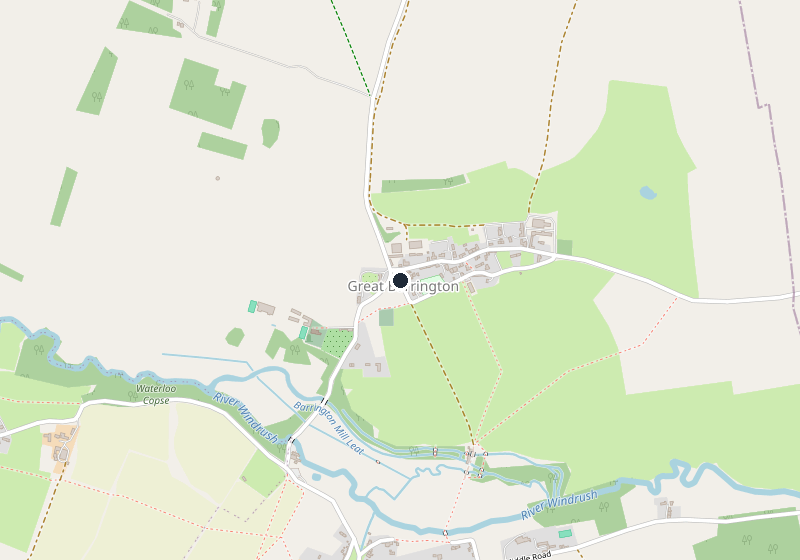
Places near the Barringtons and Windrush
-
 BurfordA wool and coaching town whose High Street runs downhill to a medieval bridge over the Windrush, with a Grade I church where the Levellers were held in 1649.
-
 NorthleachA small wool town in the Leach valley with one of the great Cotswold wool churches, its floor full of brasses to the merchants who paid for it, and a Georgian prison.
-
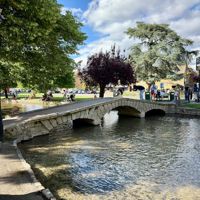 Bourton-on-the-WaterThe River Windrush runs shallow through the middle of the village under a run of low stone bridges. The county council puts visitors at around 10,000 a day at peak times, so arrive before ten.