Sights to see
Churches, hill forts, commons, viewpoints and rivers, with the walks that pass them and the places to stay and eat nearby.
173 sights
-
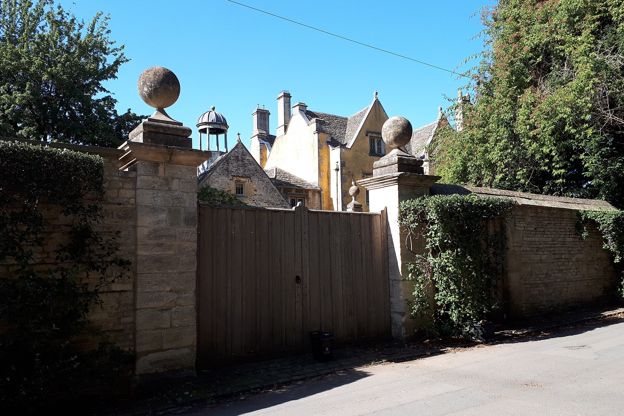
Ablington Manor
Sight · Historic building · Bibury
Ablington Manor is an Elizabethan house in the hamlet of Ablington near Bibury, dated 1590 for John Coxwell, with five carved royal heads over its porch. Listed Grade I and a private home, it is seen from the lane through the hamlet.
-
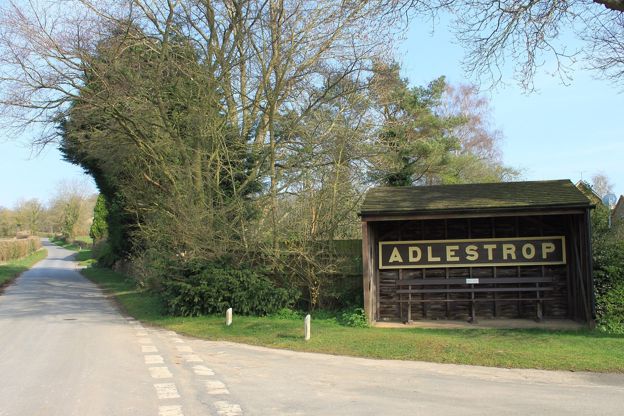
Adlestrop railway sign and seat
Sight · Monument · The Oxfordshire Cotswolds
The Great Western Railway sign and bench from Adlestrop's lost station stand in the village bus shelter, where they were set up in the early 1970s. Edward Thomas's train stopped here in June 1914, and his poem Adlestrop made the name famous. Grade II; free to see.
-
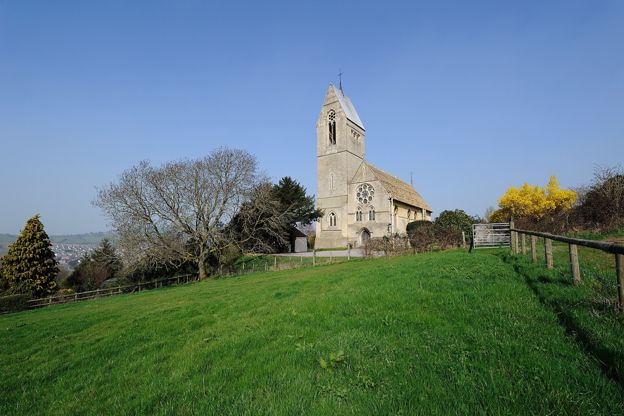
All Saints' Church, Selsley
Sight · Church · Stroud and the Five Valleys
All Saints, Selsley is a Grade I church of 1862 by G F Bodley on the hillside above Stroud, with some of the first church glass made by Morris and Company: windows by Morris, Burne-Jones, Rossetti, Madox Brown and Philip Webb, among them a Creation rose window. Open in daylight.
-
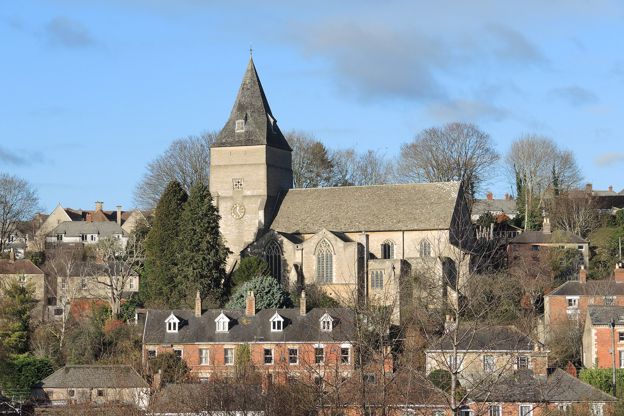
All Saints' Church, Uplands, Stroud
Sight · Church · Stroud
Temple Moore's Grade I church on the hillside at Uplands, above Stroud: built 1907 to 1910 and finished by Leslie Moore in 1932, with a tiled broach spire uncommon in Gloucestershire, a cool ashlar interior and oak stalls made by the Arts and Crafts cabinetmaker Peter Waals.
-
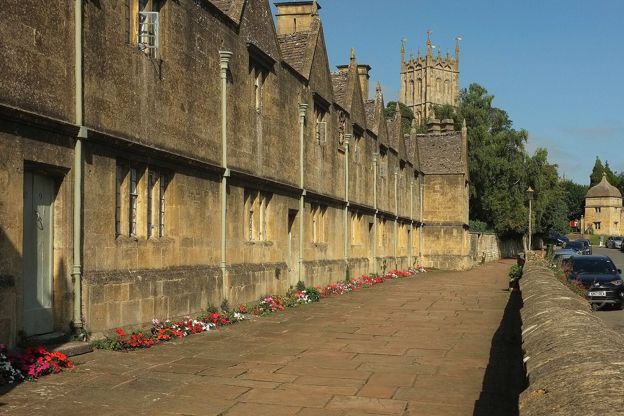
Almshouses, Chipping Campden
Sight · Historic building · Chipping Campden
Twelve almshouses on Church Street in Chipping Campden, built in 1612 for Sir Baptist Hicks at a cost of £1,000 on an I-shaped plan said to honour James I, and still homes for older people. Grade I; seen from the street.
-
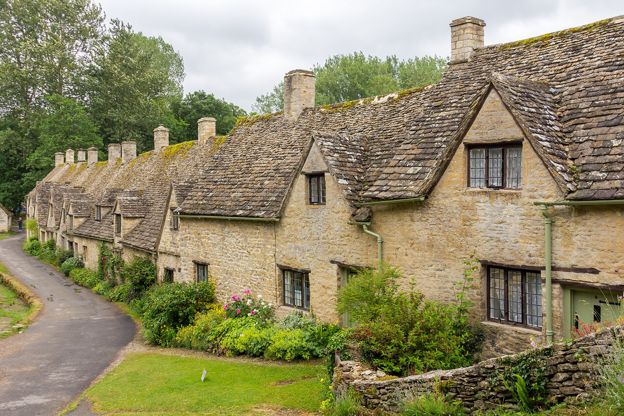
Arlington Row, Bibury
Sight · Historic building · Bibury
Arlington Row is a terrace of stone cottages above the mill stream in Bibury, built as a wool store in the late fourteenth century and turned into weavers' homes in the seventeenth. Grade I and owned by the National Trust, the cottages are lived in and seen from the path.
-
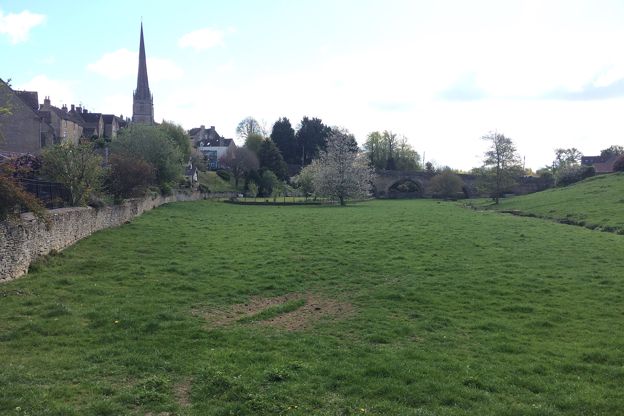
Bath Bridge, Tetbury
Sight · Bridge · Tetbury
Bath Bridge carries the Bath road, now the A433, over the valley south of Tetbury and up into the town: four arches of rubble stone, each a different size, built by Thomas Webb in 1774 to 1776 as part of the town's Georgian improvements. Grade II.
-
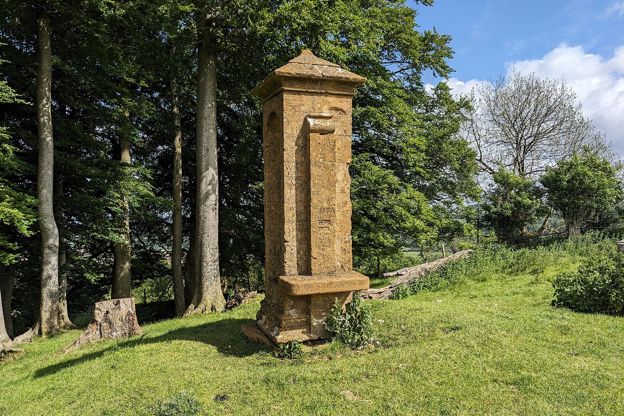
Beckbury Camp, Hailes
Sight · Hill fort or barrow · Winchcombe
An Iron Age hillfort on the Cotswold edge above Hailes, near Winchcombe, its bank still up to 4m high, with the nineteenth-century monument called Cromwell's Seat, where the story goes that Thomas Cromwell watched Hailes Abbey burn. On the Cotswold Way.
-
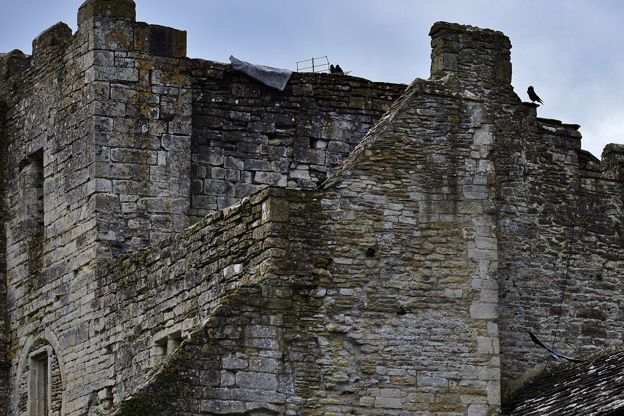
Beverston Castle
Sight · Castle or ruin · Tetbury
The ruin of a thirteenth-century castle at Beverston, west of Tetbury, built by Maurice de Gaunt and enlarged by the Berkeleys, twice besieged in 1644 and now part of a private house, its gatehouse, towers and moat seen from the lane and churchyard.
-
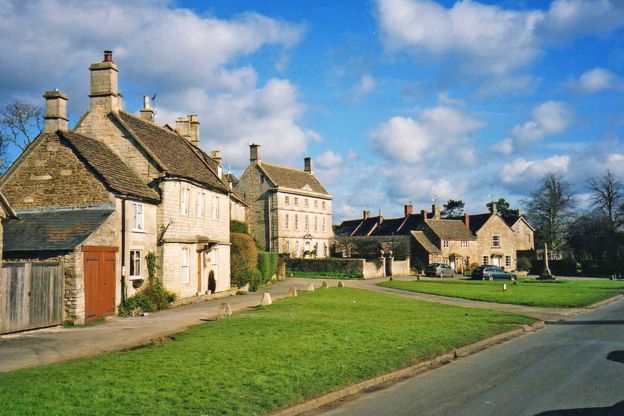
Biddestone green and pond
Sight · Common or park · Biddestone
Biddestone's green is the large open heart of a Wiltshire stone village near Castle Combe, with a duck pond made in 1661, a pub of the eighteenth century, a war memorial and houses from the seventeenth century on. Free and open at any time.
-
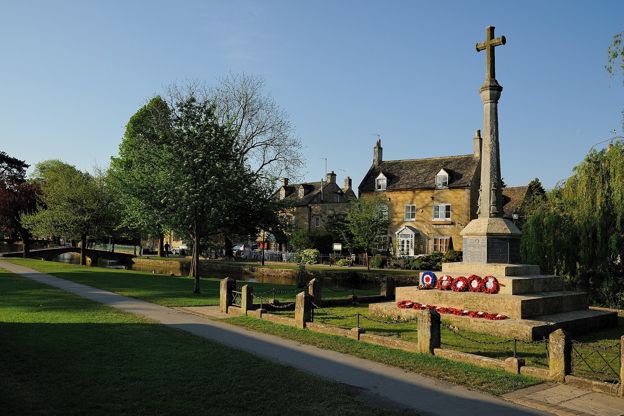
Bourton-on-the-Water war memorial
Sight · Monument · Bourton-on-the-Water
Bourton-on-the-Water's war memorial is a tall stone cross of 1920 on the green beside the Windrush, raised by the village for its 27 men who died in the First World War, with 12 names added after the Second. Listed Grade II; open at all times.
-
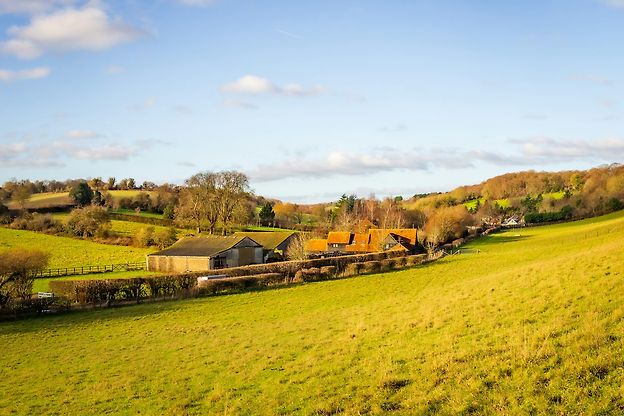
Bowden Park, Lacock
Sight · Historic building · Lacock
James Wyatt's neoclassical house of 1796 on Bowden Hill above Lacock, with a full-height bow behind massive Ionic columns, later bought by the brother of W. E. Gladstone. Private; Grade I, seen from the public path across the park.
-
Brackenbury Ditches hill fort
Sight · Hill fort or barrow · Wotton-under-Edge
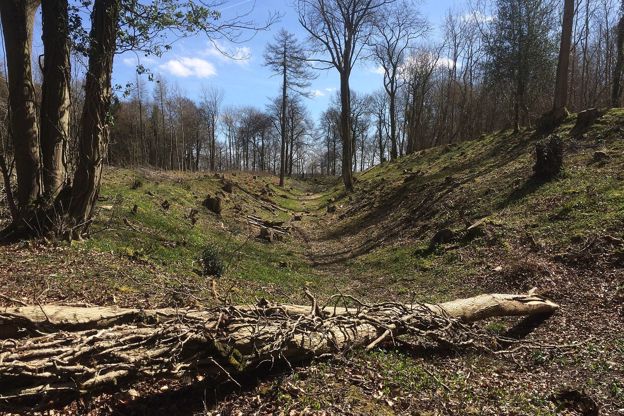
Brackenbury Ditches is an Iron Age hill fort in Westridge Wood on a spur of the Cotswold Edge above North Nibley, with a great inner rampart 3m high and a ditch 14m wide, unexcavated when surveyed in 1976 and now among the trees. Beside public footpaths through the wood.
-
Burford Bridge
Sight · Bridge · Burford
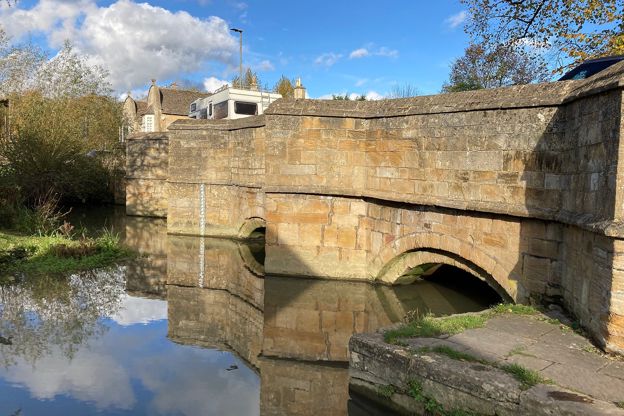
Burford Bridge carries the road over the River Windrush at the foot of Burford's High Street: four low arches with pointed cutwaters, medieval in origin and heavily remodelled in 1791. Grade II*, on the way in and out of the town.
-
Burford Priory
Sight · Historic building · Burford
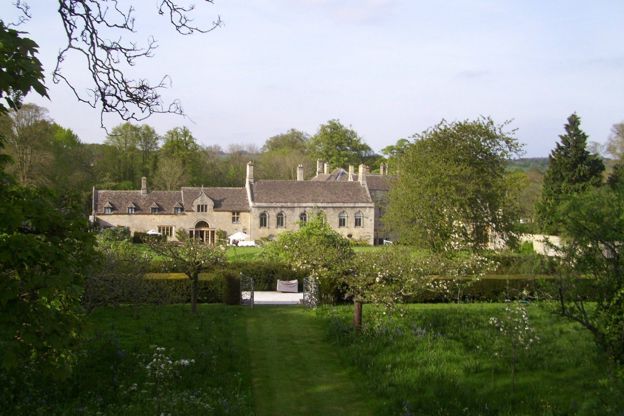
Burford Priory is a Jacobean mansion on the site of a medieval hospital in Burford, remodelled by Speaker Lenthall in the seventeenth century, with his chapel of 1661 to 1662 beside it. Grade I; a private house, seen only from Priory Lane.
-
Butter Cross, Witney
Sight · Historic building · Witney
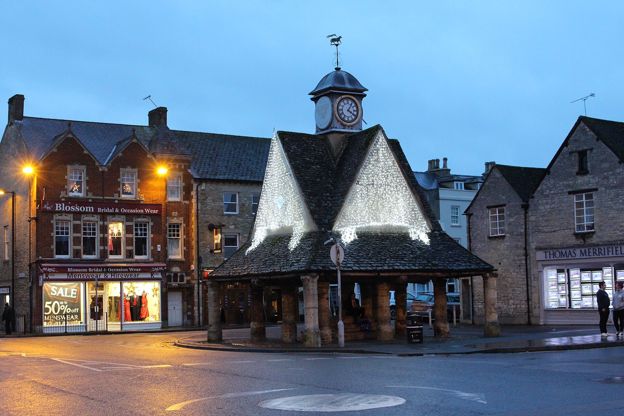
The Butter Cross is Witney's open market house in the Market Square, built soon after 1606 on 13 stone pillars, probably round an older cross, with a clock turret and sundial added in 1683 by William Blake of Cogges. Grade II* and scheduled; free to walk under.
-
By Brook
Sight · River · Castle Combe
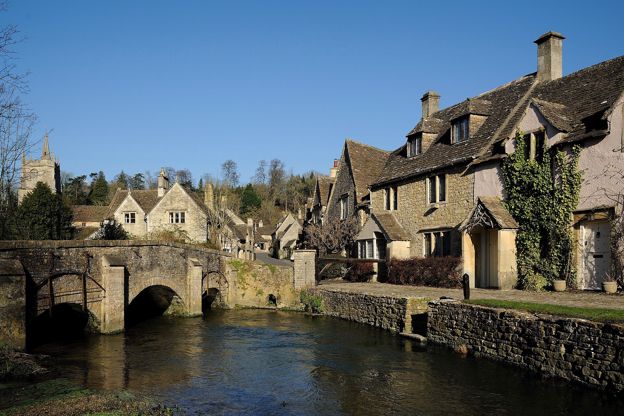
The By Brook is the wooded valley stream that runs through Castle Combe and south by Long Dean, Ford and Slaughterford, in north-west Wiltshire. It once had some twenty watermill sites, for corn, cloth and paper, and public footpaths follow much of it.
-
Castle Combe bridge
Sight · Bridge · Castle Combe
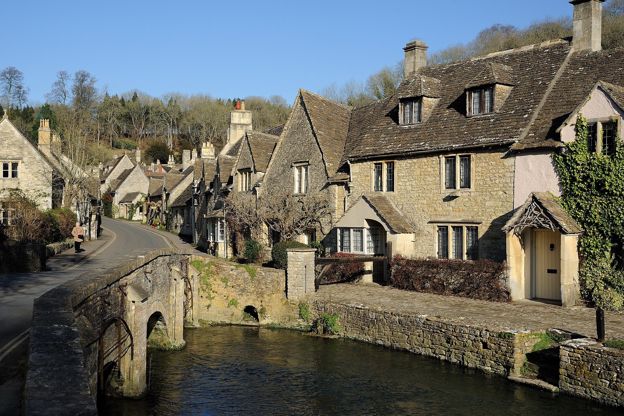
Castle Combe bridge carries the village street over the By Brook at the bottom of the hill: three low skew arches rebuilt for the Scropes in the early nineteenth century, with grooves in its buttresses for the iron screens that kept livestock in. Grade II.
-
Cirencester Park
Sight · Common or park · Cirencester
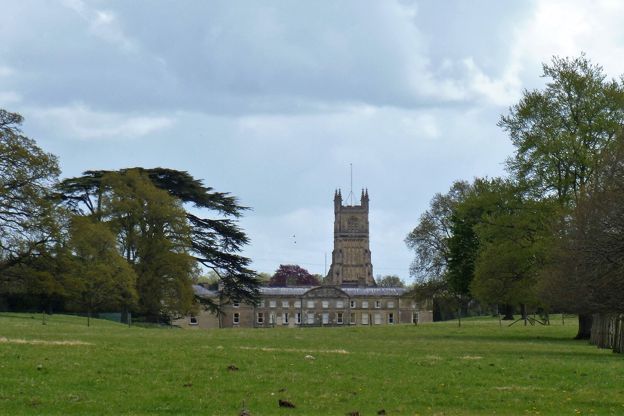
The Bathurst family's landscape park on the western edge of Cirencester, planted from 1714 by the first Earl Bathurst with Alexander Pope: 8km of rides and woods along the Broad Ride, with Pope's Seat and Alfred's Hall. Grade I registered; a day pass is needed.
-
Clapper bridge, Lower Harford
Sight · Bridge · Naunton
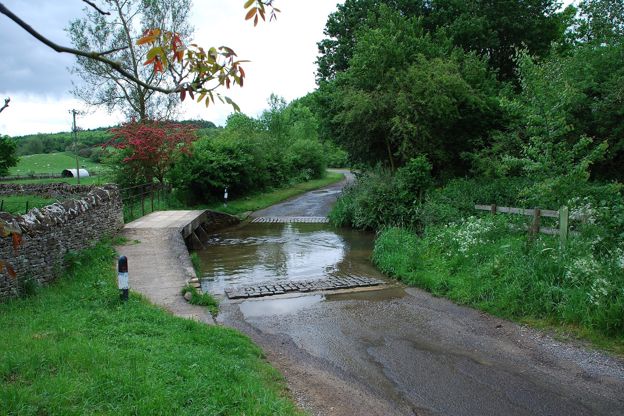
The clapper bridge at Lower Harford Farm near Naunton is a low bridge of limestone blocks laid flat on stone piers across the Windrush, of the eighteenth century or earlier: a rare survival here of a kind of bridge more often found in upland country. Grade II.
-
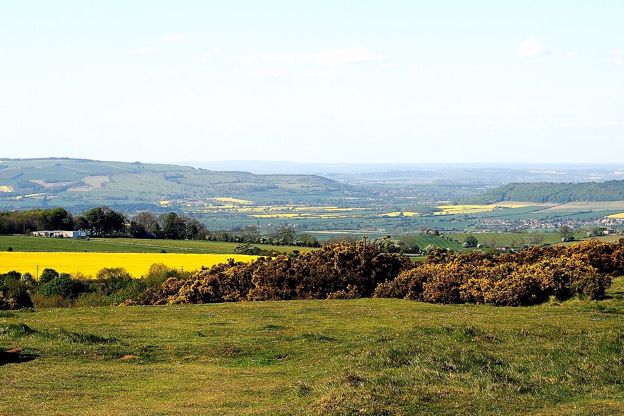
Cleeve Common
Sight · Common or park · The Cotswold Edge
Gloucestershire’s largest common: more than 400 hectares of open limestone grassland on the Cotswold Edge above Cheltenham, with the highest point of the Cotswolds at 330m, an Iron Age hillfort, a Bronze Age cross dyke and views to the Malverns and the Black Mountains.
-
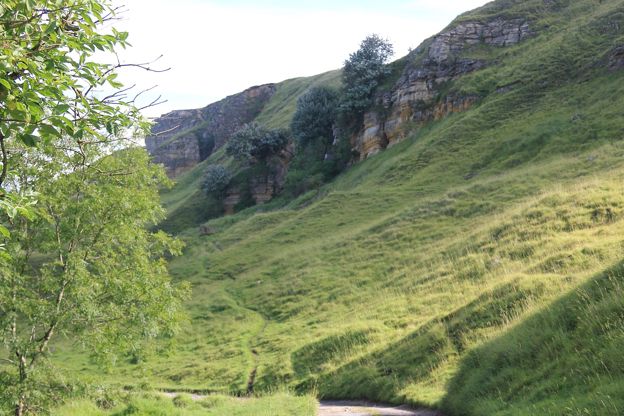
Cleeve Hill camp
Sight · Hill fort or barrow · The Cotswold Edge
Cleeve Hill camp is a small Iron Age hillfort of about 500 BC on the cliff top at Cleeve Cloud, above Cheltenham, with two rings of rampart up to 2.5m high and the scarp as its western wall. Cut by quarries and a golf course, it is a scheduled monument on Cleeve Common.
-
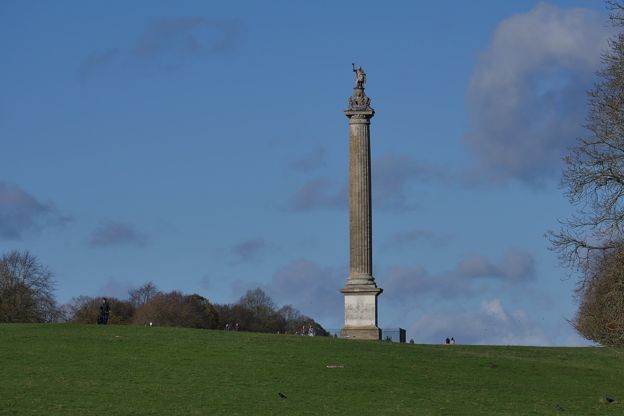
Column of Victory, Blenheim
Sight · Monument · Woodstock
The Column of Victory is the fluted Doric column of 1727 to 1730 that carries a lead statue of the first Duke of Marlborough dressed as a Roman general on the high ground of Blenheim's park. Seen from Woodstock and the park's public paths.
-
Court House, Painswick
Sight · Historic building · Painswick
The Court House is a gabled stone manor house of 1604 on Hale Lane, beside Painswick churchyard, with a panelled court room and a bedroom named after Charles I. Listed Grade I, it is a private home seen from the lane and the churchyard.