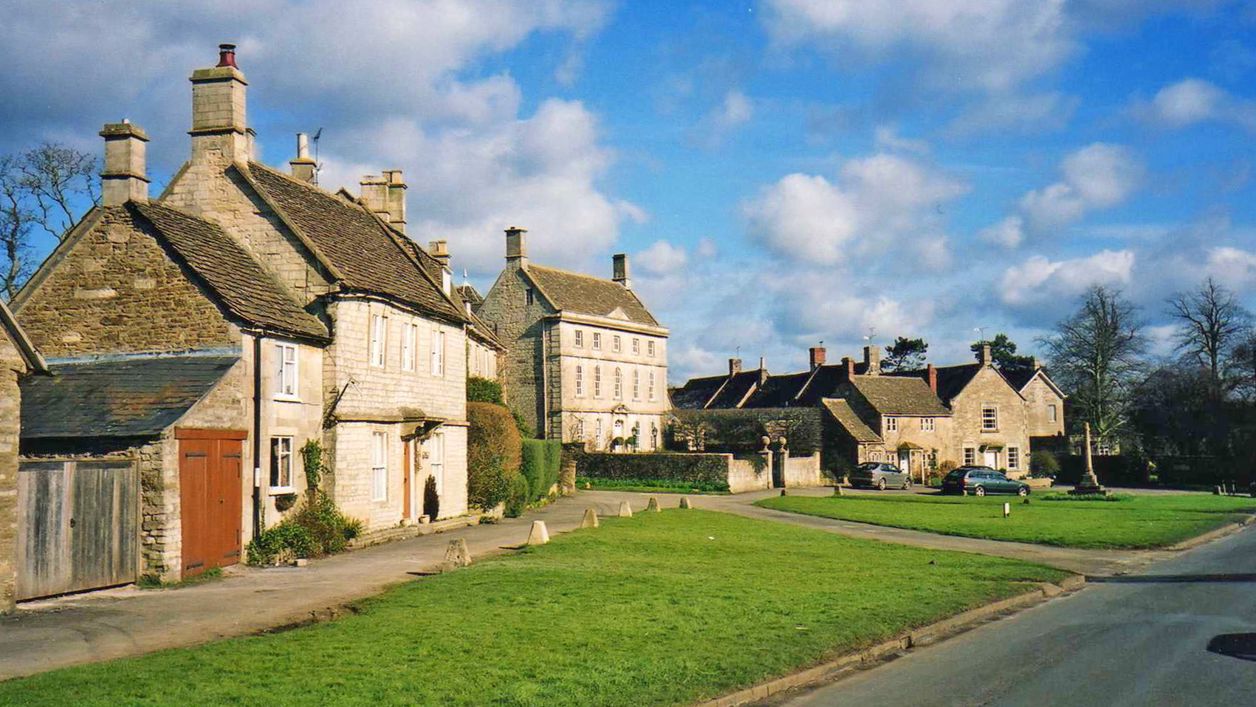
Trevor Rickard, CC BY-SA 2.0, via Wikimedia Commons
Biddestone green and pond
Biddestone's green is the large open heart of a Wiltshire stone village near Castle Combe, with a duck pond made in 1661, a pub of the eighteenth century, a war memorial and houses from the seventeenth century on. Free and open at any time.
Common or park
BiddestoneBiddestone green is the middle of Biddestone, a stone village of north-west Wiltshire about 6 km by road south of Castle Combe. It is a large open green with a duck pond made in 1661, ringed by houses that are mostly of the seventeenth and eighteenth centuries, and the village around it is a conservation area.
History
The green has been the centre of the village since at least the seventeenth century. Biddestone was a Saxon village, recorded in Domesday Book with two manors and two churches, and it stayed a place of farmers, maltsters and craftsmen; the Wiltshire Community History records a sixteenth-century house on the green that was once worked as a cloth factory by Flemings.
The pond
In 1661, the record says, William Mountjoy, who had bought the manor estate in 1626, built a channel to bring water from the springs and the street into a pond. The heritage trail leaflet says he made it to improve his pasture and that the spring feeding it never runs dry. The pond watered animals and later steam engines, and in hot weather carters soaked their wagon wheels in it so the iron tyres would not work loose.
Life on the green
The green held the village's fairs, with swing boats and roundabouts, and its harvest festival. Biddestone was the only maker of Attwood's prize ploughs, built, the leaflet says, at a works in the garden of The Close until 1914, and about forty men still made farm implements here in the middle of the twentieth century. In 2014 the green played the village of Carsely in Sky's Agatha Raisin and the Quiche of Death.
What to see
Walk right round the green to see it properly. The things to look for are:
- the pond itself, and the wellhead and pump on Church Road;
- the White Horse, an eighteenth-century inn whose porch has a datestone of 1872 with the initials of T. H. A. Poynder of Hartham Park; vestry meetings were sometimes held there;
- the war memorial, a limestone cross more than 3m tall on a granite base, dedicated in 1920;
- The Close, set back behind its wall, an eighteenth-century house largely rebuilt from 1924 to 1929, and called by the leaflet a contender for the oldest house in the village;
- Willow House, three storeys with a formal front, dated 1730 and built for a maltster, Samuel Alborne in the leaflet;
- Elm Lodge, a Victorian house at the west end with 1878 on its porch, and the Baptist chapel of the nineteenth century.
Off the green, Chippenham Lane leads to the gate of Biddestone Manor, a seventeenth-century house listed Grade II*, whose garden, about five acres with a lake and an arboretum, opens for the National Garden Scheme on set days; its openings for 2026 are over, and dogs are allowed on short leads. Behind the wall by its stable gate is the site of St Peter's, one of Biddestone's two Domesday churches, pulled down in 1846.
Visiting
The green is open at all times and free. It is a lived-in village rather than a visitor attraction, and the walk leaflet asks visitors to use the car park behind the village hall and to park thoughtfully. The White Horse, on the green, is dog friendly and has a garden; it is closed on Mondays except bank holidays and opens only from 5pm from Tuesday to Thursday. Weekday mornings are the quietest time; on summer weekends walkers on the heritage trail gather here at the start and finish.
Getting there
By car, Biddestone is about 8 km west of Chippenham by road; park in the public car park behind the village hall on Yatton Road, SN14 7BZ. Faresaver's 636 bus from Chippenham by way of Corsham stops by the pond, but only twice each way on weekdays and not at weekends; Faresaver's 635 and 95 also call there.
On foot, the Biddestone heritage trail, a 6.5-mile loop to Slaughterford, Ford and back down the By Brook, begins and ends with a circuit of the green.
Nearby
St Nicholas' Church, with its Norman doorway and box pews, is a few minutes along Church Road. Across the fields, St Nicholas' at Slaughterford is the church whose people once worshipped here. Castle Combe, with its market cross and bridge, is a short drive north. Our guide to Cotswold film and TV locations has more on Agatha Raisin.
Walks past Biddestone green and pond
-
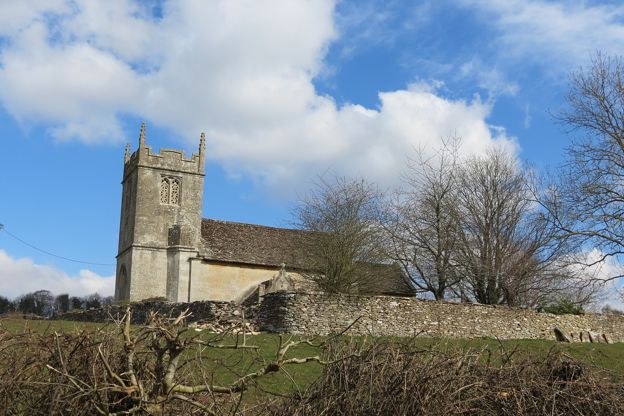
Biddestone heritage trail
Walk · Starts in Biddestone · 2 hrs, 30 mins · Circular
A 6.5-mile (10.5km) circular walk from Biddestone village hall, two to two and a half hours, moderate with stiles and short steep climbs. It goes round the green, over the fields to Slaughterford's paper mill and the White Hart at Ford, and back down the By Brook.
-
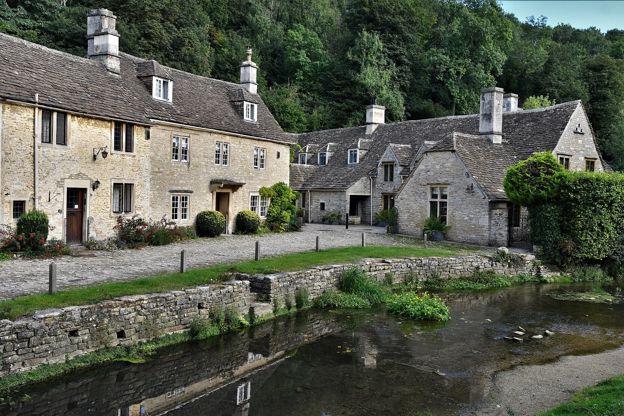
Ford, Long Dean and Castle Combe
Walk · Starts in Castle Combe · 2 hrs, 15 mins · Circular
A 4.5-mile (7.2km) circular walk from the White Hart Inn at Ford, moderate and two to two and a half hours: up the By Brook valley by Long Dean and through the woods into Castle Combe, down The Street past the Market Cross, and back through Becker's Wood and Out Woods.
Stay and eat near Biddestone green and pond
-
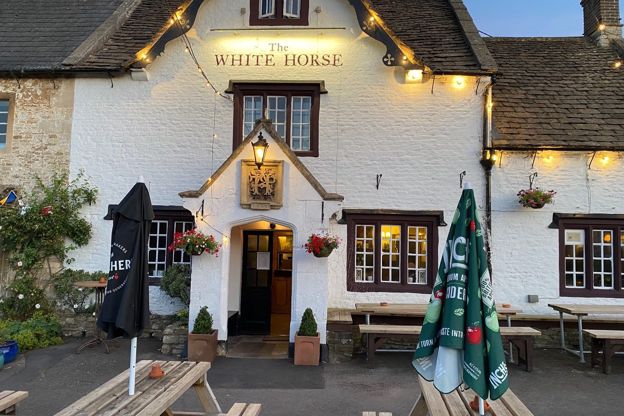
The White Horse, Biddestone
Pubs · Biddestone
A dog-friendly pub on the green at Biddestone serving pub classics, with a garden at the back, curry night on Thursdays and a quiz on the first Tuesday of the month.
Dog-friendly · Walker-friendly
Verified Oct 2026
-
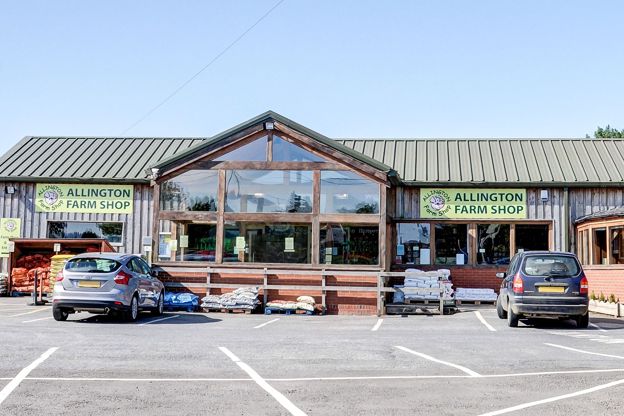
Allington Farm Shop and Café
Farm shops and delis · Biddestone
A family farm shop and café on Allington Bar Farm outside Chippenham, about 3 miles by road from Biddestone, with its own butchery from the farm, a deli, a bakery and a licensed café.
Family-friendly
Verified Oct 2026
-
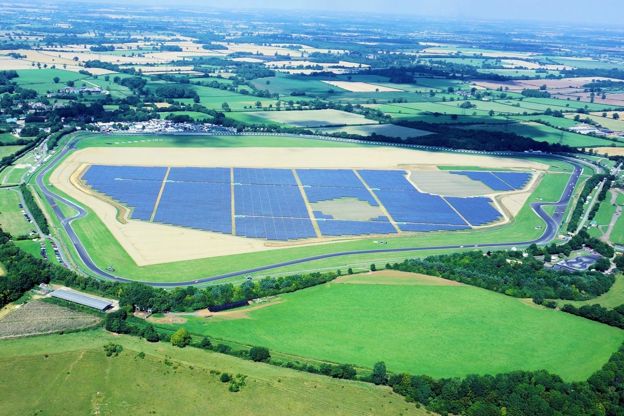
Castle Combe Circuit
Sport and activity · Castle Combe
A 1.85-mile motor racing circuit half a mile from Castle Combe, racing since 1950, with race days, action days, track days and driving experiences from spring to November.
Verified Nov 2026
Stories about Biddestone green and pond
-
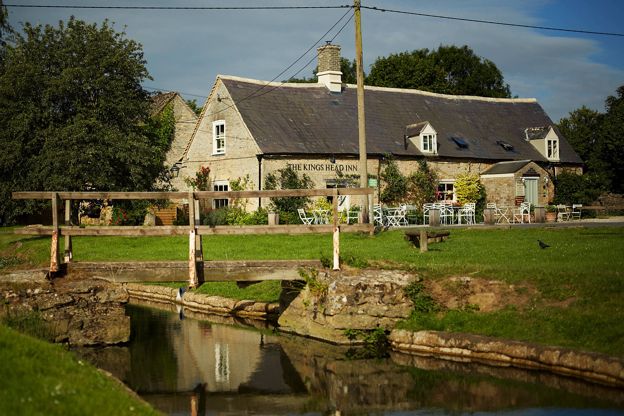
The best pubs in the Cotswolds
Story · Guides · 11 minute read
The best pubs in the Cotswolds: village pubs on the green at Biddestone and Guiting Power, medieval inns at Castle Combe and Lacock, riverside pubs at Lechlade and Swinbrook, pubs with rooms round Kingham, and the pubs at the end of our walks.
-
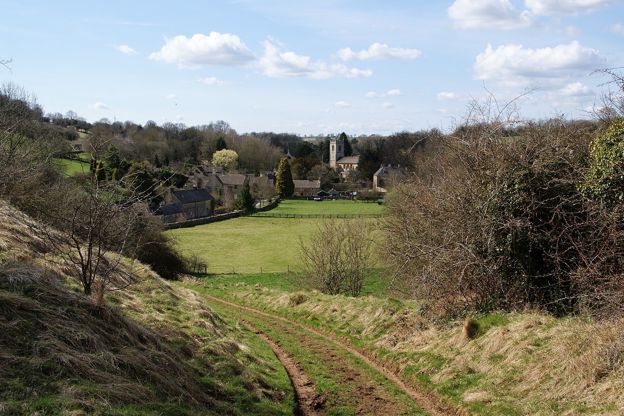
The Cotswolds without the crowds
Story · Guides · 15 minute read
Five Cotswold villages take most of the visitors: Bibury, Bourton-on-the-Water, Castle Combe, Broadway and the Slaughters. Here is when each is busiest, what the councils have done about it, the best and worst hours, and the quieter village on the same river or ridge.
More sights to see
-
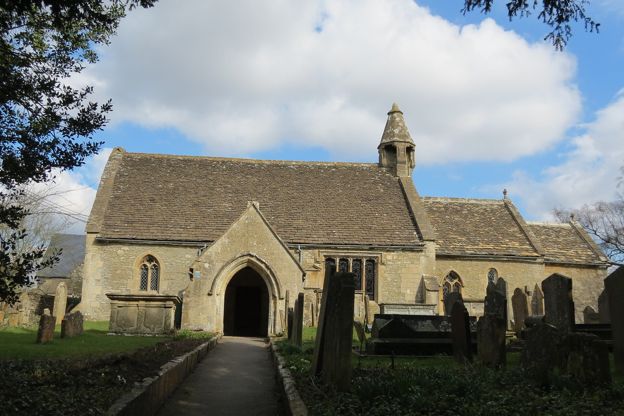
St Nicholas' Church, Biddestone
Sight · Church · Biddestone
St Nicholas' in Biddestone is a small Norman church near Castle Combe, listed Grade I, with a twelfth-century doorway and font, a rare bell turret under a little spire, box pews, a gallery and Mountjoy memorials. Open daily until dusk.
-
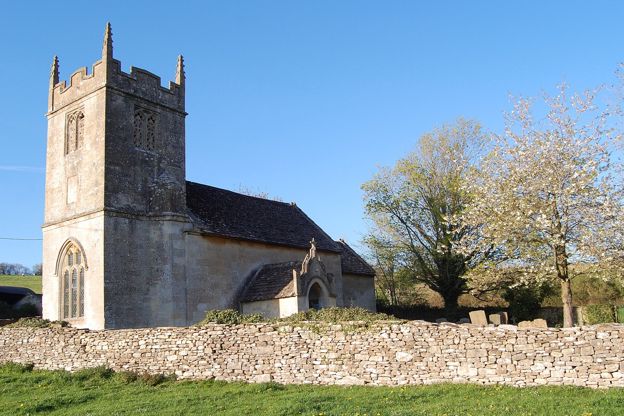
St Nicholas' Church, Slaughterford
Sight · Church · Biddestone
St Nicholas' is the small church of Slaughterford in the By Brook valley near Biddestone, reached across a field: a fifteenth-century tower with a nave rebuilt in 1823 after the church had lain ruined, by tradition, since Cromwell's troops wrecked it.
-
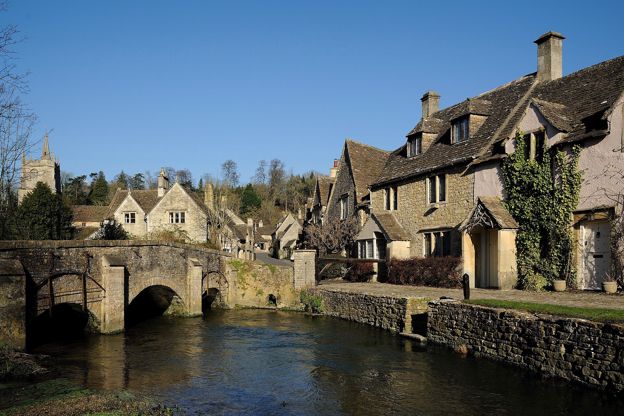
By Brook
Sight · River · Castle Combe
The By Brook is the wooded valley stream that runs through Castle Combe and south by Long Dean, Ford and Slaughterford, in north-west Wiltshire. It once had some twenty watermill sites, for corn, cloth and paper, and public footpaths follow much of it.