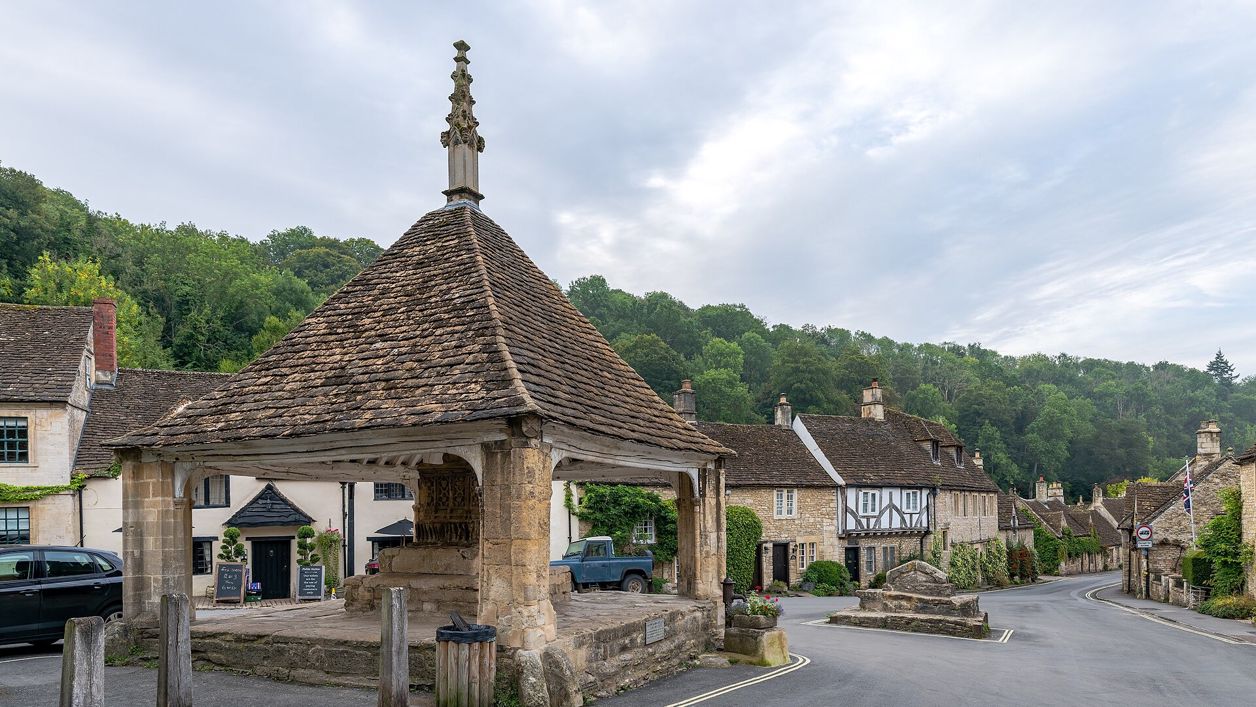
Tilman2007, CC BY-SA 4.0, via Wikimedia Commons
Market Cross, Castle Combe
Castle Combe's medieval market cross, a stone-tiled roof on four corner posts over a central pedestal, stands where the village street begins, beside St Andrew's church. It is a scheduled monument, free to see at any time.
Monument
Castle CombeThe Market Cross stands at the top of The Street in Castle Combe, at the point where the village's one street begins its run down to the By Brook. It is medieval, most often dated to the fourteenth century: a square stone-tiled roof carried on four corner posts over a central pedestal. Historic England schedules it as a monument of national importance.
History
The cross is what is left of Castle Combe's market, which made the village a small trading centre in the Middle Ages. Lewis's Topographical Dictionary, of the 1830s, says the market was obtained by Bartholomew, Lord Badlesmere, one of the lords of the manor, and had been discontinued by then. Wiltshire Council's community history records that the cross was repaired in 1590, when the market was still thriving, and that the market had more or less ceased by the early nineteenth century. A few modern guides give the market charter a date of 1440 under Henry VI, but we have not found that date in a primary record, and the cross itself is usually dated earlier.
The village had a second trade beside the market. In the Middle Ages there were fulling mills on the By Brook, and in the fifteenth century Castle Combe made woollen cloth in quantity, some of it bought by Sir John Fastolf for the soldiers he kept in France. Wool and cloth money, above all from Fastolf's will, helped pay for the tower of St Andrew's, begun in 1434, and the tower carries a later carving of a comb, shears and a shuttle, the tools of the trade.
Historic England records it as the medieval market cross immediately east of St Andrew's Church and calls it a well-preserved example of a late medieval market cross, still in its original place at the centre of the village. It is protected as a scheduled monument. The same record notes that the cross once stood beside a market house, taken down in about 1840 to widen the road.
What to look for
The cross is a covered shelter rather than a slender shaft: four square posts hold up a roof of stone tiles, and under it stands the stone pedestal. A market cross of this shape gave traders a fixed, sheltered point in the street.
From the cross you can see most of what makes the village: the church tower behind, the stone cottages falling away down The Street, and the trees of the valley where the street meets the bridge.
Visiting
The Market Cross is in the open on the street, free to see at any time. The parish council's own advice is to come on a weekday or out of season: winter is its favourite time, and early morning or late afternoon is quieter than midday. Bank holidays are the busiest days, when the car park is likely to be full.
The lower village has next to no parking, and the parish council asks visitors to leave cars in the car park at the top of the hill and walk down. Public toilets are just south of the town bridge at the bottom of the street.
Getting there
By car, use the visitors' car park on Dunns Lane in Upper Castle Combe, a pay car park run by Wiltshire Council, and walk down the hill into the village. Coaches have their own bays there and may not drive down. Buses come from Chippenham, the nearest town with a railway station.
On foot, Ford, Long Dean and Castle Combe, a 4.5-mile (7.2km) circular walk from the White Hart Inn at Ford, comes into the village beside the cross and leaves down the street along the By Brook.
Nearby
St Andrew's Church is a few steps away, with its fifteenth-century tower and a clock with no face. At the bottom of the street are Castle Combe Bridge and the By Brook. The White Hart and the Castle Inn are both within a few steps of the cross, and the Manor House is at the foot of the village. Our guide to Castle Combe covers the rest of the village.
Walks past Market Cross, Castle Combe
-
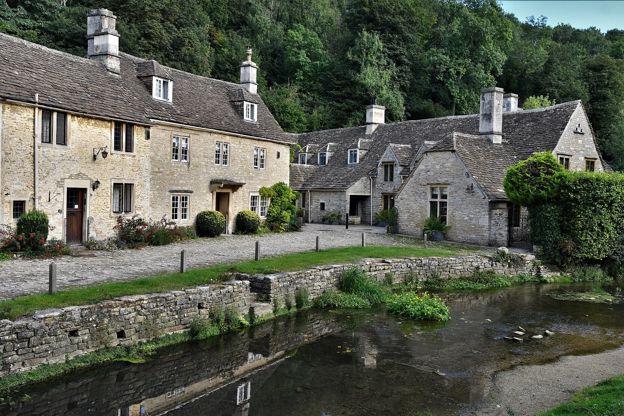
Ford, Long Dean and Castle Combe
Walk · Starts in Castle Combe · 2 hrs, 15 mins · Circular
A 4.5-mile (7.2km) circular walk from the White Hart Inn at Ford, moderate and two to two and a half hours: up the By Brook valley by Long Dean and through the woods into Castle Combe, down The Street past the Market Cross, and back through Becker's Wood and Out Woods.
Stay and eat near Market Cross, Castle Combe
-
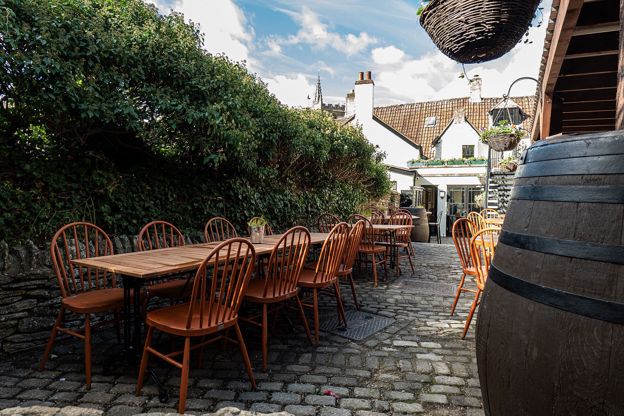
The White Hart, Castle Combe
Pubs · Castle Combe
A Grade II listed Wadworth pub on The Street in Castle Combe, open from 9am with pastries, with a courtyard garden, and dog friendly.
Dog-friendly
Verified Nov 2026
-
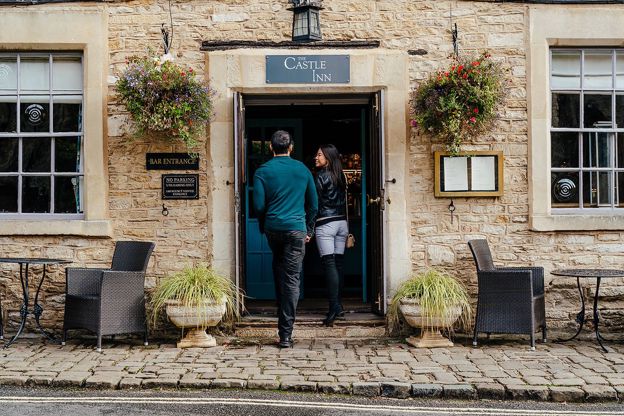
The Castle Inn
Inn · Castle Combe
An inn with 12 rooms on West Street, Castle Combe, part of the Exclusive Collection, with a menu holding two AA rosettes.
Dog-friendly
Verified Oct 2026
-
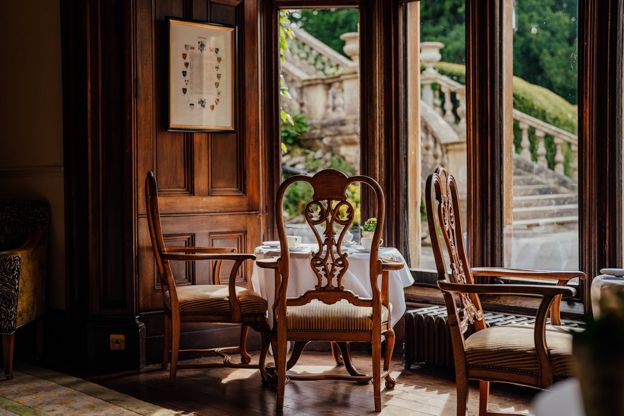
The Manor House
Hotel · Castle Combe
A hotel in a manor house of seventeenth-century origins at Castle Combe, part of the Exclusive Collection, with the Bybrook restaurant.
Dog-friendly · Wedding venues · EV charging
Verified Oct 2026
Stories about Market Cross, Castle Combe
-
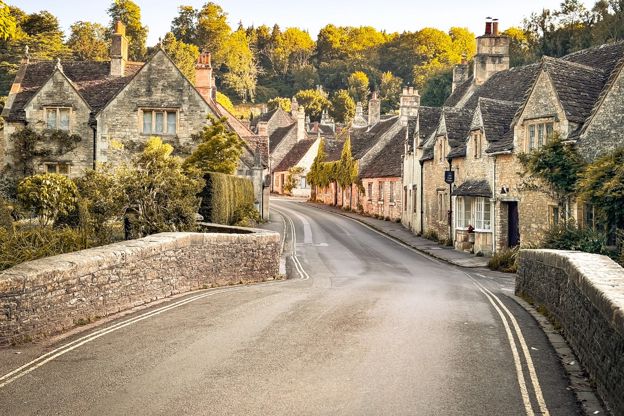
The best villages in the Cotswolds
Story · Guides · 13 minute read
The best villages in the Cotswolds, from Bibury, Castle Combe and the Slaughters to quieter Naunton, Eastleach and Biddestone: what to see in each, a walk from the green and a pub or tearoom.
More sights to see
-
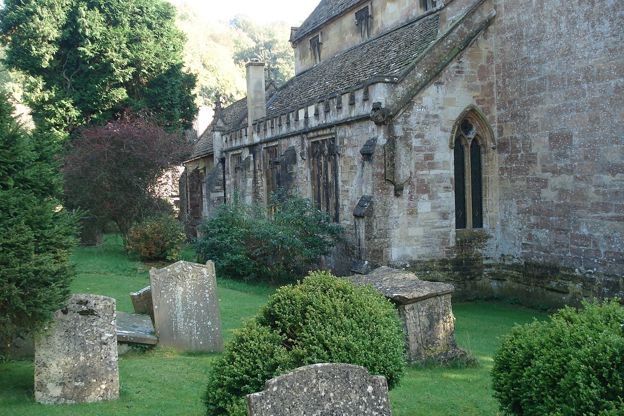
St Andrew's Church, Castle Combe
Sight · Church · Castle Combe
Castle Combe's Grade I parish church, open every day in daylight: a fifteenth-century tower begun in 1434 with help from Sir John Fastolf's will, a medieval clock with no face, and the crossed-legged effigy of Sir Walter de Dunstanville.
-
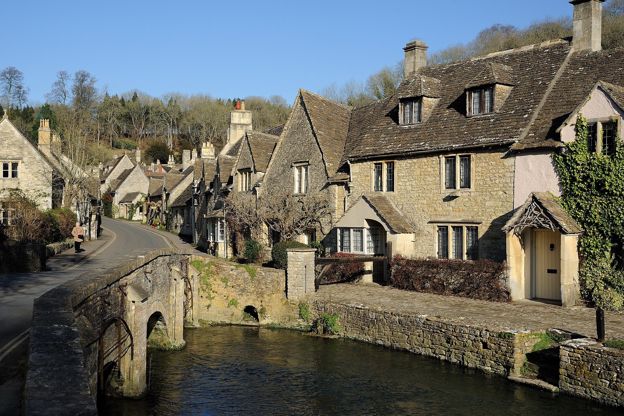
Castle Combe bridge
Sight · Bridge · Castle Combe
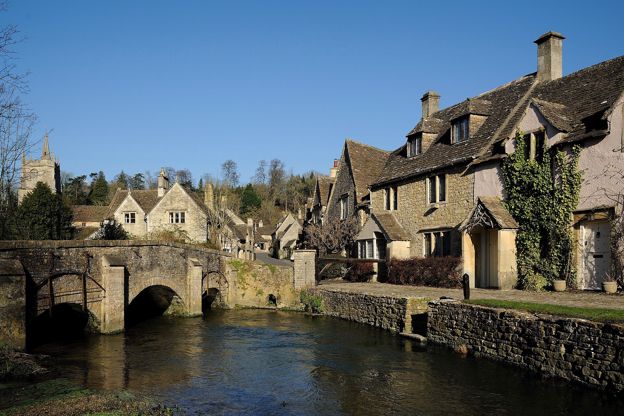
Castle Combe bridge carries the village street over the By Brook at the bottom of the hill: three low skew arches rebuilt for the Scropes in the early nineteenth century, with grooves in its buttresses for the iron screens that kept livestock in. Grade II.
-
By Brook
Sight · River · Castle Combe
The By Brook is the wooded valley stream that runs through Castle Combe and south by Long Dean, Ford and Slaughterford, in north-west Wiltshire. It once had some twenty watermill sites, for corn, cloth and paper, and public footpaths follow much of it.