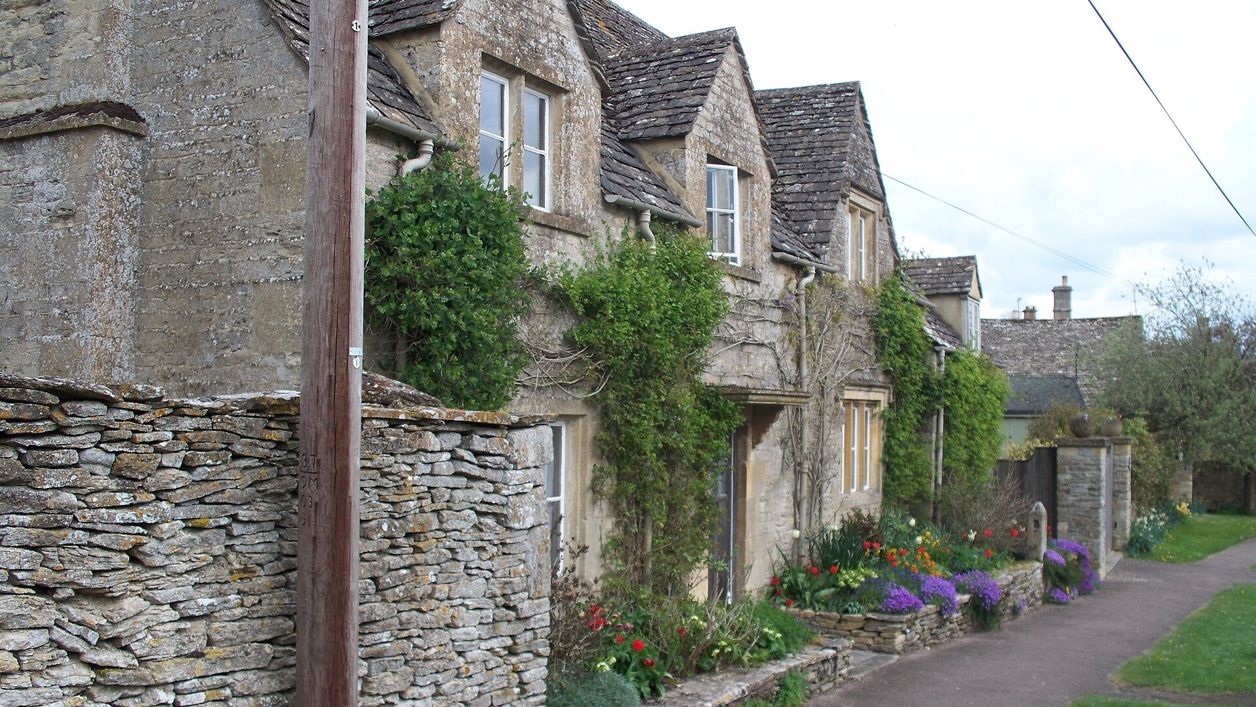
Michael Dibb, CC BY-SA 2.0, via Wikimedia Commons
Cold Aston
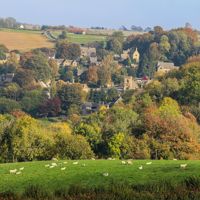
A village round a green on the high wold 3 miles west of Bourton-on-the-Water, also called Aston Blank, with a Grade I Norman church, a restored seventeenth-century inn with four rooms, and paths west to Notgrove and down to the Windrush.
- Nearest station
- Moreton-in-Marsh, about 10.5 miles (17km) by road, then a taxi; the 801 bus stops in Bourton, 3 miles away
- Parking
- No public car park, and the Plough has none of its own. Park with care round the green and on the lanes, never across a gateway
- Best time
- Spring and autumn, for the walks west to Notgrove and down to the Windrush
- When it's busy
- Never busy, though Bourton-on-the-Water, 3 miles away, is crowded on summer weekends
- Toilets
- None in the village; the nearest public toilets are at Rissington Road car park in Bourton-on-the-Water
- Dogs
- Keep dogs on leads on the field paths of the Gloucestershire Way and the Macmillan Way
About Cold Aston
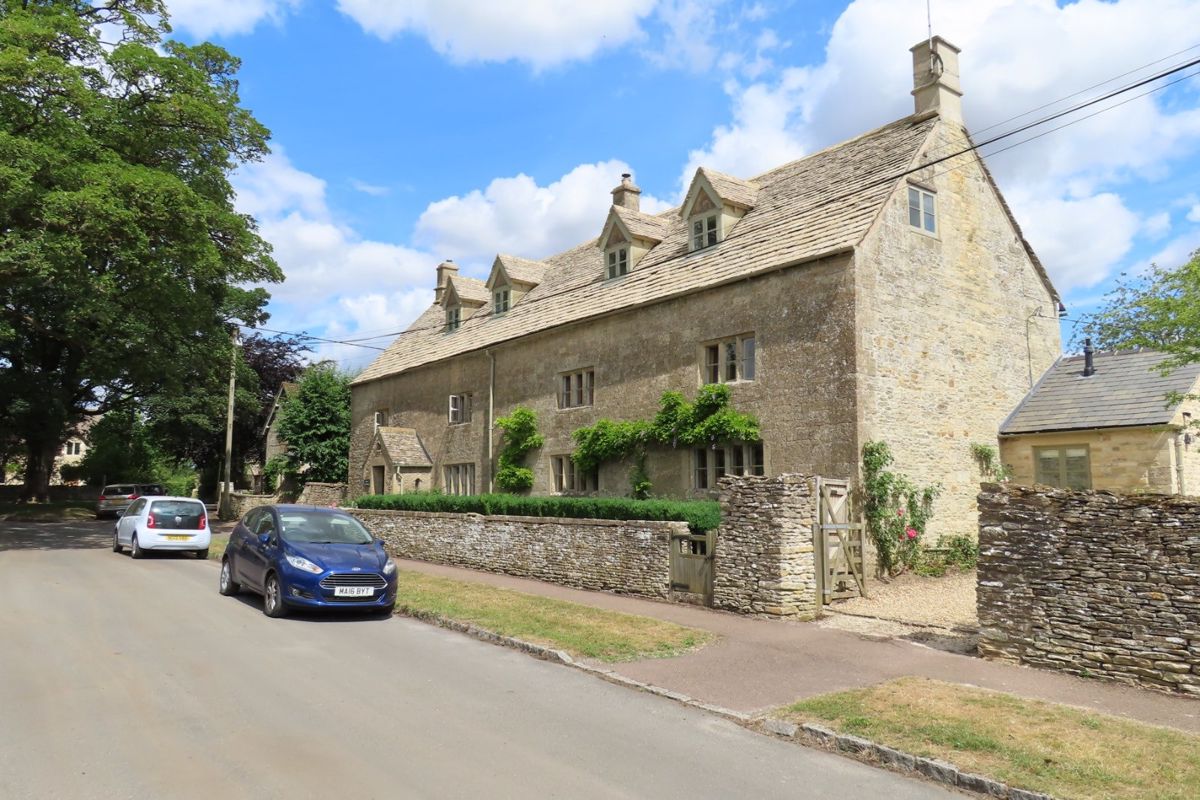
Cold Aston is a village on the high wold about 3 miles west of Bourton-on-the-Water, its houses grouped round a green where the old roads from Bourton, Burford and Northleach met. It has two names. Early records call it Aston; by the thirteenth century it was usually Cold Aston, for its bleak, high setting, and from 1535 it was also Aston Blank, which became the official name until 1972, when the parish went back to Cold Aston. It is a farming village with a Norman church and an inn, and the busy Fosse Way runs along its south-east edge.
What to see
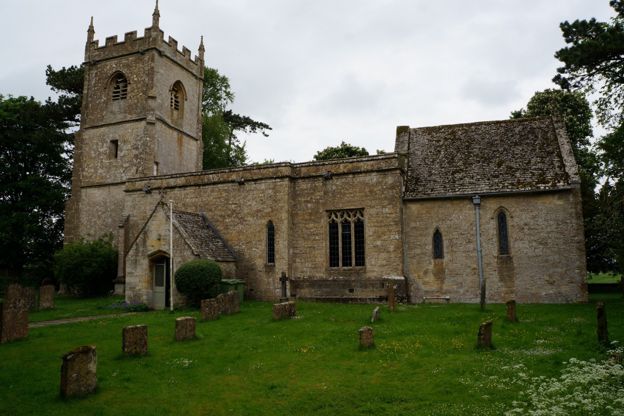
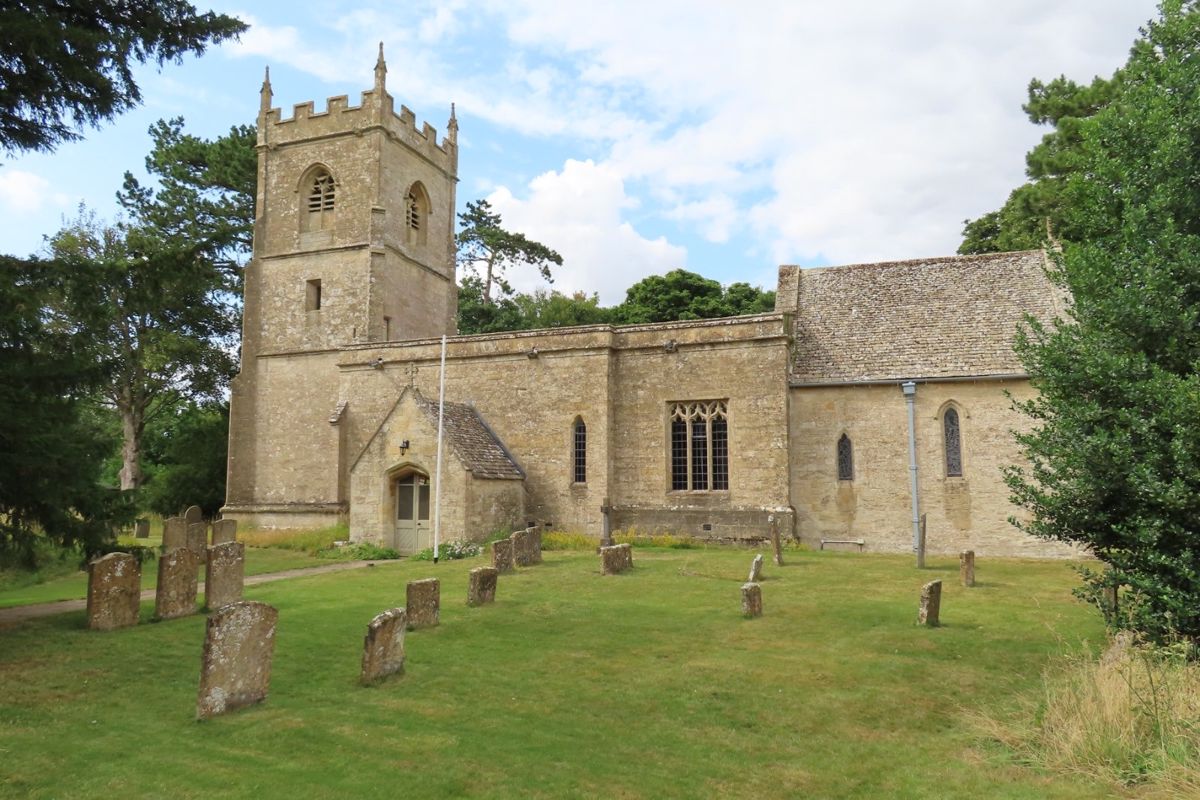
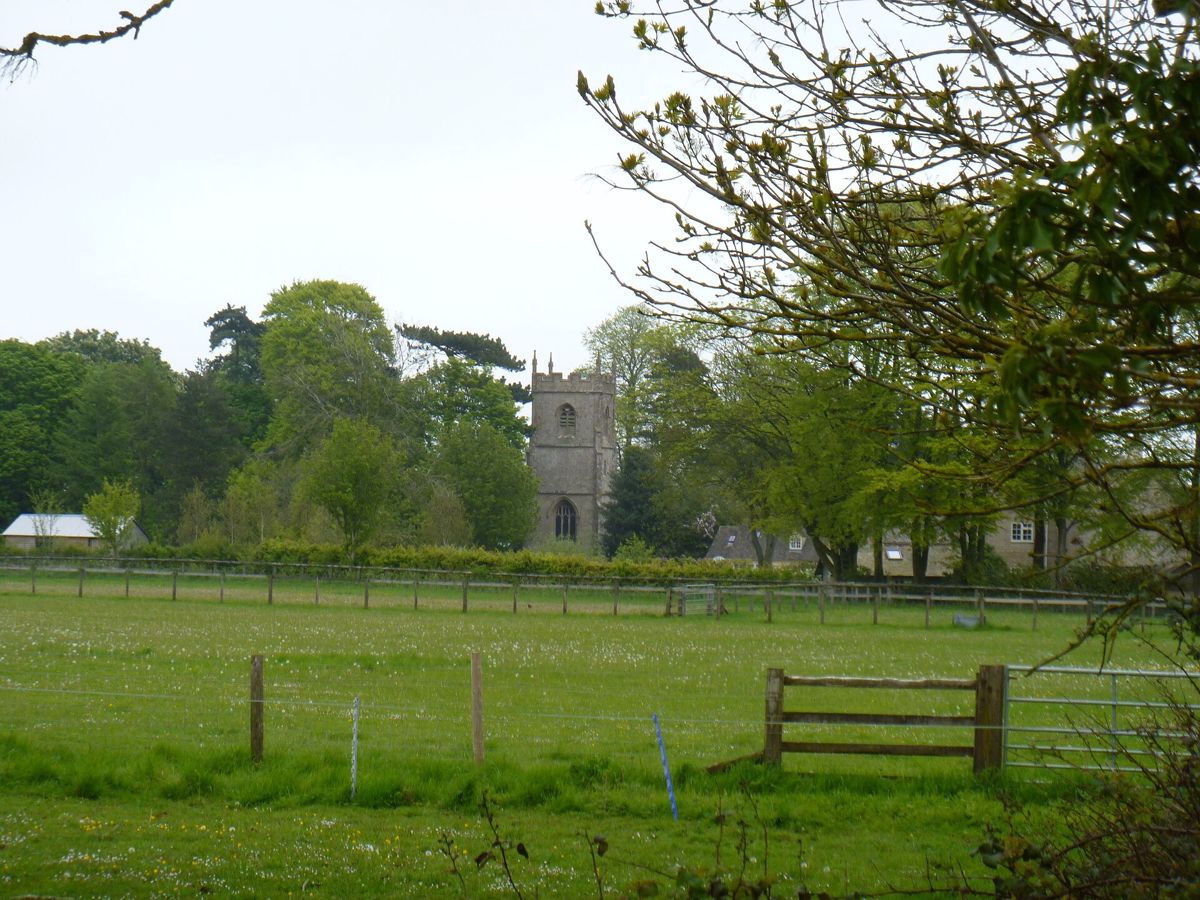
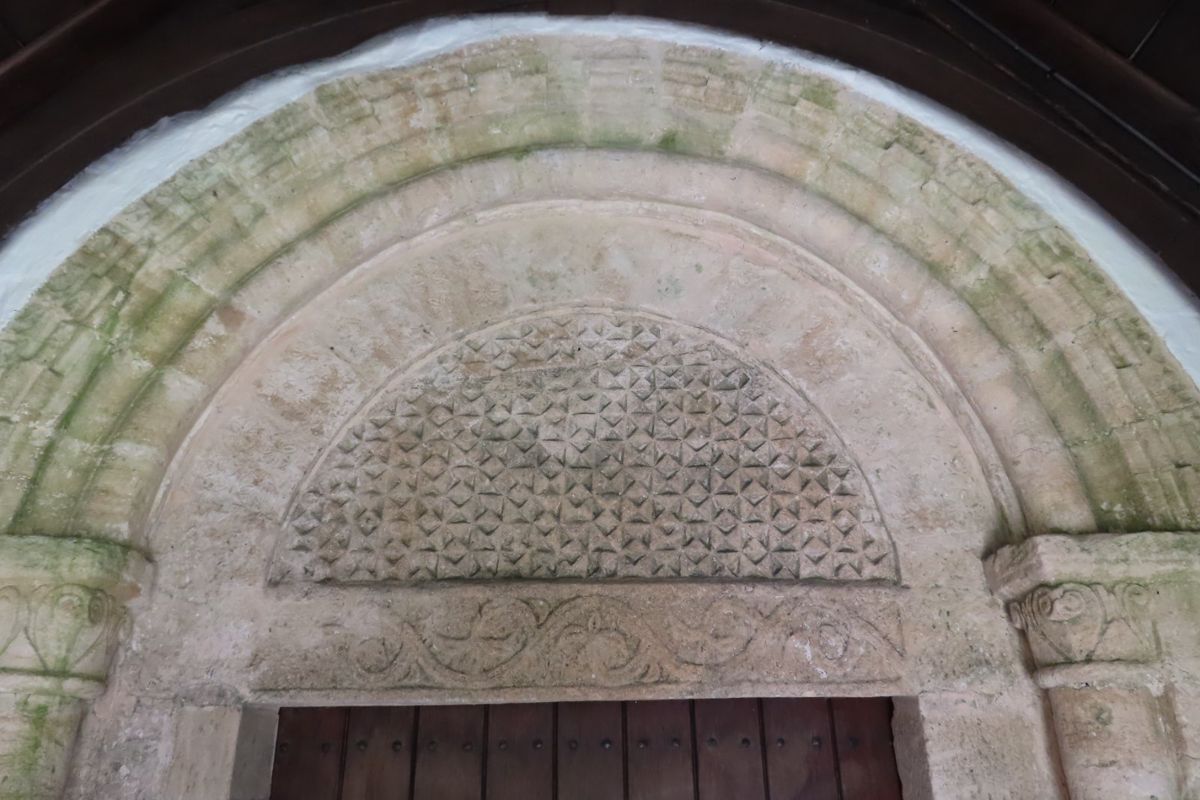
St Andrew's church, listed Grade I, is a Norman church that kept its shape: a twelfth-century nave and chancel, with a fifteenth-century tower. The south doorway, inside the porch, has three carved orders with roll, double billet and diaper patterns, and a honeycombed tympanum in a border of rosettes over a lintel of leaves and tendrils. The north doorway was blocked before 1857; its tympanum is worn, and the upper part of the opening now serves as a niche. Inside, the tower has a tierceron vault with angel corbels, and Giles Carter, who died in 1664, has a Baroque monument by Reeve. J. E. K. Cutts restored the church in 1875. For the merchants' churches of Northleach and Chedworth, built on wool money a few miles south, see our guide to the Cotswold wool churches.
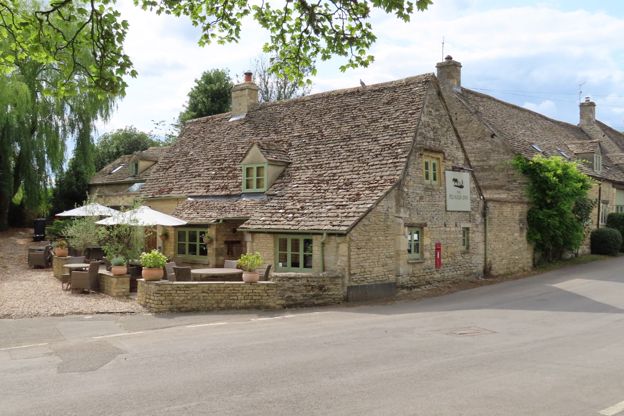
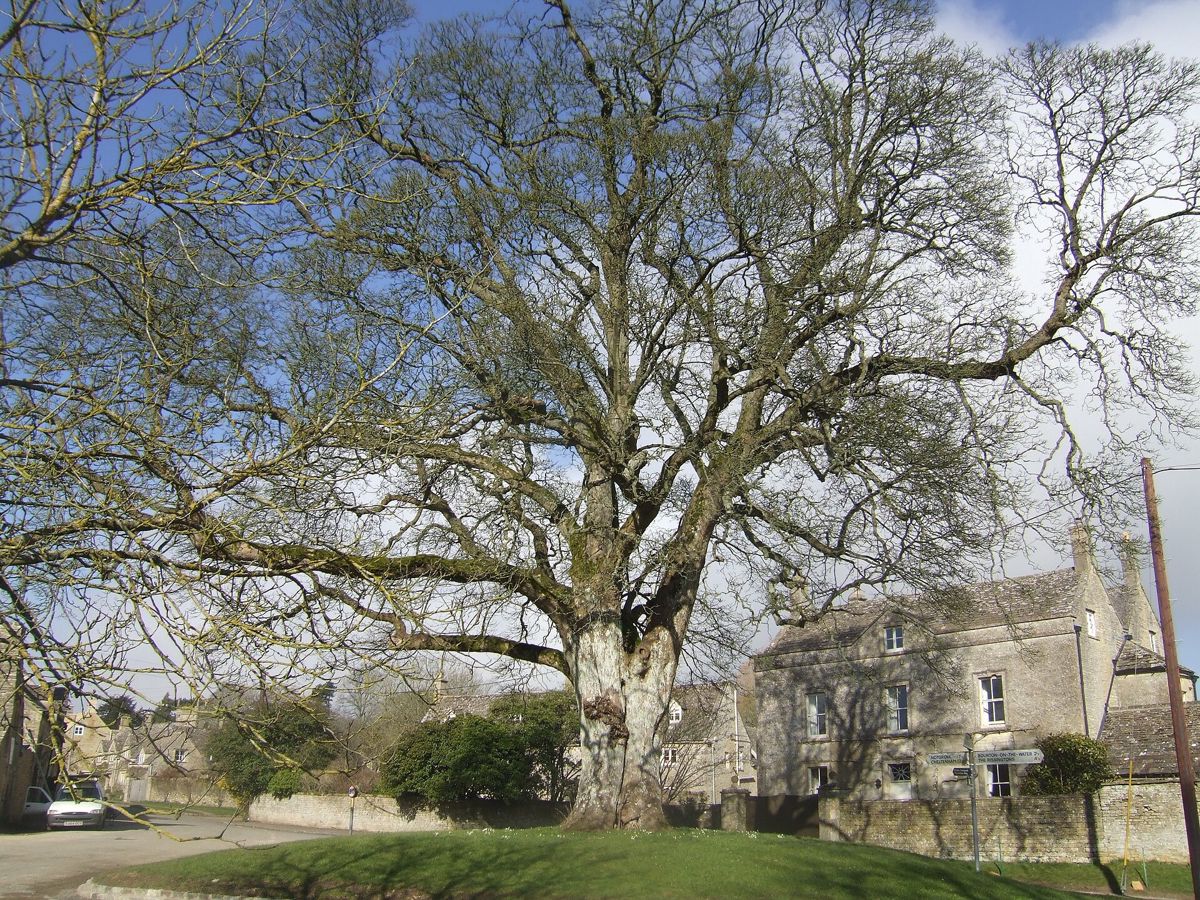
On the west side of the green, the Plough Inn is a seventeenth-century cottage of limestone rubble under a stone slate roof, listed Grade II, which was a beerhouse by 1852 and had the Plough sign by 1881. The inn itself gives 1687 as its date. North of the green, Sycamore House was built in the late eighteenth century after a fire in 1788 destroyed the house before it.
The parish runs down to the River Windrush on its north-east side, past the hamlet of Little Aston and its mill, listed Grade II; in the early 1920s watercress was grown in beds by the river just upstream. The bridge that carries the Fosse Way over the river at Bourton is in the parish too, listed Grade II, at the place where an Iron Age track crossed the Windrush before the Romans came.
A morning or an afternoon here
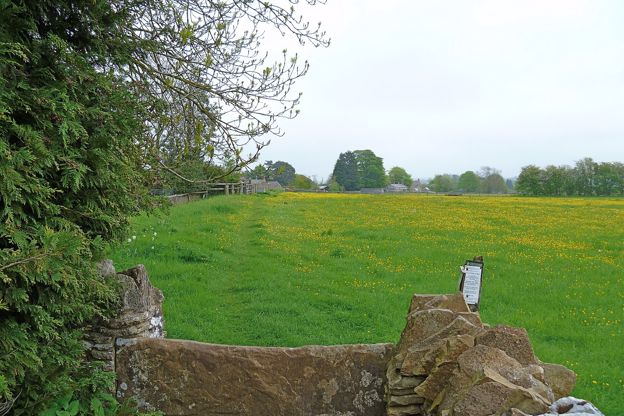
See the church and the green in half an hour, then walk. The Gloucestershire Way runs through the village, OpenStreetMap shows: west across the fields to Notgrove, about a mile and a half, and east down to the Windrush near Little Aston, where it meets the Windrush Way into Bourton. The Macmillan Way passes through as well. A morning out to Notgrove and back, or down to the river and into Bourton for lunch, suits the village, which has no café or shop that we know of; the Plough serves lunch from Wednesday to Sunday.
Walks
None of our walks starts in Cold Aston yet. Down in the valley, the 10-mile loop from Bourton by the Slaughters and Naunton comes home on the Windrush Way, the path the Gloucestershire Way meets below Little Aston, so the two can be joined with a map. West of Notgrove, the Diamond Way, the 60-mile circuit of the north Cotswolds devised for the Ramblers' 60th anniversary, runs on towards Northleach; in 2026 the Cotswold Voluntary Wardens led it in six monthly stages from April to September, with places for each year offered from January.
Food and drink
The Plough Inn has been restored and reopened. When we checked its website in late October 2026 it gave lunch from noon to 2.30pm and dinner from 5.30pm to 9.30pm, Wednesday to Saturday, Sunday lunch from noon to 5pm and the bar open from noon to 11pm, closed on Mondays and Tuesdays, with tables bookable online or on 01451 822602. Ian Neale leads the kitchen. Dogs are welcome in the bar and restaurant, there is a garden, and there is a small step at the door and an ambulant accessible toilet on the ground floor. Upstairs are four bedrooms, Hare, Pheasant, Muntjac and the Barn Owl Suite, all on the first floor up stairs; check-in is from 3pm and check-out by 10.30am, dogs stay in selected rooms for a charge, and the rooms can now be booked on its website. In Bourton-on-the-Water, 3 miles away, are the Mousetrap Inn and the Old New Inn.

The Cotswolds Info newsletter
Events, new places and the best of the season, about once a month. Unsubscribe at any time.
When to come
Spring and autumn suit the walks over the open wold, which is exposed in winter, as the name warns. On a summer weekend, when Bourton's riverbank is full, Cold Aston is a quiet place to start a walk down into it; our guide to the Cotswolds without the crowds has more places like it.
Last verified 1 November 2026 by our editors
Part of
The North Cotswolds
The high wolds between Chipping Campden and Bourton-on-the-Water: the Fosse Way towns, the Windrush villages, the Slaughters and the escarpment at Broadway.
Things to do in Cold Aston
Museums and galleries · Bourton-on-the-Water
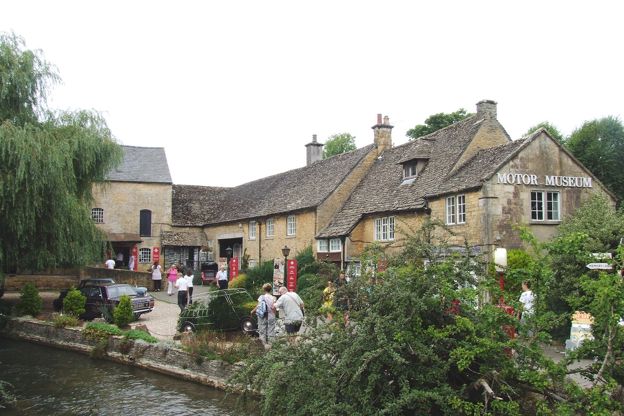
Cotswold Motoring Museum
A museum of twentieth-century motoring and toys in an eighteenth-century watermill on the Windrush in Bourton-on-the-Water, with seven galleries, over 800 enamel signs and Brum from the children's television series.
-
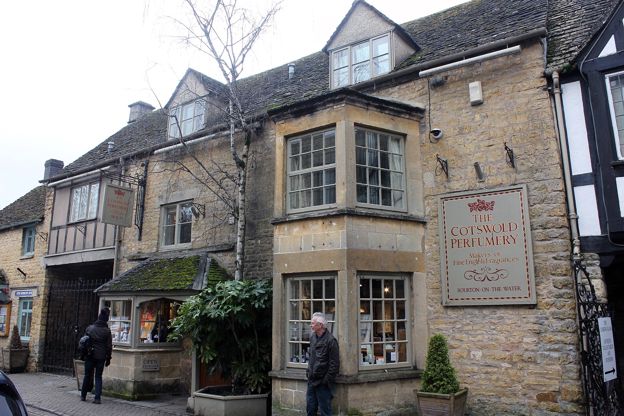
Cotswold Perfumery
Tours and experiences · Bourton-on-the-Water
A perfumery founded in 1966 in a former garage on Victoria Street in Bourton-on-the-Water, with a shop and one-day perfume-making courses.
Verified Oct 2026
-
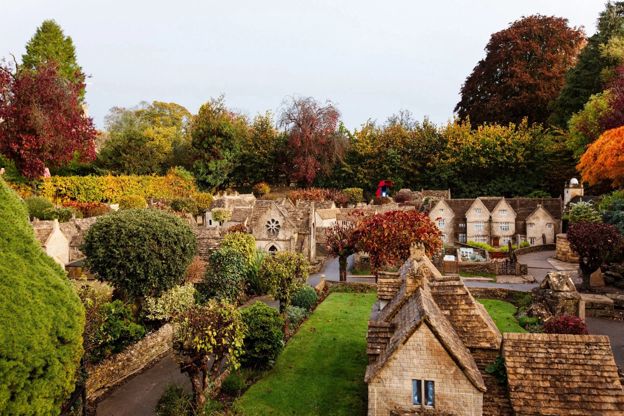
The Model Village, Bourton-on-the-Water
Family days out · Bourton-on-the-Water
A one-ninth scale model of Bourton-on-the-Water as it was in the 1930s, itself listed Grade II, in the garden of the Old New Inn.
Family-friendly
Verified Oct 2026
-

Birdland Park and Gardens
Wildlife and nature · Bourton-on-the-Water
A bird park on the Windrush at Bourton-on-the-Water since 1957, with what it calls England's only breeding King Penguins, flamingos, pelicans and a nature reserve.
Family-friendly · Dog-friendly · Car-free
Verified Oct 2026
Where to stay in Cold Aston
-
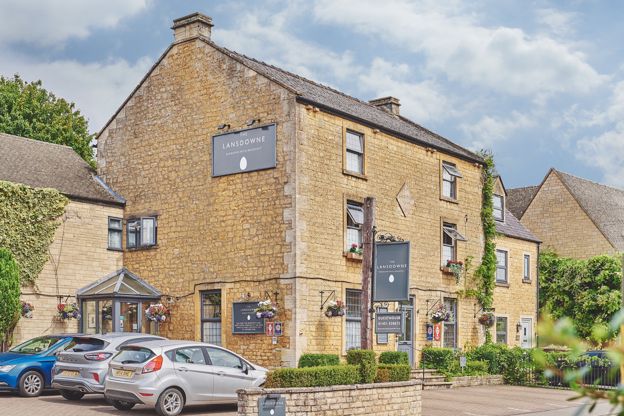
The Lansdowne Guest House
B&B · Bourton-on-the-Water
An adults-only guest house in Victorian buildings on Lansdowne Road, Bourton-on-the-Water, with 14 rooms plus cottage rooms and suites, breakfast included and free parking outside.
Verified Oct 2026
-
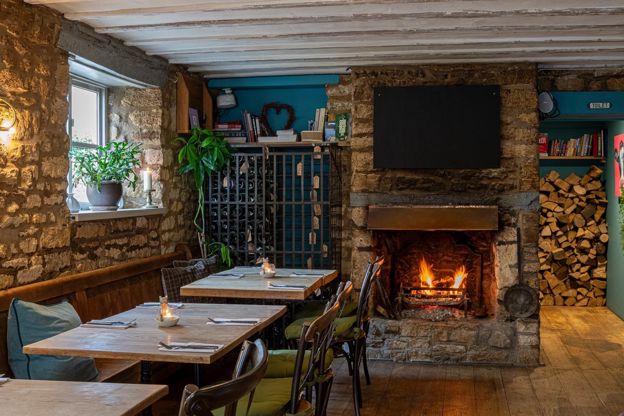
The Mousetrap Inn
Inn · Bourton-on-the-Water
A nineteenth-century inn with eleven rooms at Lansdowne, Bourton-on-the-Water, with a restaurant and bar, a small car park and dogs in its ground-floor twins.
Dog-friendly
Verified Oct 2026
-
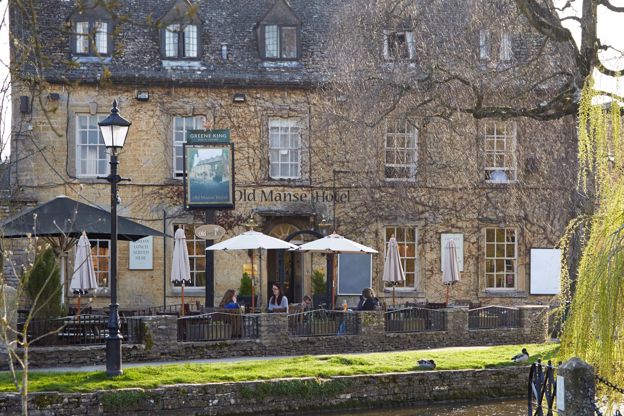
Old Manse Hotel
Inn · Bourton-on-the-Water
A Cotswold-stone inn of 1748 on Victoria Street, Bourton-on-the-Water, with 15 rooms, three of them for dogs, and pub food all day, run by Greene King Inns.
Dog-friendly
Verified Nov 2026
Where to eat and drink in Cold Aston
-
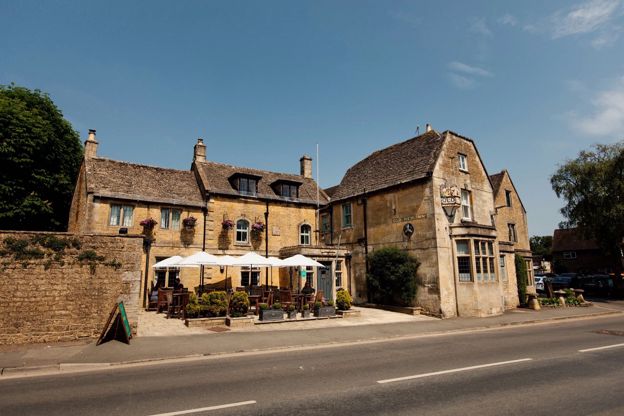
The Old New Inn
Pubs · Bourton-on-the-Water
A Grade II listed eighteenth-century inn in Bourton-on-the-Water with nine rooms, classic British food, a beer garden and the Model Village in its grounds.
Dog-friendly
Verified Nov 2026
-
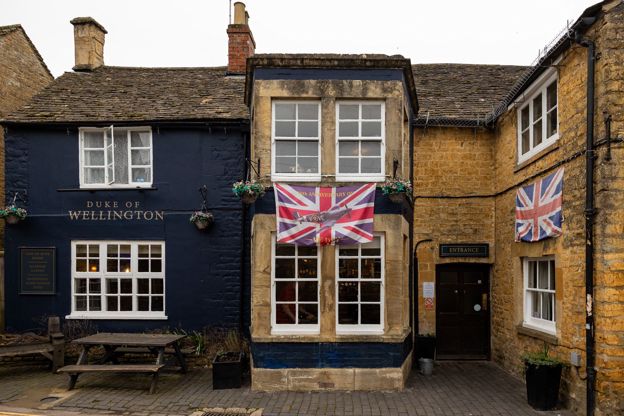
The Duke of Wellington
Pubs · Bourton-on-the-Water
A village inn with rooms on Sherborne Street, Bourton-on-the-Water, serving food from noon to 9pm every day, with deal nights in the week, a Sunday carvery and live sport.
Family-friendly
Verified Nov 2026
Walks in and around Cold Aston
-
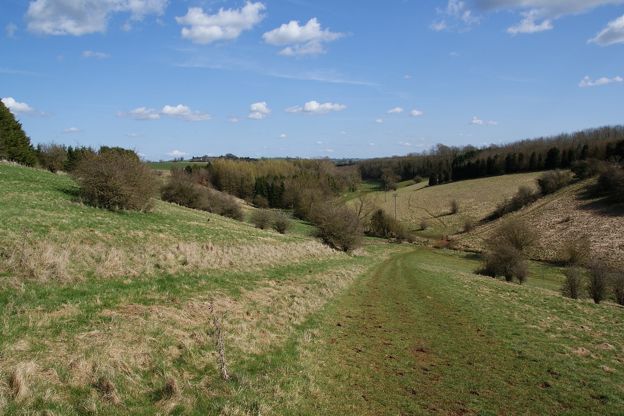
Harford Bridge and Naunton
Walk · Starts in Naunton · 1 hr, 15 mins · Circular
A 3-mile (4.8km) circular walk from Harford Bridge near Naunton, easy, stile-free and about an hour and a quarter: past the earthworks of the lost village of Lower Harford, along the Windrush Way, then into Naunton by its church, its rector's bridge and the Black Horse.
Sights in and around Cold Aston
-
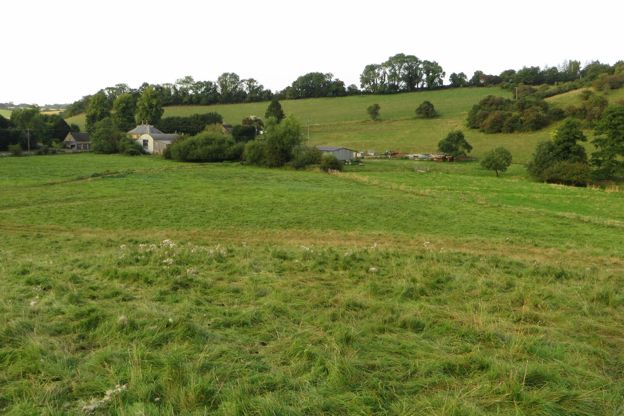
Lower Harford deserted village
Sight · Monument · Naunton
Lower Harford is a lost medieval village by the River Windrush near Naunton: house platforms beside a hollow way, terraces and water channels in a field. Seven people were recorded here in 1086 and two in 1327, and by 1341 it was largely deserted. A scheduled monument.
-
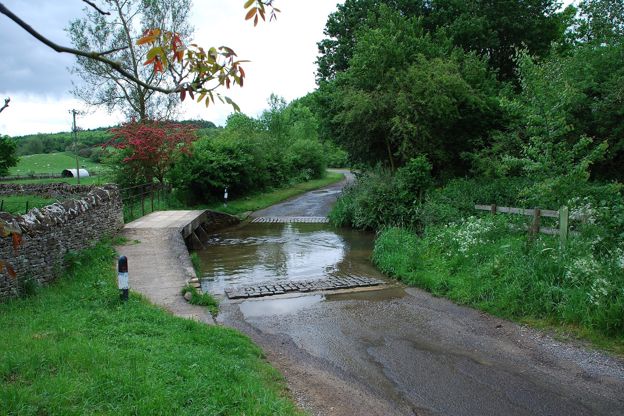
Clapper bridge, Lower Harford
Sight · Bridge · Naunton
The clapper bridge at Lower Harford Farm near Naunton is a low bridge of limestone blocks laid flat on stone piers across the Windrush, of the eighteenth century or earlier: a rare survival here of a kind of bridge more often found in upland country. Grade II.
-
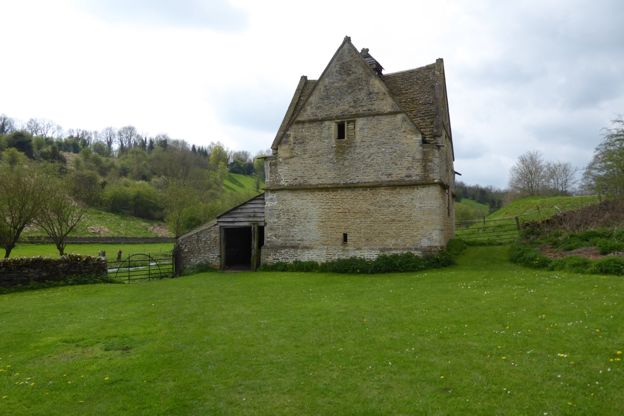
Naunton dovecote
Sight · Historic building · Naunton
Naunton's dovecote is a square stone pigeon house of the sixteenth century or earlier, with a gable on each face, a lantern on top and its nesting boxes still inside. Listed Grade II*, it is looked after by a charity, the Naunton Dovecote Trust.
Getting to Cold Aston
- By car
- Off the A429 Fosse Way between Northleach and Bourton-on-the-Water, by a lane west up onto the wold; Bourton is about 3 miles by road.
- Parking
- No car park; the Plough asks visitors to park considerately on the street. Park with care round the green and on the lanes, and never across a gateway or a field entrance.
- By bus
- Pulhams' 832 leaves the Plough Inn at 9.30am on Wednesdays only, for Andoversford, and returns at 2.25pm. The Robin, the county's bookable minibus, stops at the Plough and the church.
- By train
- Moreton-in-Marsh, on GWR's line from London Paddington, is about 10.5 miles by road. The 801 bus from the station stops in Bourton, a 3-mile walk away.
| Notgrove | 1.2 mi |
|---|---|
| Bourton-on-the-Water | 3.1 mi |
| Northleach | 5 mi |
| Stow-on-the-Wold | 6.2 mi |
| Naunton | 6.2 mi |
| Cheltenham | 13 mi |
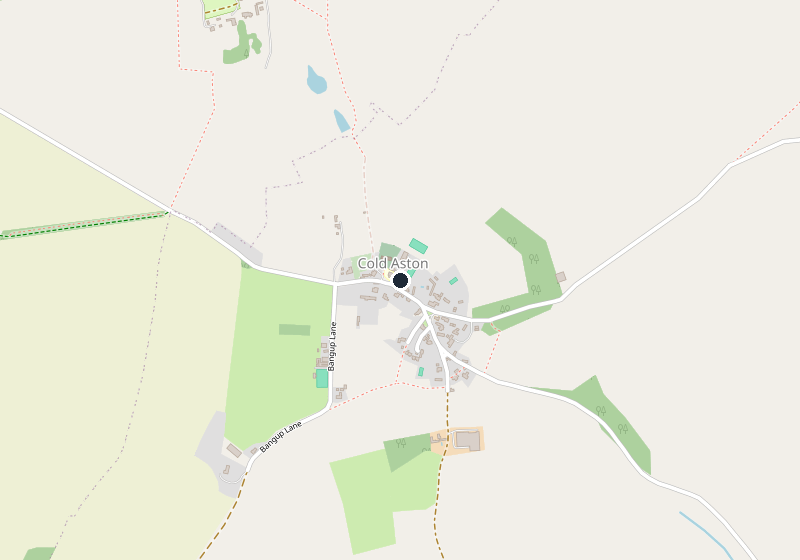
Places near Cold Aston
-
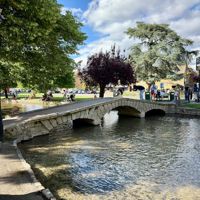 Bourton-on-the-WaterThe River Windrush runs shallow through the middle of the village under a run of low stone bridges. The county council puts visitors at around 10,000 a day at peak times, so arrive before ten.
-
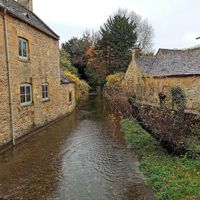 NauntonA long, quiet village on the floor of the upper Windrush valley, with a sixteenth-century dovecote by the river, a Donnington pub and the Windrush Way on the hill above.
-
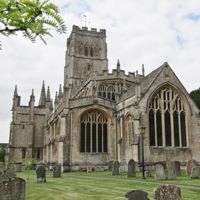 NorthleachA small wool town in the Leach valley with one of the great Cotswold wool churches, its floor full of brasses to the merchants who paid for it, and a Georgian prison.
-
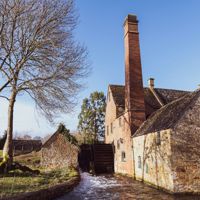 Lower SlaughterA small village along the River Eye, crossed by low stone footbridges, with a red brick watermill at its western end and a field path to Upper Slaughter.