The Cotswolds without the crowds
Up to 20,000 people come to Bibury on a peak weekend and about 10,000 a day to Bourton-on-the-Water. A few miles away, the same rivers run through villages almost nobody visits. Here is how to see the famous places quietly, and where to go instead.
· 15 minute read
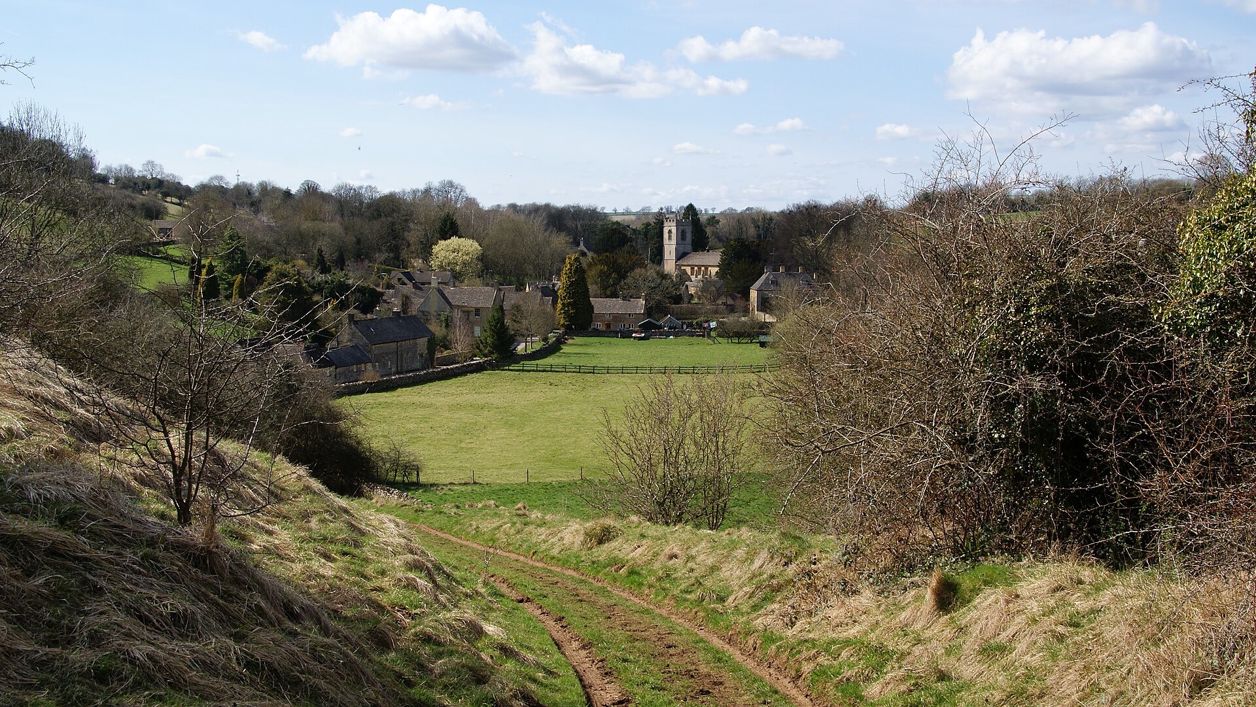
The Cotswolds without the crowds means two things: seeing the five famous villages before 10am or after 5pm, on a weekday or in winter, and knowing the village next door that has the same river, the same stone and a tenth of the people. The Cotswolds National Landscape Board's own management plan says tourism here is spread unevenly, with a handful of honeypots under heavy pressure and most of the area seeing almost nobody, and its policy is to spread visitors more evenly. This guide is that policy for one visitor at a time.
The five pressure points are Bibury, Bourton-on-the-Water, Castle Combe, Broadway and the two Slaughters. Between them they take most of the day visitors to the Cotswolds, and each has a neighbour a few miles away where you can walk all afternoon and meet few people.
Bibury
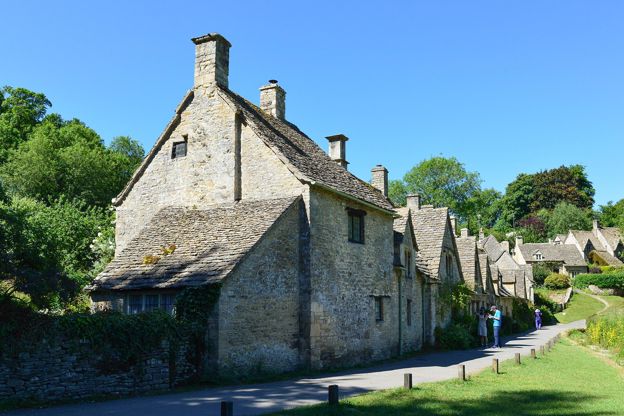
Bibury is busiest on summer weekends and bank holidays from late morning to late afternoon, when up to 20,000 people come over a peak weekend, by the figure the county council repeats. The village has a population of 627, no council car park, one street, and Arlington Row at the end of it. A traffic survey in July 2025 counted more than 4,500 vehicle movements over Swan Bridge in a day.
Gloucestershire County Council has acted, slowly. From 23 May 2025 it closed the coach bays in the village centre and replaced them with a two-coach drop-off clearway with a 10-minute limit. Coaches enter from the Burford side and then leave for Cirencester, because there is nowhere for them to turn in the village, and the car parking opposite the trout farm was suspended at the same time. Parking enforcement went from 28 penalty notices in 2019 to 651 in 2025, worth up to £45,570 at £70 a ticket (£35 if paid in two weeks). In March 2026 the council set aside £175,000 for a Bibury "overtourism and safety" scheme, whose options include making the coach changes permanent, pay and display on The Street with resident exemptions, more parking restrictions and a wider pavement. The consultation in November and December 2025 drew 153 responses: more than three quarters said the existing restrictions were not working, and 63% were against pay and display. In October 2026 the scheme is still a set of options rather than a decision, so check the council's Bibury traffic page (opens in a new tab) before you drive. Swan Bridge was closed for three days in September 2026 so engineers could dig trial holes in it.
The best hours are before 10am and after 5pm, any day, and any weekday between November and March. The worst are 11am to 4pm on a Saturday, Sunday or bank holiday from Easter to October. Come on the first 855 bus from Cirencester, see Arlington Row and St Mary's before the coaches, and walk out.
Instead of Bibury: Coln St Aldwyns, Quenington, Ablington and Eastleach
The quieter alternatives to Bibury are on the same river, downstream and up. Coln St Aldwyns, 2 miles down the Coln, has the New Inn, a Norman church and a path back up the valley and through Oxhill Wood with one low stile (Coln St Aldwyns and Bibury, about 6.5 miles), and it sees a fraction of Bibury's visitors.
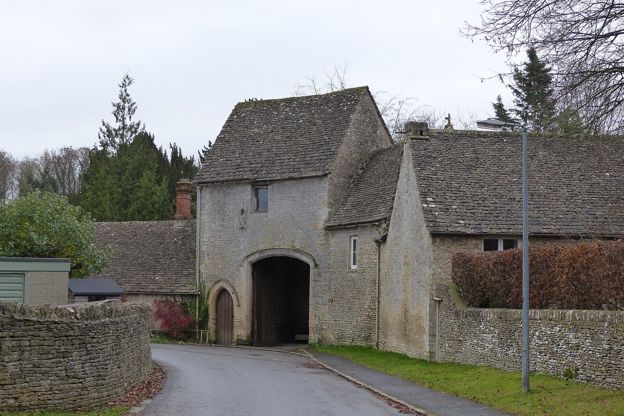
Quenington, next to it, has the Knights Hospitallers' gateway, two carved Norman doorways at St Swithin's and the Keepers Arms. Ablington, a mile upstream, is a hamlet of a manor and a few farms (Bibury and Ablington). And Eastleach, on the Leach one valley east, has two medieval churches facing each other across Keble's Bridge and few people on it. None of the four has a car park, so park with care on the roadside, or do what works best and walk to them from Bibury down the Coln valley. The 855 bus does not call at Quenington or Coln St Aldwyns, so plan to walk back too.
Bourton-on-the-Water
Bourton is busiest on summer weekends and bank holidays, when about 10,000 people a day come, by the county council's figure, and on the August bank holiday Monday, when Bourton Rovers play their annual football match in the Windrush in front of a crowd put at around 2,000 in 2025. The village has a river with low bridges and a cluster of paid attractions within a short walk of the green.
Bourton has the most developed response of the five. Since March 2021 Cotswold District Council (opens in a new tab) has added a tourism levy to every stay in its Rissington Road car park, 50p a parking session at first and 60p since a rise the council approved in November 2024, which pays for a village warden, half the cost of extra parking enforcement and half the yearly refresh of the green. The council plans the same levy at Stow. The car park is now free before 10am, charging 10am to 8pm (£4.40 for two hours, £10.60 for the day, card or phone only). Coaches lost the private Bourton Vale car park in December 2023 and since 6 November 2025 have had a two-coach drop-off bay on Meadow Way, five minutes at most, under an experimental order. A parish council meeting in January 2026 reported "widespread dissatisfaction" with it, and in February the parish asked the county for further coach restrictions. Gloucestershire County Council ran a parking and transport review survey from July to September 2026. Its options were not published when we wrote this.
The best hours are before 10am, when parking is free and the river is empty, and after 5pm when the coaches have gone. A weekday in term time is a different village. The worst are 11am to 4pm at weekends from Easter to October and every day of the school summer holidays. Park at Rissington Road before ten, walk the river, and leave by the field path.
Instead of Bourton: Naunton, Guiting Power and the Rissingtons
The quieter alternatives to Bourton are up the Windrush, on the same river a few miles upstream. Naunton, 4 miles up the valley, has its sixteenth-century dovecote, the Black Horse on the main street, the river running past the gardens, and the Guiting Power and Naunton walk, 6 miles on the Windrush Way and back.
Guiting Power has two pubs, the Farmers Arms and the Hollow Bottom, a green, and the Cotswold Farm Park up the road. The Rissingtons, three of which the 802 bus reaches about hourly with no Sunday service, have a flat walk from Bourton to Wyck Rissington by the lakes and the Iron Age bank of Salmonsbury Camp. Neither Naunton nor Guiting Power has a timed bus or a public car park: Guiting Power's village hall car park (a small charge in the box) is where the walks start, and in Naunton you park with care on the street. For the Slaughters, see below.
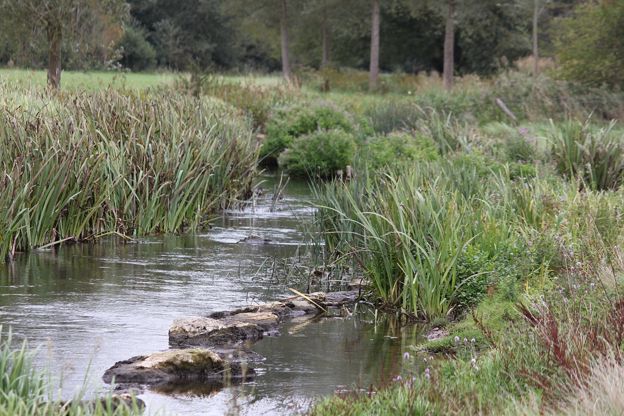
Castle Combe
Castle Combe is busiest in summer and on bank holidays, when the parish council warns that the village gets inundated and the car park is likely to be full. About 50 people live in the village centre. The average visit is a little over an hour, and the parish council puts the share of visitors from overseas at around half. More than 350 drivers were booked for illegal parking in the summer of 2025, mostly at weekends and bank holidays.
The parish and Wiltshire Council have kept coaches out of the village centre, which has designated spaces in the car park on Dunns Lane in Upper Castle Combe, and ask every visitor not to drive down the hill at all, because the lower village has nowhere to park. In 2022 Wiltshire Council issued a traffic order to charge for the Dunns Lane car park, which the parish council objected to on the grounds that an earlier charge was withdrawn after it pushed cars into the lanes. The car park is now pay and display, coaches included, and in November 2025 the parish council minuted that since the charges came in more drivers have been coming down the hill to circle the Market Square and climb back up. Check the parish council's visitor page (opens in a new tab) for the current position. The public toilets are over the bridge at the bottom.
The best hours are early morning and late afternoon on a weekday, and any day in winter, which the parish calls its favourite time. Evenings, for anyone staying at the Manor House or the Castle Inn, are empty. The worst are weekend and bank holiday afternoons from April to September. Park at the top, walk down past the market cross to the bridge, and carry on into the woods: the Ford, Long Dean and Castle Combe walk, 4.5 miles by the By Brook, leaves the crowd behind in 200m.
Instead of Castle Combe: Biddestone and Sherston
The quieter alternative to Castle Combe is Biddestone, 4 miles south above the same By Brook, with a green and duck pond, the White Horse beside it, and the heritage trail down to Slaughterford and back. It is quiet even when Castle Combe is full, and the 636 bus reaches it on weekdays.
Sherston, north towards Malmesbury, is a stone village on a wide street with a pub, and Lacock, 7 miles south-east, is busy in its own way but spreads its visitors over four streets, an abbey and a museum, with a National Trust car park and a bus from Chippenham, half-hourly on weekdays. For a weekend that takes in all of them, our South Cotswolds itinerary puts Castle Combe first thing on the Saturday and Biddestone after lunch.
Broadway
Broadway is busiest on weekend and bank holiday afternoons from Easter to October, in the lavender weeks of late June and July when the lanes up to Snowshill and Cotswold Lavender carry everyone, and on the late-night shopping evenings before Christmas. It is a big village of about 3,500 people at the 2021 census, with a wide High Street, two museums and a row of hotels, so it absorbs a crowd better than Bibury does. The pinch is parking and the pavement outside the Lygon Arms.
Wychavon District Council manages the three car parks and charges in all of them from 8am to 6pm every day, bank holidays included: Church Close for short stays (up to four hours for £3, 2026) and Milestone Ground and Shear House for long stays (10 hours for £4), with six coach spaces at Milestone Ground. Blue Badge holders park free. There is no coach ban, no levy and no pedestrian scheme. Broadway has chosen to be a resort rather than resist being one, and the steam railway's 2018 return to the village added a station at the bottom of the High Street.
The best hours are a weekday morning before the shops open, when the walk up to Broadway Tower and back by St Eadburgha's has the hill to itself, and late afternoon in autumn. The worst are Saturday and Sunday from noon in summer. Up on the hill, Broadway Tower is busiest at the same hours as the village. Its car park locks at 5.15pm.
Instead of Broadway: Stanton, and Snowshill out of season
The quieter alternatives to Broadway are along the same escarpment. Stanton, 3 miles south, is the village Broadway was before the hotels: one street of gold stone up to the Mount Inn, a medieval cross, a parish car park by the cricket ground, and the Stanton, Snowshill and the edge walk over the top.
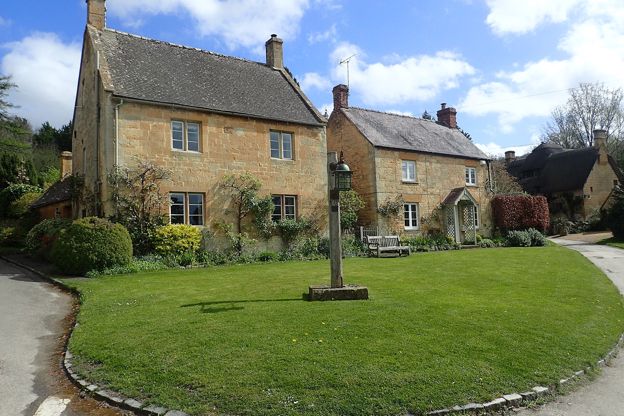
Snowshill, out of lavender season, is a hillside hamlet round Snowshill Manor with a free National Trust car park and the Snowshill and Snowswood walk. The Cotswold Way from Broadway to Wood Stanway passes through Stanton and sees a fraction of Broadway's visitors. Stanton asks visitors not to park in the village centre, and its stop for the 606 bus is on the main road half a mile away, Monday to Saturday. In Snowshill the manor's car park is 450m from the house, and the village has nothing else to park in.
The Slaughters
Lower Slaughter is busiest from mid-morning to mid-afternoon at weekends from Easter to October, when walkers from Bourton, coach parties dropped at the hotels and cars with nowhere to park all arrive at the same stretch of the River Eye between the footbridges and the Old Mill. Upper Slaughter, a mile upstream, is quieter at every hour. Neither village has a car park or a public toilet, and the nearest timed bus, the 801, stops on the Fosse Way at Slaughter Pike, outside Lower Slaughter.
The parishes rely on an old rule: a 1995 traffic order bars buses and coaches of nine or more seats from Lower Slaughter except local service buses and vehicles setting down or collecting at the hotels, which must leave at once and come back later. The parish council asks coach drivers to keep to it and residents to report dangerous or obstructive parking. The simplest answer is to park at Rissington Road in Bourton and walk the mile and a half across the fields. The Robin minibus, Gloucestershire's bookable bus, stops in both villages.
The best hours are early, before Bourton's car park starts charging at 10am: walk from Bourton at nine and you have the mill, the footbridges and St Peter's above the ford to yourself. The worst are noon to three at weekends. The walk from Lower Slaughter to Upper Slaughter is 3.1km there and back on the Wardens' Way, and the Bourton, Upper and Lower Slaughter circuit 6 miles.
Instead of the Slaughters: the Swells and the Oddingtons
The quieter alternatives to the Slaughters are the two pairs of villages north of Stow that get none of their visitors, and the Wardens' Way itself, on past Upper Slaughter to Naunton and Guiting Power (Bourton, the Slaughters and Naunton, 16km), which loses the crowd within a field of the ford.
The Swells, on the Dikler a mile west of Stow, have the Lutyens war memorial at Lower Swell, a Norman church and the Stow and Lower Swell walk. The Oddingtons, on the Evenlode side, have the fourteenth-century Doom painting at St Nicholas's at Lower Oddington, the Fox and the Adlestrop, Daylesford and Lower Oddington walk, which starts at the railway sign and seat that keep Edward Thomas's poem in the bus shelter. Both pairs are a walk or a short drive from Stow, where the Fosseway car park by Tesco is free.
Love the Cotswolds: five promises
The Board's visitor advice is the Countryside Code, and its grant scheme, Caring for the Cotswolds, backed by the National Lottery Heritage Fund and its business members, expects to give £130,000 in grants for nature, communities and climate projects over the three years from 2025. Ours is shorter, five promises that would empty the worst hour in every village above if enough people kept them:
- Come early or late. Before 10am or after 5pm the famous villages are the villages, and the people who live there get their afternoons back.
- Park where you are meant to, or come by bus. A car on a verge in Bibury or a lane in Castle Combe is a fine, a blocked ambulance and the reason the bollards went in. The 801 and 855 run anyway.
- Stay on the path and shut the gate. The riverbanks, the field paths and the footbridges are rights of way through working farms and people's gardens. The gate is open because someone is coming back through it.
- Buy something local. A pint in Naunton or a loaf in Northleach keeps a business open that the 20,000 in Bibury never see. A pub lunch in the quieter village does more for the Cotswolds than a photograph in the famous one.
- Try the next village. Every honeypot has a neighbour on the same river with the same stone and an empty green, and this page has named them.
These five promises, with the numbers behind each, are our care code, Love the Cotswolds.
The Cotswolds Info newsletter
Events, new places and the best of the season, about once a month. Unsubscribe at any time.
A crowd calendar, month by month
January to the middle of February is the quietest time of the year everywhere, and the one time Bibury and Castle Combe are quiet at noon on a Saturday. February half term fills Bourton for a week. March is quiet except in Cheltenham Festival week, when the whole north edge is full of racegoers, and Mothering Sunday, when the pubs are. April brings Easter, the first busy weekend in every honeypot, and the gardens reopening.
May has the two bank holidays, the spring one the busier, with the Woolsack Races and the cheese rolling on the bank holiday Monday and the Olimpicks at the end of that week. Badminton fills the south for five days. June is busy at weekends and easy on weekdays. July and August are the peak, every famous village full from 11am to 4pm most days once the schools break up, with the lavender weeks adding Snowshill and Broadway to the list.
September is the month the villages get their weekdays back, and the best month to see them. October is busy at Westonbirt and Batsford for the colour, at weekends and in half term, and quiet in the villages. November is quiet until the light trails start at the end of it, and December is quiet in the villages and busy at Blenheim, Westonbirt and Bath, with the empty week between Christmas and New Year the best of the winter. Our month-by-month guide has the dates, the weather and what to book.
Quieter whole regions
Three parts of the Cotswolds have no honeypot at all, and are the places to go for a weekend without planning your hours. Stroud and the Five Valleys is the mill country south of the Edge: Stroud with its Saturday market, Nailsworth's bakeries, the open commons at Rodborough and Minchinhampton, the Slad valley of the Laurie Lee Wildlife Way and Woodchester Park. It has a station, Sunday buses and pubs with rooms.
The Cotswold Edge south of Winchcombe is the escarpment itself: Cleeve Common, Belas Knap, Hailes Abbey, Painswick Beacon and Haresfield Beacon, with the Cotswold Way threading them and Painswick for a grey-stone village that is never full. The views are the best in the Cotswolds.
The Leach and the upper Coln, east and north of Bibury, are the emptiest valleys of all: Eastleach's twin churches, Northleach's wool church and the Northleach, Hampnett and the Saltway walk, Chedworth Roman Villa in its wood, and the Coln above Bibury through Winson, Coln Rogers and Coln St Dennis, where the river is the same as at Arlington Row and the only queue is for the bridge at Bibury. Cirencester and the Coln Valley is the guide to all of it.
Mentioned in this story
The places, sights and walks in this story, each with a page of its own: what it is, when to go and how to get there.
-
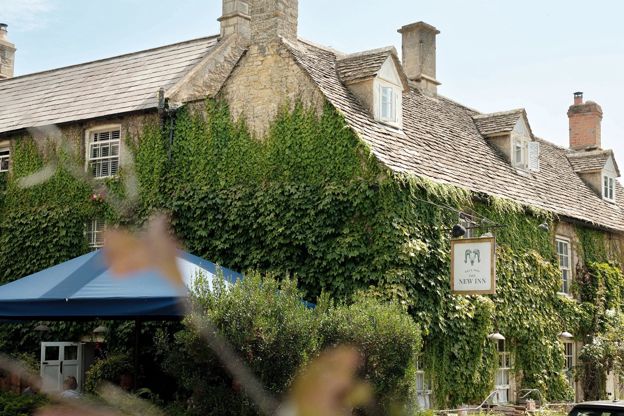
The New Inn
Inn · Coln St Aldwyns
-
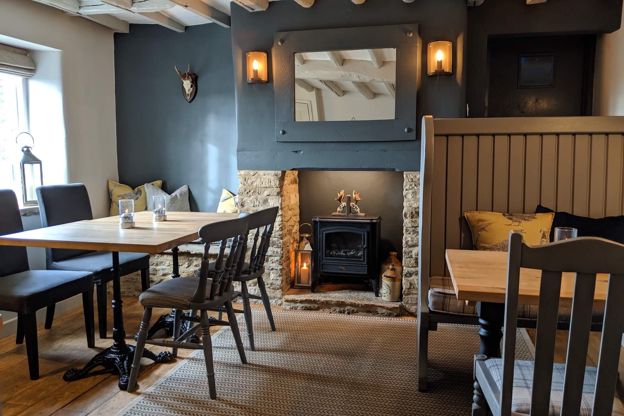
The Keepers Arms
Inn · Coln St Aldwyns
-
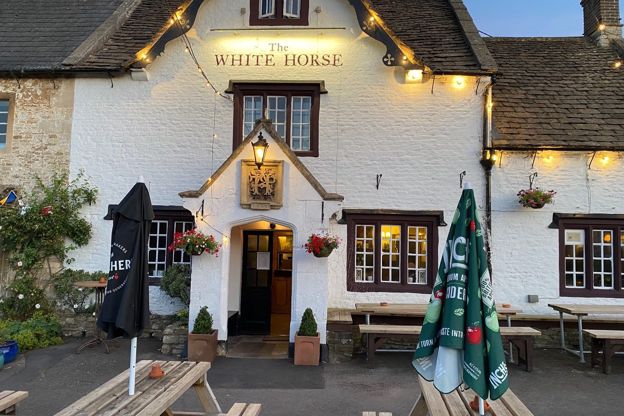
The White Horse, Biddestone
Pubs · Biddestone
-
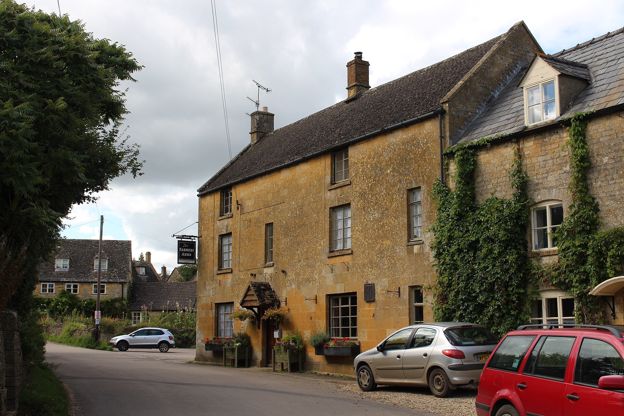
The Farmers Arms
Pubs · Guiting Power
-
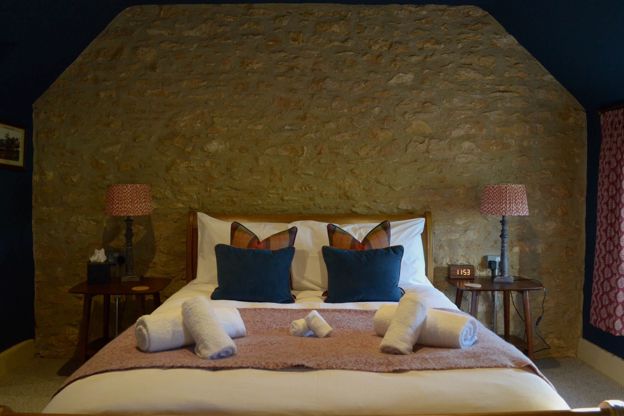
The Hollow Bottom
Inn · Guiting Power
-
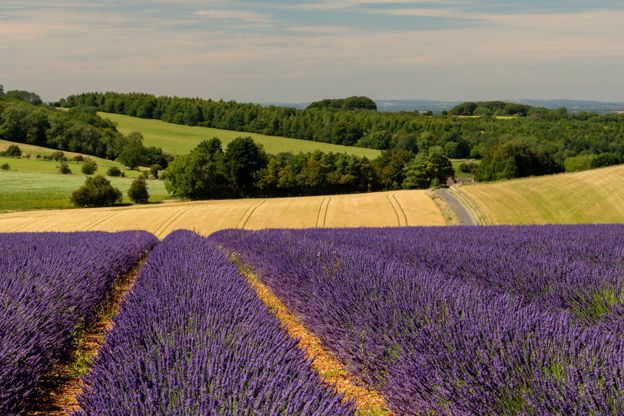
Cotswold Lavender
Parks and gardens · Snowshill
-
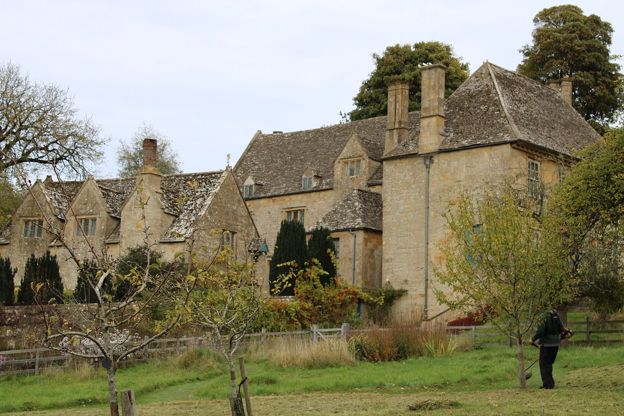
Snowshill Manor and Garden
Historic houses and heritage · Snowshill
-
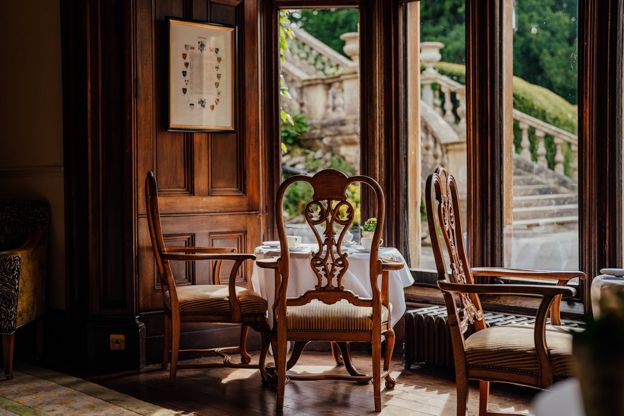
The Manor House
Hotel · Castle Combe
-
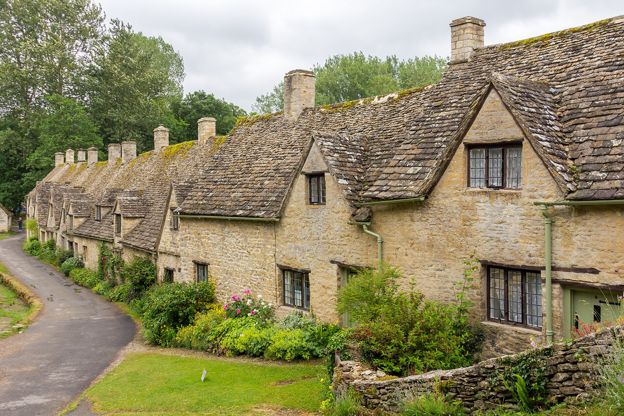
Arlington Row, Bibury
Sight · Historic building · Bibury
-
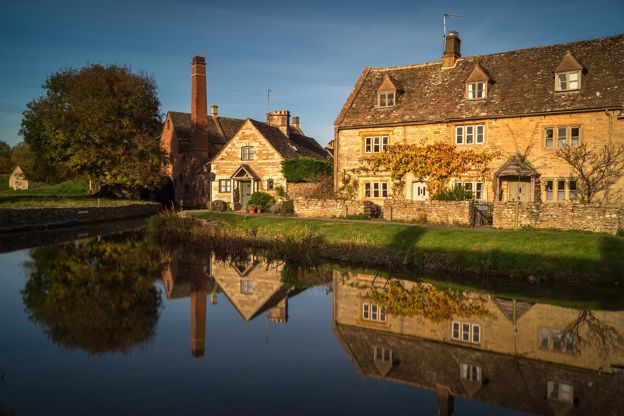
The Old Mill, Lower Slaughter
Sight · Historic building · Lower Slaughter
-
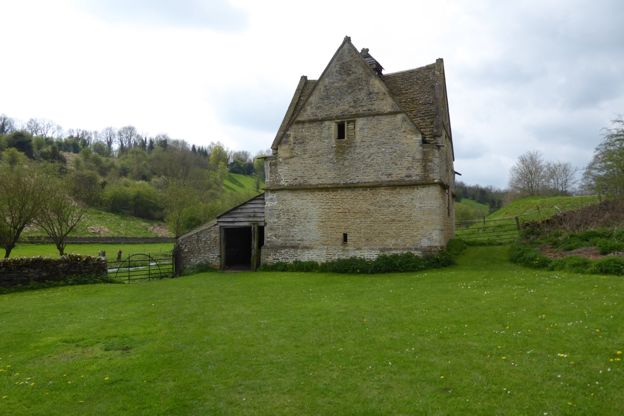
Naunton dovecote
Sight · Historic building · Naunton
-
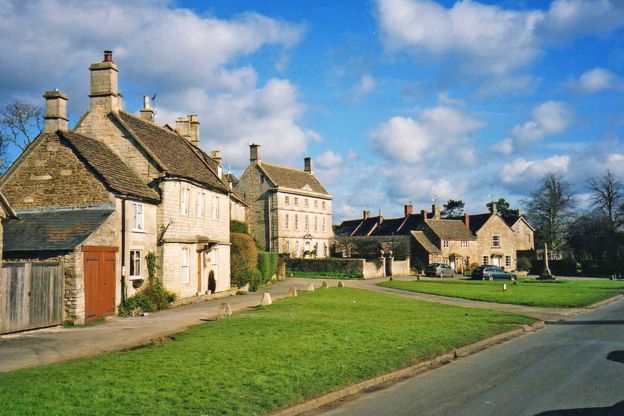
Biddestone green and pond
Sight · Common or park · Biddestone
-
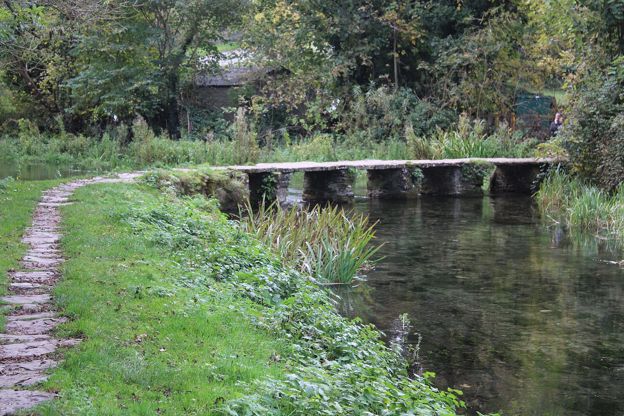
Keble's Bridge, Eastleach
Sight · Bridge · Cirencester and the Coln Valley
-
Knights Hospitallers' Gateway, Quenington
Sight · Historic building · Cirencester and the Coln Valley
-
Cotswold Way: Broadway to Wood Stanway
Walk · Starts in Broadway · 3 hrs, 15 mins · Dog-friendly
Places to stay near Bibury
-
The Swan Hotel
Hotel · Bibury
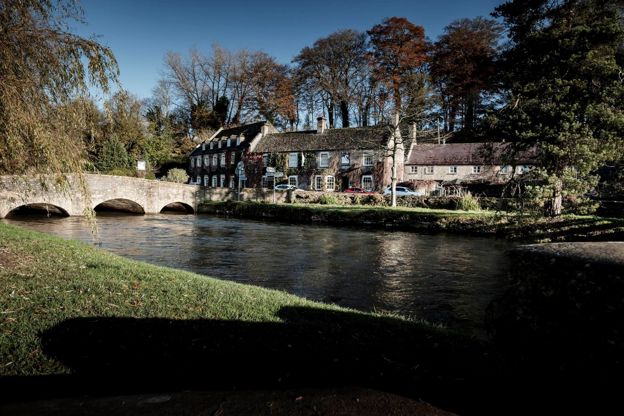
A former coaching inn by the bridge over the River Coln in Bibury, part of Cotswold Inns and Hotels, with a brasserie, a lift, a free car park and dog-friendly rooms.
Dog-friendly · Wedding venues
Verified Nov 2026
-
9 Arlington Row
Self-catering · Bibury
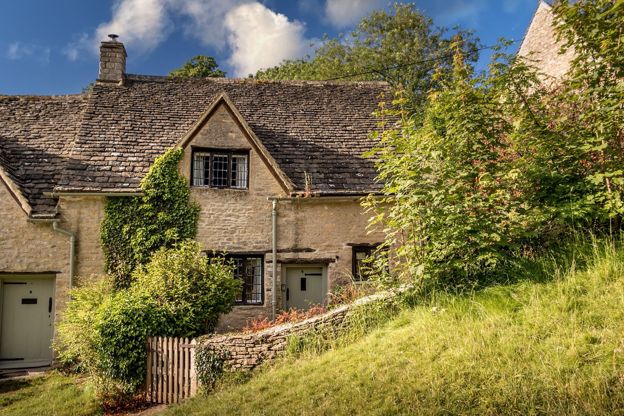
The National Trust's holiday cottage in Arlington Row, Bibury: a two-bedroom former weaver's cottage for three, with a wood burner and a private garden behind the famous terrace.
Verified Oct 2026
-
Cotteswold House
B&B · Bibury
A renovated guest house in Arlington, Bibury, a short walk from Arlington Row, with double rooms, a family suite and two self-catering cottages, and a cooked breakfast for those in the rooms.
Verified Oct 2026
Read next
-
Getting to the Cotswolds without a car
Story · Guides · 12 minute read
You can see the Cotswolds without a car: trains from London Paddington reach Moreton-in-Marsh, Kingham, Charlbury, Kemble and Stroud in 70 to 90 minutes, and buses go on to Stow, Bourton, Bibury and Chipping Campden. Every station, its bus, the fares and the limits.
-
When to visit the Cotswolds, month by month
Story · Guides · 13 minute read
The best months to visit the Cotswolds are May, September and October. June to August and the bank holidays are the busiest, January the quietest. Here is the year month by month, with what is in flower, the customs, the weather and what to book ahead.
-
Where are the Cotswolds?
Story · Guides · 11 minute read
The Cotswolds are a range of limestone hills in south-central England, a National Landscape of 787 square miles across six counties, most of it in Gloucestershire. Here is where they are, what the boundary includes, and what makes the stone golden.