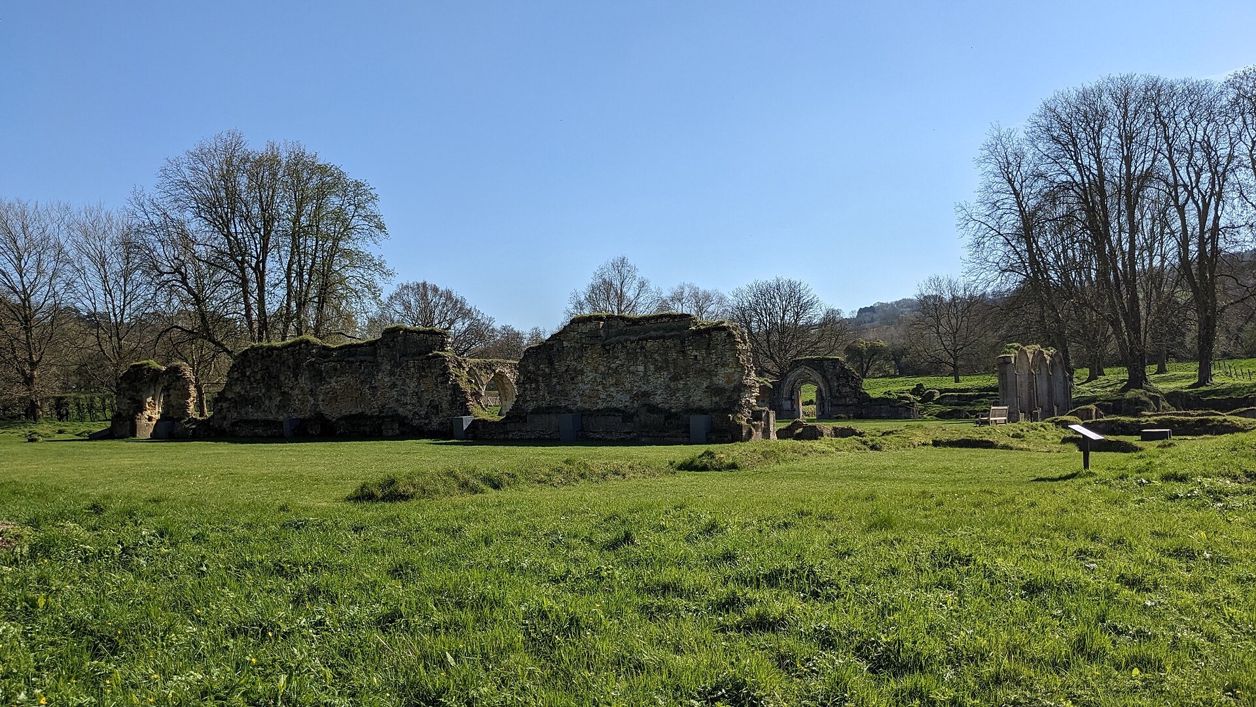
Fabian Musto, CC BY-SA 2.0, via Wikimedia Commons
Things to do · Winchcombe
Hailes Abbey
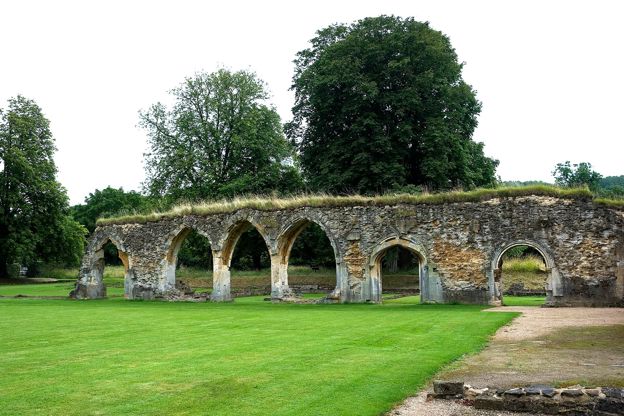
The ruins of a Cistercian abbey near Winchcombe, founded in 1246, once a place of pilgrimage, now open for booked tours on the first weekend of each month.
Walker-friendly
Plan around the opening: it is only open on the first weekend of each month, by booked tour. The Cotswold Way passes close by.
- Good: Free parking near the entrance
- Good: National Trust members go free
- Good: Level, ramped museum with a fragment of 14th-century spectacles
- Worth knowing: First weekend of each month only, booked online
- Good: Dogs welcome, on English Heritage's list of dog-friendly places
- Worth knowing: Grounds are grass slopes; no adult changing area
About
Hailes Abbey, 2 miles from Winchcombe, was founded by Richard, Earl of Cornwall, after a vow he made in 1242 when a storm at sea spared him; its first monks came from Beaulieu in 1246. From 1270 it drew pilgrims to a relic said to be the blood of Christ, and their gifts paid for later building work, until the relic was denounced as a fake in 1538 and the abbey was surrendered on Christmas Eve 1539. Its ruins are listed Grade I, and Hailes Church stands just beyond them.
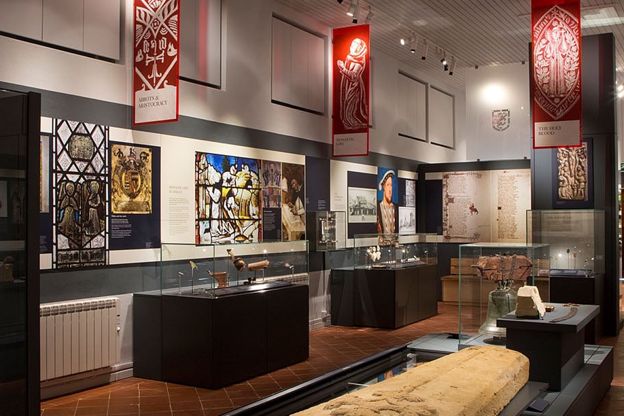
It was given to the National Trust in 1937, and English Heritage cares for it. It opens on the first weekend of every month, for tours booked online; National Trust members go free. The museum shows sculpture, heraldic floor tiles and a fragment of a monk's fourteenth-century spectacles. The grounds are gentle grass slopes, and there are accessible toilets and free parking. Dogs are welcome: English Heritage lists Hailes among its dog-friendly places. The Cotswold Way passes the gate, and our walk to Hailes and Beckbury Camp starts close by.
Opening hours and season
Open on the first weekend of every month for booked tours; choose your date when you book online.
Facilities
- Car parkFree; accessible spaces about 20m from the entrance, on gravel
- Accessible toilets
- MuseumLevel, reached by a ramp
The details
- Time to allow
- One to two hours
- Features
- Guided tours · Parking
- History
- Founded in 1246 by Richard, Earl of Cornwall
- Parking
- Free car park near the entrance.
- Without a car
- Pulhams bus 606 from Cheltenham, Monday to Saturday, stops in Toddington about a mile away; none at the abbey. Cheltenham Spa station is about 10 miles. On the Cotswold Way.
Photos
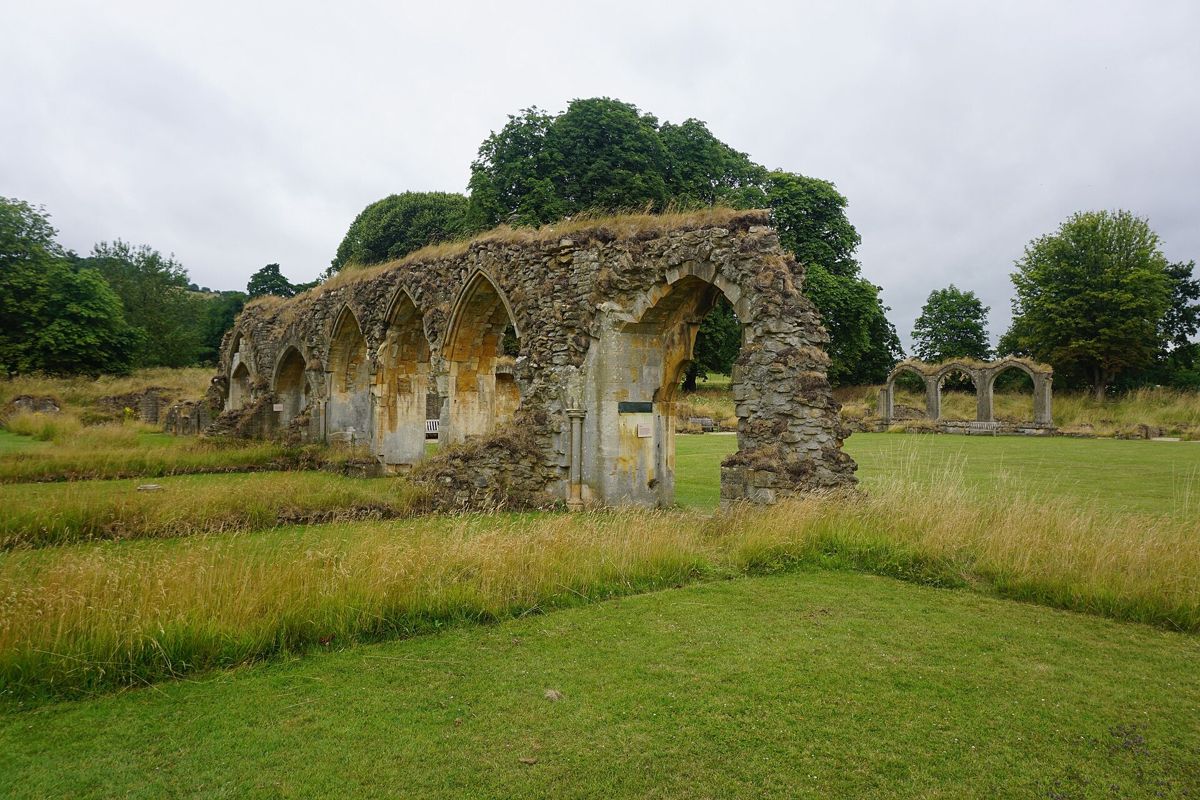
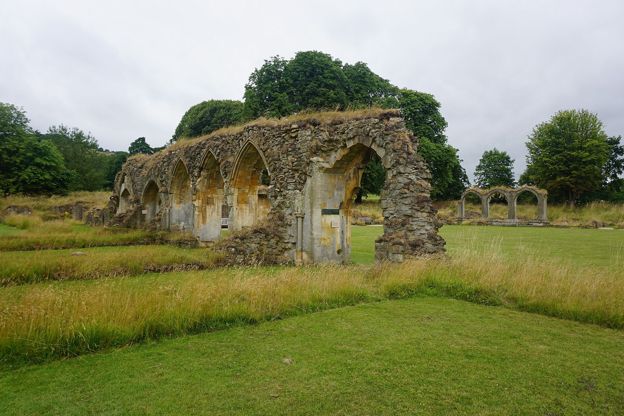
The cloister arches Photo: Bill Boaden, CC BY-SA 2.0, via Wikimedia Commons 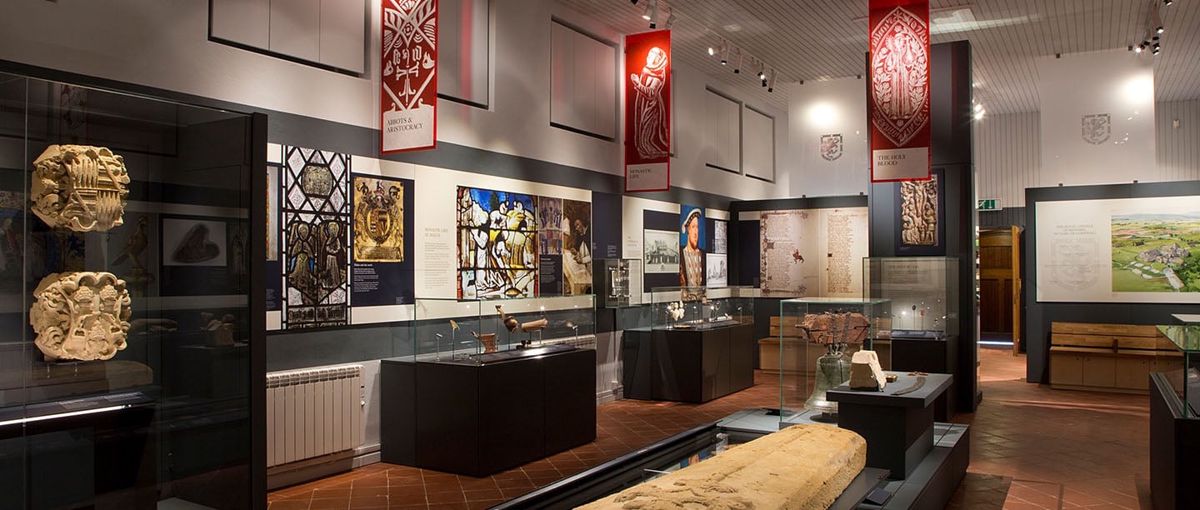
The museum 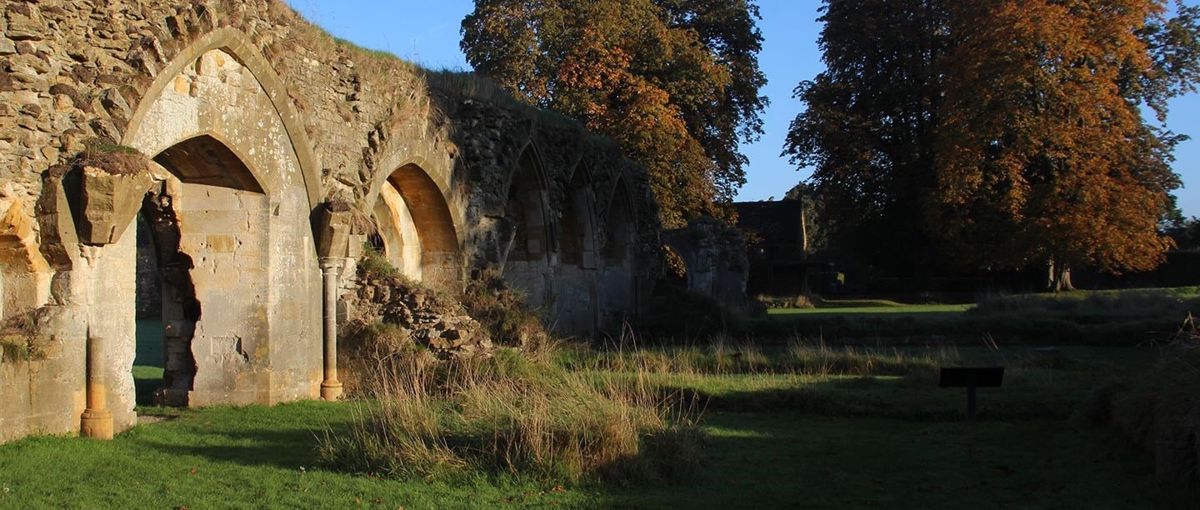
The chapter house arches 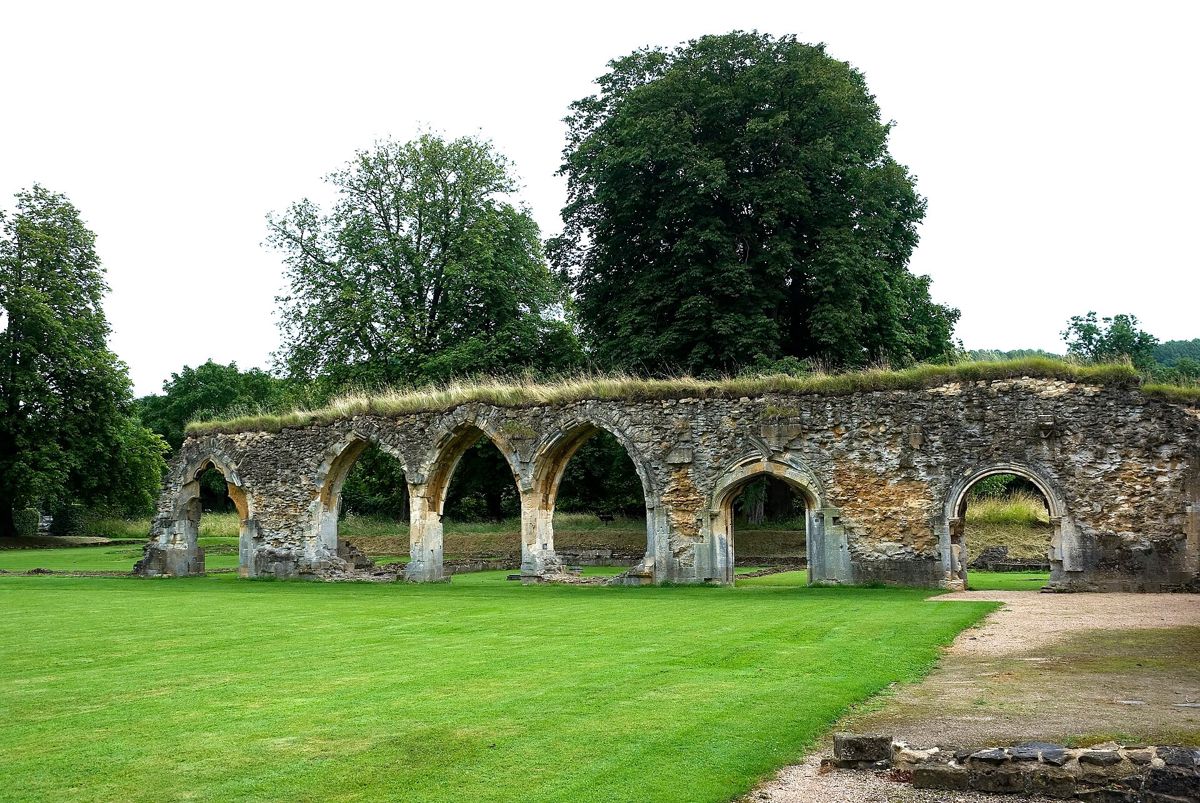
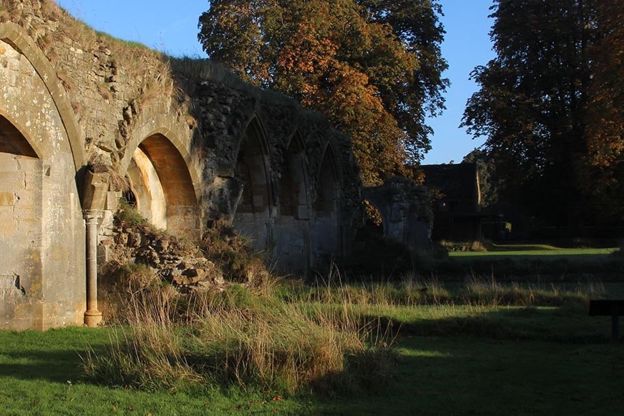
The cloister arcade Photo: Chris Gorringe, CC BY-SA 2.0, via Wikimedia Commons
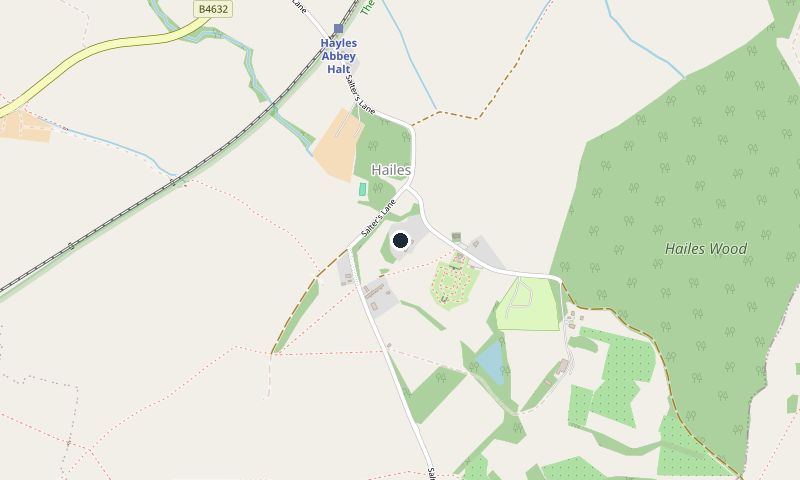
Location
Accessibility
- Accessible toilet
- Assistance dogs welcome
- Parking within 50 metres
Grounds are mostly gentle grass slopes. The ticket point and museum are level, reached by a ramp. Accessible parking about 20 metres from the entrance on loose gravel. No adult changing area.
Places to stay nearby
-
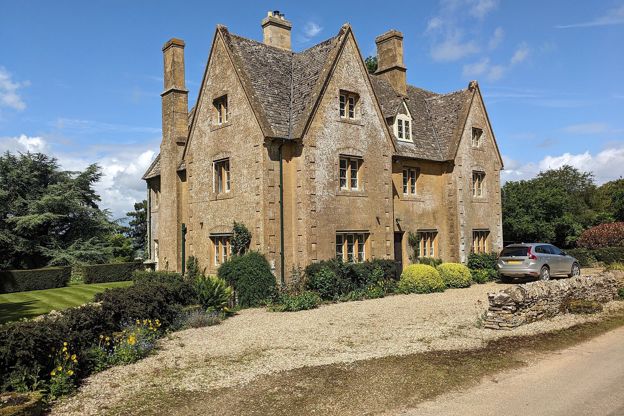
North Farmcote
B&B · Winchcombe
Bed and breakfast in a farmhouse above Winchcombe, built around 1840, its owners say, as a dower house for Lord Sudeley's mother.
Walker-friendly
Verified Oct 2026
-
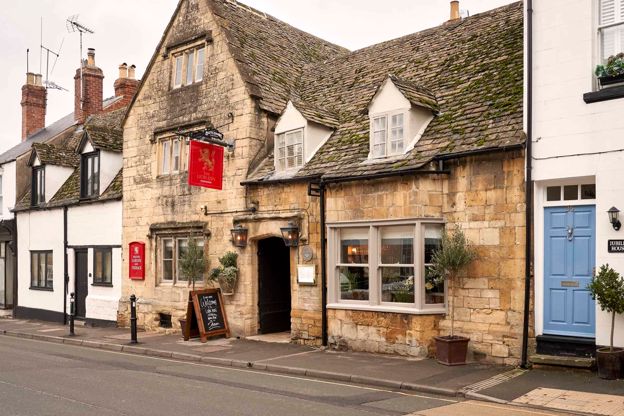
The Lion Inn
Inn · Winchcombe
A restored fifteenth-century coaching inn on North Street, Winchcombe, with nine rooms, run by Butcombe.
Dog-friendly · Walker-friendly
Verified Oct 2026
-
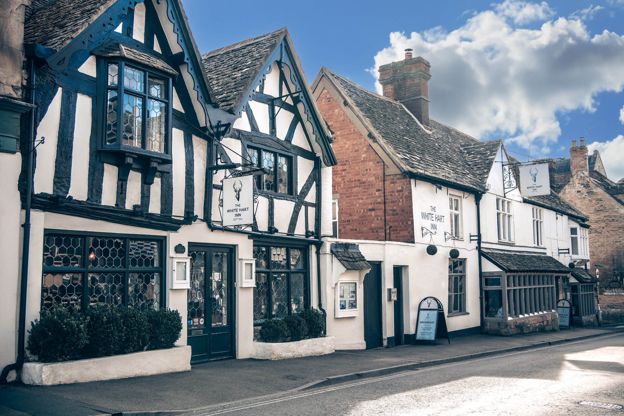
The White Hart Inn
Inn · Winchcombe
An inn with sixteen rooms on Winchcombe's High Street, with dog-friendly rooms and a restaurant and bar open all day to non-residents.
Dog-friendly · Wedding venues · Walker-friendly
Verified Nov 2026
Nearby walks, places and things to do
- Hayles Fruit Farm 0.6 km away
- North Farmcote 1.6 km away
- Winchcombe Pottery 1.9 km away
- The Pheasant Inn 2.3 km away
Sights nearby
-
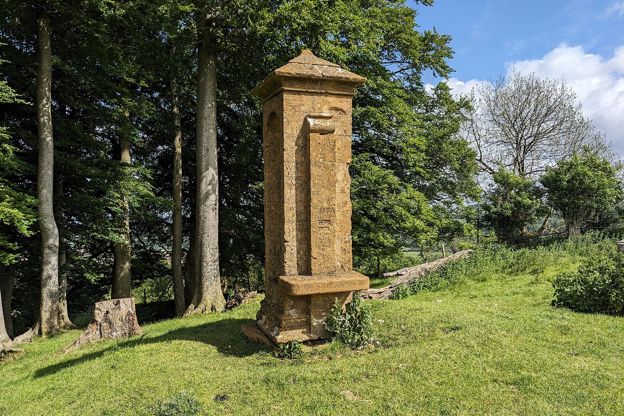
Beckbury Camp, Hailes
Sight · Hill fort or barrow · Winchcombe
An Iron Age hillfort on the Cotswold edge above Hailes, near Winchcombe, its bank still up to 4m high, with the nineteenth-century monument called Cromwell's Seat, where the story goes that Thomas Cromwell watched Hailes Abbey burn. On the Cotswold Way.
-
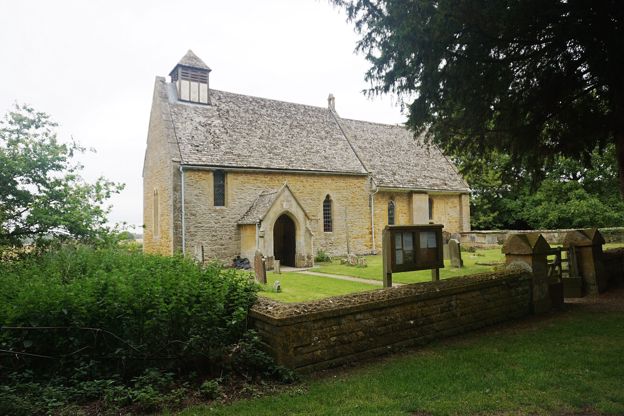
Hailes Church
Sight · Church · Winchcombe
A little twelfth-century church at Hailes, near Winchcombe, older than the abbey across the lane, with fourteenth-century paintings of heraldry and beasts, a giant St Christopher, medieval tiles and screen, and seventeenth-century pews. Grade I.
-
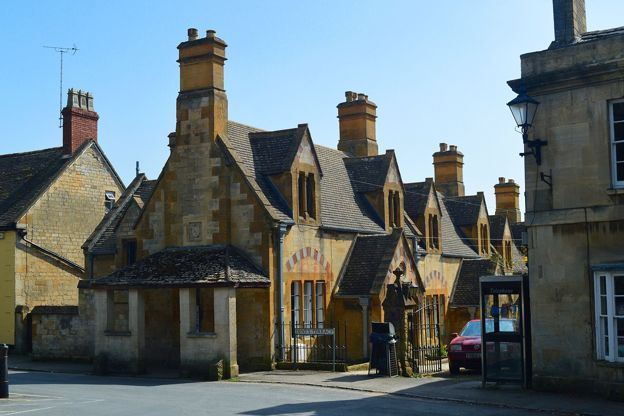
Dent's Terrace, Winchcombe
Sight · Historic building · Winchcombe
A row of ten almshouses of 1865 on Abbey Terrace, Winchcombe, by Sir George Gilbert Scott and J Drayton Wyatt for John and Emma Dent of Sudeley Castle: cream, yellow and pink stone under stepped gables. Grade II.
-
River Isbourne
Sight · River · Winchcombe
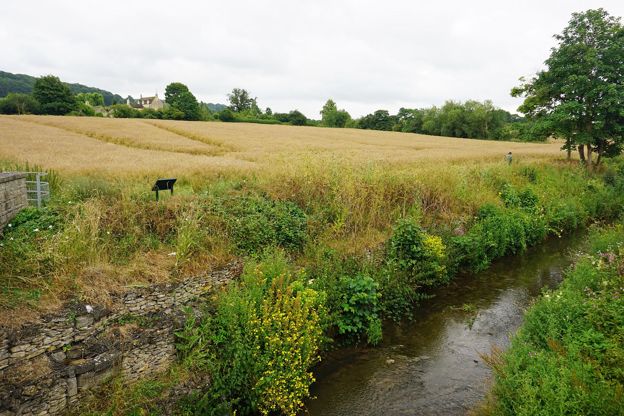
The River Isbourne rises at a spring on Cleeve Hill above Winchcombe and runs north past Postlip, Winchcombe, Toddington and Sedgeberrow to join the Avon at Evesham. A waymarked path of some 14 miles, the Isbourne Way, follows it.