Bill Boaden, CC BY-SA 2.0, via Wikimedia Commons
Stanton village cross
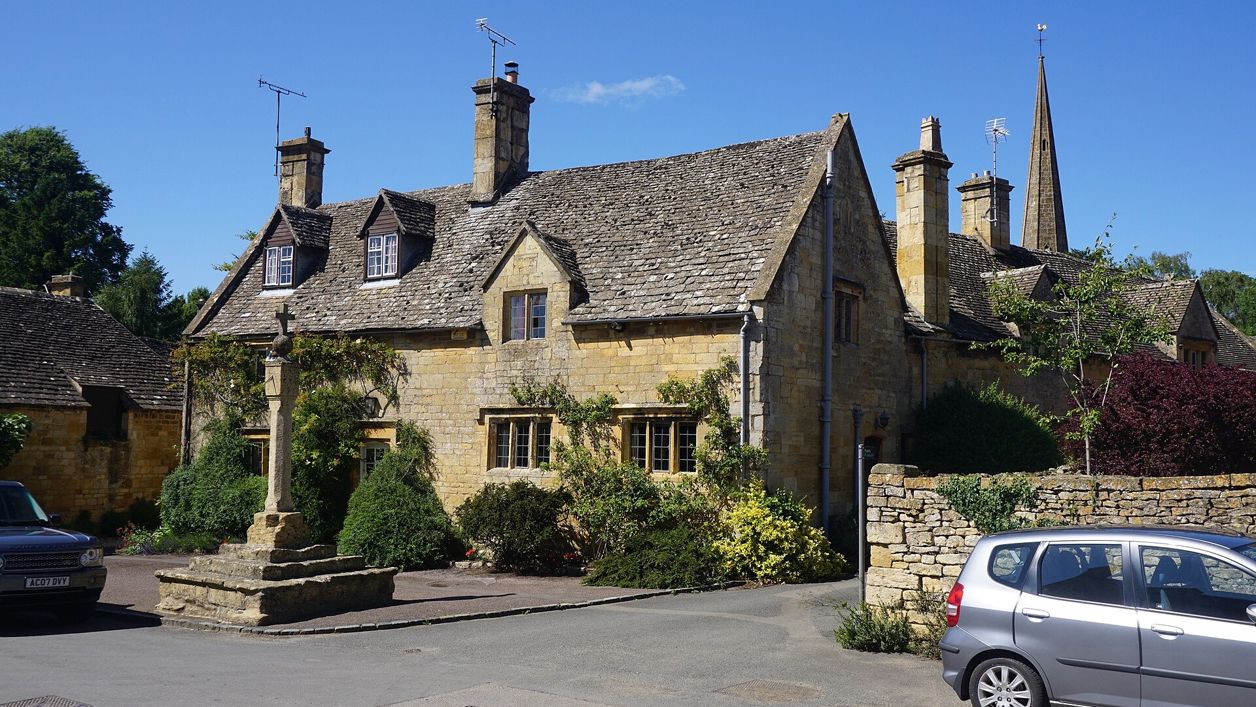
Stanton's village cross stands where the High Street meets Church Lane: medieval steps and socket stone carrying a later shaft topped by a sundial, a ball and a cross. Listed Grade II and a scheduled monument, it is on the Cotswold Way, open at all times.
Monument
StantonStanton's village cross stands at the roadside where Church Lane meets the High Street, in the middle of Stanton. Its three steps and socket stone are medieval; the shaft and its head of sundial, ball and cross are later, and the listing dates the cross to the medieval period and the seventeenth century. It is listed Grade II and is a scheduled monument, and the Cotswold Way passes it.
History
Crosses like this were set up beside roads and in villages across England from the ninth to the fifteenth centuries, to remind passers-by of their faith, to reassure travellers and to mark the way; more than 350 wayside crosses are known. Stanton's is probably still where it was first put, at the junction below the church, and Historic England judges that it survives well with many of its original parts. It was once listed as a preaching cross, a use the evidence does not settle.
Later changes
At some point, probably in the seventeenth century, the cross was given a new shaft and a head with a sundial, a ball and a small cross, which turned it into a village sundial as well as a cross. Charles Pooley described it among the old crosses of Gloucestershire in 1868. It was scheduled in 1965 and is listed Grade II. In 1906 Sir Philip Stott, an architect from Oldham, bought the Stanton Court estate and went on to restore much of the village.
What to see
Historic England describes the cross as complete, from its steps to its head.
- The calvary of three steps: the bottom one 2.3m square and 0.6m high, moulded top and bottom, then two shallower steps
- The socket stone, 0.4m high, its square base turned into an octagon by sloping broaches
- The octagonal shaft, about 1.4m high, with broaches at its foot
- On top, the sundial, the ball finial and the cross
Kerb stones edge the road round its base. The church of St Michael and All Angels is a few steps up Church Lane.
Visiting
The cross is at the roadside, free and open at all times; it is a scheduled monument, so treat it with care. Cars pass close by, so take care at the junction. Stanton is quietest early in the morning and on weekdays.
Getting there
Park in the parish council car park next to the cricket ground; visitors are asked not to park in the village centre. Pulhams bus 606, between Cheltenham and Broadway, stops at the Stanton turn on the main road, about half a mile away, Monday to Saturday only.
On foot, the Stanton, Snowshill and the edge walk passes the cross, and the Cotswold Way comes through the village past it on the section our Cotswold Way: Broadway to Wood Stanway walk follows.
Nearby
Up Church Lane is the Grade I church of St Michael and All Angels, with Comper's rood loft. Above the village the Cotswold Way climbs to the Iron Age fort of Shenberrow Camp, and over the hill is Snowshill Manor. For other old crosses in the Cotswolds, see the market cross at Stow-on-the-Wold and the market cross at Castle Combe.
Walks past Stanton village cross
-
Cotswold Way: Broadway to Wood Stanway
Walk · Starts in Broadway · 3 hrs, 15 mins · Dog-friendly
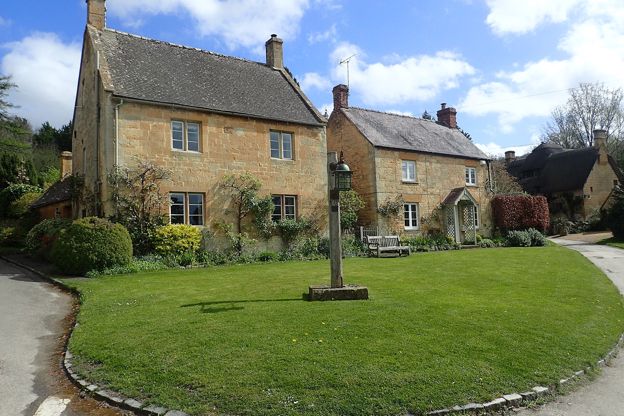
A 6.5-mile (10.5km) one-way walk on the second section of the Cotswold Way, from Broadway's green, moderate and three to three and a half hours: a long climb to Shenberrow, a steep descent into Stanton, then field paths by Stanway's church and gatehouse to Wood Stanway.
-
Stanton, Snowshill and the edge
Walk · Starts in Stanton · 4 hrs, 30 mins · Circular
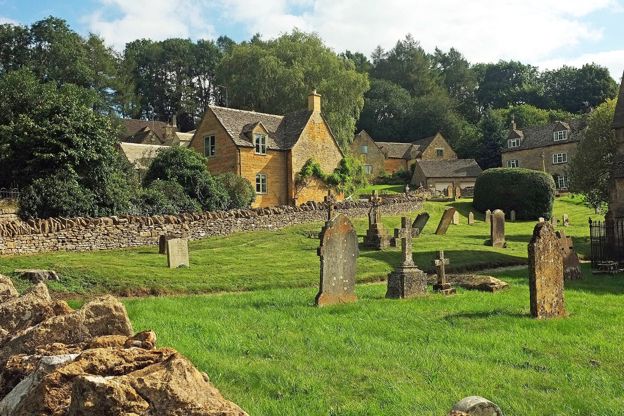
A 6.6-mile (10.6km) moderate loop from Stanton of three and a half to four and a half hours, with steep sections and stiles: up the Cotswold Way, through Littleworth Wood to Snowshill and its manor, then back along the top to the Mount Inn, or 2.5 miles by a short cut.
-
The Cotswold Way
Walk · Dog-friendly
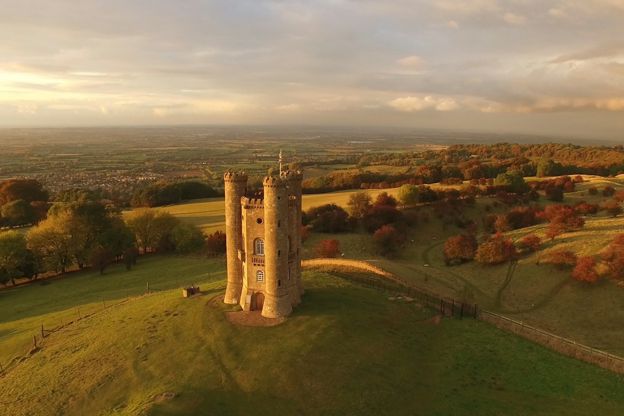
The Cotswold Way is a 102-mile (164km) National Trail walk from Chipping Campden to Bath along the escarpment, in 15 sections; the official guidebook suggests seven to ten days, and its frequent steep climbs make it hard going.
Stay and eat near Stanton village cross
-
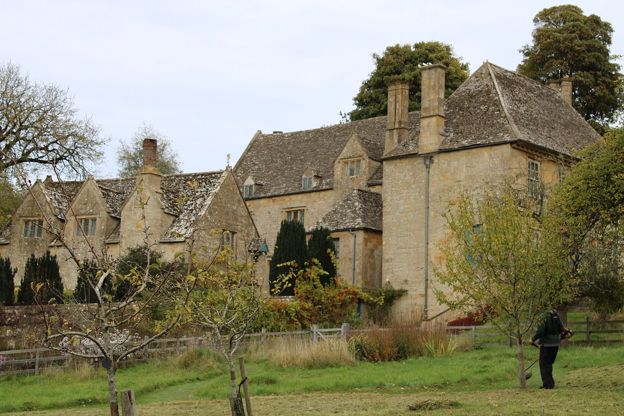
Snowshill Manor and Garden
Historic houses and heritage · Snowshill
Charles Wade's house of collected craftsmanship, from bicycles to armour, above Broadway, given to the National Trust in 1951, with its garden and model village.
Dog-friendly · EV charging
Verified Oct 2026
-
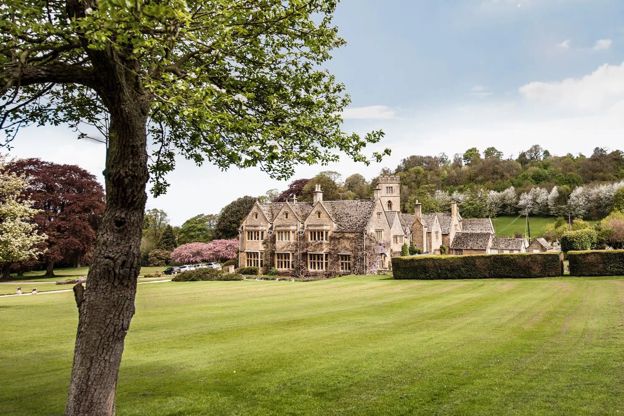
Buckland Manor
Hotel · Broadway
A country house hotel in a Grade II* manor house with 15 bedrooms in ten acres of gardens at Buckland, near Broadway, with a restaurant, tennis and croquet.
Dog-friendly · Family-friendly
Verified Oct 2026
-
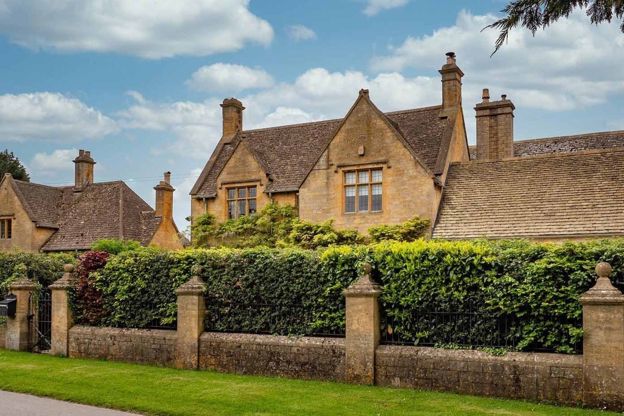
Brookside Lodge
Self-catering · Laverton and Buckland
A Victorian hunting lodge for groups of up to 14 in Laverton, near Broadway, with a two-bedroom cottage, a heated pool, a gym in the old stables and dogs welcome.
Dog-friendly · Family-friendly · Walker-friendly
Verified Oct 2026
More sights to see
-
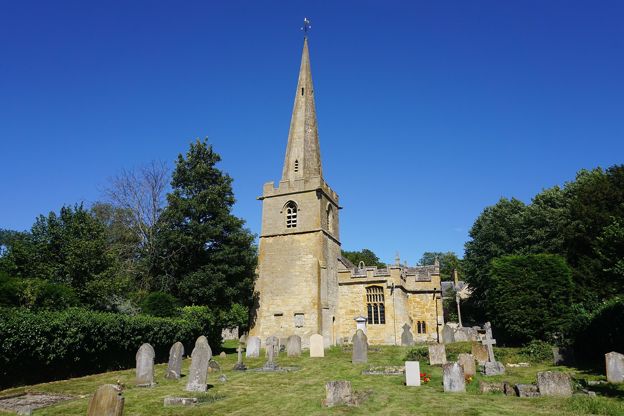
St Michael and All Angels, Stanton
Sight · Church · Stanton
St Michael and All Angels is Stanton's Grade I church, of the twelfth to seventeenth century, with a spired west tower, medieval wall paintings and a rood loft and east window by Sir Ninian Comper. It stands on Church Lane, by the cross and the Cotswold Way.
-
Shenberrow Camp
Sight · Hill fort or barrow · Stanton
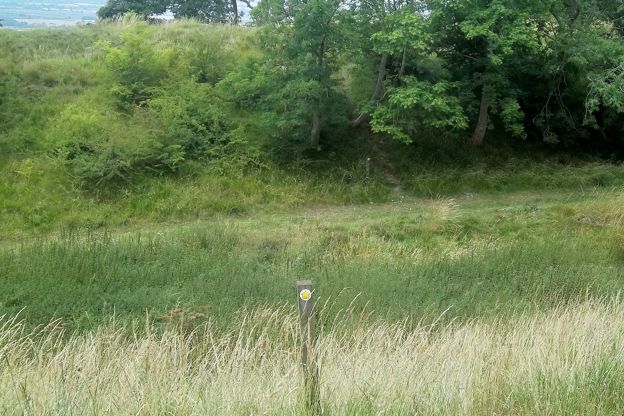
Shenberrow Camp is a small Iron Age hill fort on the Cotswold Edge above Stanton, a D-shaped enclosure of about 1.9 hectares inside two banks and ditches, nearly 300m up beside Shenberrow Buildings farm. The Cotswold Way runs through it. A scheduled monument.
-
Market cross, Stow-on-the-Wold
Sight · Monument · Stow-on-the-Wold
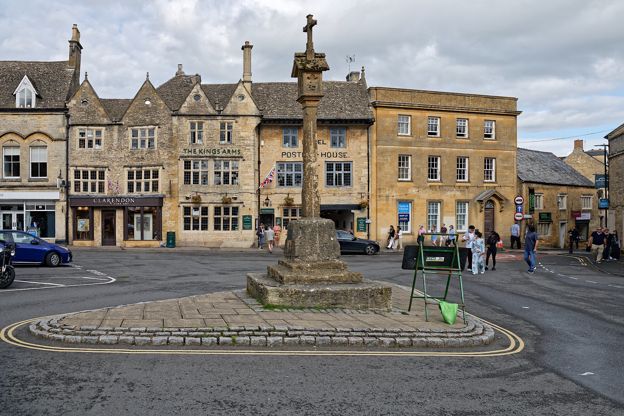
Stow's market cross stands in the southern half of the Market Square: a medieval calvary and socket stone, probably of the fourteenth century, carrying a shaft and lantern head restored in 1878 and again in 1995, when its four carved panels were restored. Grade II and scheduled.