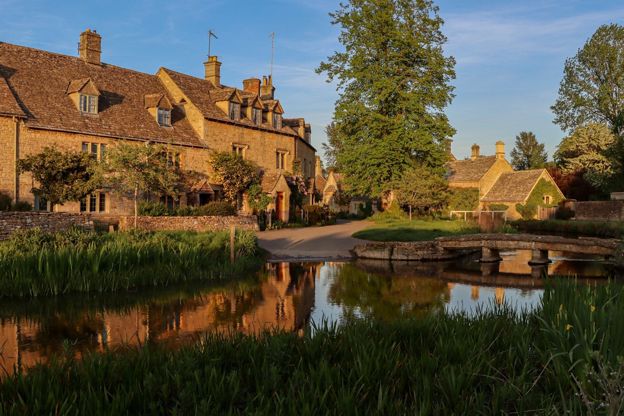
Mike Peel, CC BY-SA 4.0, via Wikimedia Commons
Arlington Row, Bibury
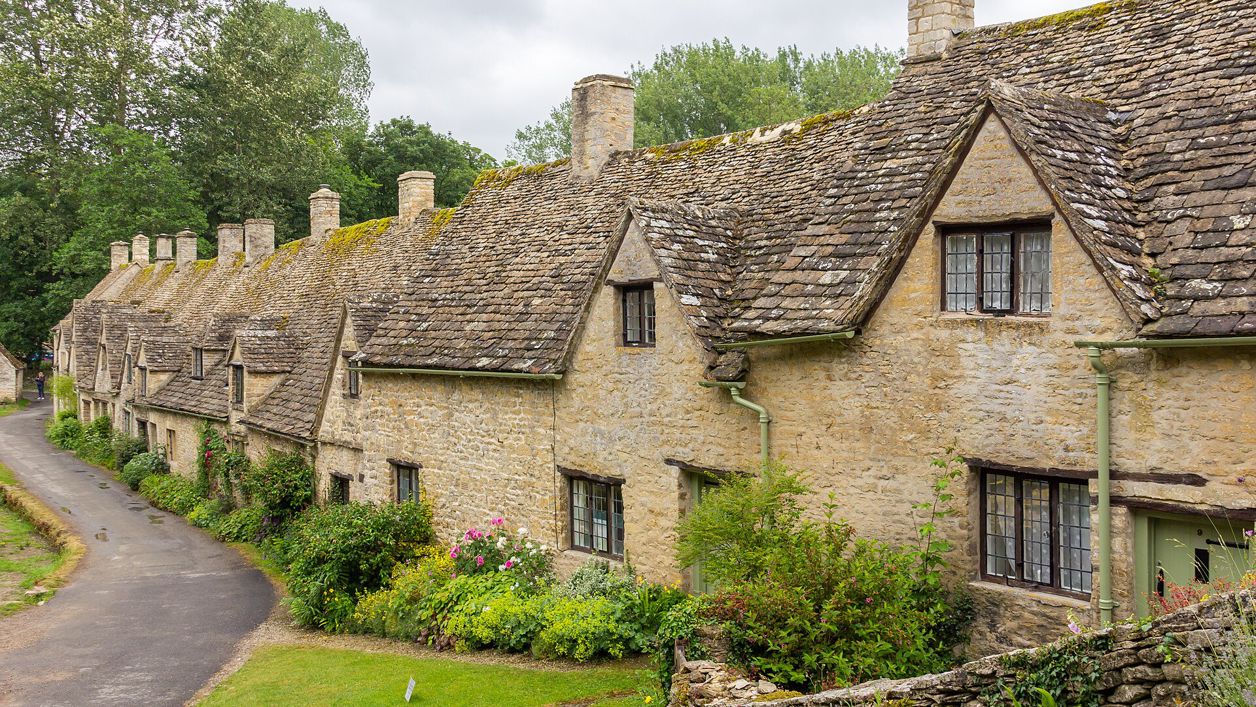
Arlington Row is a terrace of stone cottages above the mill stream in Bibury, built as a wool store in the late fourteenth century and turned into weavers' homes in the seventeenth. Grade I and owned by the National Trust, the cottages are lived in and seen from the path.
Historic building
BiburyArlington Row is the terrace of stone cottages that climbs Awkward Hill in Bibury, facing the water meadow of Rack Isle across the mill stream of the River Coln. Built as a wool store in the late fourteenth century and turned into weavers' cottages three hundred years later, it is listed Grade I, owned by the National Trust, and still lived in.
History
Arlington Row began as a single long building in the late fourteenth century, one storey high with an open roof, which the listing describes as a wool store, perhaps with a part to live in. It stands in Arlington, the half of Bibury west of the river, beside the leat that drove Arlington Mill.
Weavers and the mill
The Victoria County History dates the change into cottages to the seventeenth or early eighteenth century, when the range was divided into seven small houses, each with an attic; the listing puts it in the late seventeenth century, when two-storey houses were added at the ends. Cloth was being made here well before that. Arlington had a walker, the local word for a fuller, in 1327, two weavers are recorded there in 1608, and a fuller worked Arlington Mill in 1638. In 1694 the clothier Benjamin Archer kept a warehouse in Arlington. The meadow opposite, Rack Isle, takes its name from the racks where cloth from the mill was hung to dry after fulling, and the VCH ties it to the mill by 1680. The Victoria County History says cloth was made at the Arlington and Ablington mills until the mid eighteenth century, and finds no evidence of the trade after that.
Saved and restored
By the twentieth century the row was decaying. The Royal Society of Arts bought it in 1928 and it was repaired in 1929, and the National Trust took it on in 1949 and restored it in the early 1970s, when some of the cottages were joined together. Rack Isle became a wildfowl reserve in the 1950s and is also the Trust's. The row's fame owes much to William Morris, whom the listing credits with "discovering" Bibury; the claim that he called it the most beautiful village in England is often repeated but no source for it in his own writing has been found.
What to see
Look at the roofline first. Its unevenness comes, the listing says, from the weakening of the original medieval roof, with the irregular seventeenth-century gables added to it, and most of the roof trusses inside are of raised cruck type.
The classic view is from the path on the far side of Rack Isle, with the meadow and the stream in front of the row. Rack Isle itself is a wet meadow between the river and the mill stream; please keep to the path and keep children and dogs back from the water.
Visiting
Arlington Row is free to see at any time from the lane and the path, but the cottages are homes, so please do not go into the gardens, look through windows or block doors. Two of them are National Trust holiday cottages and the rest are private homes. Vehicle access up the lane is for residents only.
The National Trust describes a level tarmac path in front of the row and round Rack Isle, narrow in places and crossing the mill stream by a narrow bridge, and asks for dogs on leads. Bibury is crowded on fine weekends and in summer, with up to 20,000 visitors on a peak weekend by press estimates that the county council has repeated, so come early in the morning, late in the afternoon or in winter for a quiet view. The public toilets, with an accessible cubicle on the RADAR scheme, are on The Street.
Getting there
Bibury has no council car park and roadside parking is limited, especially at weekends and in summer, so come early. Since a county council trial began in May 2025, the parking opposite the Trout Farm has been suspended to give coaches a safe place to stop, and coaches may only set down and pick up. Bibury Trout Farm has its own car park, which charges. The 855 bus between Cirencester, Northleach and Bourton-on-the-Water stops in the village, Monday to Saturday.
On foot, Arlington Row is the start or finish of four of our walks. Bibury and the River Coln and Bibury, Oxhill Wood and Akeman Street both return past it, Bibury and Ablington starts here and goes over the wold to Ablington Manor, and the 6.5-mile loop from Coln St Aldwyns comes up the river to it halfway round.
Nearby
St Mary's Church, with its Saxon stonework, is a short walk east along Church Road. The Swan Hotel stands by the bridge, and Bibury Trout Farm, next to Arlington Mill, has a café. Eleven Bibury, a café and brasserie at 11 The Street, faces the row. Downstream, the New Inn at Coln St Aldwyns is at the far end of the river walk, and the Knights Hospitallers' gateway at Quenington is a little beyond. Our story on William Morris and the Cotswolds looks at what he did, and did not, say about Bibury.
Walks past Arlington Row, Bibury
-
Bibury and Ablington
Walk · Starts in Bibury · 1 hr, 45 mins · Circular
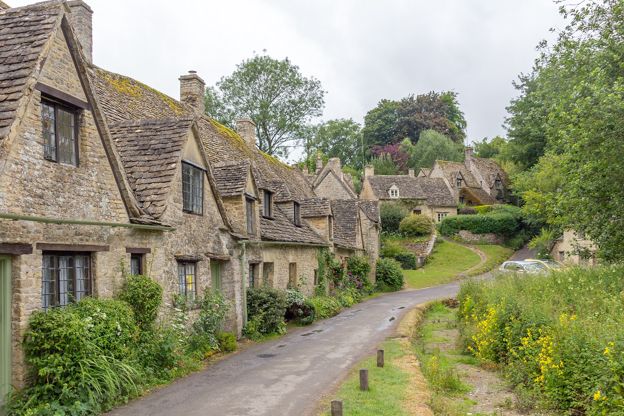
A 5-mile (8.2km) circular walk from Arlington Row in Bibury, an hour and a half to two hours of moderate walking with a few stiles. It goes up Packhorse Lane and the Salt Way over open wold, down to Ablington and its Elizabethan manor, and back beside the River Coln.
-
Bibury and the River Coln
Walk · Starts in Bibury · 2 hrs · Circular
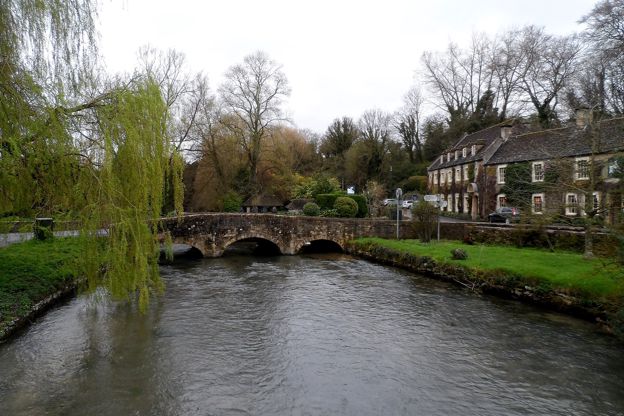
A 4-mile (6.5km) circular walk from the bridge by the Swan in Bibury, about two hours with one climb and a muddy stretch. It crosses the Coln below Bibury Court, climbs through Oxhill Wood to the line of Akeman Street, passes a dewpond and returns by Arlington Row.
-
Bibury, Oxhill Wood and Akeman Street
Walk · Starts in Bibury · 1 hr, 45 mins · Circular · Dog-friendly
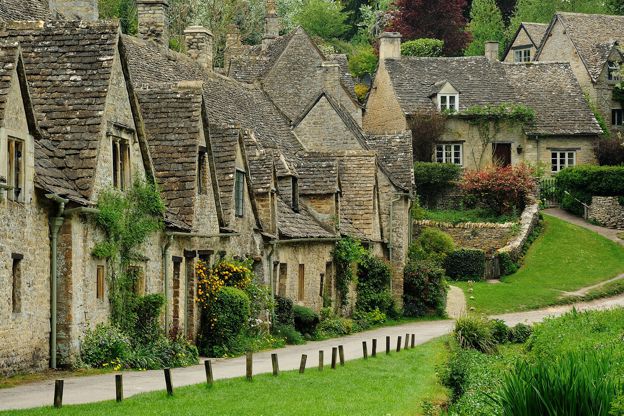
A 4-mile (6.6km) circular walk from the bridge by the Swan in Bibury, an hour and a half to two hours with a few short, steep climbs. It goes out by the church and up above the Coln to Oxhill Wood, along the line of the Roman Akeman Street and back over farmland to Arlington Row.
Stay and eat near Arlington Row, Bibury
-
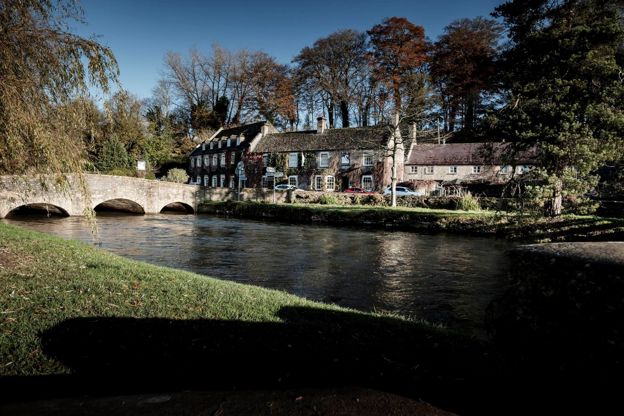
The Swan Hotel
Hotel · Bibury
A former coaching inn by the bridge over the River Coln in Bibury, part of Cotswold Inns and Hotels, with a brasserie, a lift, a free car park and dog-friendly rooms.
Dog-friendly · Wedding venues
Verified Nov 2026
-
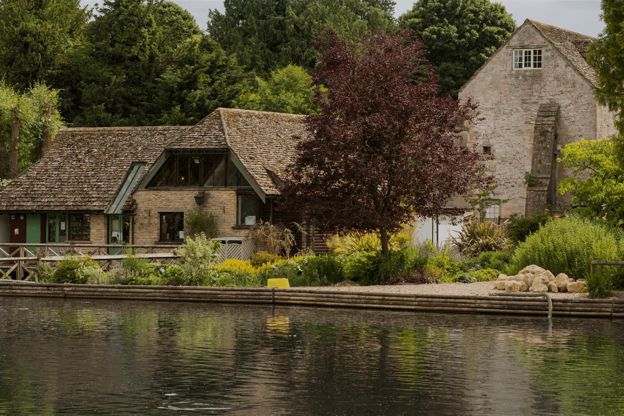
Bibury Trout Farm
Family days out · Bibury
A working trout farm on the River Coln at Bibury, founded in 1902, with a café, a shop, catch-your-own fishing and its own pay car park.
Family-friendly · Dog-friendly
Verified Oct 2026
-
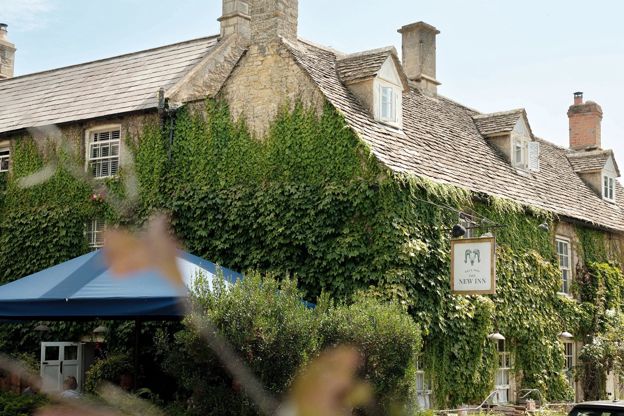
The New Inn
Inn · Coln St Aldwyns
A 16th-century coaching inn with rooms in Coln St Aldwyns, reopened in 2020 by Baz and Fred, with a Garden Suite and food every day.
Verified Nov 2026
Stories about Arlington Row, Bibury
-
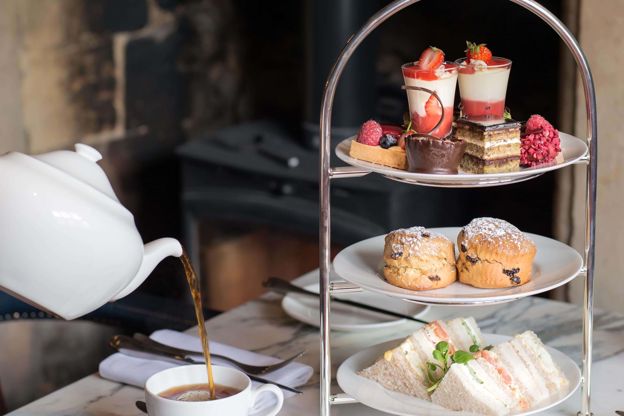
Afternoon tea in the Cotswolds
Story · Guides · 10 minute read
Where to have afternoon tea in the Cotswolds: country house hotels at the Slaughters and Buckland, old inns in Woodstock, Broadway and Malmesbury, and tearooms in Chipping Campden, Stow and Bourton, with times, prices and booking.
-
Cotswolds itineraries: one day to a week
Story · Guides · 12 minute read
Cotswolds itineraries from one day to a week: how many days you need, a day by car or by train, two days in the north, three days north to south, five days across two regions, a week with two bases or on the Cotswold Way, and themed weekends for gardens, walks, dogs and winter.
-
Day trips from London to the Cotswolds
Story · Guides · 10 minute read
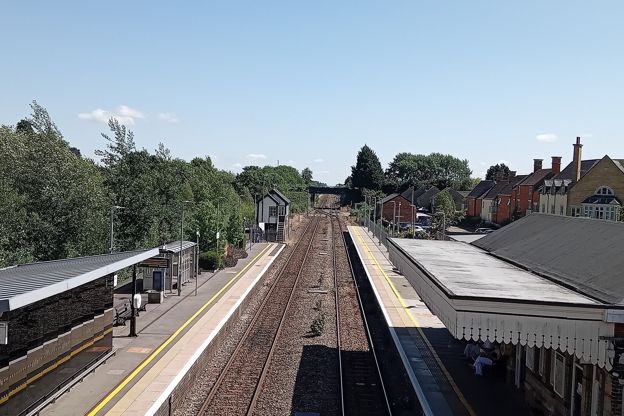
How to do the Cotswolds as a day trip from London: by train from Paddington to Moreton-in-Marsh for Stow and Bourton, to Kingham for the Evenlode villages, to Kemble for Cirencester and Bibury or to Bath for Lacock, with worked plans, the car and parking, and tours compared.
More sights to see
-
St Mary's Church, Bibury
Sight · Church · Bibury
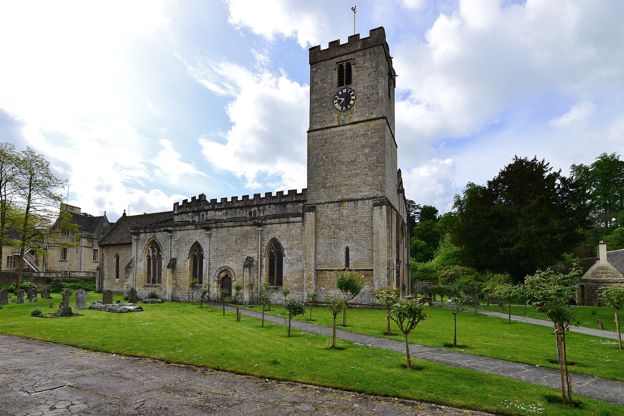
St Mary's in Bibury is a Saxon church grown over five centuries, with eleventh-century walling, Saxon stones in the chancel, carved capitals of the Oseney canons, the county's earliest stained glass and a Karl Parsons window of 1927. Grade I and open daily.
-
Ablington Manor
Sight · Historic building · Bibury
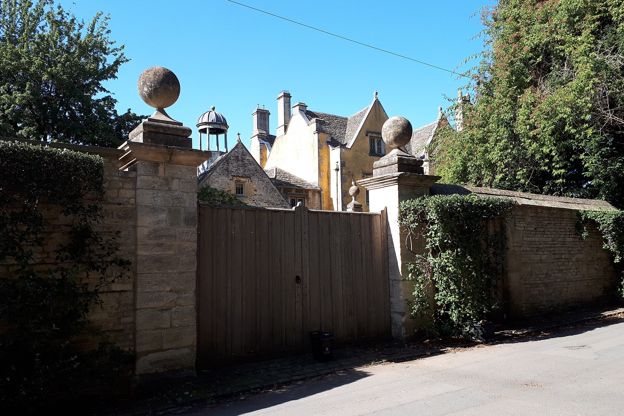
Ablington Manor is an Elizabethan house in the hamlet of Ablington near Bibury, dated 1590 for John Coxwell, with five carved royal heads over its porch. Listed Grade I and a private home, it is seen from the lane through the hamlet.
-
River Coln
Sight · River · Cirencester and the Coln Valley
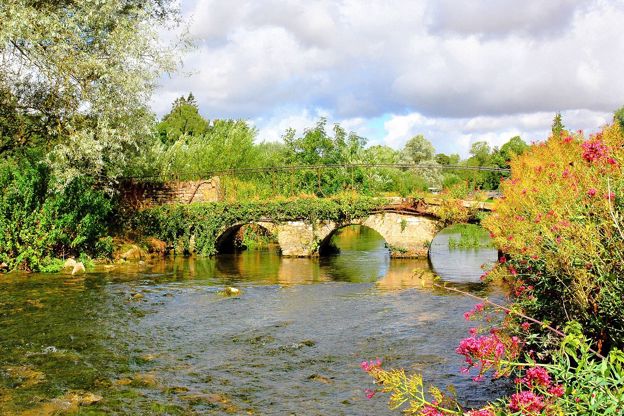
The limestone river of the south Cotswolds, rising near Sevenhampton and running south-east past Chedworth, Bibury and Arlington Row, Coln St Aldwyns, Quenington and Fairford to join the Thames at Inglesham above Lechlade. Five of our walks follow or cross it.