Cotswolds itineraries: one day to a week
Two or three days see the famous villages, five see two regions, and a week walks the Cotswold Way. Here is every plan we have written, from a single day to seven, with the five-day and seven-day routes set out in full, and how to bend each one for rain or for travelling without a car.
· 12 minute read
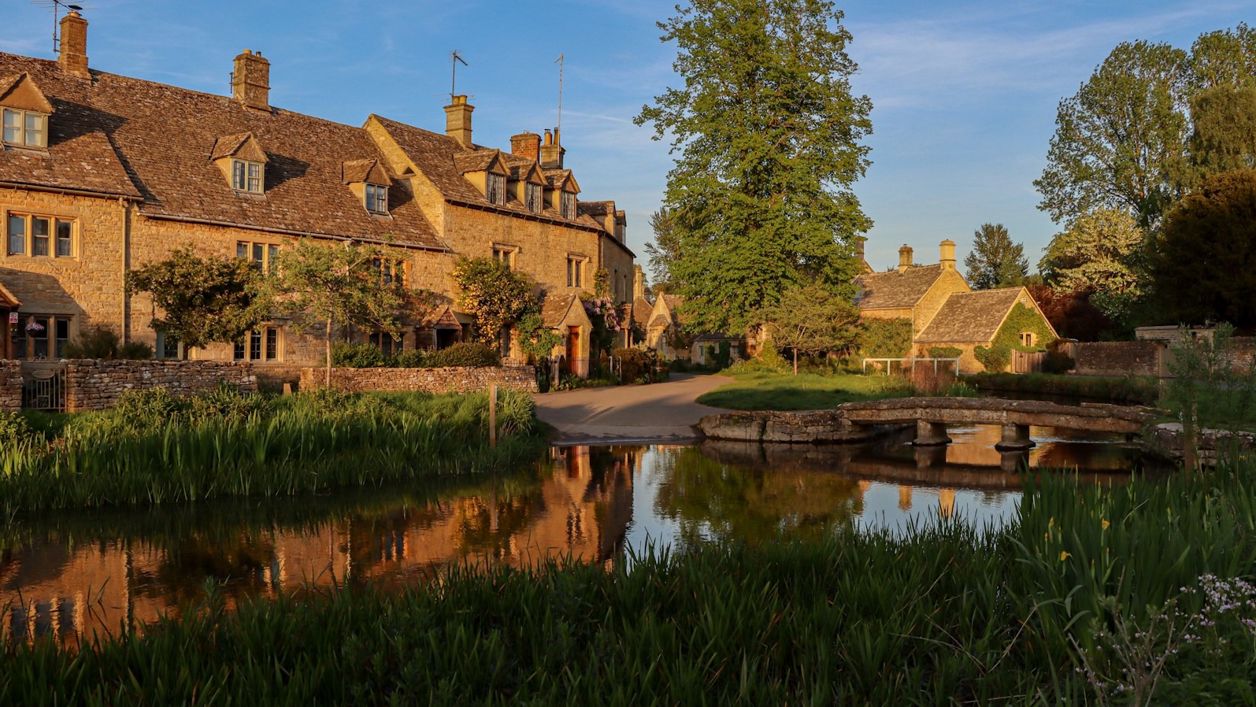
You need two or three days in the Cotswolds to see the famous villages properly, five days to see two of the six regions, and a week to walk most of the Cotswold Way or to settle into two bases. One day is a taste of one valley, and a good one. Below is every itinerary we have written, by length, with the five-day and seven-day plans set out here in full because no separate page holds them yet.
How these plans work: each puts the busiest place at the quiet end of the day, keeps the driving to short hops and walks between villages wherever a path joins them, because the Slaughters, Bibury's river and the escarpment above Broadway are better on foot. Every place, walk and inn named has a page of ours behind it, with facts checked in October 2026. Where to sleep on each plan is in where to stay in the Cotswolds, and the months that suit each are in when to visit the Cotswolds.
How many days do you need in the Cotswolds?
Two or three days, for most first visits: enough for Bourton-on-the-Water and the Slaughters, Stow-on-the-Wold, Chipping Campden, Broadway and Bibury without spending the trip in the car. The hills run about 50 miles as the crow flies from Campden to Bath, and the lanes are slow, so a day covers one valley well and two badly. If you are coming from overseas, start with visiting the Cotswolds from abroad: the ETA, driving on the left and paying by card.
Five days lets you add a second region, the Five Valleys round Stroud or the South Cotswolds round Tetbury, from a second base. A week lets you see three regions at a walking pace, or walk the Cotswold Way, 102 miles from Chipping Campden to Bath (opens in a new tab), for which the official guidebook suggests seven to ten days.
One day in the Cotswolds by car
With one day and a car, spend it in the North Cotswolds: Bourton and the Slaughters before the crowds, Stow for lunch, Chipping Campden in the afternoon and Broadway Tower as the light goes. That is our one day in the Cotswolds, about 22 miles of driving and 6 miles on foot, with the stops never more than about 25 minutes apart.
The order matters. Bourton's Rissington Road car park is free before 10am and the river is quiet then; the 6-mile circuit to Upper and Lower Slaughter takes two to two and a half hours past the Old Mill and the ford, and neither Slaughter has a public car park. Pay for your time in the car park from 10am, and after rain expect mud on the bridleways and take care at the two crossings of the Fosse Way, as walkers on AllTrails reported in 2025 and 2026. Campden's High Street, from the Market Hall of 1627 to the wool church, is at its best later, and the view from the tower is best of all at the end of the day.
One day in the Cotswolds by train
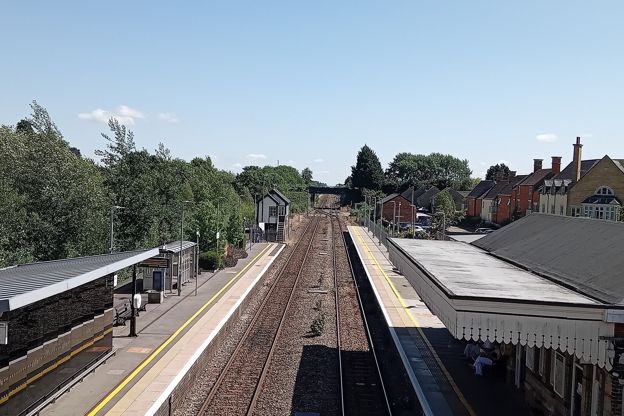
Without a car, take the train from London Paddington to Moreton-in-Marsh, about an hour and a half, and the 801 bus (opens in a new tab) from outside the station to Stow and Bourton, which runs every day of the week, Sundays included. The first weekday train (opens in a new tab) arrives before 7.30am and on weekdays a bus leaves the station at 8am, so you can be walking the river in Bourton before the coaches.
Walk out to the Slaughters, come back for lunch, take the bus up to Stow for the Square and St Edward's church, and ride the 801 back to the station for a train home. Our guide to day trips from London to the Cotswolds has this day worked through from the timetable pattern, with four other days from Kingham, Kemble, Chippenham and Hanborough.
Two days in the North Cotswolds
Two days is the right length for a first trip to the north, from a base in Stow: the water villages on foot on day one, the wool town, a garden and the escarpment on day two. Our two days in the North Cotswolds drives about 55 miles in all, with everything within about 25 minutes of Stow's Square.
Day one begins on the Square at 9am, walks the Slaughters from Bourton and ends at Daylesford's farm shop or at Birdland, where the penguins are fed at 3pm. Day two opens at Batsford Arboretum at 9.30am, takes Blockley and Chipping Campden on the way to Hidcote, the National Trust's Arts and Crafts garden, and finishes at Broadway Tower before dinner in Broadway. Stay at the Kings Arms on the Square, which has its own car park, or see places to stay in Stow-on-the-Wold.
Three days in the Cotswolds, north to south
Three days sees the Cotswolds from top to bottom from one base in the middle: the escarpment villages on day one, the Windrush valley and a Roman villa on day two, the wool towns of the south on day three. Our three days in the Cotswolds is based in Northleach, at the Wheatsheaf, so no day ends more than about 35 minutes from bed; it drives about 90 miles in all.
Day one runs from Chipping Campden by Broadway Tower to Stanton and Snowshill; day two is Bourton and the Slaughters at 9am, Stow for lunch and Chedworth Roman Villa in the afternoon; day three goes to Bibury first, for Arlington Row before 10am, then Cirencester, Tetbury and Westonbirt. Without a car, the Cotswolds without a car is three days from Moreton-in-Marsh station by the 801, the 855 and four walks, and reaches Bibury on day three by two buses.
Five days in the Cotswolds: two regions, two bases
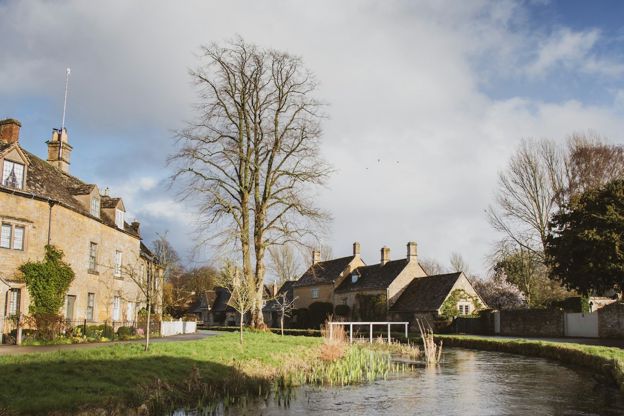
Five days is the north for three nights and a second region for two, and the best second region is the Five Valleys, because it is the one most unlike the first. Sleep three nights in Stow or Northleach and follow the three-day plan above, then drive south-west on the morning of day four to Painswick for two nights.
Day four is Painswick and Stroud. Start in St Mary's churchyard with its clipped yews and carved tombs, with the tomb trail leaflet from the church's website, then walk out to the Rococo Garden for lunch in its café; in the afternoon take the climb to Painswick Beacon for the view over the Severn vale, or drop down into Stroud for the Museum in the Park. Stay at the Painswick, with valley views and guest passes to the garden when you book direct, or at the Falcon Inn on New Street if the dog is with you.
Day five is the valleys themselves. On a Saturday, Stroud's farmers' market fills Cornhill from the morning; on any day, the Laurie Lee Wildlife Way round the Slad valley, 5 miles with steep climbs, is the walk, with a short detour into Slad to Holy Trinity, where Lee is buried. In the afternoon drive up to Minchinhampton Common, where cattle graze in summer and have right of way on the roads, and down to Nailsworth for Dunkirk Mill's waterwheel, booked ahead for a 2pm or 3pm visit on its open days from April to September (it is closed through the winter), before the drive home or the train from Stroud, which has direct trains to London.
If you would rather have the South Cotswolds as the second region, swap Painswick for Malmesbury and follow our weekend in the South Cotswolds: Tetbury's Market House and Westonbirt on day four, Castle Combe early, Biddestone and Lacock on day five.
The plan is written out stop by stop, with times and the bus and car legs, in five days in the Cotswolds.
A week in the Cotswolds: three regions, or the Cotswold Way
A week is three regions at a walking pace from two bases, or the Cotswold Way end to end. For the first, sleep four nights in the north and three in the south, and give the middle day to the Coln. For the second, book the inns along the trail before you book the train.
Days one to three follow the three-day plan from Stow or Northleach, with one change: give day one's afternoon to the Cotswold Edge instead of Snowshill, driving round to Winchcombe for Sudeley Castle and Katherine Parr's tomb. Day four is the Edge on foot, the 5.5-mile loop from Winchcombe to Belas Knap and back, with the steam railway from the town in the afternoon on its running days. Day five moves south: Bibury before 10am, the river walk to Coln St Aldwyns if you have not done it, lunch in Cirencester at the Corinium Museum, and the drive to Tetbury or Malmesbury for three nights, at the Old Bell beside the abbey or the Snooty Fox on Tetbury's Market Place.
Day six is Westonbirt in the morning, two hours or more among the trees, and Malmesbury's abbey and Athelstan Museum (closed on Mondays) in the afternoon, with the river loop before dinner. Day seven is Castle Combe early, down from the market cross to the bridge before the street fills, then Biddestone for the green and the pub and Lacock for the abbey and the Fox Talbot Museum, or Bath if you would rather end in a city. Build in a slow morning somewhere: the week is better with one.
The Cotswold Way is the other week. Its 102 miles run in 15 sections from Chipping Campden to Bath along the escarpment, with the official guidebook suggesting seven to ten days, which is 10 to 15 miles a day, and the National Trail warns of frequent steep climbs. Our pages cover the trail itself and two of its sections, Broadway to Wood Stanway and Winchcombe to Cleeve Hill, and the inns that take walkers and their dogs, the Lion at Winchcombe and the Falcon at Painswick among them, are in the best pubs with rooms in the Cotswolds.
The two-base version is written out day by day in a week in the Cotswolds; for the trail itself, start from the Cotswold Way and its fifteen sections, or by car follow a three-day touring route.
Themed weekends: gardens, walks and pubs, dogs and winter
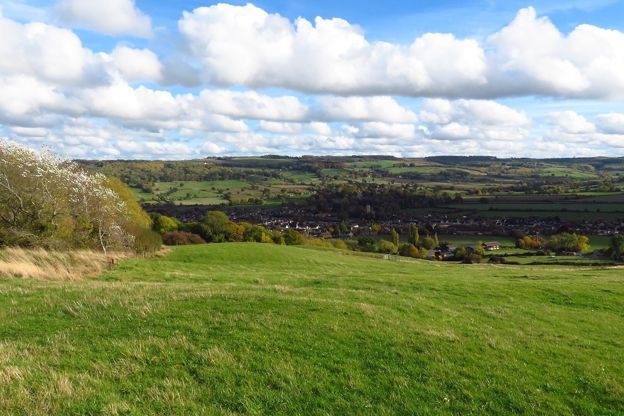
A weekend built round one thing is often better than a weekend that tries for everything, and four themes work especially well in the Cotswolds: gardens in spring and early summer, walks with a pub at the end, a weekend with the dog, and the empty villages of winter.
Gardens: base yourself in Chipping Campden for Hidcote and Kiftsgate, under half a mile apart, with Batsford Arboretum near Moreton and Sezincote's Indian house and garden close by, then drive south on the second day for the Rococo Garden at Painswick or Westonbirt in autumn. Our guide to Cotswold gardens has the opening patterns, which change through the season.
Walks and pubs: stay at a pub with rooms and walk from the door. Guiting Power has the circuit to Naunton and the Hollow Bottom; Winchcombe has Belas Knap and the Lion; Kingham has the flat loop to Bledington and the King's Head on Bledington's green. Pub walks in the Cotswolds lists every walk of ours with a pub at the start or the finish.
With a dog: choose the Five Valleys or the Edge, where the commons and the escarpment give open walking, and an inn that takes dogs in the room, the Falcon at Painswick or the Lion at Winchcombe. Keep the dog on a lead near livestock, and note that Sudeley Castle, Kiftsgate and Sezincote do not admit pet dogs in their gardens;the Cotswolds with a dog has the rules and the welcoming pubs.
Winter: between November and February the famous villages are as quiet as they ever get, the museums are open and the pubs have fires. Bibury on a weekday in January is a different place from Bibury in August. Lacock Abbey's rooms close from 1 November to 1 March (the Great Hall opens again for Christmas) and Sudeley closes from early November to mid-March, so plan round the houses that stay open and the walks; our guides to Christmas in the Cotswolds and the Cotswolds on a rainy day cover the season.
With children: our Cotswolds weekend with children is two days by car near Bourton, with the Cotswold Farm Park on Saturday and the Cotswold Wildlife Park on Sunday, and the Cotswolds with children has more by age.
Each of these has its own plan: a gardens weekend, a weekend of pub walks, a dog-friendly weekend, a winter weekend, a Five Valleys weekend and the film locations by car.
The Cotswolds Info newsletter
Events, new places and the best of the season, about once a month. Unsubscribe at any time.
When to go
Spring and autumn are the best seasons for every plan here: blossom and lambs from April, colour in the beech woods and at Westonbirt in October, and fewer people than in summer. Summer works if you walk early and sit late; winter works for anyone who wants the villages to themselves.
Avoid the Cheltenham Festival week in March for the north unless you have booked months ahead, and know that the May bank holidays and the August bank holiday fill Bourton, Bibury and Castle Combe from late morning. Many village pubs close on a Monday or a Tuesday and several museums close on Mondays, so a trip that starts midweek should check the days. When to visit the Cotswolds has the months and the festivals in full.
Adapting a plan for no car, or for rain
Without a car, swap the bases for the stations: Moreton-in-Marsh for the north, Kingham for the Evenlode, Kemble for Cirencester and Bibury, Stroud for the Five Valleys and Chippenham for the south. The 801 runs every day from Moreton, but the 855 to Bibury and the 99 to Malmesbury do not run on Sundays, and the Slaughters, Naunton and Snowshill have no timed bus at all; in parts of Gloucestershire, the North Cotswolds among them, the Robin minibus can be booked by phone, online or by app. Our guide to the Cotswolds without a car has the routes.
For rain, give the day to the museums: the Corinium Museum in Cirencester, Court Barn in Chipping Campden, Broadway Museum and Art Gallery, the Fox Talbot Museum at Lacock and the free Athelstan Museum in Malmesbury, with Blenheim Palace and the Lygon Arms' spa days in Broadway, which day visitors can book, with up to eight hours in a spa that has an indoor pool, for a whole wet day. Cut the long walks to the short strolls, Lower to Upper Slaughter, Winchcombe to Sudeley, and save the escarpment for a clear one. The Cotswolds on a rainy day has the rest.
Without a car and with one day from London, follow a day trip by train and bus.
Mentioned in this story
The places, sights and walks in this story, each with a page of its own: what it is, when to go and how to get there.
-
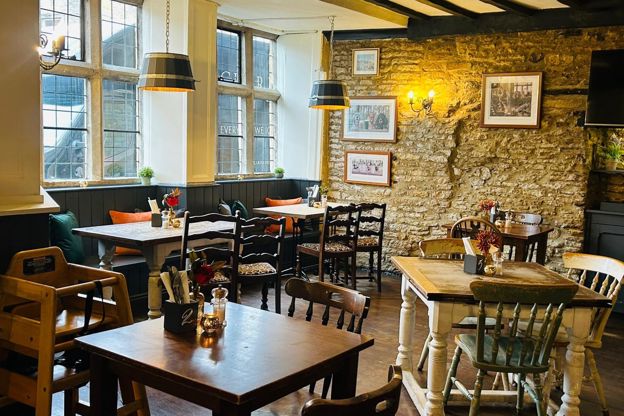
The Kings Arms, Stow
Inn · Stow-on-the-Wold
-
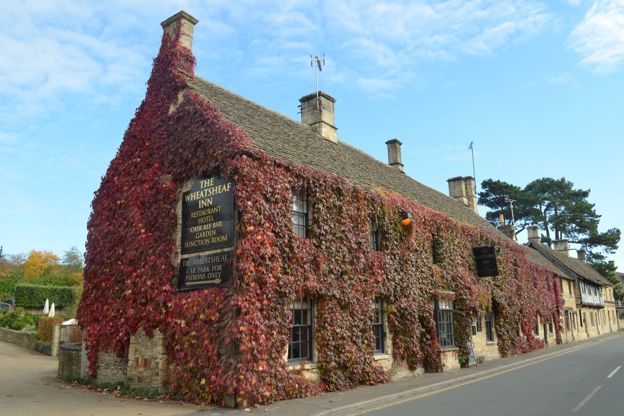
Wheatsheaf Inn
Inn · Northleach
-
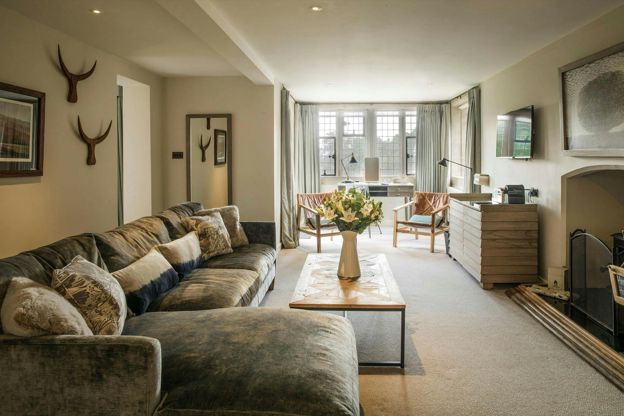
The Painswick
Hotel · Painswick
-
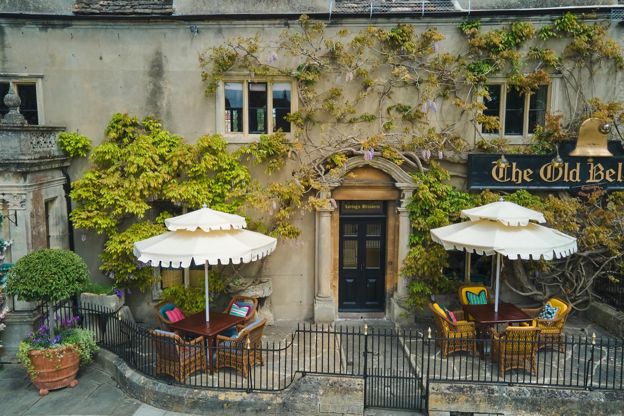
The Old Bell
Hotel · Malmesbury
-
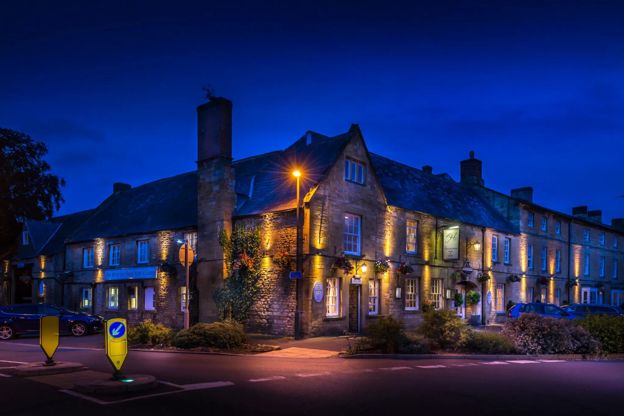
The White Hart Royal Hotel
Inn · Moreton-in-Marsh
-
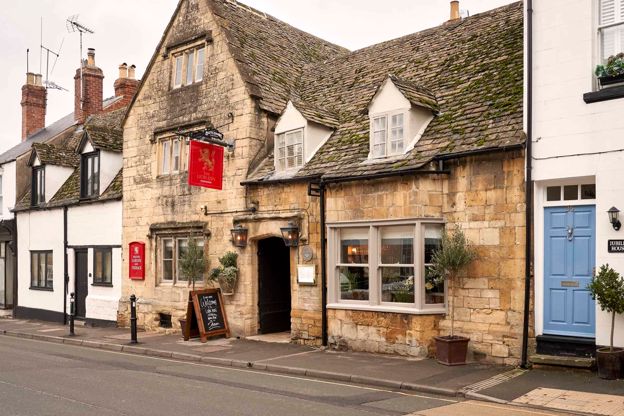
The Lion Inn
Inn · Winchcombe
-
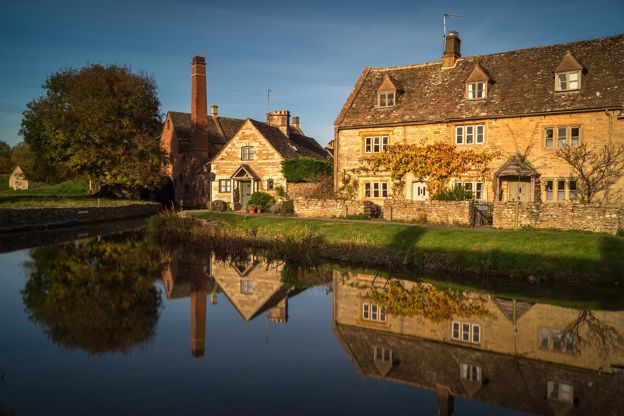
The Old Mill, Lower Slaughter
Sight · Historic building · Lower Slaughter
-
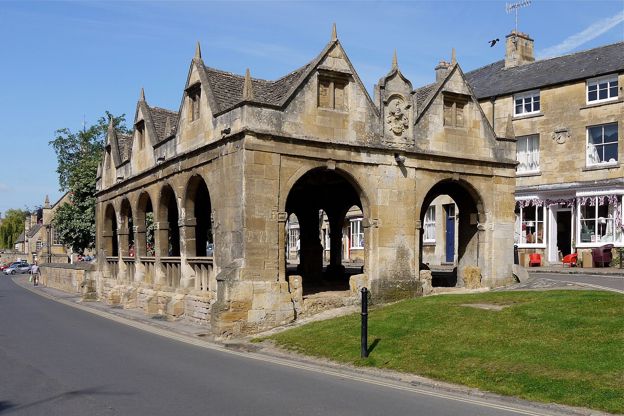
Market Hall, Chipping Campden
Sight · Historic building · Chipping Campden
-
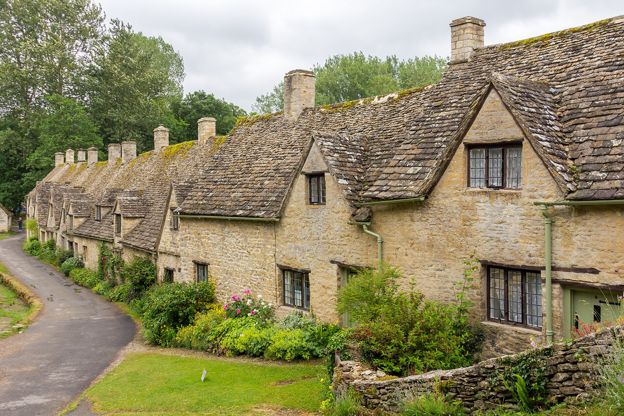
Arlington Row, Bibury
Sight · Historic building · Bibury
-
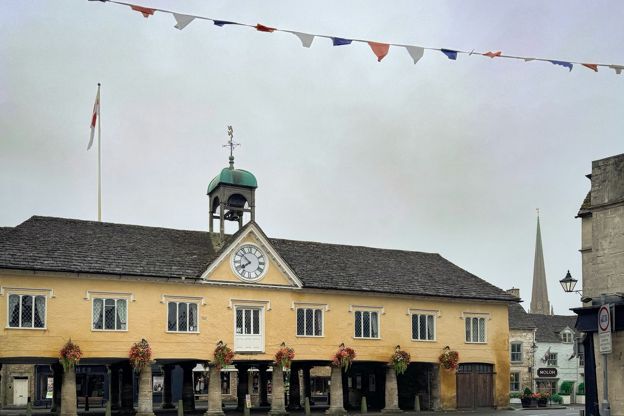
Market House, Tetbury
Sight · Historic building · Tetbury
-
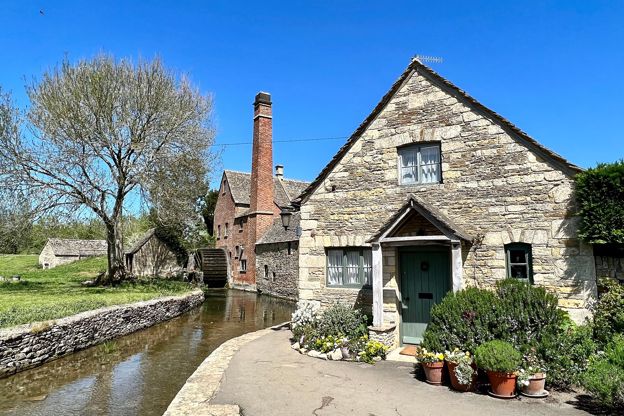
Bourton, Upper Slaughter and Lower Slaughter
Walk · Starts in Bourton-on-the-Water · 2 hrs, 15 mins · Circular
-
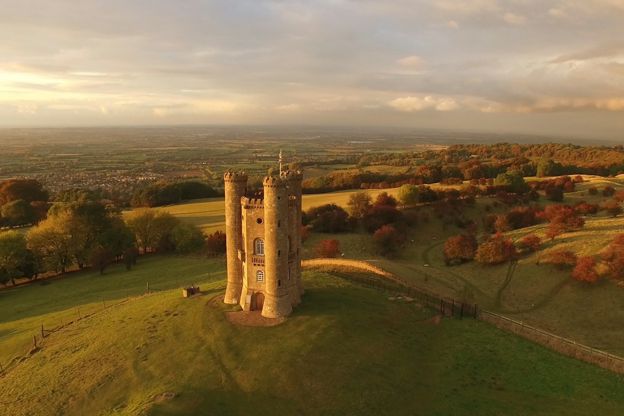
The Cotswold Way
Walk · Dog-friendly
-
Winchcombe and Belas Knap
Walk · Starts in Winchcombe · 2 hrs, 45 mins · Circular
Places to stay near the North Cotswolds
-
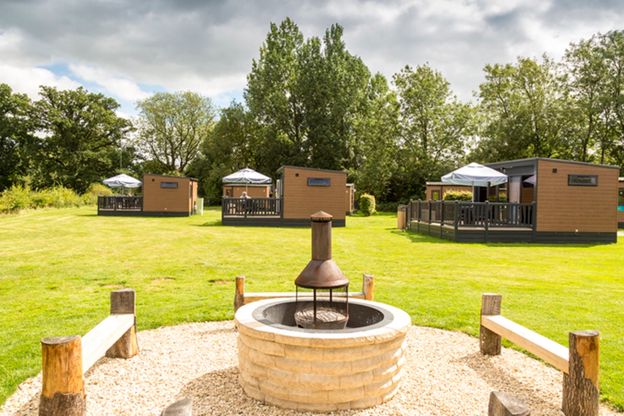
Moreton-in-Marsh Club Campsite
Camping · Moreton-in-Marsh
The Caravan and Motorhome Club's site on Bourton Road, Moreton-in-Marsh, open all year, with 184 touring pitches, ten pods and a dog walk.
Dog-friendly · Family-friendly · Walker-friendly
Verified Nov 2026
-
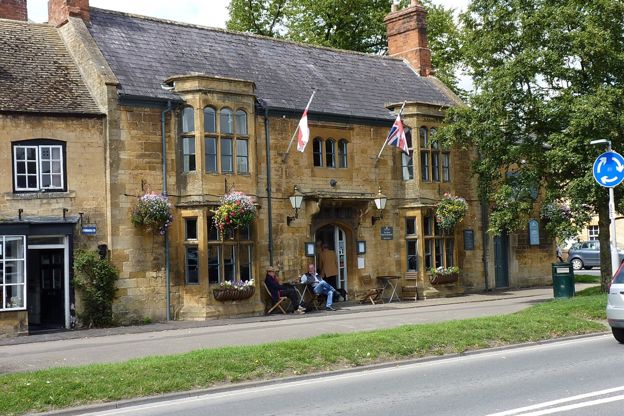
The Swan Inn, Moreton
Inn · Moreton-in-Marsh
An inn with eight rooms in a Grade II listed nineteenth-century building on Moreton-in-Marsh's High Street, with pub food five days a week.
Verified Oct 2026
-
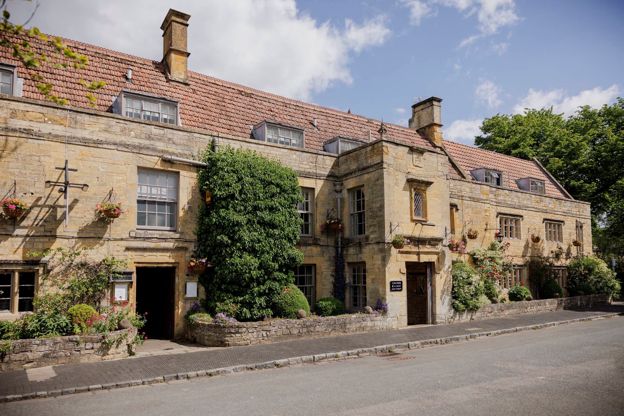
The Manor House
Hotel · Moreton-in-Marsh
A Grade II listed hotel on Moreton-in-Marsh's High Street with 34 bedrooms, a walled garden and a two-Rosette restaurant, dogs welcome.
Dog-friendly · Car-free · Wedding venues
Verified Nov 2026
Read next
-
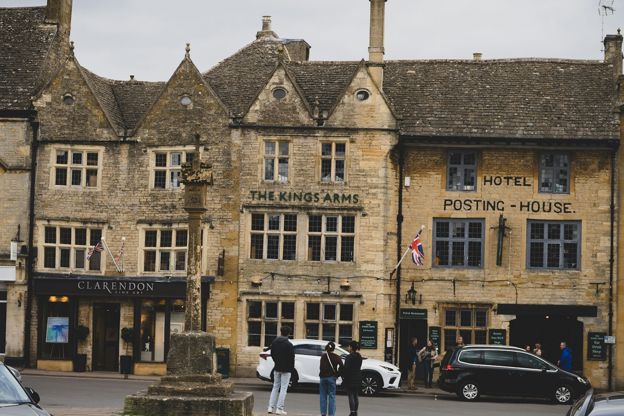
Where to stay in the Cotswolds: the best base
Story · Guides · 13 minute read
Where to stay in the Cotswolds, by region, by kind of place and by trip: Moreton-in-Marsh or Kingham without a car, Stow, Chipping Campden or Burford with one, Tetbury or Painswick for the quieter south, Winchcombe for walkers, and what a night costs in 2026.
-
Day trips from London to the Cotswolds
Story · Guides · 10 minute read
How to do the Cotswolds as a day trip from London: by train from Paddington to Moreton-in-Marsh for Stow and Bourton, to Kingham for the Evenlode villages, to Kemble for Cirencester and Bibury or to Bath for Lacock, with worked plans, the car and parking, and tours compared.
-

When to visit the Cotswolds, month by month
Story · Guides · 13 minute read
The best months to visit the Cotswolds are May, September and October. June to August and the bank holidays are the busiest, January the quietest. Here is the year month by month, with what is in flower, the customs, the weather and what to book ahead.